
 United: Thoughts on Finding Common Ground and Advancing the Common Good
Quotes from the Book
To acknowledge the existence of the bully and his accompanying risks is not the same as accepting him as a permanent feature of our world. I know that if we accept trauma and fear, it wins. "Bullies don’t just go away. Their legacies don’t just disappear. The bully must be confronted intentionally, his impact named and addressed. Even so, it seems there’s no clear consensus on how to deal with the bully on our blocks. Do we confront him? Match violence with violence? Do we ignore him, or try to kill him with kindness? I don’t think there’s a silver bullet to handling the bully, no one-size-fits-all strategy. But the right strategy has to be rooted in a context bigger than the immediate one, has to be rooted in more than aiming to end the presence of the bully himself. We must focus on the type of world we want to live in and devise a plan for getting there, as opposed to devising a strategy centered on opposition.
16
I have grown tired of the notion of an ally. I prefer the language of an “accomplice.” An ally loves you from a distance. An accomplice loves you up close. We need allies to make the transition to accomplices. An ally is someone who has unpacked her personal privilege but hasn’t yet made the link to institutional issues and is not willing to risk anything besides her mental comfort. An accomplice rolls up her sleeves and engages in the work that is beyond her. She’ll march in the streets, yes. But an accomplice also faces her own participation in whiteness, acknowledges it, and then looks beyond that personal acknowledgment to identify how her awareness can be applied to changing the systems and mindsets that prop up the system.
10
Protest is telling the truth in public. Sometimes protest is telling the truth to a public that isn’t quite ready to hear it. Protest is, in its own way, a storytelling. We use our bodies, our words, our art, and our sounds both to tell the truth about the pain that we endure and to demand the justice that we know is possible. It is meant to build and to force a response.
7
Hope is the belief that our tomorrows can be better than our todays. Hope is not magic; hope is work.
6
We need to remind the peers of the bully that they benefit from bullying even if they are not themselves the transgressors. Indeed, they benefit from it, but they are tarnished by it. To chip away at the humanity of select groups is to chip away at humanity itself.
5
The theory of policing is quite far from the reality of policing. For us, at least, that is.
3
Faith is the belief that certain outcomes will happen, and hope is the belief that certain outcomes can happen. So when Dr. Martin Luther King Jr. says, "the arc of the moral universe is long, but it bends towards justice," he is speaking from a place of faith. He is confident that justice is inevitable, even if it may come in another lifetime. Faith is often rooted in the belief of a higher power, in God. Hope on the other hand would mean reframing the statement to say, "The arc of the moral universe is long, and it will bend toward justice, if we bend it. Faith is rooted in certainty, hope is rooted in possibility, and they both require their own different kinds of work.
3
There’s a double standard to protest in America. Something is different for black people who should dare to ask questions, and further, for those who protest in blackness. Protest in and by black bodies is never deemed legitimate, never deemed worthy of engagement. It seems that we have simply have not earned our grievance, our grievance is illegitimate – we do not deserve sympathy or, ultimately, justice.
2
A few months following the release of Mapping Police Violence, the Washington Post and the Guardian released their own versions of the database. However, each had certain limitations: the Washington Post, for instance, only included instances of killings by officers who used guns, meaning that if an officer choked someone to death, that death would not be included; the Guardian omitted some off-duty killings. And each of those versions has data going back only as far as 2015, limiting the ability to identify trends and patterns over time. In spite of the challenges, different methodological choices, and the likelihood that a small proportion of police violence incidents slip past media outlets, especially in smaller towns without newspapers or digital media, the overall findings were clear and compelling. We found that police kill twelve hundred people each year in America,* meaning one in every three people killed by a stranger in this country is killed by a police officer.* An additional fifty thousand people are hospitalized each year after being injured by police.* This violence disproportionately impacts black communities. Black people are three times more likely to be killed by police than their white counterparts and are more likely to be unarmed when killed.* Black people are more likely to be stopped, searched, arrested,* and subjected to police use of force.* Police violence is so prevalent in black communities
1
I am constantly reminding myself that the goal of protest is progress, not simply more protest. Protest, though not the solution, is a precursor to the solution. It creates space that would otherwise not exist, and forces conversations and topics that have been long ignored into the public sphere. It illuminates what our country would rather forget. Protest remains necessary in a country with such ingrained systemic inequity and in which the traditional mechanisms of power have not often benefited marginalized communities without direct pressure.
1
In fighting to help this country, this world. To be one that is worthy of the beauty of your life, you will undoubtedly experience pain – the normal pain of life and the pain of struggle. But pain is not who you are. You are, and have always been, more than your pain.
1
Will you stand if you have to stand alone?
You can experience joy and beauty too. If you are not constantly refueling yourself, you'll have nothing to pour into this work.
Friendship and love cannot thrive when trapped in trauma.
We don’t give young people enough credit for being able to make sense of the world around them, to take things in and let things out, to be shaped and to shape the world around them.
Sometimes, when you don’t see yourself in the world, you start to think that you don’t exist.
Watch on YouTube
About DeRay Mckesson
About the book
"On the Other Side of Freedom reveals the mind and motivations of a young man who has risen to the fore of millennial activism through study, discipline, and conviction. His belief in a world that can be made better, one act at a time, powers his narratives and opens up a view on the costs, consequences, and rewards of leading a movement."--Henry Louis Gates, Jr.
From the internationally recognized civil rights activist/organizer and host of the podcast Pod Save the People, a meditation on resistance, justice, and freedom, and an intimate portrait of a movement from the front lines.
In August of 2014, twenty-nine-year-old activist DeRay Mckesson stood with hundreds of others on the streets of Ferguson, Missouri, to push a message of justice and accountability. These protests, and others like them in cities across the country, resulted in the birth of the Black Lives Matter movement
Book details
- First published
- 2018
- Author
- DeRay Mckesson
- Genre
- Nonfiction
- Goodreads rating
- 4.16 (3k ratings)
Keep reading
United: Thoughts on Finding Common Ground and Advancing the Common Good
 When They Call You a Terrorist: A Black Lives Matter Memoir
 Opinions: A Decade of Arguments, Criticism, and Minding Other People’s Business
 Across That Bridge: A Vision for Change and the Future of America
 The Truths We Hold: An American Journey
 Between the World and Me
 The Person You Mean to Be: How Good People Fight Bias
 The Source of Self-Regard: Selected Essays, Speeches, and Meditations
 Miss Major Speaks: Conversations with a Black Trans Revolutionary
 You Can't Be Neutral on a Moving Train: A Personal History of Our Times
 Sister Outsider: Essays and Speeches
 How to Stay Sane in an Age of Division
 Of Mess and Moxie: Wrangling Delight Out of This Wild and Glorious Life
 The View From Flyover Country: Essays by Sarah Kendzior
 Just Us: An American Conversation
 Hope in the Dark: The Untold History of People Power
 Born a Crime: Stories From a South African Childhood
 We Do This 'til We Free Us: Abolitionist Organizing and Transforming Justice
 Things That Make White People Uncomfortable
 Just Mercy
 Where Do We Go from Here: Chaos or Community?
 The Autobiography of Martin Luther King, Jr.
 Becoming
 Surrender: 40 Songs, One Story
 Revolution
 On Freedom: Four Songs of Care and Constraint
 Dare to Lead
 Uncomfortable Conversations With a Black Man
 The Comfort Book
 Atlas of the Heart: Mapping Meaningful Connection and the Language of Human Experience
 Tomorrow Will Be Different: Love, Loss, and the Fight for Trans Equality
 Conflict Is Not Abuse: Overstating Harm, Community Responsibility, and the Duty of Repair
 A Burst of Light
 The Small and the Mighty: Twelve Unsung Americans Who Changed the Course of History, from the Founding to the Civil Rights Movement
 I Hope We Choose Love: A Trans Girl's Notes from the End of the World
 Doppelganger: A Trip into the Mirror World
 See No Stranger: A Memoir and Manifesto of Revolutionary Love
 Why We Can't Wait
 Small Great Things
 A Mind Spread Out on the Ground
 Endgame, Vol. 1: The Problem of Civilization
 Good Dirt
 The Blue Sweater: Bridging the Gap Between Rich and Poor in an Interconnected World
 They Can't Kill Us Until They Kill Us: Essays
 Braving the Wilderness
 A Promised Land
 My Beloved World
 Emergent Strategy: Shaping Change, Changing Worlds
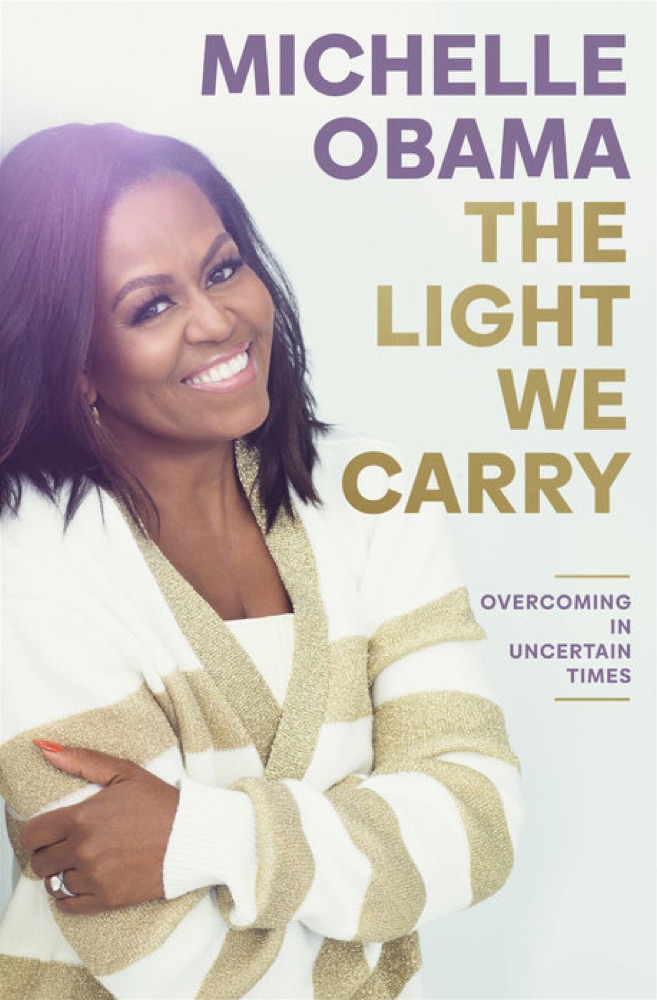 The Light We Carry: Overcoming in Uncertain Times
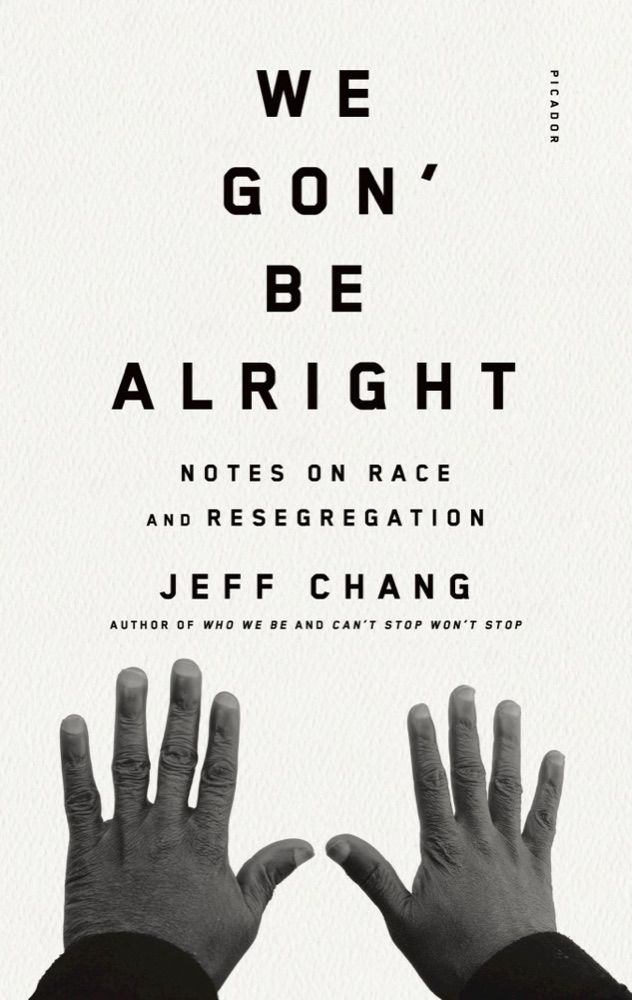 We Gon' Be Alright: Notes on Race and Resegregation
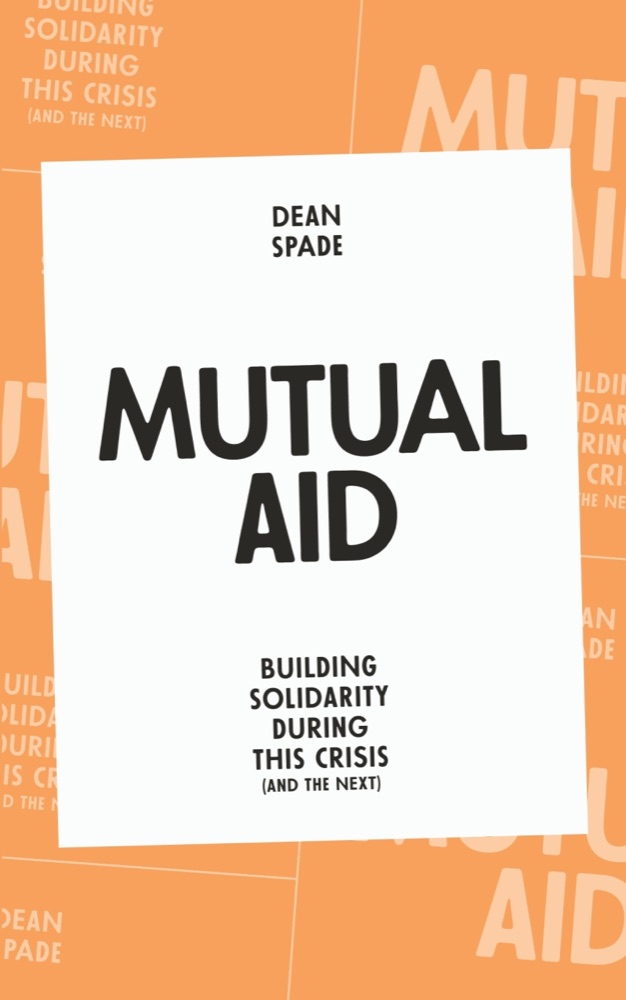 Mutual Aid: Building Solidarity in This Crisis
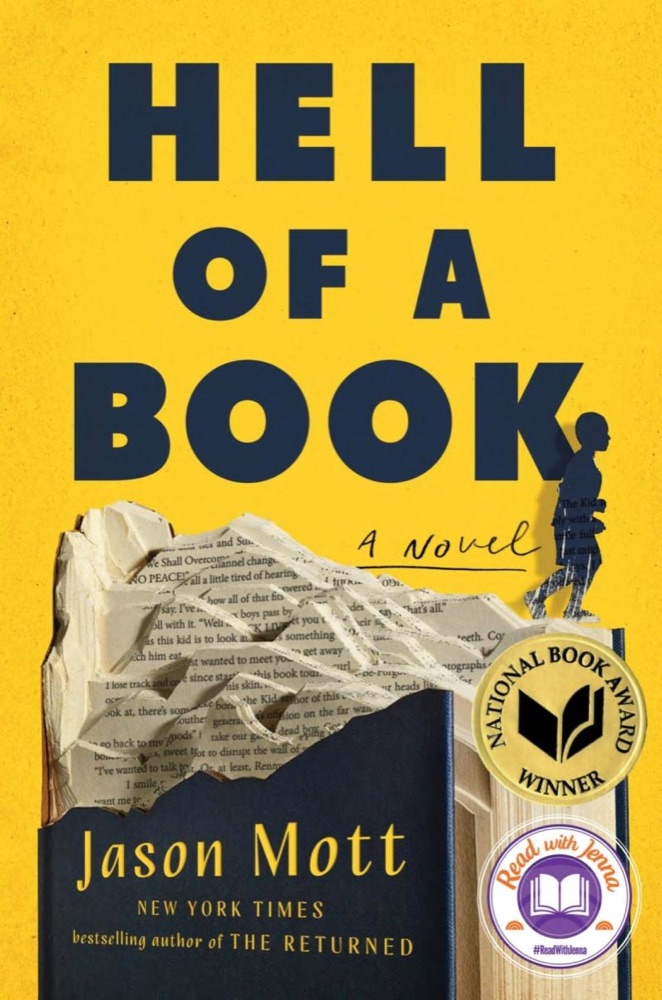 Hell of a Book
 The Fire This Time: A New Generation Speaks About Race
 I Take My Coffee Black: Reflections on Tupac, Musical Theater, Faith, and Being Black in America
 Living a Feminist Life
 This Bridge Called My Back: Writings by Radical Women of Color
 How Long 'til Black Future Month?
 World War Z: An Oral History of the Zombie War
 Assata: An Autobiography
 High Conflict: Why We Get Trapped and How We Get Out