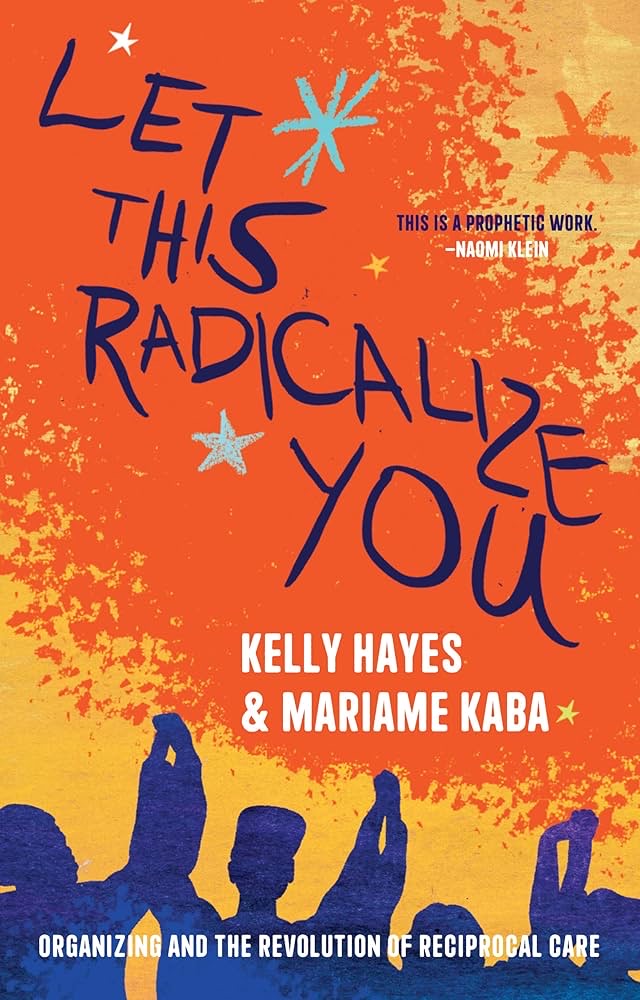
 Mutual Aid: Building Solidarity in This Crisis
Quotes from the Book
the destruction of property is usually viewed as violent only if it disrupts profit or the maintenance of wealth. If food is destroyed because it cannot be sold while people go hungry, that is not considered violent under the norms of capitalism. If a person’s belongings are tossed on a sidewalk during an eviction and consequently destroyed, that is likewise not considered violent according to the norms of this society.
13
under capitalism, “peace” is the maintenance of violence on the state’s terms.
8
The creative power of the oppressed will always exceed that of the oppressor, because it is the oppressed who must exercise creativity to navigate and survive a world that is set against them.
7
Our goal should be interdependence: to be part of a community where rescue is viewed not as exceptional but as something that we owe each other.
7
The repression of Palestinian resistance offers a profound example of the elasticity of violence as a concept and shows how, while the powerful can wage war on particular communities with impunity and claim innocence, the oppressed can be deemed a violent threat simply for attempting to assert their rights or defend their humanity.
6
It is not saviorism, but collectivity and solidarity, that will fuel our best efforts.
6
Such is the perversion of “violence” under imperial and colonial rule: the maintenance of state-sanctioned violence is considered peaceful, while the disruption of those death-making processes is deemed violent.
5
When state actors refer to “peace,” they are really talking about order. And when they refer to “peaceful protest,” they are talking about cooperative protest that obediently stays within the lines drawn by the state.
5
We do not suffer oppressions identical to those of our ancestors, but the struggle against our oppressors has never ceased.
5
We urge organizers to spend more time with books and other modes of learning, not as an admonition (after all, you are reading right now) but to encourage you to claim an inheritance of knowledge your oppressors hope you never discover, embrace, or build from—the stories, wisdom, hope, and imaginings of organizers who came before us.
5
As fires rage and sea levels rise in the coming years, we will be called upon to rescue one another again and again.
4
If your tactics disrupt the order of things under capitalism, you may well be accused of violence, because “violence” is an elastic term often deployed to vilify people who threaten the status quo.
3
It’s true that the language of reform is more easily accepted by the public, because language that lacks substance is generally inoffensive.
3
Given how revocable and alterable these corporate-owned mediums are, we must consider, What would we do in the case of a major political event if social media were no longer at our disposal? And what about all the people we’re not connecting with in our own communities due to some people’s lack of social media use or the invisible constraints of corporate algorithms?
3
There are many layers of fear associated with this abandonment: fear of what would happen if the system no longer managed our lives, fear of being devoured by the system ourselves, fear that we cannot win, and perhaps most dauntingly, the fear that we cannot do any better than this, that our hopes to the contrary are the utopian dreams of childish idealists.
2
It's important to both ground ourselves in the here and now and also remember that the world is much bigger than this moment, bigger than us and our experience of it, and much bigger than we imagine when we are afraid
2
It means having the courage to imagine, make mistakes, trust, listen, learn, think, and rethink; to resist punditry, pedestals, and perfection; to reject cynicism and embrace critical analysis; to plot; to hold on; to care and commune; to show up; to love.
2
Reform” is not a battle cry. It is a political pacifier.
2
Many of the social patterns and behaviors that lead us to reject one another and revert to individualism are the products of trauma, so to do the work of being human together, we must make space to address these emotional and physiological realities.
2
Let this radicalize you rather than lead you to despair.
1
the work of changing, imagining, reimagining, building, and rebuilding the world—is on me, too, because it’s on all of us.
1
remember this much: learned prisoners are an affront to the [prison-industrial complex].
1
What are the ways that people make the places they inhabit, daily, through their participation, cooperation, and interdependence? What would those dynamics look like if those people were truly free? How can we manifest those ideas, values, and visions in the spaces we create together?
1
Hope and grief can coexist,” Kelly and Mariame remind us
Contributing to mass death while destroying the Earth for a profit are not considered violent actions, while damaging equipment in an effort to interrupt those harms is considered terrorism.
Cynicism is a dominant force in today’s political discourse
To think of our organizing efforts as the work of making place helps ground us in the larger reality of what we are fighting for: not mere words or ideas, but transformed lives in transformed places. In working toward liberation, we are making place in opposition to those who would rob us of time, space, togetherness, and possibility itself.
While some people engage in politics for the sake of debate or to defend their sense of moral identity, radical organizers are attempting to create something new.
free ourselves from the strictures of individualism and unite in acts of solidarity and collective care. It is in that spirit
Did you know?
- The book's title comes from Mariame Kaba's widely shared saying, 'Let this radicalize you rather than lead you to despair.'
- It was published as part of Haymarket Books' Abolitionist Papers series.
- The book draws heavily on lessons from the COVID-19 pandemic and the 2020 uprisings for racial justice.
- It features insights from organizers including Ruth Wilson Gilmore, Barbara Ransby, Ejeris Dixon, Sharon Lungo, and Carlos Saavedra.
- It was selected as the inaugural summer 2023 read for Chicago's citywide RISE UP AND READ common-read program.
- Naomi Klein and Robin D. G. Kelley both endorsed the book.
About Kelly Hayes
About the book
Let This Radicalize You is a handbook for activists and organizers written by longtime movement educators Kelly Hayes and Mariame Kaba. Drawing on the political lessons of the COVID-19 pandemic, the George Floyd uprisings, and the convergence of mass protest with mutual aid, the book offers reflections, interviews, and questions meant to help people sustain a lifelong commitment to justice work. Rather than a rigid how-to manual, it reads as an assemblage of guidance aimed especially at those who are new to organizing.
Its central themes are hope, care, and endurance in the face of racist, capitalist, colonial, and heteropatriarchal violence. The title comes from Kaba's widely circulated line, 'Let this radicalize you rather than lead you to despair,' and the book treats reciprocal care and community as revolutionary practices essential to building durable movements. It weaves in insights from experienced organizers including Sharon Lungo, Carlos Saavedra, Ejeris Dixon, Barbara Ransby, and Ruth Wilson Gilmore.
Published by Haymarket Books in 2023 as part of the Abolitionist Papers series, the book drew endorsements from figures such as Naomi Klein and Robin D. G. Kelley and was chosen as the inaugural read for Chicago's citywide RISE UP AND READ common-read program. Reviewers praised it as both poetic and practical, describing it as an antidote to the despair that can accompany organizing in an era of crisis.
Book details
- First published
- 2023
- Length
- 296 pages
- Series
- Abolitionist Papers
- Reading time
- 6 hours
- Author
- Kelly Hayes
- Genre
- Nonfiction
- Goodreads rating
- 4.50 (3k ratings)
Critical reception
- Naomi Klein praised the book as a text addressing perpetual crisis that movements 'desperately need right now.'
- Robin D. G. Kelley described it as teaching that activism requires the courage to imagine, make mistakes, trust, listen, and learn.
- The Indypendent called it 'a well-wrought antidote to the pervasive despair.'
- It was selected as the inaugural read for Chicago's citywide RISE UP AND READ common-read program in summer 2023.
The buzz
- The NationKelly Hayes and Mariame Kaba on Their New Handbook for Radical Organizing2023Interview with both authors about the book's ideas on radicalization and care
Keep reading
Mutual Aid: Building Solidarity in This Crisis
 We Do This 'til We Free Us: Abolitionist Organizing and Transforming Justice
 Across That Bridge: A Vision for Change and the Future of America
 On the Other Side of Freedom: The Case for Hope
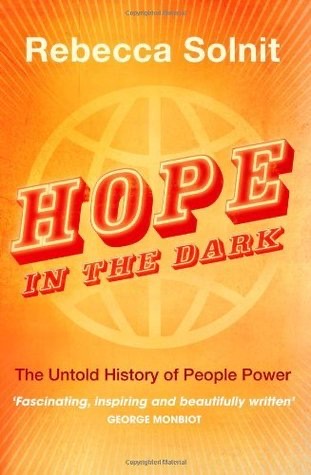 Hope in the Dark: The Untold History of People Power
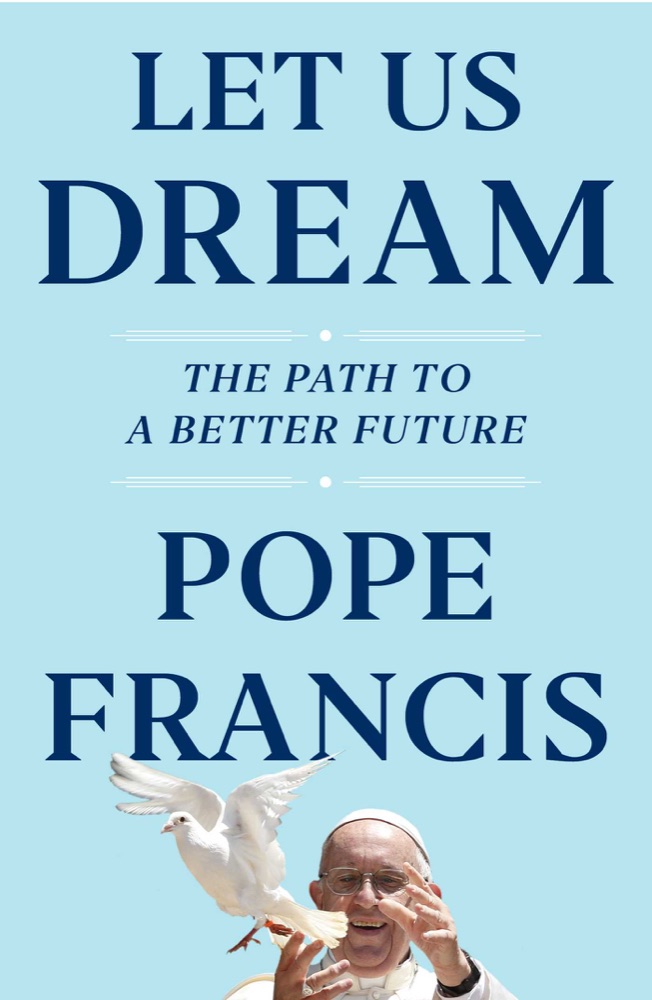 Let Us Dream: The Path to a Better Future
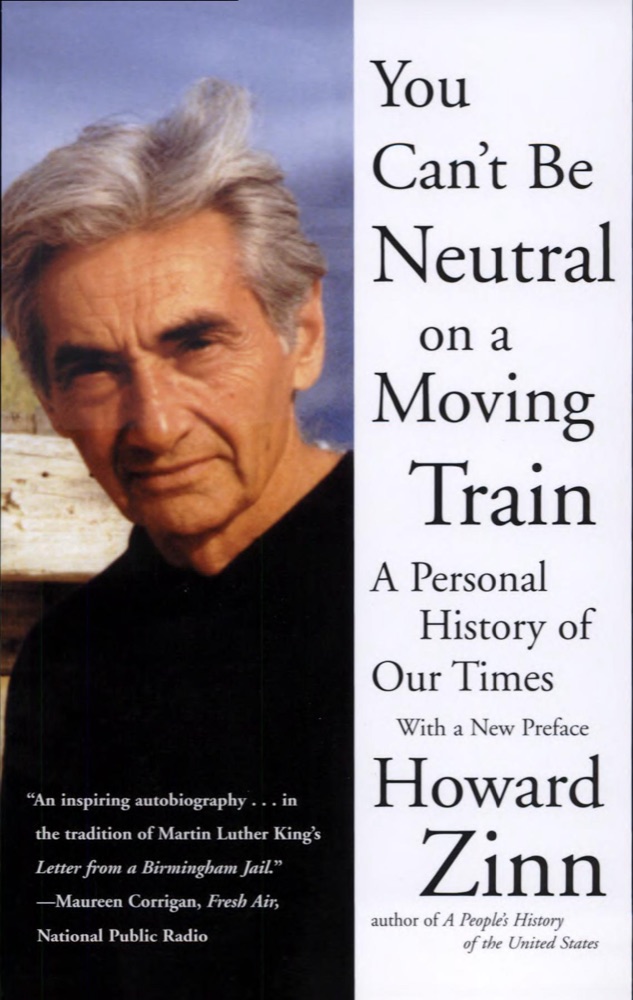 You Can't Be Neutral on a Moving Train: A Personal History of Our Times
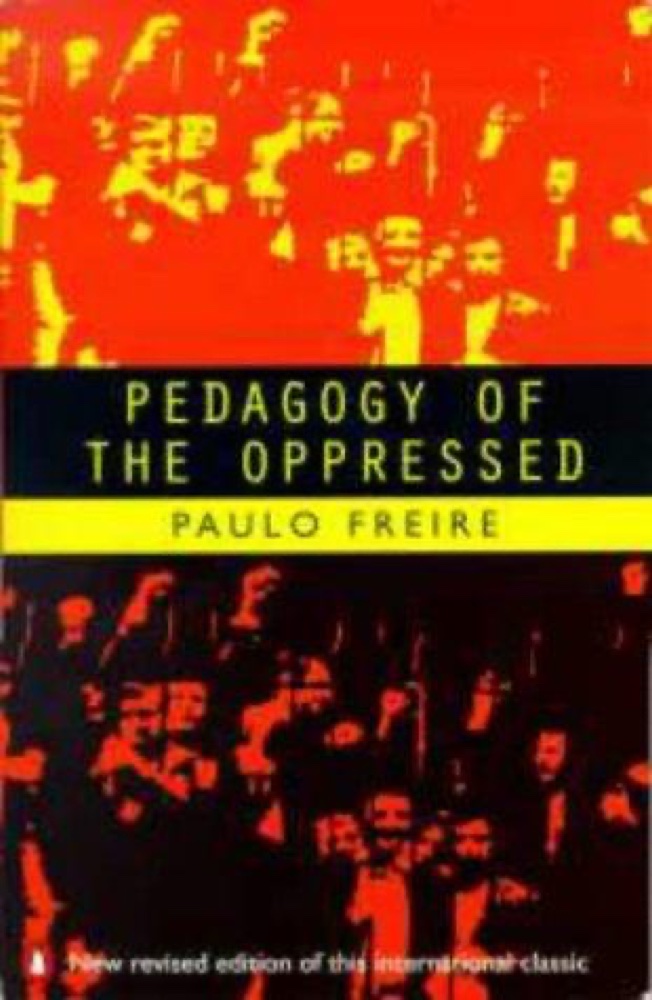 Pedagogy of the Oppressed
 Revolution
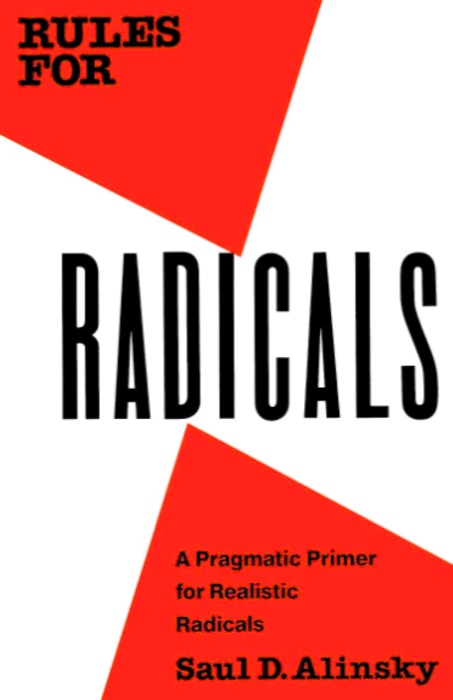 Rules for Radicals: A Pragmatic Primer for Realistic Radicals
 Doppelganger: A Trip into the Mirror World
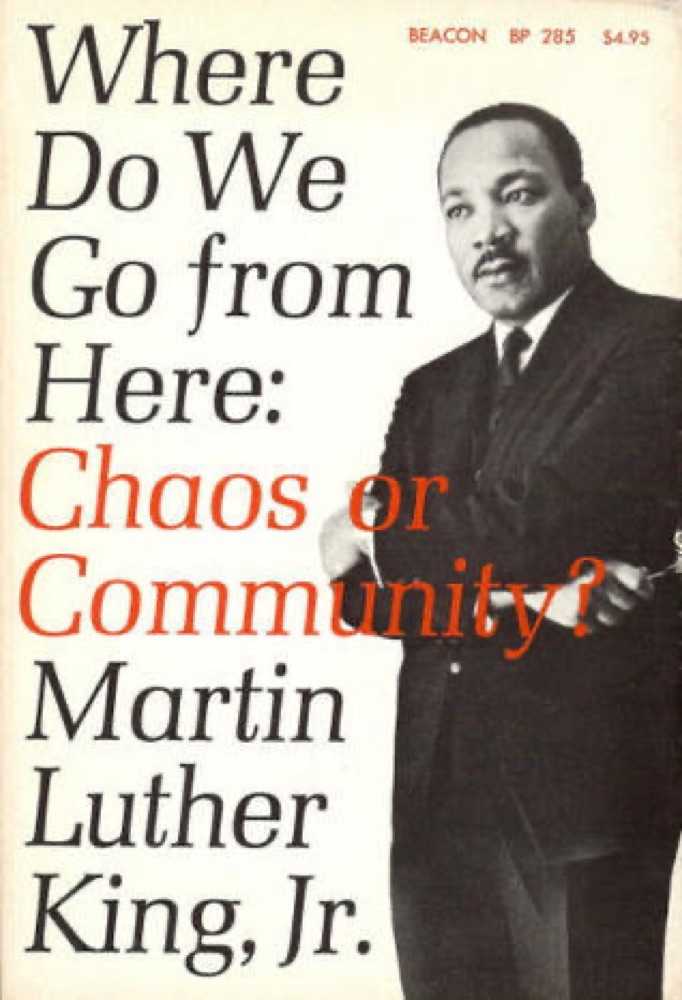 Where Do We Go from Here: Chaos or Community?
 Ill Fares the Land
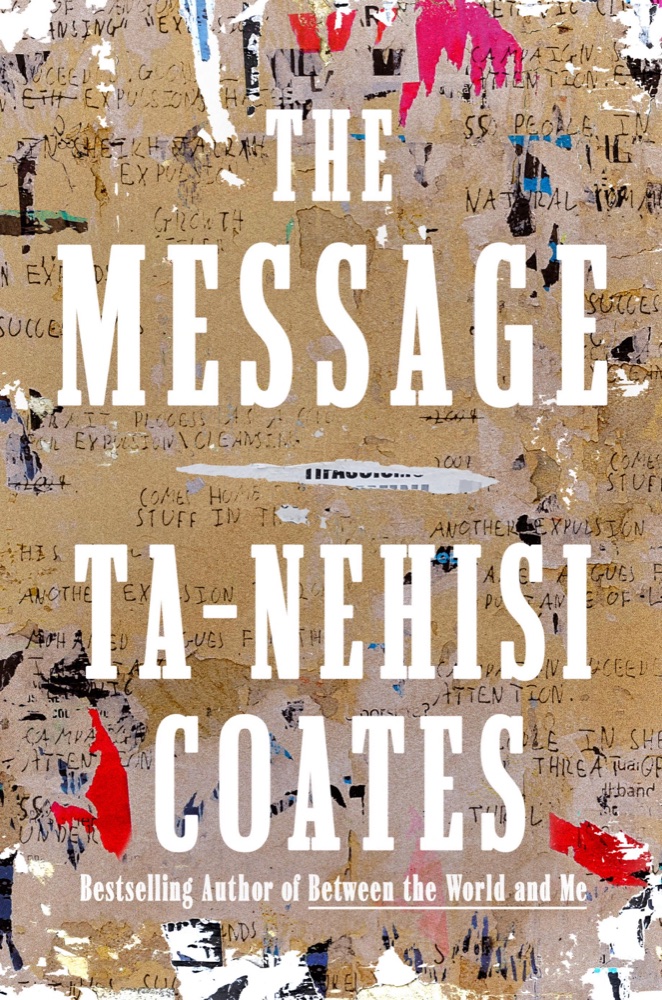 The Message
 The Master's Tools Will Never Dismantle the Master's House
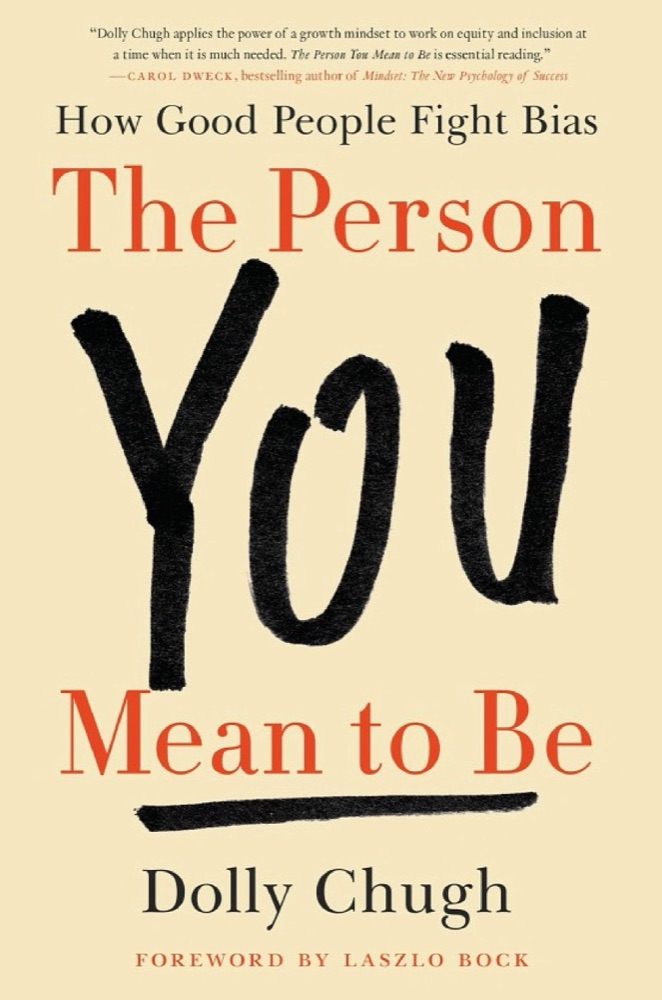 The Person You Mean to Be: How Good People Fight Bias
 The Source of Self-Regard: Selected Essays, Speeches, and Meditations
 The Coming Insurrection
 The Audacity of Hope: Thoughts on Reclaiming the American Dream
 Conflict Is Not Abuse: Overstating Harm, Community Responsibility, and the Duty of Repair
 Endgame, Vol. 1: The Problem of Civilization
 Opinions: A Decade of Arguments, Criticism, and Minding Other People’s Business
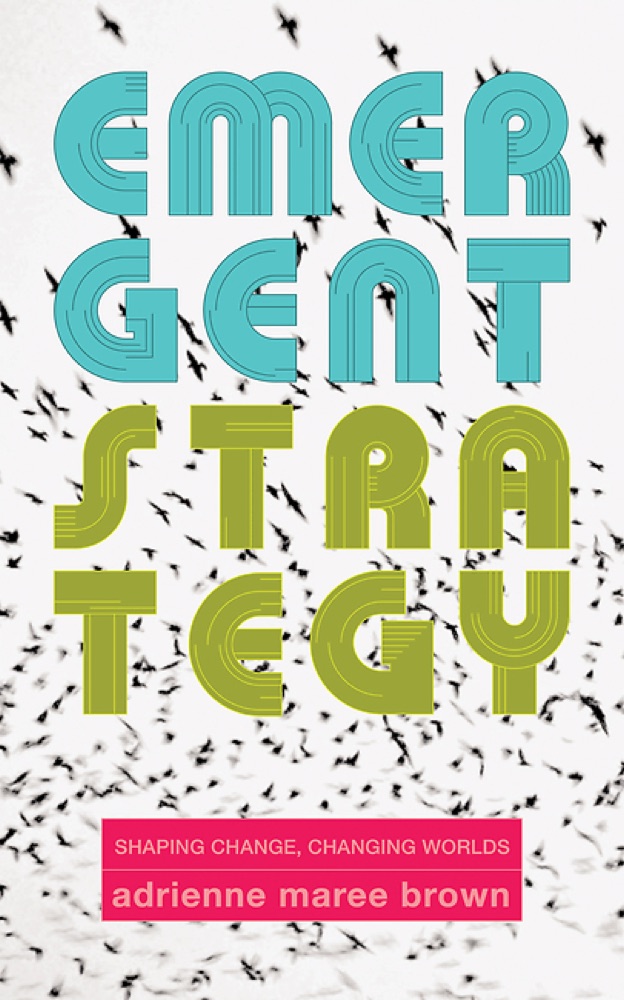 Emergent Strategy: Shaping Change, Changing Worlds
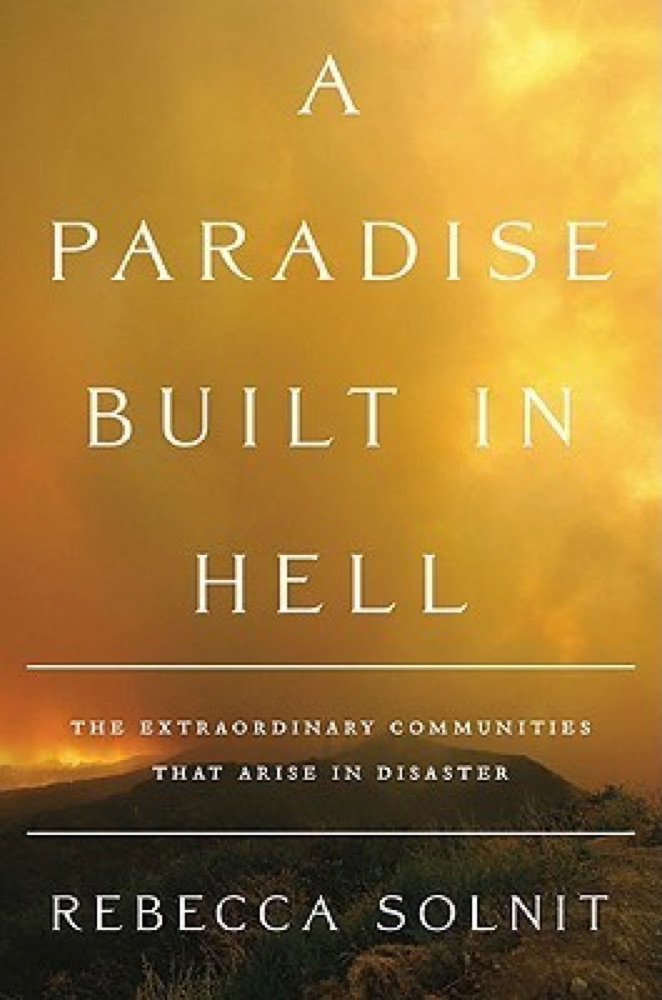 A Paradise Built in Hell: The Extraordinary Communities That Arise in Disaster
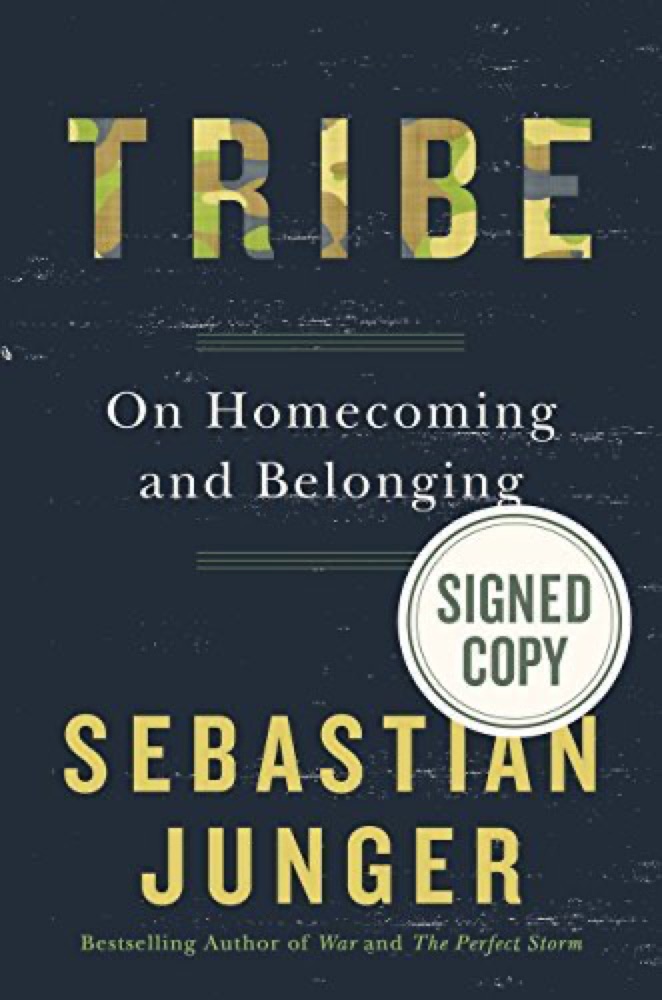 Tribe: On Homecoming and Belonging
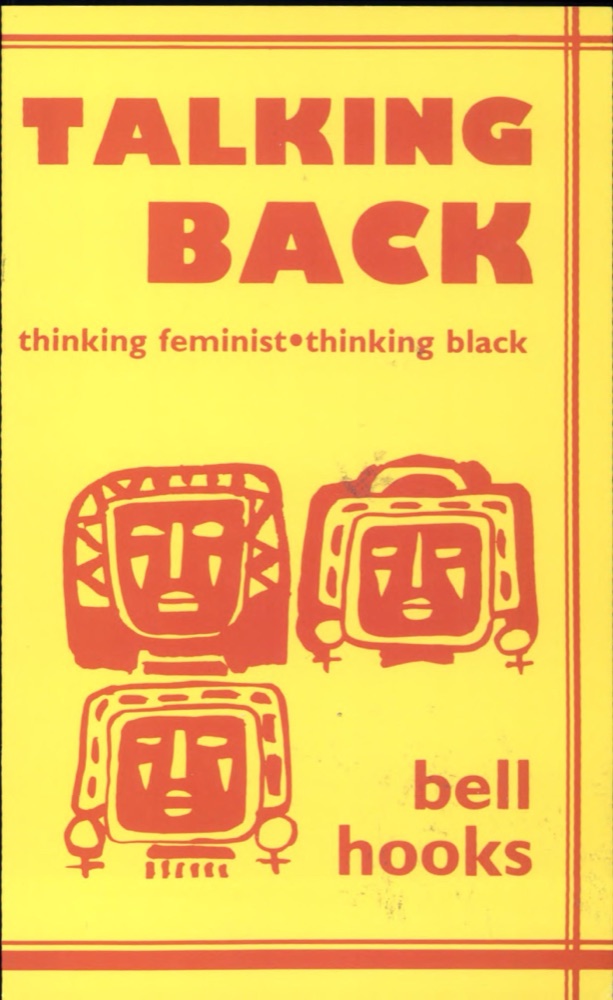 Talking Back: Thinking Feminist, Thinking Black
 This Bridge Called My Back: Writings by Radical Women of Color
 Elite Capture: How the Powerful Took Over Identity Politics
 Resistance, Rebellion and Death: Essays
 Between the World and Me
 Why We Can't Wait
 First As Tragedy, Then As Farce
 The Coddling of the American Mind: How Good Intentions and Bad Ideas Are Setting up a Generation for Failure
 On Freedom
 The Truths We Hold: An American Journey
 One Day, Everyone Will Have Always Been Against This
 Chomsky On Anarchism
 The Fire Next Time
 Live Not by Lies: A Manual for Christian Dissidents
 United: Thoughts on Finding Common Ground and Advancing the Common Good
 The Small and the Mighty: Twelve Unsung Americans Who Changed the Course of History, from the Founding to the Civil Rights Movement
 Sister Outsider: Essays and Speeches
 Humankind: A Hopeful History
 Recognizing the Stranger: On Palestine and Narrative
 The True Believer: Thoughts on the Nature of Mass Movements
 What White People Can Do Next: From Allyship to Coalition – An Empowering Guide to Interrogating Whiteness and Creating Justice
 How Long 'til Black Future Month?
 Living a Feminist Life
 Shortest Way Home: One Mayor's Challenge and a Model for America's Future
 The Lucifer Effect: Understanding How Good People Turn Evil
 The Bee Sting
 Heavenly Tyrant
 The View From Flyover Country: Essays by Sarah Kendzior
 The Autobiography of Martin Luther King, Jr.
 Green Mars
 The Utopia of Rules: On Technology, Stupidity, and the Secret Joys of Bureaucracy
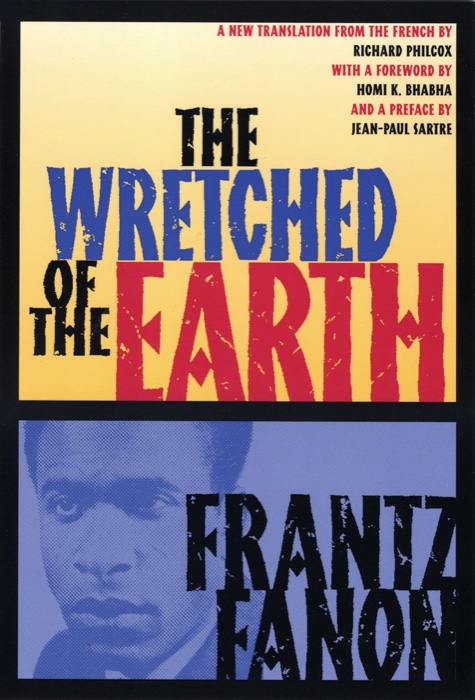 The Wretched of the Earth
 I Hope We Choose Love: A Trans Girl's Notes from the End of the World
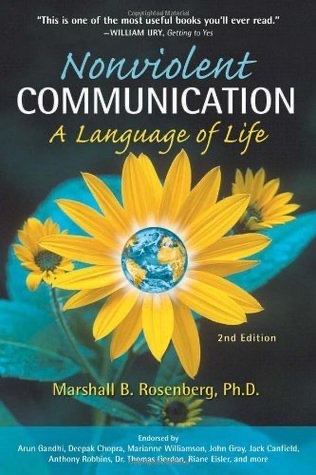 Nonviolent Communication: A Language of Life
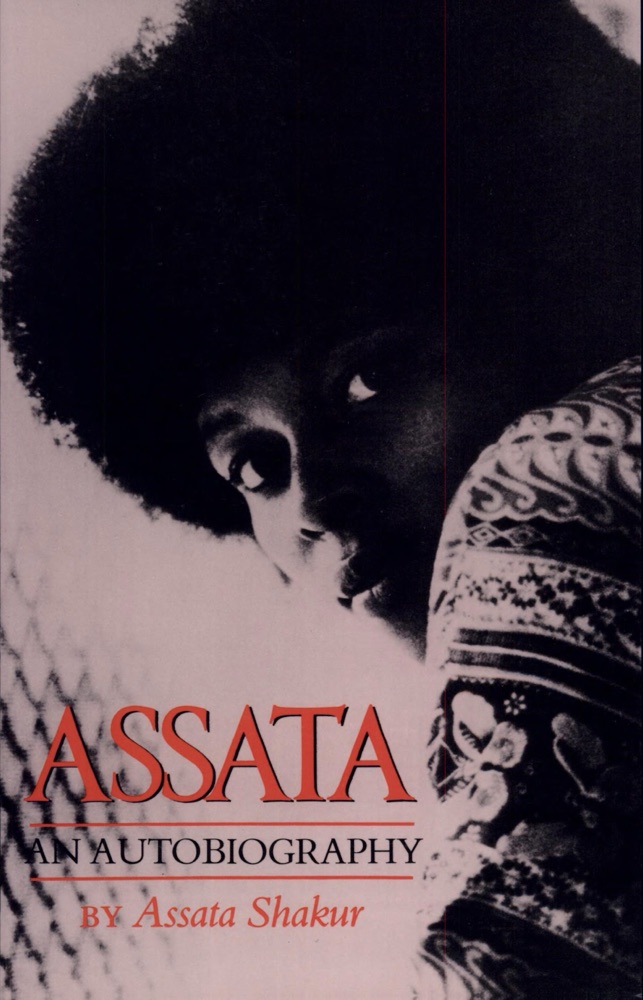 Assata: An Autobiography