 Across That Bridge: A Vision for Change and the Future of America
Quotes from the Book
Tolerance is becoming accustomed to injustice; love is becoming disturbed and activated by another’s adverse condition. Tolerance crosses the street; love confronts. Tolerance builds fences; love opens doors. Tolerance breeds indifference; love demands engagement. Tolerance couldn’t care less; love always cares more. —
18
Hope confronts. It does not ignore pain, agony, or injustice. It is not a saccharine optimism that refuses to see, face, or grapple with the wretchedness of reality. You can't have hope without despair, because hope is a response. Hope is the active conviction that despair will never have the last word.
10
The most common way people give up their power is by thinking they don’t have any.
8
Profound connections exist between all; interdependency so manifest that perceived separation is a delusion. Like a great pool containing millions of drops of water, introduce a stone and all are elevated, poison a part and all are ill affected. You can't connect more or less; the connection exists no matter what our perception. But ignore the connection, deny it, and consequences come.
7
The world you see outside of you is a reflection of what you have inside of you.
7
I believe that we are not a nation of fear, but a nation of love--a love that heals, not hurts, a love that affirms the dignity and humanity of all, not diminishes the poor and the marginalized. I believe that this broken system, which afflicts us all, will be repaired. It must be if we are to hold true to our most precious ideals of liberty and justice for all.
6
I celebrate ideals of individual excellence, self-reliance, and personal responsibility… But rugged individualism alone did not get us to the moon. It did not end slavery, win World War II, pass the Voting Rights Act, or bring down the Berlin Wall. It didn’t build our dams, bridges, and highways, or map the human genome. Our most lasting accomplishments require mutual effort and shared sacrifice; this is an idea that is woven into the very fabric of this country.
5
Before you speak to me about your religion, first show it to me in how you treat other people; before you tell me how much you love your God, show me in how much you love all His children; before you preach to me of your passion for your faith, teach me about it through your compassion for your neighbors.
5
You need to understand something.' she said. 'The world you see outside of you is a reflection of what you have inside of you. If all you see are problems, darkness, and despair, then that is all there is ever going to be. But if you are one of those stubborn people who every time you open your eyes you see hope, you see opportunity, possibility, you see love or the face of God, then you can be someone who helps me.
5
...Love recognizes that every person has value, that we need each other, that we are interdependent – that what happens to you matters to me. Love necessitates extending yourself, often out of your comfort zone, making the conscious choice to SEE that person, despite his or her circumstances, as worthy and as vital to you. Love recognizes that if another falls, fails, or succumbs, then we are all worse off and our lives are diminished.
5
America is materially rich yet simultaneously has too much material poverty. What made this and other negative conditions persist, he believed, was an insidious poverty of understanding, a poverty of empathy. People's inability to see what is going on in the lives of their fellow citizens, to understand what so many Americans endure, creates an atmosphere that allows injustice to fester and proliferate.
4
rugged individualism alone did not get us to the moon. It did not end slavery, win World War II, pass the Voting Rights Act, or bring down the Berlin Wall. It didn’t build our dams, bridges, and highways, or map the human genome. Our most lasting accomplishments require mutual effort and shared sacrifice; this is an idea that is woven into the very fabric of this country. You
3
Yes, we do drink deeply from wells of liberty and opportunity that we did not dig. We do owe a debt that we can’t pay back but must pay forward. We are the result of a grand conspiracy of love.
3
It often seemed like when it came to criminal justice expenditures--just as is the case in infrastructure development, early childhood education, and countless other areas--our society would much rather pay an obscene amount of money on the back end of a problem than pay a relatively small amount up front on evidence based programs that would prevent the problem from happening in the first place.
3
Poor children face staggering challenges: increased risk of low birth weight, negative impacts on early cognitive development, higher incidents of childhood illnesses such as asthma and obesity, and greatly reduced chances of attending college (only about nine out of every one hundred kids born in poverty will earn a college degree). On top of this, poor children deal with greater degrees of environmental hazards from pollution, noise, and traffic, as well as other stressors harmful to their well-being. In a competitive and global knowledge-based economy, a nation's most valuable resource is its children. And yet we are reckless with this treasure.
3
The more I thought about it, the more I realized that I should do more experimenting with my own truth. In a free market, we vote every day with our dollars, but I had never asked questions about where the things I bought came from, and what I was actually endorsing with my dollars. The more I became aware of those choices, the more I wanted to align my choices with my values.
3
In the end, it is up to us to instruct, inspire, and encourage one another by what we do and how we live. We must all, in this sense, be activists. If we want more connection, we must work harder to connect with others. If we want more unity, we must work to be uniters. If we want more leadership, then we must lead. The most profound changes in our country have come when individuals joined with other individuals in the stubborn belief that they could make change.
3
A friend once told me the stars we see in the night sky are light years away – literally, trillions of miles. In fact, some of those stars are dead and gone. Yet we still see the light of a star long after it's gone, as that light continues to travel through space, flowing outward forever. While those stars have burned out, their light has traveled for years to reach our eyes. To us, they still shine. The star may be dead and gone, but the energy, light, and warmth it gave off while living are eternal. Stars die, but their light goes on forever.
3
the lines that divide us are nowhere near as strong as the ties that bind us; despite our very real differences, we share common interests, a common cause, and, incontrovertibly, a common destiny. And
3
You can’t have hope without despair, because hope is a response. Hope is the active conviction that despair will never have the last word.
2
Many people don’t realize that police can’t stop anyone they want just because of a generalized suspicion. There are clear legal standards. Officers may briefly detain a person for investigative purposes only if the officer has “reasonable suspicion” that criminal activity is occurring. Reasonable suspicion is a step below the “probable cause” necessary for an arrest. “Reasonable suspicion” requires more than being in a high-crime area or acting furtive in front of police.
2
Deterrents properly placed can help. But that is not enough. We are one society, and as Dr. Martin Luther King Jr. said, what we will have to repent for is not the “vitriolic words and violent actions of the bad people,” but the “appalling silence and indifference of the good people.
2
It is not enough to be compassionate. You must act. —HIS HOLINESS THE DALAI LAMA
2
Social justice and progress are the absolute guarantors of riot prevention.
2
What we need now, more than anything else, are people who are willing to do the difficult work of bridging gaps and healing wounds, people in our communities who can rally others together, across lines of division, for the greater good, people who reject cynicism and winner-take-all politics, and instead embrace the more difficult work this generation now faces: to unite our country in common cause.
2
This is a question, to go together or go alone, that each of us has to answer. The destiny of our country will surely depend on how many of us choose to join forces and fight the battles of our time, side by side. Cynicism about America's current state of affairs is ultimately a form of surrender; a toxic state of mind the perpetuates the notion that we don't have the power to make a difference, that things will never change. This idea is not only wrong, it is dangerous.
2
Her whole conception of our interconnected natural environment gave her clarity to see that injustice anywhere is a threat to justice everywhere--and to reach out to others is very much in one's own self-interest. The transformation that occurs isn't limited to the person who is "helped." Instead, all involved are helped. All are transformed.
2
People have themselves to blame for their decisions; that is undeniable. But don't we have a legal obligation to structure a system that is balanced, not savagely slanted against minorities and the poor? Don't we have a fiscal responsibility to take a commonsense approach to reducing the cost to taxpayers? Don't we have a moral responsibility to offer redemption to someone who has paid his debt instead of unyielding retribution against him and his family?... Aren't we a nation that believes our fellow citizens deserve, at some point, a second chance?
2
When fear becomes the norm, it stalks your life relentlessly, lurking and casting shadows over your daily routine. Fear changes you. Fear changes us. My parents worried about me, but they never had to deal with an every-present fear that violence could erupt at any moment and consume their child in an instant, affecting him or her in ways that no hug or loving assurance could heal.
2
Watch on YouTube
About Cory Booker
We have collected 29 quotes from 1 book by Cory Booker on BookQuoters.
More about the author →About the book
NEW YORK TIMES BESTSELLER • A passionate new voice in American politics, United States Senator Cory Booker makes the case that the virtues of empathy, responsibility, and action must guide our nation toward a brighter future. Raised in northern New Jersey, Cory Booker went to Stanford University on a football scholarship, accepted a Rhodes Scholarship to Oxford University, then studied at Yale Law School. Graduating from Yale, his options were limitless. He chose public service. He chose to move to a rough neighborhood in Newark, New Jersey, where he worked as a tenants’ rights lawyer before winning a seat on the City Council. In 2006, he was elected mayor, and for more than seven years he was the public face of an American city that had gone decades with too little positive national attention and investment. In 2013, Booker became the first African American elected to represent Ne
Book details
- First published
- 2016
- Author
- Cory Booker
- Genre
- Nonfiction
- Goodreads rating
- 4.06 (3k ratings)
The buzz
- LibraryjournalReview in Libraryjournalprofessional review (via Book Marks)
- HuffpostReview in Huffpostprofessional review (via Book Marks)
- ObserverReview in Observerprofessional review (via Book Marks)
Keep reading
Across That Bridge: A Vision for Change and the Future of America
 On the Other Side of Freedom: The Case for Hope
 The Truths We Hold: An American Journey
 Promises to Keep: On Life and Politics
 When They Call You a Terrorist: A Black Lives Matter Memoir
 A Promised Land
 The Blue Sweater: Bridging the Gap Between Rich and Poor in an Interconnected World
 The Small and the Mighty: Twelve Unsung Americans Who Changed the Course of History, from the Founding to the Civil Rights Movement
 One Nation: What We Can All Do to Save America's Future
 You Can't Be Neutral on a Moving Train: A Personal History of Our Times
 The Autobiography of Martin Luther King, Jr.
 The Audacity of Hope: Thoughts on Reclaiming the American Dream
 The Autobiography of Eleanor Roosevelt
 The Source of Self-Regard: Selected Essays, Speeches, and Meditations
 My Beloved World
 Of Mess and Moxie: Wrangling Delight Out of This Wild and Glorious Life
 Just Mercy
 Revolution
 Wide Awake
 Where Do We Go from Here: Chaos or Community?
 Let Us Dream: The Path to a Better Future
 Parable of the Talents
 Standing for Something: 10 Neglected Virtues That Will Heal Our Hearts and Homes
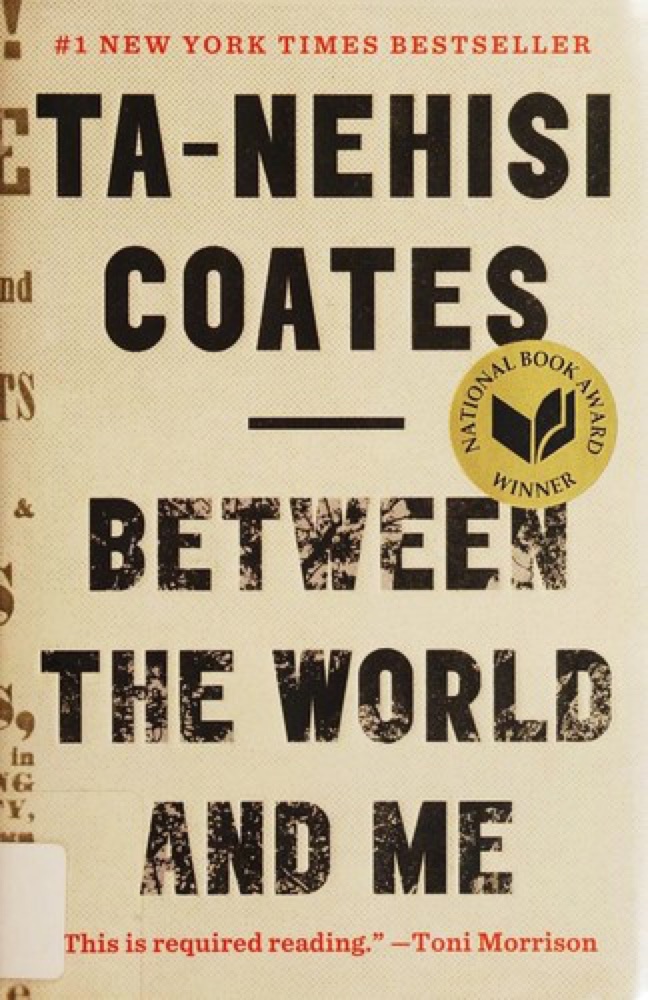 Between the World and Me
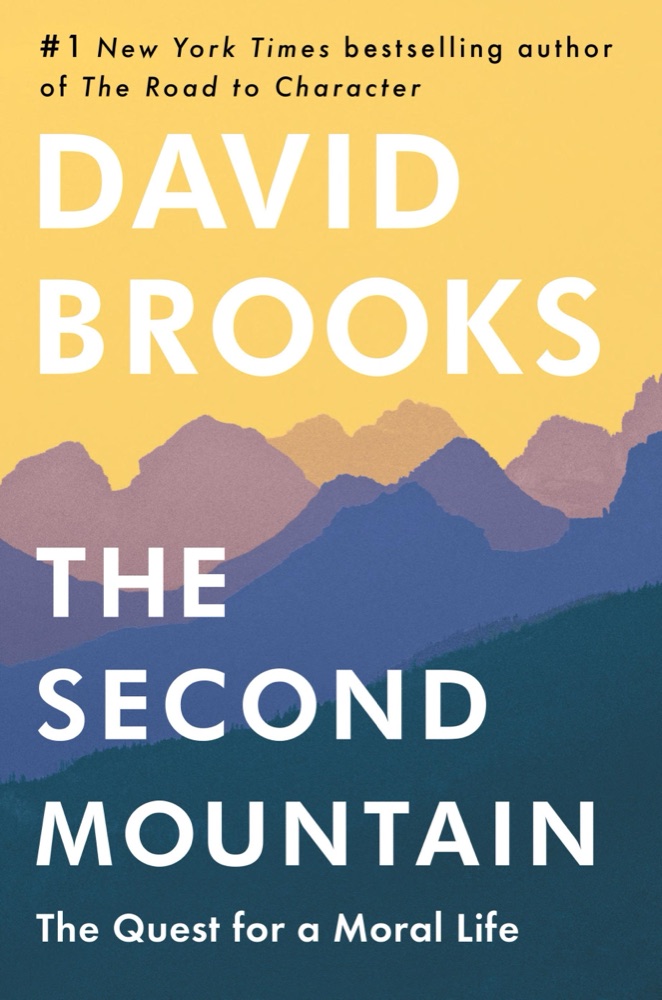 The Second Mountain
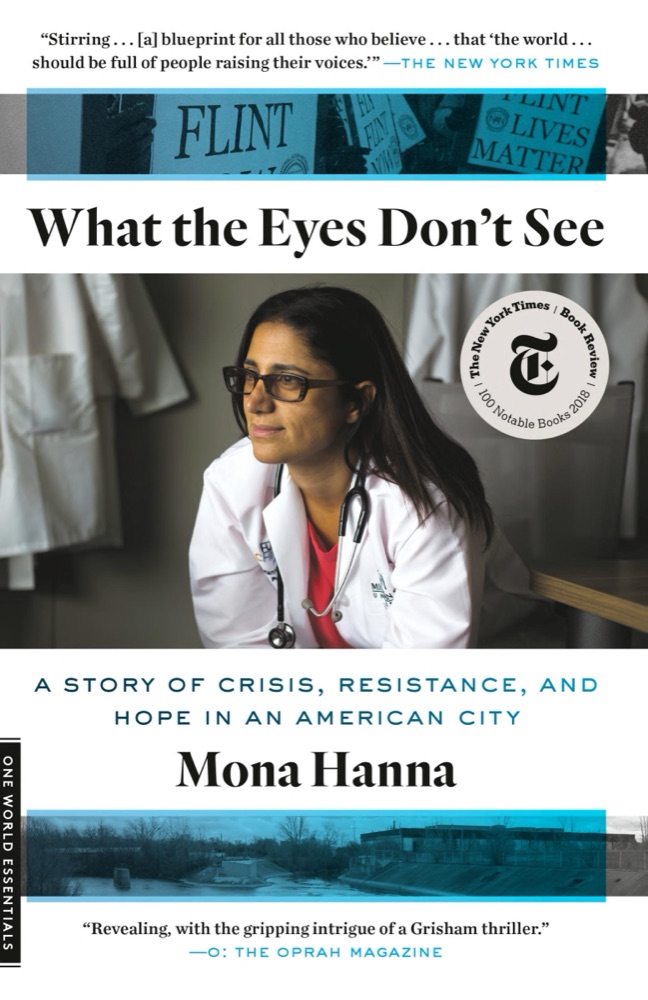 What the Eyes Don't See: A Story of Crisis, Resistance, and Hope in an American City
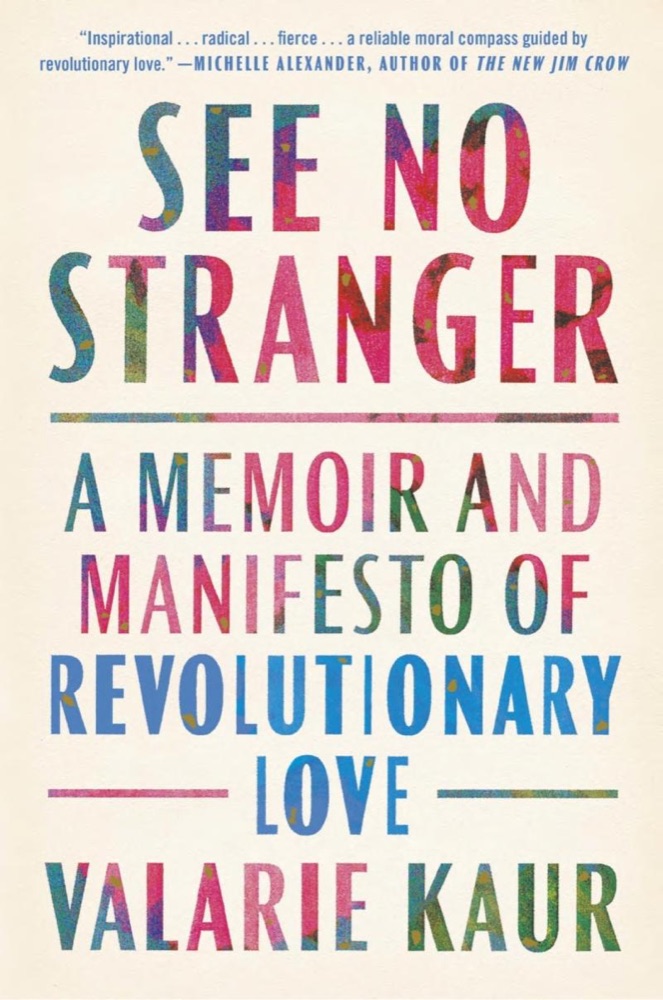 See No Stranger: A Memoir and Manifesto of Revolutionary Love
 Letter from the Birmingham Jail
 What Unites Us: Reflections on Patriotism
 Becoming
 The World According to Mister Rogers: Important Things to Remember
 Persist
 Twelve Steps to a Compassionate Life
 The American Spirit: Who We Are and What We Stand For
 Born a Crime: Stories From a South African Childhood
 The Heart and the Fist: The Education of a Humanitarian, the Making of a Navy SEAL
 How to Practice: The Way to a Meaningful Life
 Behold the Dreamers
 Doing Justice: A Prosecutor's Thoughts on Crime, Punishment, and the Rule of Law
 Letter to My Daughter
 Beyond Religion: Ethics for a Whole World
 Surrender: 40 Songs, One Story
 Almost Everything: Notes on Hope
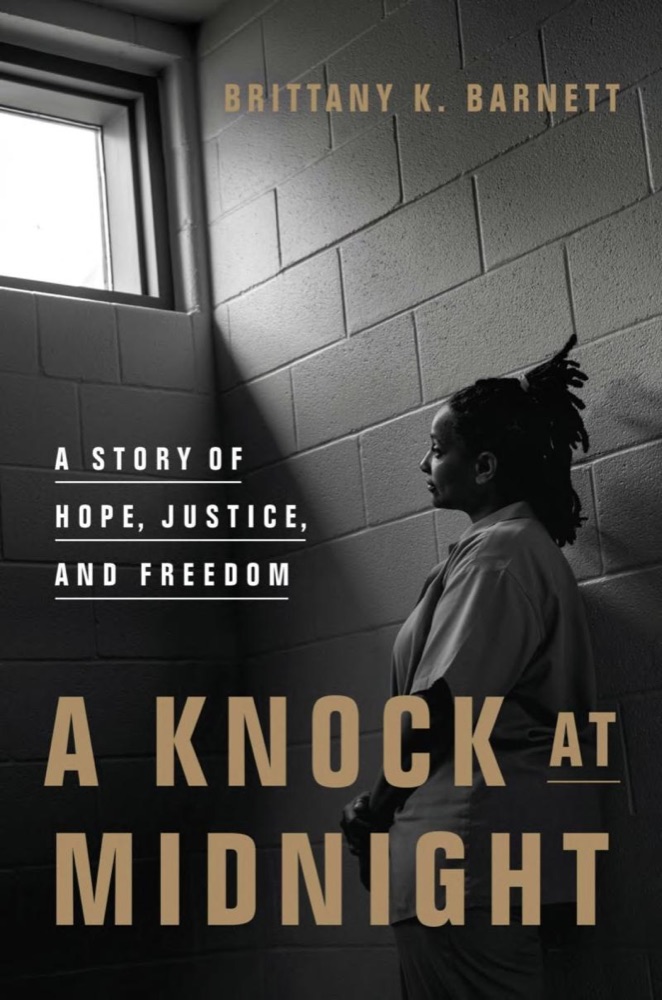 A Knock at Midnight: A Story of Hope, Justice, and Freedom
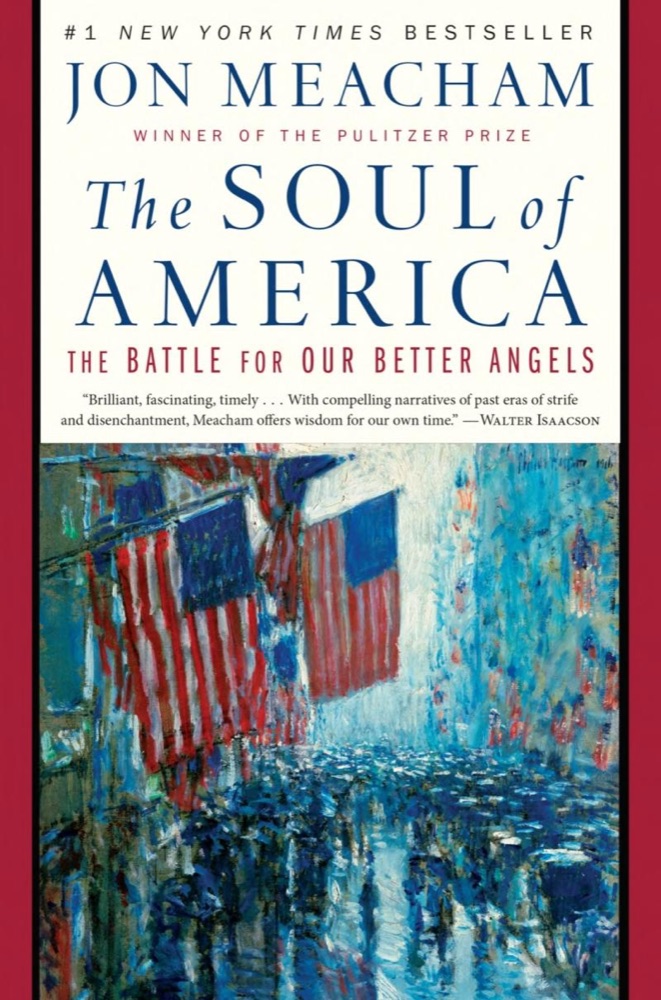 The Soul of America: The Battle for Our Better Angels
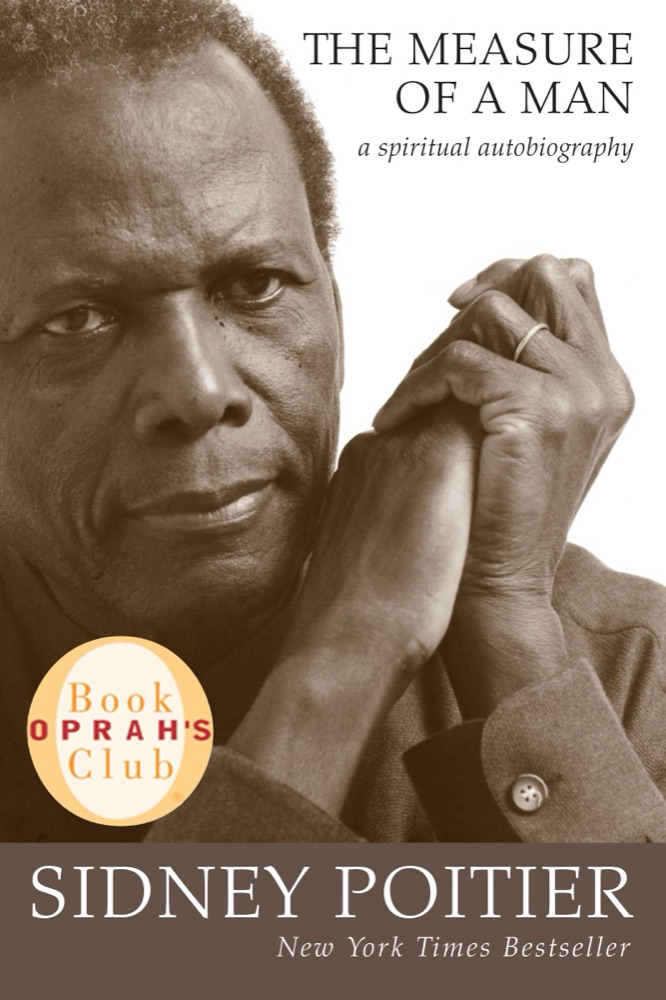 The Measure of a Man: A Spiritual Autobiography
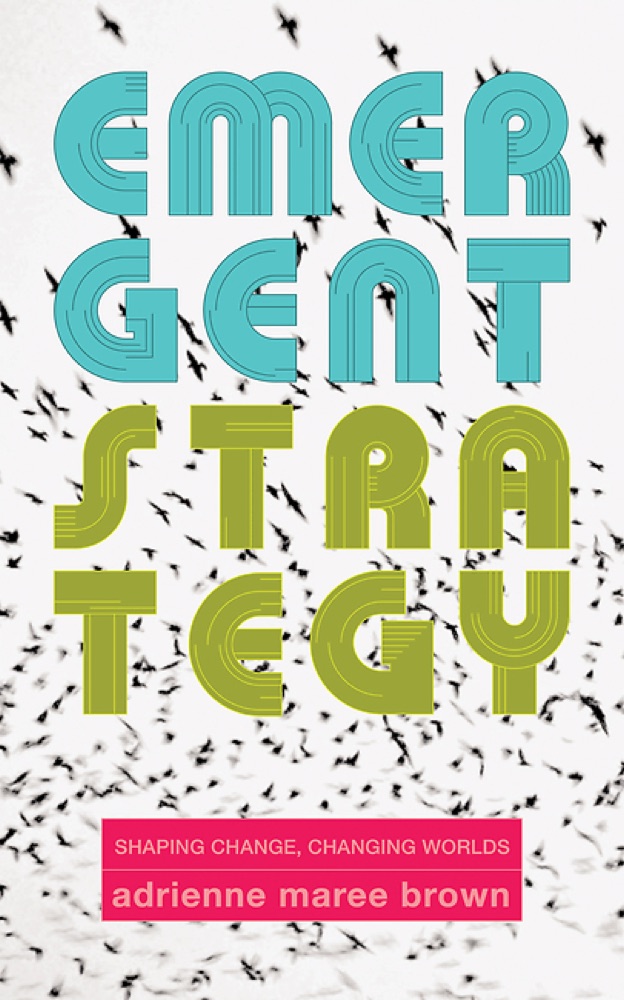 Emergent Strategy: Shaping Change, Changing Worlds
 My Government Means to Kill Me
 Rules for Radicals: A Pragmatic Primer for Realistic Radicals
 The Person You Mean to Be: How Good People Fight Bias
 Humankind: A Hopeful History
 The Light We Carry: Overcoming in Uncertain Times
 Endgame, Vol. 1: The Problem of Civilization
 The Bassoon King: My Life in Art, Faith, and Idiocy
 The Vanishing American Adult: Our Coming-of-Age Crisis—and How to Rebuild a Culture of Self-Reliance
 Opinions: A Decade of Arguments, Criticism, and Minding Other People’s Business
 How to Stay Sane in an Age of Division
 The View From Flyover Country: Essays by Sarah Kendzior
 The Sun Does Shine: How I Found Life and Freedom on Death Row
 Assata: An Autobiography