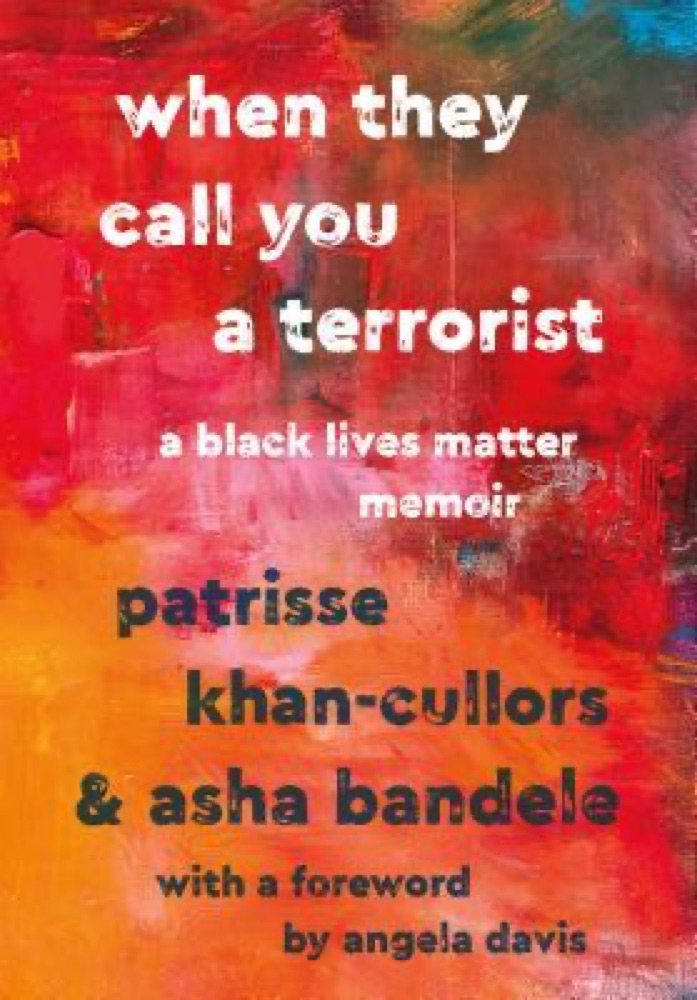
 When They Call You a Terrorist: A Black Lives Matter Memoir
Quotes from the Book
Each of us is more than the worst thing we’ve ever done.
Proximity has taught me some basic and humbling truths, including this vital lesson: Each of us is more than the worst thing we’ve ever done. My work with the poor and the incarcerated has persuaded me that the opposite of poverty is not wealth; the opposite of poverty is justice. Finally, I’ve come to believe that the true measure of our commitment to justice, the character of our society, our commitment to the rule of law, fairness, and equality cannot be measured by how we treat the rich, the powerful, the privileged, and the respected among us. The true measure of our character is how we treat the poor, the disfavored, the accused, the incarcerated, and the condemned.
There is a strength, a power even, in understanding brokenness, because embracing our brokenness creates a need and desire for mercy, and perhaps a corresponding need to show mercy. When you experience mercy, you learn things that are hard to learn otherwise. You see things you can't otherwise see; you hear things you can't otherwise hear. You begin to recognize the humanity that resides in each of us.
We are all implicated when we allow other people to be mistreated. An absence of compassion can corrupt the decency of a community, a state, a nation. Fear and anger can make us vindictive and abusive, unjust and unfair, until we all suffer from the absence of mercy and we condemn ourselves as much as we victimize others. The closer we get to mass incarceration and extreme levels of punishment, the more I believe it's necessary to recognize that we all need mercy, we all need justice, and-perhaps-we all need some measure of unmerited grace.
We are all broken by something. We have all hurt someone and have been hurt. We all share the condition of brokenness even if our brokenness is not equivalent. I desperately wanted mercy for Jimmy Dill and would have done anything to create justice for him, but I couldn’t pretend that his struggle was disconnected from my own. The ways in which I have been hurt—and have hurt others—are different from the ways Jimmy Dill suffered and caused suffering. But our shared brokenness connected us.
The power of just mercy is that it belongs to the undeserving. It’s when mercy is least expected that it’s most potent—strong enough to break the cycle of victimization and victimhood, retribution and suffering. It has the power to heal the psychic harm and injuries that lead to aggression and violence, abuse of power, mass incarceration.
The true measure of our character is how we treat the poor, the disfavored, the accused, the incarcerated, and the condemned.
Mercy is most empowering, liberating, and transformative when it is directed at the undeserving. The people who haven’t earned it, who haven’t even sought it, are the most meaningful recipients of our compassion.
capital punishment means ‘them without the capital get the punishment.
But simply punishing the broken--walking away from them or hiding them from sight--only ensures that they remain broken and we do, too. There is no wholeness outside of our reciprocal humanity.
We are all broken by something. We have all hurt someone and have been hurt. We all share the condition of brokenness even if our brokenness is not equivalent. I desperately wanted mercy for Jimmy Dill and would have done anything to create justice for him, but I couldn’t pretend that his struggle was disconnected from my own. The ways in which I have been hurt—and have hurt others—are different from the ways Jimmy Dill suffered and caused suffering. But our shared brokenness connected us. Paul Farmer, the renowned physician who has spent his life trying to cure the world’s sickest and poorest people, once quoted me something that the writer Thomas Merton said: We are bodies of broken bones. I guess I’d always known but never fully considered that being broken is what makes us human. We all have our reasons. Sometimes we’re fractured by the choices we make; sometimes we’re shattered by things we would never have chosen. But our brokenness is also the source of our common humanity, the basis for our shared search for comfort, meaning, and healing. Our shared vulnerability and imperfection nurtures and sustains our capacity for compassion. We have a choice. We can embrace our humanness, which means embracing our broken natures and the compassion that remains our best hope for healing. Or we can deny our brokenness, forswear compassion, and, as a result, deny our own humanity. I thought of the guards strapping Jimmy Dill to the gurney that very hour. I thought of the people who would cheer his death and see it as some kind of victory. I realized they were broken people, too, even if they would never admit it. So many of us have become afraid and angry. We’ve become so fearful and vengeful that we’ve thrown away children, discarded the disabled, and sanctioned the imprisonment of the sick and the weak—not because they are a threat to public safety or beyond rehabilitation but because we think it makes us seem tough, less broken. I thought of the victims of violent crime and the survivors of murdered loved ones, and how we’ve pressured them to recycle their pain and anguish and give it back to the offenders we prosecute. I thought of the many ways we’ve legalized vengeful and cruel punishments, how we’ve allowed our victimization to justify the victimization of others. We’ve submitted to the harsh instinct to crush those among us whose brokenness is most visible. But simply punishing the broken—walking away from them or hiding them from sight—only ensures that they remain broken and we do, too. There is no wholeness outside of our reciprocal humanity.
Mercy is just when it is rooted in hopefulness and freely given. Mercy is most empowering, liberating, and transformative when it is directed at the undeserving. The people who haven’t earned it, who haven’t even sought it, are the most meaningful recipients of our compassion.
You can’t understand most of the important things from a distance, Bryan. You have to get close,
All these young children being sent to prison forever, all this grief and violence. Those judges throwing people away like they're not even human, people shooting each other, hurting each other like they don't care. I don't know, it's a lot of pain. I decided that I was supposed to be here [at the court] to catch some of the stones people cast at each other.' I chuckled when she said it. During the McMillian hearings, a local minister had held a regional church meeting about the case and had asked me to come speak. There were a few people in the African American community whose support of Walter was muted, not because they thought he was guilty but because he had had an extramarital affair and wasn't active in the church. At the church meeting, I spoke mostly about Walter's case, but I also reminded people that when the woman accused of adultery was brought to Jesus, he told the accusers who wanted to stone her to death, 'Let he who is without sin cast the first stone.' The woman's accusers retreated, and Jesus forgave her and urged her to sin no more. But today, our self-righteousness, our fear, and our anger have caused even the Christians to hurl stones at the people who fall down, even when we know we should forgive or show compassion. I told the congregation that we can't simply watch that happen. I told them we have to be stonecatchers. When I chuckled at the older woman's invocation of the parable, she laughed, too. 'I heard you in that courtroom today. I've even seen you hear a couple of times before. I know you's a stonecatcher, too.
My work with the poor and the incarcerated has persuaded me that the opposite of poverty is not wealth; the opposite of poverty is justice.
Why do we want to kill all the broken people?
Rosa Parks turned to me sweetly and asked, 'Now, Bryan, tell me who you are and what you're doing.' I looked at Ms. Carr to see if I had permission to speak, and she smiled and nodded at me. I then gave Ms. Parks my rap. 'Yes, ma'am. Well, I have a law project called the Equal Justice Initiative, and we're trying to help people on death row. We're trying to stop the death penalty, actually. We're trying to do something about prison conditions and excessive punishment. We want to free people who've been wrongly convicted. We want to end unfair sentences in criminal cases and stop racial bias in criminal justice...Ms. Parks leaned back smiling. 'Ooooh, honey, all that's going to make you tired, tired, tired.' We all laughed. I looked down, a little embarrassed. Then Ms. Carr leaned forward and put her finger in my face and talked o me just like my grandmother used to talk to me. She said, 'That's why you've got to be brave, brave, brave.' All three women nodded in silent agreement and for just a little while, they made me feel like a young prince.
[W]e would never think it was humane to pay someone to rape people convicted of rape, or assault and abuse someone guilty of assault or abuse. Yet we were comfortable killing people who kill in part because we think we can do it in a manner that doesn’t implicate our own humanity the way that raping or abusing someone would. I couldn’t stop thinking that we don’t spend much time contemplating the details of what killing someone actually involves.
Sometimes we’re fractured by the choices we make; sometimes we’re shattered by things we would never have chosen. But our brokenness is also the source of our common humanity, the basis for our shared search for comfort, meaning, and healing. Our shared vulnerability and imperfection nurtures and sustains our capacity for compassion.
Finally, I've come to believe that the true measure of our commitment to justice, the character of our society, our commitment to the rule of law, fairness, and equality cannot be measured by how we treat the rich, the powerful, the privileged, and the respected among us. The true measure of our character is how we treat the poor, the disfavored, the accused, the incarcerated, and the condemned. We are all implicated when we allow other people to be mistreated.
America's prisons have become warehouses for the mentally ill.
Fear and anger are a threat to justice. They can infect a community, a state, or a nation, and make us blind, irrational, and dangerous.
Of course innocent mistakes occur but the accumulated insults and indignations caused by racial presumptions are destructive in ways that are hard to measure. Constantly being suspected, accused, watched, doubted, distrusted, presumed guilty, and even feared is a burden born by people of color that can't be understood or confronted without a deeper conversation about our history of racial injustice.
Between 1990 and 2005, a new prison opened in the United States every ten days. Prison growth and the resulting “prison-industrial complex”—the business interests that capitalize on prison construction—made imprisonment so profitable that millions of dollars were spent lobbying state legislators to keep expanding the use of incarceration to respond to just about any problem. Incarceration became the answer to everything—health care problems like drug addiction, poverty that had led someone to write a bad check, child behavioral disorders, managing the mentally disabled poor, even immigration issues generated responses from legislators that involved sending people to prison. Never before had so much lobbying money been spent to expand America’s prison population, block sentencing reforms, create new crime categories, and sustain the fear and anger that fuel mass incarceration than during the last twenty-five years in the United States.
It is about how easily we condemn people in this country and the injustice we create when we allow fear, anger, and distance to shape the way we treat the most vulnerable among us.
Today, over 50 percent of prison and jail inmates in the United States have a diagnosed mental illness, a rate nearly five times greater than that of the general adult population.
Havel had said that people struggling for independence wanted money and recognition from other countries; they wanted more criticism of the Soviet empire from the West and more diplomatic pressure. But Havel had said that these were things they wanted; the only thing they needed was hope. Not that pie in the sky stuff, not a preference for optimism over pessimism, but rather “an orientation of the spirit.” The kind of hope that creates a willingness to position oneself in a hopeless place and be a witness, that allows one to believe in a better future, even in the face of abusive power. That kind of hope makes one strong.
We’ve all been through a lot, Bryan, all of us. I know that some have been through more than others. But if we don’t expect more from each other, hope better for one another, and recover from the hurt we experience, we are surely doomed.
We are all broken by something. We have all hurt someone and have been hurt. We all share the condition of brokenness even if our brokenness is not equivalent. I desperately wanted mercy for Jimmy Dill and would have done anything to create justice for him, but I couldn’t pretend that his struggle was disconnected from my own. The ways in which I have been hurt—and have hurt others—are different from the ways Jimmy Dill suffered and caused suffering. But our shared brokenness connected us. Paul Farmer, the renowned physician who has spent his life trying to cure the world’s sickest and poorest people, once quoted me something that the writer Thomas Merton said: We are bodies of broken bones. I guess I’d always known but never fully considered that being broken is what makes us human. We all have our reasons. Sometimes we’re fractured by the choices we make; sometimes we’re shattered by things we would never have chosen. But our brokenness is also the source of our common humanity, the basis for our shared search for comfort, meaning, and healing. Our shared vulnerability and imperfection nurtures and sustains our capacity for compassion. We have a choice. We can embrace our humanness, which means embracing our broken natures and the compassion that remains our best hope for healing. Or we can deny our brokenness, forswear compassion, and, as a result, deny our own humanity.
The death penalty is not about whether people deserve to die for the crimes they commit. The real question of capital punishment in this country is, Do we deserve to kill?
222
Of course innocent mistakes occur, but the accumulated insults and indignations caused by racial presumptions are destructive in ways that are hard to measure. Constantly being suspected, accused, watched, doubted, distrusted, presumed guilty, and even feared is a burden borne by people of color that can't be understood or confronted without a deeper conversation about our history of racial injustice.
35
The kind of hope that creates a willingness to position oneself in a hopeless place and be a witness, that allows one to believe in a better future, even in the face of abusive power. That kind of hope makes one strong.
26
The opposite of poverty is not wealth; the opposite of poverty is justice...The real question of capital punishment in this country is, not do they deserve to die, but do we deserve to kill?
26
An absence of compassion can corrupt the decency of a community, a state, a nation. Fear and anger can make us vindictive, abusive, unjust and unfair, until we all suffer from the absence of mercy and we condemn ourselves as much as we victimize others.
21
My work has taught me a vital lesson. Each of us is more than the worse thing we've done. I am persuaded that the opposite of poverty is not wealth; the opposite of poverty is justice.
8
We are all implicated when we allow others to be mistreated. An absence of compassion can corrupt the decency of a community, a state, an entire nation. Fear and anger can make us cruel and abusive. We all suffer from the absence of mercy and we harm ourselves as much as we victimize others.
5
You can't effectively fight abusive power, poverty, inequality, illness, oppression, or injustice and not be broken by it. We are all broken by something. We have all hurt someone and have been hurt. We all share the condition of brokenness even if our brokenness is not equivalent.
4
I've come to believe that the true measure of our commitment to justice, fairness, and equality cannot be measured by how we treat the rich, the respected, and the privileged among us. The true measure of our character is how we treat the poor, the disfavored, the accused, the incarcerated, and the condemned.
4
I decided that I was supposed to be here to catch some of the stones people cast at each other. ... I told them we have to be stonecatchers.
2
I am more than broken. In fact, there is a strength, a power even, in understanding brokenness. Embracing our brokenness creates a desire for mercy, and perhaps a need to show mercy to others, too. When you experience mercy, you begin to recognize the humanity that resides in each of us.
2
I told the congregation that Walter’s case had taught me that the death penalty is not about whether people deserve to die for the crimes they commit. The real question of capital punishment in this country is Do we deserve to kill?
1
It seems to me that we’ve been quick to celebrate the achievements of the civil rights movement and slow to recognize the lasting damage of marginalization and subordination done in that era.
1
In fact, there is a strength, a power even, in understanding brokenness. Embracing our brokenness creates a desire for mercy, and perhaps a need to show mercy to others, too. When you experience mercy, you begin to recognize the humanity that resides in each of us.
1
We are all implicated when we allow other people to be mistreated. An absence of compassion can corrupt the decency of a community, a state, an entire nation. Fear and anger can make us cruel and abusive. We all suffer from the absence of mercy and we harm ourselves as much as we victimize others. The closer we get to mass incarceration and extreme levels of punishment, the more I believe it’s necessary to recognize that we all need mercy, we all need justice, and—perhaps—we all need some measure of unmerited grace.
1
We’ve sent a quarter million kids, some under the age of twelve, to adult jails and prisons. For years, we’ve been the only country in the world that condemns children to life imprisonment without parole.
1
One in every fifteen people born in the United States in 2001 is expected to go to jail or prison; one in every three black male babies born in this century is expected to be incarcerated. To be clear, these numbers reflect who is being convicted and incarcerated, not who is necessarily committing crimes.
1
You can’t understand most of the important things from a distance, Bryan. You have to get close,” she told me often.
1
It seems to me that we've been quick to celebrate the achievements of the civil rights movement and slow to recognize the lasting damage of marginalization and subordination done...
1
I didn't deserve reconciliation or love in that moment, but that's how mercy works. The power of just mercy is that it belongs to the undeserving.
1
The power of just mercy is that it belongs to the undeserving. It's when mercy is least expected that it's most powerful.
1
Did you know?
- The book centers on the wrongful 1988 conviction and eventual 1993 exoneration of Walter McMillian in Alabama.
- Bryan Stevenson founded the Equal Justice Initiative, the nonprofit at the heart of the book, in 1989.
- Just Mercy spent more than 230 weeks on the New York Times paperback nonfiction bestseller list.
- A 2019 film adaptation starred Michael B. Jordan as Stevenson and Jamie Foxx as Walter McMillian.
- Stevenson's 2012 TED Talk on injustice helped raise his national profile before the book's release.
About Bryan Stevenson
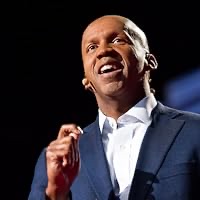
Bryan Stevenson is an American lawyer and social justice advocate, a Harvard Law School graduate who founded the Equal Justice Initiative in Montgomery, Alabama. He has argued cases before the U.S. Supreme Court and is also a professor at New York University School of Law.
More about the author →About the book
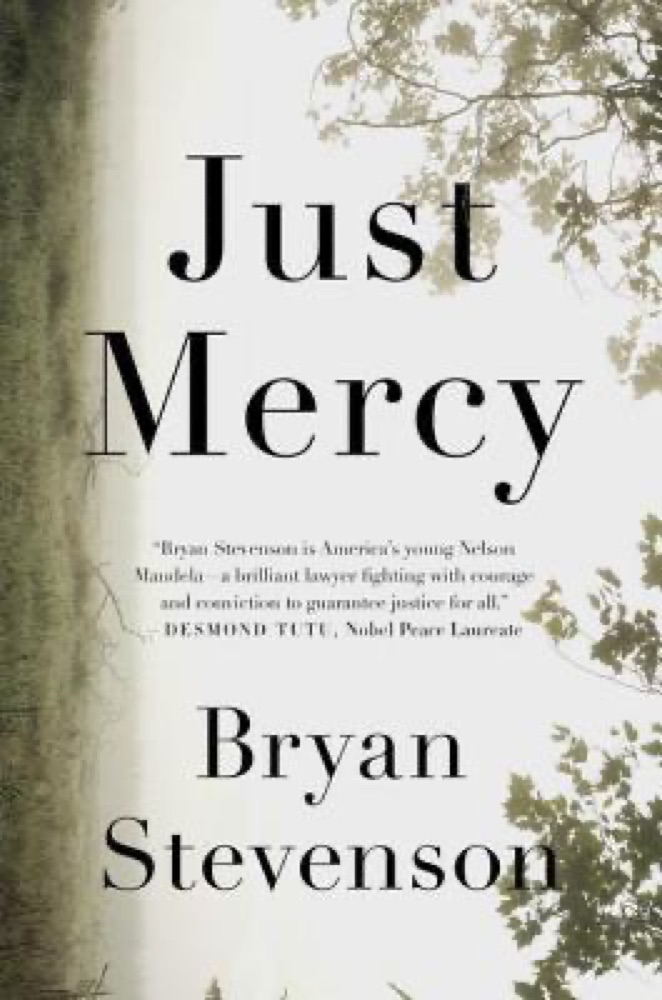
Just Mercy: A Story of Justice and Redemption is Bryan Stevenson's memoir of his work as a young defense attorney and founder of the Equal Justice Initiative in Montgomery, Alabama. Its narrative spine is the case of Walter McMillian, a Black man from Monroe County, Alabama, who was sentenced to death for a 1986 murder he did not commit on the basis of coerced and later-recanted testimony. Stevenson interweaves McMillian's fight for exoneration with accounts of other clients he represented on death row and in the prison system.
The book argues that the American criminal justice system is shaped by poverty and racial bias, and that mercy and proximity to the condemned are essential to genuine justice. Recurring themes include wrongful conviction, the death penalty, the prosecution of children as adults, and Stevenson's conviction that 'each of us is more than the worst thing we've ever done.' It blends courtroom narrative with moral and historical reflection on race in America.
Published in 2014, Just Mercy became a long-running New York Times bestseller and was widely praised for its clarity and moral force. It won the 2015 Andrew Carnegie Medal for Excellence in Nonfiction, the Dayton Literary Peace Prize, and the NAACP Image Award for Outstanding Literary Work in Nonfiction, and was adapted into a 2019 feature film. It has become a staple of high school and university reading lists.
Book details
- First published
- 2014
- Length
- 336 pages
- Reading time
- 7 hours
- Author
- Bryan Stevenson
- Genre
- Nonfiction
- Goodreads rating
- 4.62 (269k ratings)
Critical reception
- Won the 2015 Andrew Carnegie Medal for Excellence in Nonfiction.
- Was a New York Times bestseller, spending more than 230 weeks on the paperback nonfiction list.
- Critic A. O. Scott described it as 'a painful, beautiful, revelatory book.'
- Reviewers praised it as a searing indictment of racial and economic bias in American criminal justice.
Movie & TV adaptations
- IMDb
Keep reading
When They Call You a Terrorist: A Black Lives Matter Memoir
 Letter from the Birmingham Jail
 United: Thoughts on Finding Common Ground and Advancing the Common Good
 The Sun Does Shine: How I Found Life and Freedom on Death Row
 Solitary: Unbroken by Four Decades in Solitary Confinement
 On the Other Side of Freedom: The Case for Hope
 Twelve Steps to a Compassionate Life
 Between the World and Me
 Orange Is the New Black
 The Autobiography of Martin Luther King, Jr.
 Hallelujah Anyway: Rediscovering Mercy
 The Book of Forgiving: The Fourfold Path for Healing Ourselves and Our World
 The Source of Self-Regard: Selected Essays, Speeches, and Meditations
 Across That Bridge: A Vision for Change and the Future of America
 A Knock at Midnight: A Story of Hope, Justice, and Freedom
 No Name in the Street
 Scenes from My Life: A Memoir
 Of Mess and Moxie: Wrangling Delight Out of This Wild and Glorious Life
 Conflict Is Not Abuse: Overstating Harm, Community Responsibility, and the Duty of Repair
 What Is a Girl Worth?: My Story of Breaking the Silence and Exposing the Truth about Larry Nassar and USA Gymnastics
 Nonviolent Communication: A Language of Life
 See No Stranger: A Memoir and Manifesto of Revolutionary Love
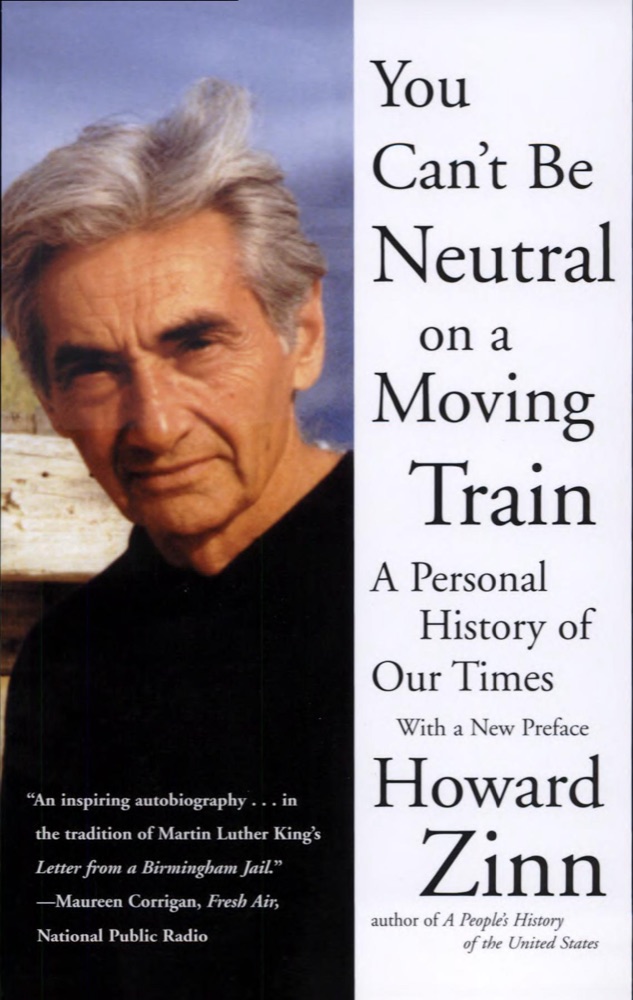 You Can't Be Neutral on a Moving Train: A Personal History of Our Times
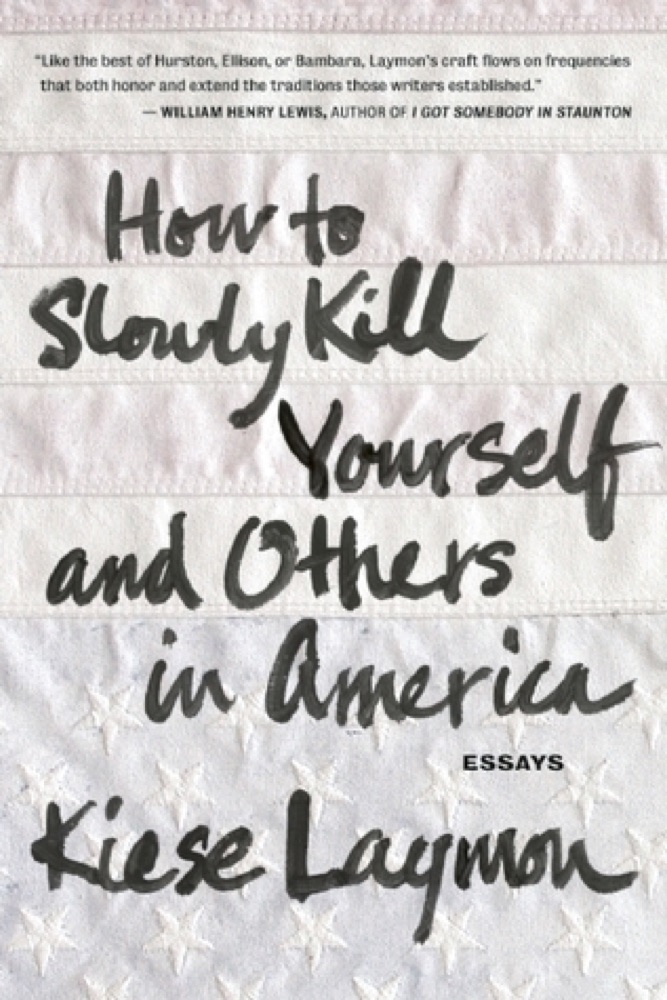 How to Slowly Kill Yourself and Others in America
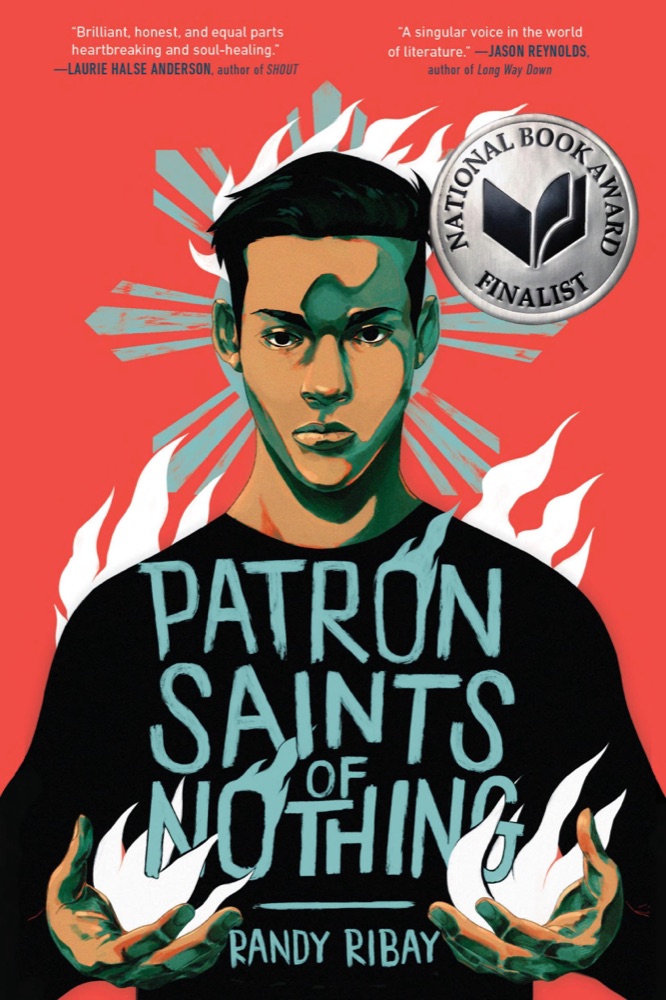 Patron Saints of Nothing
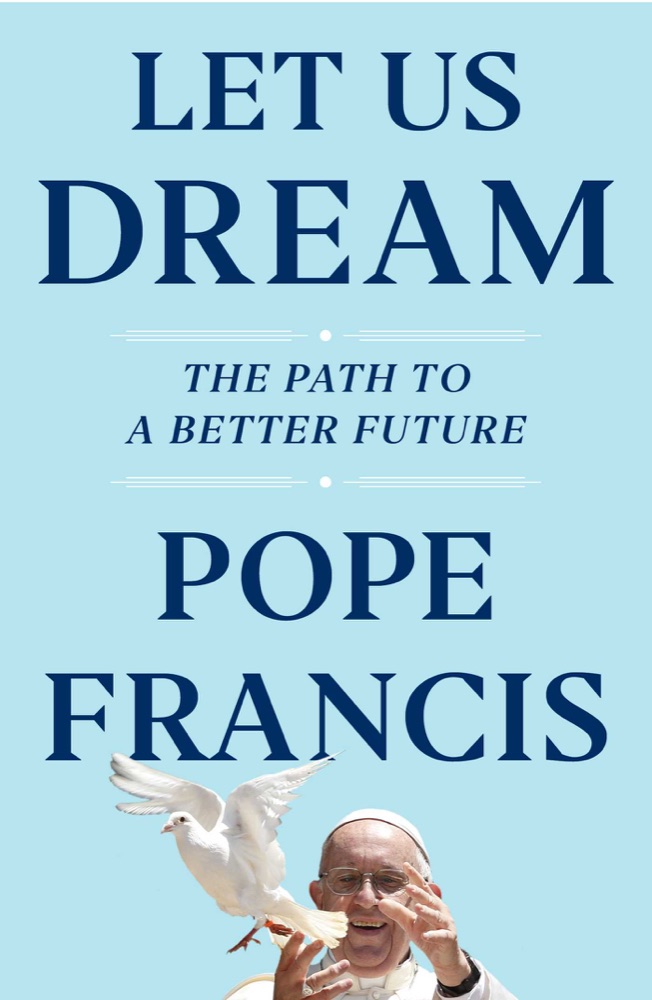 Let Us Dream: The Path to a Better Future
 Regarding the Pain of Others
 This Here Flesh: Spirituality, Liberation, and the Stories That Make Us
 The Truths We Hold: An American Journey
 Why We Can't Wait
 Writing My Wrongs
 Black Like Me
 Tears of the Silenced: A True Crime and an American Tragedy; Severe Child Abuse and Leaving the Amish
 Becoming Human
 Bright Young Women
 Tattoos on the Heart: The Power of Boundless Compassion
 Know My Name
 All My Knotted-Up Life: A Memoir
 How Long 'til Black Future Month?
 Assata: An Autobiography
 The Anatomy of Peace: Resolving the Heart of Conflict
 Notes from No Man's Land
 The Lucifer Effect: Understanding How Good People Turn Evil
 The Measure of a Man: A Spiritual Autobiography
 My Government Means to Kill Me
 The Shape of Mercy
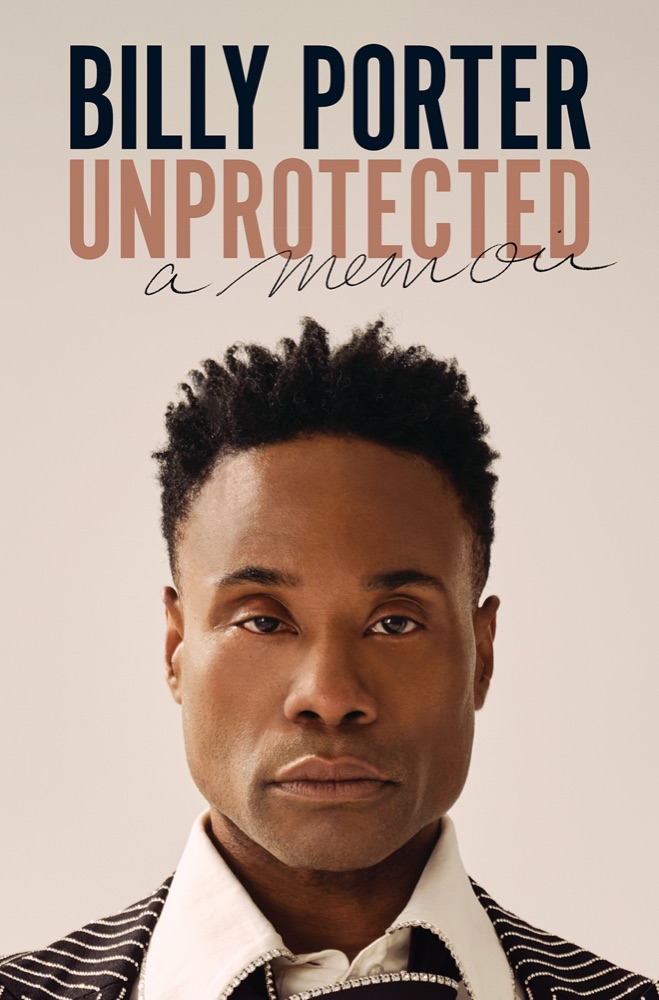 Unprotected: A Memoir
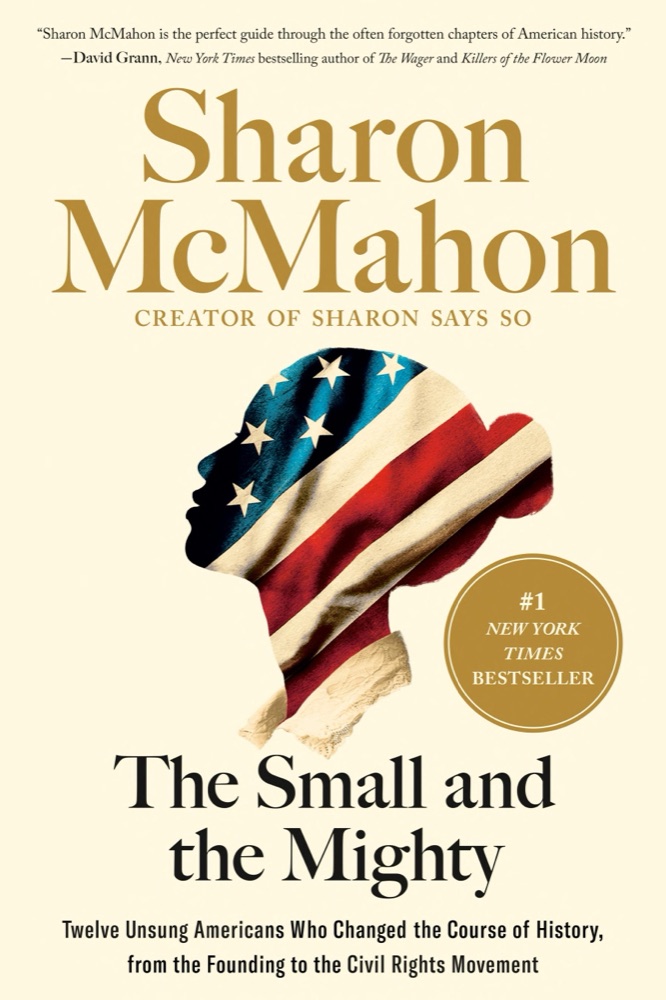 The Small and the Mighty: Twelve Unsung Americans Who Changed the Course of History, from the Founding to the Civil Rights Movement
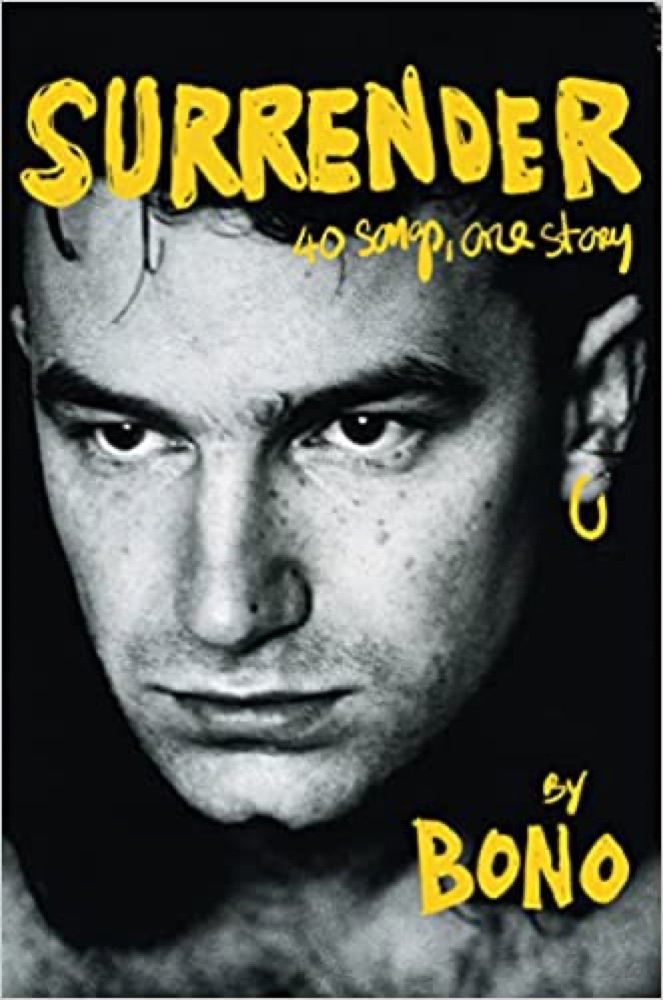 Surrender: 40 Songs, One Story
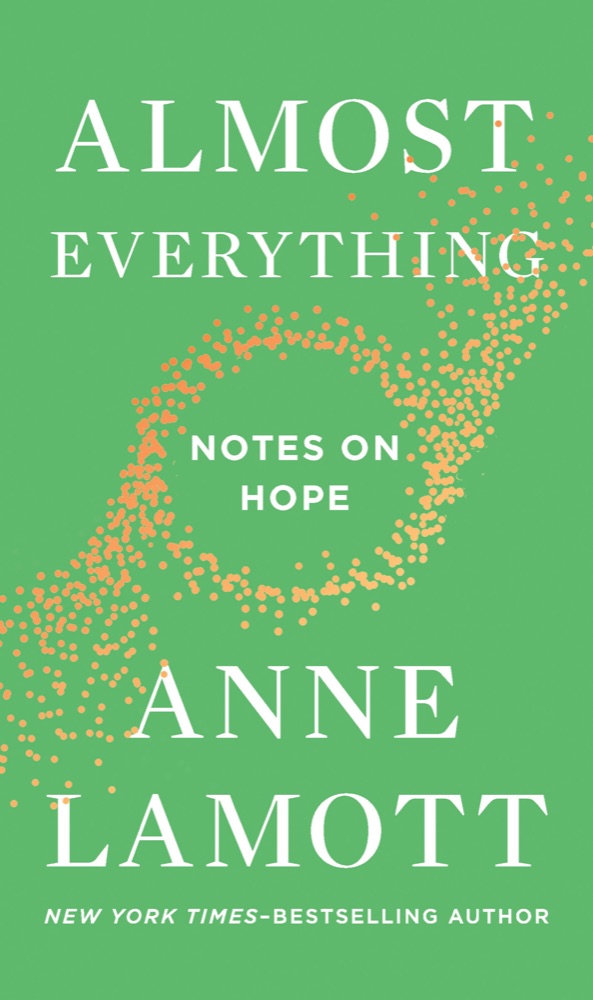 Almost Everything: Notes on Hope
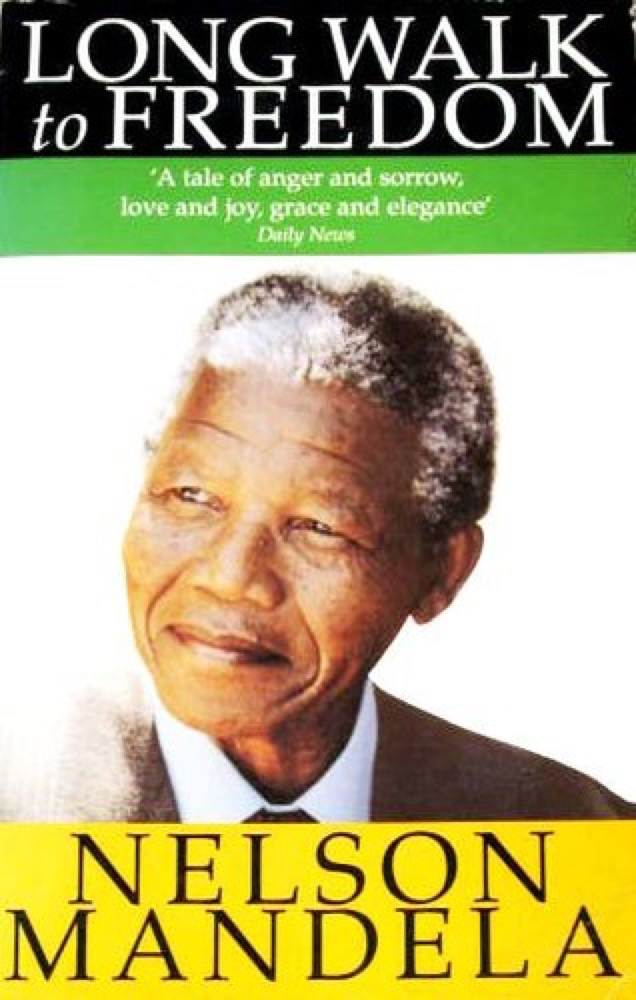 Long Walk to Freedom
 In The Blood
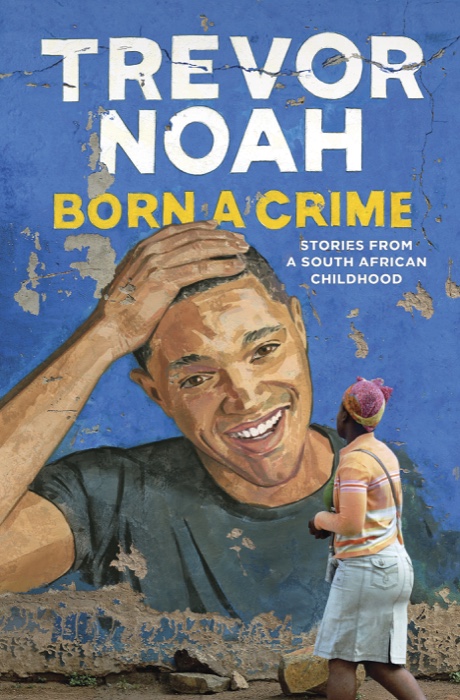 Born a Crime: Stories From a South African Childhood
 The Burning Girls
 The Fire Next Time
 Life and Fate
 The Sympathizer
 We Do This 'til We Free Us: Abolitionist Organizing and Transforming Justice
 Opinions: A Decade of Arguments, Criticism, and Minding Other People’s Business
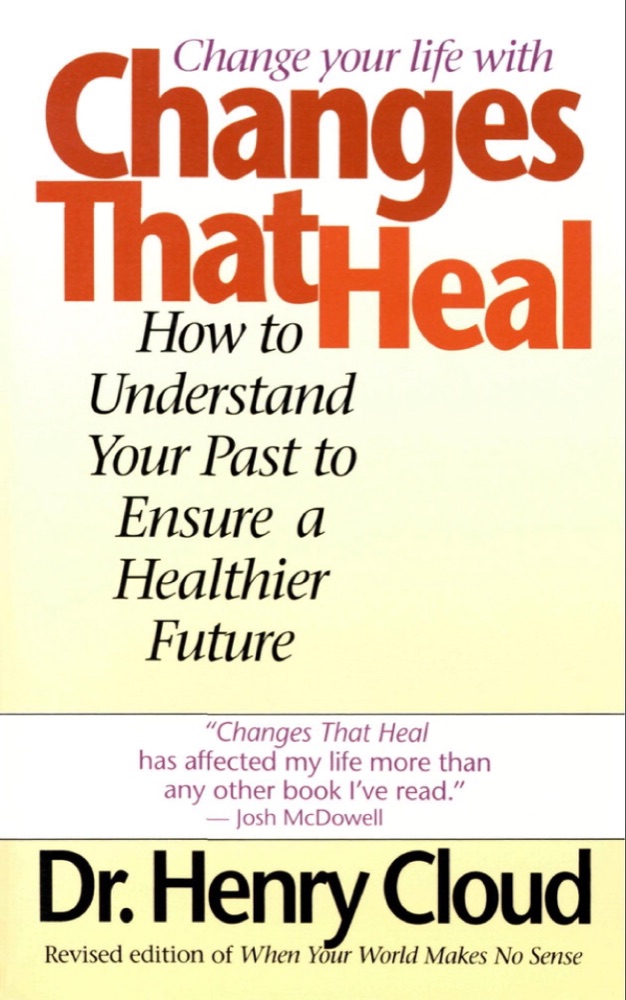 Changes That Heal: How to Understand the Past to Ensure a Healthier Future