
 The Soul of a Woman
Quotes from the Book
It is always easier to find your sense of value by demeaning another’s value. It is easier to define yourself as ‘not that,’ rather than do an actual accounting of your own qualities and put them on the scale.
12
There are advantages to being labeled the victim. You are listened to, paid attention to. Sympathy is bestowed upon you.
6
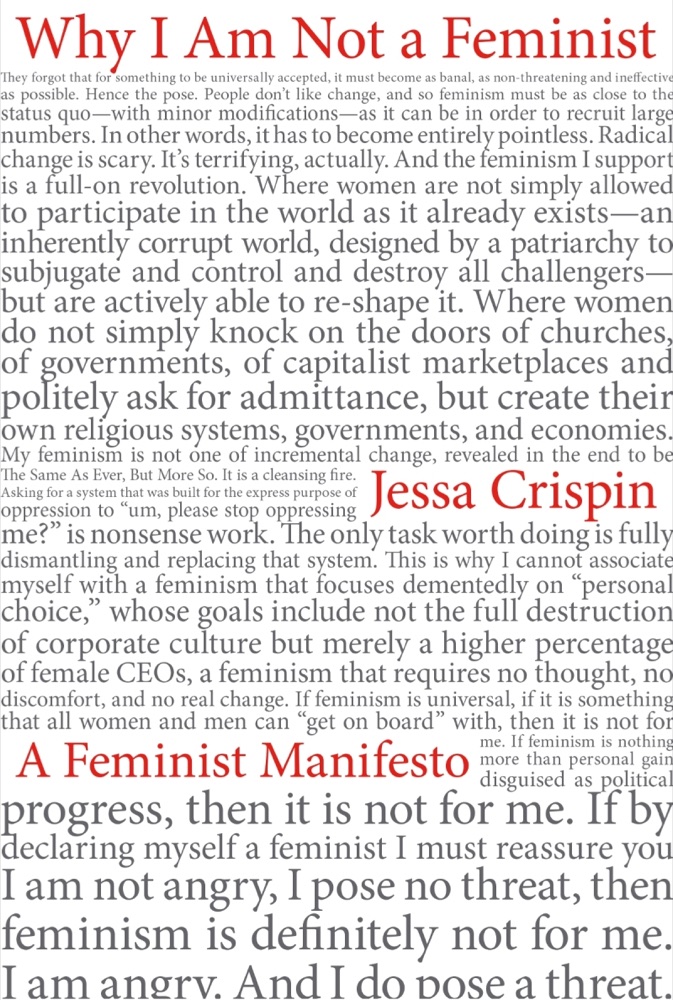
Radical change is scary. It’s terrifying, actually. And the feminism I support is a full-on revolution. Where women are not simply allowed to participate in the world as it already exists—an inherently corrupt world, designed by a patriarchy to subjugate and control and destroy all challengers—but are actively able to re-shapeit. Where women do not simply knock on the doors of churches, of governments, of capitalist marketplaces and politely ask for admittance, but create their own religious systems, governments, and economies. My feminism is not one of incremental change, revealed in the end to be The Same As Ever, But More So. It is a cleansing fire.
6
Take childcare for example, an issue that never gets much support beyond lip service in the feminist world, despite it being something that would benefit the majority of women. Once you reach a certain income level, it’s easier and more convenient for you to take care of your own childcare needs than to pay the taxes or contribute to a system that would help all women. If your child is in a failing school, it’s much more convenient to place your child in a private or charter school than to organize ways to improve the situation for the entire community. This also applies to expanding social welfare programs, supporting community clinics, and so on. As a woman’s ability to take care of herself expands thanks to feminist efforts, the feminist goals she’s willing to really fight for, or contribute time and money and effort to, shrink.
5
It is our entire culture, the way it runs on money, rewards inhumanity, encourages disconnection and isolation, causes great inequality and suffering, that's the enemy. That is the only enemy worth fighting.
3
To feel safe, you need to control what the people around you are going to say and do. This is not achieved by going after the root causes of violence. This is not even achieved by working to slowly improve social conditions. It is achieved through silence and disappearance, by moving the offending object or person out of sight. . . . [However] [d]o we want to live in a world that is safe? Do we want to push the homeless out of our cities and call that a victory over poverty? . . . Or do we want to do the very hard work of recognizing and addressing the actual causes of harm to women? Safety is a short-term goal and it is unsustainable. Eventually, the unaddressed causes will find new ways of manifesting themselves as problems. Pull up the dandelions all you want, but unless you dig up that whole goddamn root it's just going to keep showing back up.
3
Safety is about control. In order to feel safe, things have to be made predictable. And the only way in life to make something predictable is to control the outcome
2
Women have participated in almost every fight for freedom. They were there when civilians were targeted they were there when the bombs were planted. To argue they didn't have enough power to speak up or they had been brainwashed by their male colleagues is to try to disassociate from the darkness that resides in everyone. And to disassociate from your darkness is to lose your power over it.
2
This is the way dissent is handled in feminist realms: a contrary opinion or argument is actually an attack. This stems from the belief that your truth is the only truth, that your sense of trauma and oppression does not need to be examined or questioned. In
2
Sometimes we as women are special in our compassion. For people to be able to survive on the margins, they often must be. They must form alliances, they must look out for one another. They must develop some characteristics and attributes because they have to create networks of solidarity and mutual care to withstand the experience of marginalization. Those characteristics are developed by facing hardship and opposition. We also have to find ways of convincing our oppressors not to hurt us, not to kill us, to bother keeping us around at all. That can make us clever. But these attributes are not innate. In fact, the idea that women are naturally more empathetic and nurturing originates with men. They used it as an excuse to keep us at home, tending to the children. They used it as an excuse to dismiss us intellectually. Don’t try to be smart, sweetheart, it’s not your strong suit. And yet we adopted this belief because it suits us to believe it about ourselves. It makes us special. What should make us feel special instead is our method of survival. If we believe these skills are born into us we will lose them once they are no longer needed.
1
[F]eminism has been moving away from being about collective action and collective imagination, and toward being a lifestyle. Lifestyles do not change the world.
1
We have to imagine something before we can build the infrastructure that will allow it to exist. We have failed here on both fronts: in imagination and in reality. Our great weirdos, from Emily Dickinson to Simone Weil to Coco Chanel, are seen as outliers, as not relevant to the way we think through what we want out of life. It's the same way we discuss radical feminist writers like Dworkin and Firestone. Dworkin is unhinged, Firestone is too eccentric to be taken seriously.
1
When we talk about women’s safety as being the top priority, what we are talking about is separating women out from society, not creating space for them within society. We are talking about creating methods of control and manipulation. We are saying that the world needs to be reorganized not around fairness and peace, but around our particular needs and desires. If we continue to define our group’s identity by what has been done to us, we will continue to be object rather than subject. Once
1
Reclamation is hard work. Finding the value in your group’s characteristics means always having to confront the darkness in those characteristics. For example, it is acceptable, and productive, to think of America as a great nation. It has many great characteristics, from the freedom it grants its citizens to the cultural contributions it has fostered and rewarded. But by unearthing America’s good qualities, you will also find its destructive qualities. The way it has interfered internationally and created death and misery for countless citizens of other nations, its history of genocide and slavery, and so on. It is possible to know America’s destructive power and still think it is a great nation. But some prefer not to look at all, so as to avoid the cognitive dissonance. It
1
Our attempts at conversion are asking women to devalue what they find valuable about their existence, to take on our values of independence, success, and sexuality. And yet despite our attempts at converting women to our values, we rarely seem to pause and ask ourselves if these things actually make us happy. If this way of life is the best we can do. To question this is not to run screaming back to the kitchen, to allow men to make our decisions for us and go back to our subjugation. It is to ask if maybe there were things we discarded that we should go back and reclaim.
1
Bust magazine, back when it was a more outwardly feminist publication, used to ask each of their female interview subjects whether or not they identified as feminist. In 2005, the musician Björk said no, and that interview is still used in these online lists as of this year. Björk is a female artist often credited with being one of the most innovative and daring musicians of her generation, regardless of gender. She has collaborated with and supported women musicians, fashion designers, video directors. She has spoken frankly and openly in interviews about the difficulties of being a woman in a male-dominated industry. She has proven herself to be an exemplary human being and creator, and she is a tremendous role model for young aspiring musicians. If we understand that the problem feminists have with Björk has nothing to do with her actions and is only about her language and way of identifying herself, then we can recognize that this is about a feminist marketing campaign and not a philosophy. Compare
1
Men are not our fucking problem. You can't overcompensate for some men's problems with women by insisting on our purity and innocence. The way we deal with other people's inhumanity is to insist on our humanity, not by insisting we are somehow a better, more honest version of human. That requires admitting to the shitty things that some women do, the violence they commit, the lies they tell to get what they want. Our job is not to convince anyone of anything. That is another form of control: telling someone what they want to hear to get them to believe what we want them to believe. Our job is to act like humans.
You can’t overcompensate for some men’s problems with women by insisting on our purity and innocence. The way we deal with other people’s inhumanity is to insist on our humanity, not by insisting we are somehow a better, more honest version of human. That requires admitting to the shitty things that some women do, the violence they commit, the lies they tell to get what they want. Our job is not to convince anyone of anything. That is another form of control: telling someone what they want to hear to get them to believe what we want them to believe. Our job is to act like humans.
If you are surrounded by people who agree with you, you do not have to do much thinking. If you are surrounded by people who identify themselves the same way you do, you do not have to work at constructing a unique identity. If you are surrounded by people who behave the same way you do, you do not have to question your own choices.
El hecho no solo de que esa alianza no exista, sino de que el feminismo haya pecado flagrantemente de racista, homófobo, xenófobo y demás faltas de empatía a lo largo de toda su historia indica que el objetivo de la mayoría era el de conseguir entrar en el sistema, no el de destruirlo.
El sistema es más viejo que nosotras. Ha absorbido más veneno del que podamos aspirar a segregar jamás. No conseguiremos frenarlo siquiera un poco.
Si luchamos por conseguir la inclusión, no mejoramos el sistema, lo único que hacemos es unirnos a las filas de los que están incluidos y sacan provecho. Nosotras mismas excluimos y explotamos. En otras palabras: nosotras, mujeres, también somos el patriarcado.
con cada generación de chicos blancos que no se cría con la idea de que tiene el dominio sobre los otros, y con cada generación de «otros» que no crece con la idea de que deba someterse, estos marcadores de raza y sexo sirven cada vez menos para garantizar una determinada posición en la sociedad.
Watch on YouTube
About Jessa Crispin
We have collected 23 quotes from 1 book by Jessa Crispin on BookQuoters.
More about the author →About the book
Are you a feminist? Do you believe women are human beings and that they deserve to be treated as such? That women deserve all the same rights and liberties bestowed upon men? If so, then you are a feminist . . . or so the feminists keep insisting. But somewhere along the way, the movement for female liberation sacrificed meaning for acceptance, and left us with a banal, polite, ineffectual pose that barely challenges the status quo. In this bracing, fiercely intelligent manifesto, Jessa Crispin demands more.
Why I Am Not A Feminist is a radical, fearless call for revolution. It accuses the feminist movement of obliviousness, irrelevance, and cowardice—and demands nothing less than the total dismantling of a system of oppression.
Book details
- First published
- 2017
- Author
- Jessa Crispin
- Genre
- Nonfiction
- Goodreads rating
- 3.50 (4k ratings)
The buzz
- The New YorkerReview in The New Yorkerprofessional review (via Book Marks)
- The GuardianReview in The Guardianprofessional review (via Book Marks)
- LA Review of BooksReview in LA Review of Booksprofessional review (via Book Marks)
- NewrepublicReview in Newrepublicprofessional review (via Book Marks)
- ChicagotribuneReview in Chicagotribuneprofessional review (via Book Marks)
- ElectricliteratureReview in Electricliteratureprofessional review (via Book Marks)
Keep reading
The Soul of a Woman
 Unspeakable Things: Sex, Lies and Revolution
 Headscarves and Hymens: Why the Middle East Needs a Sexual Revolution
 Whose Story Is This? Old Conflicts, New Chapters
 Feminists Don't Wear Pink (And Other Lies): Amazing Women on What the F-Word Means to Them
 The Madness of Crowds: Gender, Race and Identity
 The Mother of All Questions
 The Moment of Lift: How Empowering Women Changes the World
 Cunt: A Declaration of Independence
 Bad Feminist
 Feminist Theory: From Margin to Center
 Living a Feminist Life
 It's Not About the Burqa
 Men Explain Things to Me
 Sister Outsider: Essays and Speeches
 The Geek Feminist Revolution
 Boys Will Be Boys: Power, Patriarchy and the Toxic Bonds of Mateship
 The Right to Sex: Feminism in the Twenty-First Century
 How to Be a Woman
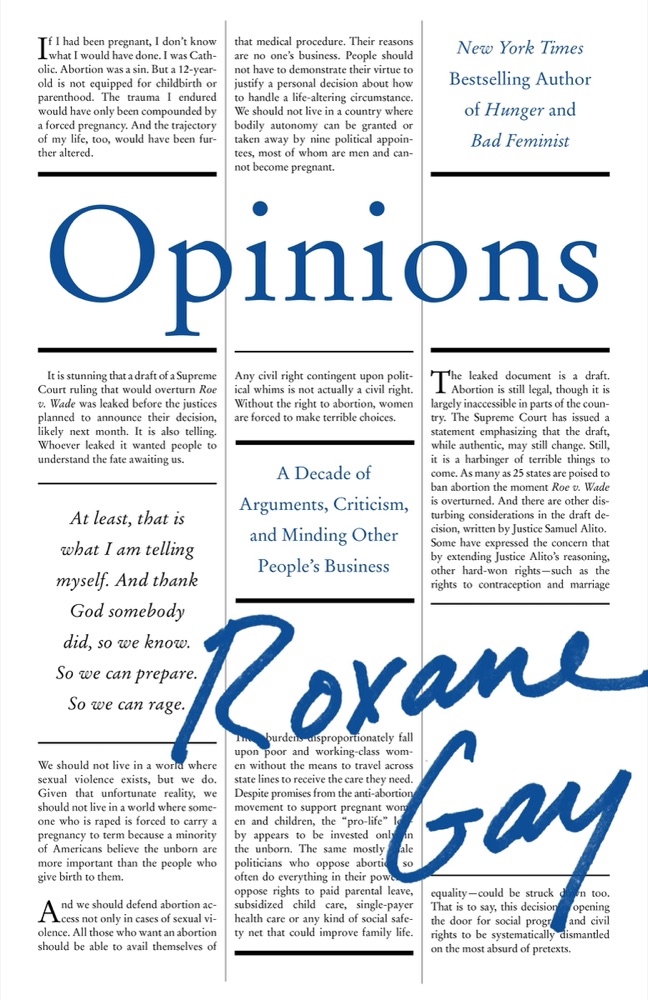 Opinions: A Decade of Arguments, Criticism, and Minding Other People’s Business
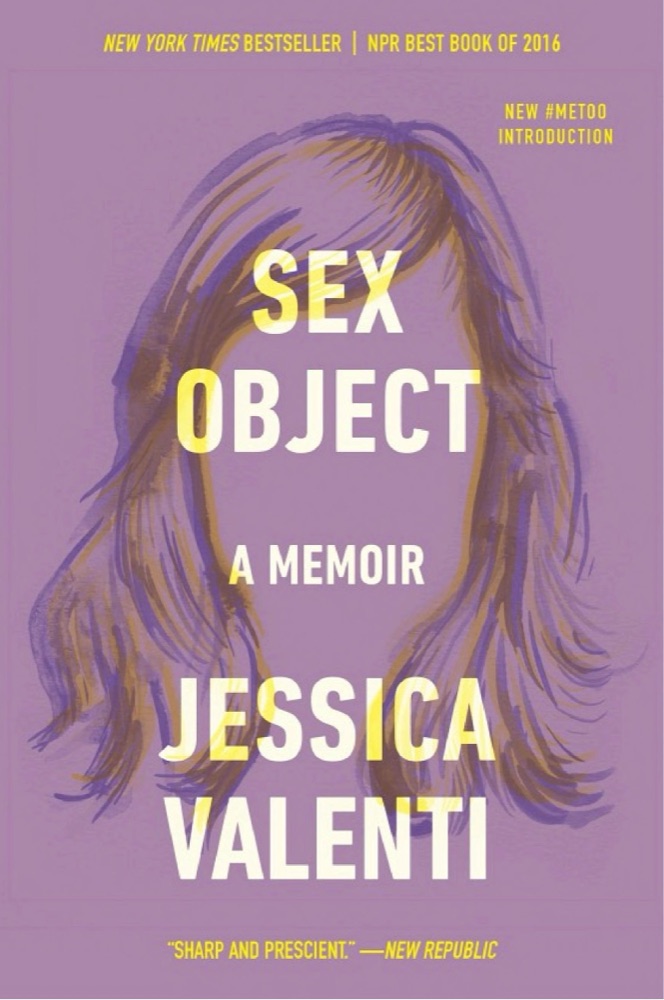 Sex Object: A Memoir
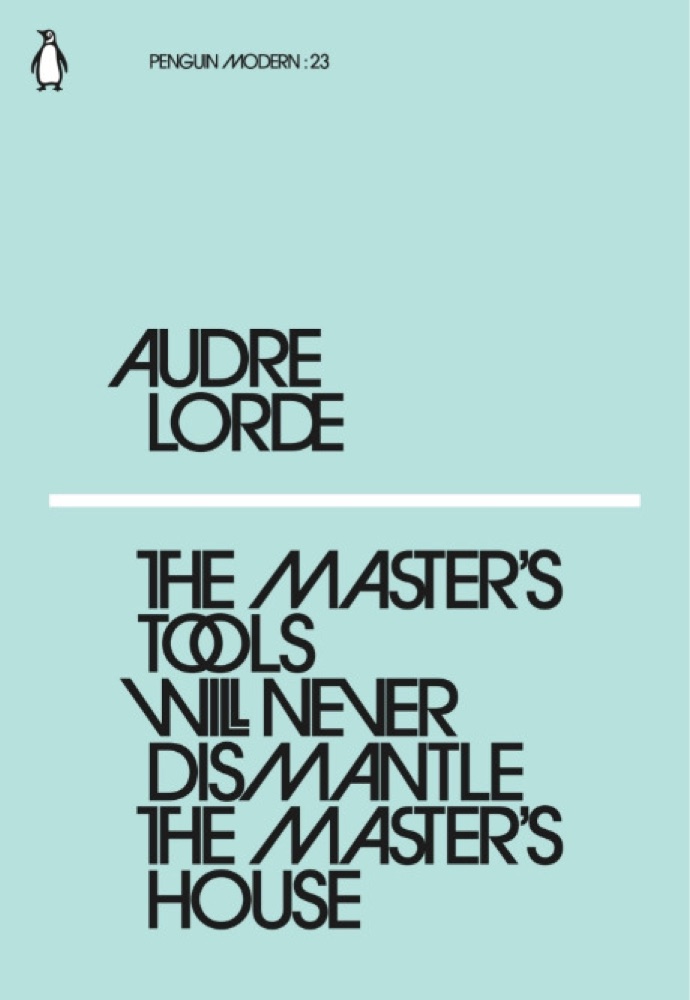 The Master's Tools Will Never Dismantle the Master's House
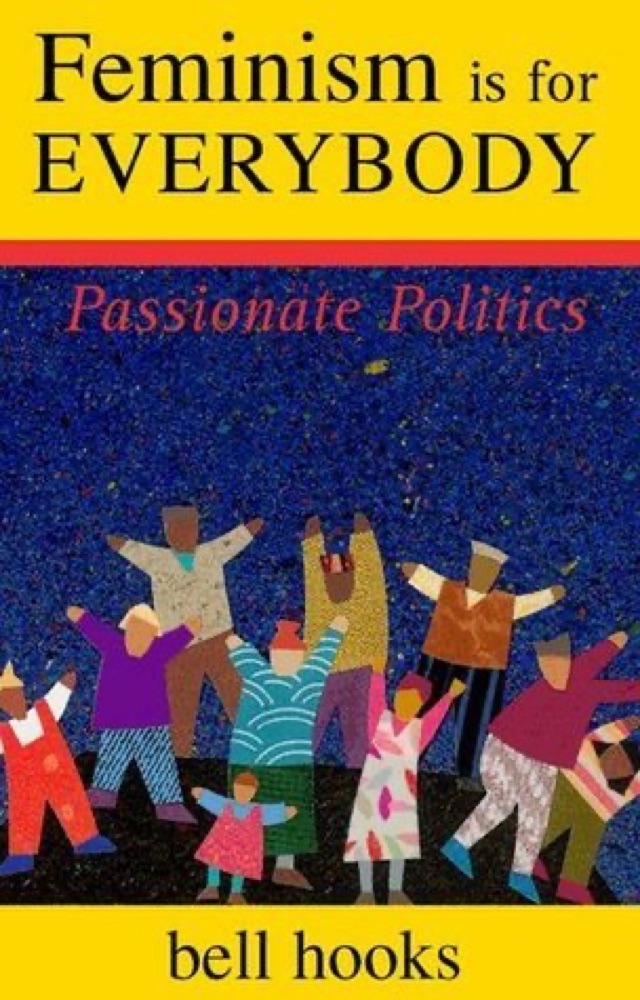 Feminism Is for Everybody: Passionate Politics
 We Should All Be Feminists
 The Truth Will Set You Free, But First It Will Piss You Off!: Thoughts on Life, Love, and Rebellion
 This Bridge Called My Back: Writings by Radical Women of Color
 Not That Bad: Dispatches from Rape Culture
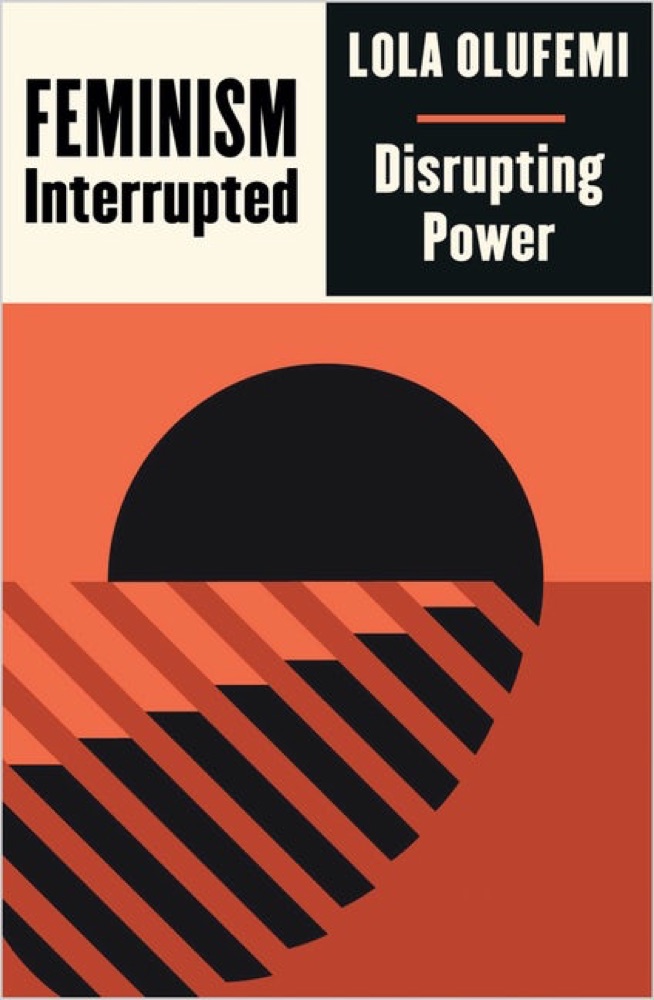 Feminism, Interrupted: Disrupting Power
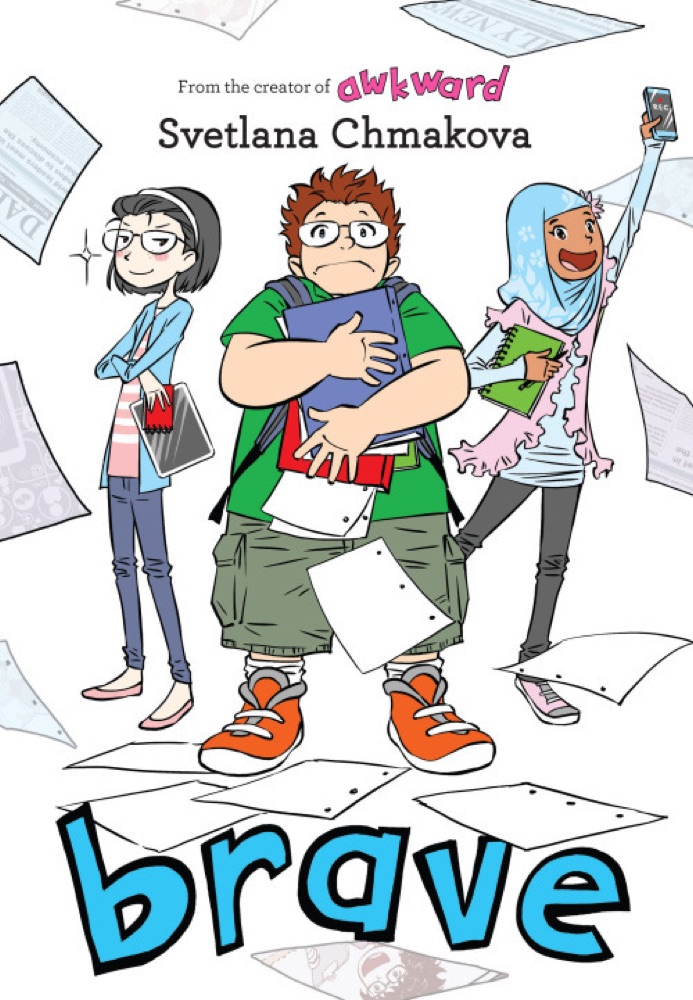 Brave
Brave
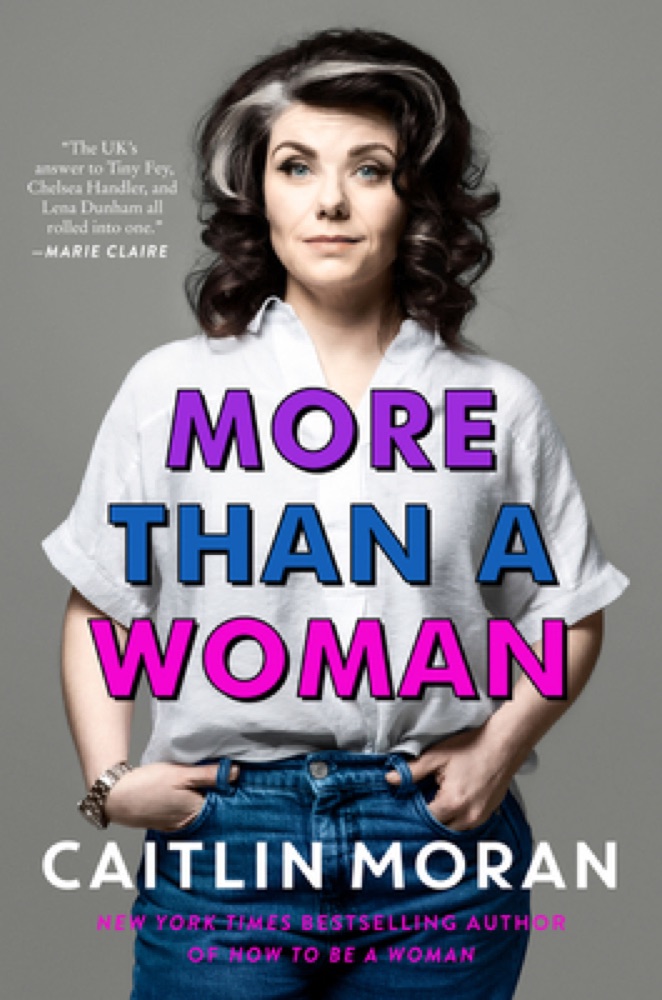 More Than a Woman: A Brutally Honest and Hilarious Feminist Memoir on Parenting, Marriage, and Middle-Age
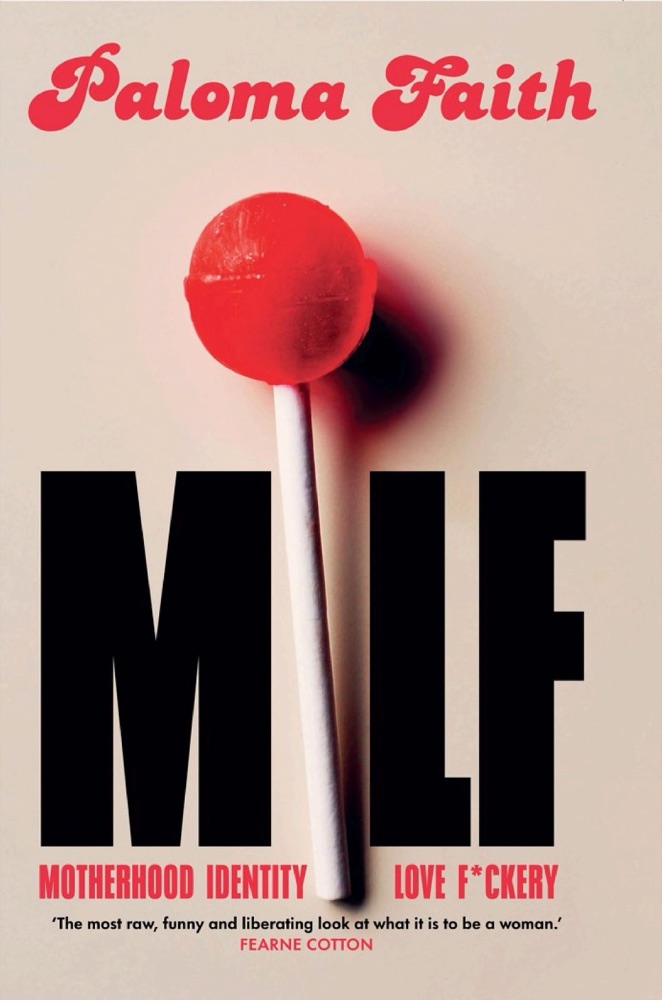 MILF: Motherhood, Identity, Love and F*ckery
 The Women's Room
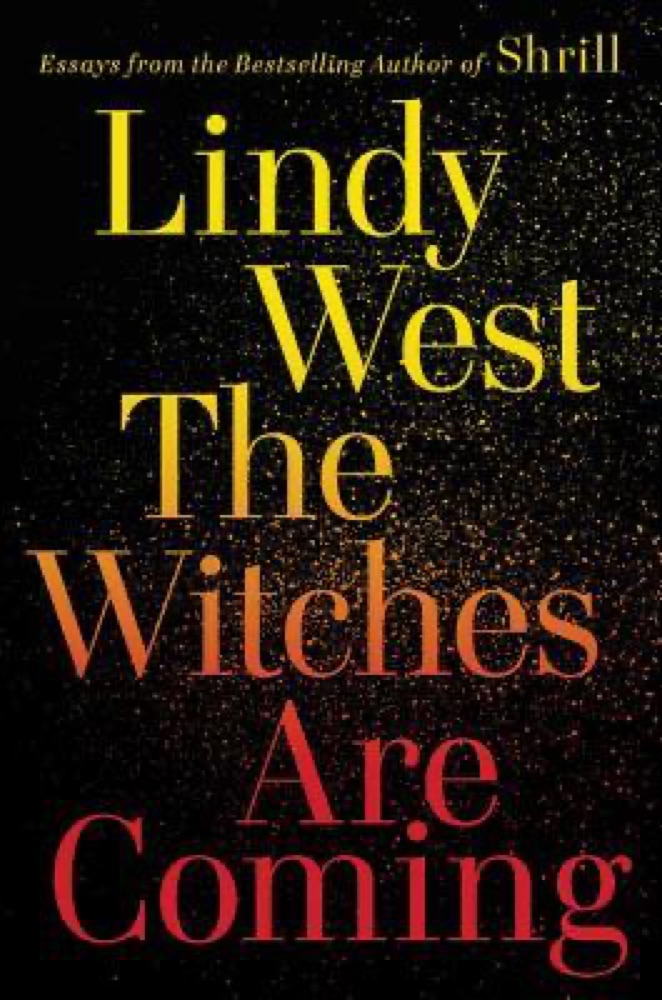 The Witches Are Coming
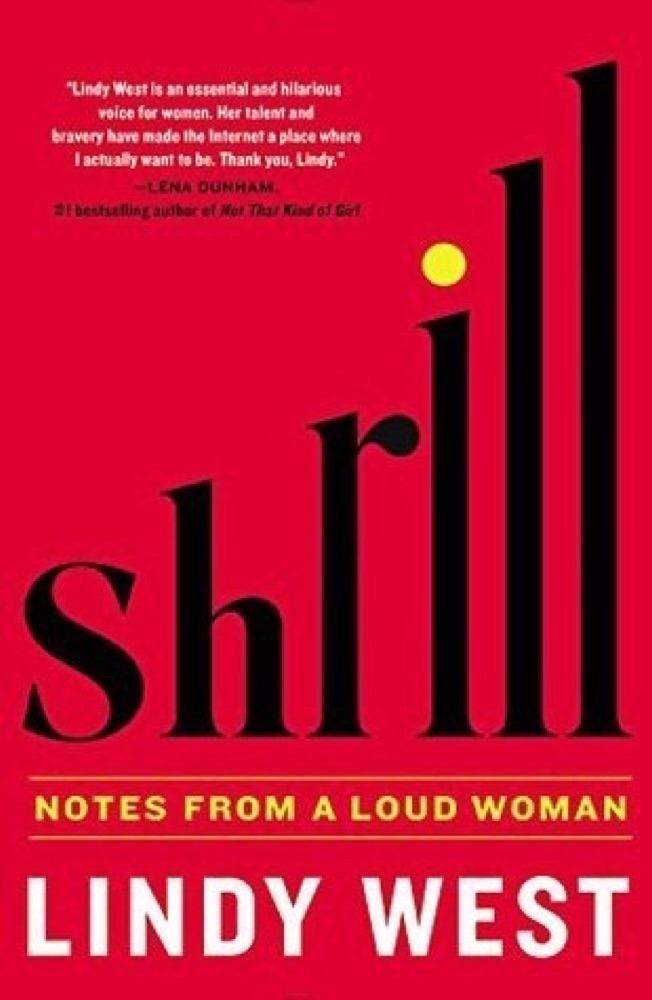 Shrill: Notes from a Loud Woman
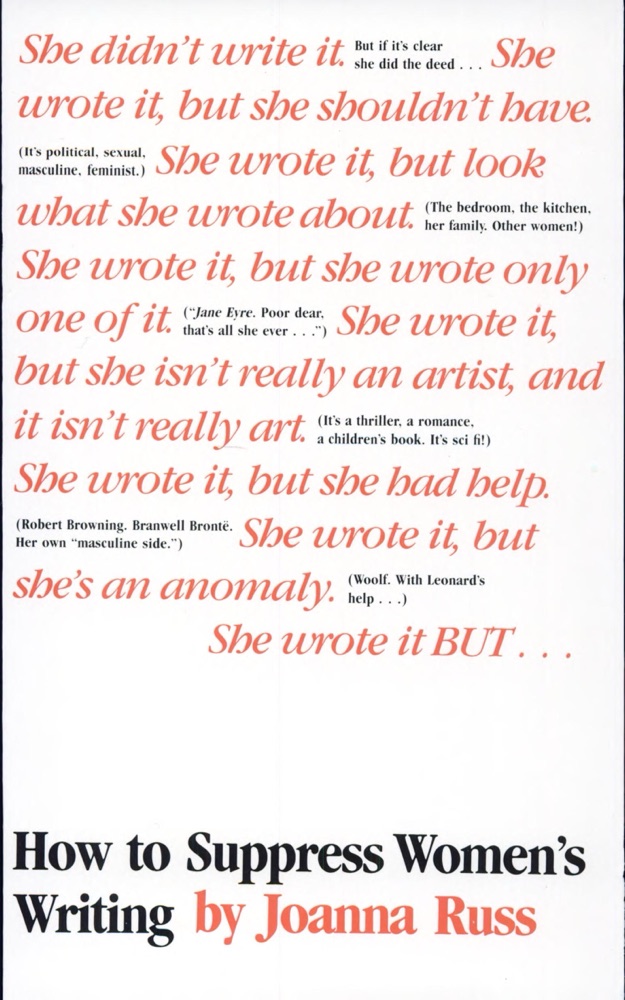 How to Suppress Women's Writing
 A Woman's Worth
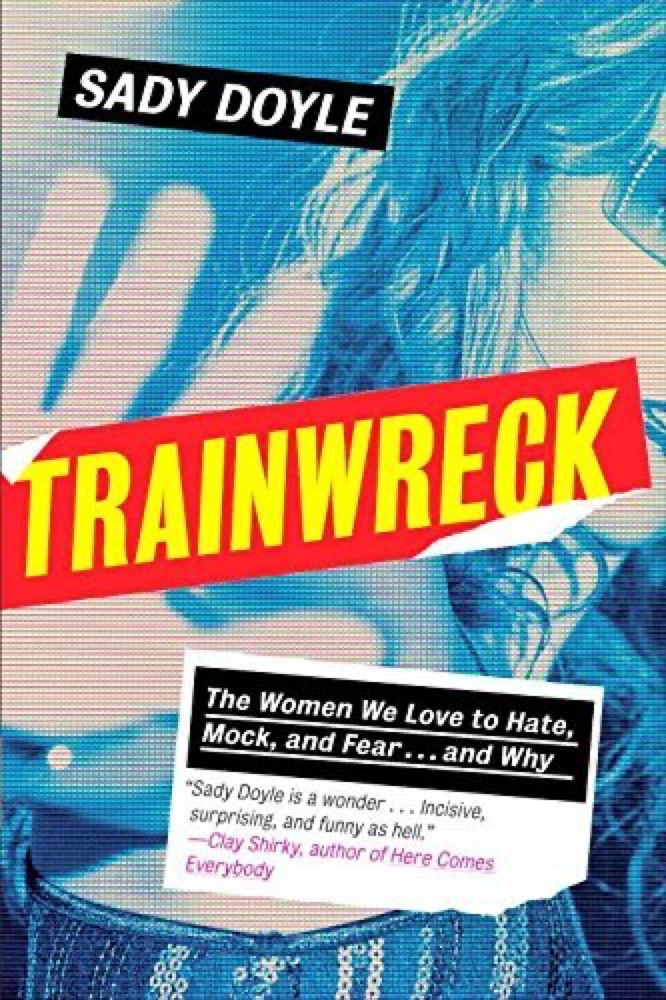 Trainwreck: The Women We Love to Hate, Mock, and Fear... and Why
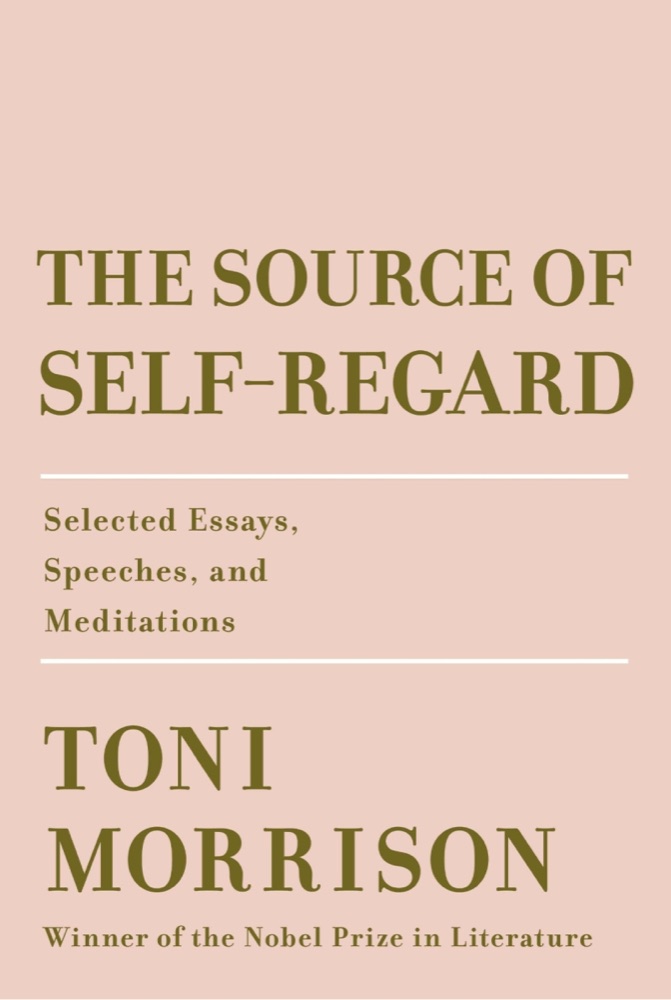 The Source of Self-Regard: Selected Essays, Speeches, and Meditations
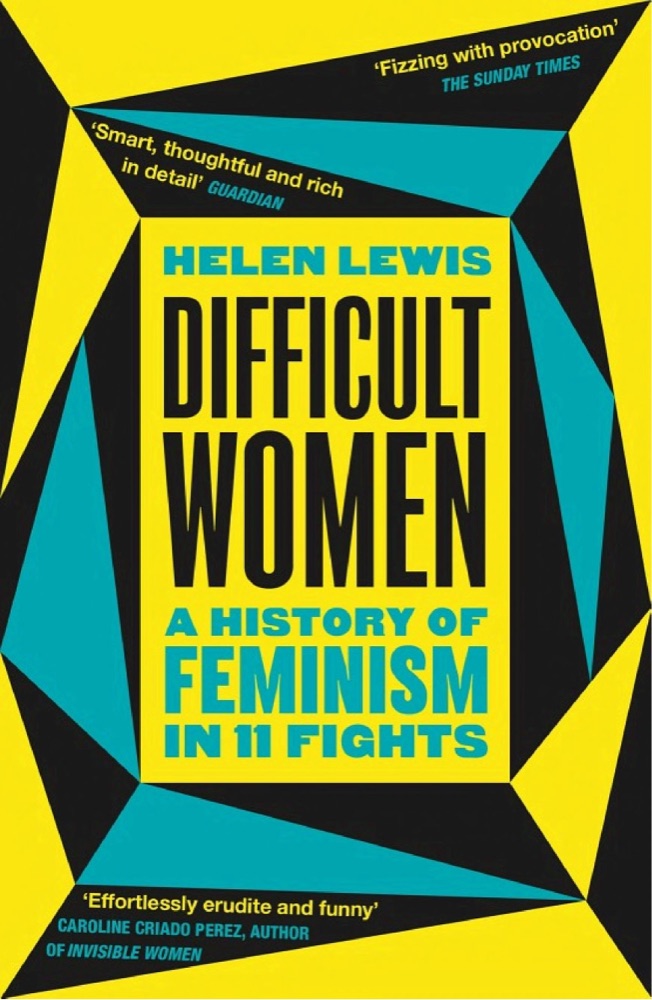 Difficult Women: A History of Feminism in 11 Fights
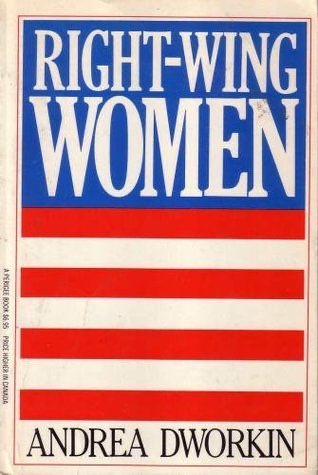 Right Wing Women
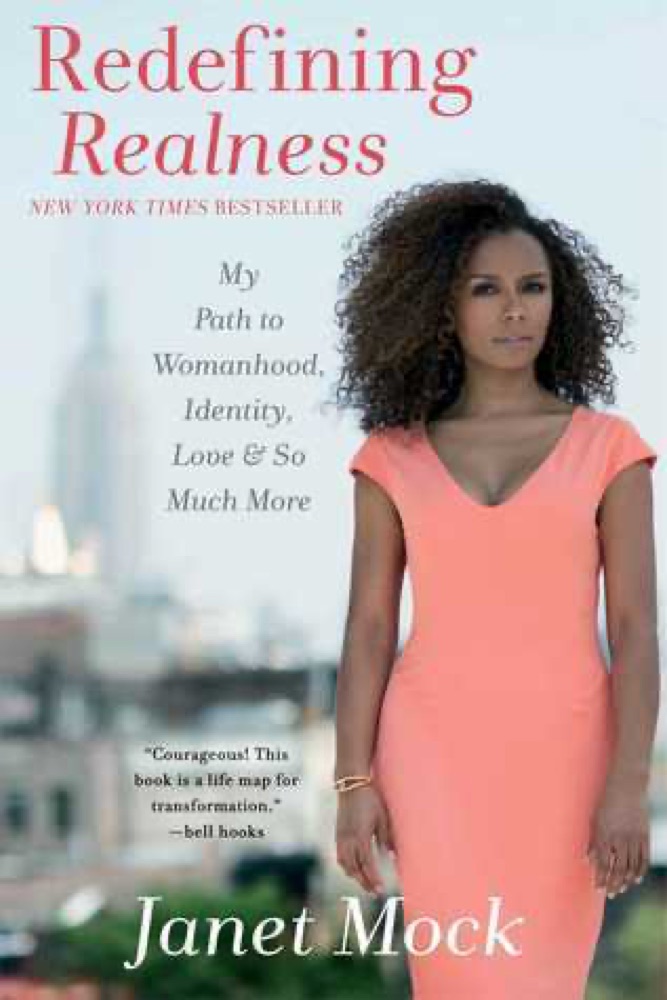 Redefining Realness: My Path to Womanhood, Identity, Love & So Much More
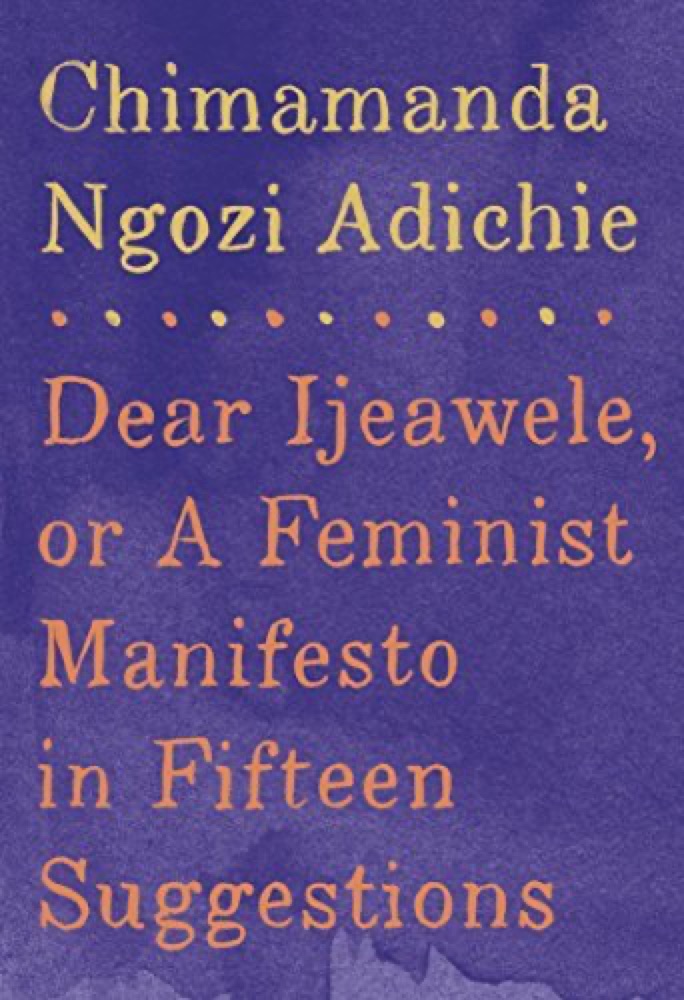 Dear Ijeawele, or A Feminist Manifesto in Fifteen Suggestions
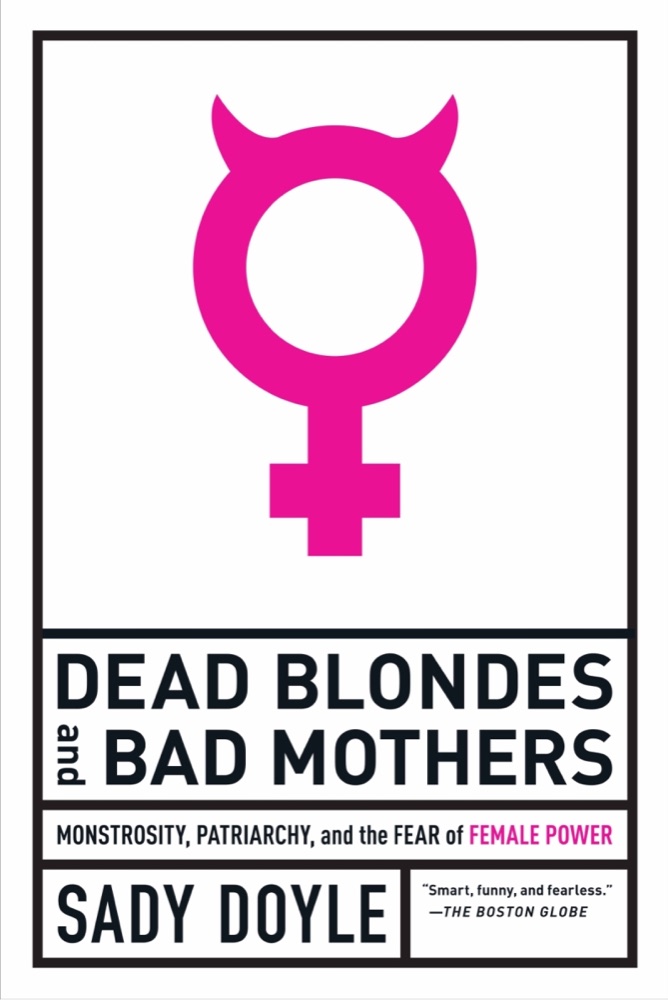 Dead Blondes and Bad Mothers
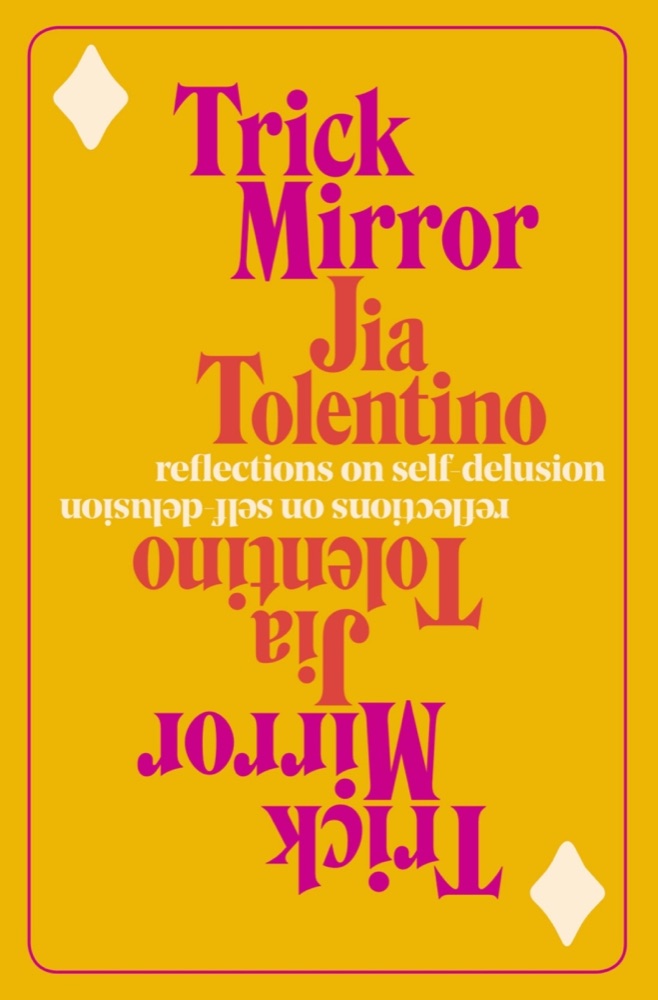 Trick Mirror: Reflections on Self-Delusion
 Heavenly Tyrant
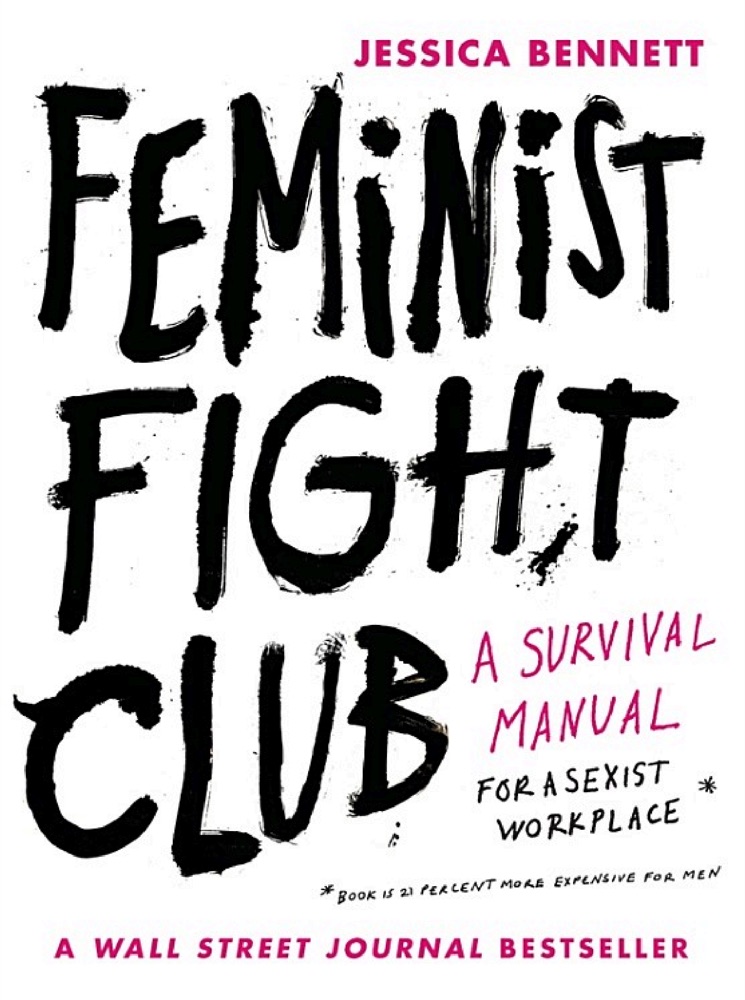 Feminist Fight Club: An Office Survival Manual for a Sexist Workplace
 The Female Eunuch
 On Our Best Behavior: The Seven Deadly Sins and the Price Women Pay to Be Good
 Against White Feminism: Notes on Disruption
 Fix the System, Not the Women
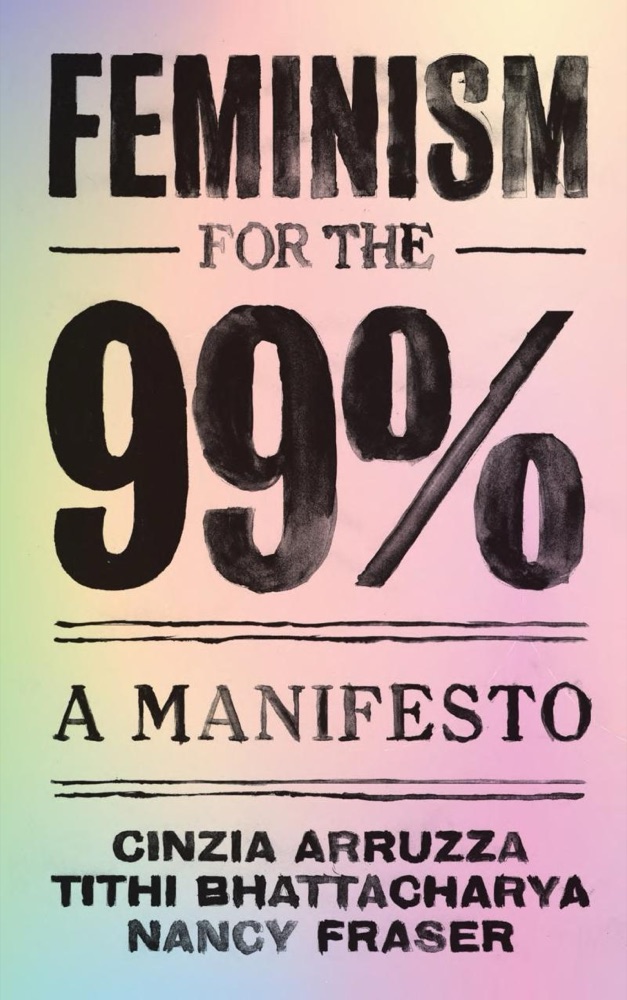 Feminism for the 99%: A Manifesto
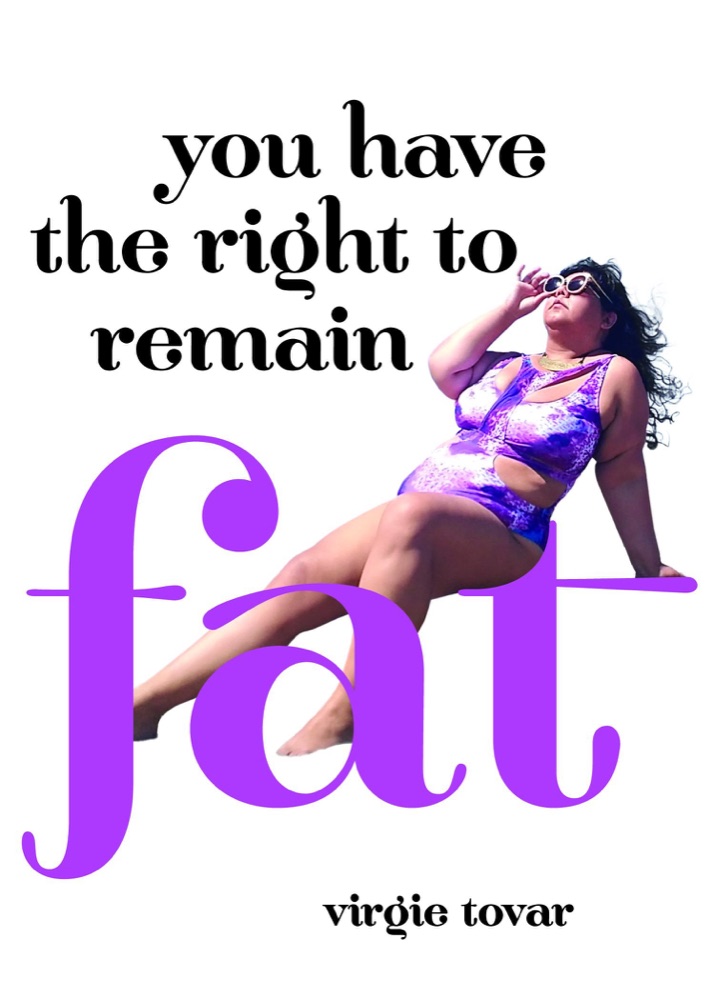 You Have the Right to Remain Fat
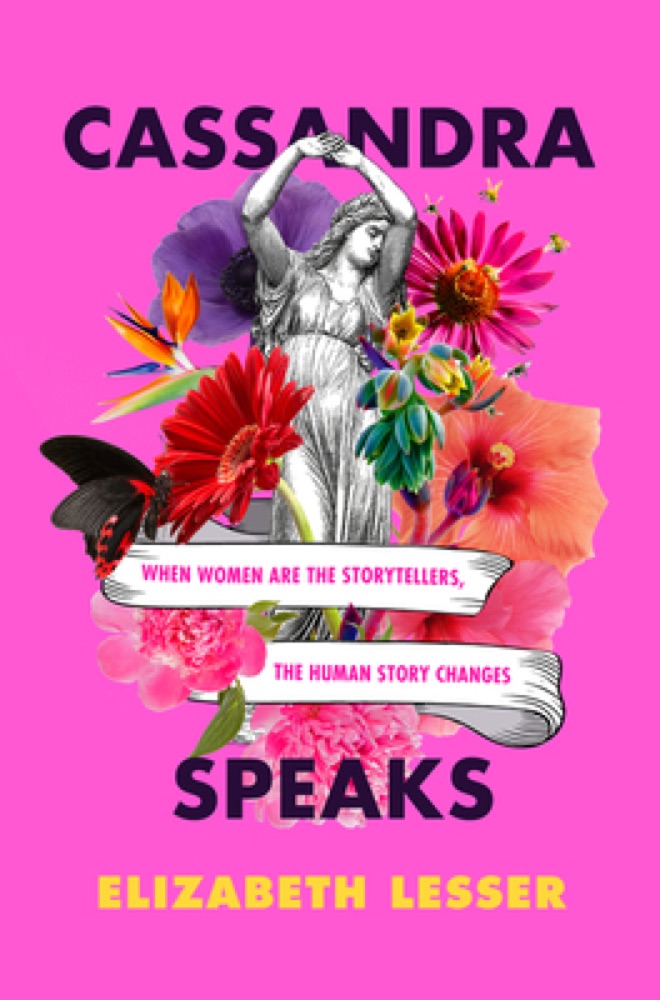 Cassandra Speaks: When Women Are the Storytellers, the Human Story Changes
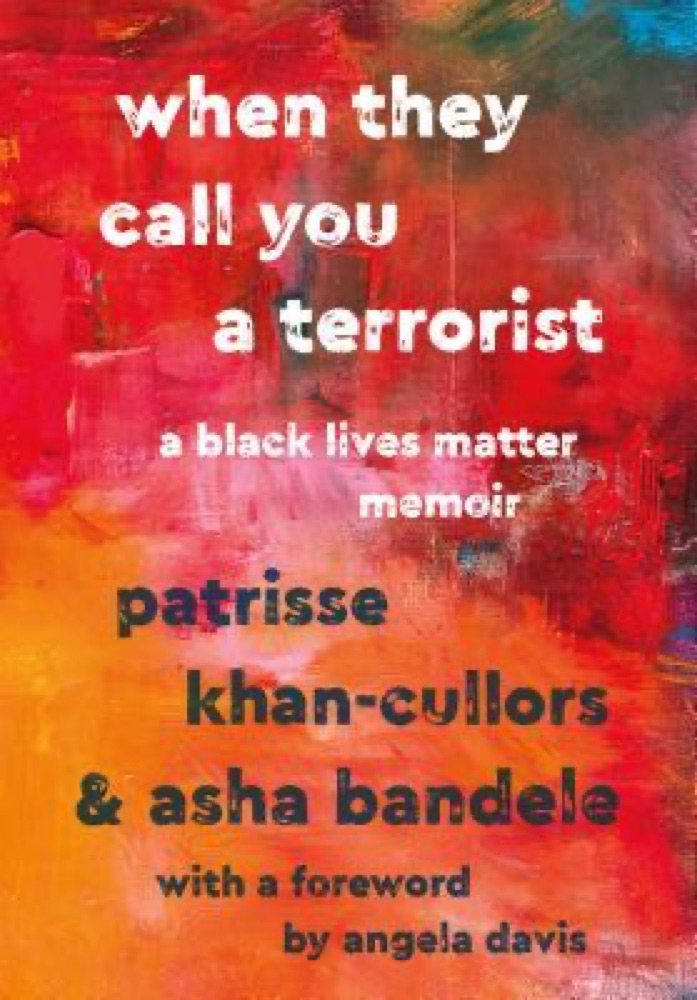 When They Call You a Terrorist: A Black Lives Matter Memoir
 The Feminine Mystique
 Undoing Gender
 Thick: And Other Essays
 The Dialectic of Sex: The Case for Feminist Revolution
 Entitled: How Male Privilege Hurts Women
 Sissy: A Coming-of-Gender Story