
 The Laws of Human Nature
Quotes from the Book
Playing the victim role: Manipulator portrays him- or herself as a victim of circumstance or of someone else's behavior in order to gain pity, sympathy or evoke compassion and thereby get something from another. Caring and conscientious people cannot stand to see anyone suffering and the manipulator often finds it easy to play on sympathy to get cooperation.
125
If you're dealing with a person who rarely gives you a straight answer to a straight question, is always making excuses for doing hurtful things, tries to make you feel guilty, or uses any of the other tactics to throw you on the defensive and get their way, you can assume you're dealing with a person who — no matter what else he may be — is covertly aggressive.
28
And past behavior is the single most reliable predictor of future behavior.
22
It's my experience that how a person used power is the most reliable test of their character.
17
The covert-aggressive's dislike of appearing overtly aggressive is as practical as it is face-saving. Manipulators know that if they're above-board in their aggression, they'll encounter resistance. Having learned that one of the best ways to “overcome” an obstacle is to “go around” it, they're adept at fighting unscrupulously yet surreptitiously.
16
It's hard to think clearly when someone has you emotionally unnerved, so you're less likely to recognize the tactics for what they really are.
13
Even though a person may begin life as a prisoner of what natural endowments he was given and the circumstances under which he was raised, he cannot remain a “victim” of his environment forever. Eventually, every person must come to terms with him or herself. To know oneself, to fairly judge one's strengths and weaknesses, and to attain true mastery over one's most basic instincts and inclinations are among life's greatest challenges. But ultimately, anyone's rise to a life of integrity and merit can only come as the result of a full self-awakening.
13
Fighting openly and fairly for our legitimate needs is often necessary and constructive. When we fight for what we truly need while respecting the rights and needs of others and taking care not to needlessly injure them, our behavior is best labeled assertive, and assertive behavior is one of the most healthy and necessary human behaviors. It's wonderful when we learn to assert ourselves in the pursuit of personal needs, overcome unhealthy dependency and become self-sufficient and capable. But when we fight unnecessarily, or with little concern about how others are being affected, our behavior is most appropriately labeled aggressive.
8
What our intuition tells us a manipulator is really like challenges everything we’ve been taught to believe about human nature. We’ve been inundated with a psychology that has us viewing people with problems, at least to some degree, as afraid, insecure or “hung-up.” So, while our gut tells us we’re dealing with a ruthless conniver, our head tells us they must be really frightened, wounded, or self-doubting “underneath.” What’s more, most of us generally hate to think of ourselves as callous and insensitive people. We hesitate to make harsh or negative judgments about others. We want to give them the benefit of the doubt and believe they don’t really harbor the malevolent intentions we suspect. We’re more apt to doubt and blame ourselves for daring to believe what our gut tells us about our manipulator’s character.
7
Manipulators often know us better than we know ourselves. They know what buttons to push, when to do so and how hard to press. Our lack of self-awareness can easily set us up to be exploited.
6
That is, whenever we persist at fighting a battle we can't possibly win, a sense of powerlessness and hopelessness ensues that eventually results in depression. The “losing battle” manipulation victims often fight is trying to make the manipulator change. They get caught in the trap of constantly trying to figure out just what to say or do to get their manipulator to behave differently. They invest considerable energy trying to make something happen that they haven't the power to make happen. Fighting this losing battle inevitably breeds anger, frustration, a sense of helplessness, and eventually, depression. Once depressed, manipulation victims don't have the presence of mind or the energy it takes to stand up for themselves.
6
Some children who have been labeled as having attention deficits are children who over-utilize selective attention as a manipulative device and a primary means of avoiding responsibility. These children show an incredible capacity to focus and maintain attention on any task or situation they find pleasurably stimulating, interesting, or in some other way, desirable. Yet, whenever they're asked to hear something they don't really want to hear or do something they'd rather not do, they will redirect their attention to almost anything else. This is especially true when an authority figure is giving them instruction or a directive. All they have to do is hear an admonition coming and they start fighting against it through inattention.
3
Therapists whose training overly indoctrinated them in the theory of neurosis may “frame” the problems presented them incorrectly. They may, for example, assume that a person who all their life has aggressively pursued independence, resisted allegiance to others, and taken what they could from relationships without feeling obliged to give something back must necessarily be “compensating” for a “fear” of intimacy. In other words, they will view a hardened, abusive fighter as a terrified runner, thus misperceiving the core reality of the situation.
3
The malignant impact of over-generalizing Freud's observations about a small group of overly inhibited individuals into a broad set of assumptions about the causes of psychological ill-health in everyone cannot be overstated.6 But these theories have so permeated our thinking about human nature, and especially our theories of personality, that when most of us try to analyze someone's character, we automatically start thinking in terms of what fears might be "hanging them up," what kinds of "defenses" they use and what kinds of psychologically "threatening" situations they may be trying to "avoid.
3
moderately neurotic individuals are the backbone of our society.
2
The covert-aggressive’s dislike of appearing overtly aggressive is as practical as it is face-saving. Manipulators know that if they’re above-board in their aggression, they’ll encounter resistance. Having learned that one of the best ways to “overcome” an obstacle is to “go around” it, they’re adept at fighting unscrupulously yet surreptitiously.
1
It is important to make a distinction between the concepts of self esteem and self-respect The word ‘esteem’ derives from a word meaning to estimate, self esteem is the intuitive estimate we make of our worth based on an assessment of our innate talents, abilities and the success we’ve had at getting what we want in life Individuals who know what they have going for themselves and are confident about their ability to get what they want can overly esteem themselves while never developing any legitimate self-respect. The word ‘respect’ literally means to look back. Self-respect arises, therefore out of a favorable retrospective assessment of ones personal effort, commitment to socially desirable goals and, if luck would it, achievement. To put it more simply, our sense of self esteem derives from what we know we have, while self-respect derives from what we’ve done with what we’ve been given.
Even though we may begin life prisoners of our natural endowments and the circumstances under which we were raised, we cannot remain “victims” of our environmental influences forever. Eventually, we must all come to honest terms with ourselves. To know ourselves deeply, to fairly judge our strengths and weaknesses, to achieve true mastery over our basic instincts and innate tendencies, and to overcome both the inadequacies and traumatic influences of the environment that helped shape us are among life’s great challenges. And ultimately, our rise to a life of integrity and merit can only come as the result of a full self-awakening. We must come to know ourselves as well as others, without prejudice, deceit or denial, and we must honestly face and reckon will all aspects of our character. Only then can we freely take on the burden of disciplining and improving ourselves for our own sake as well as for the sake of others. Making the free choice to take up this particular burden or “cross” is the true definition of love. And our willingness and commitment to carry this cross even unto our death are what open the door for us to a higher plane of existence.
Watch on YouTube
About George K. Simon Jr.
We have collected 18 quotes from 1 book by George K. Simon Jr. on BookQuoters.
More about the author →About the book
Whether it's your mate, your child, your boss, or a co-worker, if they know how to get the better of you and look good at the same time, you are being skillfully manipulated. To stop being a victim, you have to know how to spot these "wolves in sheep's clothing." Using case studies, Dr. Simon reveals the tactics manipulators like to use and tells you how to respond to them.
Book details
- First published
- 1996
- Author
- George K. Simon Jr.
- Genre
- Nonfiction
- Goodreads rating
- 4.05 (5k ratings)
Keep reading
The Laws of Human Nature
 The Lucifer Effect: Understanding How Good People Turn Evil
 The Sociopath Next Door
 Confessions of a Sociopath: A Life Spent Hiding in Plain Sight
 The Gift of Fear: Survival Signals That Protect Us from Violence
 Good Morning, Monster: A Therapist Shares Five Heroic Stories of Emotional Recovery
 The Highly Sensitive Person's Guide to Dealing with Toxic People: How to Reclaim Your Power from Narcissists and Other Manipulators
 It's Not You: Identifying and Healing from Narcissistic People
 Social Intelligence: The New Science of Human Relationships
 Nonviolent Communication: A Language of Life
 The Wisdom of Psychopaths: What Saints, Spies, and Serial Killers Can Teach Us About Success
 A Higher Loyalty: Truth, Lies, and Leadership
 Bonds That Make Us Free: Healing Our Relationship, Coming to Ourselves
 The Covert Passive Aggressive Narcissist: Recognizing the Traits and Finding Healing After Hidden Emotional and Psychological Abuse
 Mistakes Were Made (But Not by Me): Why We Justify Foolish Beliefs, Bad Decisions, and Hurtful Acts
 Radical Honesty : How to Transform Your Life by Telling the Truth
 The Elephant in the Brain: Hidden Motives in Everyday Life
 Dare to Lead
 For Your Own Good: Hidden Cruelty in Child-Rearing and the Roots of Violence
 Surrounded by Psychopaths: How to Protect Yourself from Being Manipulated and Exploited in Business
 On Our Best Behavior: The Seven Deadly Sins and the Price Women Pay to Be Good
 No Bad Parts: Healing Trauma & Restoring Wholeness with the Internal Family Systems Model
 Atlas of the Heart: Mapping Meaningful Connection and the Language of Human Experience
 Letting Go: The Pathway To Surrender
 Stop Walking on Eggshells: Taking Your Life Back When Someone You Care about Has Borderline Personality Disorder
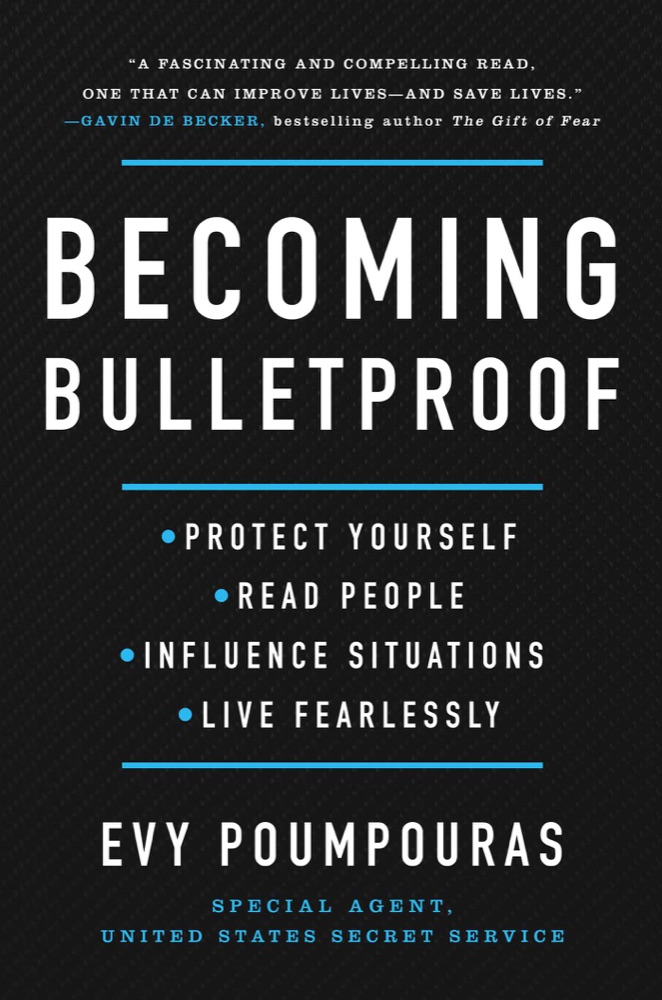 Becoming Bulletproof: Protect Yourself, Read People, Influence Situations, and Live Fearlessly
 David and Goliath: Underdogs, Misfits, and the Art of Battling Giants
 Us: Getting Past You and Me to Build a More Loving Relationship
 The 50th Law
 12 Rules for Life: An Antidote to Chaos
 The Complete Enneagram: 27 Paths to Greater Self-Knowledge
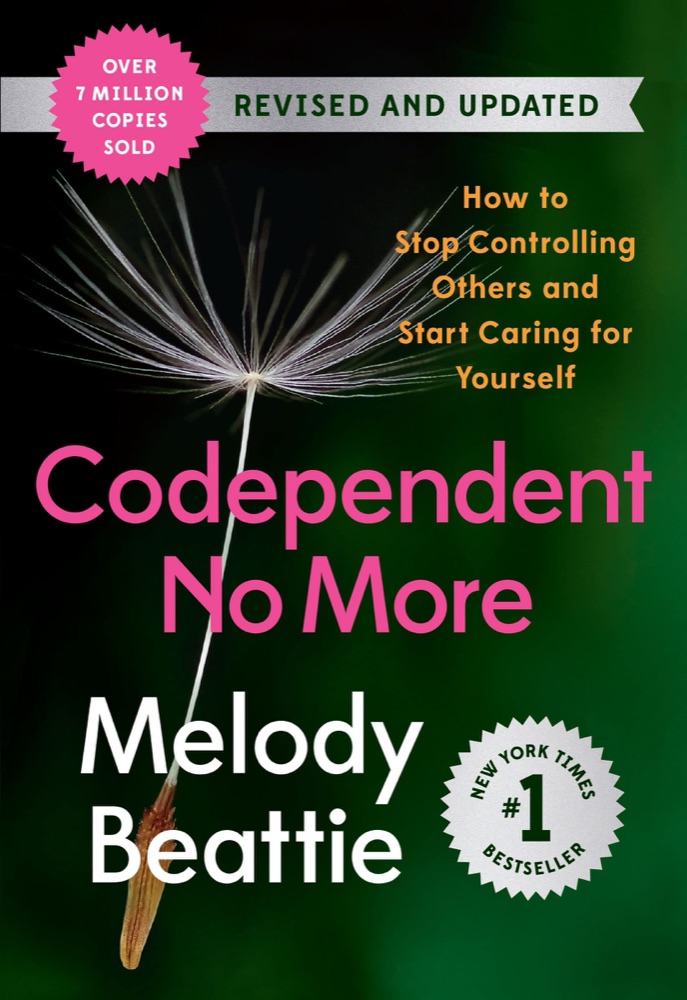 Codependent No More: How to Stop Controlling Others and Start Caring for Yourself
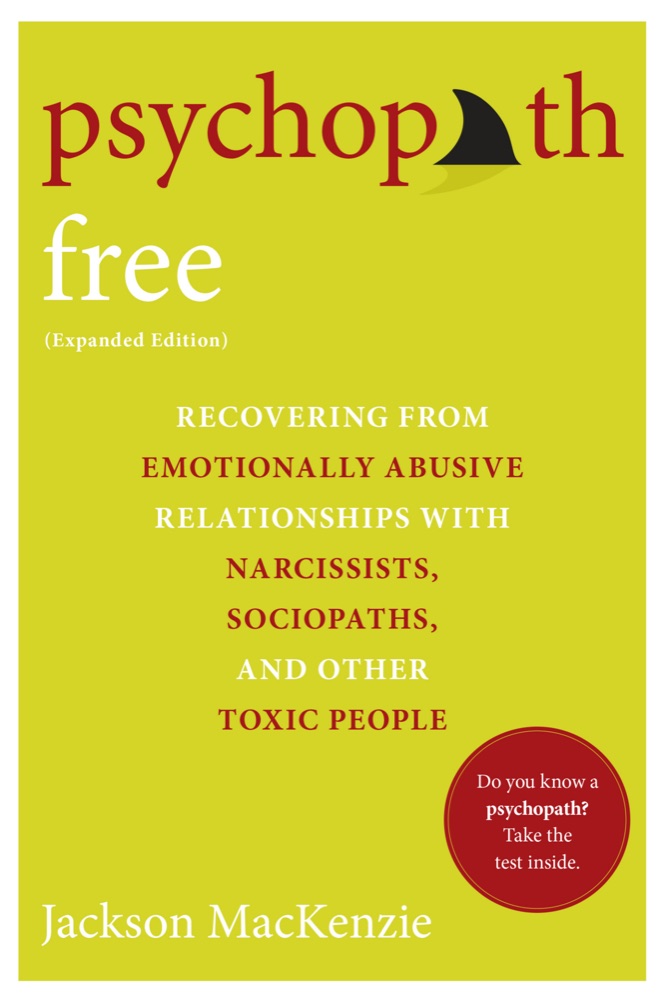 Psychopath Free: Recovering from Emotionally Abusive Relationships With Narcissists, Sociopaths, and Other Toxic People
 Conflict Is Not Abuse: Overstating Harm, Community Responsibility, and the Duty of Repair
 Difficult Conversations: How to Discuss What Matters Most
 We Learn Nothing
 Surrounded by Idiots
 The Highly Sensitive Person: How to Thrive When the World Overwhelms You
 The Age of Magical Overthinking: Notes on Modern Irrationality
 The Tools: Transform Your Problems into Courage, Confidence, and Creativity
 Changes That Heal: How to Understand the Past to Ensure a Healthier Future
 The Truth: An Uncomfortable Book About Relationships
 Six Pillars of Self-Esteem
 Toward a Psychology of Being
 Maybe You Should Talk to Someone: A Therapist, Her Therapist, and Our Lives Revealed
 Complex PTSD: From Surviving to Thriving
 Be a People Person
 Psycho-Cybernetics
 The Coddling of the American Mind: How Good Intentions and Bad Ideas Are Setting up a Generation for Failure
 Mastery
 The 7 Habits of Highly Effective People: Personal Workbook
 The Anatomy of Peace: Resolving the Heart of Conflict
 Riding the Elephant: A Memoir of Altercations, Humiliations, Hallucinations, and Observations
 The New Psycho-Cybernetics: The Original Science of Self-Improvement and Success That Has Changed the Lives of 30 Million People
 The Honest Truth About Dishonesty: How We Lie to Everyone - Especially Ourselves
 The Nix
 Feeling Good: The New Mood Therapy
 You Are Not So Smart
 Hunters of Dune