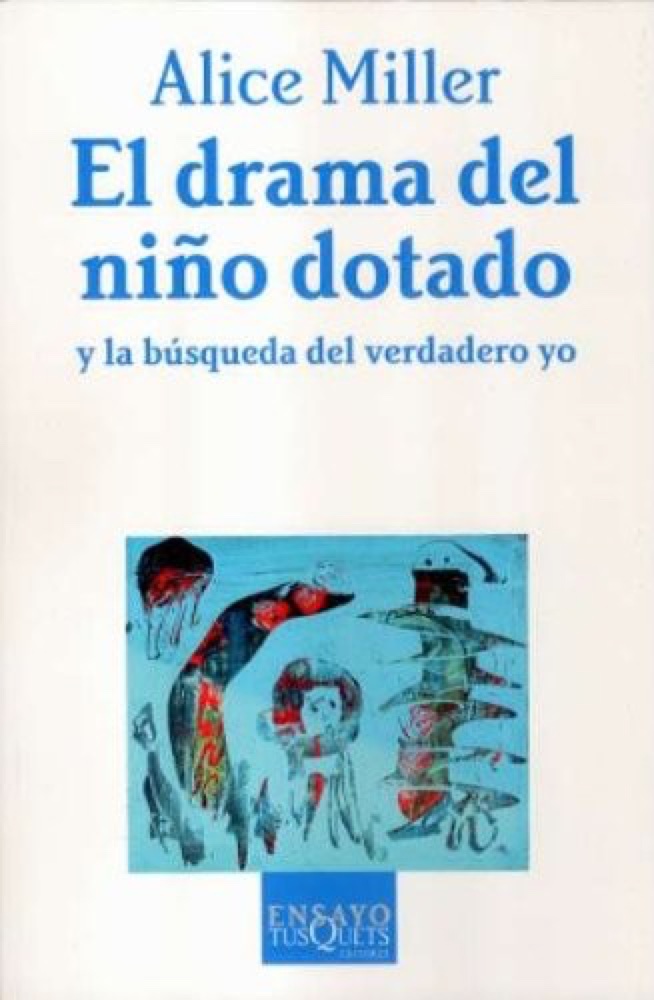
 The Drama of the Gifted Child: The Search for the True Self
Quotes from the Book
Theoretically, I can imagine that someday we will regard or children not add creatures to manipulate or to change but rather as messengers from a world we once deeply knew, but which we have long since forgotten, who can reveal to us more about the true secrets of life, and also our own lives, than our parents were ever able to.
17
For the human soul is virtually indestructible, and its ability to rise from the ashes remains as long as the body draws breath.
17
The more we idealized the past, however, and refuse to acknowledge or childhood sufferings, the more we pass them on unconsciously to the next generation.
11
The way we were treated as small children is the way we treat ourselves the rest of our life. And we often impose the most agonising suffering upon ourselves.
9
Rage and pain can apparently pass quickly if one is free to express them.
6
The greatest cruelty that can be inflicted on children is to refuse to let them express their anger and suffering except at the risk of losing their parents’ love and affection.
6
We don't yet know, above all, what the world might be like if children were to grow up without being subjected to humiliation, if parents would respect them and take them seriously as persons. In any case, I don't know of a single person who enjoyed this respect as a child and then as an adult had the need to put other human beings to death.
6
It is not the trauma itself that is the source of illness but the unconscious, repressed, hopeless despair over not being allowed to give expression to what one has suffered and the fact that one is not allowed to show and is unable to experience feelings of rage, anger, humiliation, despair, helplessness, and sadness. This causes many people to commit suicide because life no longer seems worth living if they are totally unable to live out all these strong feelings that are part of their true self.
5
The individual psychological stages in the lives of most people are: 1. To be hurt as a small child without anyone recognizing the situation as such 2. To fail to react to the resulting suffering with anger 3. To show gratitude for what are supposed to be good intentions 4. To forget everything 5. To discharge the stored-up anger onto others in adulthood or to direct it against oneself
5
It is very difficult for people to believe the simple fact that every persecutor was once a victim. Yet it should be very obvious that someone who was allowed to feel free and strong from childhood does not have the need to humiliate another person.
5
Morality and performance of duty are artificial measures that become necessary when something essential is lacking. The more successfully a person was denied access to his or her feelings in childhood, the larger the arsenal of intellectual weapons and the supply of moral prostheses has to be, because morality and a sense of duty are not sources of strength or fruitful soil for genuine affection. Blood does not flow in artificial limbs; they are for sale and can serve many masters. What was considered good yesterday can--depending on the decree of government or party--be considered evil and corrupt today, and vice versa. But those who have spontaneous feelings can only be themselves. They have no other choice if they want to remain true to themselves. Rejection, ostracism, loss of love, and name calling will not fail to affect them; they will suffer as a result and will dread them, but once they have found their authentic self they will not want to lose it. And when they sense that something is being demanded of them to which their whole being says no, they cannot do it. They simply cannot.
4
When children are trained, they learn how to train others in turn. Children who are lectured to, learn how to lecture; if they are admonished, they learn how to admonish; if scolded, they learn how to scold; if ridiculed, they learn how to ridicule; if humiliated, they learn how to humiliate; if their psyche is killed, they will learn how to kill--the only question is who will be killed: oneself, others, or both.
3
To escape this vicious cycle we must face the truth. And we can do it. We were humiliated children; we were the victims of our parents’ ignorance, the victims of their history, of the unconscious scars with which childhood left them. We had no choice but to deny the truth.
3
Time after time, the amazing fact is uncovered that sons and daughters are unconsciously re-enacting their parents fate— all the more intensely the less precise their knowledge of it.
2
True emotional understanding has nothing to do with cheap sentimental pity.
2
When still in diapers, the child learns to knock at the gates of love with “obedience,” and unfortunately often does not unlearn this ever after. In a totalitarian state, which is a mirror of his upbringing, this citizen can also carry out any form of torture or persecution without having a guilty conscience. His “will” is completely identical with that of the government. Both Hitler and Stalin had a surprisingly large number of enthusiastic followers among intellectuals. Our capacity to resist has nothing to do with our intelligence but with the degree of access to our true self.
2
In a totalitarian state, which is a mirror of his upbringing, this citizen can also carry out any form of torture or persecution without having a guilty conscience. His “will” is completely identical with that of the government. Both Hitler and Stalin had a surprisingly large number of enthusiastic followers among intellectuals. Our capacity to resist has nothing to do with our intelligence but with the degree of access to our true self. Indeed, intelligence is capable of innumerable rationalizations when it comes to the matter of adaptation. Educators have always known this and have exploited it for their own purposes. Grünewald writes that he has never yet found willfulness in an intellectually advanced or exceptionally gifted child. Such a child can, in later life, exhibit extraordinary acuity in criticizing the ideologies of his opponents—and in puberty even the views by his own parents—because in these cases his intellectual powers can function without impairment. Furthermore, the teacher finds the soil already prepared for obedience, and the political leader has only to harvest what has been sown.
2
When we consider the major role intimidation plays in this ideology, which was still at the peak of its popularity at the turn of the century, it is not surprising that Sigmund Freud had to conceal his surprising discovery of adults' sexual abuse of their children, a discovery he was led to by the testimony of his patients. He disguised his insight with the aid of a theory that nullified this inadmissible knowledge. Children of his day were not allowed, under the severest of threats, to be aware of what adults were doing to them. and if Freud had persisted in his seduction theory, he not only would have had his introjected parents to fear but would no doubt have been discredited, and probably ostracized, by middle-class society. In order to protect himself, he had to devise a theory that would preserve appearances by attributing all “evil”, guilt and wrongdoing to the child's fantasies. in which the parents served only as the objects of projection. We can understand why this theory omitted the fact that it is the parents who not only project their sexual and aggressive fantasies onto the child but also are able to act out these fantasies because they wield the power. It is probably thanks to this omission that many professionals in the psychiatric field, themselves the products of "poisonous pedagogy" have been able to accept the Freudian theory of drives, because it did not force them to question their idealized image of their parents. With the aid of Freud's drive and structural theories, they have been able to continue obeying the commandment they internalized in early childhood: "Thou shalt not be aware of what your parents are doing to you.
2
In the following pages I shall apply the term "poisonous pedagogy" to this very complex endeavor. It will be clear from the context in question which of its many facets I am emphasizing at the moment. The specific facets can be derived directly from the preceding quotations from child-rearing manuals. These passages teach us that: 1. Adults are the masters (not the servants!) of the dependent child. 2. They determine in godlike fashion what is right and what is wrong. 3. The child is held responsible for their anger. 4. The parents must always be shielded. 5. The child's life affirming feelings pose a threat to the autocratic adult. 6. The child's will must be "broken" as soon as possible. 7. All this must happen at a very early age, so the child "won't notice" and will therefore not be able to expose the adults. The methods that can be used to suppress vital spontaneity in the child are: laying traps, lying, duplicity, subterfuge, manipulation, "scare" tactics, withdrawal of love, isolation, distrust, humiliating and disgracing the child, scorn, ridicule, and coercion even to the point of torture.
2
A person is not likely to conceive something monstrous if he does not know it somehow or other from experience. We simply tend to refuse to take a child's suffering seriously enough.
2
Consciously experiencing one's own victimisation instead of trying to ward it off provides protection against sadism; i.e., the compulsion to torment and humiliate others.
1
individuals who refuse to adapt to a totalitarian regime are not doing so out of a sense of duty or because of naïveté but because they cannot help but be true to themselves
1
I cannot listen to my child with empathy if I am inwardly preoccupied with being a good mother; I cannot be open to what she is telling me. This can be observed in various parental attitudes.
1
The change from rage to sorrow makes it possible for the vicious circle of repetition to be broken.
1
It is also a part of "poisonous pedagogy" to impart to the child from the beginning false information and beliefs that have been passed on from generation to generation and dutifully accepted by the young even though they are not only unproven but are demonstrably false. Examples of such beliefs are: 1. A feeling of duty produces love. 2. Hatred can be done away with by forbidding it. 3. Parents deserve respect simply because they are parents. 4. Children are undeserving of respect simply because they are children. 5. Obedience makes a child strong. 6. A high degree of self-esteem is harmful. 7. A low degree of self-esteem makes a person altruistic. 8. Tenderness (doting) is harmful. 9. Responding to a child's needs is wrong. 10. Severity and coldness are a good preparation for life. 11. A pretense of gratitude is better than honest ingratitude. 12. The way you behave is more important than the way you really are. 13. Neither parents nor God would survive being offended. 14. The body is something dirty and disgusting. 15. Strong feelings are harmful. 16. Parents are creatures free of drives and guilt. 17. Parents are always right.
1
As the sociologist Lucien Lombardo wrote in his introduction to a chapter of my recent book, The Truth Will Set You Free, “childhood is not the shortest age in our life but rather the longest because it stays with us until our death.
1
If not consciously acknowledged and mourned, uncertainty about one's descent can cause great anxiety and unrest, all the more so if, as in Alois's case, it is linked with an ominous rumor that can neither be proven nor completely refuted
1
Loving parents in particular should want to find out what they are unconsciously doing to their children. If they simply avoid the subject and instead point to their parental love, then they are not really concerned about their children's wellbeing but rather are painstakingly trying to keep a clear conscience.
Theoretically, I can imagine that someday we will regard our children not as creatures to manipulate or to change but rather as messengers from a world we once deeply knew, but which we have long since forgotten, who can reveal to us more about the true secrets of life, and also our own lives, than our parents were ever able to. We do not need to be told whether to be strict or permissive with our children. What we do need is to have respect for their needs, their feelings, and their individuality, as well as for our own.
When people who have been beaten or spanked as children attempt to play down the consequences by setting themselves up as examples, even claiming it was good for them, they are inevitably contributing to the continuation of cruelty in the world by this refusal to take their childhood tragedies seriously. Taking over this attitude, their children, pupils, and students will in turn beat their own children, citing their parents, teachers, and professors as authorities. Don’t the consequences of having been a battered child find their most tragic expression in this type of thinking?
Watch on YouTube
About Alice Miller
We have collected 60 quotes from 2 books by Alice Miller on BookQuoters.
More about the author →More by Alice Miller
The Drama of the Gifted Child: The Search for the True Self
About the book
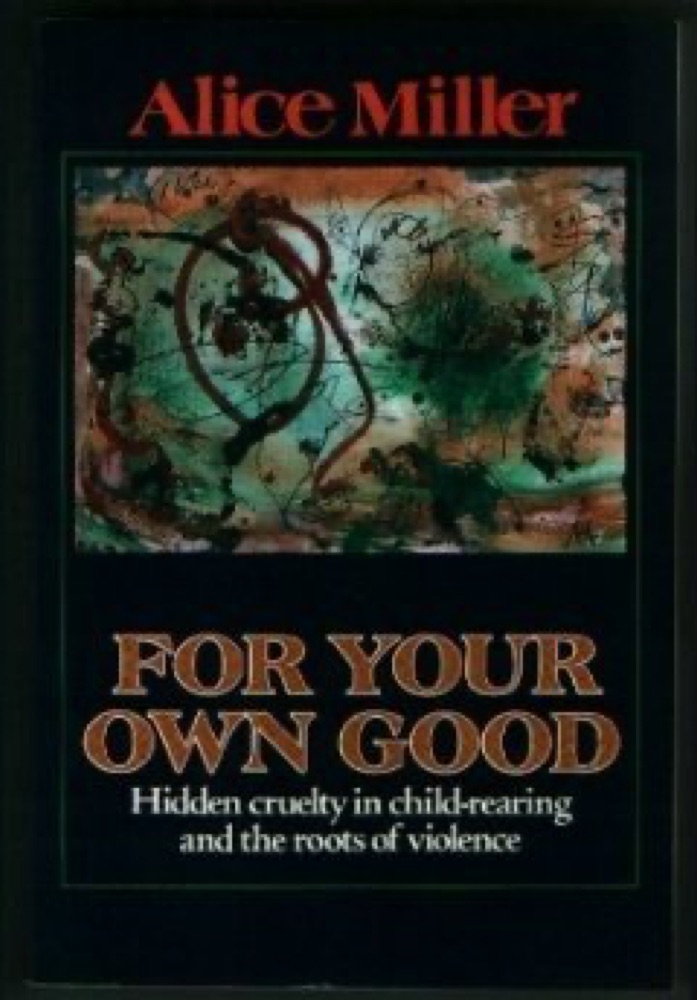
For Your Own Good, the contemporary classic exploring the serious if not gravely dangerous consequences parental cruelty can bring to bear on children everywhere, is one of the central works by Alice Miller, the celebrated Swiss psychoanalyst.
With her typically lucid, strong, and poetic language, Miller investigates the personal stories and case histories of various self-destructive and/or violent individuals to expand on her theories about the long-term affects of abusive child-rearing. Her conclusions―on what sort of parenting can create a drug addict, or a murderer, or a Hitler―offer much insight, and make a good deal of sense, while also straying far from psychoanalytic dogma about human nature, which Miller vehemently rejects.
This important study paints a shocking picture of the violent world―indeed, of the ever-more-violent world―that each generation helps to create when tr
Book details
- First published
- 1980
- Author
- Alice Miller
- Genre
- Nonfiction
- Goodreads rating
- 4.25 (2k ratings)
Keep reading
The Drama of the Gifted Child: The Search for the True Self
 It Didn't Start with You: How Inherited Family Trauma Shapes Who We Are and How to End the Cycle
 Toxic Parents: Overcoming Their Hurtful Legacy and Reclaiming Your Life
 The Boy Who Was Raised as a Dog: And Other Stories from a Child Psychiatrist's Notebook
 The Lucifer Effect: Understanding How Good People Turn Evil
 Good Morning, Monster: A Therapist Shares Five Heroic Stories of Emotional Recovery
 Scattered Minds: The Origins and Healing of Attention Deficit Disorder
 The Measure of a Man: A Spiritual Autobiography
 All Is Not Forgotten
 Complex PTSD: From Surviving to Thriving
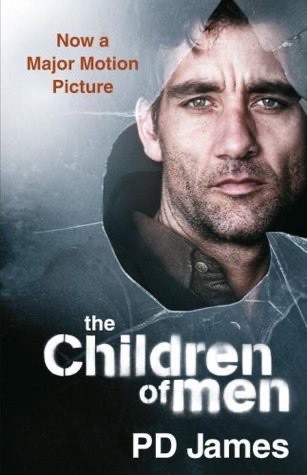 The Children of Men
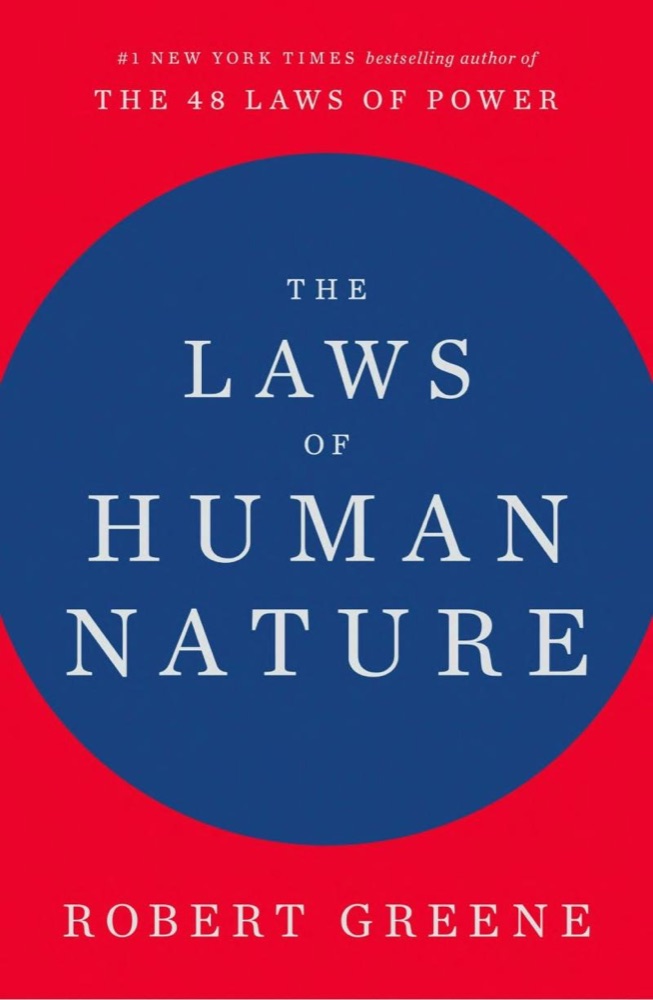 The Laws of Human Nature
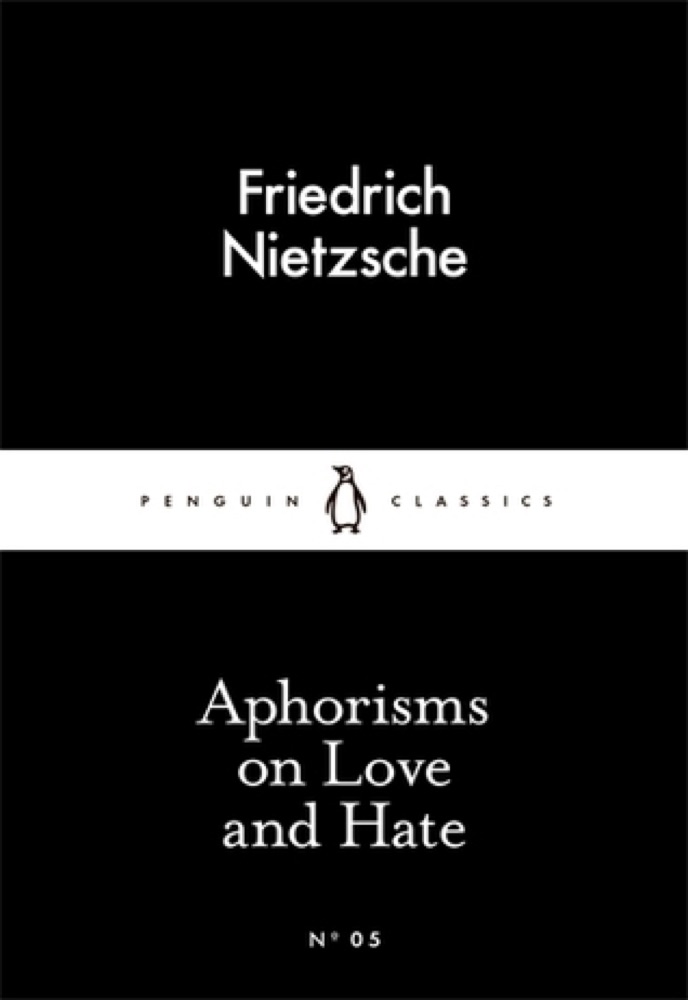 Aphorisms on Love and Hate
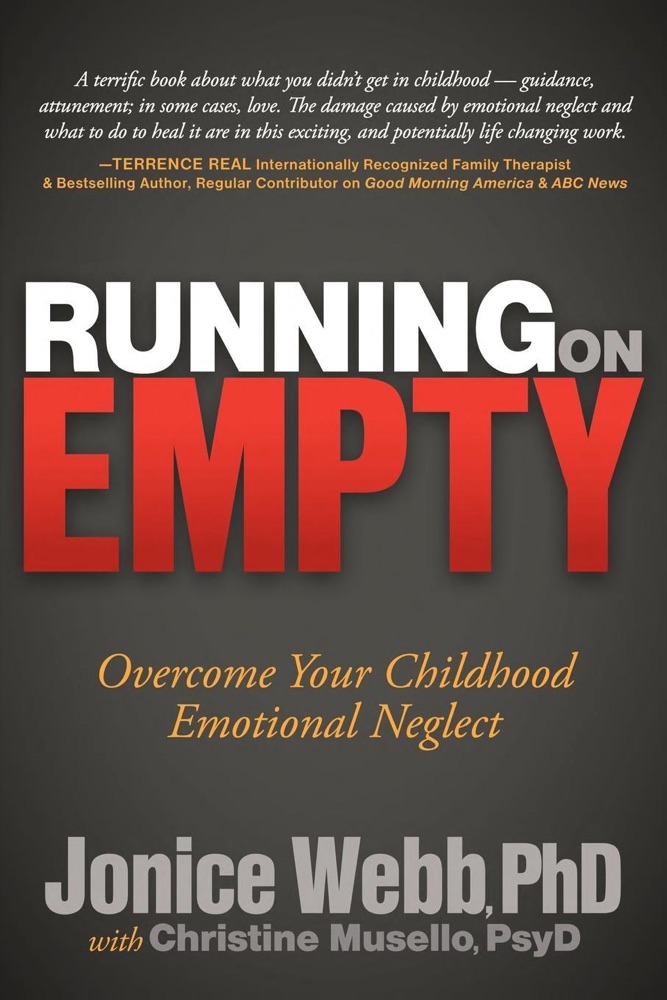 Running on Empty: Overcome Your Childhood Emotional Neglect
 Abuse
Abuse
 People of the Lie: The Hope for Healing Human Evil
 In the Realm of Hungry Ghosts: Close Encounters with Addiction
 Far from the Tree: Parents, Children, and the Search for Identity
 12 Rules for Life: An Antidote to Chaos
 Between Parent and Child
 Twelve Steps to a Compassionate Life
 Nonviolent Communication: A Language of Life
 The Coddling of the American Mind: How Good Intentions and Bad Ideas Are Setting up a Generation for Failure
 Daybreak: Thoughts on the Prejudices of Morality
 The School of Life: An Emotional Education
 A Language Older Than Words
 Toward a Psychology of Being
 Finding Meaning in the Second Half of Life: How to Finally, Really Grow Up
 Radical Honesty : How to Transform Your Life by Telling the Truth
 In The Blood
 When Women Were Dragons
 The Awakened Family: A Revolution in Parenting
 We Learn Nothing
 Dibs in Search of Self
 When Nietzsche Wept
 The Source of Self-Regard: Selected Essays, Speeches, and Meditations
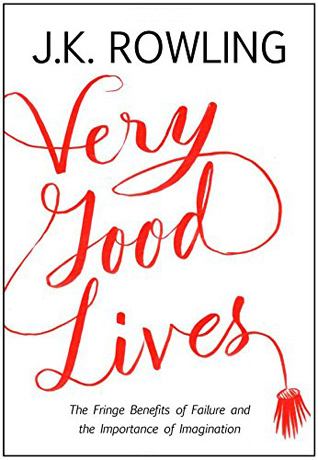 Very Good Lives: The Fringe Benefits of Failure and the Importance of Imagination
 Untamed
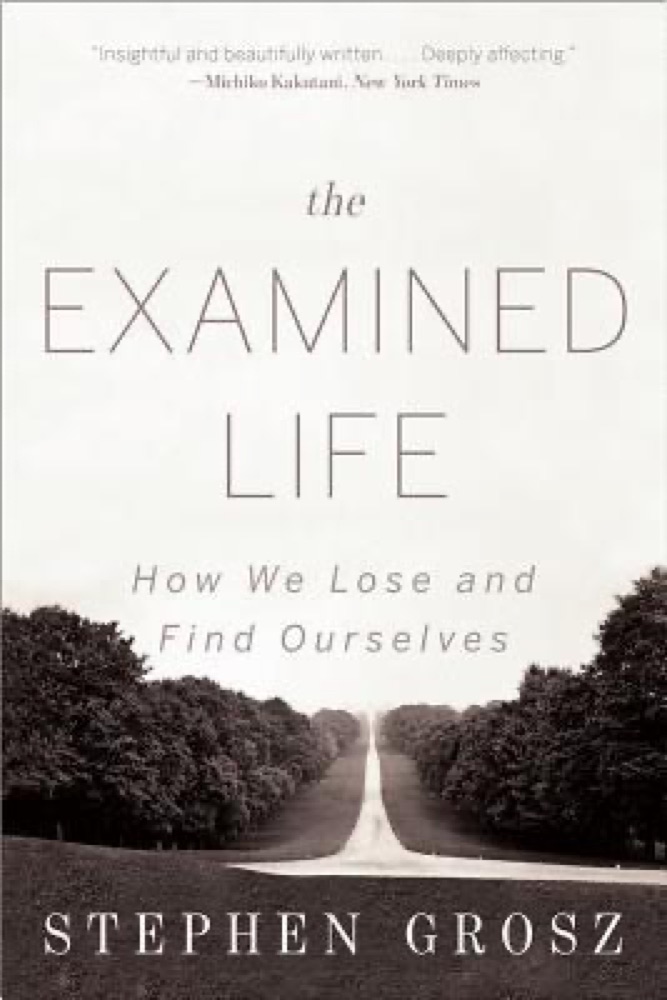 The Examined Life: How We Lose and Find Ourselves
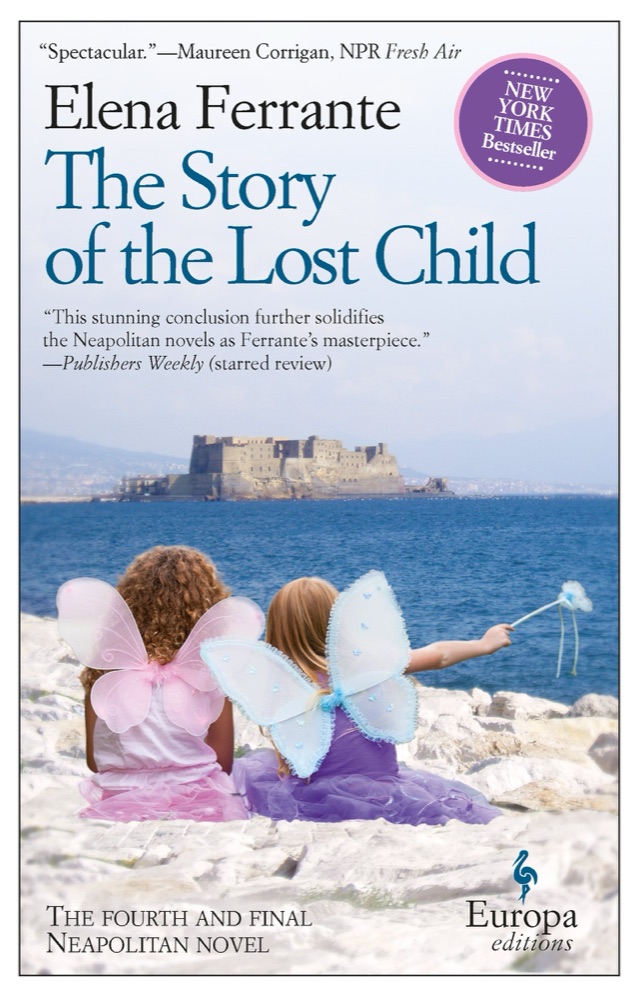 The Story of the Lost Child
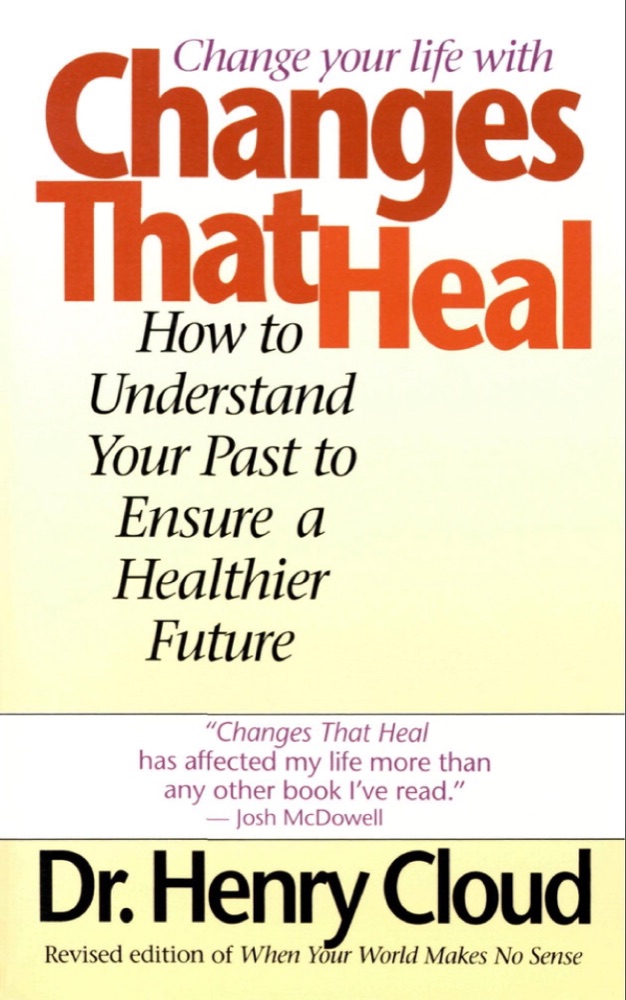 Changes That Heal: How to Understand the Past to Ensure a Healthier Future
 The Fall of Babel
 Mothers Who Can't Love: A Healing Guide for Daughters
 The Fire Next Time
 The Social Animal: The Hidden Sources of Love, Character, and Achievement
 Things I've Been Silent About
 The Sociopath Next Door
 The Blank Slate: The Modern Denial of Human Nature
 The Politics of Experience/The Bird of Paradise
 No Name in the Street
 Becoming Human
 If You Meet the Buddha on the Road, Kill Him! The Pilgrimage of Psychotherapy Patients
 Regarding the Pain of Others
 The Collapse of Parenting: How We Hurt Our Kids When We Treat Them Like Grown-Ups
 Solitude: A Return to the Self
 Varina
 Existential Psychotherapy
 The Many Daughters of Afong Moy