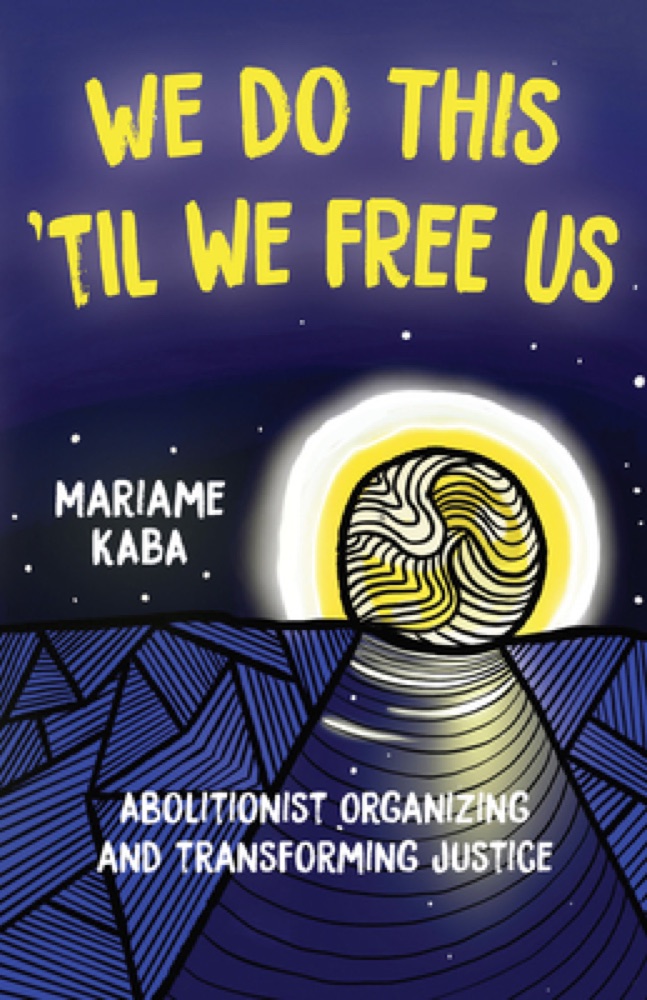
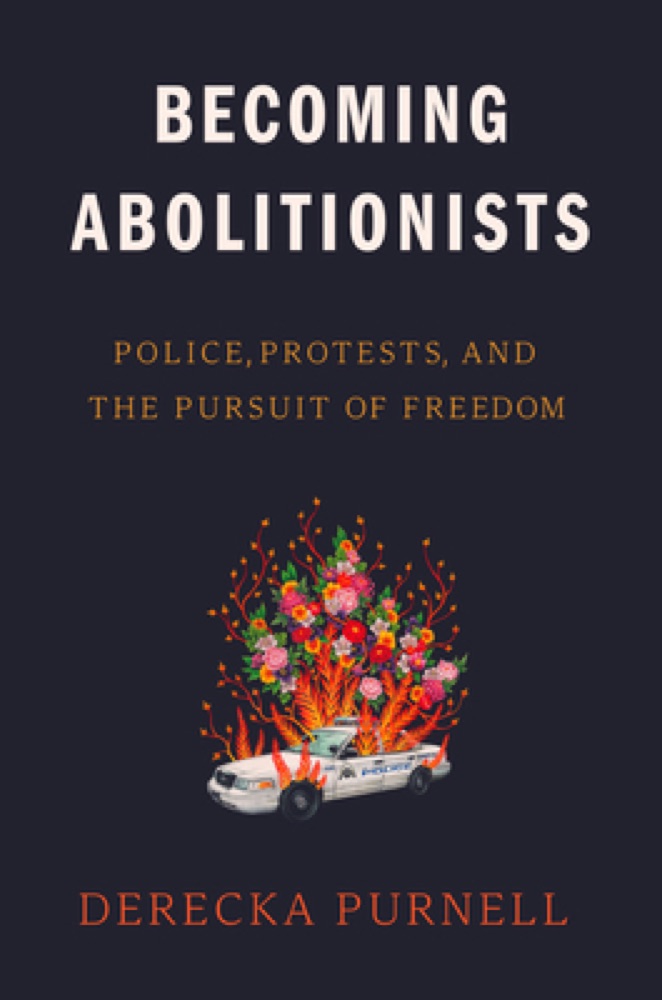
 Becoming Abolitionists: Police, Protests, and the Pursuit of Freedom
Quotes from the Book
People like me who want to abolish prisons and police, however, have a vision of a different society, built on cooperation instead of individualism, on mutual aid instead of self-preservation. What would the country look like if it had billions of extra dollars to spend on housing, food, and education for all? This change in society wouldn’t happen immediately, but the protests show that many people are ready to embrace a different vision of safety and justice. When the streets calm and people suggest once again that we hire more Black police officers or create more civilian review boards, I hope that we remember all the times those efforts have failed.
15
When you say, “What would we do without prisons?” what you are really saying is: “What would we do without civil death, exploitation, and state-sanctioned violence?
13
There is not a single era in United States history in which the police were not a force of violence against Black people.
12
Yes, think about yourself, reflect on your practice, okay. But then you need to test it in the world; you’ve got to be with people. That’s important. And I hate people! So I say that as somebody who actually is really antisocial.
12
These are feminists who would say, in the words of former political prisoner Susan Saxe, “My feminism does not drive me into the arms of the state, but even further from it.
11
Some people may ask, “Does this mean that I can never call the cops if my life is in serious danger?” Abolition does not center that question. Instead, abolition challenges us to ask “Why do we have no other well-resourced options?” and pushes us to creatively consider how we can grow, build, and try other avenues to reduce harm.
9
White supremacy does not thrive in spite of the menacing infrastructure of US criminalization and militarism—it thrives because of it.
9
Importantly, we must reject all talk about policing and the overall criminal punishment system being “broken” or “not working.” By rhetorically constructing the criminal punishment system as “broken,” reform is reaffirmed and abolition is painted as unrealistic and unworkable.
8
a system that never addresses the why behind a harm never actually contains the harm itself. Cages confine people, not the conditions that facilitated their harms or the mentalities that perpetuate violence.
7
That does not mean, however, there should be no consequences. It means real consequences. Consequences that really matter. It means transforming the conditions that exist in the first place for this to even have happened. It is really critical for people to think about the difference between punishment and consequences. Punishment often is actually not the same as transformation. Even though it feels good to wear the “kill the rapists” T-shirt, that isn’t the thing that is actually going to get us the world we want to live in.
7
Collectivity: because “everything worthwhile is done with others” (Moussa Kaba).
7
What does it mean for a rich person to extract money that should be going to the country’s tax base and then decide for themselves how to donate it to the public again? When it’s really our money? When they aren’t accountable to the public?
6
I think that love is a requirement of principled struggle, both self-love and love of others, that we must all do what we can, that it is better to do something rather than nothing, that we have to trust others as well as ourselves. I often repeat the adage that "hope is a discipline." We must practice it daily.
5
I don't believe in self-care, I believe in collective care, collectivizing our care, and thinking more about how we can help each other.
4
On the way to abolition, we can take a number of intermediate steps to shrink the police force and to restructure our relationships with each other. These include: 1)Organizing for dramatic decreases of police budgets and redirecting those funds to other social goods (defunding the police). 2)Ending cash bail. 3)Overturning police bills of rights. 4)Abolishing police unions.
4
10)Thinking through the end of the police and imagining alternatives.
4
5)Crowding out the police in our communities. 6)Disarming the police. 7)Creating abolitionist messages that penetrate the public consciousness to disrupt the idea that cops = safety. 8)Building community-based interventions that address harms without relying on police. 9)Evaluating any reforms based on these criteria.
4
Refusal: because we cannot collaborate with the prison-industrial complex, as “only evil will collaborate with evil” (June Jordan). Care: because “care is the antidote to violence” (Saidiya Hartman). Collectivity: because “everything worthwhile is done with others” (Moussa Kaba).
3
After reading Kaba’s analysis, it is clear that the criminal punishment system, not abolition, depends on a superficial view of violence, a facile view of good and evil based on the victim-perpetrator binary. Simple stories of the perfect victim and the monstrous perpetrator bend reality to fit the pretexts for state violence, helping us to pretend that the physical, emotional, social, and civic injuries of prison are somehow justice.
3
In the North, the first municipal police departments in the mid-1800s helped quash labor strikes and riots against the rich.
2
As prison abolitionists, grassroots organizers, and practitioners of transformative justice, our vision for 2018 is one of clear-eyed awareness and discussion of the horrors of the prison system—and the action that awareness demands. As a society, we have long turned away from any social concern that overwhelms us. Whether it’s war, climate change, or the prison-industrial complex, Americans have been conditioned to simply look away from profound harms. Years of this practice have now left us with endless wars, dying oceans, and millions of people in bondage and oppressively policed. It is time for a thorough, unflinching examination of what our society has wrought and what we have become. It is time to envision and create alternatives to the hellish conditions our society has brought into being.
2
The New York Poem,” by Sam Hamill: a mute sadness settles in, like dust, for the long, long haul. But if I do not get up and sing, If I do not get up and dance again, the savages will win
2
PIC abolition is a vision of a restructured society in a world where we have everything we need: food, shelter, education, health, art, beauty, clean water, and more things that are foundational to our personal and community safety.
2
refusal, care, and collectivity. Refusal: because we cannot collaborate with the prison-industrial complex, as “only evil will collaborate with evil” (June Jordan). Care: because “care is the antidote to violence” (Saidiya Hartman).
2
And police violence is a misnomer. It’s actually redundant because policing is violence. In and of itself.
1
From 1978 to 2014, the US prison population rose 408 percent…. And given that the system is actually geared toward recidivism, there can be no argument that the prison system supports either public safety or the public good.
Everything worthwhile is done with other people
Watch on YouTube
About Mariame Kaba
About the book
"Organizing is both science and art. It is thinking through a vision, a strategy, and then figuring out who your targets are, always being concerned about power, always being concerned about how you're going to actually build power in order to be able to push your issues, in order to be able to get the target to actually move in the way that you want to."
What if social transformation and liberation isn't about waiting for someone else to come along and save us? What if ordinary people have the power to collectively free ourselves? In this timely collection of essays and interviews, Mariame Kaba reflects on the deep work of abolition and transformative political struggle.
With chapters on seeking justice beyond the punishment system, transforming how we deal with harm and accountability, and finding hope in collective struggle for abolition, Kaba's work is deeply rooted in the rele
Book details
- First published
- 2021
- Author
- Mariame Kaba
- Genre
- Nonfiction
- Goodreads rating
- 4.63 (6k ratings)
Keep reading
Becoming Abolitionists: Police, Protests, and the Pursuit of Freedom
 On the Other Side of Freedom: The Case for Hope
 Let This Radicalize You: Organizing and the Revolution of Reciprocal Care
 United: Thoughts on Finding Common Ground and Advancing the Common Good
 Mutual Aid: Building Solidarity in This Crisis
 When They Call You a Terrorist: A Black Lives Matter Memoir
 A Colony in a Nation
 Solitary: Unbroken by Four Decades in Solitary Confinement
 Revolution
 Conflict Is Not Abuse: Overstating Harm, Community Responsibility, and the Duty of Repair
 Are Prisons Obsolete?
 Where Do We Go from Here: Chaos or Community?
 Assata: An Autobiography
 Just Mercy
 You Can't Be Neutral on a Moving Train: A Personal History of Our Times
 On Freedom
 The Source of Self-Regard: Selected Essays, Speeches, and Meditations
 Endgame, Vol. 1: The Problem of Civilization
 Across That Bridge: A Vision for Change and the Future of America
 Why We Can't Wait
 Between the World and Me
 Chomsky On Anarchism
 Letter from the Birmingham Jail
 Justice: What's the Right Thing to Do?
 Orange Is the New Black
 Rules for Radicals: A Pragmatic Primer for Realistic Radicals
 Opinions: A Decade of Arguments, Criticism, and Minding Other People’s Business
 The Truths We Hold: An American Journey
 The Utopia of Rules: On Technology, Stupidity, and the Secret Joys of Bureaucracy
 Why I Am Not a Feminist: A Feminist Manifesto
 America: The Farewell Tour
 Doing Justice: A Prosecutor's Thoughts on Crime, Punishment, and the Rule of Law
 Elite Capture: How the Powerful Took Over Identity Politics
 On Freedom: Four Songs of Care and Constraint
 The View From Flyover Country: Essays by Sarah Kendzior
 What White People Can Do Next: From Allyship to Coalition – An Empowering Guide to Interrogating Whiteness and Creating Justice
 Freedom
 Green Mars
 Walden Two
 Heavenly Tyrant
 The New Jim Crow: Mass Incarceration in the Age of Colorblindness
 The Coming Insurrection
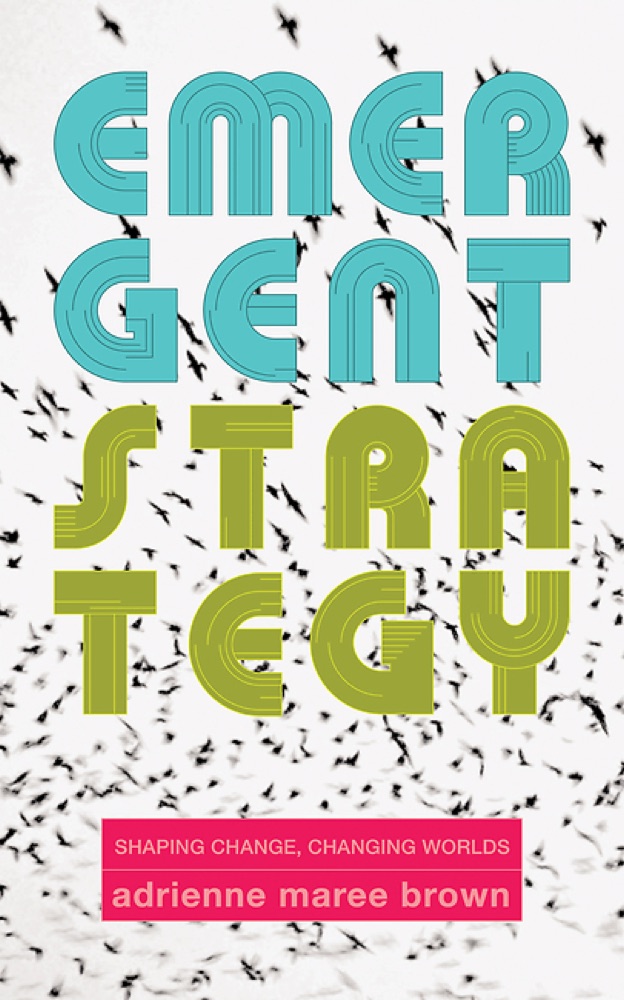 Emergent Strategy: Shaping Change, Changing Worlds
 Uncomfortable Conversations With a Black Man
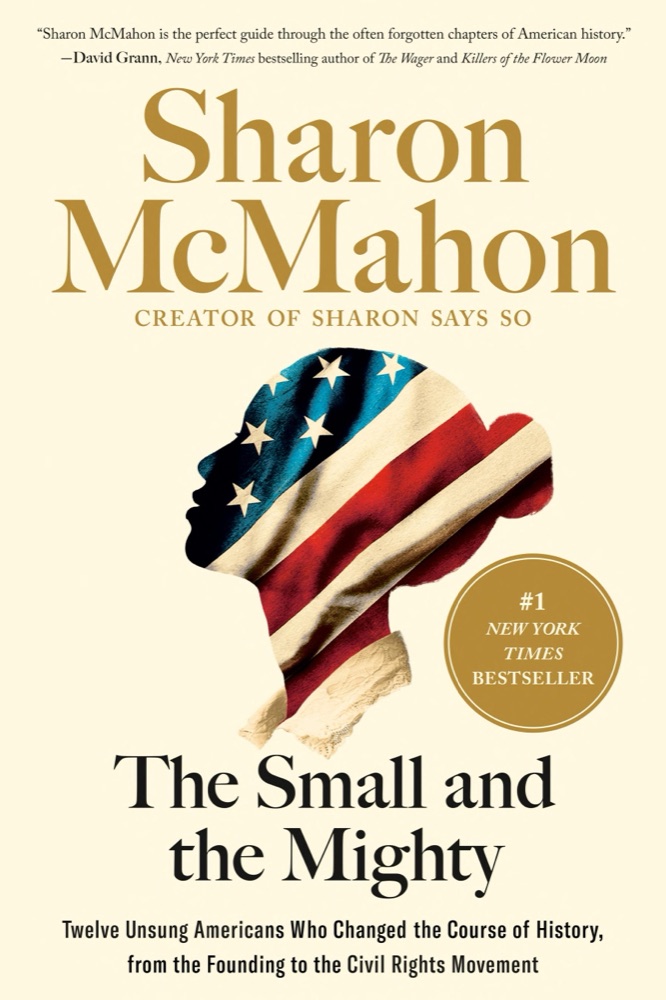 The Small and the Mighty: Twelve Unsung Americans Who Changed the Course of History, from the Founding to the Civil Rights Movement
 Anarchy, State, and Utopia
 Pedagogy of the Oppressed
 A People's History of the United States
 Humankind: A Hopeful History
 A Knock at Midnight: A Story of Hope, Justice, and Freedom
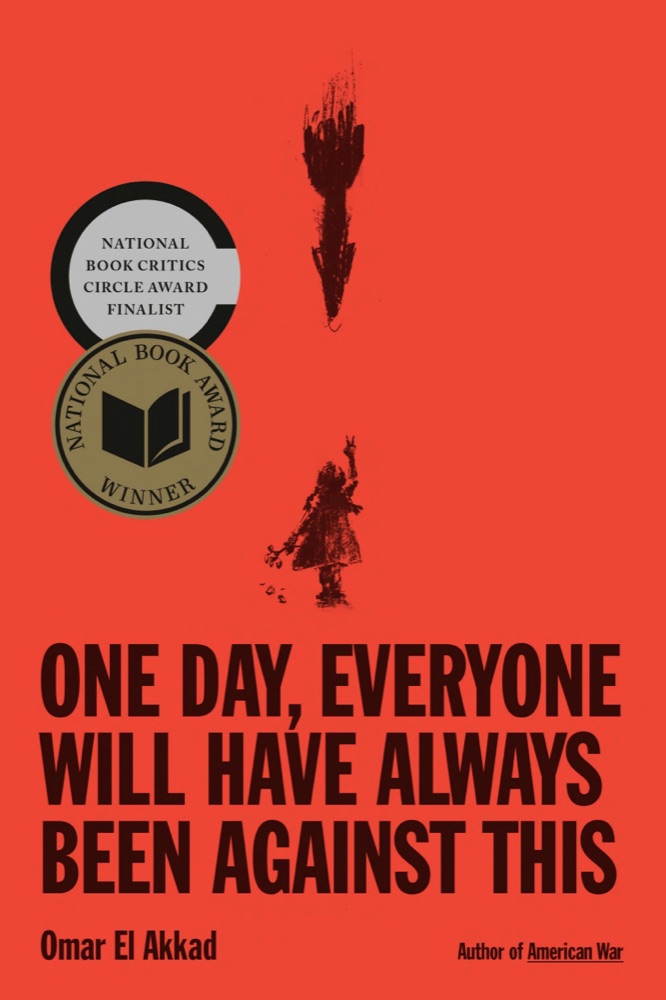 One Day, Everyone Will Have Always Been Against This
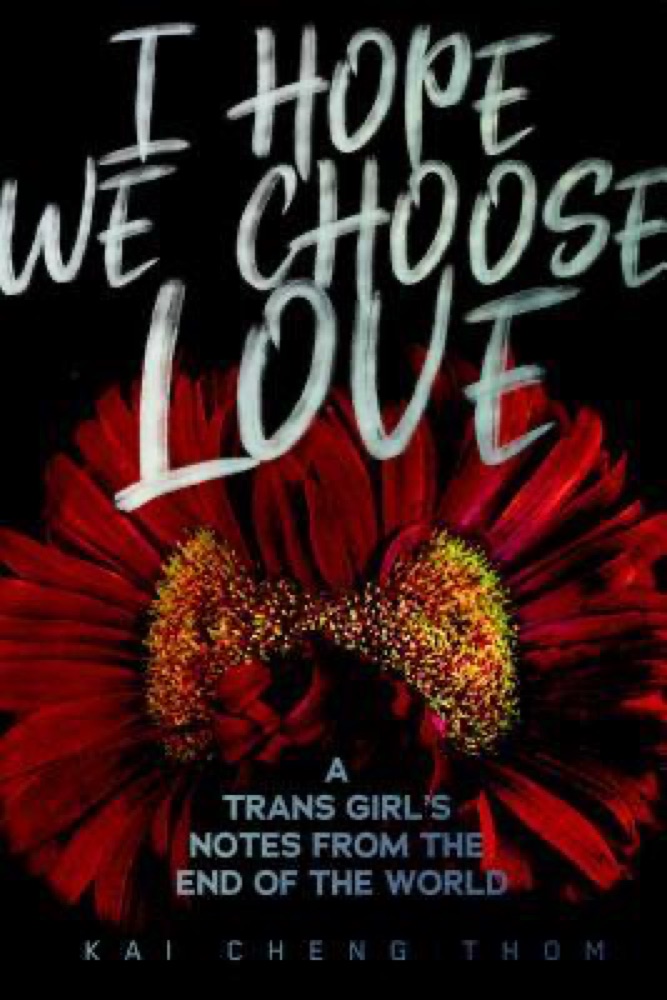 I Hope We Choose Love: A Trans Girl's Notes from the End of the World
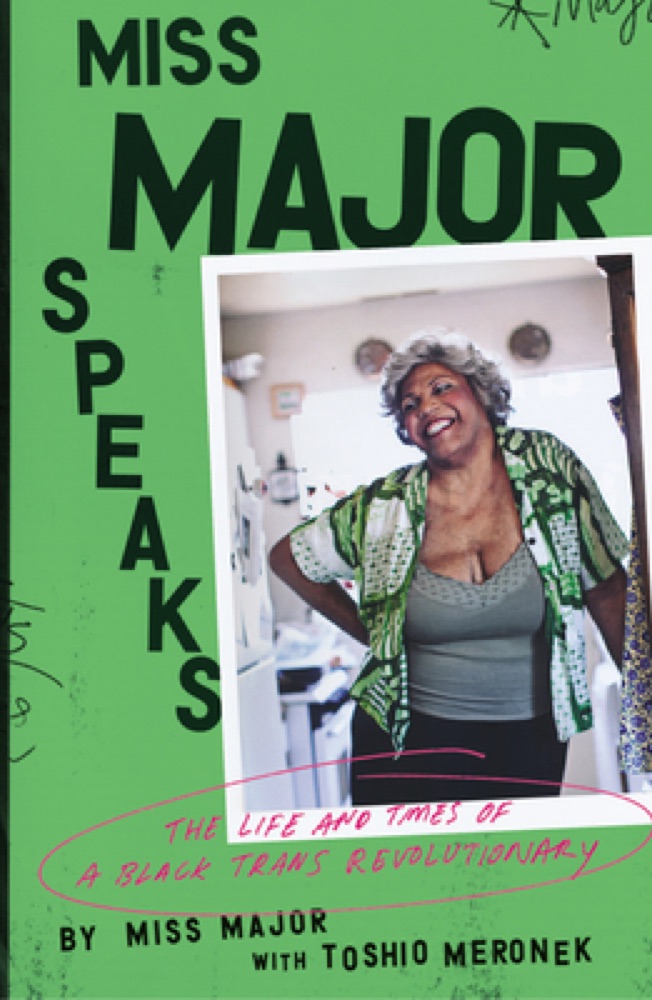 Miss Major Speaks: Conversations with a Black Trans Revolutionary
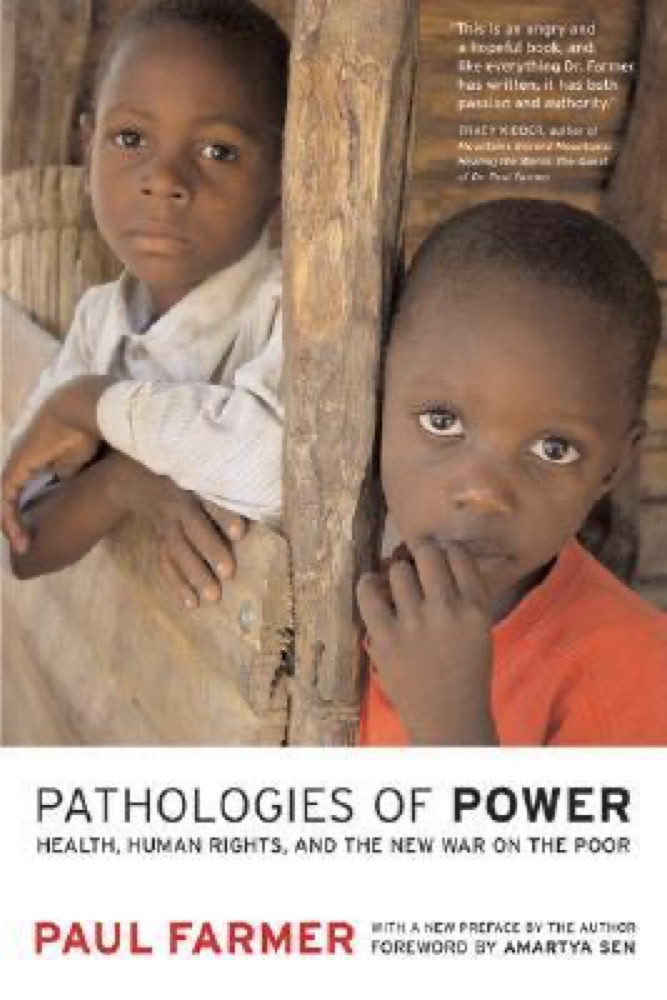 Pathologies of Power: Health, Human Rights, and the New War on the Poor
 Saving Time: Discovering a Life Beyond the Clock
 Hope in the Dark: The Untold History of People Power
 The Chomsky-Foucault Debate: On Human Nature
 Persist
 No Name in the Street
 The Ministry for the Future