
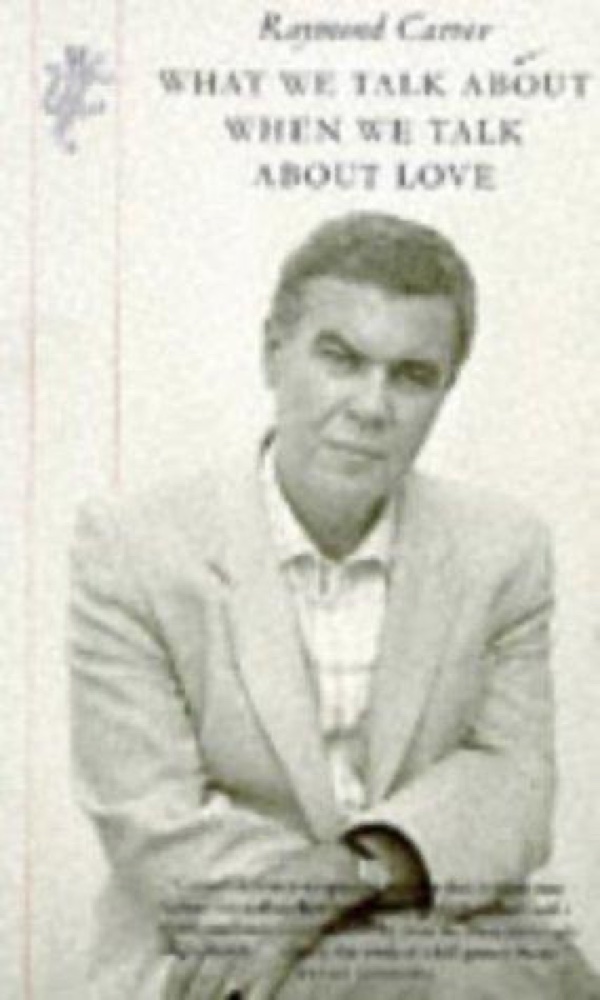
 What We Talk About When We Talk About Love
Quotes from the Book
He wondered if she wondered if he were watching her.
Ralph also took some classes in philosophy and literature and felt himself on the brink of some kind of huge discovery about himself. But it never came.
It is August. My life is going to change. I feel it.
I lifted him out. I held him. I held that half of him.
You’ll be surprised to see what can collect in a mattress over the months, over the years. Every day, every night of our lives, we’re leaving little bits of ourselves, flakes of this and that, behind. Where do they go, these bits and pieces of ourselves? Right through the sheets and into the mattress, that’s where! Pillows, too. It’s all the same. He
You sound like a nice man,” the woman said. “Do I? Well, that’s nice of you to say.” He knew he should hang up now, but it was good to hear a voice, even his own, in the quiet room.
Though he continued to take classes here and there in the sciences and in business, Ralph also took some classes in philosophy and literature and felt himself on the brink of some kind of huge discovery about himself. But it never came.
Watch on YouTube
About Raymond Carver
We have collected 91 quotes from 6 books by Raymond Carver on BookQuoters.
More about the author →More by Raymond Carver
What We Talk About When We Talk About Love
 Cathedral
 Where I'm Calling From: New and Selected Stories
 All of Us: The Collected Poems
Book details
- Author
- Raymond Carver
- Genre
- Classics
- Goodreads rating
- 4.19 (20k ratings) →
Keep reading
 The Wonder Spot
 The Collected Stories
 Gates of Thread and Stone
 Tempted
 Interpreter of Maladies
 An Echo in the Bone
 Dreamland
 A Thousand Acres
 Memoirs of a Teenage Amnesiac
 Into the Darkest Corner
 When You Reach Me
 The Professor's House
 Since You've Been Gone
 A Perilous Undertaking
 Mr. Fox
 Shift
Shift
 Silent in the Grave
 Falling Away
 Envy
Envy
 A Wolf at the Table
 The Master
 Prep
Prep
 Outpost
 Linger
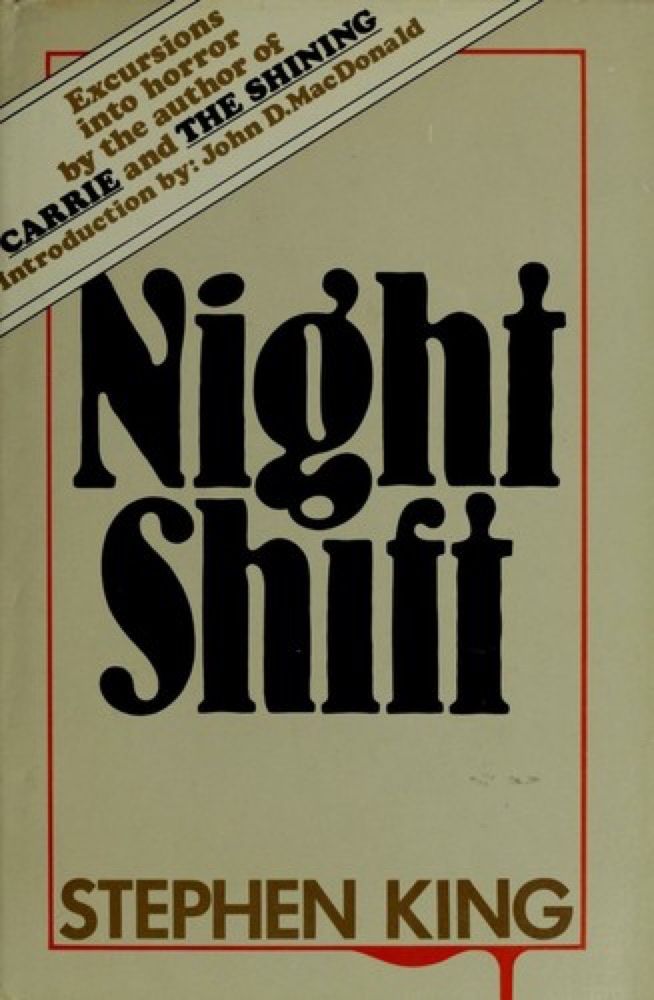 Night Shift
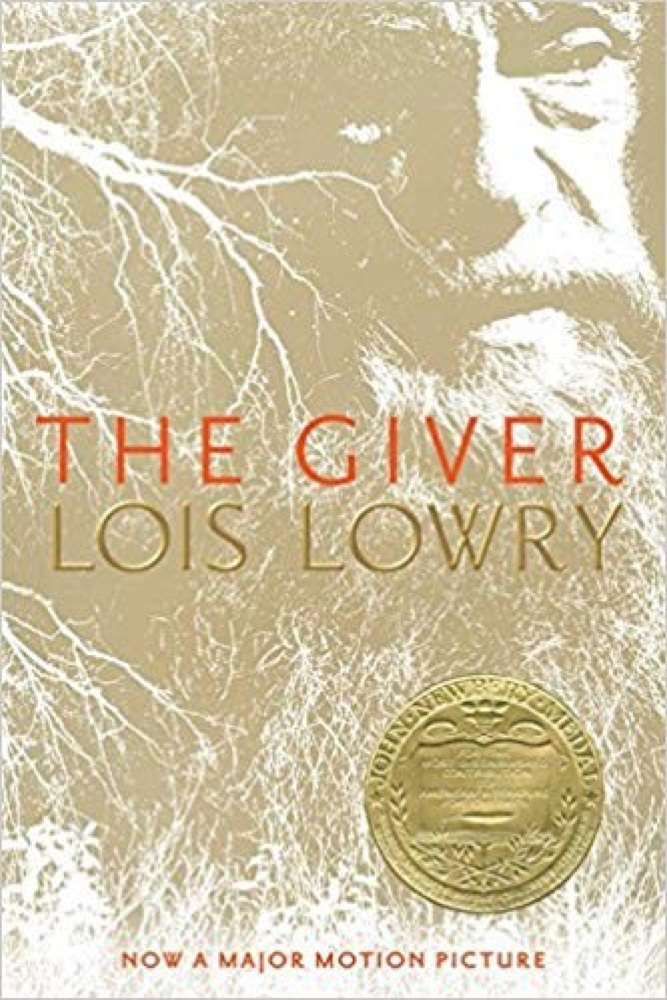 The Giver
 Until Friday Night
 Her Fearful Symmetry
 The Girl Before
 Stag's Leap: Poems
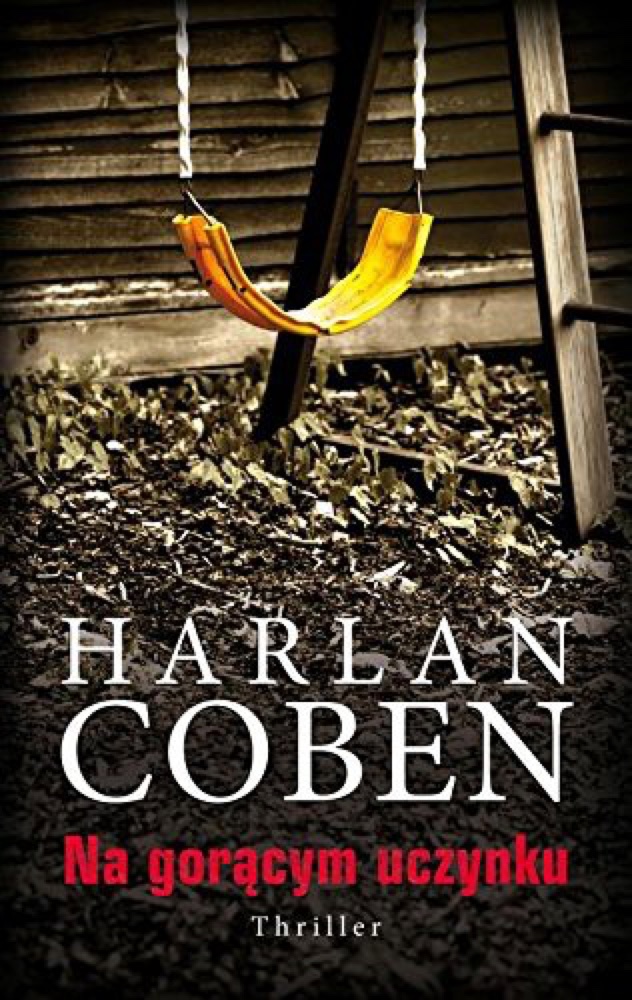 Caught
 Incarnate
 The Blindfold
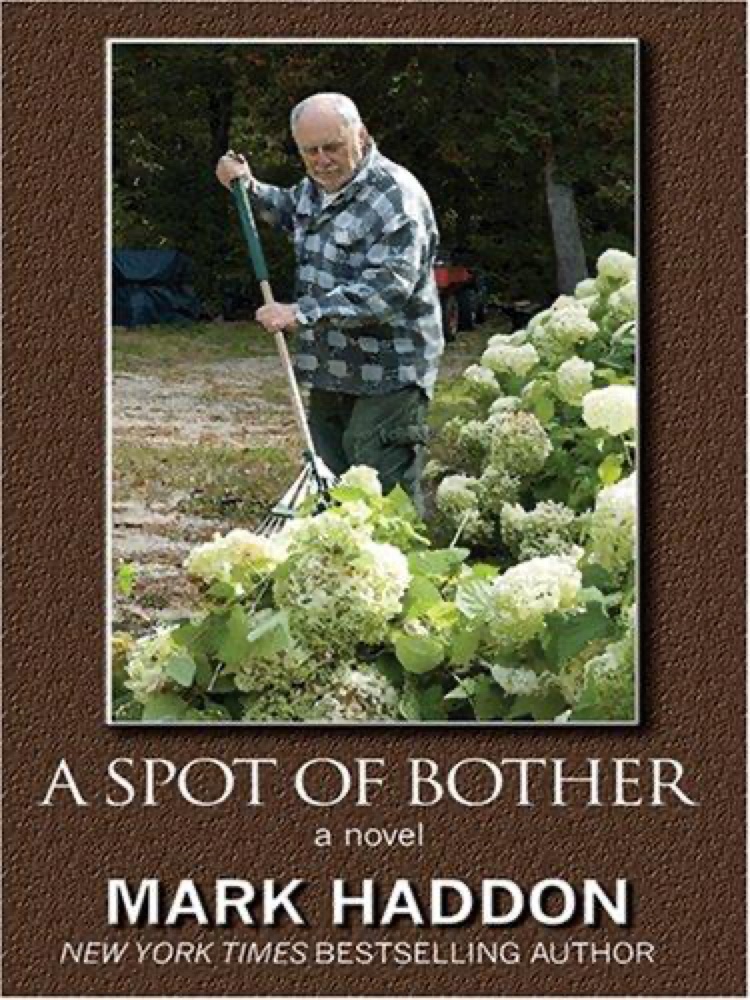 A Spot of Bother
 The Siren
 The Fill-In Boyfriend
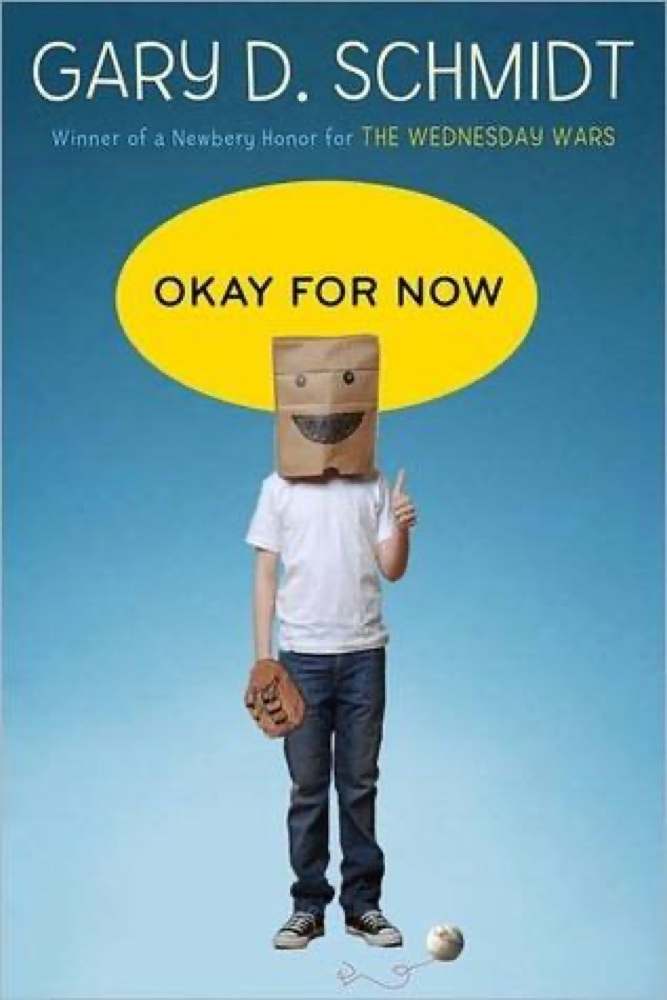 Okay for Now
 The Last Summer (of You and Me)
 Falling Under
 Defiance
 Out Stealing Horses
 Who Could That Be at This Hour?
 Hush
Hush
 The Illustrated Man
 Hush, Hush
 When I'm Gone
 A Bend in the Road
 The Collected Stories of Lydia Davis
 Archer's Voice
 Harvesting the Heart
 Good in Bed
 The Sisters Brothers
 Indelicacy
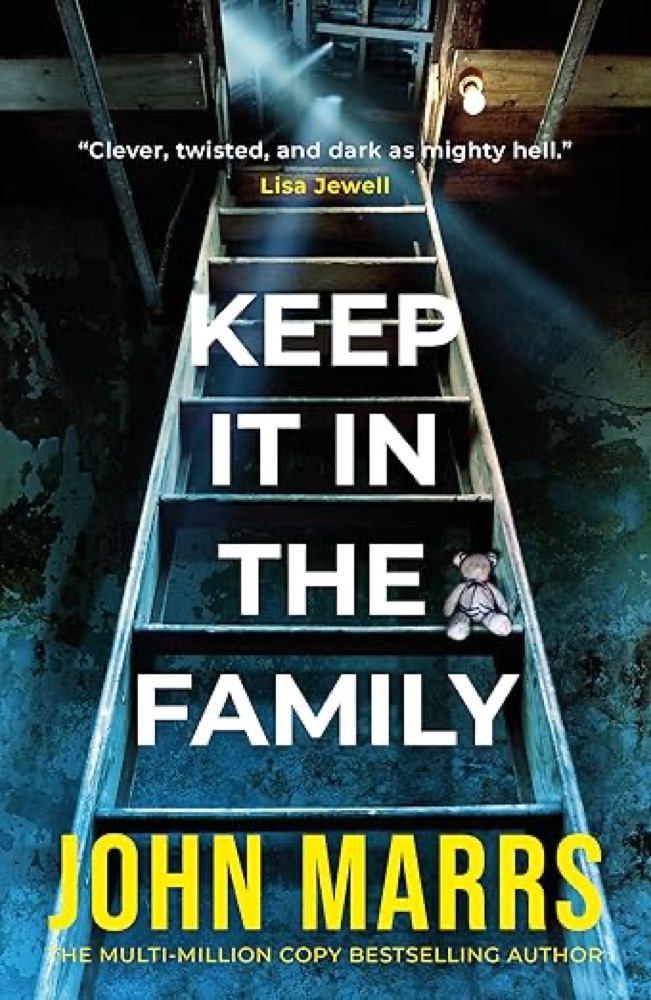 Keep It in the Family
 No One Belongs Here More Than You
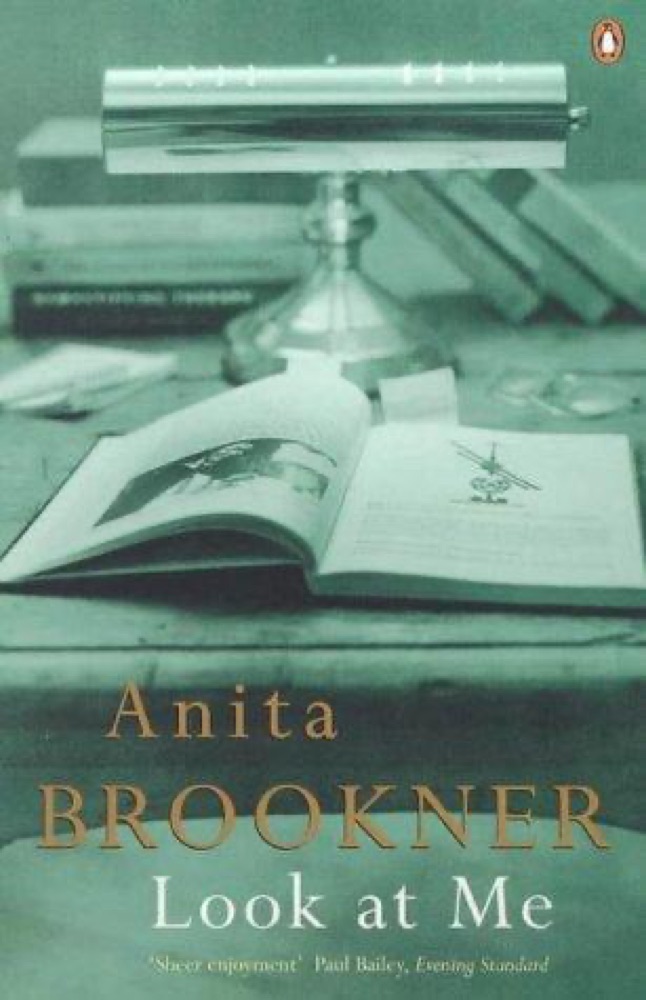 Look at Me
 Chimes at Midnight
 Everything We Keep
 The Last Song
 NOS4A2