
 Mother
Quotes from the Book
When the life is monotonous , even grief is a welcome event...
42
In the monotony of everyday existence grief comes as a holiday, and a fire is an entertainment. A scratch embellishes an empty face.
29
In recalling my childhood I like to picture myself as a beehive to which various simple obscure people brought the honey of their knowledge and thoughts on life, generously enriching my character with their own experience. Often this honey was dirty and bitter, but every scrap of knowledge was honey all the same.
16
And this was the end of my first friendship with one of that innumerable company of people who are foreigners in their own country, but who are in reality its finest sons....
15
Much later I realized that Russian people, because of the poverty and squalor of their lives, love to amuse themselves with sorrow--to play with it like children, and are seldom ashamed of being unhappy.
14
Anger is like ice, and also quick to melt
13
Sometimes when I recall the abominations of that barbarous Russian life I question whether they are worth dwelling on. But on further consideration I am convinced that they demand being exposed, for they are the vicious tenacious truth, which has not been exterminated to this very day. They represent a truth which must be exposed to its roots and torn out of our grim and shameful life - torn out of the very soul and memory of man. But there is another, more positive reason impelling me to describe such horrors. In spite of their repulsiveness and they way in which they mutilated what would otherwise be fine natures, the Russian is sufficiently young and wholesome in spirit to abolish such things and he will surely do so. Our life is amazing not only for the vigorous scum of bestiality with which it is overgrown, but also for the bright and wholesome creative forces gleaming beneath. And the influence of good is growing, giving promise that our people will at last awaken to a life full of beauty and bright humanity.
7
All parents wash away their sins with their tears; you are not the only one.
7
For sadness and gladness live within us side by side, almost inseparable; the one succeeding the other with an elusive, unappreciable swiftness.
5
Silence reigned; and any sound, such as the fluttering of birds or the rustling of fallen leaves, struck one as being unnaturally loud, and caused a shuddering start, which soon died away into that torpid stillness which seemed to encompass the earth and cast a spell over the heart. In such moments as these are born thoughts of a peculiar purity--ethereal thoughts, thin, transparent as a cobweb, incapable of being expressed in words. They come and go quickly, like falling stars, kindling a flame of sorrow in the soul, soothing and disturbing it as at the same time; and the soul is, as it were, on fire, and, being plastic, reveives an impression which lasts for all time.
1
For many years I kept grandfather’s church calendar with his notes written inside it. The words “Saved from calamity by these benefactors” were written in straight letters and red ink on the day of Joachim and Anna. I remember that calamity. Worried about supporting his failed children, grandfather had begun to lend money, secretly holding his debtors’ possessions in hock. Someone informed against him, and one night the police descended on the house to search it. There was a great commotion, but it all turned out fine. Grandfather prayed until sunrise, and in the morning I watched him write those words in the calendar.
1
En nuestra vida no sólo es asombroso que la capa de barbarie de grosería animal sea aún tan densa y espesa, sino el hecho de que por debajo de esa capa, por gruesa que sea, crezca triunfante lo bueno, lo sano, lo que hay en el hombre de creador, y mantengan la inconmovible esperanza en nuestro renacimiento a una vida bella, luminosa, verdaderarnente humana. Capítulo
Cuando reviven en mi recuerdo estas abominaciones, pe-sadas como plomo, de la vida incivil de Rusia, me pregunto a veces si vale la pena hablar de estas cosas. Y con toda convicción me respondo: Sí, vale la pena, porque lo que des-cribo es aún una realidad viva y triste, una realidad que sigue existiendo hoy mismo en toda su barbarie y que es preciso conocer hasta en sus raíces, para poder extirparla de la conciencia, del alma del pueblo, de nuestra vida entera estúpida e ignominiosa.
Aprende a trabajar tú solo y no dejes que nadie te domine. Vive tranquilamente y en paz, pero al mismo tiempo con audacia. Escucha lo que dicen los demás, pero haz siempre lo que mejor te parezca.
Çocukken kendimi bir kovana benzetiyordum. Çeşit çeşit, basit ve silik insanlar, arılar gibi içime, insana ve hayata dair bilgi ve duygularının balını taşır, her biri elinden geldiği kadar cömertçe, ruhumu zenginleştirirdi. Çoğu kez bu bal kirli ve acı olurdu, ama yine de baldı!
Tek sam mnogo kasnije pojmio da Rusi, zbog siromaštva i oskudice u kojoj žive, općenito vole da se zabavljaju svojim jadima, da se kao djeca igraju njima i da se malokad stide svoje nesreće. U beskrajnom nizu sivih dana i jad je blagdan, i požar je zabava; na praznom licu i ogrebotina je - ukras...
Watch on YouTube
About Maxim Gorky
We have collected 26 quotes from 2 books by Maxim Gorky on BookQuoters.
More about the author →More by Maxim Gorky
Mother
About the book
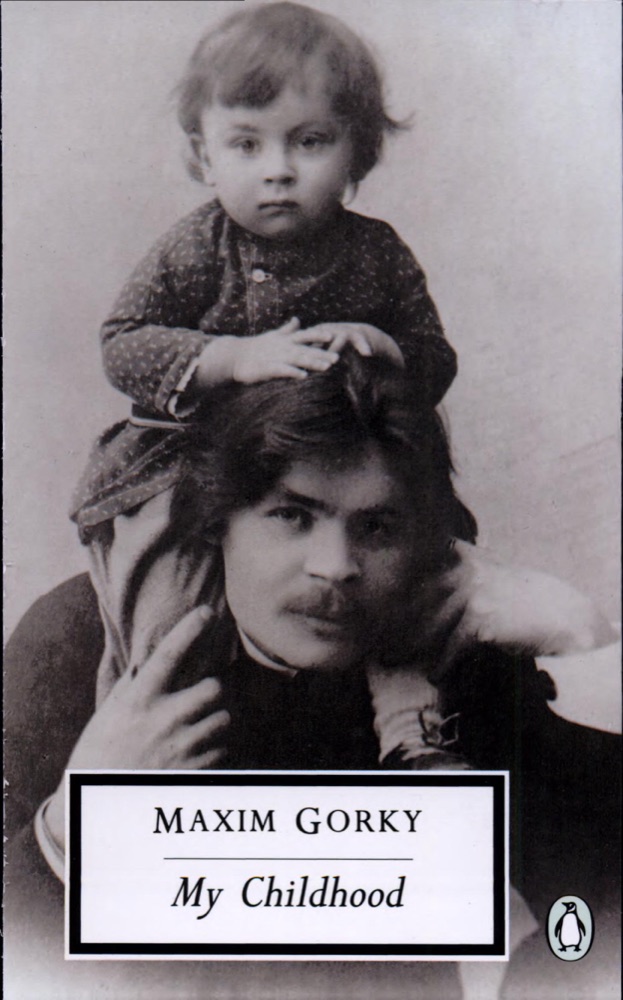
Coloured by poverty and horrifying brutality, Gorky's childhood equipped him to understand - in a way denied to a Tolstoy or a Turgenev - the life of the ordinary Russian. After his father, a paperhanger and upholsterer, died of cholera, five-year-old Gorky was taken to live with his grandfather, a polecat-faced tyrant who would regularly beat him unconscious, and with his grandmother, a tender mountain of a woman and a wonderful storyteller, who would kneel beside their bed (with Gorky inside it pretending to be asleep) and give God her views on the day's happenings, down to the last fascinating details. She was, in fact, Gorky's closest friend and the epic heroine of a book swarming with characters and with the sensations of a curious and often frightened little boy.
Book details
- First published
- 1913
- Author
- Maxim Gorky
- Genre
- Classics
- Goodreads rating
- 4.09 (9k ratings)
Keep reading
 Selected Stories of Anton Chekhov
 Selected Stories
 An Interrupted Life: The Diaries, 1941-1943; and Letters from Westerbork
 Oblomov
 Peter Camenzind
 The Little Virtues
 Doctor Glas
 Gertrude
 Poor Folk
 Independent People
 Farewell Waltz
 The Devil in the Flesh
 Kolyma Tales
 A General Theory of Oblivion
 Travels With My Aunt
 The Kindly Ones
 Christmas Holiday
 The Story of the Lost Child
 Memories, Dreams, Reflections
 The House of the Spirits
 A Season in Hell
 Brideshead Revisited: The Sacred and Profane Memories of Captain Charles Ryder
 Brodeck
 The Midnight Palace
 Childhood, Boyhood, Youth
 Dear Theo
 Sophie's Choice
 Boy: Tales of Childhood
 Ezilenler
 The Complete Stories
 A Woman in Berlin: Eight Weeks in the Conquered City: A Diary
 War and Turpentine
 Timbuktu
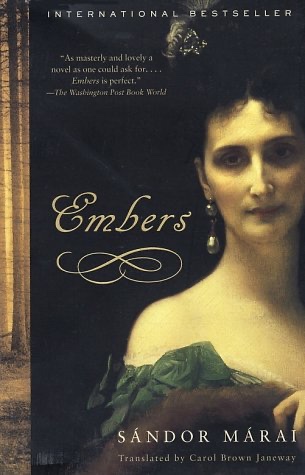 Embers
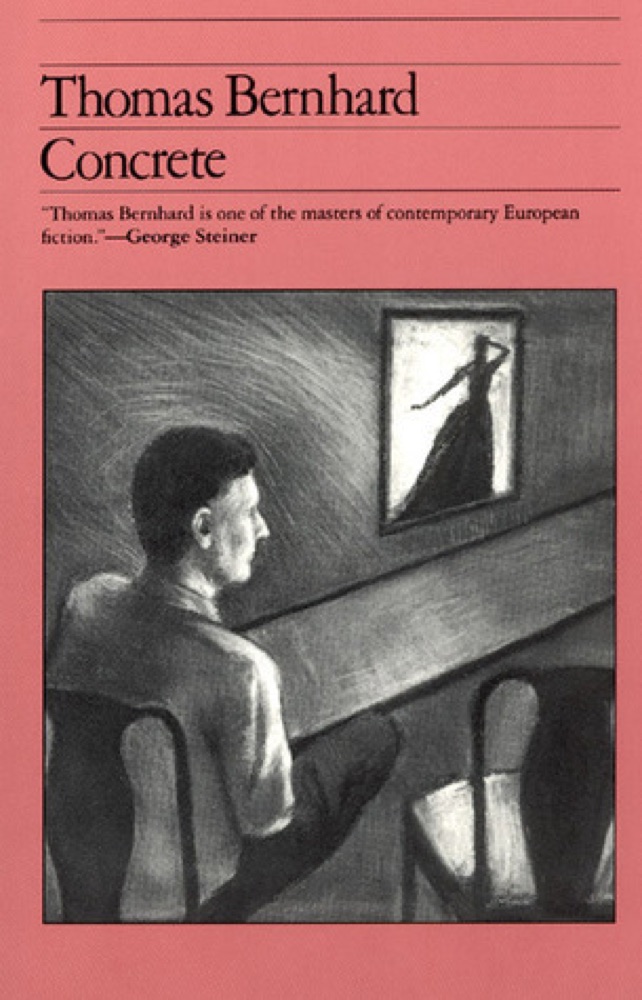 Concrete
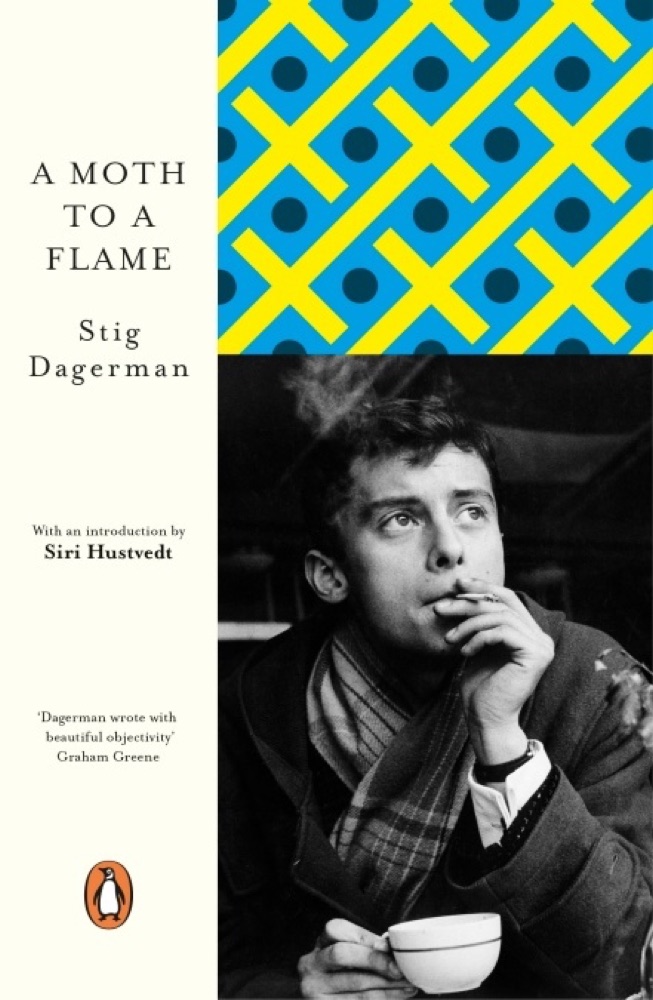 A Moth to a Flame
 Under Western Eyes
 A Luminous Republic
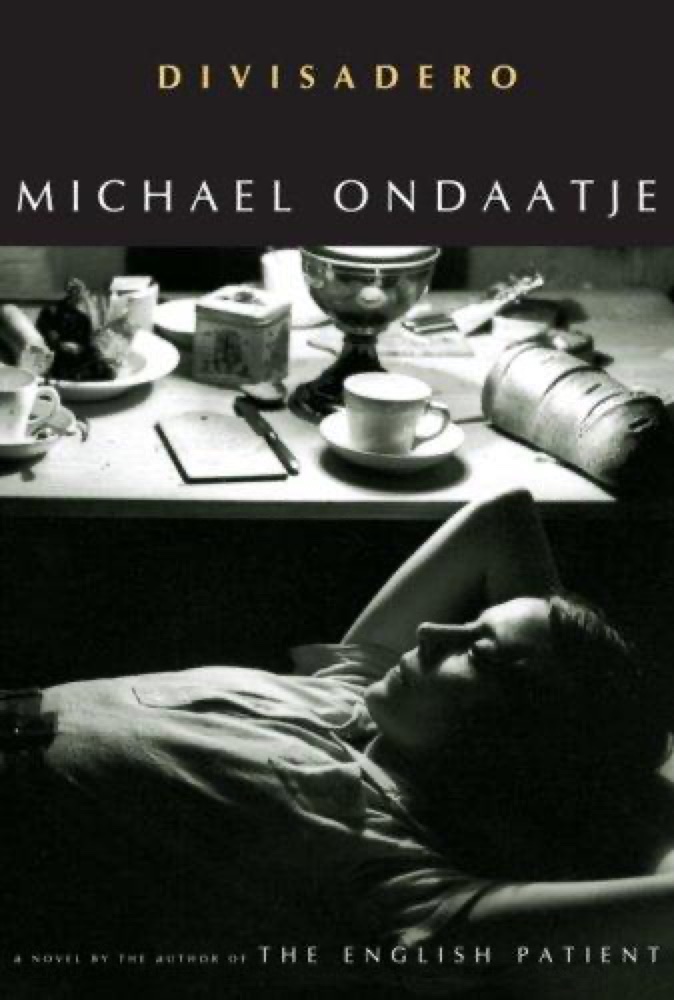 Divisadero
 The Time in Between
 The Scapegoat
 The Moor's Last Sigh
 Papillon
 The Seagull
 Resurrection
 Zeno's Conscience
 Paris Spleen
 Hell
Hell
 Black Lamb and Grey Falcon
 Auto-da-Fé
 The Book of My Lives
 The Sound of Things Falling
 The Kitchen Boy: A Novel of the Last Tsar
 Lizard
 The Complete Short Stories
 Diary of a Superfluous Man
 East of the West: A Country in Stories
 The Brothers Karamazov
 Before Night Falls
 In Search of Lost Time