
 An Interrupted Life: The Diaries, 1941-1943; and Letters from Westerbork
Quotes from the Book
Suicide seemed to me the greatest kind of freedom, a release from everything, from a life that had been ruined a long time ago.
38
We live in a world in which women are battered and are unable to flee from the men who beat them, although their door is theoretically standing wide open. One out of every four women becomes a victim of severe violence. One out of every two will be confronted by sexual harassment over her lifetime. These crimes are everywhere and can take place behind any front door in the country, every day, and barely elicit much more than a shrug of the shoulders and superficial dismay.
16
people do not emphasize with victims and give them limitless sympathy, but can very quickly switch to aggression and rejection
13
Our society needs criminals like Wolfgang Priklopil in order to give a face to the evil that lives within and to split it off from ... It needs the images of cellar dungeons so as not to have to see the many homes in which violence rears its conformist, bourgeois head. Society uses the victims of sensational cases such as mine in order to divest itself of the responsibility for the many nameless victims of daily crimes, victims nobody helps – even when they ask for help.
7
That day wasn't the first time I had attempted suicide. Simply disappearing into the distant nothingness where there was no pain and no more feelings - back then I thought it an act of empowerment. Otherwise I had very little power to make any decisions about my life, my body, my actions. Taking my own life seemed my last trump card.
6
People love the victim only when they can feel superior to them.
2
...victims of violent crime are not always believed... [referring to victim testimony at serial killer and pedophile Marc Detroux's trial]
2
This overemphasis on outward appearances was not only an act of distancing ourselves from our environment, it was also my mother’s way of demonstrating how much she loved me.
1
Niets is alleen maar zwart of alleen maar wit. En niemand is alleen maar goed of alleen maar slecht. Dat gold ook voor mijn ontvoerder. Dat zijn uitspraken die men een slachtoffer van ontvoering niet graag hoort doen, omdat daarmee het vaste beeld van goed en kwaad wordt verstoord. Een beeld waar iedereen maar al te graag in gelooft om in een wereld vol grijstinten het houvast niet te verliezen.
1
Nothing is all black or all white. And nobody is all good or all evil. That also goes for the kidnapper. These are words that people don’t like to hear from an abduction victim. Because the clearly defined concept of good and evil is turned on its head, a concept that people are all too willing to accept so as not to lose their way in a world full of shades of grey.
As soon as I began to paint a more nuanced picture of the kidnapper, people rolled their eyes and looked away. It makes people uncomfortable whenever categories of Good and Evil begin to topple, and they are confronted with the fact that personified Evil also had a human face. His dark side didn’t simply fall from the sky; nobody is born a monster. We are all shaped by our contact with the world, with other people, all of which makes us who we are. And therefore we bear the final responsibility for what happens in our families, in our environment.
I want once more in my life some hapiness And survive in the ecstasy of living I want once more see a smile and a laughing for a while I want once more the taste of someone's love
My grandmother not only provided me with a small slice of a carefree and loving childhood, but I also learned from her how to create space for feelings in a world that did not allow emotions to come to the surface.
„Flee! But I couldn’t. The prison that in the beginning was only on the outside now held me captive on the inside.
„He wanted somebody for whom he himself was the most important person in the world. He didn’t seem to have any other way to achieve that than to abduct a shy, ten-year-old girl and cut her off from the outside world until she was psychologically so alienated that he could ‚create‘ her anew.
Her brisk, resolute nature made it difficult for her to allow herself to show her emotions. She was not the type of person who was always hugging and cuddling a child. Tears and gushing pronouncements of love alike always made her uncomfortable.
I had always wished for one of those names that other girls had: Stefanie, Jasmin, Sabine. Anything but Natascha. 'Natascha' contained everything that I had not liked about my former life. Everything I wanted to get rid of, everything I was forced to get rid of.
From the very beginning of their lives children are programmed to perceive the adults closest to them as unquestioned authorities, who provide orientation and set the standards for what is right and what is wrong. Children are told what to wear and when to go to bed. They are to eat what is put on the table, and anything undesirable is suppressed. Parents are always denying their children something they want to have. Even when adults take chocolate away from children, or the few euros they received from a relative for their birthday, that constitutes interference. Children must learn to accept that and trust that their parents are doing the right thing. Otherwise the discrepancy between their own desires and the discouraging behaviour of their loved ones will break them.
Crimini come quello da me subito, permettono di stabilire il contrasto stridente, bianco e nero, che sta alla base delle categorie del Bene e del Male sulle quali si regge la società. Il rapitore deve essere una bestia, in modo che possiamo rimanere dalla parte del Bene. Bisogna arricchire il suo crimine di fantasie sado-maso e di orge selvagge, in modo che si allontani il più possibile dalla nostra vita, finché non avrà più niente a che fare con essa. E la vittima deve essere una persona distrutta e rimanere tale, in modo che l’esternazione del Male sia possibile. Una vittima che non accetta questo ruolo, personifica la contraddizione esistente nella società. E questo nessuno desidera vederlo. Perché allora ci si dovrebbe confrontare con se stessi. È per questo motivo che in alcune persone io suscito un’inconsapevole ostilità. Forse è il tipo di crimine e tutto quello che mi è successo, a suscitare astio. E poiché dopo la morte del rapitore, io sono la sola persona disponibile, questa ostilità ricade su di me. In un modo particolarmente violento, quando voglio costringere la società a vedere. Che il criminale che mi ha rapita era anche un essere umano. Uno che ha vissuto in mezzo a loro. Chi può reagire anonimamente, postando un messaggio in internet, sfoga il proprio odio direttamente su di me. È l’odio che la società prova per se stessa quando è costretta a tornare sui suoi passi e a chiedersi perché tollera cose del genere. Perché le persone che vivono in mezzo a noi possano uscire dalla carreggiata così, senza che nessuno se ne accorga. Per otto anni. Coloro che mi stanno di fronte durante le interviste e gli incontri pubblici, agiscono in un modo più raffinato: fanno di me – l’unica persona che ha sperimentato la prigionia – una vittima per la seconda volta, usando una semplice espressione. Dicono soltanto: “sindrome di Stoccolma”.
Niente è solo nero o solo bianco. E nessuno è soltanto buono o cattivo. Ciò valeva anche per il rapitore. Queste sono frasi che non si ascoltano volentieri quando sono pronunciate dalla vittima di un rapimento. Perché così viene meno lo schema ben definito di Bene e Male che utilizziamo volentieri per non perdere l’orientamento in un mondo pieno di sfumature grigie. Quando parlo di questo, sul volto di qualche estraneo mi pare di vedere irritazione e rifiuto. L’empatica partecipazione al mio destino provata fino a quel momento, si raggela e si trasforma in rigetto. Le persone che non hanno alcuna idea di cosa significhi davvero essere prigionieri, mi negano la facoltà di giudicare le mie esperienze usando una sola espressione: sindrome di Stoccolma. “Con Sindrome di Stoccolma s’intende un fenomeno psicologico, per cui un ostaggio instaura un rapporto emotivamente positivo con i suoi sequestratori. Questo può implicare che la vittima simpatizzi con i criminali e cooperi con loro” – così sta scritto nel dizionario enciclopedico. Una diagnosi che io rifiuto decisamente. Perché, per quanto gli sguardi di coloro che buttano là questo concetto possano essere pieni di compassione, l’effetto è terribile. Questo giudizio rende la vittima, infatti, due volte vittima, perché la priva dell’autorità di interpretare la propria storia; gli avvenimenti più importanti della sua esperienza vengono così liquidati come le aberrazioni di una sindrome. E proprio quel comportamento, che ha contribuito in modo decisivo alla sopravvivenza del prigioniero, viene giudicato quasi sconveniente. Avvicinarsi a un criminale non è una malattia. Crearsi un bozzolo di normalità nell’ambito di un crimine non è una sindrome. Al contrario. È una strategia di sopravvivenza in una situazione senza via di uscita, ed è più fedele alla realtà di qualsiasi piatta categorizzazione dei criminali in bestie sanguinarie e delle vittime in agnelli indifesi, davanti alla quale la società si ferma volentieri.
Gli adulti sanno che smarriscono un pezzo di se stessi, quando si trovano a dover affrontare situazioni che, prima di verificarsi, erano fuori da ogni immaginazione. La superficie su cui poggia la loro personalità si incrina. E, tuttavia, adattarsi è l’unica reazione giusta, perché assicura la sopravvivenza. I bambini agiscono in modo più intuitivo. Io ero intimidita, non opposi resistenza, cominciai bensì a sistemarmi, per il momento, solo per una notte. A pensarci oggi, mi pare quasi sconcertante il modo in cui il panico lasciò il posto a un certo pragmatismo. Come capii alla svelta che supplicare non aveva senso e che ogni parola sarebbe scivolata via su quel giovane uomo. Come intuii istintivamente che dovevo accettare la situazione, se volevo superare una notte infinita in quella cantina.
Con questo libro ho cercato di chiudere il capitolo, fino a oggi, più lungo e cupo della mia vita. Sono profondamente sollevata di esser riuscita a trovare le parole per esprimere tutto l’impronunciabile, tutte le contraddizioni. Vederle stampate davanti a me, mi aiuta a guardare avanti con fiducia. Perché ciò che ho vissuto, mi ha reso anche forte: sono sopravvissuta alla prigionia nella segreta, mi sono liberata da sola e non mi sono piegata. So che sono in grado di destreggiarmi anche nella vita in libertà. E questa libertà comincia adesso, quattro anni dopo il 23 agosto 2006. Solo adesso posso tirare una riga e dire veramente: sono libera.
La partecipazione che viene dimostrata a una vittima è ingannevole. Si ama la vittima solo quando ci si sente superiori a essa. Già con il primo fiume di lettere che ricevetti, ne arrivarono anche dozzine che suscitarono in me una spiacevole sensazione. C’erano molti stalker, lettere d’amore, proposte di matrimonio e le lettere anonime perverse. Ma anche le offerte di aiuto rivelavano cosa si nascondeva nell’animo di tanta gente. C’è un meccanismo umano che ci fa sentire meglio quando si può aiutare qualcuno più debole, una vittima. Questo funziona solo fintantoché i ruoli sono chiaramente spartiti. La riconoscenza nei confronti di chi dà, è una bella cosa; solo quando se ne abusa per impedire all’altro di svilupparsi, allora acquista un retrogusto insipido. [...] Fui profondamente contenta di ogni sincera partecipazione e di ogni sincero interesse per la mia persona. Ma diventava difficile quando la mia personalità era ridotta a quella di una ragazza bisognosa di aiuto e rovinata. Questo è un ruolo al quale non mi sono piegata e che non desidero assumere neanche in futuro. Nonostante tutte le bassezze psicologiche e le oscure fantasie di Wolfgang Priklopil, non mi ero lasciata spezzare. Adesso ero fuori ed era proprio quello che la gente voleva vedere: un essere umano spezzato, che non si sarebbe più risollevato e che sarebbe sempre dipeso dall’aiuto degli altri. Nel momento in cui mi rifiutai di portare questo marchio per il resto della mia vita, l’umore cambiò.
Meno di ogni altra cosa mi fu perdonato che non condannassi il rapitore come l’opinione pubblica si aspettava. Non volevano sentirmi dire che non esiste un male assoluto, una netta distinzione tra bianco e nero. Sicuro, il rapitore mi aveva tolto la mia adolescenza, mi aveva imprigionato e torturato, e tuttavia negli anni decisivi tra il mio undicesimo e diciannovesimo anno di vita, era anche stato la mia unica figura di riferimento. Fuggendo, non mi ero soltanto liberata del mio aguzzino, ma avevo perso anche una persona che mi era stata inevitabilmente vicina. Ma, per quanto possa essere difficile da comprendere, non mi era concesso portare il lutto. Non appena cominciavo a tracciare un quadro diversificato del rapitore, la gente alzava gli occhi al cielo e volgeva lo sguardo altrove. Le persone si sentono spiacevolmente toccate quando le categorie di Bene e Male vacillano e loro devono confrontarsi con il fatto che anche la personificazione del Male ha sembianze umane. Il lato oscuro di un criminale non cade dal cielo, nessuno nasce mostro. Noi tutti diventiamo quello che siamo attraverso il contatto con il mondo, con altre persone. E così, in definitiva, siamo tutti responsabili di quello che succede nelle nostre famiglie, nel nostro ambiente. Confessarselo non è facile. E diventa molto più difficile, quando qualcuno mette davanti a un altro lo specchio che non è previsto per questo. Con le mie dichiarazioni ho toccato un punto dolente e tentando di scoprire l’essere umano dietro la facciata dell’aguzzino e del moralizzatore, ho suscitato incomprensione.
The more they expected it, and the more they scolded and ridiculed me, the more they were proven right. It was a vicious circle that I could not find my way out of.
Watch on YouTube
About Natascha Kampusch
We have collected 25 quotes from 1 book by Natascha Kampusch on BookQuoters.
More about the author →About the book
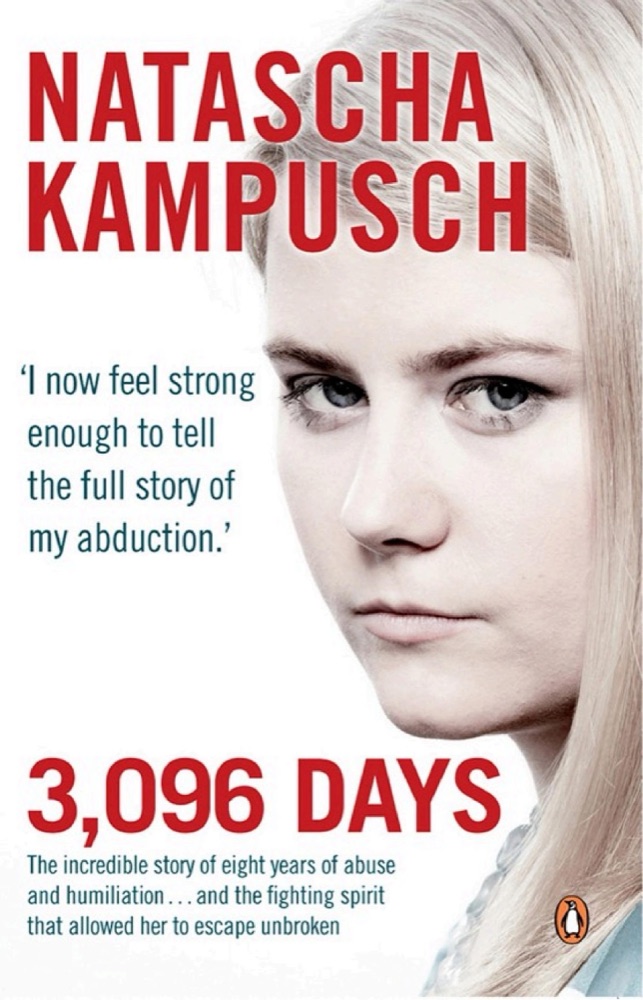
On 2 March 1998 ten-year-old Natascha Kampusch was snatched off the street by a stranger and bundled into a white van. Hours later she found herself in a dark cellar, wrapped in a blanket. When she emerged eight years later, her childhood had gone. In "3,096 Days" Natascha tells her incredible story for the first time: her difficult childhood, what exactly happened on the day of her abduction, her imprisonment in a five-square-metre dungeon, and the mental and physical abuse she suffered from her abductor, Wolfgang Priklopil. "3,096 Days" is ultimately a story about the triumph of the human spirit. It describes how, in a situation of almost unbearable hopelessness, she slowly learned how to manipulate her captor. And how, against inconceivable odds, she managed to escape unbroken.
Book details
- First published
- 2010
- Author
- Natascha Kampusch
- Genre
- Nonfiction
- Goodreads rating
- 3.97 (16k ratings)
Keep reading
An Interrupted Life: The Diaries, 1941-1943; and Letters from Westerbork
 The Kindly Ones
 Flowers Over the Inferno
 Emma in the Night
 All That I Am
 The End of Eddy
 The Lying Life of Adults
 A Woman in Berlin: Eight Weeks in the Conquered City: A Diary
 Piercing: A Novel
 The Story of the Lost Child
 Doctor Glas
 Those Who Leave and Those Who Stay
 Sophie's Choice
 The Midnight Palace
 My Childhood
 Happening
 Survival in Auschwitz
 The Devil in the Flesh
 The Girl Who Smiled Beads: A Story of War and What Comes After
 The Twilight Zone
 Know My Name
 Farewell Waltz
 Sarah's Key
 Catch the Rabbit
 The Blue Hour
 Shame
Shame
 If This Is a Man / The Truce
 Think of a Number
 The Pearl Sister
 Letter to a Child Never Born
 Parade
 From Sand and Ash
 No Longer Human
 Conviction
 All Is Not Forgotten
 The House of the Spirits
 Lizard
 Hardboiled & Hard Luck
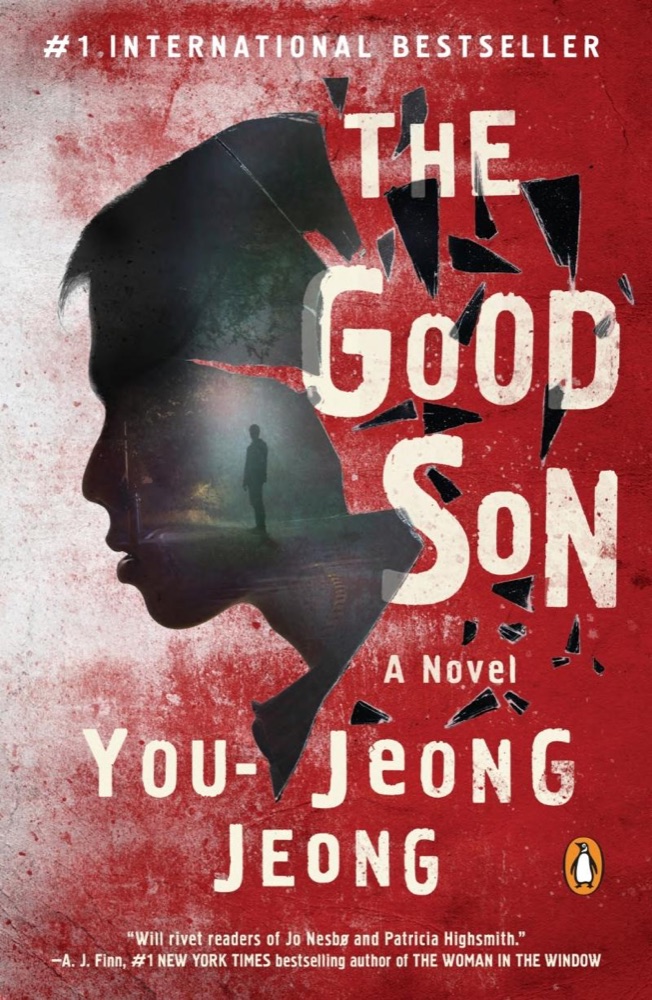 The Good Son
 My Story
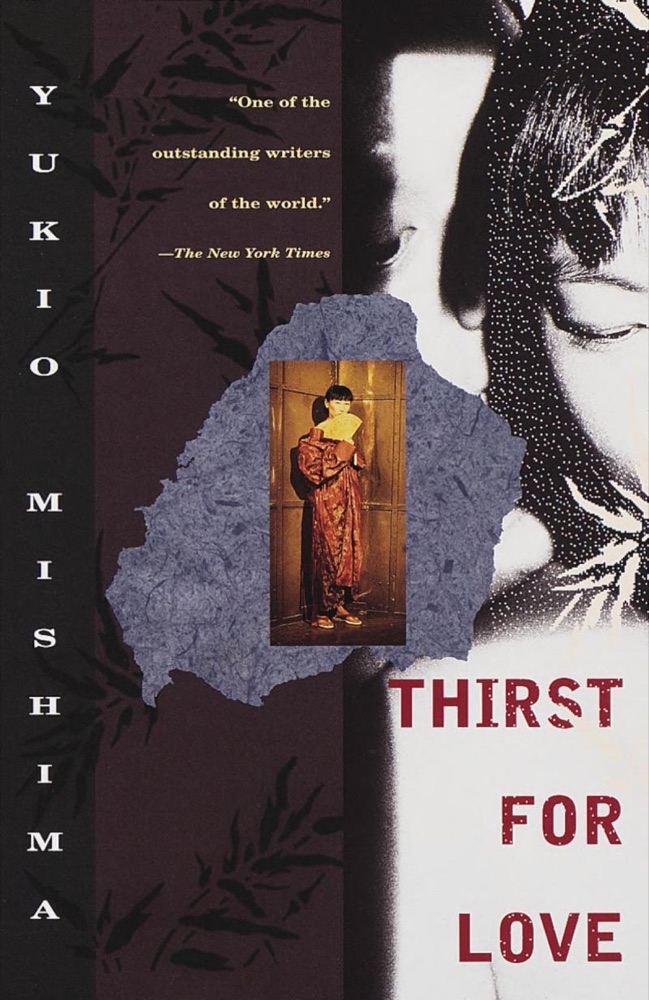 Thirst for Love
 Violeta
 The Door
 As Red as Blood
 Papillon
 The Book of Lost and Found
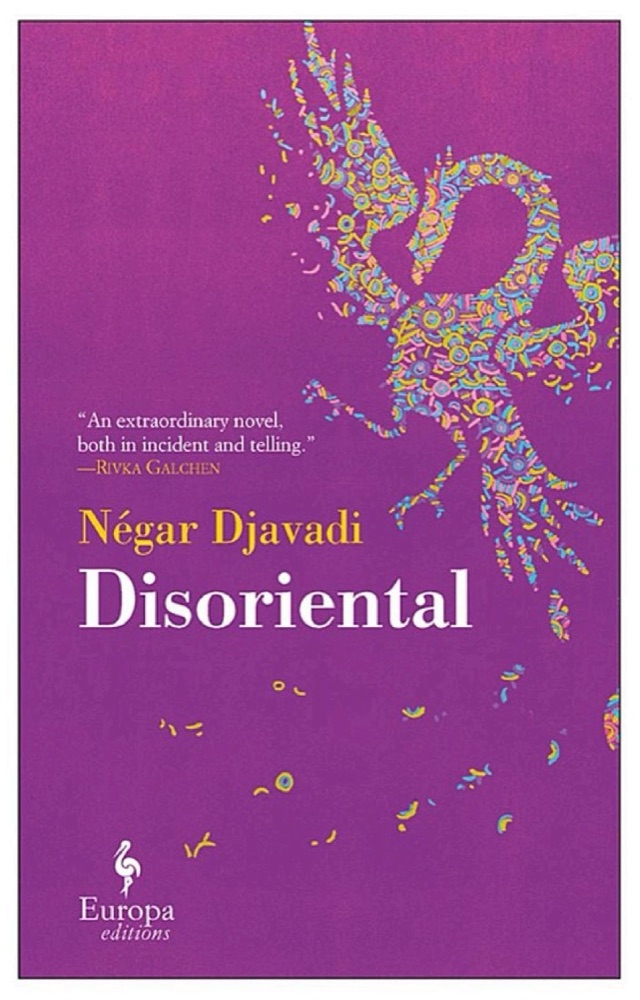 Disoriental
 A Winter's Promise
 Stasiland: Stories from Behind the Berlin Wall
 The Human Stain
 Still Alive: A Holocaust Girlhood Remembered
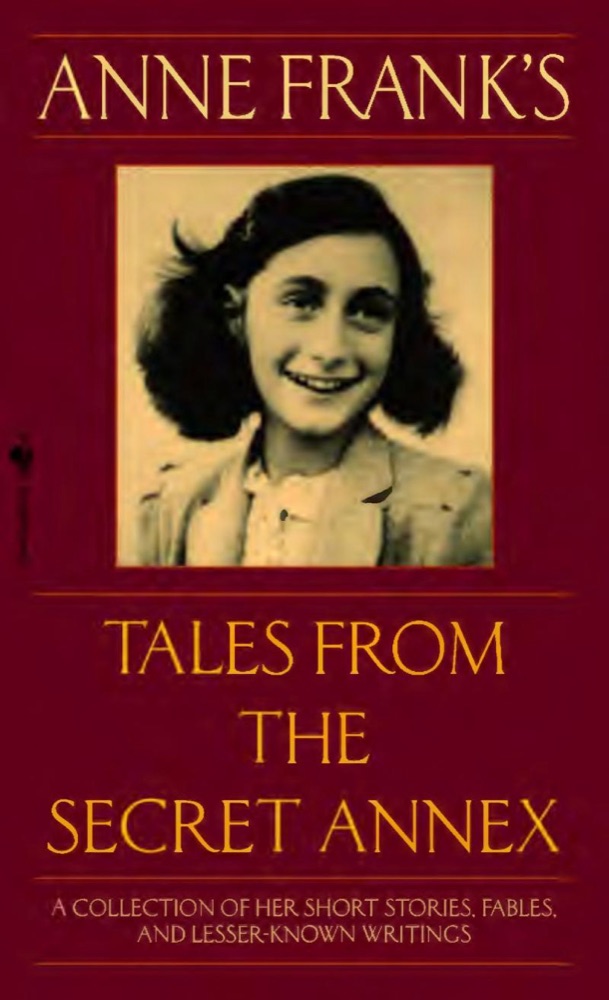 Anne Frank's Tales from the Secret Annex: A Collection of Her Short Stories, Fables, and Lesser-Known Writings
 Get Me Out of Here: My Recovery from Borderline Personality Disorder
 Peter Camenzind
 The Notebook, The Proof, The Third Lie: Three Novels
 The Art of Breathing
 All But My Life: A Memoir
 Ship of Fools
 Gerald's Game
 Amrita