
 The Design of Everyday Things
Quotes from the Book
A good judgment is usually the result of experience. And experience is frequently the result of bad judgment. But to learn from the experience of others requires those who have the experience to share the knowledge with those who follow.
10
No one wants to learn by mistakes, but we cannot learn enough from successes to go beyond the state of the art. Contrary to their popular characterization as intellectual conservatives, engineers are really among the avant-garde.
7
Engineers ... are not superhuman. They make mistakes in their assumptions, in their calculations, in their conclusions. That they make mistakes is forgivable; that they catch them is imperative. Thus it is the essence of modern engineering not only to be able to check one's own work but also to have one's work checked and to be able to check the work of others.
2
Failure analysis is as easy as Monday-morning quarterbacking' design is more akin to coaching. However, the design engineer must do better than any coach, for he is expected to win every game he plays. That is a tough assignment when one mistake can often mean a loss. And when defeat occurs, all one can hope is to analyze the game films and learn from the mistakes so that they are less likely to be repeated the next time out.
2
It is the process of design, in which diverse parts of the “given-world” of the scientist and the “made-world” of the engineer are reformed and assembled into something the likes of which Nature had not dreamed, that divorces engineering from science and marries it to art.
1
Galileo's analysis of the cantilever beam illustrates an extremely important point for understanding how structural accidents can occur: he arrived at what is basically the right qualitative answer to the question he posed himself about the strength of the beam, but his answer was not absolutely correct in a quantitative way. He got the right qualitative answer for the wrong quantitative reason.
Watch on YouTube
About Henry Petroski
We have collected 6 quotes from 1 book by Henry Petroski on BookQuoters.
More about the author →About the book
"Reading Petroski's fine book is not only a delight, it is a necessity." --Houston Chronicle
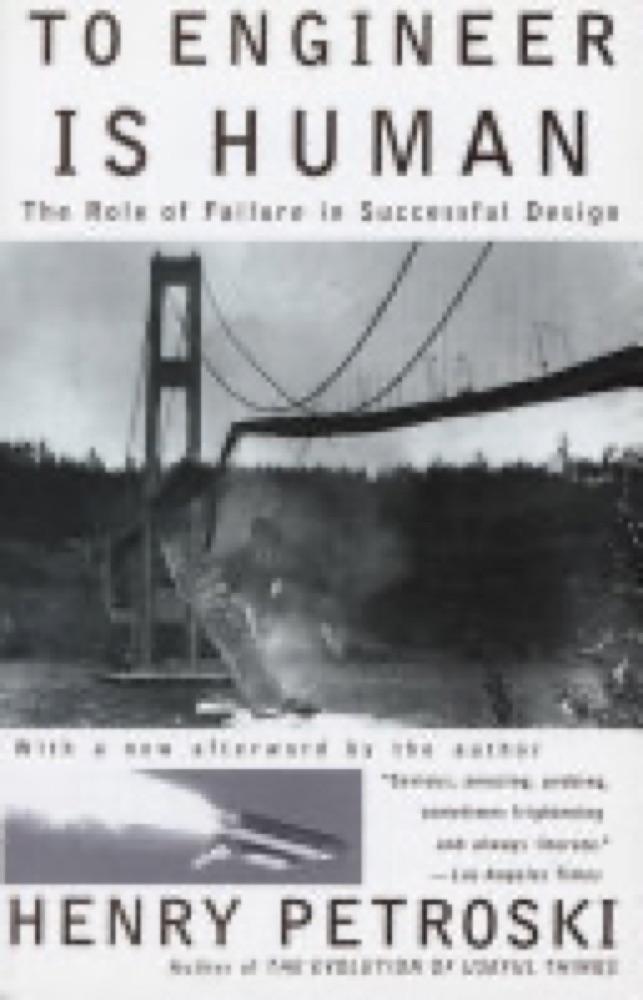
How did a simple design error cause one of the great disasters of the 1980s—the collapse of the walkways at the Kansas City Hyatt Regency Hotel? What made the graceful and innovative Tacoma Narrows Bridge twist apart in a mild wind in 1940? How did an oversized waterlily inspire the magnificent Crystal Palace, the crowning achievement of Victorian architecture and engineering? These are some of the failures and successes that Henry Petroski, author of the acclaimed The Pencil, examines in this engaging, wonderfully literate book. More than a series of fascinating case studies, To Engineer Is Human is a work that looks at our deepest notions of progress and perfection, tracing the fine connection between the quantifiable realm of science and the chaotic realities of everyday life.
"Alert,
Book details
- First published
- 1985
- Author
- Henry Petroski
- Genre
- Nonfiction
- Goodreads rating
- 3.69 (3k ratings)
Keep reading
The Design of Everyday Things
 Black Box Thinking: Why Some People Never Learn from Their Mistakes - But Some Do
 Right Kind of Wrong: The Science of Failing Well
 How to Fly a Horse: The Secret History of Creation, Invention, and Discovery
 Adapt: Why Success Always Starts with Failure
 Software Engineering at Google: Lessons Learned from Programming Over Time
 Hackers & Painters: Big Ideas from the Computer Age
 Think Like a Rocket Scientist: Simple Strategies You Can Use to Make Giant Leaps in Work and Life
 The Geography of Genius: A Search for the World's Most Creative Places from Ancient Athens to Silicon Valley
 Humble Pi: A Comedy of Maths Errors
 The Fifth Discipline: The Art & Practice of The Learning Organization
 Range: Why Generalists Triumph in a Specialized World
 Math with Bad Drawings
 Thinking In Systems: A Primer
 Originals: How Non-Conformists Move the World
 Letters to a Young Scientist
 The Art of Creative Thinking
 The Art of Thinking Clearly
 The Innovators: How a Group of Hackers, Geniuses and Geeks Created the Digital Revolution
 Shop Class as Soulcraft: An Inquiry Into the Value of Work
 Creativity, Inc.: Overcoming the Unseen Forces That Stand in the Way of True Inspiration
 Superforecasting: The Art and Science of Prediction
 A Whack on the Side of the Head: How You Can Be More Creative
 Emotional Design: Why We Love (or Hate) Everyday Things
 Smartcuts: How Hackers, Innovators, and Icons Accelerate Success
 The Grand Design
 The Ascent of Man
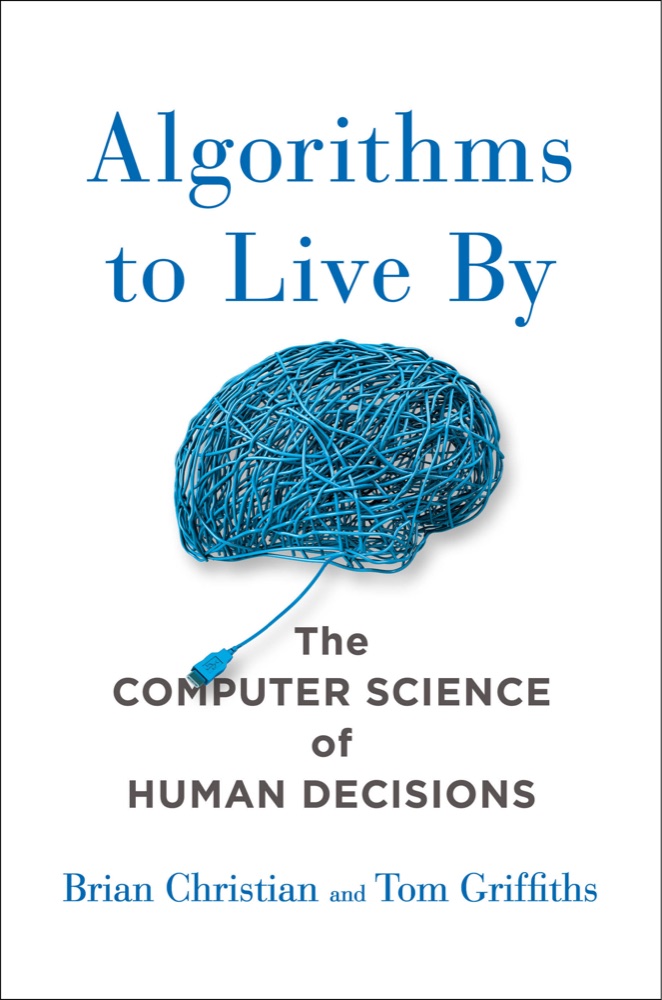 Algorithms to Live By: The Computer Science of Human Decisions
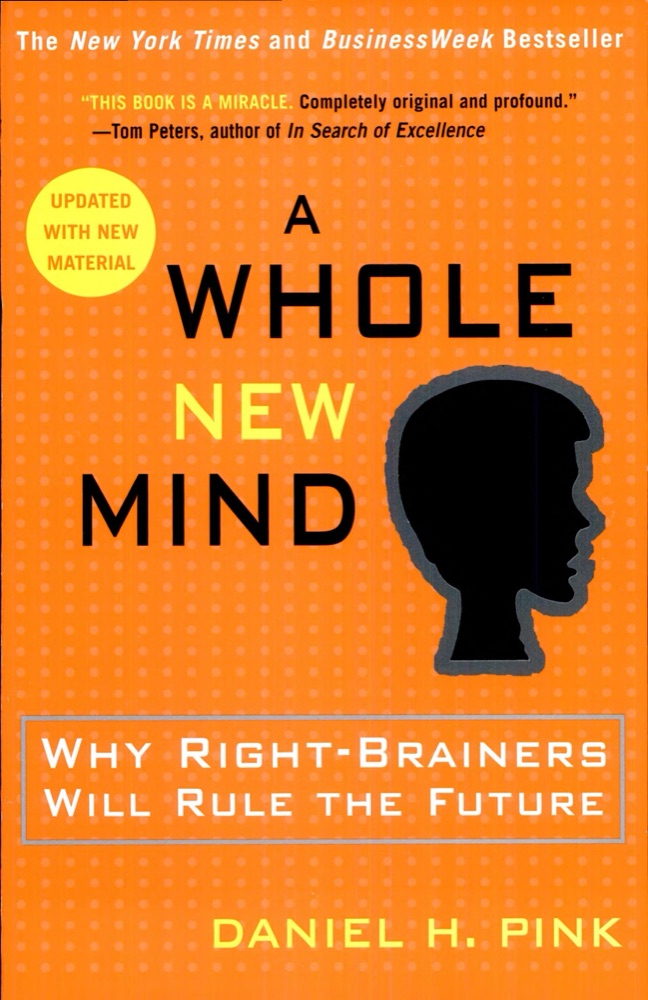 A Whole New Mind: Why Right-Brainers Will Rule the Future
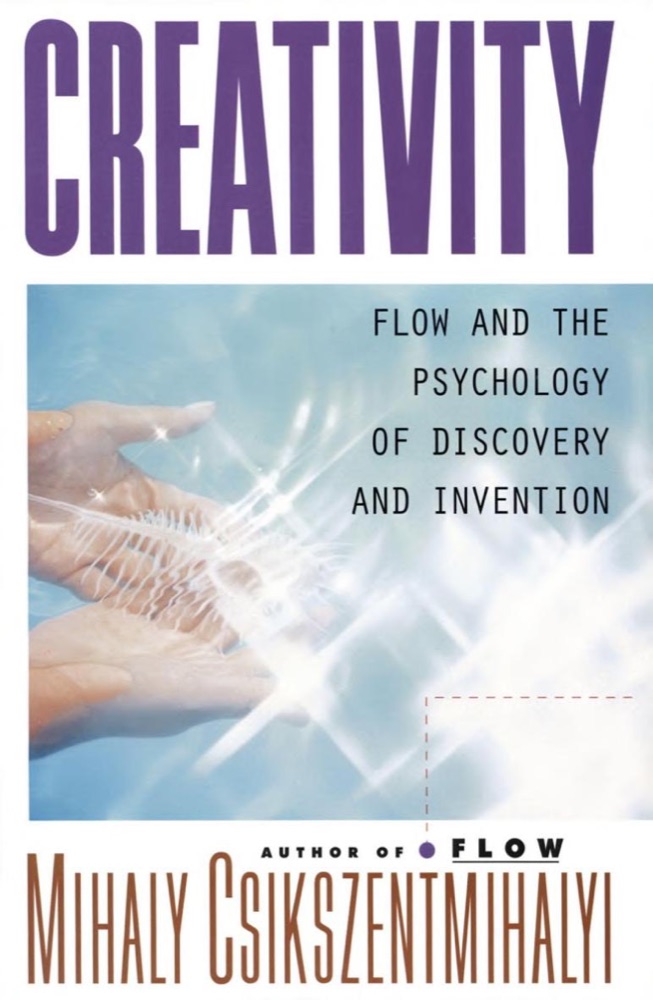 Creativity: Flow and the Psychology of Discovery and Invention
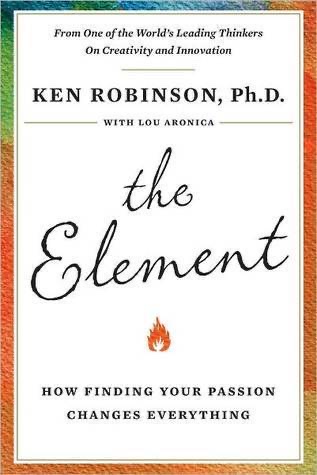 The Element: How Finding Your Passion Changes Everything
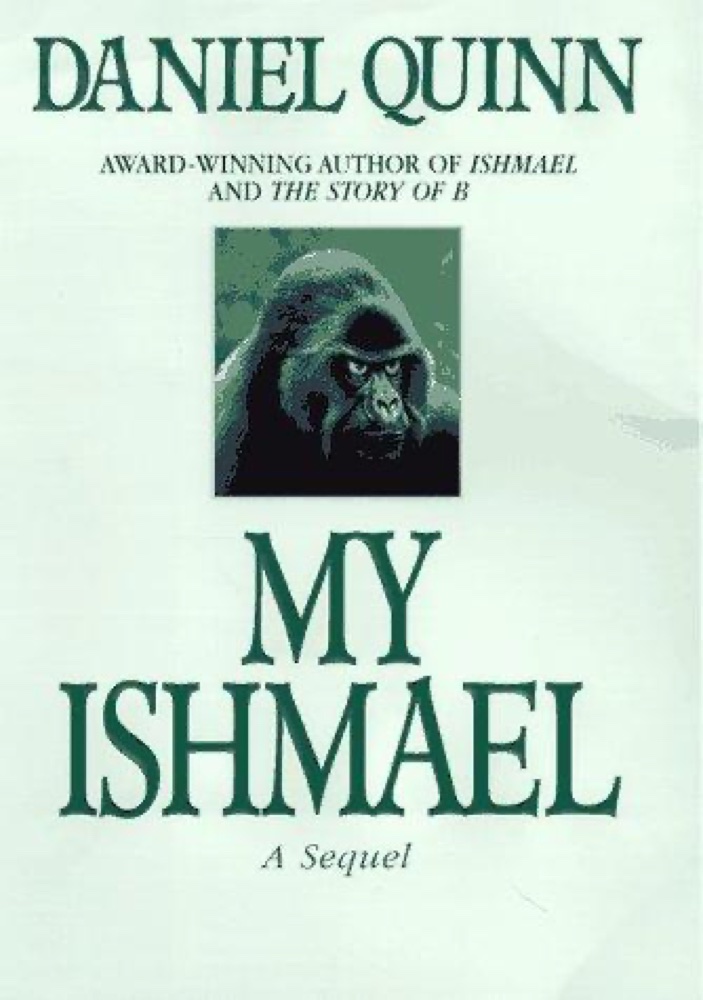 My Ishmael
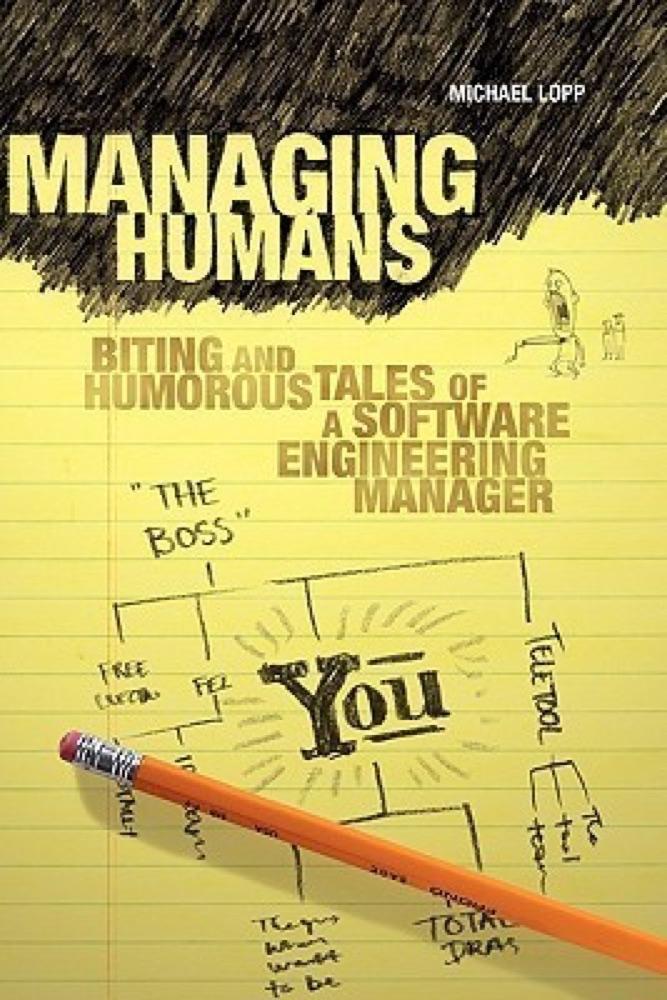 Managing Humans: Biting and Humorous Tales of a Software Engineering Manager
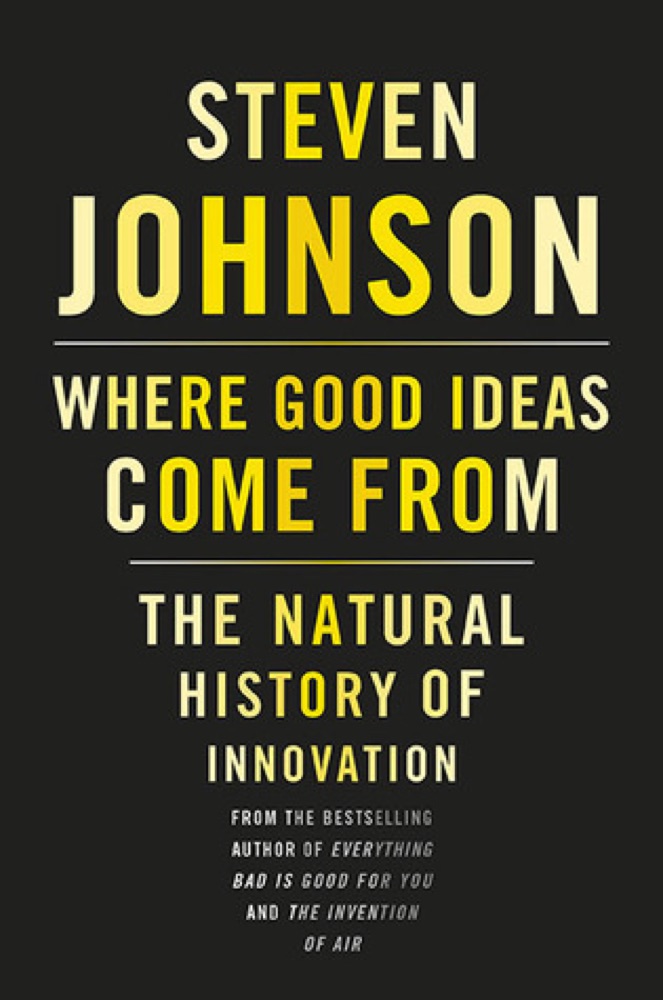 Where Good Ideas Come From: The Natural History of Innovation
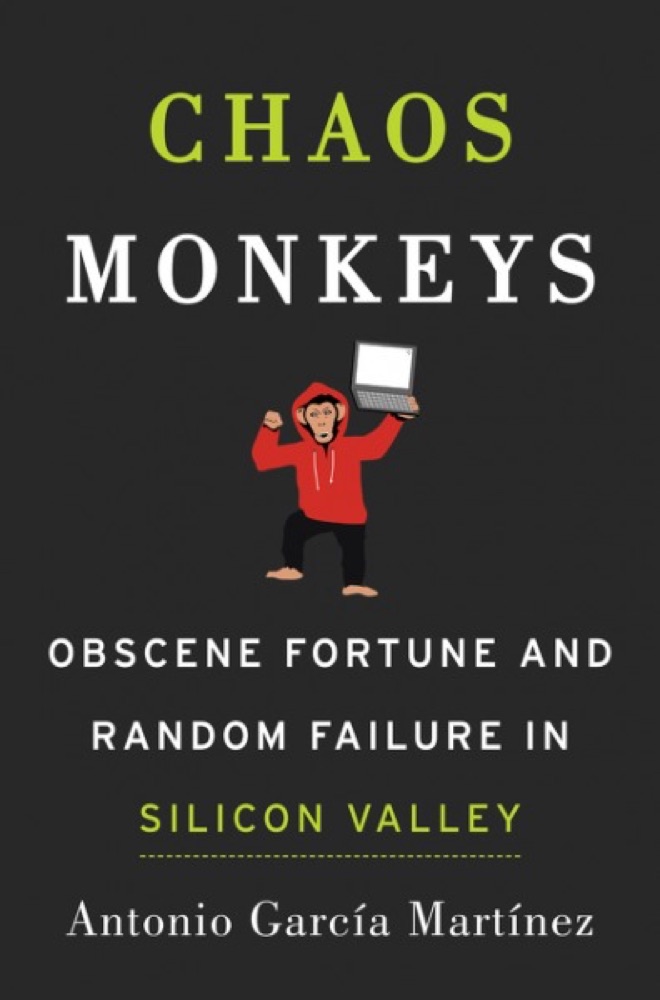 Chaos Monkeys: Obscene Fortune and Random Failure in Silicon Valley
 The Code Breaker: Jennifer Doudna, Gene Editing, and the Future of the Human Race
 How We Got to Now: Six Innovations That Made the Modern World
 Being Wrong: Adventures in the Margin of Error
 A Mind for Numbers: How to Excel at Math and Science
 Barking Up the Wrong Tree: The Surprising Science Behind Why Everything You Know About Success Is (Mostly) Wrong
 Elon Musk
 The Signal and the Noise: Why So Many Predictions Fail—But Some Don't
 Galileo
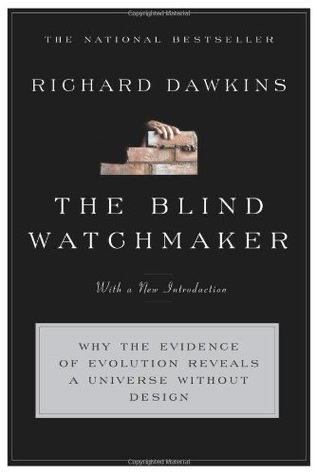 The Blind Watchmaker: Why the Evidence of Evolution Reveals a Universe Without Design
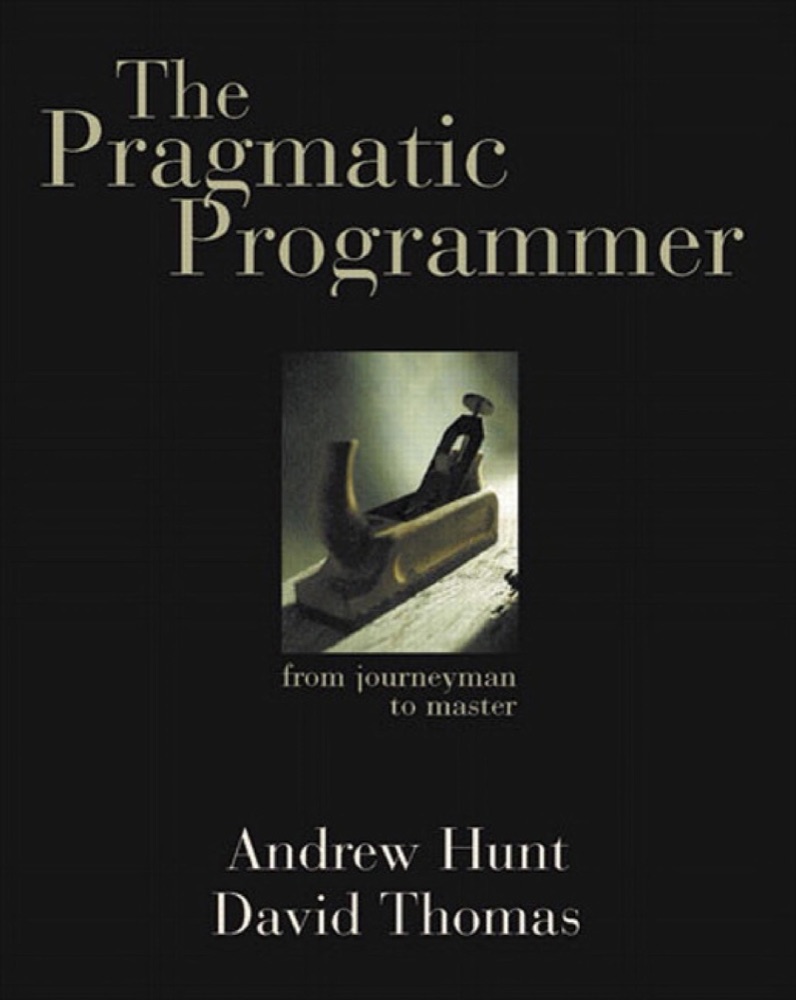 The Pragmatic Programmer: From Journeyman to Master
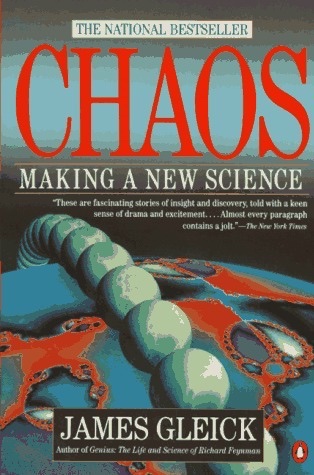 Chaos: Making a New Science
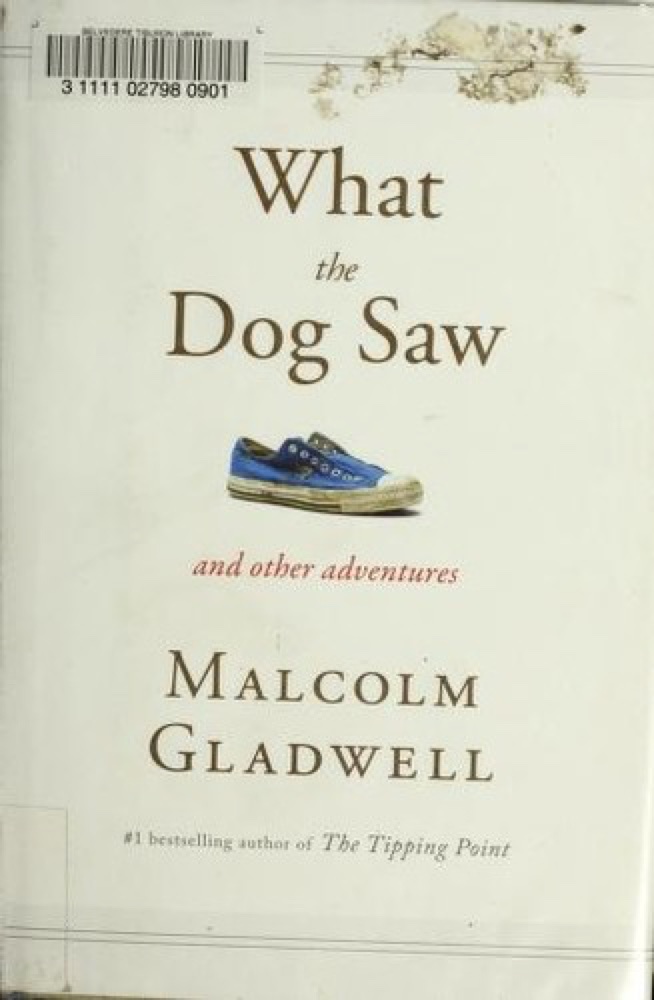 What the Dog Saw and Other Adventures
 Antifragile: Things That Gain from Disorder
 The Singularity is Near: When Humans Transcend Biology
 The Structure of Scientific Revolutions
 The Undoing Project: A Friendship That Changed Our Minds
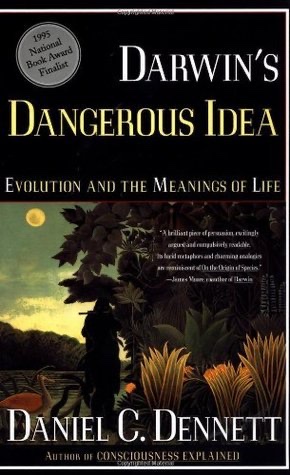 Darwin's Dangerous Idea: Evolution and the Meanings of Life
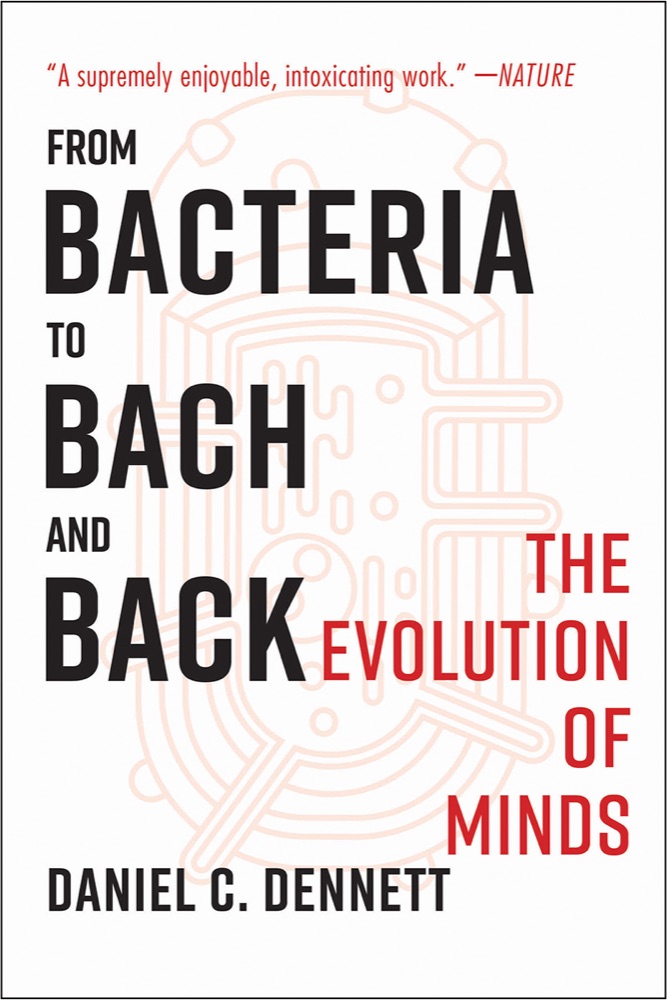 From Bacteria to Bach and Back: The Evolution of Minds
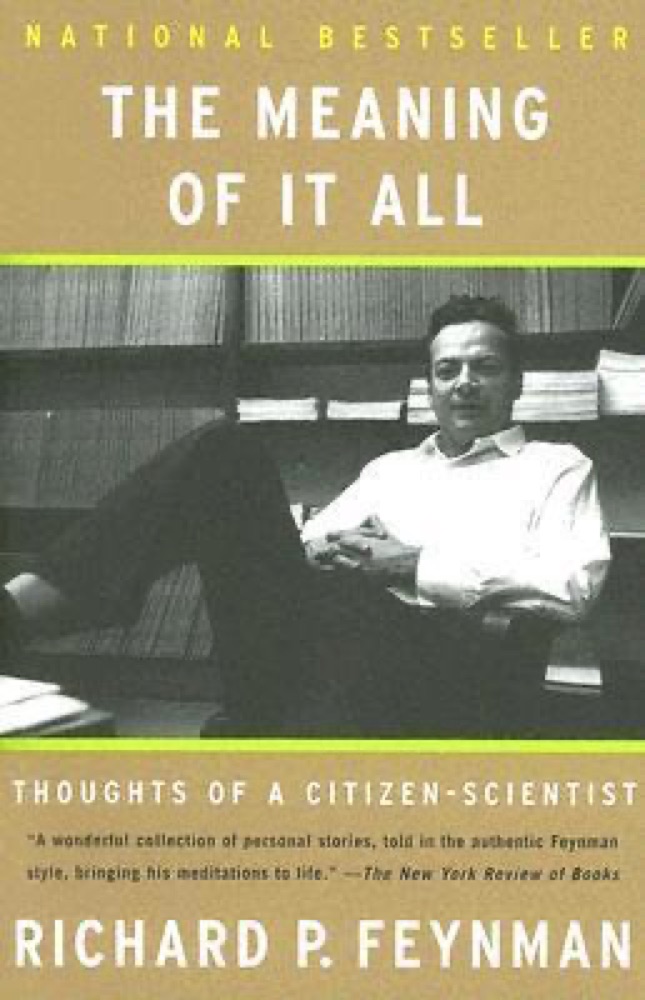 The Meaning of It All: Thoughts of a Citizen-Scientist
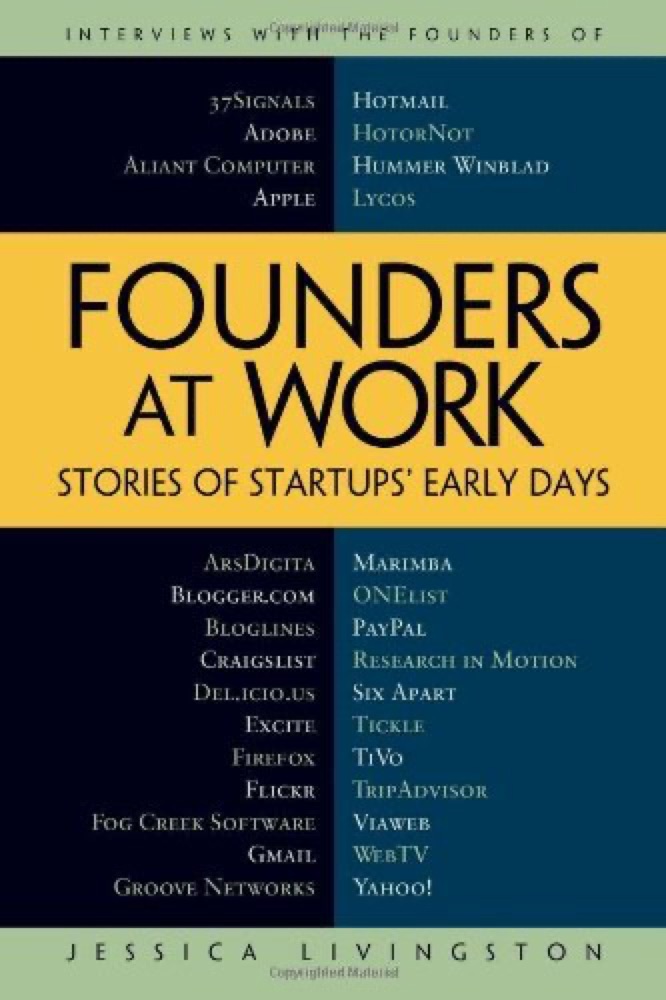 Founders at Work: Stories of Startups' Early Days
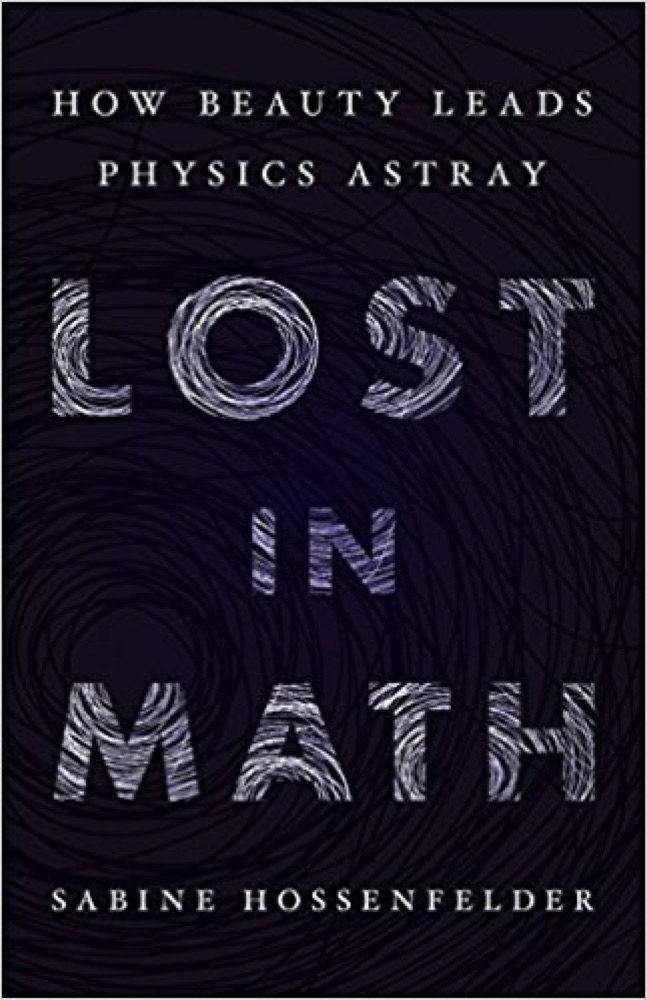 Lost in Math: How Beauty Leads Physics Astray
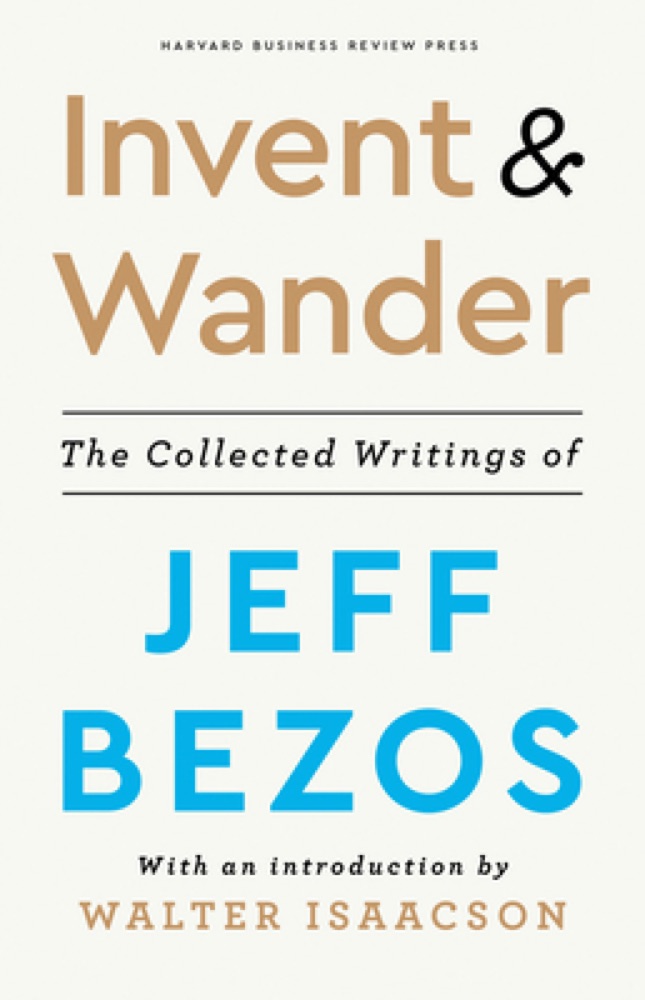 Invent and Wander: The Collected Writings of Jeff Bezos
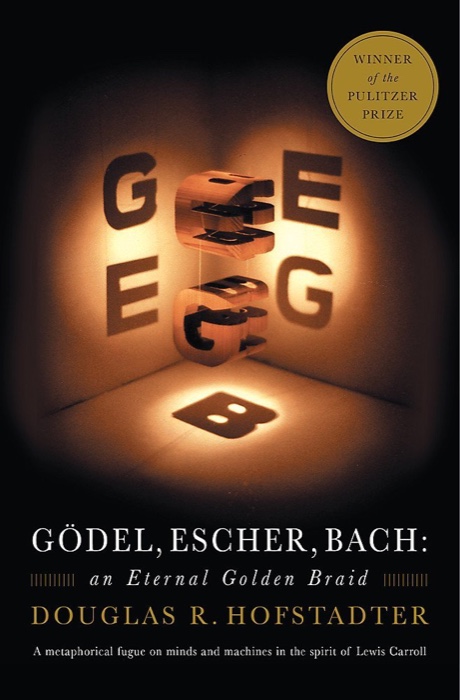 Gödel, Escher, Bach: An Eternal Golden Braid
 Cradle to Cradle: Remaking the Way We Make Things