

 Mother Courage and Her Children
Quotes from the Book
The aim of science is not to open the door to infinite wisdom, but to set a limit to infinite error.
298
Unhappy the land that is in need of heroes
150
Nowadays, anyone who wishes to combat lies and ignorance and to write the truth must overcome at least five difficulties. He must have the courage to write the truth when truth is everywhere opposed; the keenness to recognize it, although it is everywhere concealed; the skill to manipulate it as a weapon; the judgment to select those in whose hands it will be effective; and the running to spread the truth among such persons.
131
Then I will tell you something. I do not believe in it. Forty years among men has consistently taught me that they are not amenable to common sense. Show them the red tail of a comet, fill them with black terror, and they will all come running out of their houses and break their legs. But tell them one sensible proposition and support it with seven reasons, and they will simply laugh in your face
37
Thinking is one of the greatest pleasures of the human race.
32
Such a lot is won when even a single man gets to his feet and says No
30
A man who doesn't know the truth is just an idiot, but a man who knows the truth and calls it a lie is a crook.
25
I'm teaching all the time. When am I to learn?
15
All the world says: yes we know what’s written in the books but now let’s see what our eyes tell us.
12
„[…] und eure neuen Maschinen mögen nur neue Drangsale bedeuten. Ihr mögt mit der Zeit alles entdecken, was es zu entdecken gibt, und euer Fortschritt wird doch nur ein Fortschritt von der Menschheit weg sein. Die Kluft zwischen euch und ihr kann eines Tages so groß werden, dass euer Jubelschrei über irgendeine neue Errungenschaft von einem universalen Entsetzensschrei beantwortet werden könnte.
7
Proof seduces them. One of the greatest pleasures of the human race is thinking.
6
Con le macchine pensano di far miracoli: ma quali? Di Dio non sentono più bisogno; ma che sortii di miracolo saranno? Per esempio, non si deve più parlare di alto e di basso: a loro non serve più. Aristotele, che per tutto il resto considerano alla stregua di una vecchia ciabatta, ha detto (e questo lo citano): «Se la spola del telaio girasse da sola, se il plettro della cetra suonasse da sé, i maestri non avrebbero più bisogno di aiutanti, né i padroni di servi». Ed è quello che sta avverandosi mi sa.
4
telling me there’s no difference between the moon and the Earth?
3
Scopo della scienza non è tanto quello di aprire una porta all’infinito sapere, quanto quello di porre una barriera all’infinita ignoranza.
3
The mechanism of the heavens was clearer, the mechanism of their courts was still murky. [Scene fourteen. English version by Charles Laughton.]
2
The movements of the stars have become clearer; but to the mass of the people the movements of their masters are still incalculable. [Scene fourteen. Translation by Desmond Vesey, 1960. ‘The present version is a translation of the complete text of the latest German edition, not a stage adaptation.’]
2
If there are obstacles, the shortest line between two points may be the crooked line.
2
How does a pearl develop into an oyster? A jagged grain of sand makes its way into the oyster's shell and makes its life unbearable. The oyster exudes slime to cover the grain of sand and the slime eventually hardens into a pearl. The oyster nearly dies in the process. To hell with the pearl, give me the healthy oyster!
2
Non credo che la pratica della scienza possa andar disgiunta dal coraggio. Essa tratta il sapere, che è un pro¬dotto del dubbio; e col procacciare sapere a tutti su ogni cosa, tende a destare il dubbio in tutti. […] I moti dei corpi celesti ci sono divenuti più chiari; ma i moti dei potenti restano pur sempre imperscruta-¬bili ai popoli. […] Finché l'umanità continuerà a brancolare nella sua nebbia millenaria di superstizioni e di venerande sentenze, finché sarà troppo ignorante per sviluppare le sue proprie energie, non sarà nemmeno capace di svilup¬pare le energie della natura che le vengono svelate. […] Se gli uomini di scienza non reagiscono all'intimidazione dei potenti egoisti e si li¬mitano ad accumulare sapere per sapere, la scienza può rimanere fiaccata per sempre, ed ogni nuova macchina non sarà fonte che di nuovi triboli per l'uomo. E quan¬do, coll'andar del tempo, avrete scoperto tutto lo scopribile, il vostro progresso non sarà che un progressivo allontanamento dall'umanità. Tra voi e l'umanità può scavarsi un abisso così grande, che ad ogni vostro eureka rischierebbe di rispondere un grido di dolore universa¬le... […] Se io avessi resistito, i naturalisti avrebbero po¬tuto sviluppare qualcosa di simile a ciò che per i medici è il giuramento d'Ippocrate: il voto solenne di far uso della scienza ad esclusivo vantaggio dell'umanità. Così stando le cose, il massimo in cui si può sperare è una progenie di gnomi inventivi, pronti a farsi assoldare per qualsiasi scopo. […] Per alcuni anni ebbi la forza di una pubblica autorità; e misi la mia sapienza a disposizione dei potenti perché la usassero, o non la usassero, o ne abusassero, a seconda dei loro fini.. Ho tradito la mia professione; e quando un uomo ha fatto ciò che ho fatto io, la sua presenza non può es-sere tollerata nei ranghi della scienza
2
Finché l’umanità continuerà a brancolare nella sua nebbia millenaria di superstizioni e di venerande sentenze, finché sarà troppo ignorante per sviluppare le sue proprie energie, non sarà nemmeno capace di sviluppare le energie della natura che le vengono svelate. Che scopo si prefigge il vostro lavoro? Io credo che la scienza possa proporsi altro scopo che quello di alleviare la fatica dell’esistenza umana. Se gli uomini di scienza non reagiscono all’intimidazione dei potenti egoisti e si limitano ad accumulare sapere per sapere, la scienza può rimanere fiaccata per sempre, ed ogni nuova macchina non sarà fonte che di nuovi triboli per l’uomo. E quando, coll’andar del tempo, avrete scoperto tutto lo scopribile, il vostro progresso non sarà che un progressivo allontanamento dall’umanità. Tra voi e l’umanità può scavarsi un abisso così grande, che ad ogni vostro eureka rischierebbe di rispondere un grido di dolore universale…
2
I take it that the intent of science is to ease human existence. If you give way to coercion, science can be crippled, and your new machines may simply suggest new drudgeries. Should you, then, in time, discover all there is to be discovered, your progress must become a progress away from the bulk of humanity. The gulf might even grow so wide that the sound of your cheering at some new achievement would be echoed by a universal howl of horror.
1
Watch on YouTube
About Bertolt Brecht
We have collected 38 quotes from 3 books by Bertolt Brecht on BookQuoters.
More about the author →More by Bertolt Brecht
Mother Courage and Her Children
 The Resistible Rise of Arturo Ui
About the book
Considered by many to be one of Brecht's masterpieces, Galileo explores the question of a scientist's social and ethical responsibility, as the brilliant Galileo must choose between his life and his life's work when confronted with the demands of the Inquisition. Through the dramatic characterization of the famous physicist, Brecht examines the issues of scientific morality and the difficult relationship between the intellectual and authority. This version of the play is the famous one that was brought to completion by Brecht himself, working with Charles Laughton, who played Galileo in the first two American productions (Hollywood and New York, 1947). Since then the play has become a classic in the world repertoire. "The play which most strongly stamped on my mind a sense of Brecht's great stature as an artist of the modern theatre was Galileo." - Harold Clurman; "Thoughtful and profoun
Book details
- First published
- 1943
- Author
- Bertolt Brecht
- Genre
- Classics
- Goodreads rating
- 3.66 (19k ratings)
Keep reading
 The Ascent of Man
 The Gay Science
 The Meaning of It All: Thoughts of a Citizen-Scientist
 The Star Diaries
 Human, All Too Human
 Heretics
 The Wisdom of Life
 Leonardo's Notebooks
 A Study in Scarlet
 Too Like the Lightning
 Emile or On Education
 The Periodic Table
 Daybreak: Thoughts on the Prejudices of Morality
 What Do You Care What Other People Think?
 Rationality: From AI to Zombies
 The Fifth Science
 From Dawn to Decadence: 500 Years of Western Cultural Life, 1500 to the Present
 The Everlasting Man
 Power vs. Force
 Foucault's Pendulum
 The Futurological Congress: From the Memoirs of Ijon Tichy
 An Essay Concerning Human Understanding
 House Corrino
 Logicomix: An Epic Search for Truth
 The Philosopher and the Wolf
 The Man Who Counted: A Collection of Mathematical Adventures
 The Historian's Craft: Reflections on the Nature and Uses of History and the Techniques and Methods of Those Who Write It.
 The Spinoza Problem
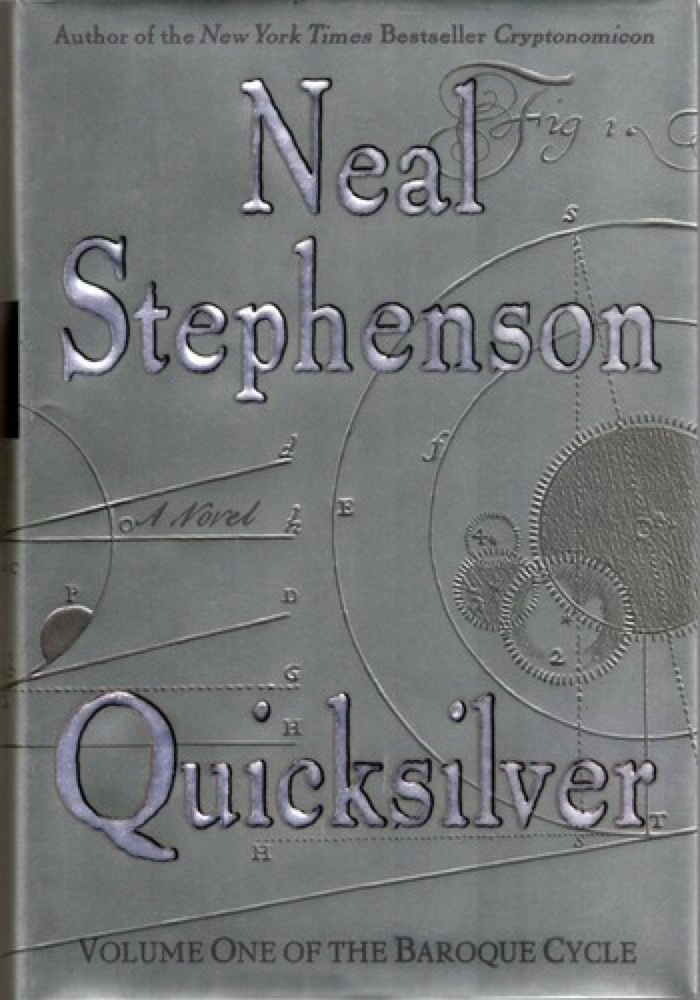 Quicksilver
 Philosophical Dictionary
 The Essays of Ralph Waldo Emerson
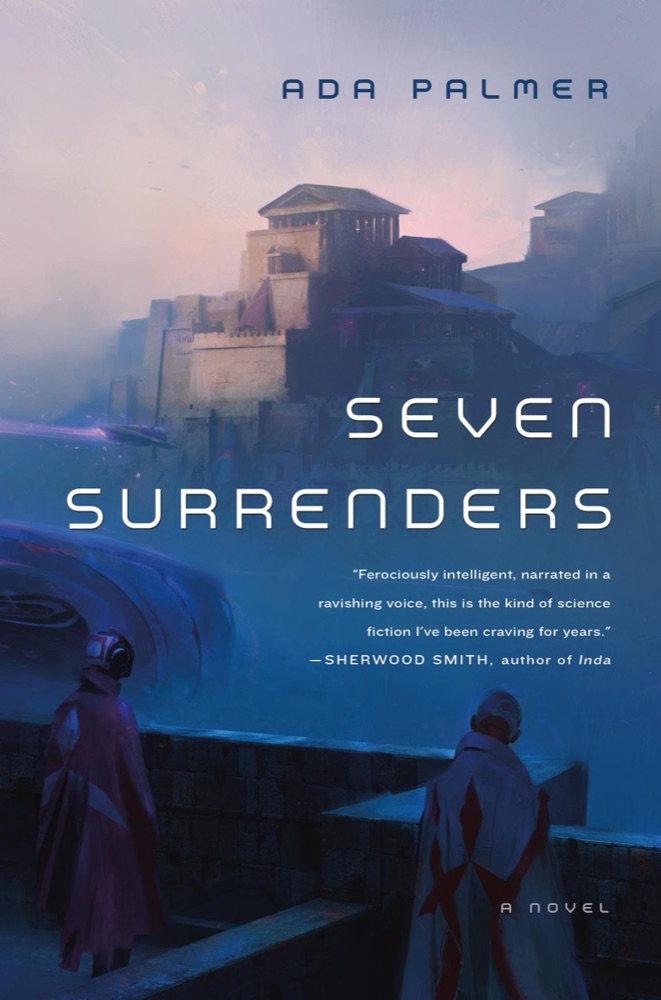 Seven Surrenders
 Flaubert's Parrot
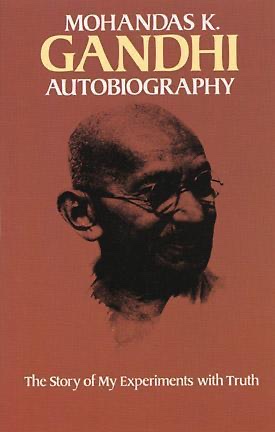 The Story of My Experiments With Truth
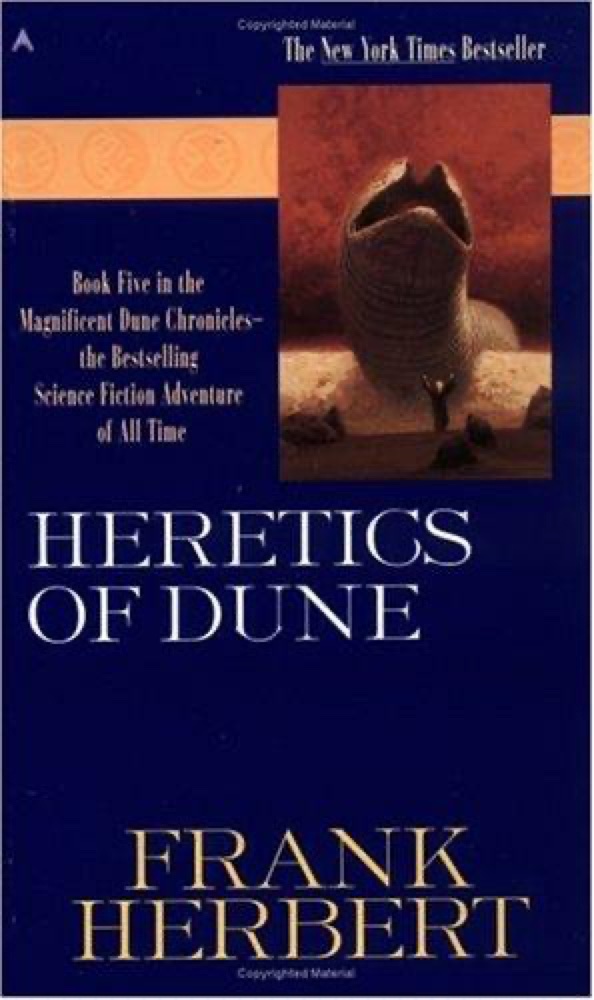 Heretics of Dune
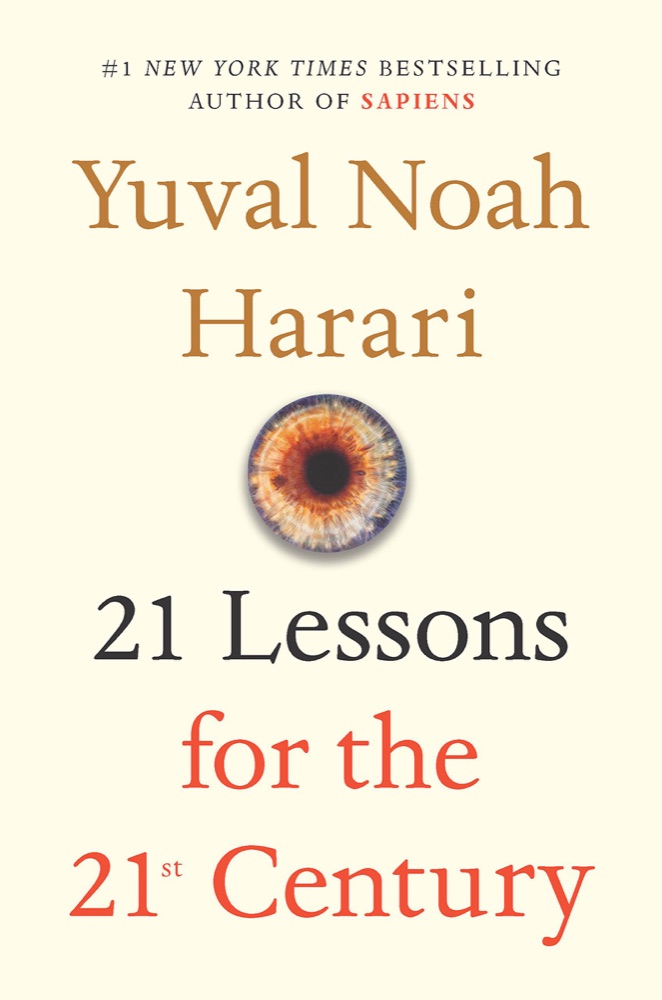 21 Lessons for the 21st Century
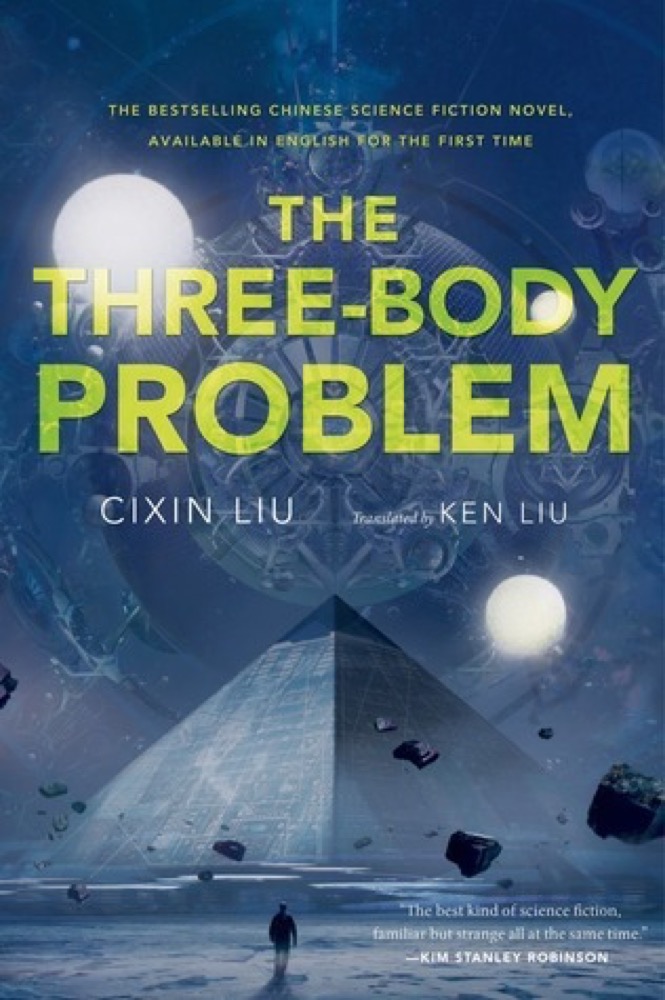 The Three-Body Problem
 Pensées
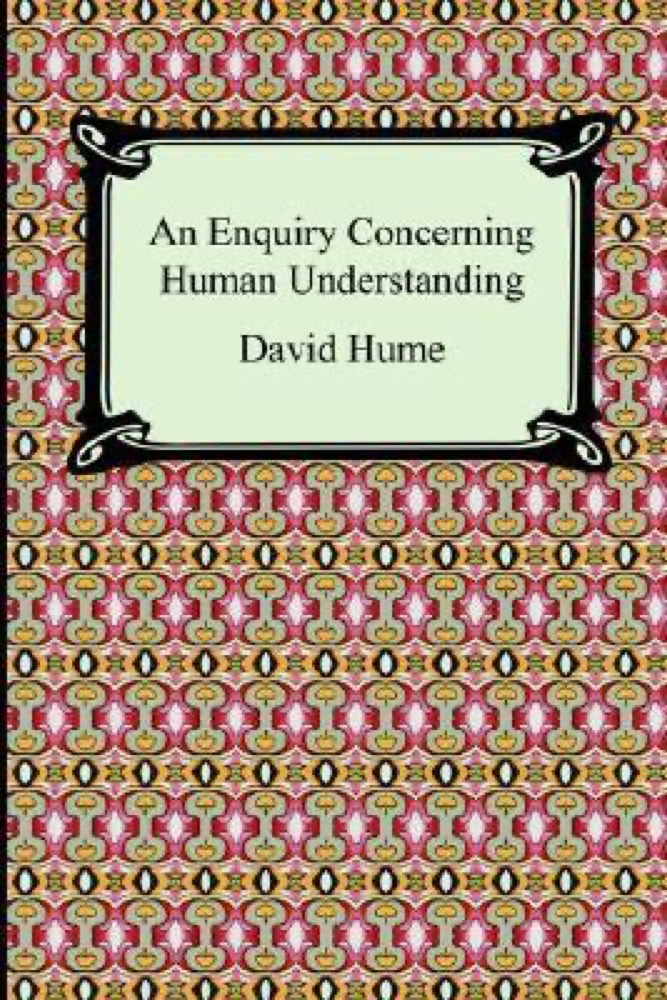 An Enquiry Concerning Human Understanding
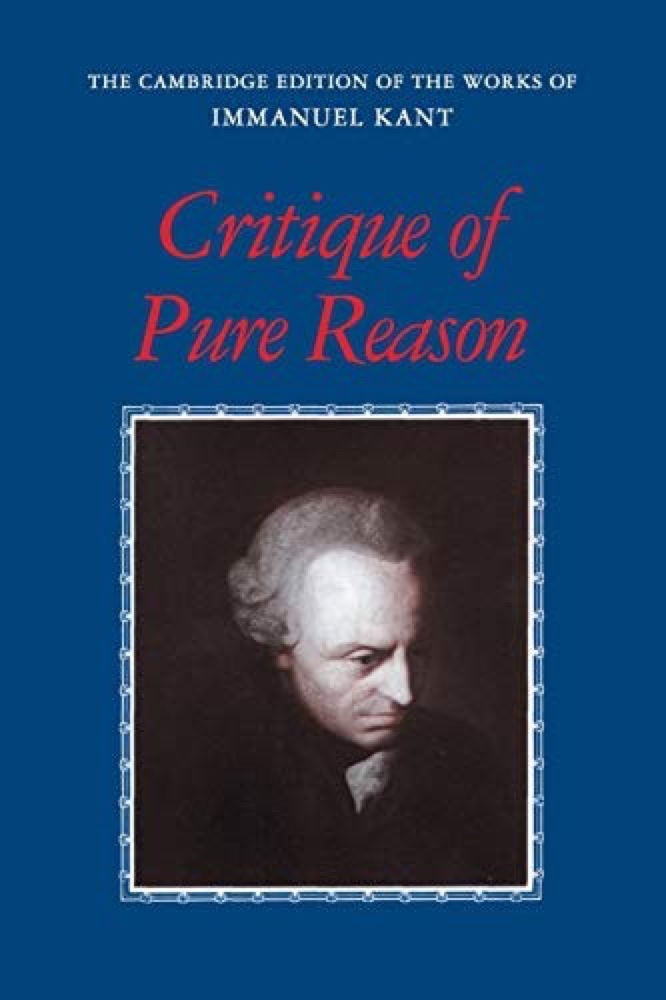 Critique of Pure Reason
 Eifelheim
 Second Foundation
 Walden Two
 The Intellectual Life: Its Spirit, Conditions, Methods
 Pebble in the Sky
 The Abolition of Man
 The Occult
 Children of Dune
 The Island of the Day Before
 That Hideous Strength
 The World's Last Night: And Other Essays
 What's Wrong with the World
 The Number of the Beast
 The Magic Mountain
 Arcadia
 A Midsummer's Equation
 The Schopenhauer Cure
 The World as Will and Representation, Vol 1
 Einstein: His Life and Universe
 Gnomon