
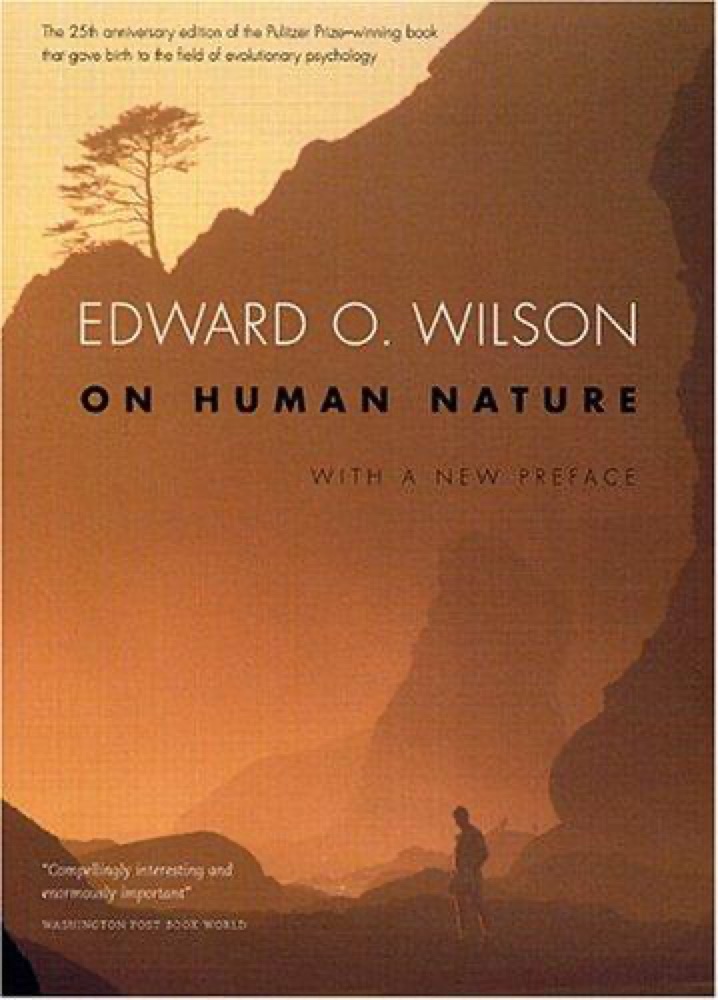
 On Human Nature
Quotes from the Book
There must be an ability to pass long hours in study and research with pleasure even though some of the effort will inevitably lead to dead ends. Such is the price of admission.
15
Very often ambition and entrepreneurial drive, in combination, beat brilliance.
5
Original discoveries, to remind you, are what counts the most. Let me put that more strongly: they are all that counts. They are the silver and gold of science.
4
To make discoveries in science, both small and important, you must be an expert on the topic addressed. To be an expert innovator requires commitment. Commitment to a subject implies sustained hard work.
4
...successful research doesn't depend on mathematical skill, or even the deep understanding of theory. It depends to a large degree on choosing an important problem and finding a way to solve it, even if imperfectly at first. Very often ambition and entrepreneurial drive, in combination, beat brilliance.
3
Successful research doesn't depend on mathematical skill, or even the deep understanding of theory. It depends to a large degree on choosing an important problem and finding a way to solve it, even if imperfectly at first. Very often ambition and entrepreneurial drive, in combination, beat brilliance.
2
I advise you to look for a chance to break away, to find a subject you can make your own. That is where the quickest advances are likely to occur, as measured by discoveries per investigator per year. Therein you have the best chance to become a leader and, as time passes, to gain growing freedom to set your own course. If a subject is already receiving a great deal of attention, if it has a glamorous aura, if its practitioners are prizewinners who receive large grants, stay away from that subject. Listen to the news coming from the hubbub, learn how and why the subject became prominent, but in making your own long-term plans be aware it is already crowded with talented people. You would be a newcomer, a private amid bemedaled first sergeants and generals. Take a subject instead that interests you and looks promising, and where established experts are not yet conspicuously competing with one another, where few if any prizes and academy memberships have been given, and where the annals of research are not yet layered with superfluous data and mathematical models.
2
A distinguished researcher once commented to me that a real scientist is someone who can think about a subject while talking to his or her spouse about something else.
2
Since so much of good science- and perhaps all of great science- has its roots in fantasy, I suggest that you yourself engage in a bit right now. Where would you like to be, what would you like to be doing professionally ten years from now, twenty, fifty? Next, imagine that you are much older and looking back at a successful career. What kind of great discovery, and in what field of science, would you savor most having made? I recommend creating scenarios that end with goals, then choosing ones you wish to pursue. Make it a practice to indulge in fantasy about science. Make it more than just an occasional exercise. Daydream a lot. Make talking to yourself silently a relaxing pastime. Give lectures to yourself about important topics that you need to understand. Talk with others of like mind. By their dreams you shall know them.
1
You are from alone in the community of scientists, and here is a professional secret to encourage you: many of the most successful scientists in the world today are mathematically no more than semiliterate. A metaphor will clarify the paradox in this statement. Where elite mathematicians often serve as architects of theory in the expanding realm of science, the remaining large majority of basic and applied scientists map the terrain, scout the frontier, cut the pathways, and raise the first buildings along the way. They define the problems that mathematicians, on occasion, may help solve. They think primarily in images and facts, and only marginally in mathematics.
1
You will make mistakes. Try not to make big ones. Whatever the case, admit them and move on. A simple error in reporting or conclusion will be forgiven if publicly corrected. (At least one leading journal has a special erratum section.) An outright retraction of a result will not cause permanent harm if done graciously, and especially with thanks to the scientist who reported the error with evidence and logical reasoning. But never, ever will fraud be forgiven. The penalty is professional death: exile, never again to be trusted.
It is quite simple: put passion ahead of training. Feel out in any way you can what you most want to do in science, or technology, or some other science-related profession. Obey that passion as long as it lasts. Feed it with the knowledge the mind needs to grow. Sample other subjects, acquire a general education in science, and be smart enough to switch to a greater love if one appears
The idea and its supporting logic came in pieces
Original discoveries, to remind you, are what count the most. Let me put that more strongly: they are all that counts. They are the silver and gold of science.
For every problem in a given discipline of science, there exists a species or other entity or phenomenon ideal for its solution. (Example: a kind of mollusk, Aplysia, proved ideal for exploring the cellular base of memory.) Conversely, for every species or other entity or phenomenon, there exist important problems for the solution of which it is ideally suited. (Example: bats were logical for the discovery of sonar.)
Watch on YouTube
About Edward O. Wilson
We have collected 74 quotes from 4 books by Edward O. Wilson on BookQuoters.
More about the author →More by Edward O. Wilson
About the book
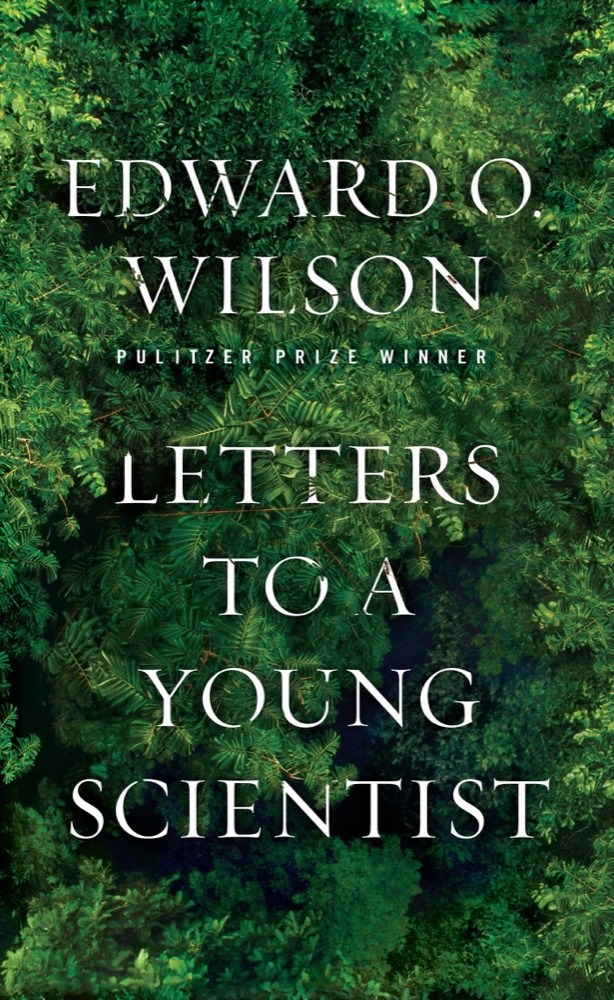
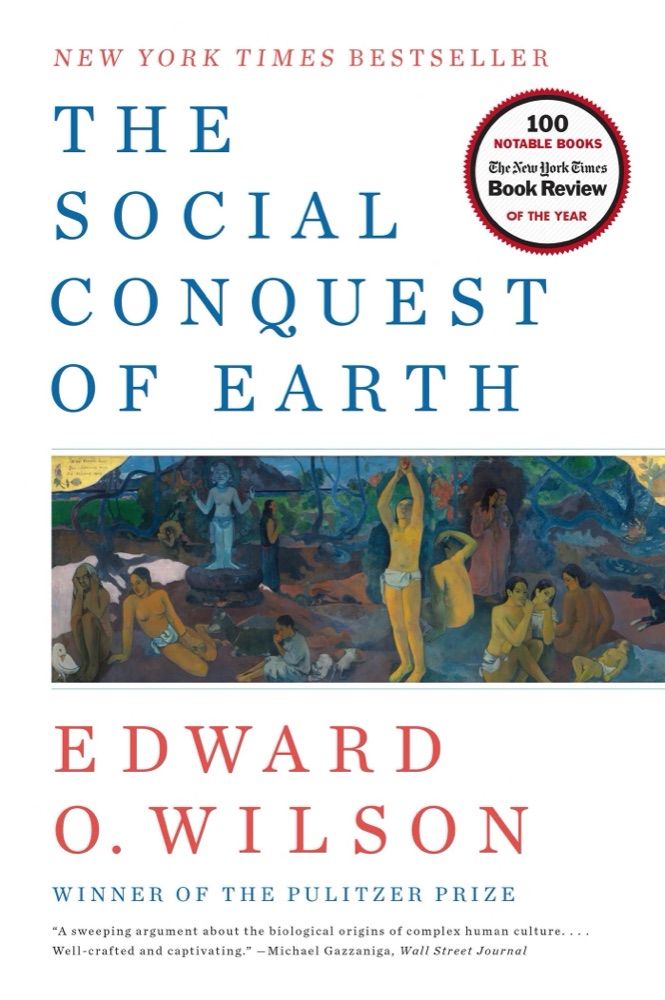
Inspired by Rainer Maria Rilke's Letters to a Young Poet, Edward O. Wilson has distilled sixty years of teaching into a book for students, young and old. Reflecting on his coming-of-age in the South as a Boy Scout and a lover of ants and butterflies, Wilson threads these twenty-one letters, each richly illustrated, with autobiographical anecdotes that illuminate his career--both his successes and his failures--and his motivations for becoming a biologist. At a time in human history when our survival is more than ever linked to our understanding of science, Wilson insists that success in the sciences does not depend on mathematical skill, but rather a passion for finding a problem and solving it. From the collapse of stars to the exploration of rain forests and the oceans' depths, Wilson instills a love of the innate creativity of science and a respect for the human being's modest place i
Book details
- First published
- 2013
- Author
- Edward O. Wilson
- Genre
- Nonfiction
- Goodreads rating
- 3.90 (5k ratings)
Keep reading
 Think Like a Rocket Scientist: Simple Strategies You Can Use to Make Giant Leaps in Work and Life
 Creativity: Flow and the Psychology of Discovery and Invention
 How to Fly a Horse: The Secret History of Creation, Invention, and Discovery
 The Structure of Scientific Revolutions
 The Geography of Genius: A Search for the World's Most Creative Places from Ancient Athens to Silicon Valley
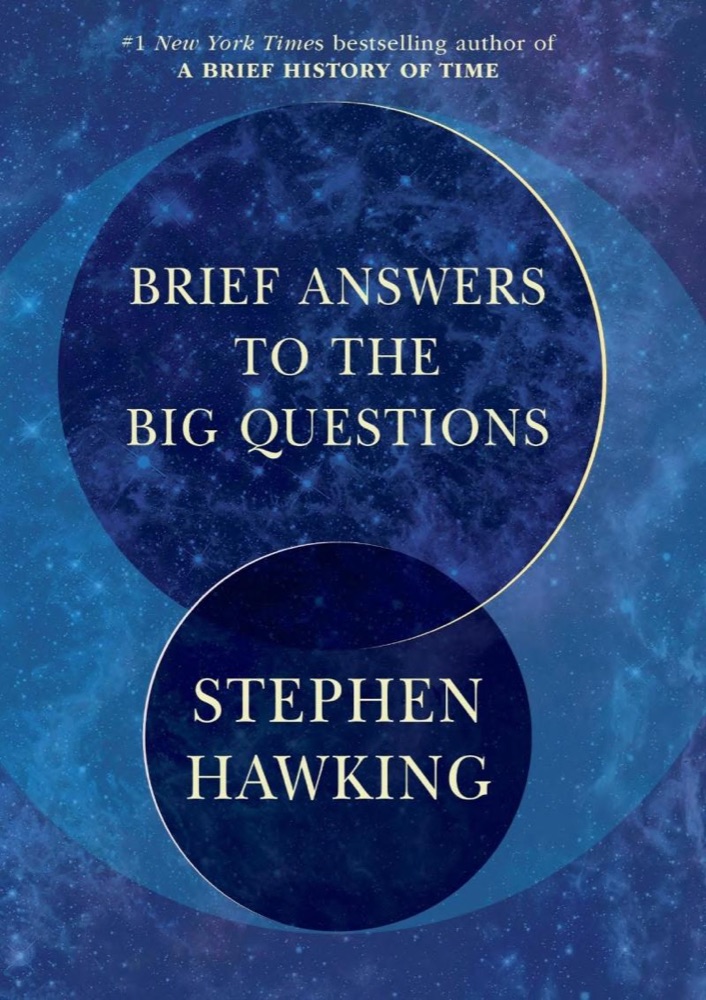 Brief Answers to the Big Questions
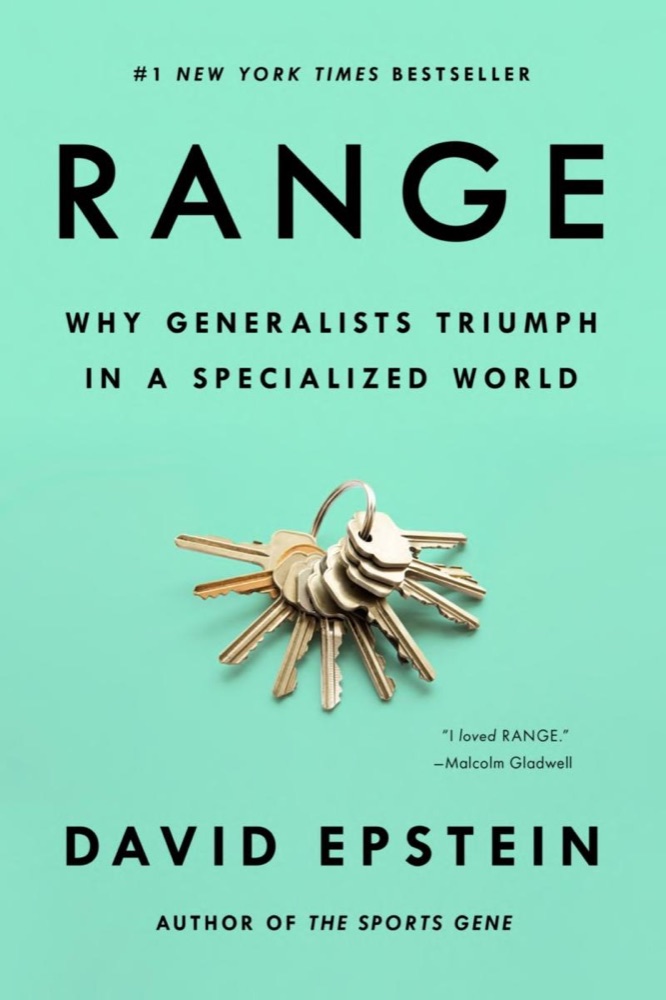 Range: Why Generalists Triumph in a Specialized World
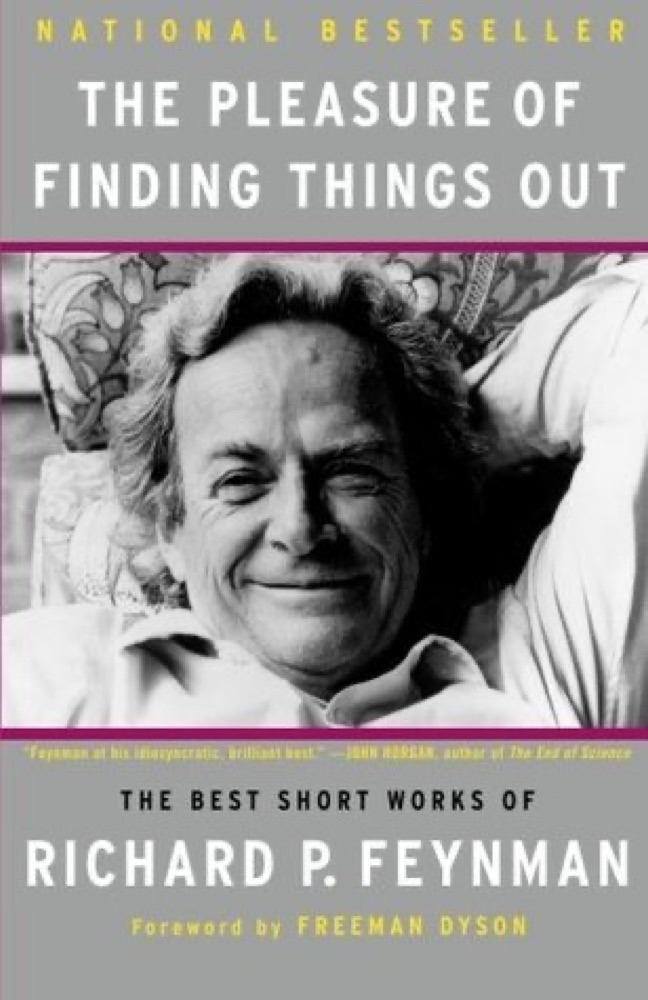 The Pleasure of Finding Things Out: The Best Short Works of Richard P. Feynman
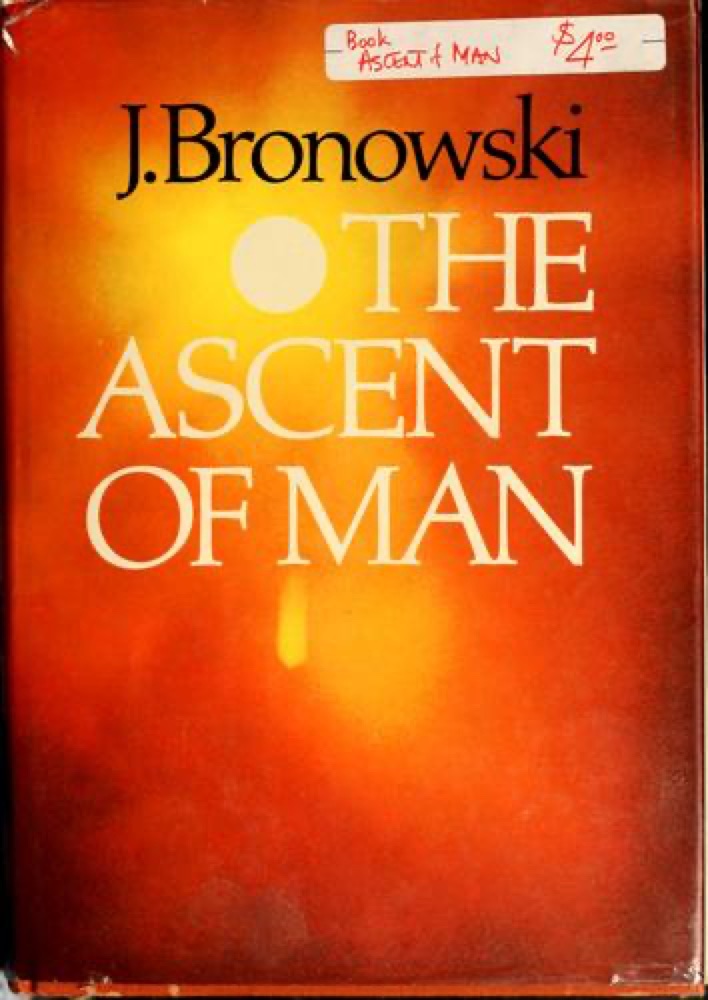 The Ascent of Man
 The Code Breaker: Jennifer Doudna, Gene Editing, and the Future of the Human Race
 Lost in Math: How Beauty Leads Physics Astray
 The Art of Thinking Clearly
 An Appetite for Wonder: The Making of a Scientist
 Against Method
 A Whack on the Side of the Head: How You Can Be More Creative
 Space Chronicles: Facing the Ultimate Frontier
 The Demon-Haunted World: Science as a Candle in the Dark
 Where Good Ideas Come From: The Natural History of Innovation
 The Meaning of It All: Thoughts of a Citizen-Scientist
 A Mathematician's Apology
 Invent and Wander: The Collected Writings of Jeff Bezos
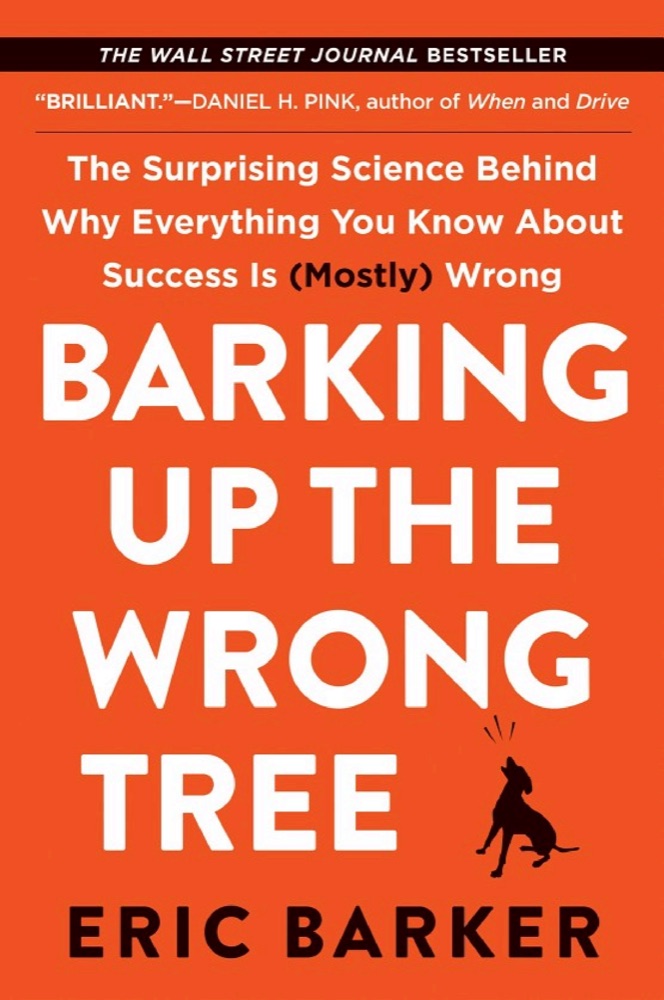 Barking Up the Wrong Tree: The Surprising Science Behind Why Everything You Know About Success Is (Mostly) Wrong
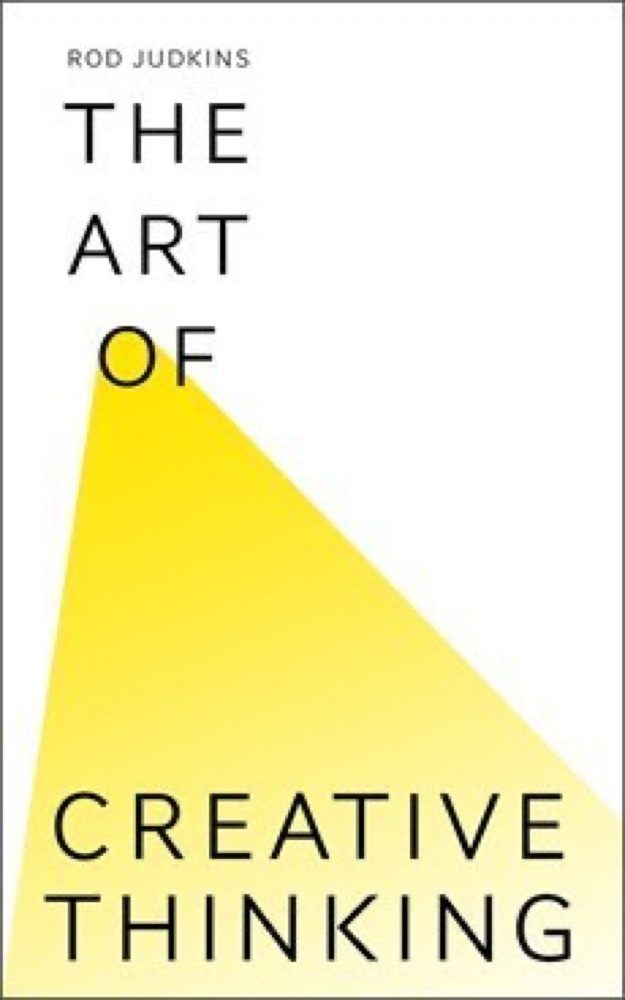 The Art of Creative Thinking
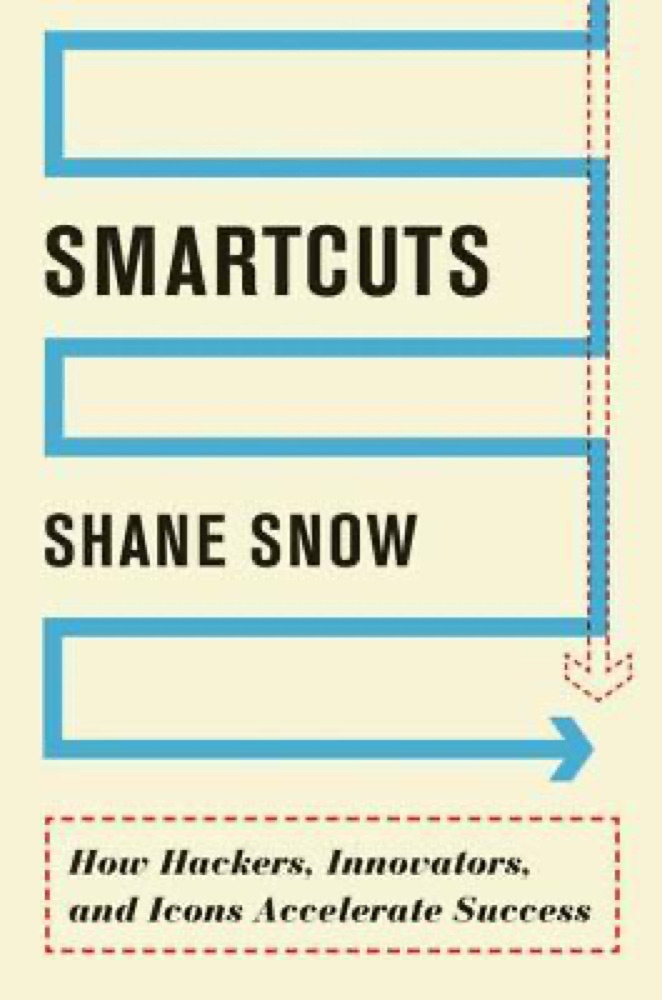 Smartcuts: How Hackers, Innovators, and Icons Accelerate Success
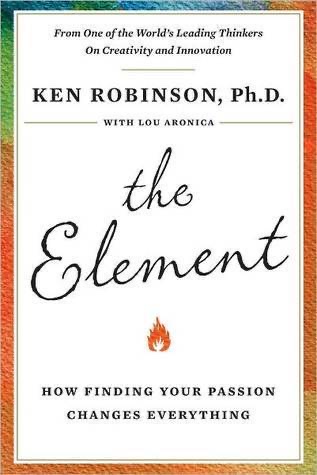 The Element: How Finding Your Passion Changes Everything
 Better: A Surgeon's Notes on Performance
 A Mind for Numbers: How to Excel at Math and Science
 Superforecasting: The Art and Science of Prediction
 The Tell-Tale Brain: A Neuroscientist's Quest for What Makes Us Human
 Hackers & Painters: Big Ideas from the Computer Age
 Genius: The Life and Science of Richard Feynman
 Physics of the Future: How Science Will Shape Human Destiny and Our Daily Lives by the Year 2100
 Darwin's Dangerous Idea: Evolution and the Meanings of Life
 Consilience: The Unity of Knowledge
 Black Box Thinking: Why Some People Never Learn from Their Mistakes - But Some Do
 What the Dog Saw and Other Adventures
 Letters from an Astrophysicist
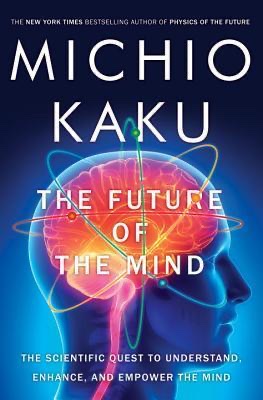 The Future of the Mind: The Scientific Quest to Understand, Enhance, and Empower the Mind
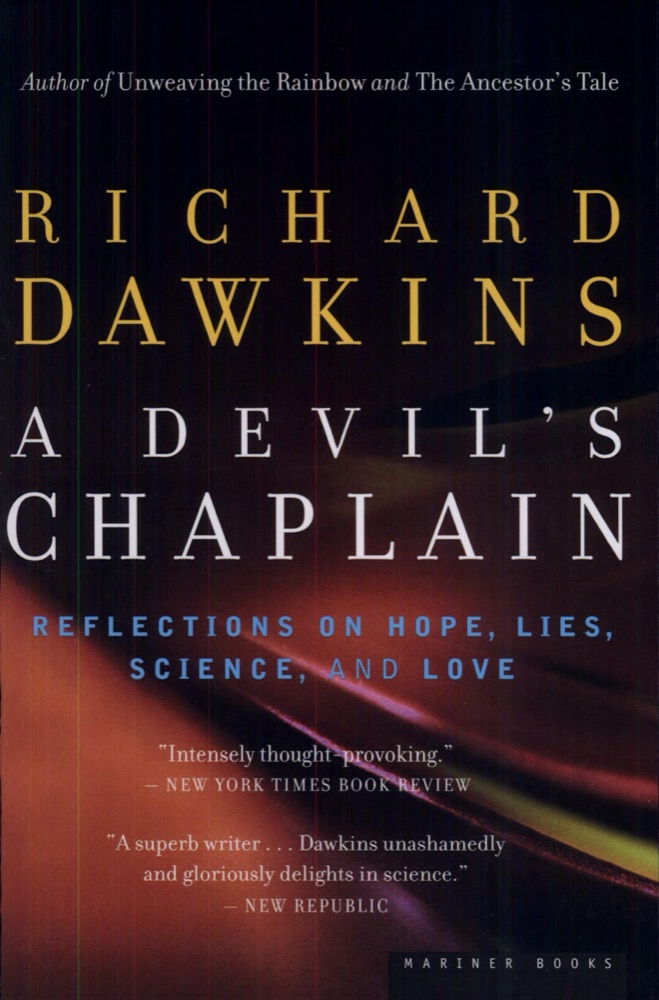 A Devil's Chaplain: Reflections on Hope, Lies, Science, and Love
 Galileo
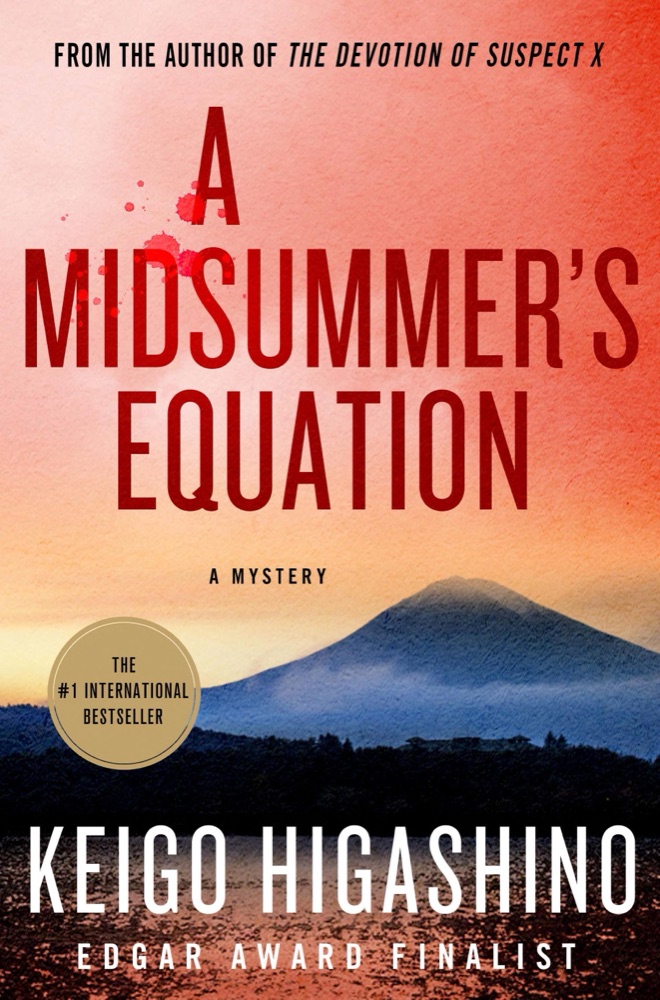 A Midsummer's Equation
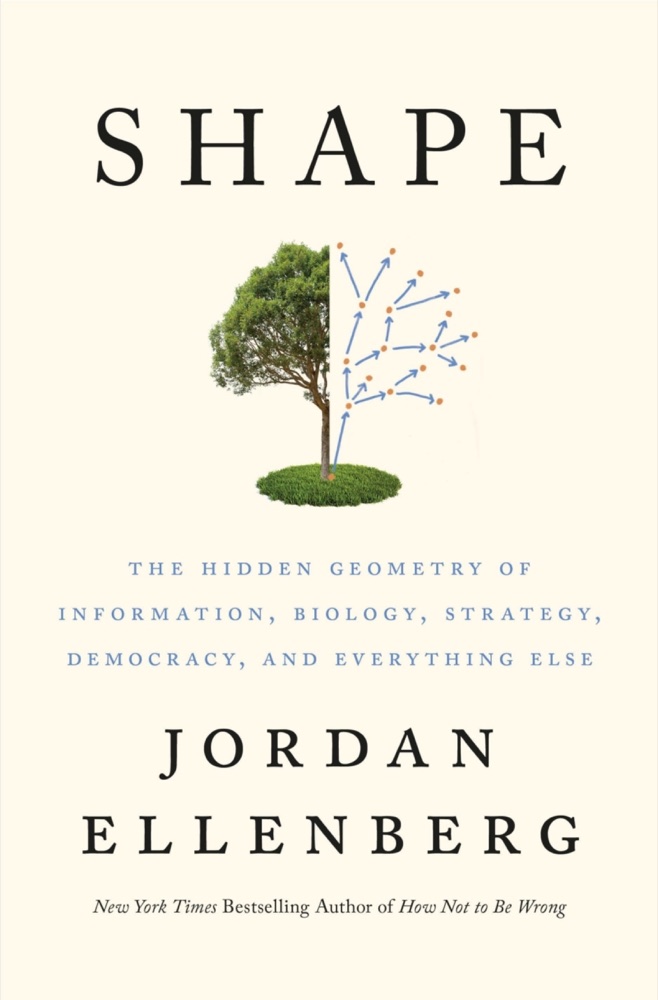 Shape: The Hidden Geometry of Information, Biology, Strategy, Democracy, and EverythingElse
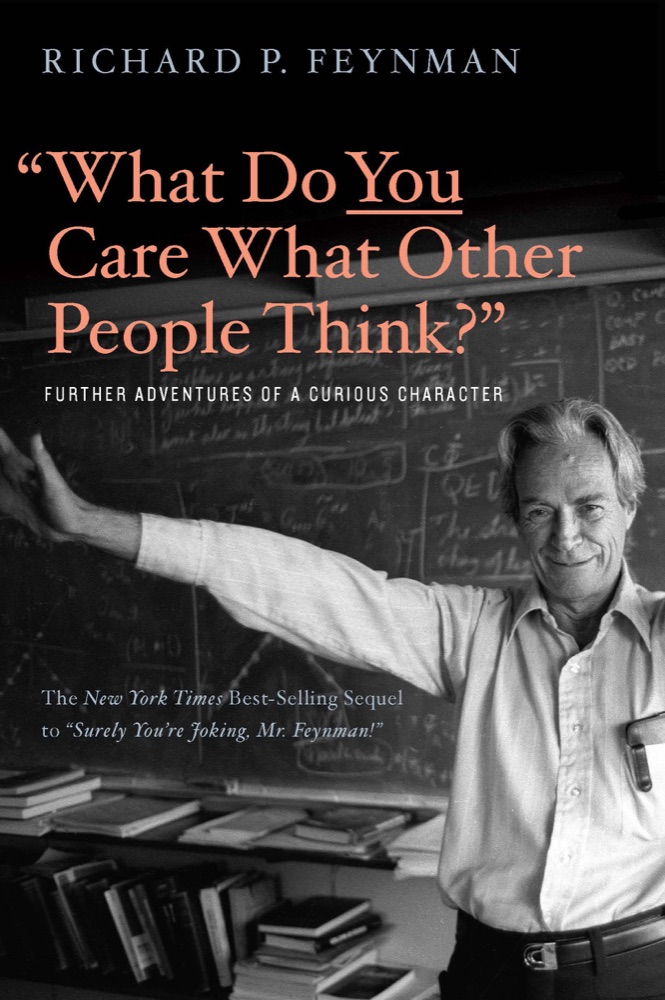 What Do You Care What Other People Think?
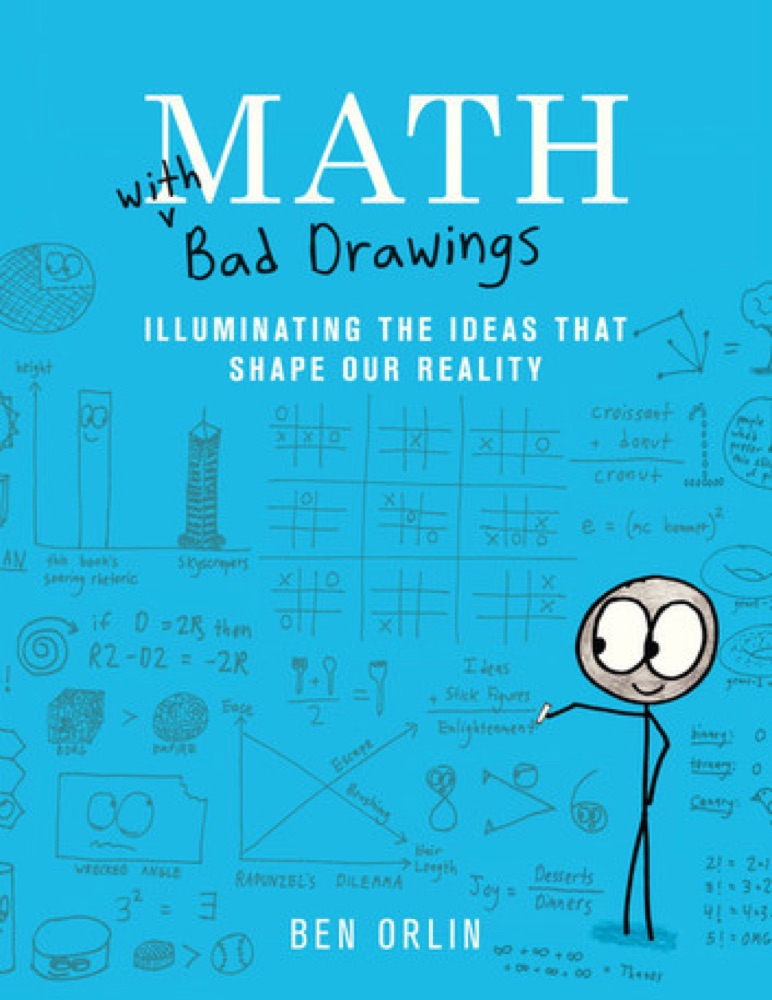 Math with Bad Drawings
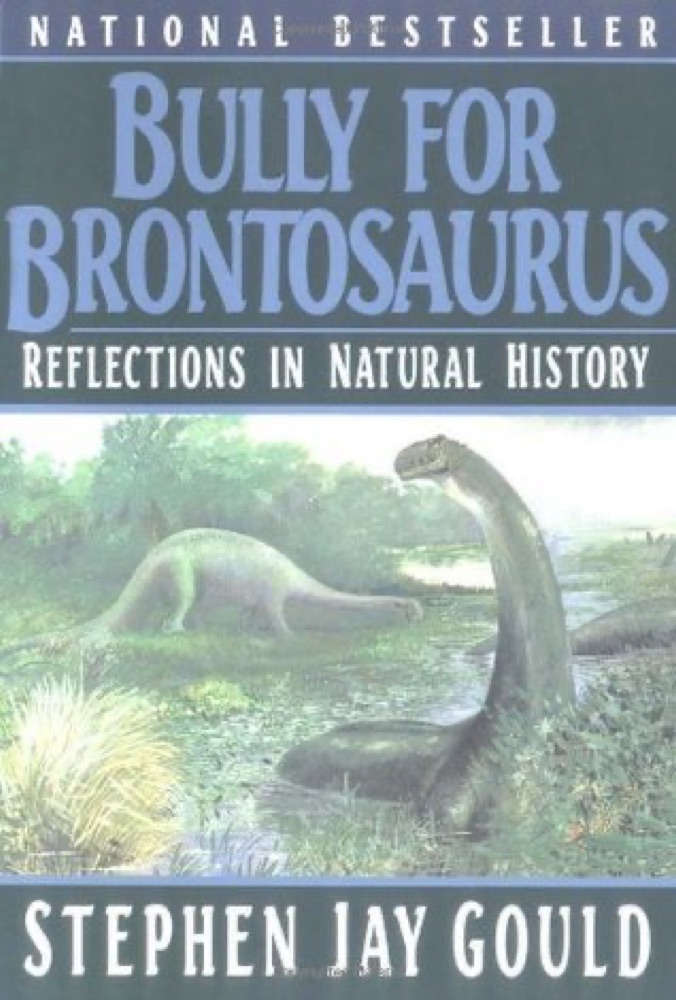 Bully for Brontosaurus: Reflections in Natural History
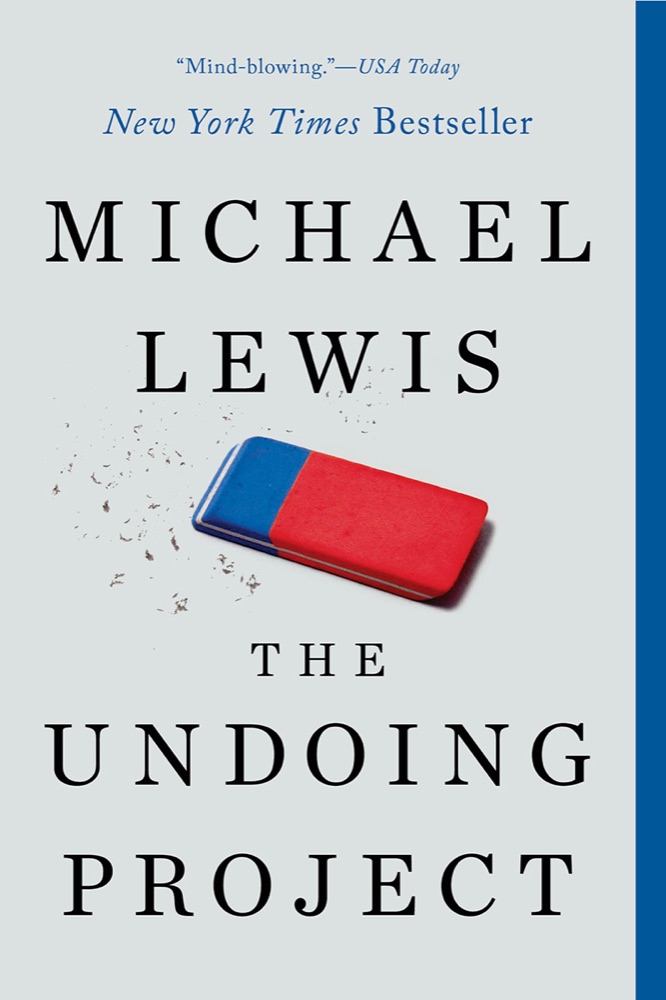 The Undoing Project: A Friendship That Changed Our Minds
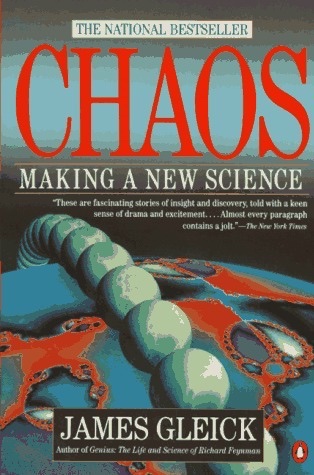 Chaos: Making a New Science
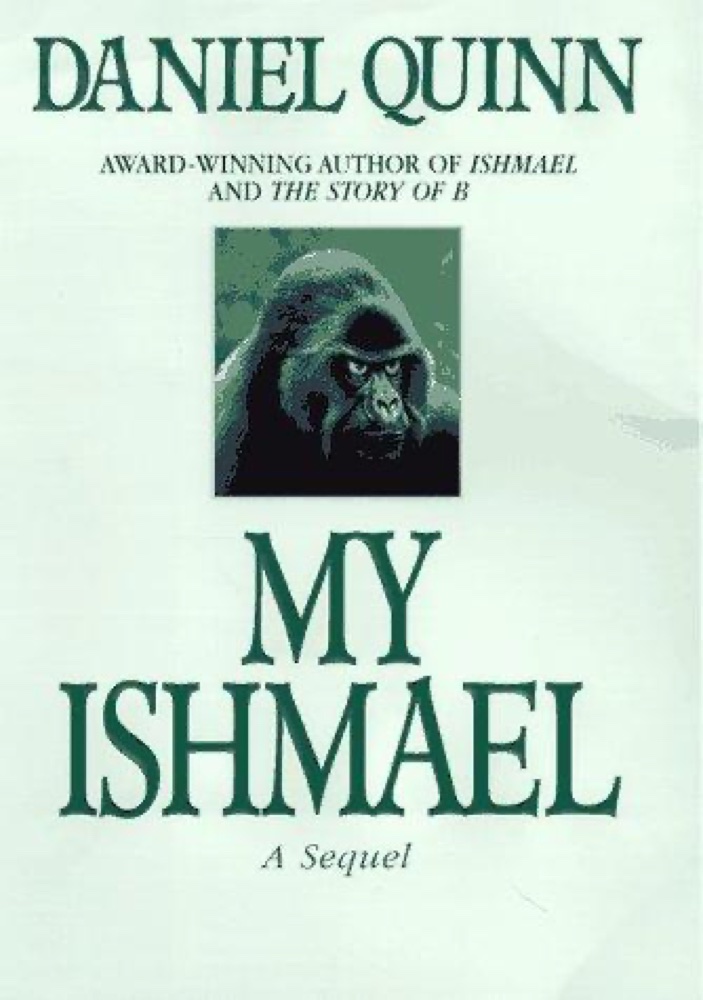 My Ishmael
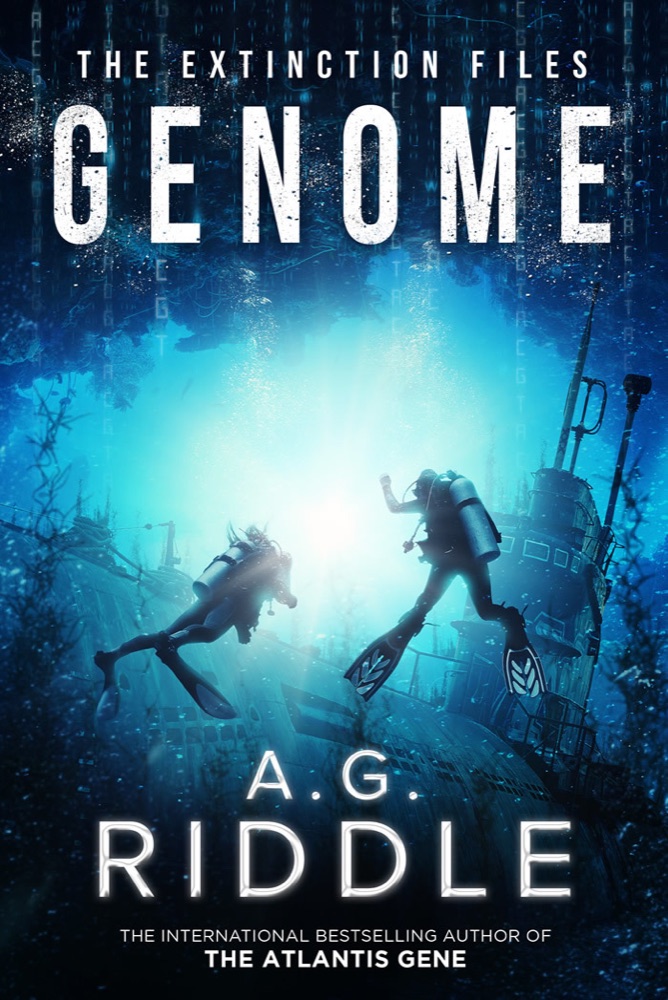 Genome
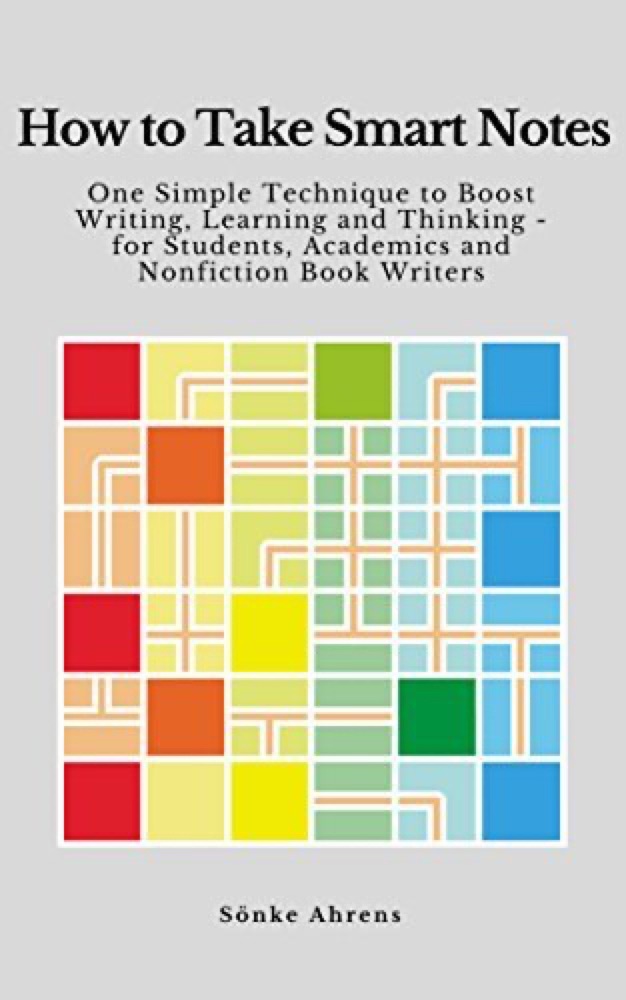 How to Take Smart Notes
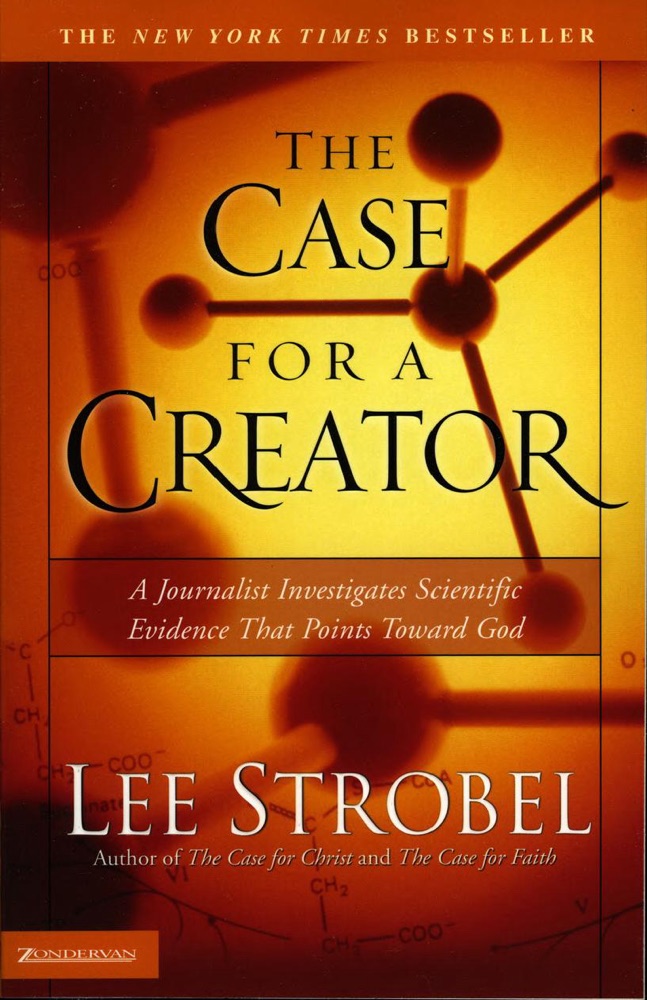 The Case for a Creator: A Journalist Investigates Scientific Evidence That Points Toward God
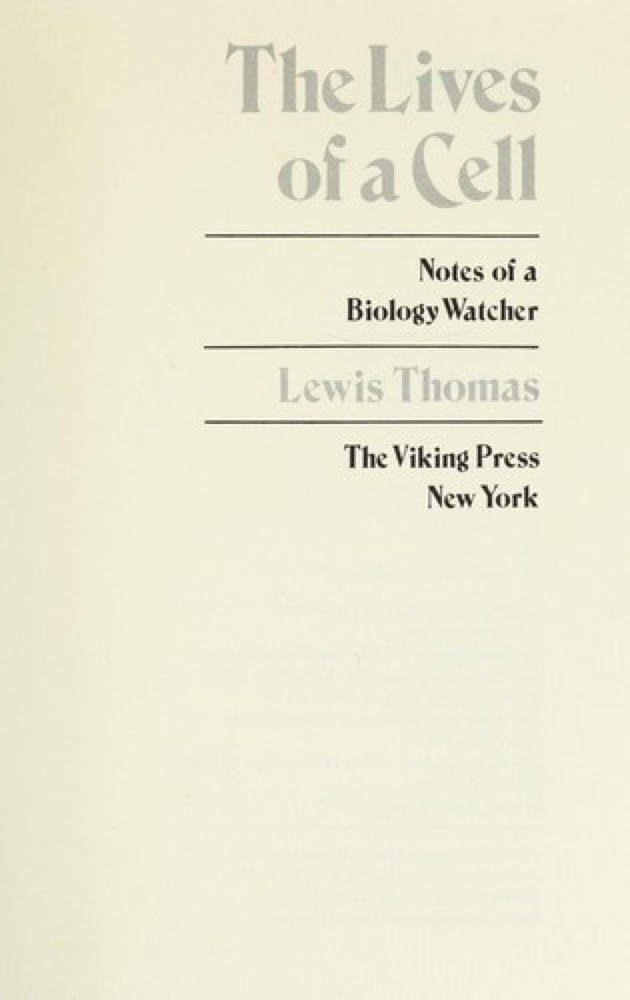 The Lives of a Cell: Notes of a Biology Watcher
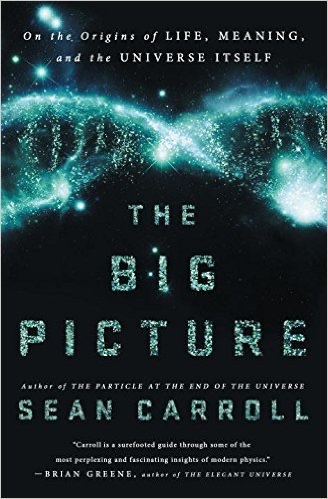 The Big Picture: On the Origins of Life, Meaning, and the Universe Itself
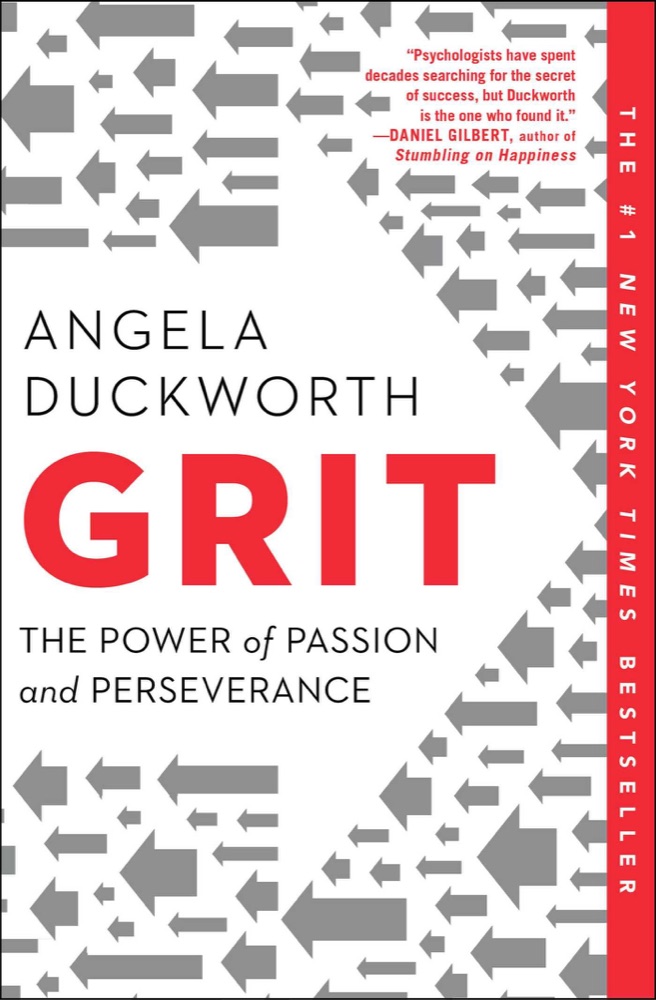 Grit: The Power of Passion and Perseverance
 I, Steve: Steve Jobs In His Own Words
 The Black Swan: The Impact of the Highly Improbable
 From Bacteria to Bach and Back: The Evolution of Minds