
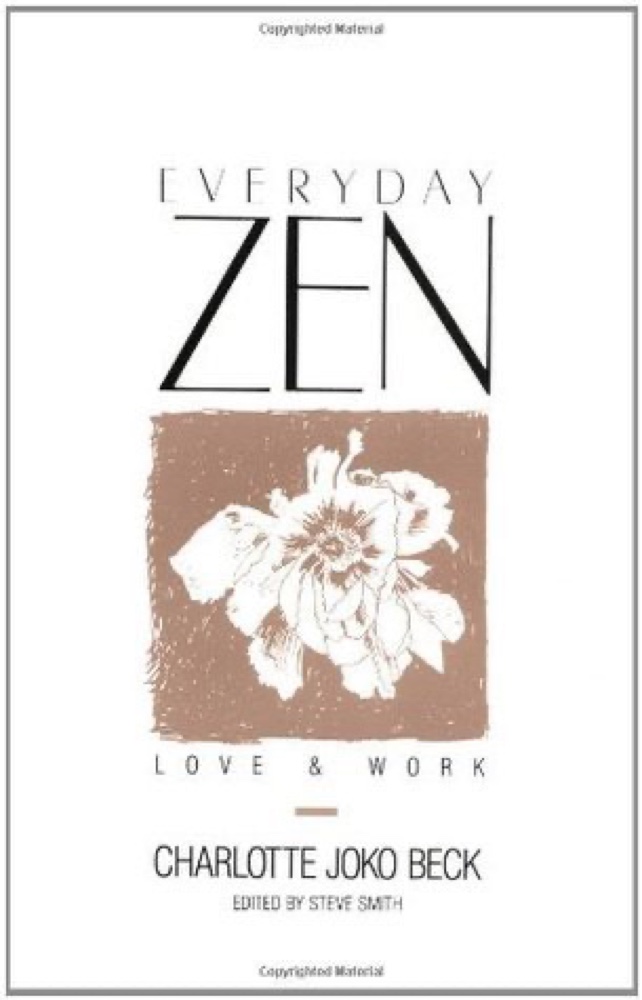
 Everyday Zen: Love & Work
Quotes from the Book
The buddha-dharma does not invite us to dabble in abstract notions. Rather, the task it presents us with is to attend to what we actually experience, right in this moment. You don't have to look "over there." You don't have to figure anything out. You don't have to acquire anything. And you don't have to run off to Tibet, or Japan, or anywhere else. You wake up right here. In fact, you can only wake up right here. So you don't have to do the long search, the frantic chase, the painful quest. You're already right where you need to be.
24
We're never called on to do what hurts. We just do what hurts out of ignorance and habit. Once we see what we're doing, we can stop.
12
We have to realize what we are. The range of what is human is vast, ranging from the saintly to the monstrous. When we speak of other human beings as if they somehow do not belong to our species, we ignore the reality of our very nature.
9
When we latch on to an identity, it is easy to take offense. But we offend ourselves. We lock ourselves into very rigid ways of seeing and thinking and feeling and reacting. It doesn’t have to be this way. The fact is, I’m not anything in particular. Nor are you. Nor is anyone.
8
The Buddha encouraged people to "know for yourselves that certain things are unwholesome and wrong. And when you do, then give them up. And when you know for yourselves that certain things are wholesome and good, then accept them and follow them." The message is always to examine and see for yourself. When you see for yourself what is true-and that's really the only way that you can genuinely know anything-then embrace it. Until then, just suspend judgment and criticism.
8
Buddha is not someone you pray to, or try to get something from. Nor is a buddha someone you bow down to. A buddha is simply a person who is awake—nothing more or less.
7
[I]mpermanence [is] the very thing that makes [life] vibrant, wonderful, and alive.
6
Our problem is that we don’t pay attention to what we actually know. We give our attention to what we think—to what we have ideas or beliefs about—and we discard what we actually see.
6
[W]e have endless opportunities to forget the self – in planting a tree for future generations; in creating a poem, a meal, a vessel of clay;
5
We can only be here. We can't leave. We are always here.
5
[T]here is really nothing 'out there' to get because, already, within this moment, everything is whole and complete.
5
Our ignorance is such that most of us don’t realize we’re thirsty. Or, if we realize we’re thirsty, we look for water in the wrong place. We go into fire looking for cool refreshment. And often we’re confused about what our thirst actually is.
5
Good and bad aren't absolutes. They are beliefs, judgements, ideas based on limited knowledge as well as on the inclinations of our minds.
4
It’s called enlightenment. It’s nothing more or less than seeing things as they are rather than as we wish or believe them to be.
4
Socrates pointed out that we carry on as though death were the greatest of all calamities—yet, for all we know, it might be the greatest of all blessings.
3
If you point out the moon to a cat, she probably won’t look at the sky; she’ll come up and sniff your finger.
3
Each of you be a light unto yourself; betake yourself to no external refuge. Hold fast to the Truth. Look not for refuge to anyone beside yourself.
2
The impossibility of arriving at Truth by giving up your own authority and following the lights of others. Such a path will only lead to an opinion.
2
We move through the world in a narrow groove, preoccupied with the petty things we see and hear, brooding over our prejudices, passing by the joys of life without even knowing that we have missed anything. Never for a moment do we taste the heady wine of freedom. We are as truly imprisoned as if we lay at the bottom of a dungeon, heaped with chains.
2
Rituals, ceremonies, prayers, and special outfits are inevitable, but they do not—they cannot—express the heart of what the Buddha taught. In fact, all too often, such things get in the way. They veil the simple wisdom of the Buddha’s words, and distract us from it.
2
There are two kinds of ignorance: blindness and self-deception. Blindness is ignorance of the basic realities of existence: impermanence, dukha, and selflessness. … Self-deception is our belief that we can know intellectually what things are. 'Oh! That's water,' we say. 'Hydrogen and oxygen.' And then we dismiss the actual experience of the moment. ([I]f you really want to know what water is, just take a drink, or go for a walk in the rain, or take a swim.)
1
[A]ll things arise together … Nothing appears by itself; everything we experience appears in a context and against a backdrop of other things that are dependent on and conditioned by each other.
1
Of course, we can't just drop our notion of self as we would remove a garment. It's a rather compelling illusion. … [However, o]nce it's seen that the 'I' cannot be found the mind is free[.]
1
We can't find any definitive beginning or end to … anything really.
1
The biggest mistake we make in confusing a concept with Reality is in … the separation of self and other.
1
[W]hen you practise right meditation, you 'cease from practice based on intellectual understanding, pursuing words and following speech, and learn the backward step that turns your light inwardly to illuminate your self.
1
Your breath is a unique object to meditation because it resides right at the boundary between inside and outside, between you and the outside world.
1
We may also notice … each feeling … is transitory and impermanent. Eventually, through simple observation, our feelings, while no less vivid, will become less urgent, and will cease to have such a firm hold on our emotions and actions. We will be able to see each feeling as it arises without feeling compelled to act on it.
1
[A] book is not merely a book, it is the sun as well.
1
The only way we can be free in each moment is to become what each moment is.
1
Watch on YouTube
About Steve Hagen
We have collected 30 quotes from 1 book by Steve Hagen on BookQuoters.
More about the author →About the book
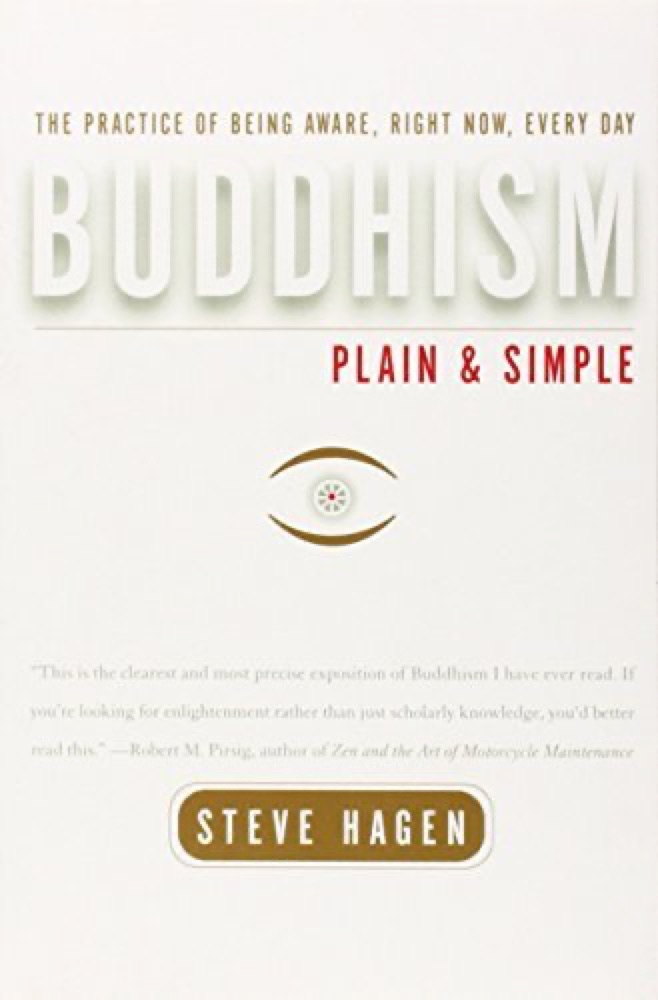
“This is the clearest and most precise exposition of Buddhism I have ever read. If you’re looking for enlightenment rather than just scholarly knowledge, you’d better read this.”—Robert M. Pirsig, author of Zen and the Art of Motorcycle Maintenance
This is a book about awareness. It’s about being “awake” and in touch with what is going on here and now. Practical and down-to-earth, it deals exclusively with the present, not with speculation, theory, or belief in some far off time and place. The teachings of the Buddha are plain and straightforward, and because they remain focused on the moment, they are just as relevant now as they have ever been. Buddhism Plain and The Practice of Being Aware, Right Now, Every Day is the book for anyone wanting to discover, or rediscover, the essence of Buddhism.
Book details
- First published
- 1997
- Author
- Steve Hagen
- Genre
- Nonfiction
- Goodreads rating
- 4.03 (10k ratings)
Keep reading
Everyday Zen: Love & Work
 The Book: On the Taboo Against Knowing Who You Are
 Waking Up: A Guide to Spirituality Without Religion
 The Way of Zen
 The Tibetan Book of Living and Dying
 Awakening the Buddha Within
 The Wisdom of No Escape: How to Love Yourself and Your World
 Freedom from the Known
 The Art Of Living
 Zen and the Art of Saving the Planet
 The Book of Wisdom
 Nothing Special: A Zen Buddhist Guide to Awakening Through Daily Life's Feelings, Relationships, and Work
 Total Freedom: The Essential Krishnamurti
 In Love with the World: A Monk's Journey Through the Bardos of Living and Dying
 The Book of Awakening: Having the Life You Want by Being Present to the Life You Have
 The Power of Now: A Guide to Spiritual Enlightenment
 The Joy of Living: Unlocking the Secret and Science of Happiness
 Hardcore Zen: Punk Rock, Monster Movies and the Truth about Reality
 The Wise Heart: A Guide to the Universal Teachings of Buddhist Psychology
 Loving What Is: Four Questions That Can Change Your Life
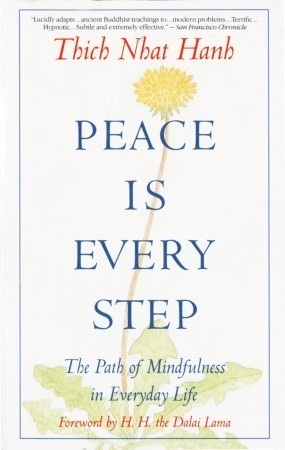 Peace Is Every Step: The Path of Mindfulness in Everyday Life
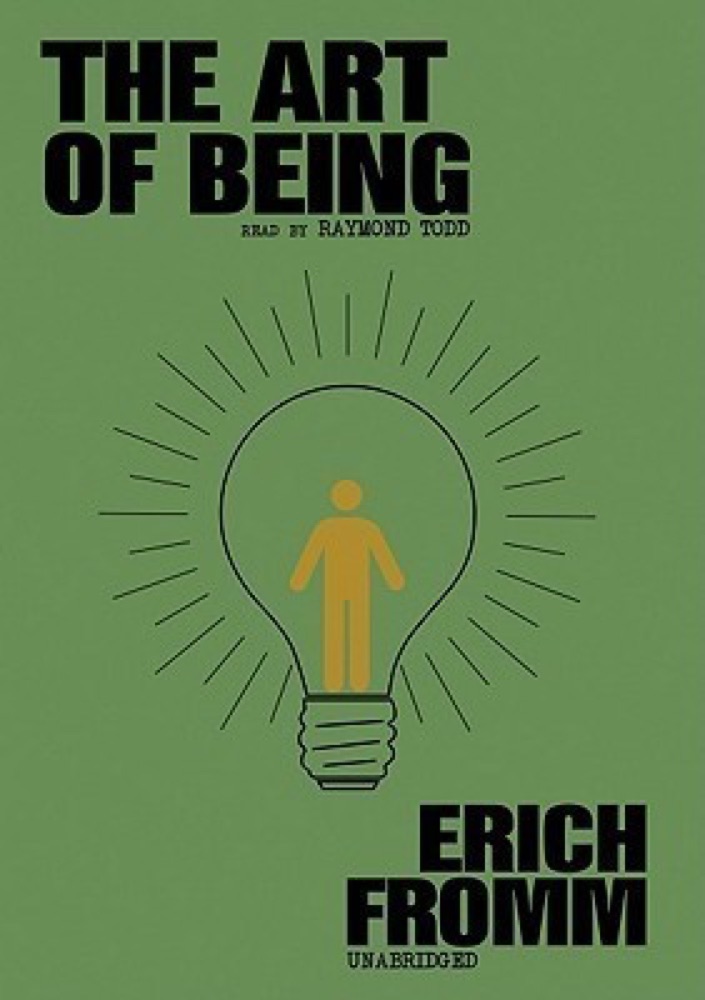 The Art of Being
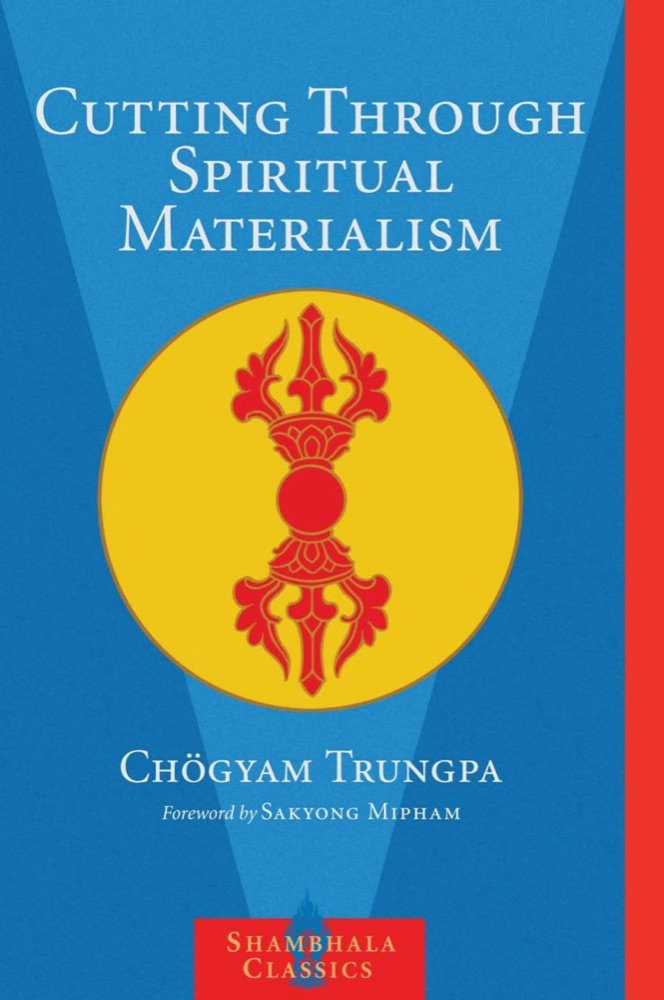 Cutting Through Spiritual Materialism
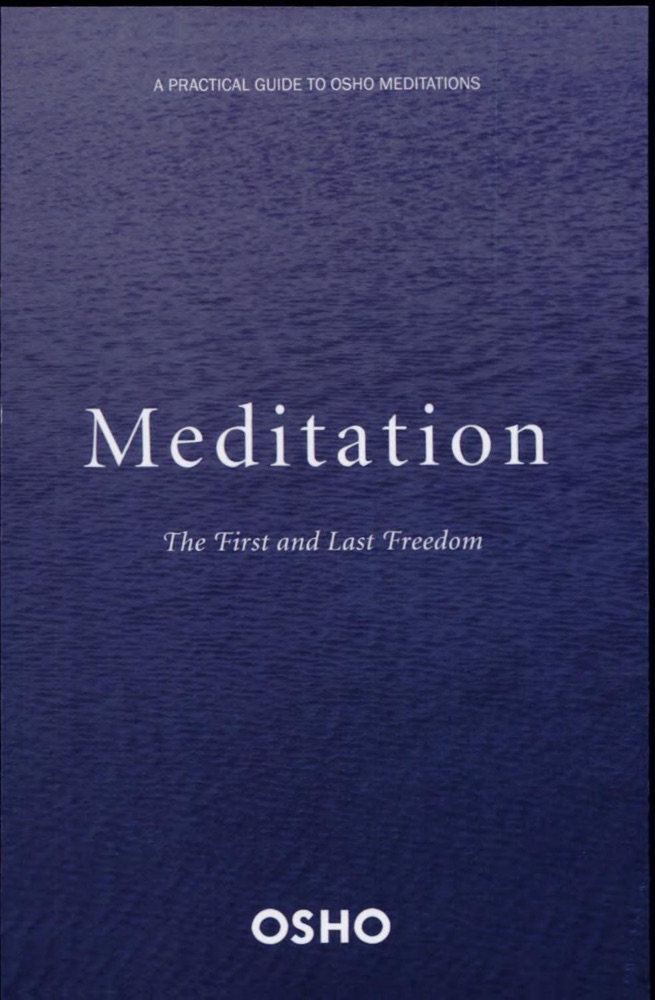 Meditation
 Living Beautifully with Uncertainty and Change
 Zen and the Art of Motorcycle Maintenance
 Against the Stream: A Buddhist Manual for Spiritual Revolutionaries
 Comfortable with Uncertainty: 108 Teachings on Cultivating Fearlessness and Compassion
 What the Buddha Taught
 The Book of Secrets: Unlocking the Hidden Dimensions of Your Life
 Striking Thoughts: Bruce Lee's Wisdom for Daily Living
 Myths to Live By
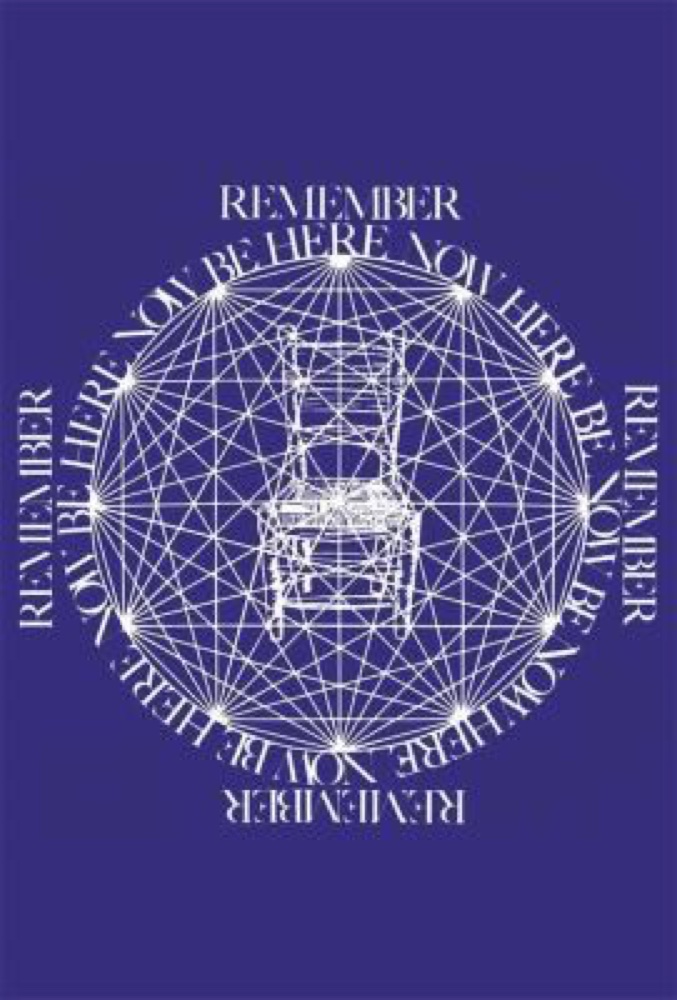 Be Here Now
 The Dalai Lama's Cat and the Power of Meow
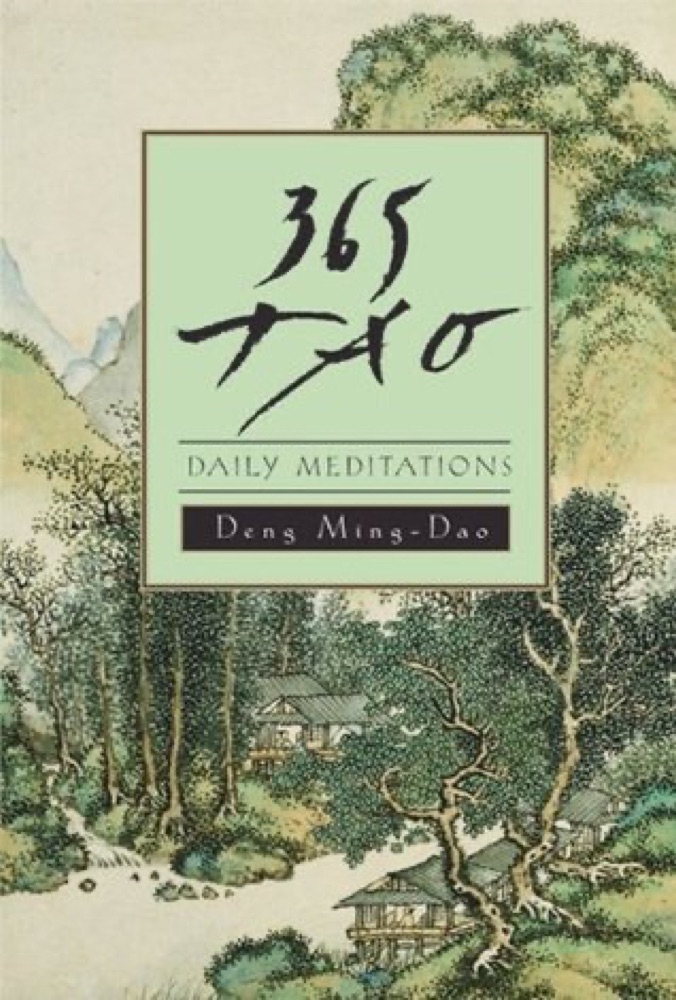 365 Tao: A Study of Taoist Wisdom for Daily Life
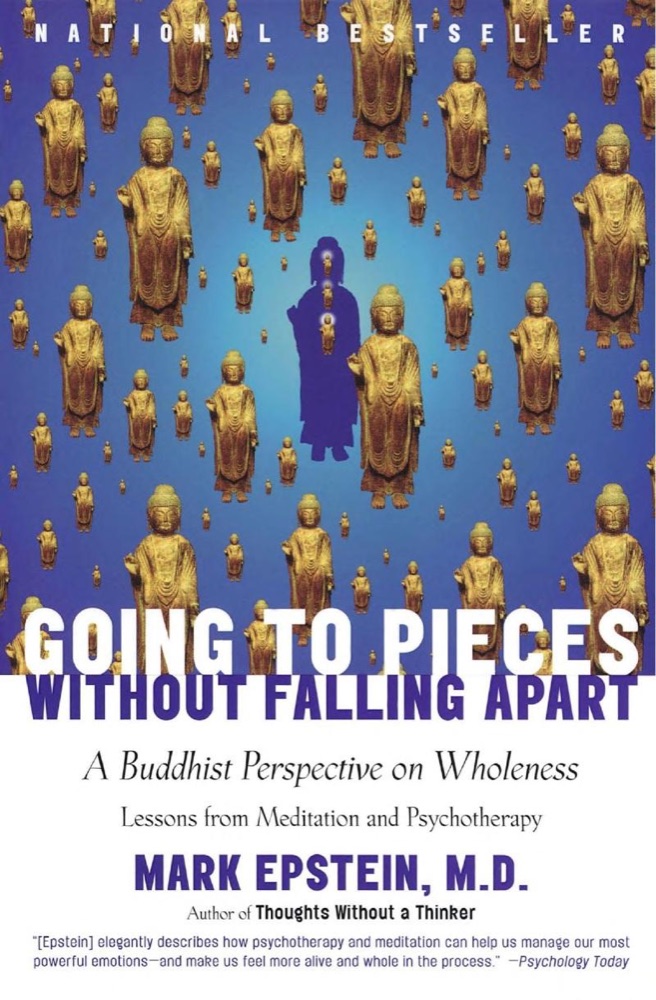 Going to Pieces without Falling Apart: A Buddhist Perspective on Wholeness
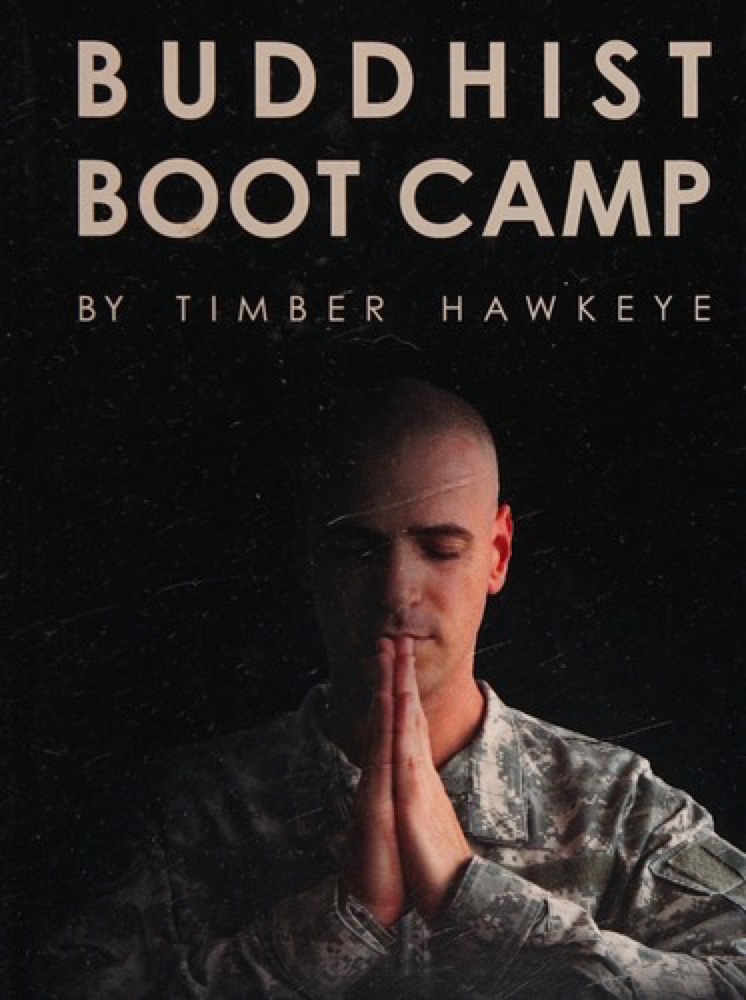 Buddhist Boot Camp
 The Yoga Sutras of Patanjali
 The Upanishads
 How to See Yourself As You Really Are
 The Mustard Seed: The Gnostic Teachings of Jesus The Mystic
 The Yoga Sutras of Pantanjali
 Change Your Thoughts - Change Your Life: Living the Wisdom of the Tao
 True Refuge: Finding Peace and Freedom in Your Own Awakened Heart
 Way of the Peaceful Warrior: A Book That Changes Lives
 A New Earth: Awakening to Your Life's Purpose
 Everything Belongs: The Gift of Contemplative Prayer
 Wherever You Go, There You Are: Mindfulness Meditation in Everyday Life
 Island
 Seth Speaks: The Eternal Validity of the Soul
 Conversations with God: An Uncommon Dialogue, Book 1
 The Intellectual Life: Its Spirit, Conditions, Methods
 Advice Not Given: A Guide to Getting Over Yourself
 Buddhism: A Very Short Introduction
 The Perennial Philosophy
 The Buddha Walks into a Bar . . .: A Guide to Life for a New Generation
 Drive Your Plow Over the Bones of the Dead