
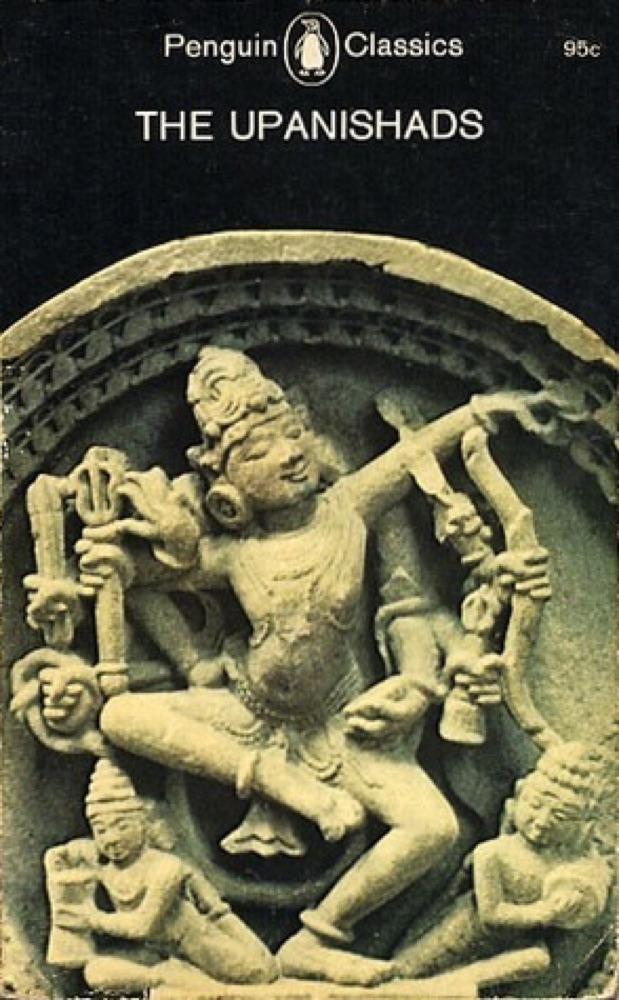
 The Upanishads
Quotes from the Book
When flowing water...meets with obstacles on its path, a blockage in its journey, it pauses. It increases in volume and strength, filling up in front of the obstacle and eventually spilling past it... Do not turn and run, for there is nowhere worthwhile for you to go. Do not attempt to push ahead into the danger... emulate the example of the water: Pause and build up your strength until the obstacle no longer represents a blockage.
When things reach the extreme, they alternate to the opposite.
How can one expect a state of abundance to be everlasting?
5. Fifth Six Regret vanishes. Lose or gain, Stop worrying. Going forward: good fortune. Nothing is unfavorable. Win or lose, stop worrying. To proceed will afford ground for congratulation.
One turns back and submits to fate, changes one's attitude, and finds peace in perseverance.
Clouds rise up to heaven: The image of WAITING. Thus the superior man eats and drinks, is joyous and of good cheer.
Man follows Earth, Earth follows Heaven. Heaven follows the Tao. Yet the Tao follows Nature. Tao produced one. One produced two. Two produced Three. Three produced ten thousand beings. Ten thousand beings carry yin and embrace yang; By blending their energies they achieve harmony. Therefore existence and nonexistence produce each other. Difficulty and ease complement each other. Long and short contrast with each other. High and low rely on each other. Sound and voice harmonize with each other. Front and back follow each other. The Tao fulfills its purpose quietly and makes no claim. When success is achieved, withdrawing. The highest good is like water. Water benefits ten thousand beings, Yet it does not contend. Nothing under Heaven is as soft and yielding as water. Yet in attacking the firm and strong, Nothing is better than water.
The wise man gladly leaves fame to others. He does not seek to have credited to himself things that stand accomplished, but hopes to release active forces; that is, he completes his works in such a manner that they may bear fruit for the future.
7
We cannot lose what really belongs to us. Therefore we need have no anxiety.
3
Unlimited possibilities are not suited to man; if they existed, his life would only dissolve in the boundless. To become strong, a man’s life needs the limitations ordained by duty and voluntarily accepted. The individual attains significance as a free spirit only by surrounding himself with these limitations and by determining for himself what his duty is.
3
If one overshoots the goal, one cannot hit it. If a bird will not come to its nest but flies higher and higher, it eventually falls into the hunter's net. He who in times of extraordinary salience of small things does not know how to call a halt, but restlessly seeks to press on and on, draws upon himself misfortune at the hands of gods and men, because he deviates from the order of nature.
2
One should not try to alter natural law by using force. Recognize the situation. In ancient times when there were serious calamities an emperor often issued a “self-blame decree,” a mea culpa, to calm people’s indignation. Through self-examination and by being central and steadfast, wait for another cycle from Hindrance to Advance.
2
Words have influence only when they are pertinent...
2
Notes of the same key respond to one another; Odors of the same nature merge together. Water flows toward what is wet, Fire rises toward what is dry. Clouds follow dragons; Winds follow tigers.
2
We are no longer supported by the wise counsel and deep insight of the oracle; therefore we no longer find our way through the mazes of fate and the obscurities of our own natures.
2
When three people journey together, Their number decreases by one. When one man journeys alone, He finds a companion.
1
the sage learns how best to develop himself so that his influence may endure. He must make himself strong in every way, by consciously casting out all that is inferior and degrading. Thus he attains that tirelessness which depends upon consciously limiting the fields of his activity.
1
Rather than simply obey political power and implore the spirits to shape your fate in positive ways, the question of wisdom arises, and the empowerment that wisdom offers: act wisely and good things happen, act unwisely and bad things happen.
1
The knowledge makes possible mastery over fate, because fate can be shaped if its laws are known. The reason why we can oppose fate is that reality is always conditioned, and these conditions of time and space limit and determine it. The spirit, however, is not bound by these determinants and can bring them about as its own purposes require.
Genuine modesty sets one to creating order and inspires one to begin by disciplining one's own ego and one's immediate circle. Only through having the courage to marshal one's armies against oneself, will something forceful really be achieved.
In meditation, you can watch thoughts emerge from emptiness and return back to that emptiness. This leads first to the realization that you are separate from those thoughts, which we normally identify with self.
Watch on YouTube
About Anonymous
More by Anonymous
The Upanishads
 The Arabian Nights
 Njal's Saga
 A Woman in Berlin: Eight Weeks in the Conquered City: A Diary
Keep reading
 The Book of Chuang Tzu
 365 Tao: A Study of Taoist Wisdom for Daily Life
 Tao Te Ching
 The Way of Zen
 The Intellectual Life: Its Spirit, Conditions, Methods
 Change Your Thoughts - Change Your Life: Living the Wisdom of the Tao
 The Glass Bead Game
 Outwitting the Devil: The Secret to Freedom and Success
 The Master Key System
 Awakening the Buddha Within
 Tao: The Watercourse Way
 The Yoga Sutras of Patanjali
 Chuang Tzu: Basic Writings
 The Science of Mind
 Sacred Journey of the Peaceful Warrior
 The Dhammapada
 The Oath of the Vayuputras
 The Daily Stoic: 366 Meditations on Wisdom, Perseverance, and the Art of Living
 The Gay Science
 Wings of Fire: An Autobiography
 The Tibetan Book of Living and Dying
 The Art of Living: The Classical Manual on Virtue, Happiness and Effectiveness
 The Book of Secrets
 The Book of Wisdom
 Discourses and Selected Writings
 The Seven Spiritual Laws of Success: A Practical Guide to the Fulfillment of Your Dreams
 Hagakure: The Book of the Samurai
 The Game of Life and How to Play It
 Children of Dune
 The Wisdom of Life
 Myths to Live By
 A Joseph Campbell Companion: Reflections on the Art of Living
 Be Water, My Friend: The Teachings of Bruce Lee
 Striking Thoughts: Bruce Lee's Wisdom for Daily Living
 How to Know Higher Worlds: A Modern Path of Initiation
 A Sudden Light
 Stillness Is the Key
The Upanishads
Stillness Is the Key
The Upanishads
 12 Rules for Life: An Antidote to Chaos
 The Disappearance of the Universe: Straight Talk about Illusions, Past Lives, Religion, Sex, Politics, and the Miracles of Forgiveness
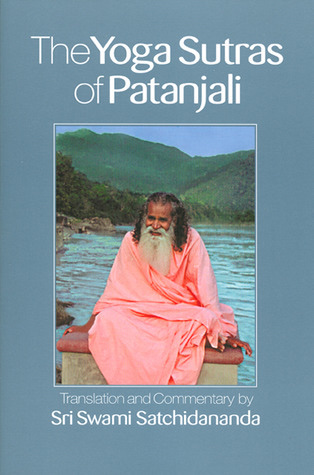 The Yoga Sutras of Pantanjali
 The Unfettered Mind: Writings of the Zen Master to the Sword Master
 The Emperor's Soul
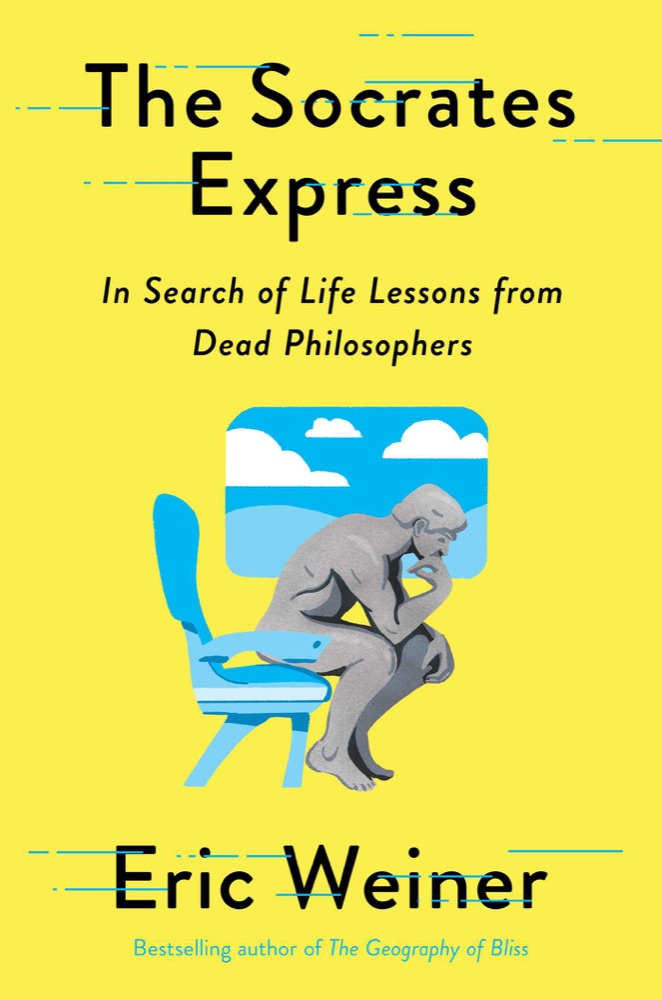 The Socrates Express: In Search of Life Lessons from Dead Philosophers
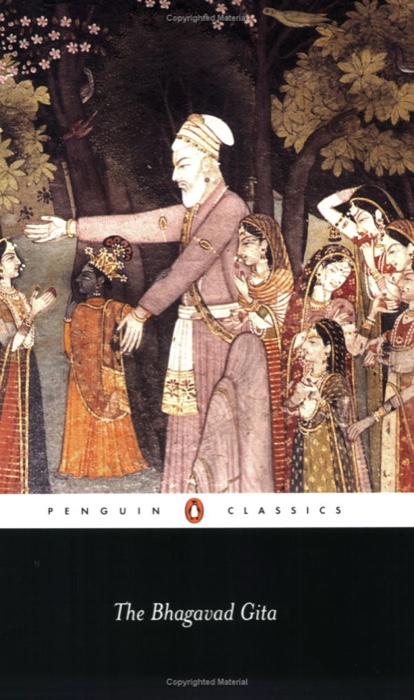 The Bhagavad Gita
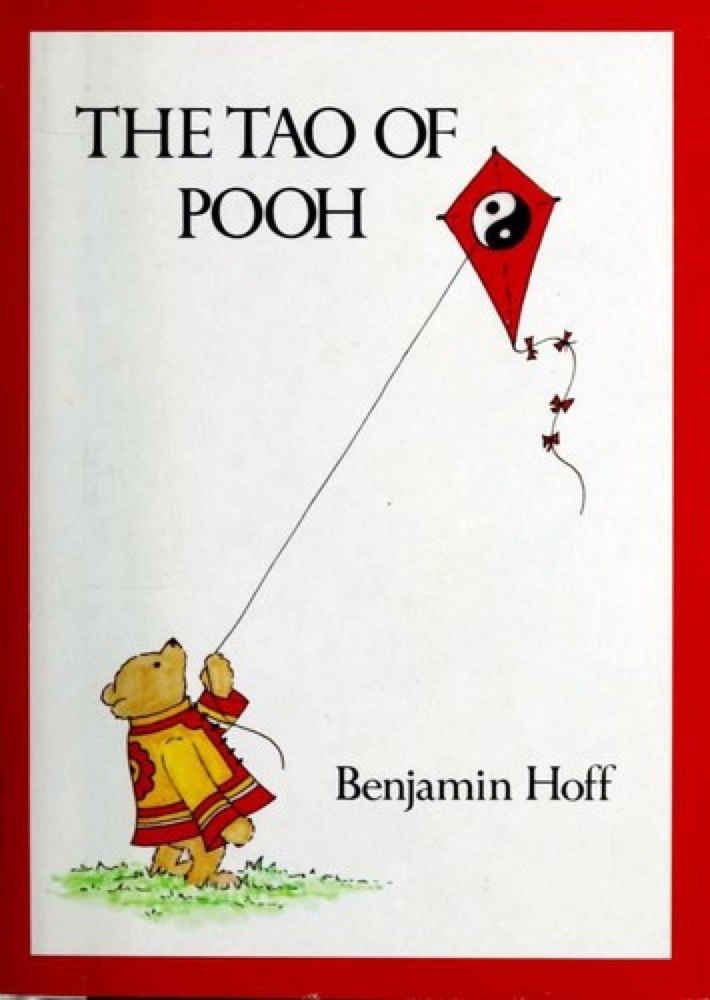 The Tao of Pooh
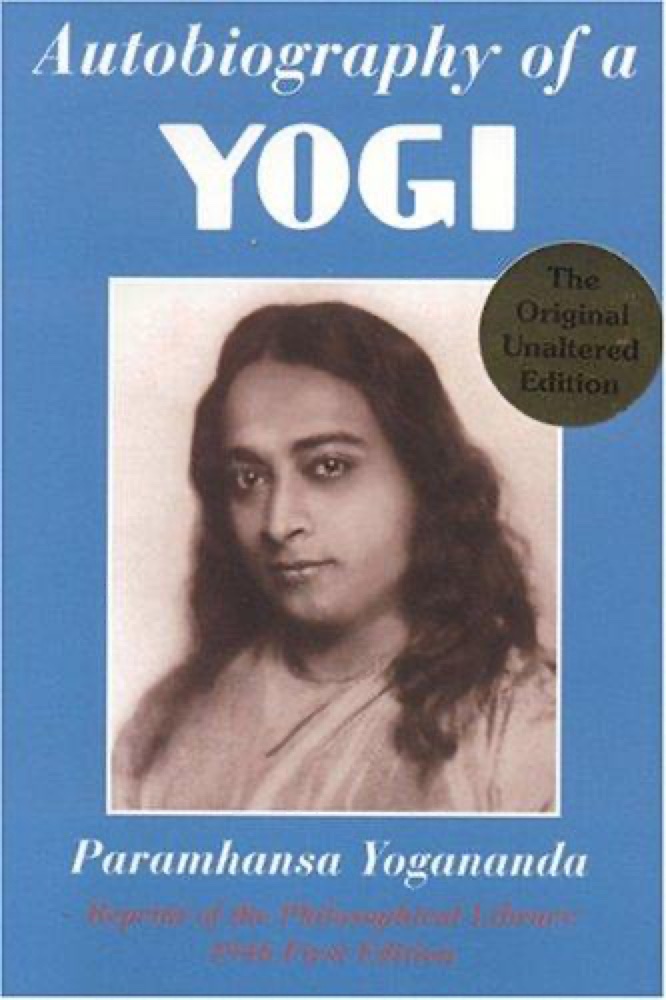 Autobiography of a Yogi
 Twilight of the Idols
 Dune
Dune
 Stoicism and the Art of Happiness
 The Perennial Philosophy
 Living Beautifully with Uncertainty and Change
 Zen and the Art of Saving the Planet
 In Love with the World: A Monk's Journey Through the Bardos of Living and Dying
 The Wise Heart: A Guide to the Universal Teachings of Buddhist Psychology
 Self-Reliance and Other Essays
 Zen and the Art of Motorcycle Maintenance
 Awaken The Giant Within