
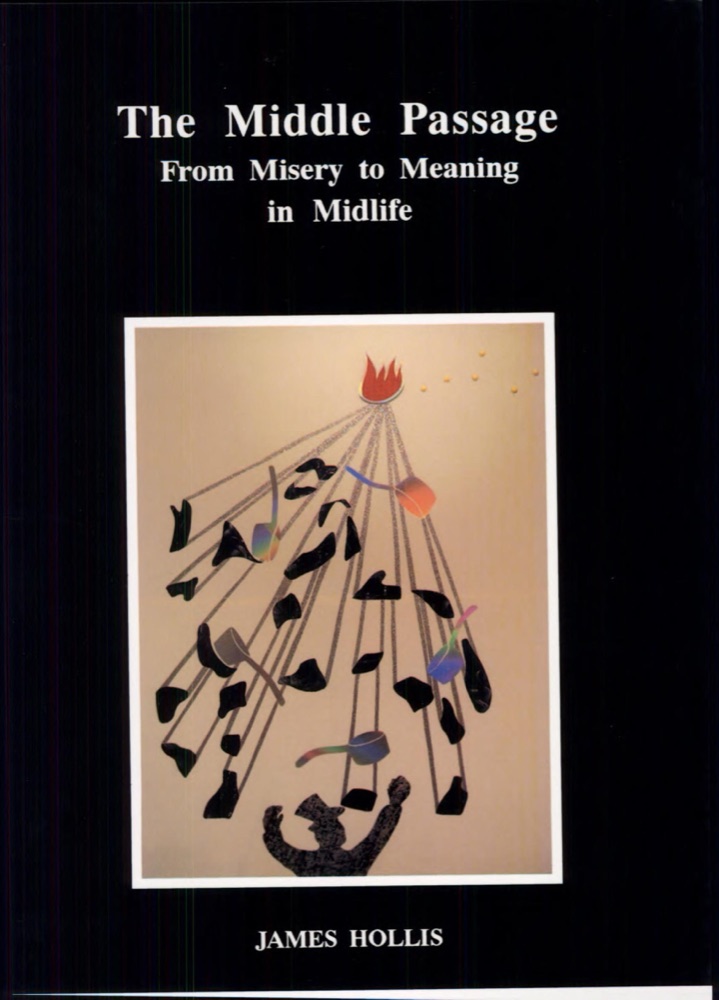
 The Middle Passage: From Misery to Meaning in Midlife
Quotes from the Book
What would happen to our lives, our world, if the parent could unconditionally affirm the child, saying in so many words: “You are precious to us; you will always have our love and support; you are here to be who you are; try never to hurt another, but never stop trying to become yourself as fully as you can; when you fall and fail, you are still loved by us and welcomed to us, but you are also here to leave us, and to go onward toward your own destiny without having to worry about pleasing us.
52
Jung has so eloquently written of this biblical admonition: Acceptance of oneself is the essence of the moral problem and the acid test of one’s whole outlook on life. That I feed the beggar, that I forgive an insult, that I love my enemy in the name of Christ—all these are undoubtedly great virtues. What I do unto the least of my brethren, that I do unto Christ. But what if I should discover that the least amongst them all, the poorest of all beggars, the most impudent of all offenders, yea the very fiend himself—that these are within me, and that I myself stand in need of the alms of my own kindness, that I myself am the enemy who must be loved—what then?
22
That of which we are not aware, owns us.
15
fundamentalism is a form of mental illness that seeks to repress anxiety, ambiguity, and ambivalence. The more mature the personality structure, the greater the capacity of the person, and the culture, to tolerate the anxiety, ambiguity, and ambivalence that are a necessary and unavoidable dimension of our lives.
13
Doubt is unsettling to the ego, and those who are drawn to ideologies that promise the dispelling of doubt by proffering certainties will never grow. In seeking certainty they are courting the death of the soul, whose nature is forever churning possibility, forever seeking the larger, forever riding the melting edge of certainty’s glacier.
11
In the end we will only be transformed when we can recognize and accept the fact that there is a will within each of us, quite outside the range of conscious control, a will which knows what is right for us, which is repeatedly reporting to us via our bodies, emotions, and dreams, and is incessantly encouraging our healing and wholeness.
8
Those who say that they know what kind of art they like, or what kind of god, or what kind of moral structure are saying that they like what kind of art, god, structure they know, that is that which makes them feel more comfortable. Being pried free of spiritual constraint is the gift doubt brings. The suppression of doubt ensures that we are left with a partial truth, a one-sided value, a prejudicial narrowing of the richness that life has to bring.
8
The modern family is one in which the divergent values of our separate souls are supported, valued, encouraged. Diversity is not just tolerated, it is affirmed as the radical gift of relationship. Conflict is mediated with accepting love despite disagreement, and no one carries the assigned burden of becoming something other than what they are.
8
DURING THE COURSE of his long and distinguished career, the Irish poet W. B. Yeats often changed his themes, style, and personal philosophy, sometimes leaving behind the audience he had cultivated. When he was upbraided for this confusing constancy of change, he replied: The friends have it I do wrong Whenever I remake my song Should know what issue is at stake. It is myself that I remake.
7
We think we can congratulate ourselves on having already reached such a pinnacle of clarity, imagining that we have left all these phantasmal gods far behind. But what we have left behind are only verbal specters, not the psychic facts that were responsible for the birth of the gods. We are still as much possessed today by autonomous psychic contents as if they were Olympians. Today they are called phobias, obsessions, and so forth; in a word, neurotic symptoms. The gods have become diseases; Zeus no long rules Olympus but rather the solar plexus, and produces curious specimens for the doctor’s consulting room, or disorders the brains of politicians and journalists who unwittingly let loose psychic epidemics on the world.
6
Today, Marxism and fascism have been replaced by only slightly subtler but no less spiritually seductive ideologies such as materialism, hedonism, and narcissism. This latter triumvirate mobilizes the spirit of most moderns, but in the end betrays them by failing to connect them to what is healing or innately satisfying. Without a “vertical” sense of participation in divinity, humankind is condemned to a sterile, “horizontal” existence, circling its own absurdity and ending in its own annihilation.
6
To be mindful of our fragile fate each day, in a non-morbid acknowledgment, helps us remember what is important in our life and what is not, what matters, really, and what does not.
6
As the child once fantasized that its wishes governed the world, and the youth fantasized that heroism could manage to do it all, so the person in the second half of life is obliged to come to a more sober wisdom based on a humbled sense of personal limitations and the inscrutability of the world.
6
Wouldn’t a woman who paid attention to her dreams, and tried to adopt choices based on their direction and value system, be successful, even if she were departing further and further from the approval of her family?
4
Each morning the twin gremlins of fear and lethargy sit at the foot of our bed and smirk. Fear of further departure, fear of the unknown, fear of the challenge of largeness intimidates us back into our convenient rituals, conventional thinking, and familiar surroundings. To be recurrently intimidated by the task of life is a form of spiritual annihilation. On the other front, lethargy seduces us with sibilant whispers: kick back, chill out, numb out, take it easy for a while . . . sometimes for a long while, sometimes a lifetime, sometimes a spiritual oblivion. (As a friend advised me in Zurich, “When in doubt, administer chocolate.”) Yet the way forward threatens death—at the very least, the death of what has been familiar, the death of whomever we have been.
4
Education derives from the verb educe, which means “to draw forth from within.” The original teaching method of Socrates has been largely displaced by professorial deference to received scholarly authority. By and large, our students are taught how to take exams but not to think, write, or find their own path.
4
Though inland far we be, Our Souls have sight of that immortal sea Which brought us hither.” William Wordsworth,
4
Growing up spiritually means that we are asked to sort through the possibilities for ourselves, find what resonates for us, what is confirmed by our experience not the consensus of others, and be willing to stand for what has proved true for us. For this reason, the twin tasks of finding personal authority and finding a mature spirituality are inextricably linked.
3
(Jung disturbingly observed that what we have ignored or denied inwardly will then more likely come to us as outer fate.) “So, where did this outcome, this event, come from within me?” is a most critical, and potentially liberating, question. To ask it consistently requires a daily discipline, increased personal responsibility, and no little amount of courage. It means that no matter how nervous we may be, we have to step toward center stage in that play we call our life, the only one we get.
3
gurus who will do the simplistic thinking for us and remove us from the suffering that forges larger and larger consciousness. They foster narcissism, naiveté, self-absorption, and indifference to others, promise magic versus the daily work of constructing our lives, and reward us with only superficial engagements with the
3
The transient vacuities of our cultural icons—success, peace, happiness, and distraction—pale before the question of whether or not one experiences this life as meaningful.
3
Walnut Trees of Altenburg: The greatest mystery is not that we have been flung at random between the profusion of the earth and the galaxy of the stars, but that in this prison we can fashion images of ourselves sufficiently powerful to deny our nothingness.
3
Jung once observed that one can travel no further with another than one has traveled on one’s own.
2
The world is more magical, less predictable, more autonomous, less controllable, more varied, less simple, more infinite, less knowable, more wonderfully troubling than we could have imagined being able to tolerate when we were young.
2
We all live with expensive ghosts in memory’s unmade bed, for what we do not remember remembers us nonetheless
2
As we have so often seen, the task of ego consciousness in the second half of life is to step out of the way and embrace a larger spiritual agenda. Contrary to the fantasy of the youthful ego, this larger life will quite often be found in the savannahs of suffering—not on the lofty peaks of New Age transcendence, or in fundamentalism’s fearful flight from complexity, but down in what Yeats called “the fury and mire of human veins.” Only in this way do we grow, and do we find, amid suffering and defeat, the possibility of meaning so rich we can scarcely bear it. For this embrace of suffering, this acceptance of paradox, we deserve to be valued. As Jung put it so aptly, “This apparently unendurable conflict is proof of the rightness of your life. A life without inner contradiction is only half a life, or else a life in the Beyond which is destined only for angels. But God loves human beings more than the angels.
2
In other words to break an addiction we have to be able to face the unfaceable, think the unthinkable, bear the unbearable... The only way to go through them again is to go through them, to go down in that anxiety state and to feel what we really feel, is to go through and to break the tyranny of the addiction
2
third choice was to strike off toward some new projection—a new job, a better (different) relationship, a seductive ideology, or sometimes to drift into some unconscious “self-treatment plan” such as an addiction or an affair.
2
There is some debate in professional circles about whether the so-called “midlife crisis” exists.
2
Watch on YouTube
About James Hollis
We have collected 42 quotes from 2 books by James Hollis on BookQuoters.
More about the author →More by James Hollis
The Middle Passage: From Misery to Meaning in Midlife
About the book
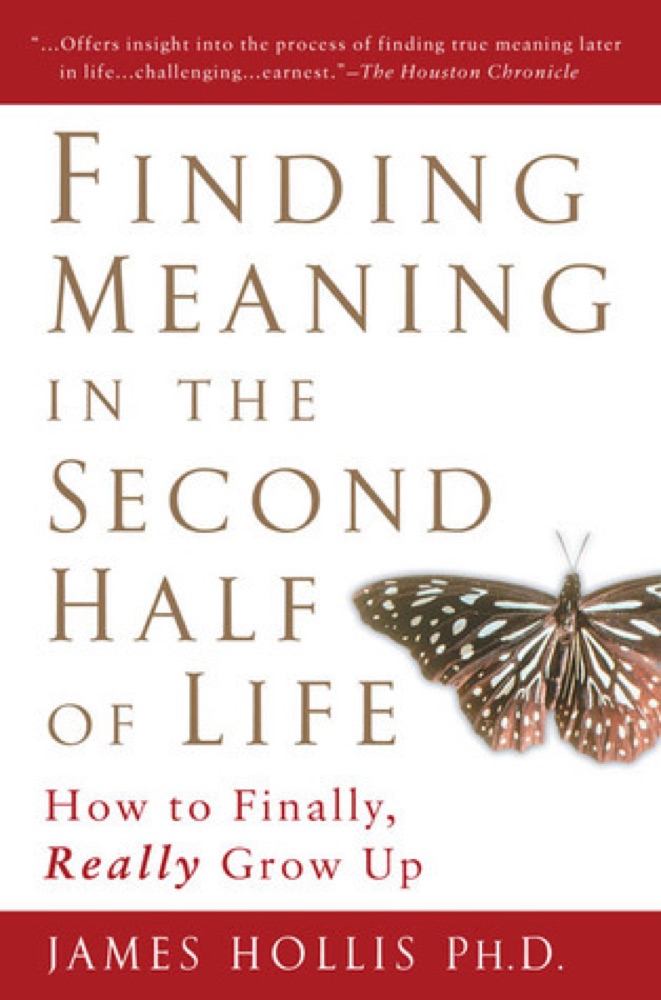
What does it really mean to be a grown up in today’s world? We assume that once we “get it together” with the right job, marry the right person, have children, and buy a home, all is settled and well. But adulthood presents varying levels of growth, and is rarely the respite of stability we expected. Turbulent emotional shifts can take place anywhere between the age of thirty-five and seventy when we question the choices we’ve made, realize our limitations, and feel stuck— commonly known as the “midlife crisis.” Jungian psycho-analyst James Hollis believes it is only in the second half of life that we can truly come to know who we are and thus create a life that has meaning. In Finding Meaning in the Second Half of Life , Hollis explores the ways we can grow and evolve to fully become ourselves when the traditional roles of adulthood aren’t quite working for us, revealing a new way of un
Book details
- First published
- 2005
- Author
- James Hollis
- Genre
- Nonfiction
- Goodreads rating
- 4.16 (3k ratings)
Keep reading
 Myths to Live By
 Maps of Meaning: The Architecture of Belief
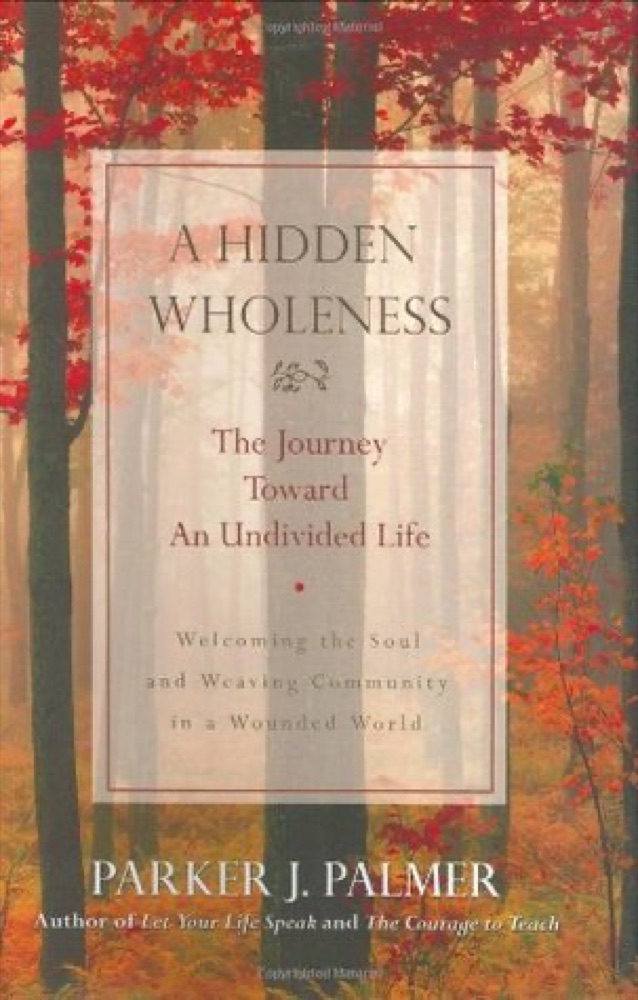 A Hidden Wholeness: The Journey Toward an Undivided Life : Welcoming the soul and weaving community in a wounded world
The Middle Passage: From Misery to Meaning in Midlife
A Hidden Wholeness: The Journey Toward an Undivided Life : Welcoming the soul and weaving community in a wounded world
The Middle Passage: From Misery to Meaning in Midlife
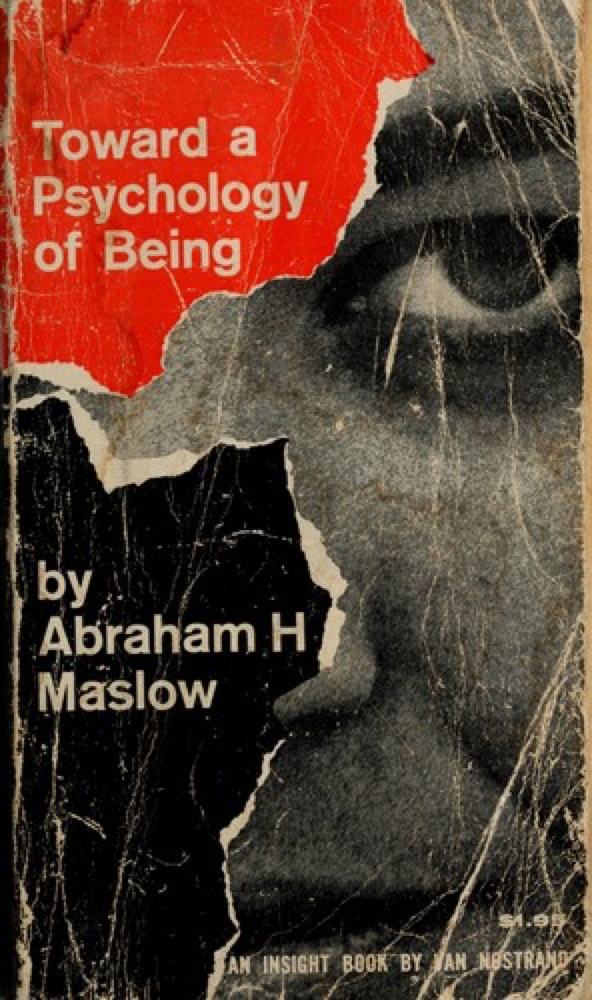 Toward a Psychology of Being
 The Wisdom of Insecurity: A Message for an Age of Anxiety
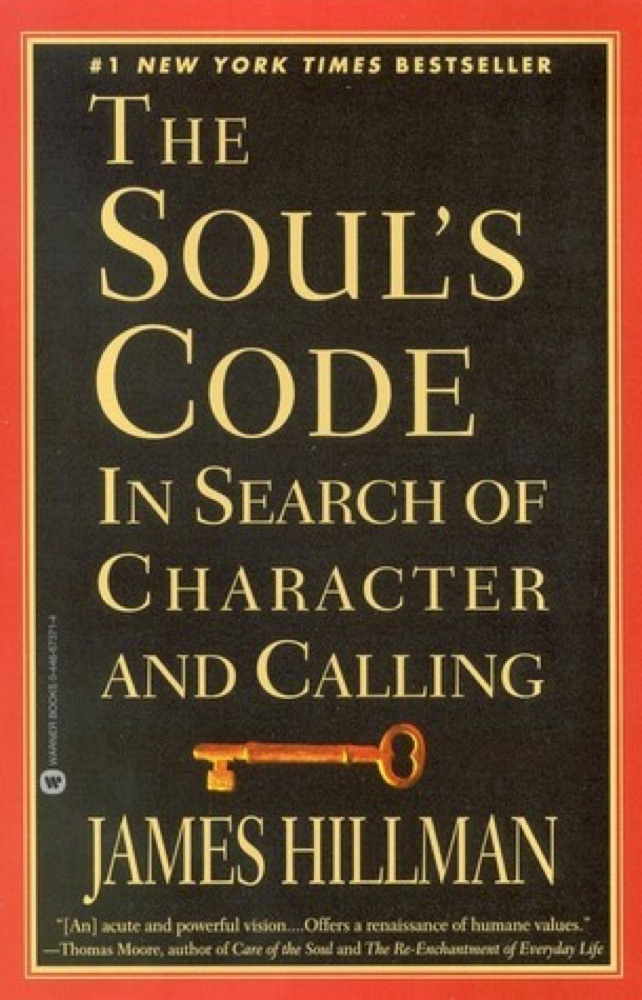 The Soul's Code: In Search of Character and Calling
 When Nietzsche Wept
 In Love with the World: A Monk's Journey Through the Bardos of Living and Dying
 The Book: On the Taboo Against Knowing Who You Are
 Many Lives, Many Masters: The True Story of a Prominent Psychiatrist, His Young Patient, and the Past Life Therapy That Changed Both Their Lives
 The Varieties of Religious Experience
 Passages: Predictable Crises of Adult Life
 A Circle of Quiet
 Like Streams to the Ocean: Notes on Ego, Love, and the Things That Make Us Who We Are
 Love and Will
 Advice Not Given: A Guide to Getting Over Yourself
 Let Your Life Speak: Listening for the Voice of Vocation
 The Book of Awakening: Having the Life You Want by Being Present to the Life You Have
 Kitchen Table Wisdom: Stories that Heal
 The Consolations of Philosophy
 Existential Psychotherapy
 Figuring
 The Wise Heart: A Guide to the Universal Teachings of Buddhist Psychology
 Modern Man in Search of a Soul
 The Doors of Perception
 If You Meet the Buddha on the Road, Kill Him! The Pilgrimage of Psychotherapy Patients
 Memories, Dreams, Reflections
 Man and His Symbols
 Love's Executioner and Other Tales of Psychotherapy
 The God Who Weeps: How Mormonism Makes Sense of Life
 Waking Up: A Guide to Spirituality Without Religion
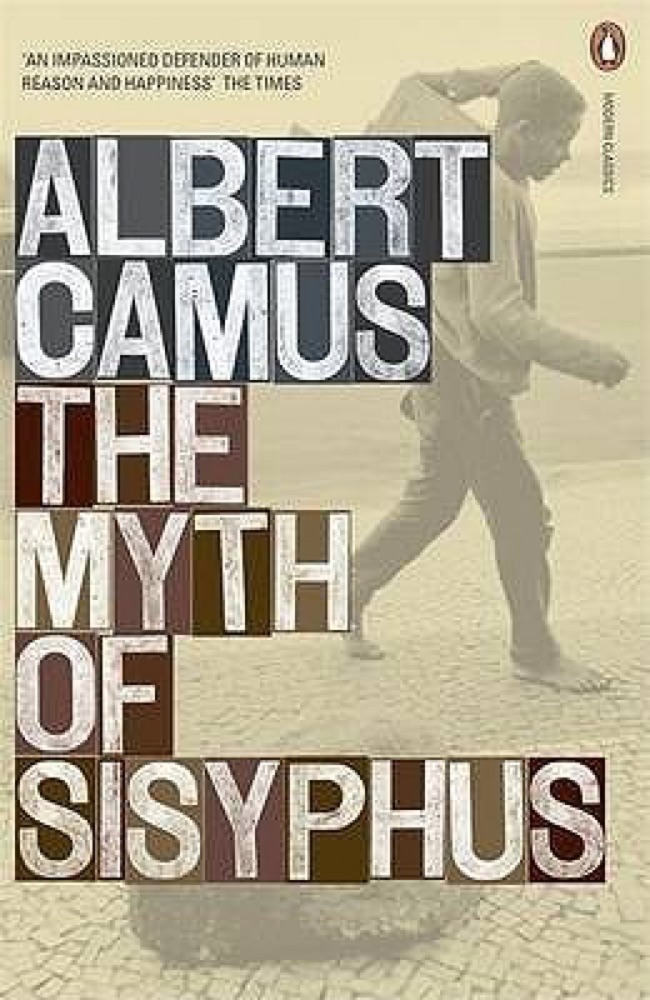 The Myth of Sisyphus
 The Second Mountain
 Man's Search for Himself
 A Joseph Campbell Companion: Reflections on the Art of Living
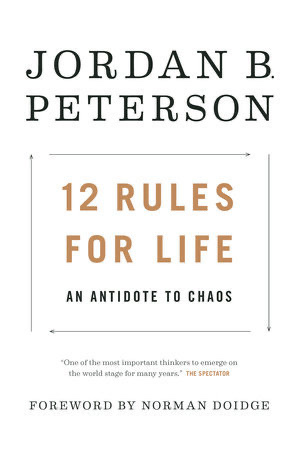 12 Rules for Life: An Antidote to Chaos
 In Search of Lost Time
 Status Anxiety
 Letting Go of the Person You Used to Be: Lessons on Change, Loss, and Spiritual Transformation
 The Doors of Perception & Heaven and Hell
 Asymmetry
 The Social Animal: The Hidden Sources of Love, Character, and Achievement
 The Art of Being
 Untimely Meditations
 The Perennial Philosophy
 The Power of Myth
 Belonging: Remembering Ourselves Home
 Cutting Through Spiritual Materialism
 The Tenth Insight: Holding the Vision
 Surrender: 40 Songs, One Story
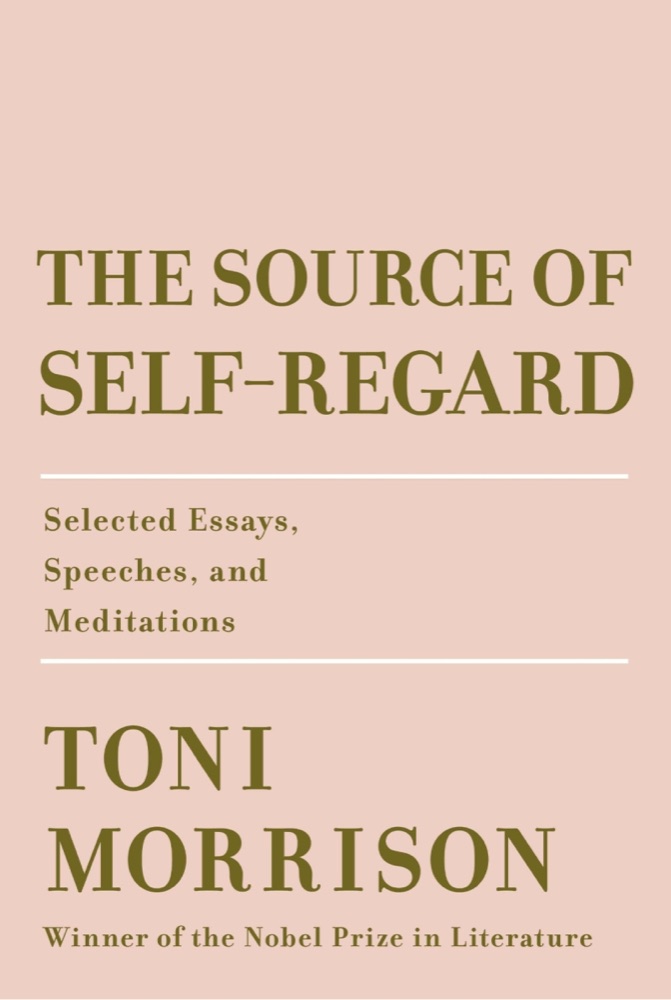 The Source of Self-Regard: Selected Essays, Speeches, and Meditations
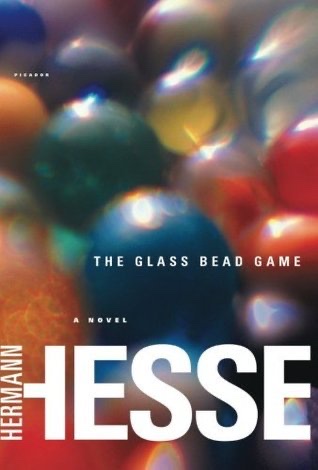 The Glass Bead Game
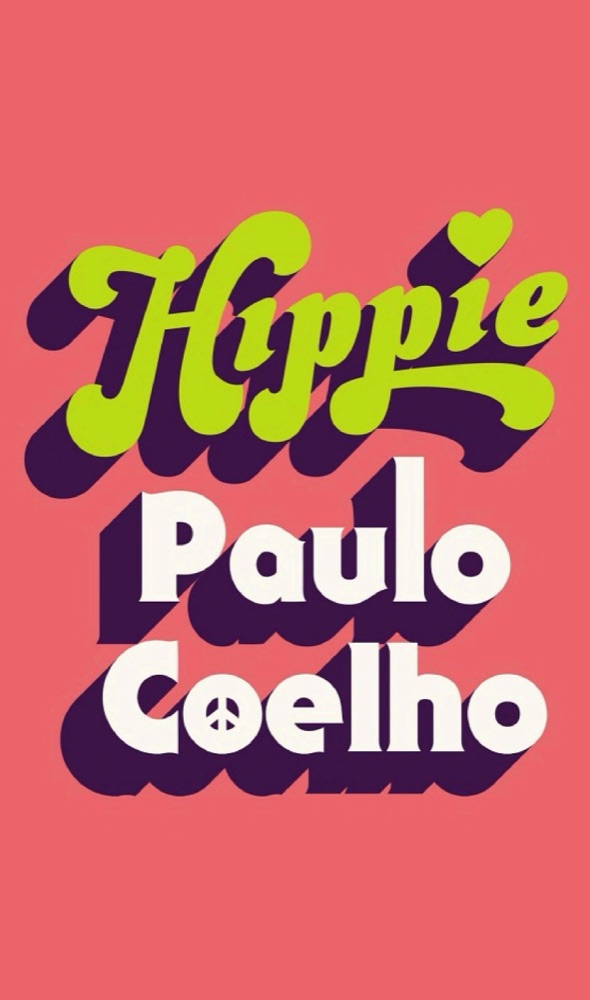 Hippie
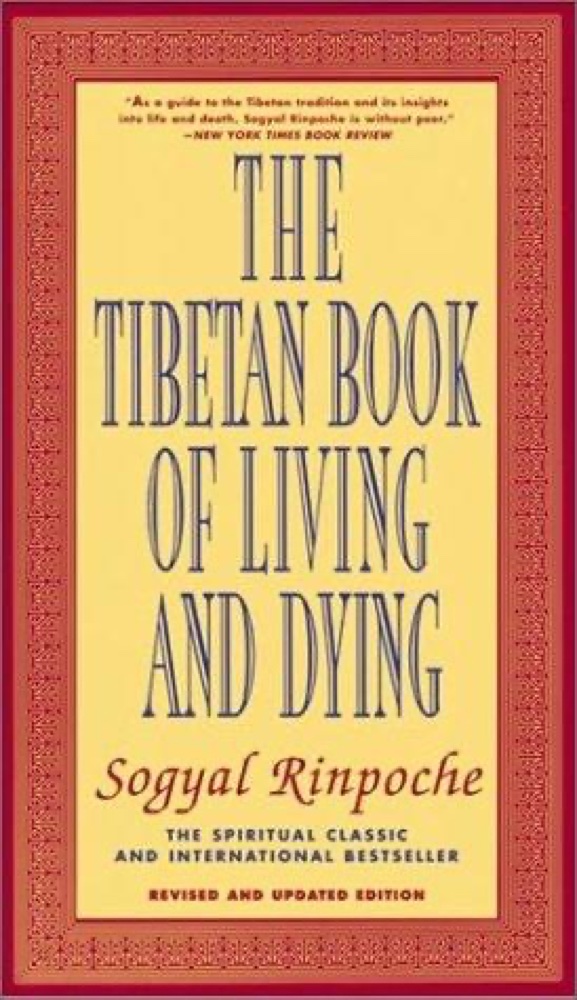 The Tibetan Book of Living and Dying
 When Things Fall Apart: Heart Advice for Difficult Times
 The Convoluted Universe, Book 1
 The Gay Science