
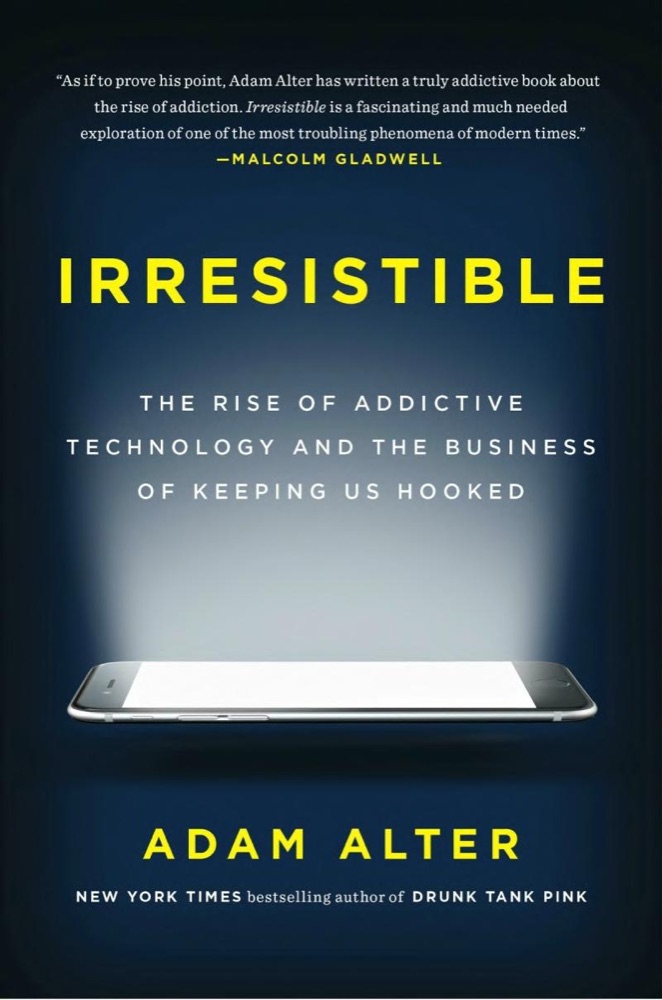
 Irresistible: The Rise of Addictive Technology and the Business of Keeping Us Hooked
Quotes from the Book
humans hate uncertainty so much that we’d rather experience punishment.
6
And this affects us. Consider, immediately after the 2013 Boston Marathon bombings, researchers from the University of California, Irvine, investigated two groups. The first group was made up of people who watched six or more hours of televised bombing coverage. The second group was people who actually ran in the 2013 Boston Marathon. The finding: The first group, the bombing news bingers, were more likely to develop PTSD and other mental health issues. That’s worth restating: people who binge-watched bombing news on TV from the comfort of home had more psychological trauma than people who were actually bombed.
4
Do you want to be right or happy?
4
There are now more self-storage facilities in the United States than McDonald’s, Burger Kings, Starbucks, and Walmarts—combined.
3
As the Las Vegas strip came into sight through my car's windshield, I remembered the words that unnamed monk wrote in the 19th century. You risk so much by hesitating to fling yourself into the abyss.
2
Embrace short-term discomfort to find a long-term benefit.
2
The behaviors we do in rapid succession—from gambling to overeating to overbuying to binge-watching to binge drinking and so much more—are powered by a “scarcity loop.” It has three parts. Opportunity—> Unpredictable Rewards—> Quick Repeatability
2
The worst habits are things we can do over and over and over in rapid succession—eventually to our detriment. These behaviors are often fun and rewarding in the short term but backfire in the long run.
2
Addiction is not a choice. Instead, it’s a summation of repeated choices that make a different choice harder to make for environmental, biological, and historical reasons. It’s deep learning.
1
The hundreds of sober people I’ve spoken to all say that alcohol or drugs initially served a valuable purpose for them, too. It allowed them to feel and behave like the people they wanted to be. Or it killed boredom or helped them work harder. Or it numbed their anxiety and lowered their inhibitions. Or it allowed them to escape from some restless passenger inside them they couldn’t quite understand. And then the phrase is always “It worked until it didn’t.
1
So far, there isn’t a miracle cure like a pill or procedure for addiction. Recovery takes effort. But fully accepting the brain disease model can, for some, kill motivation to put in the necessary hard work. For example, scientists at the University of New Mexico analyzed alcoholics in recovery for more than a year. The top reason for relapse was believing addiction is a disease. The relapsers said they didn’t see the point in struggling against a disease without a medical cure. This viewpoint can also lead would-be lifelines to give up hope. Other research found that the more a drug user’s family members believe addiction is an insurmountable disease, the more likely they are to distance themselves from the user.
1
There's a thin line between post-traumatic stress and post-traumatic growth.
1
There's a difference between loneliness and solitude, and they're often conflated," said Bishop. "Solitude is purposeful and intentional." The famed English psychologist Anthony Storr wrote of solitude, "Some of the most profound and healing psychological experiences which individuals encounter take place internally and they're only distantly related, if at all, to interaction with other human beings.
1
Make everyday decisions within 60 seconds. After that, analyzing more and more information only wastes time and doesn't steer us into significantly better outcomes.
1
As you increase your status by letting people know you’re great, you simultaneously decrease it by letting people know you’re great. And that makes you look like a jerk. The much harder but more effective way is to actually go out into the world and do great things. And then status arises naturally.
1
If we wait until we’re twenty-one to drink, our odds of developing an alcohol addiction are 9 percent. But if we start drinking at fourteen or younger, the odds of addiction become 50 percent. A coin flip. These same figures hold for most drugs and maladaptive behaviors.
1
Because here’s the more important thing: expressing that we care, ironically, is the worst thing we can do for our status.
1
In the human brain less equals bad, worse, unproductive. More equals good, better, productive. Our scarcity brain defaults to more and rarely considers less. And when we do consider less, we often think it sucks.
1
A scarcity cue is a piece of information that fires on what researchers call our scarcity mindset. It leads us to believe we don’t have enough. We then instinctually fixate on attaining or doing that one thing we think will solve our problem and make us feel whole.
1
It’s nice to hear that exploring Amazon for the best deal on, say, a coffeemaker is similar to our ancestors exploring the African savanna. But it’s also kind of depressing.
1
What was an unexpected pleasure yesterday is what we feel entitled to today, and what won't be enough tomorrow.
In almost every act of our daily lives…we are dominated by the relatively small number of persons…who understand the mental processes and social patterns of the masses….We are governed
The data shows just over 2 percent of the world’s population is addicted to drugs or alcohol. A study in the Journal of Psychiatric Research suggests the percentage of people addicted to technology is now roughly the same.
Research suggests that many people start “learning” addiction in their teens. From the time we hit puberty until we’re about twenty-five, our brain undergoes a massive renovation. During this time, we’re learning how we cope with problems and find comfort. Consider: If we wait until we’re twenty-one to drink, our odds of developing an alcohol addiction are 9 percent. But if we start drinking at fourteen or younger, the odds of addiction become 50 percent. A coin flip. These same figures hold for most drugs and maladaptive behaviors.
Each time we off-load our quest and remove effortful exploration, we quit the journey.
The DSM-5 explains that people from age eighteen to twenty-nine have the highest substance use rates. The data shows “use disorder among adults decreases in middle age, being greatest among individuals 18- to 29-years-old (16.2%) and lowest among individuals age 65 and older (1.5%).
Addiction, in other words, is a learned behavior that once worked well but begins to backfire. Using a drug or drinking still relieves discomfort, provides stimulation, and solves problems in the short term. But it starts creating long-term problems. The more often we repeat it, the deeper we learn it, the harder it is to break. Meanwhile, the problems pile up.
But research on regular people struggling with substance abuse suggests a much brighter outlook. Satel pointed me to one study that surveyed roughly twenty thousand people. It found that 75 percent who reported struggling with drugs before age twenty-four no longer used drugs by age thirty-seven. Another extensive survey found that over ten years 86 percent of people struggling with an addiction got clean. Satel began firing off counterexamples from the people she’d worked with. People who stopped because they finally got tired of being homeless. Or because they got fired from a job or got a DUI. Or because their drinking caused them to miss their kid’s soccer game. Or because they had a child or a new job opportunity. Or because, as the psychologist William James wrote, they’d had a “vital spiritual experience” that kicked them out of the cycle of addiction.
The crucial question is not whether brain changes take place. They do. “The real question,” said Satel, “is whether those brain changes obliterate the capacity to make decisions. The answer to that question is no. Choice might be constrained. But people are capable of breaking through the neurochemical storm and changing their behavior. It’s possible to change. Everything is possible.” No science has ever been able to document specific changes in the brain that occur because of drug use and lead to addiction.
Watch on YouTube
About Michael Easter
We have collected 29 quotes from 1 book by Michael Easter on BookQuoters.
More about the author →About the book
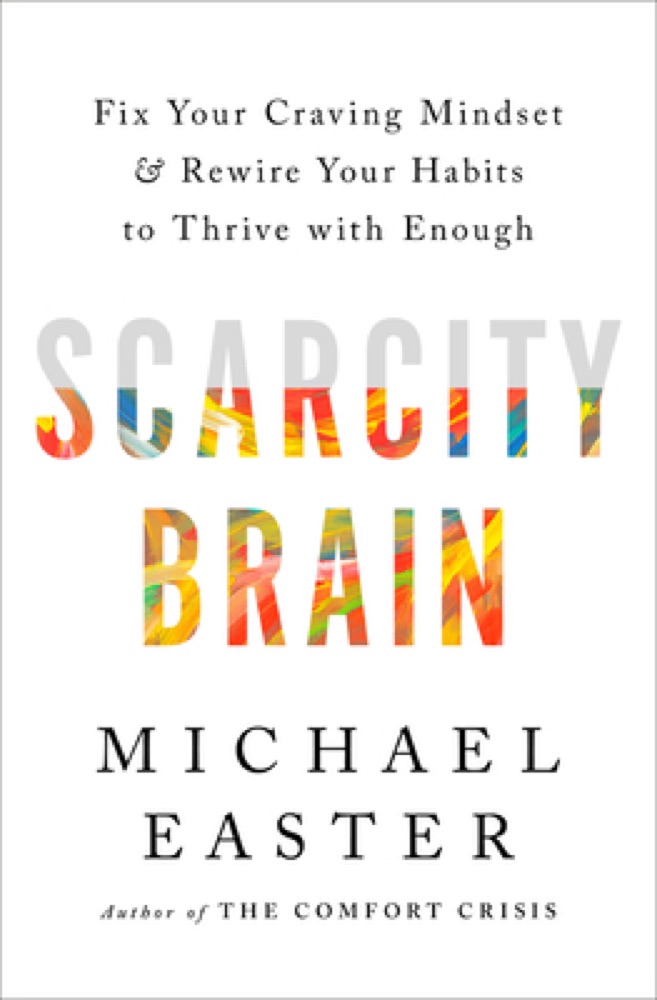
NEW YORK TIMES BESTSELLER • “Reveals the biological and evolutionary foundations behind your brain’s fixations, so you can stop seeking and start living.”—Melissa Urban, Whole30 CEO and New York Times bestselling author of The Book of Boundaries
“Michael Easter’s genius is that he puts data around the edges of what we intuitively believe. His work has inspired many to change their lives for the better.”—Dr. Peter Attia, #1 New York Times bestselling author of Outlive
Are we hardwired to crave more? From food and stuff to information and influence, why can’t we ever get enough?
Michael Easter, author of The Comfort Crisis and one of the world’s leading experts on behavior change, shows that the problem isn’t you. The problem is your scarcity mindset, left over from our ancient ancestors. They had to constantly seek and consume to survive because vital survival tools like food, m
Book details
- First published
- 2023
- Author
- Michael Easter
- Genre
- Nonfiction
- Goodreads rating
- 3.92 (9k ratings)
Keep reading
Irresistible: The Rise of Addictive Technology and the Business of Keeping Us Hooked
 Dopamine Nation: Finding Balance in the Age of Indulgence
 In the Realm of Hungry Ghosts: Close Encounters with Addiction
 The Unexpected Joy of Being Sober
 Quit Like a Woman: The Radical Choice to Not Drink in a Culture Obsessed with Alcohol
 Antifragile: Things That Gain from Disorder
 Unfuck Your Brain: Using Science to Get Over Anxiety, Depression, Anger, Freak-Outs, and Triggers
 Good Reasons for Bad Feelings: Insights from the Frontier of Evolutionary Psychiatry
 You Are Not So Smart
 The Willpower Instinct: How Self-Control Works, Why It Matters, and What You Can Do to Get More of It
 Notes on a Nervous Planet
 Barking Up the Wrong Tree: The Surprising Science Behind Why Everything You Know About Success Is (Mostly) Wrong
 The Organized Mind: Thinking Straight in the Age of Information Overload
 The Bullet Journal Method: Track Your Past, Order Your Present, Plan Your Future
 The Age of Magical Overthinking: Notes on Modern Irrationality
 Social: Why Our Brains Are Wired to Connect
 First, We Make the Beast Beautiful: A New Story About Anxiety
 Burnout: The Secret to Unlocking the Stress Cycle
 Overwhelmed: Work, Love, and Play When No One Has the Time
 The Social Animal: The Hidden Sources of Love, Character, and Achievement
 Stolen Focus: Why You Can't Pay Attention— and How to Think Deeply Again
 Finding Flow: The Psychology of Engagement with Everyday Life
 Player One: What Is to Become of Us
 How We Decide
 Everything Is F*cked: A Book About Hope
 Better Than Before: Mastering the Habits of Our Everyday Lives
 The Art of Impossible: A Peak Performance Primer
 The Art of Thinking Clearly
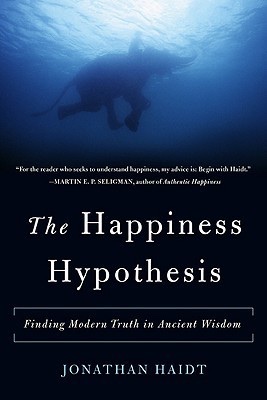 The Happiness Hypothesis: Finding Modern Truth in Ancient Wisdom
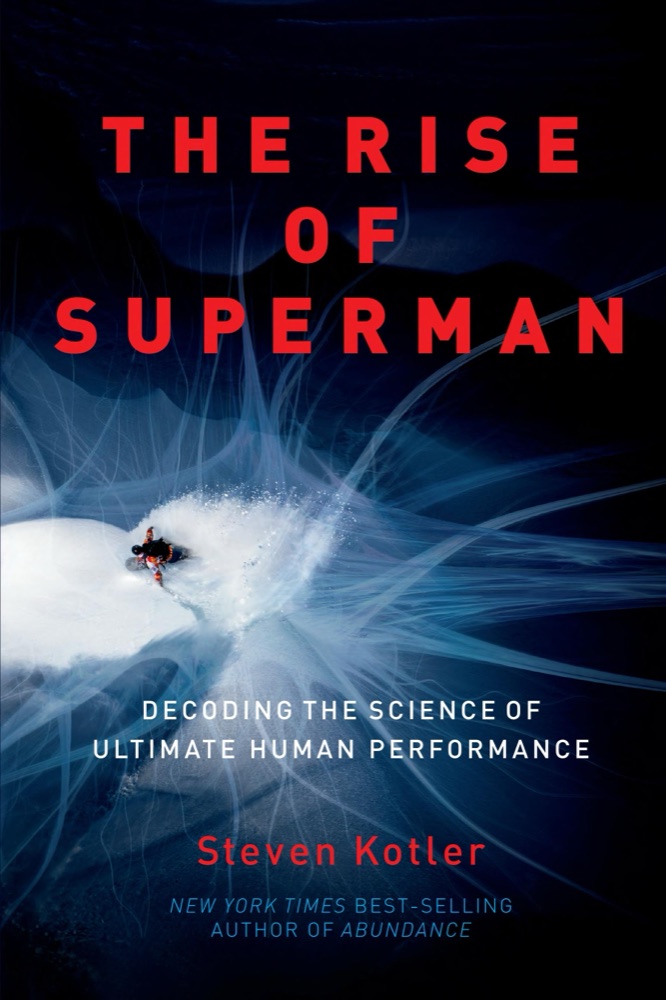 The Rise of Superman: Decoding the Science of Ultimate Human Performance
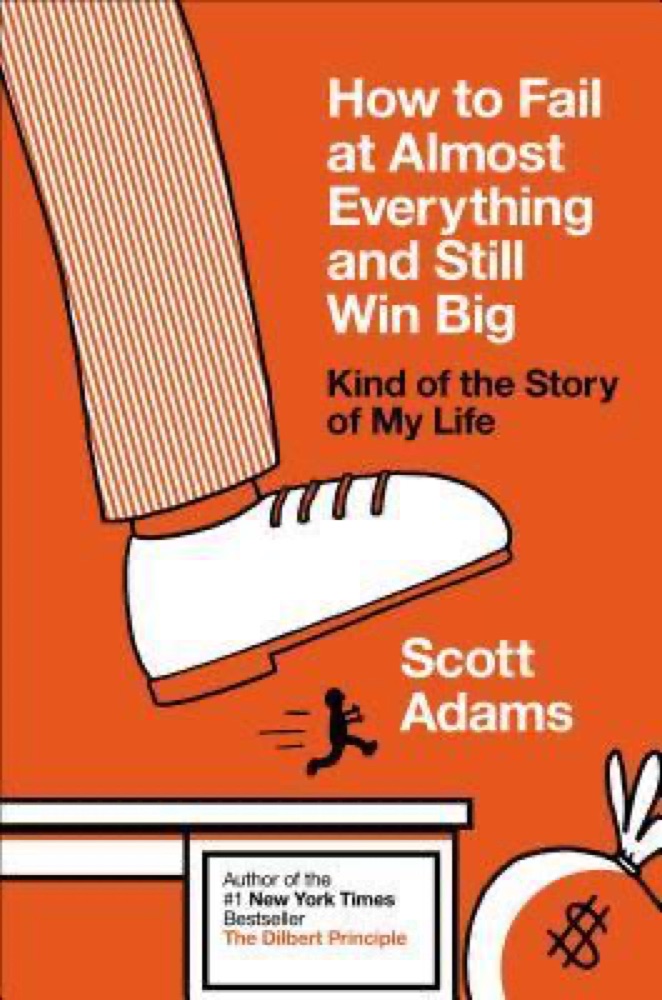 How to Fail at Almost Everything and Still Win Big: Kind of the Story of My Life
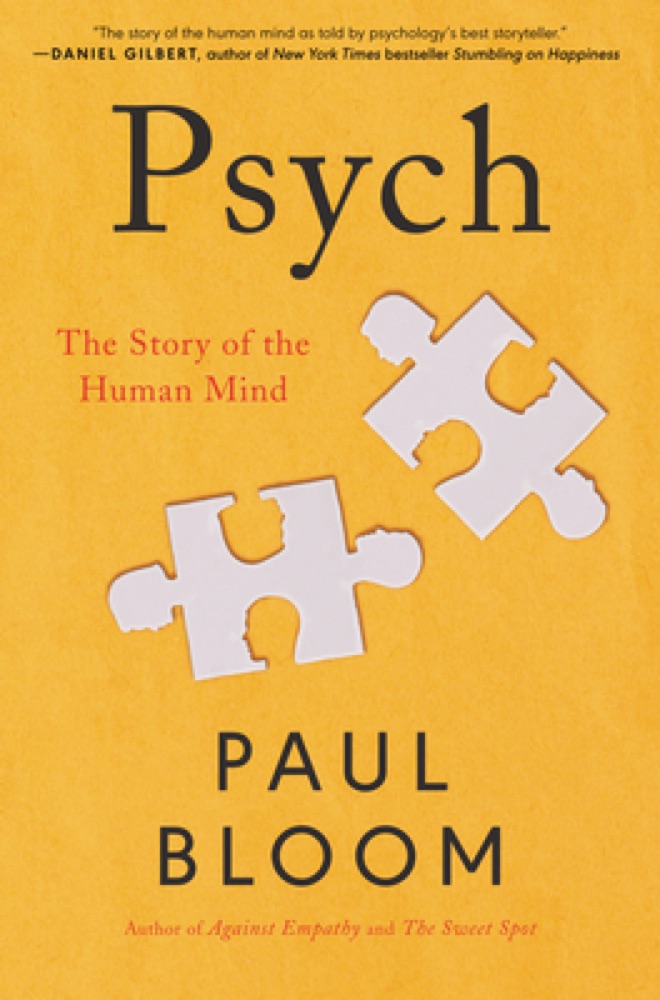 Psych: The Story of the Human Mind
 Tribe Of Mentors: Transformative Wisdom From Icons and Innovators to Help You Navigate Life's Challenges
 The Anxious Generation: How the Great Rewiring of Childhood Caused an Epidemic of Mental Illness
 Predictably Irrational: The Hidden Forces That Shape Our Decisions
 The Undoing Project: A Friendship That Changed Our Minds
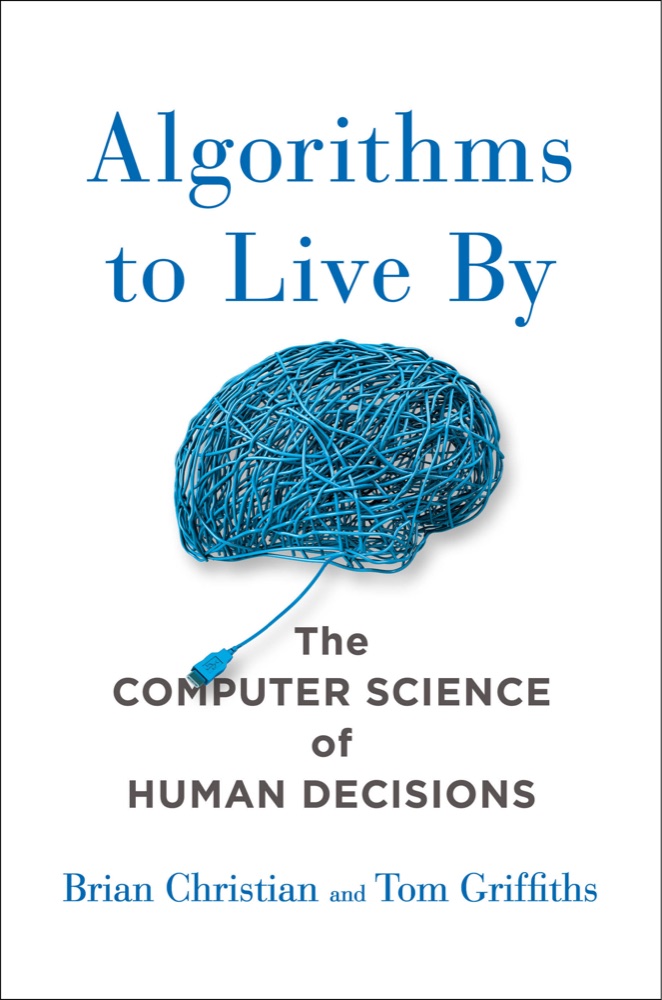 Algorithms to Live By: The Computer Science of Human Decisions
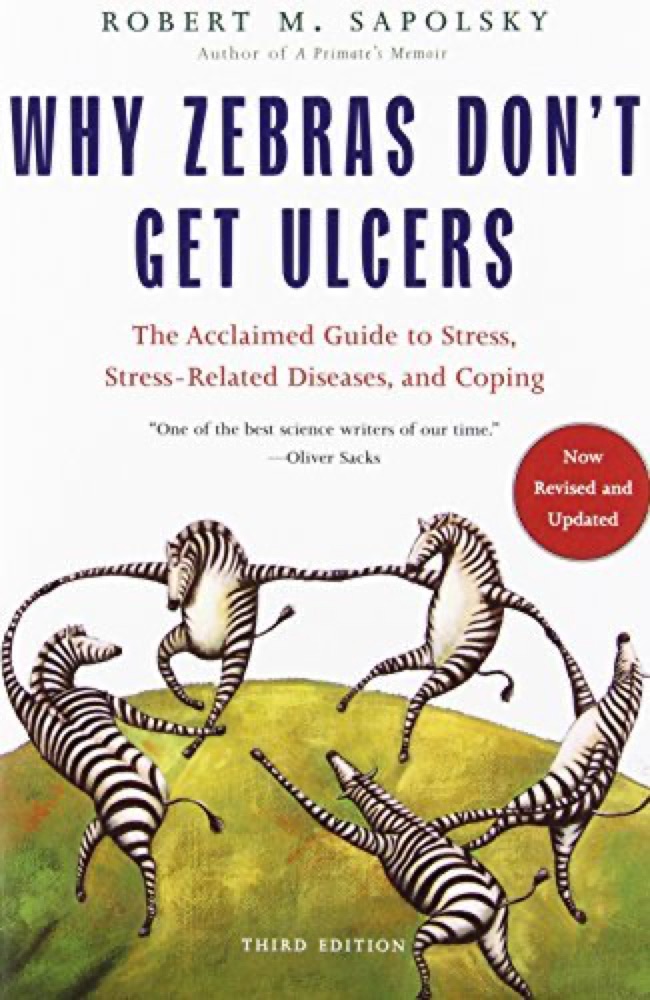 Why Zebras Don't Get Ulcers
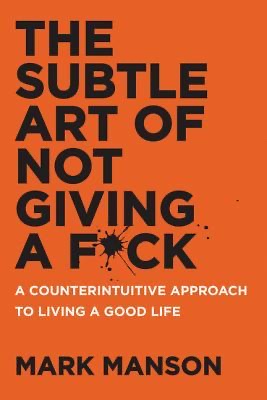 The Subtle Art of Not Giving a F*ck: A Counterintuitive Approach to Living a Good Life
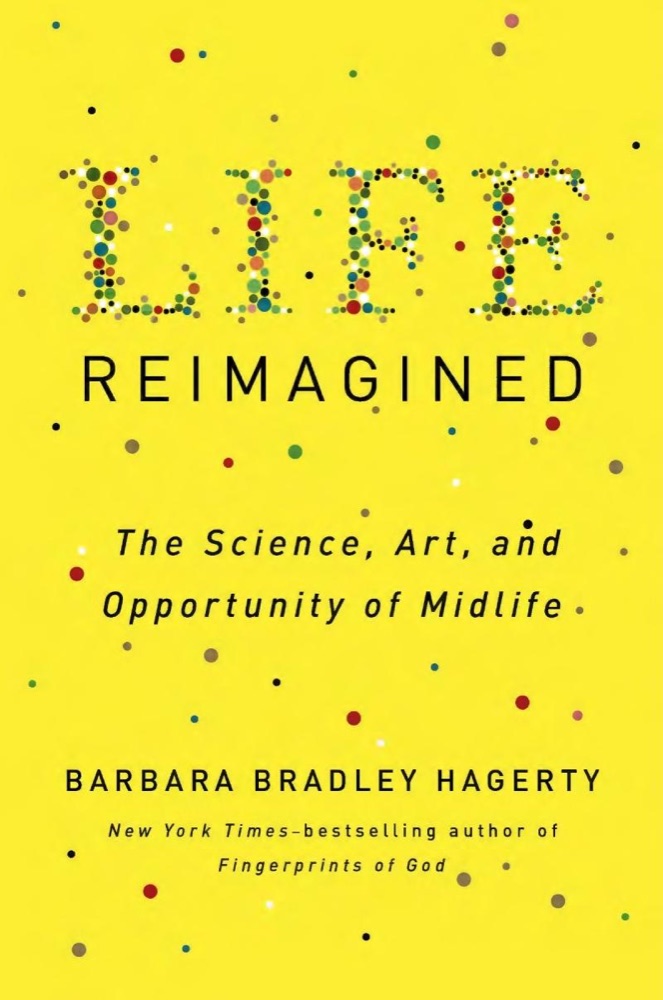 Life Reimagined: The Science, Art, and Opportunity of Midlife
 Chasing the Scream: The First and Last Days of the War on Drugs
 Why Has Nobody Told Me This Before?
 Stumbling on Happiness
 The 7 Habits of Highly Effective People: Personal Workbook
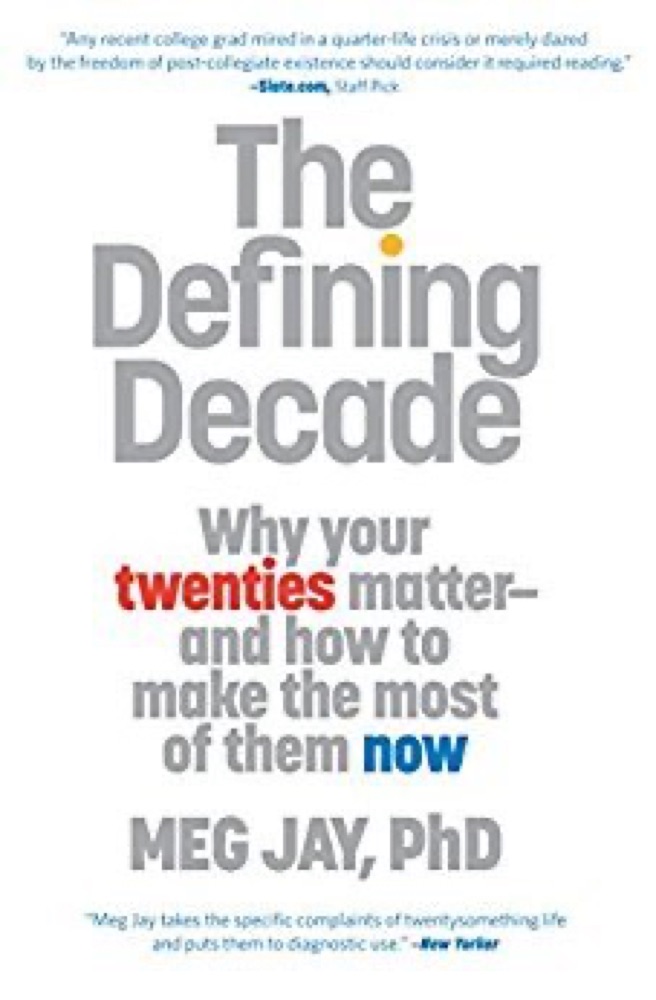 The Defining Decade: Why Your Twenties Matter—And How to Make the Most of Them Now
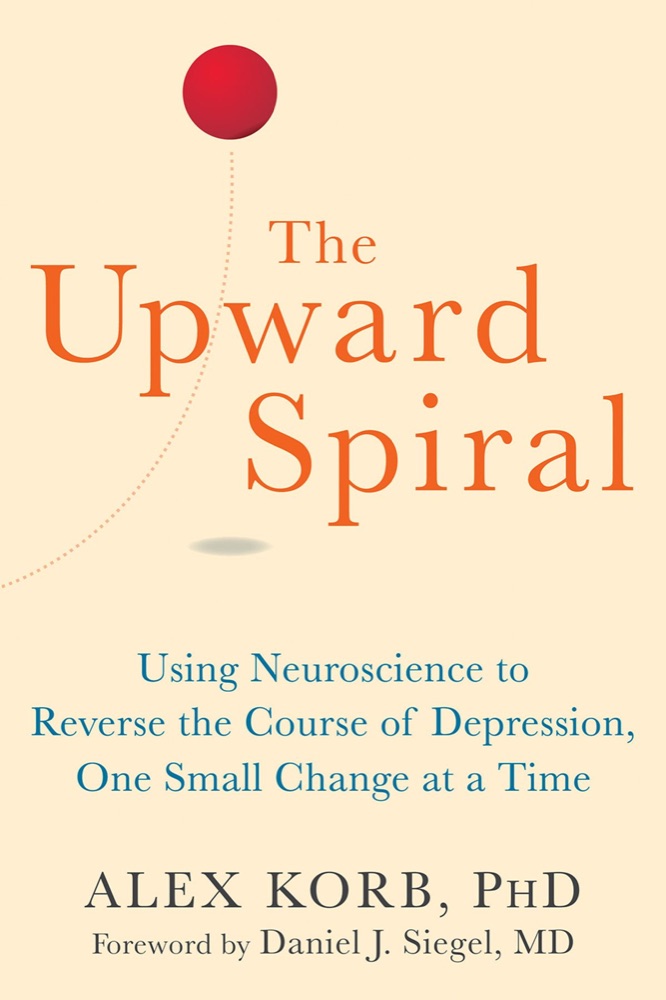 The Upward Spiral: Using Neuroscience to Reverse the Course of Depression, One Small Change at a Time
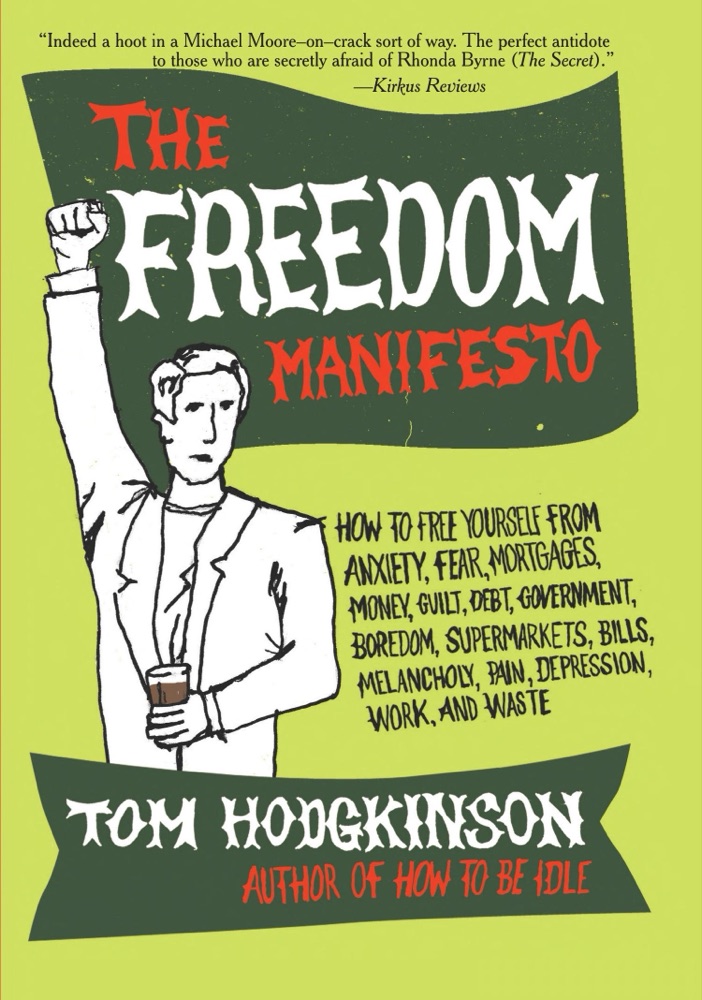 The Freedom Manifesto
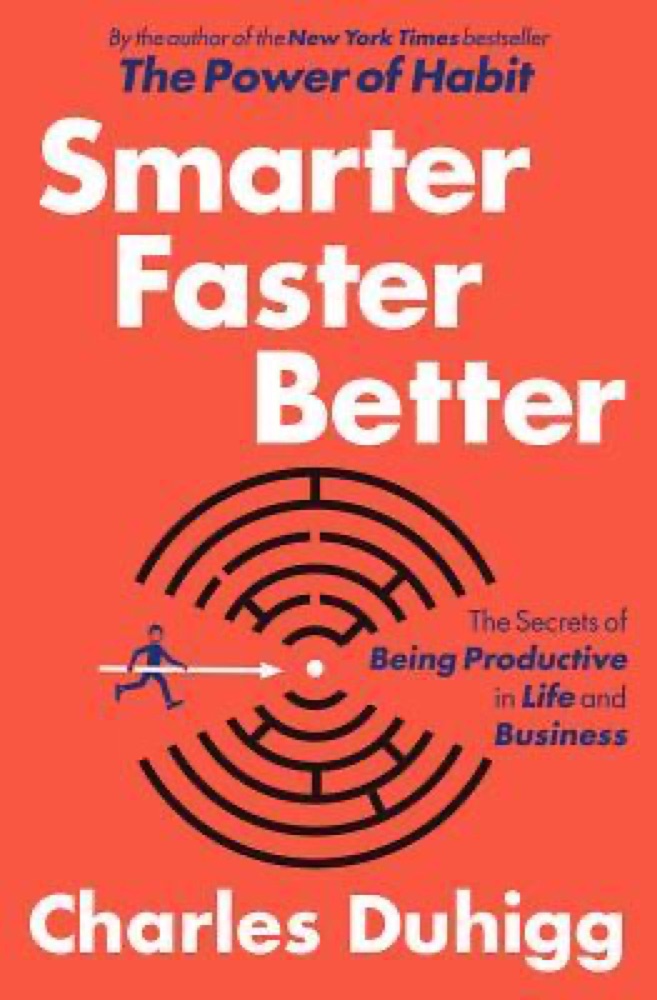 Smarter Faster Better: The Secrets of Being Productive in Life and Business
 Natural Causes: An Epidemic of Wellness, the Certainty of Dying, and Killing Ourselves to Live Longer
 A Complaint Free World: How to Stop Complaining and Start Enjoying the Life You Always Wanted
 The Intern's Handbook
 The Happiness Advantage: The Seven Principles of Positive Psychology That Fuel Success and Performance at Work
 Limitless: Upgrade Your Brain, Learn Anything Faster, and Unlock Your Exceptional Life
 Black Box Thinking: Why Some People Never Learn from Their Mistakes - But Some Do
 When Things Fall Apart: Heart Advice for Difficult Times
 Lost Connections: Uncovering the Real Causes of Depression - and the Unexpected Solutions
 Rich Dad Poor Dad
 The New Psycho-Cybernetics: The Original Science of Self-Improvement and Success That Has Changed the Lives of 30 Million People
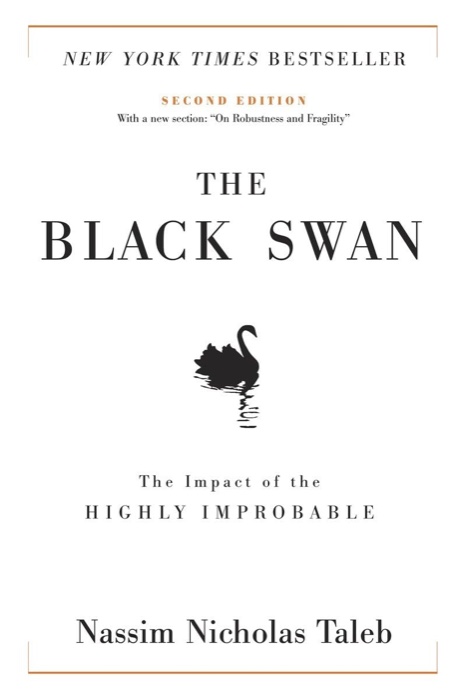 The Black Swan: The Impact of the Highly Improbable