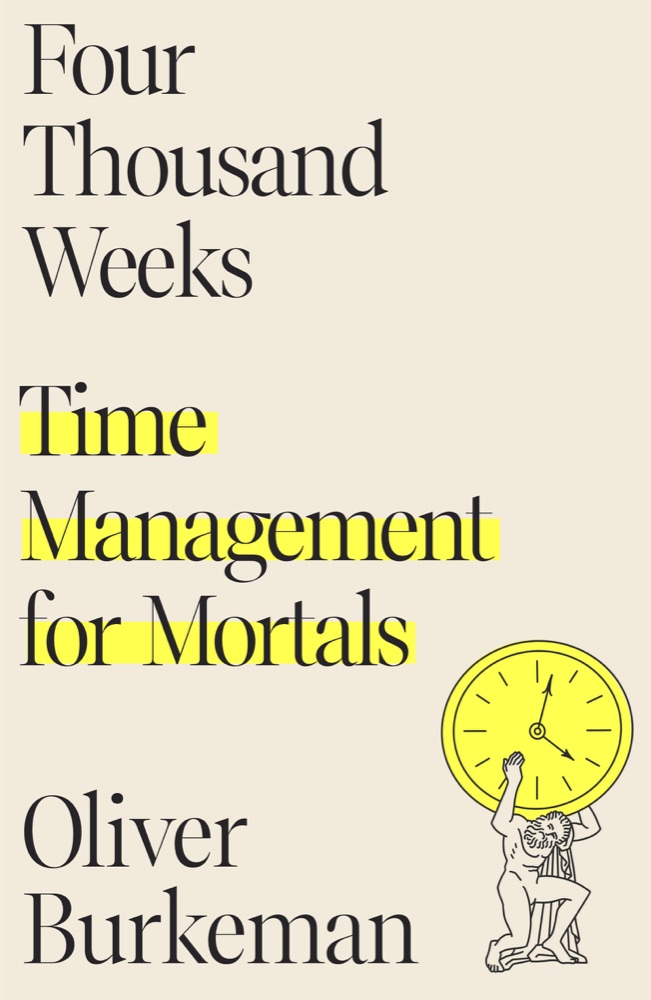
 Four Thousand Weeks: Time Management for Mortals
Quotes from the Book
Who says you need to wait until you 'feel like' doing something in order to start doing it? The problem, from this perspective, isn't that you don't feel motivated; it's that you imagine you need to feel motivated. If you can regard your thoughts and emotions about whatever you're procrastinating on as passing weather, you'll realise that your reluctance about working isn't something that needs to be eradicated or transformed into positivity. You can coexist with it. You can note the procrastinatory feelings and act anyway.
92
Confronting the worst-case scenario saps it of much of its anxiety-inducing power. Happiness reached via positive thinking can be fleeting and brittle, negative visualization generates a vastly more dependable calm.
69
True security lies in the unrestrained embrace of insecurity - in the recognition that we never really stand on solid ground, and never can.
60
And here lies the essential between Stoicism and the modern-day 'cult of optimism.' For the Stoics, the ideal state of mind was tranquility, not the excitable cheer that positive thinkers usually seem to mean when they use the word, 'happiness.' And tranquility was to be achieved not by strenuously chasing after enjoyable experiences, but by cultivating a kind of calm indifference towards one's circumstances.
47
The effort to feel happy is often precisely the thing that makes us miserable. And that it is out constant efforts to eliminate the negative - insecurity, uncertainty, failure, or sadness - that is what causes us to feel so insecure, anxious, uncertain, or unhappy.
40
Ask yourself whether you are happy', observed the philosopher John Stuart Mill, 'and you cease to be so.' At best, it would appear, happiness can only be glimpsed out of the corner of an eye, not stared at directly.
38
Inspiration is for amateurs,’ the artist Chuck Close once memorably observed. ‘The rest of us just show up and get to work.
31
Remembering that you are going to die is the best way that I know to avoid the trap of thinking you have something to lose. You are already naked.
31
[Life] is a dance, and when you are dancing, you are not intent on getting somewhere. The meaning and purpose of dancing is the dance.
29
For the Stoics, then, our judgments about the world are all that we can control, but also all that we need to control in order to be happy; tranquility results from replacing our irrational judgments with rational ones
28
...it pointed to an alternative approach, a ‘negative path’ to happiness, that entailed taking a radically different stance towards those things that most of us spend our lives trying to avoid. It involved learning to enjoy uncertainty, embracing insecurity, stopping trying to think positively, becoming familiar with failure, even learning to value death. In short, all these people seemed to agree that in order to be truly happy, we might actually need to be willing to experience more negative emotions—or, at the very least to learn to stop running quite so hard from them.
24
It is alarming to consider how many major life decisions we take primarily in order to minimise present-moment emotional discomfort.
17
Sometimes the most valuable of all talents is to be able not to seek resolution; to notice the craving for completeness or certainty or comfort, and not to feel compelled to follow where it leads.
16
And here lies the essential difference between Stoicism and the modern-day 'cult of optimism.' For the Stoics, the ideal state of mind was tranquility, not the excitable cheer that positive thinkers usually seem to mean when they use the word, 'happiness.' And tranquility was to be achieved not by strenuously chasing after enjoyable experiences, but by cultivating a kind of calm indifference towards one's circumstances.
15
Reassurance can actually exacerbate anxiety: when you reassure your friend that the worst-case scenario he fears probably won't occur, you inadvertently reinforce his belief that it would be catastrophic if it did. You are tightening the coil of his anxiety, not loosening it. All to often, the Stoics point out, things will not turn out for the best.
15
But sometimes you simply can't make yourself feel like acting. And in those situations, motivational advice risks making things worse, by surreptitiously strengthening your belief that you need to feel motivated before you act. By encouraging an attachment to a particular emotional state, it actually inserts an additional hurdle between you and your goal. The subtext is that if you can't make yourself feel excited and pleased about getting down to work, then you can't get down to work.
14
Pain is inevitable, from this perspective, but suffering is an optional extra, resulting from our attachments, which represent our attempt to try to deny the unavoidable truth that everything is impermanent.
9
Is it other people that bother me? Or the judgment I make about other people?”.
9
What actually causes suffering are the beliefs you hold about those things.
9
A person who has resolved to ‘think positive’ must constantly scan his or her mind for negative thoughts – there’s no other way that the mind could ever gauge its success at the operation – yet that scanning will draw attention to the presence of negative thoughts.
9
All these counterproductive ways of thinking about failure manifest themselves most acutely in the phenomenon of perfectionism. This is one of those traits that many people seem secretly, or not so secretly, proud to possess, since it hardly seems like a character flaw – yet perfectionism, at bottom, is a fear-driven striving to avoid the experience of failure at all costs. At its extremes, it is an exhausting and permanently stressful way to live. (There is a greater correlation between perfectionism and suicide, research suggests, than between feelings of hopelessness and suicide.)
8
There’s never any closure in an awe-inspired life, only constant acceptance of the mysteries of life.
7
I asked him what he thought was the biggest barrier to happiness for most people. ‘It’s just a total absence of awareness, except for the thoughts that are continuously passing through your mind. It is the state of being so identified with the voices in your head’ – and at this point he emitted a tight Germanic chuckle – ‘that you think you are the voices in your head.
7
The routines of almost all famous writers, from Charles Darwin to John Grisham, similarly emphasise specific starting times, or number of hours worked, or words written. Such rituals provide a structure to work in, whether or not the feeling of motivation or inspiration happens to be present. They let people work alongside negative or positive emotions, instead of getting distracted by the effort of cultivating only positive ones. ‘Inspiration is for amateurs,’ the artist Chuck Close once memorably observed. ‘The rest of us just show up and get to work.
7
We seek the fulfilment of strong romantic relationships and friendships, yet striving too hard to achieve security in such relationships stifles them; their flourishing depends on a certain degree of not being protected, of being open to experiences both negative and positive.
6
We should start using the mind as a tool, he argues, instead of letting the mind use us, which is the normal state of affairs. When Descartes said ‘I think, therefore I am,’ he had not discovered ‘the most fundamental truth’, Tolle insists; instead, he had given expression to ‘the most basic error’.
6
By the second day, the song lyrics had faded, but in their place came darker irritations. Gradually, I started to become aware of a young man sitting just behind me and to the left. I had noticed him when he first entered the mediation hall, and had felt a flash of annoyance at the time: something about him, especially his beard, had struck me as too calculatedly dishevelled, as if he were trying to make a statement. Now his audible breathing was starting to irritate me, too. It seemed studied, unnatural, somehow theatrical. My irritation slowly intensified - a reaction that struck me as entirely reasonable and proportionate at the time. It was all beginning to feel like a personal attack. How much contempt must the bearded meditator have for me, I seethed silently, deliberately to decide to ruin the serenity of my meditation by behaving so obnoxiously? Experienced retreat-goers, it turns out, have a term for this phenomenon. The call it 'vipassana vendetta'. In the stillness tiny irritations become magnified into full-blown hate campaigns; the mind is so conditioned to attaching to storylines that it seizes upon whatever's available. Being on retreat had temporarily separated me from all the real causes of distress in my life, and so, apparently, I was inventing new ones. As I shuffled to my narrow bed that evening, I was still smarting about the loud-breathing man. I did let go of the vendetta eventually - but only because I'd fallen into an exhausted and dreamless sleep
6
For the Stoics, the realisation that we can often choose not to be distressed by events, even if we can’t choose events themselves, is the foundation of tranquility. For the Buddhists, a willingness to observe the ‘inner weather’ of your thoughts and emotions is the key to understanding that they need not dictate your actions. Each of these is a different way of resisting the ‘irritable reaching’ after better circumstances or better thoughts and feelings. But negative capability need not involve embracing an ancient philosophical or religious tradition. It is also the skill you’re exhibiting when you move forward with a project – or with life – in the absence of sharply defined goals; when you dare to inspect your failures; when you stop trying to eliminate feelings of insecurity; or when you put aside ‘motivational’ techniques in favour of actually getting things done.
5
Bereaved people who make the most effort to avoid feeling grief, research suggests, take the longest to recover from their loss.
5
Watch on YouTube
About Oliver Burkeman
We have collected 59 quotes from 2 books by Oliver Burkeman on BookQuoters.
More about the author →More by Oliver Burkeman
Four Thousand Weeks: Time Management for Mortals
About the book
A witty, fascinating, and counterintuitive read that turns decades of self-help advice on its head and forces us to rethink completely our attitudes toward failure, uncertainty, and death.
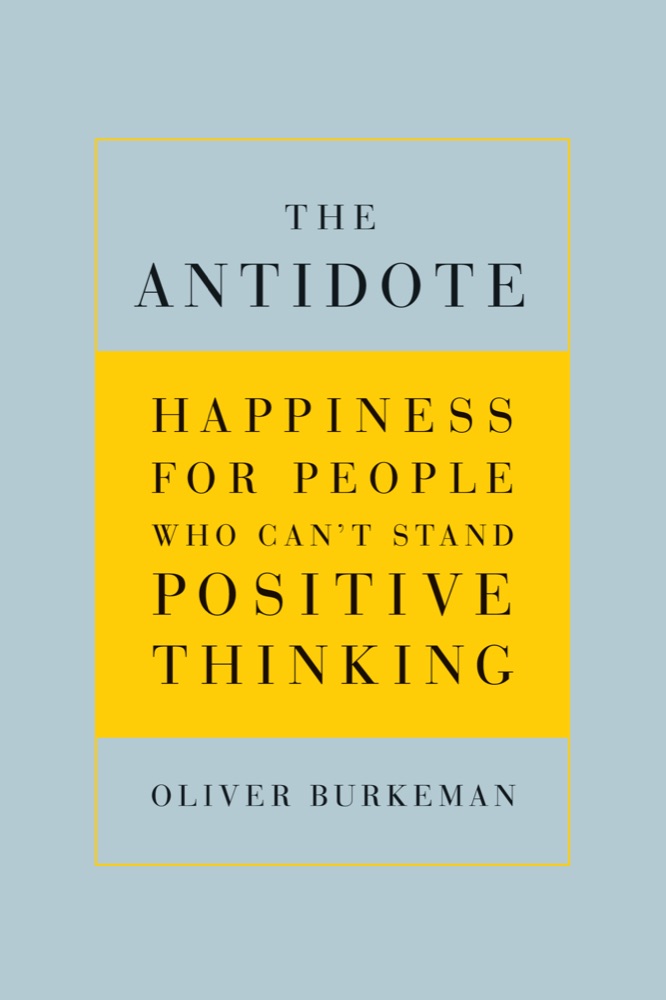
The Antidote is a series of journeys among people who share a single, surprising way of thinking about life. What they have in common is a hunch about human psychology: that it's our constant effort to eliminate the negative that causes us to feel so anxious, insecure, and unhappy. And that there is an alternative "negative path" to happiness and success that involves embracing the things we spend our lives trying to avoid. It is a subversive, galvanizing message, which turns out to have a long and distinguished philosophical lineage ranging from ancient Roman Stoic philosophers to Buddhists.
Oliver Burkeman talks to life coaches paid to make their clients' lives a living hell, and to maverick s
Book details
- First published
- 2012
- Author
- Oliver Burkeman
- Genre
- Nonfiction
- Goodreads rating
- 4.04 (17k ratings)
Keep reading
 Happiness: A Guide to Developing Life's Most Important Skill
 When Things Fall Apart: Heart Advice for Difficult Times
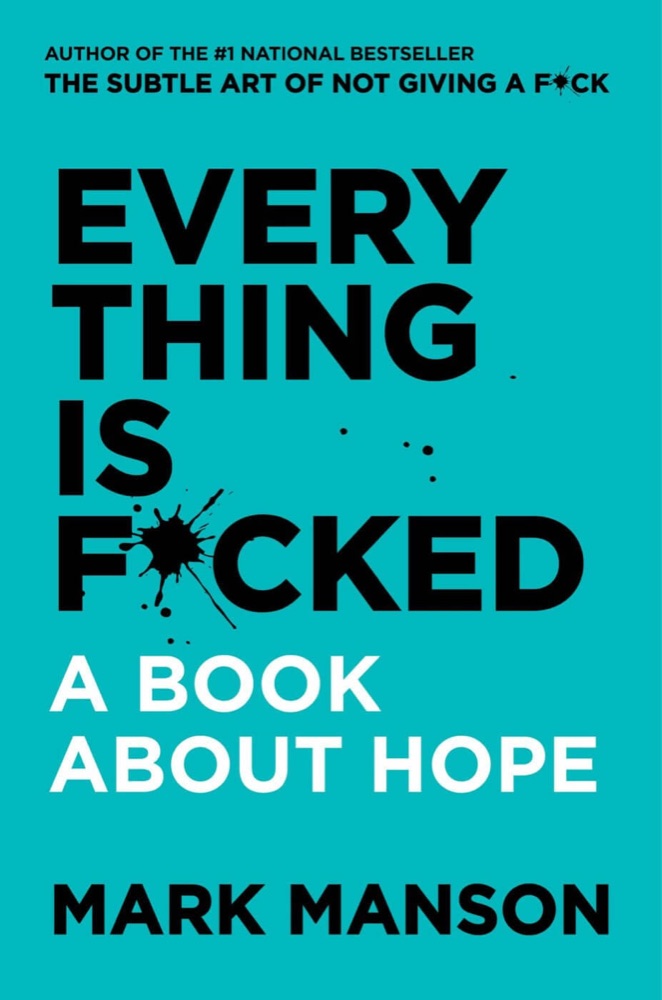 Everything Is F*cked: A Book About Hope
 The Wisdom of Insecurity: A Message for an Age of Anxiety
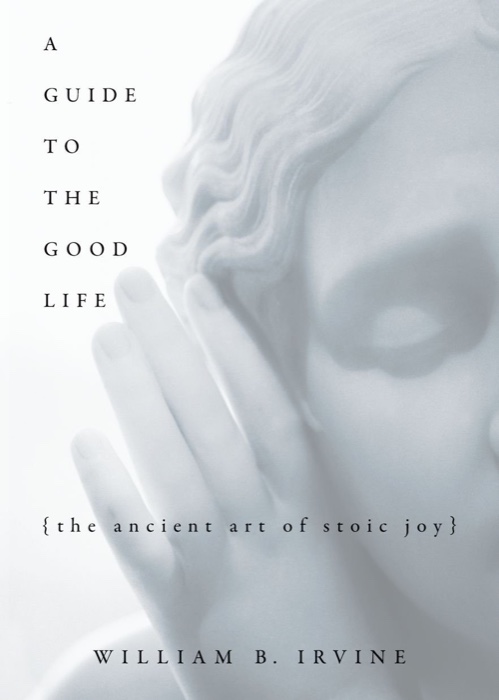 A Guide to the Good Life: The Ancient Art of Stoic Joy
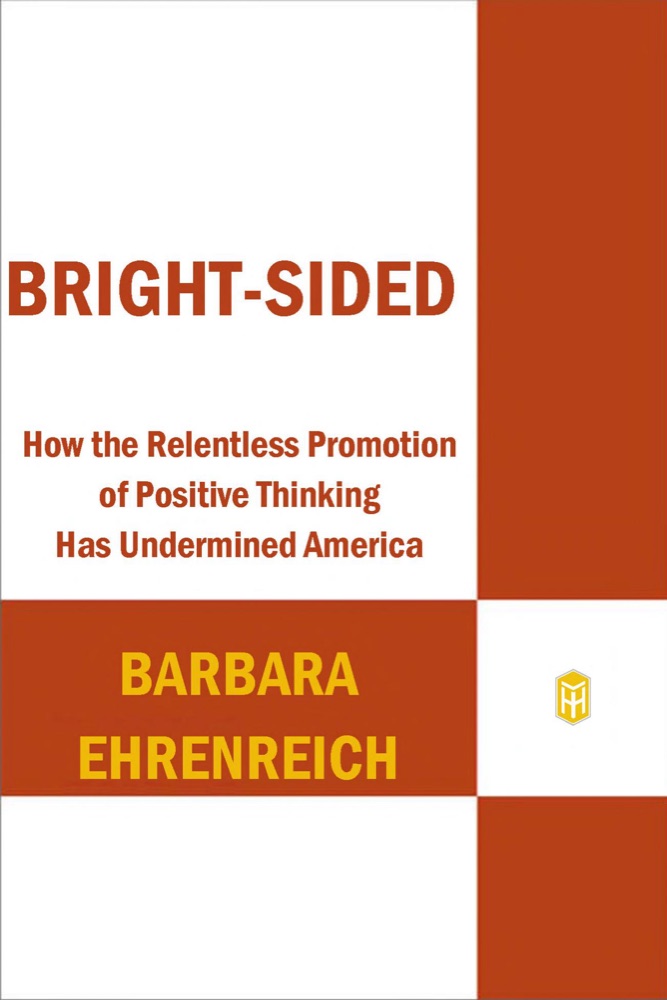 Bright-Sided: How the Relentless Promotion of Positive Thinking Has Undermined America
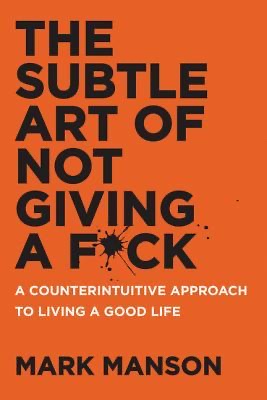 The Subtle Art of Not Giving a F*ck: A Counterintuitive Approach to Living a Good Life
 Notes on a Nervous Planet
 Living Beautifully with Uncertainty and Change
 Letting Go: The Pathway To Surrender
 101 Essays That Will Change The Way You Think
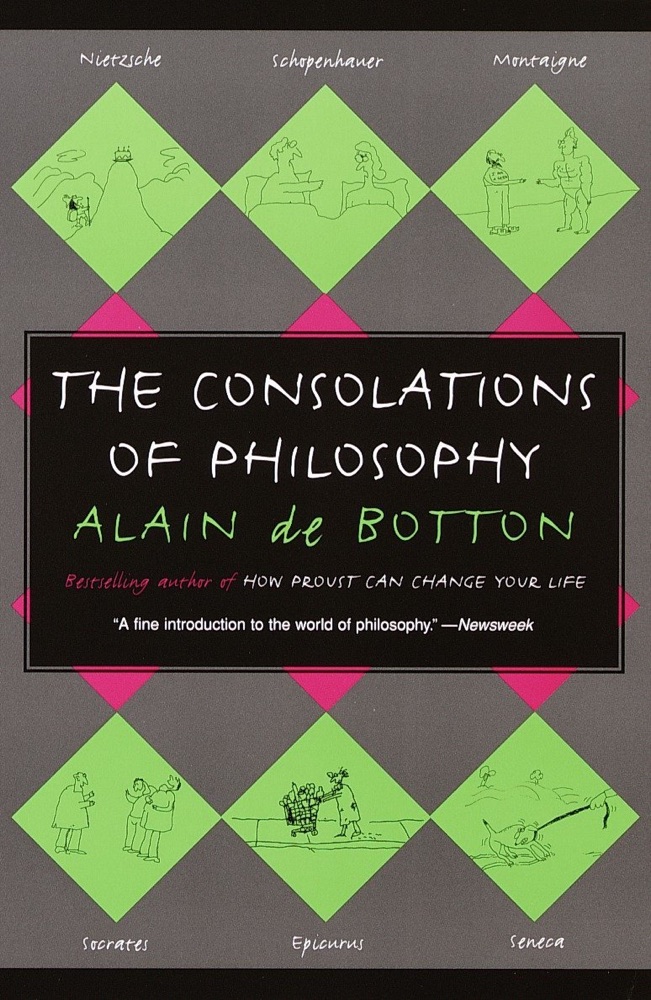 The Consolations of Philosophy
 The Mindful Way through Depression: Freeing Yourself from Chronic Unhappiness
 The Happiness Hypothesis: Finding Modern Truth in Ancient Wisdom
 First, We Make the Beast Beautiful: A New Story About Anxiety
 The How of Happiness: A Scientific Approach to Getting the Life You Want
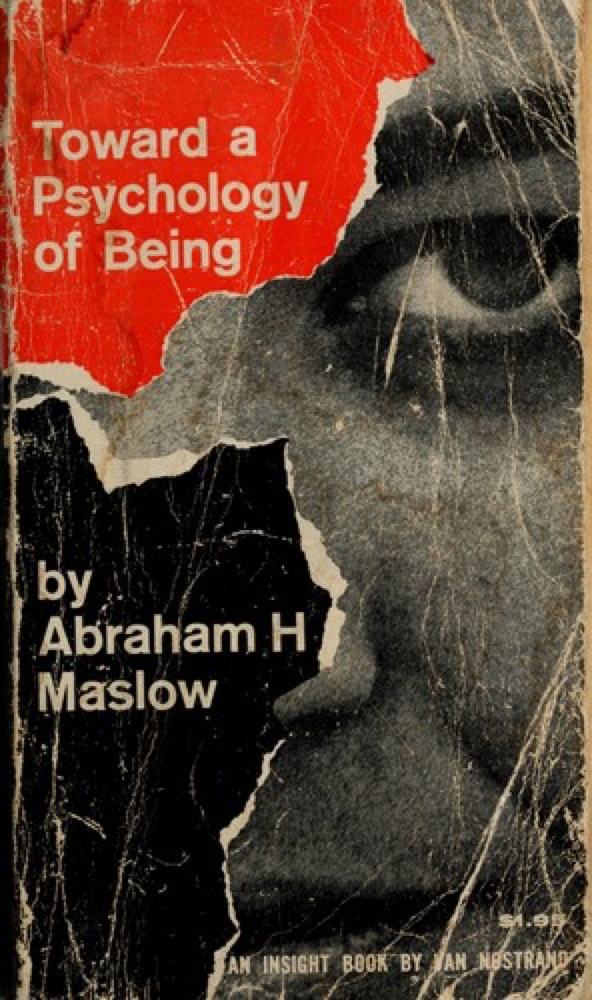 Toward a Psychology of Being
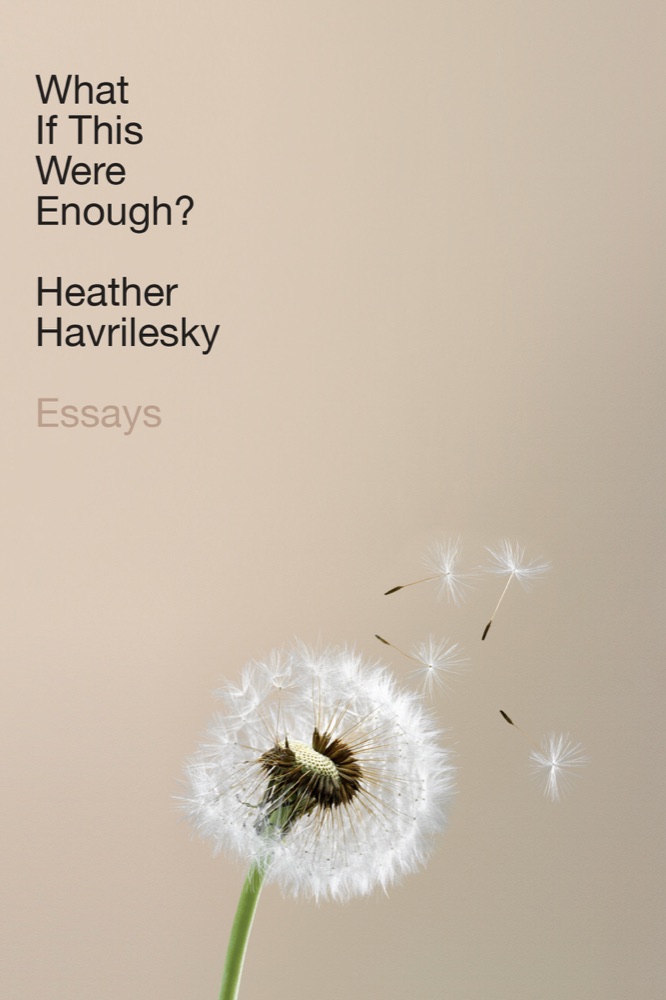 What If This Were Enough?: Essays
 The Comfort Book
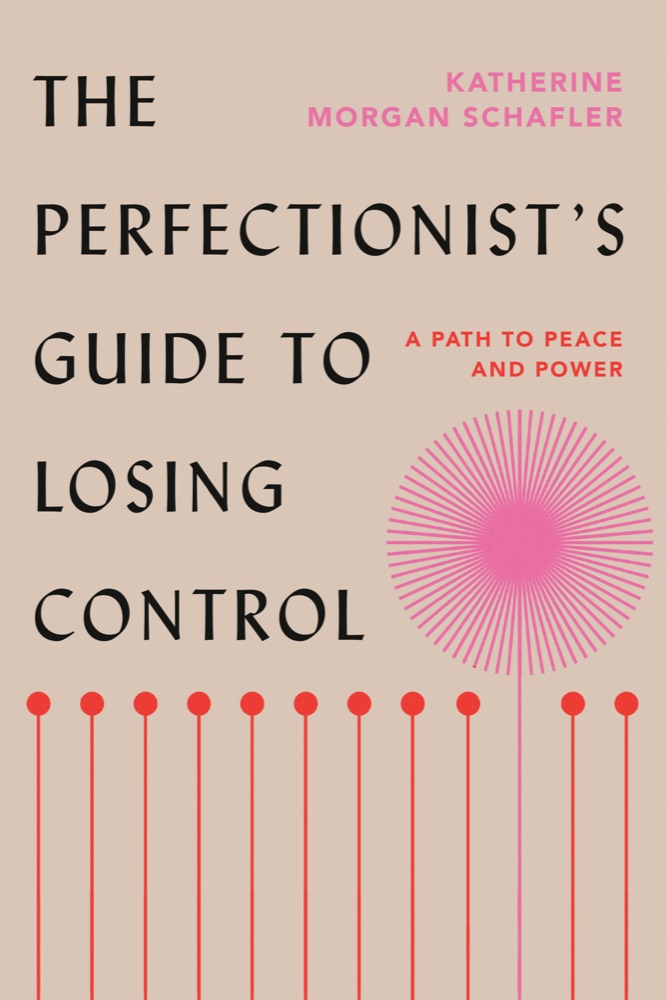 The Perfectionist's Guide to Losing Control: A Path to Peace and Power
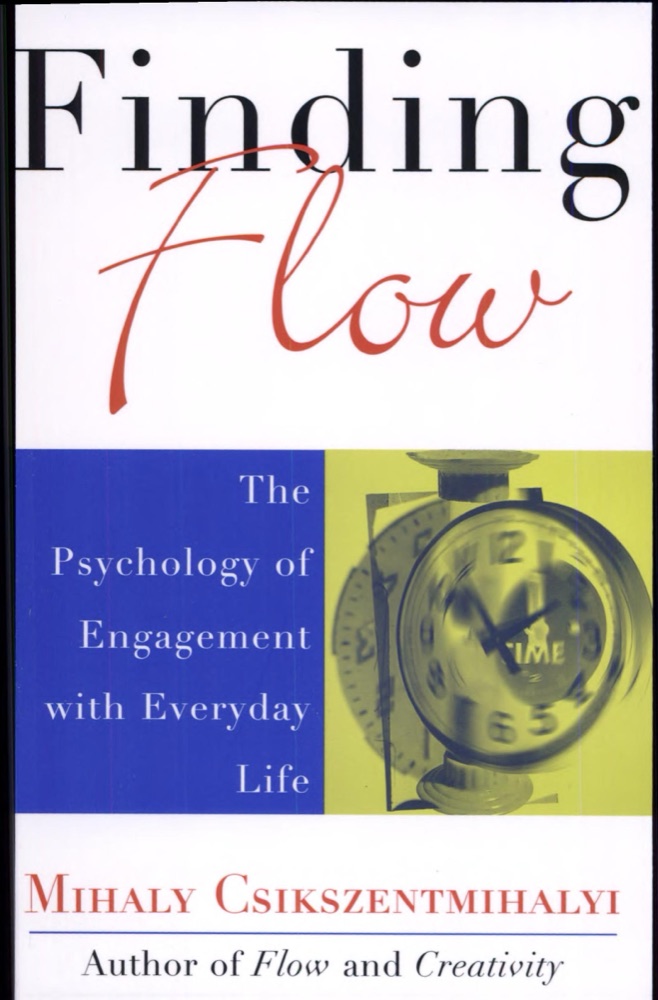 Finding Flow: The Psychology of Engagement with Everyday Life
 Maybe You Should Talk to Someone: A Therapist, Her Therapist, and Our Lives Revealed
 The Examined Life: How We Lose and Find Ourselves
 Feeling Good: The New Mood Therapy
 The Art of Happiness
 Stillness Is the Key
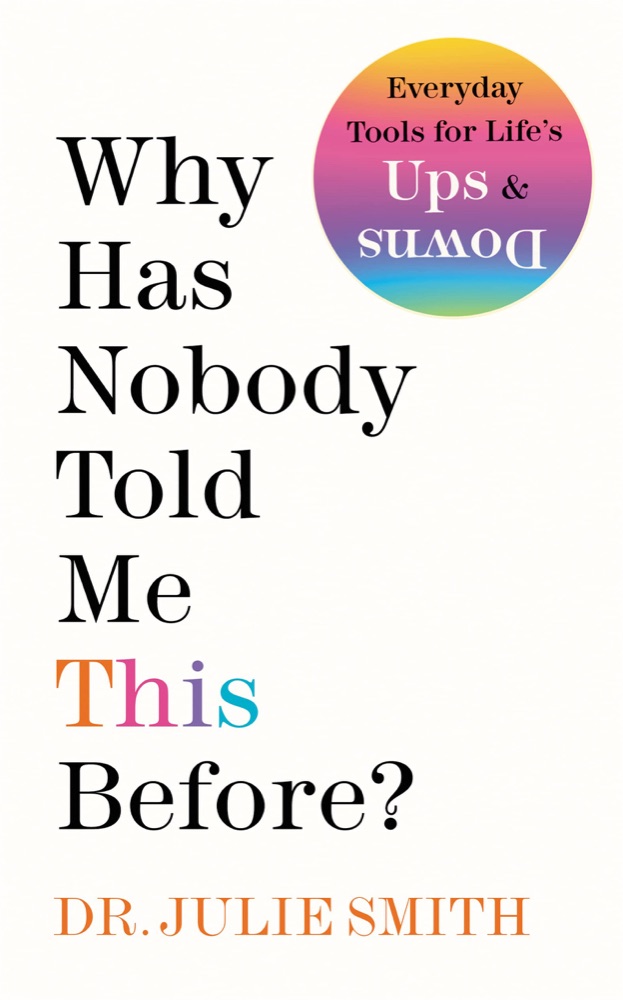 Why Has Nobody Told Me This Before?
 The School of Life: An Emotional Education
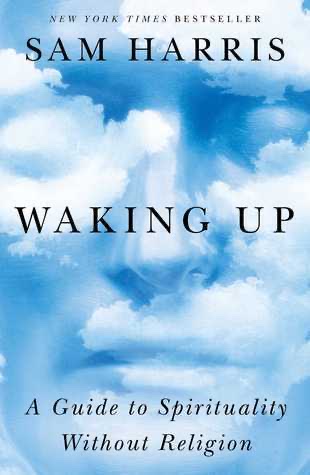 Waking Up: A Guide to Spirituality Without Religion
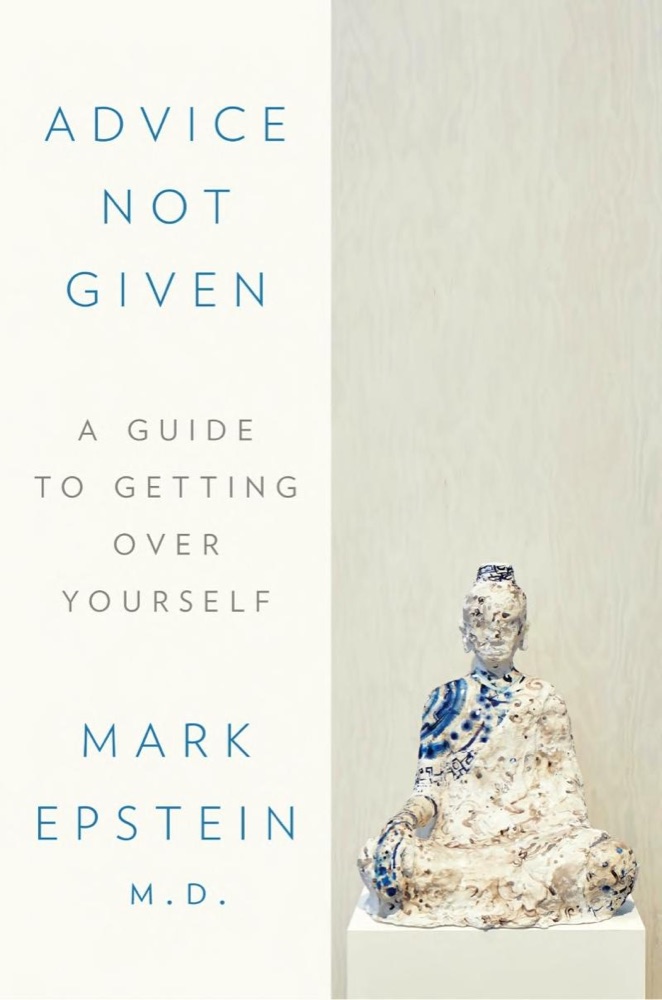 Advice Not Given: A Guide to Getting Over Yourself
 The Tools: Transform Your Problems into Courage, Confidence, and Creativity
 Flow: The Psychology of Optimal Experience
 Atlas of the Heart: Mapping Meaningful Connection and the Language of Human Experience
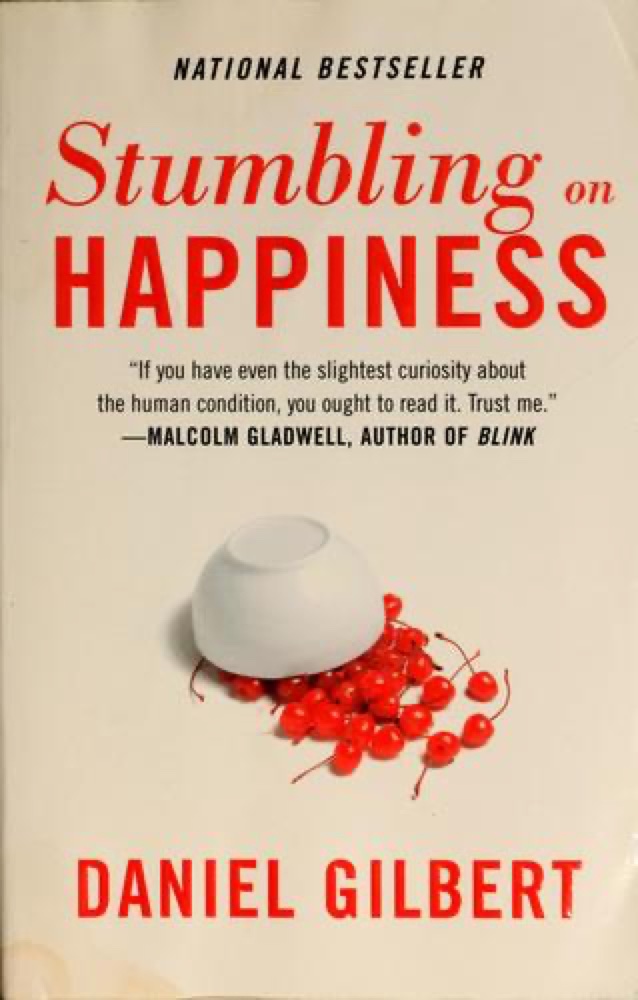 Stumbling on Happiness
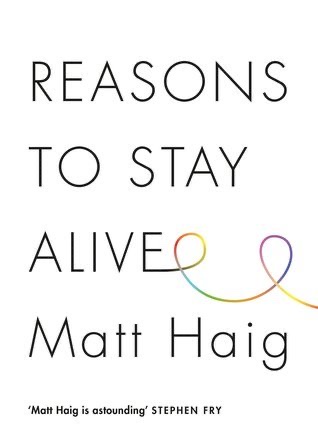 Reasons to Stay Alive
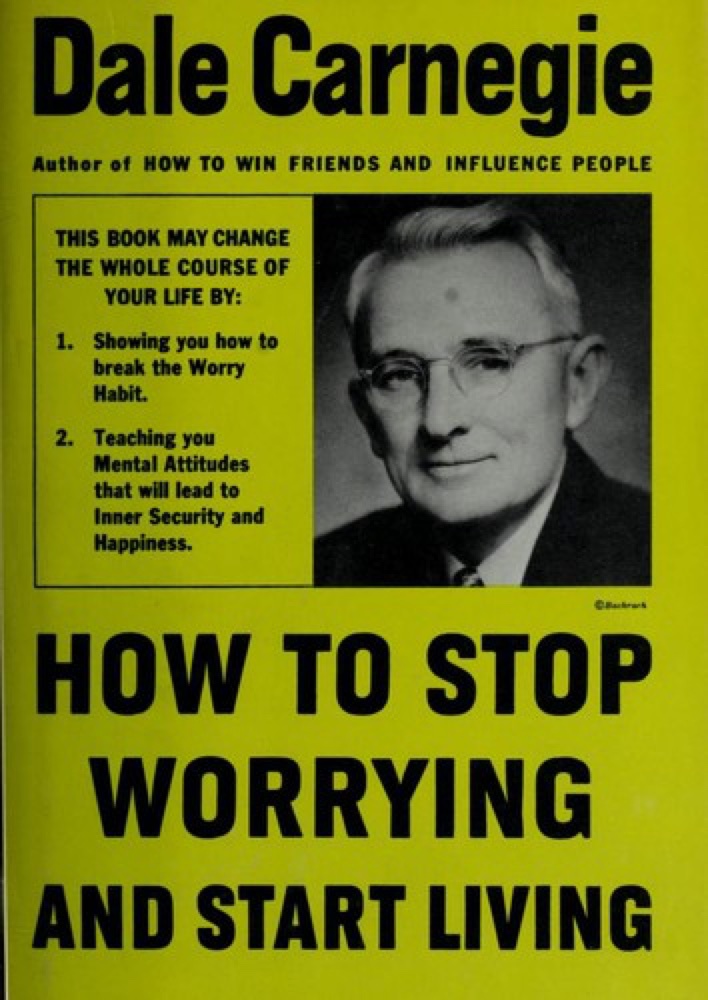 How to Stop Worrying and Start Living
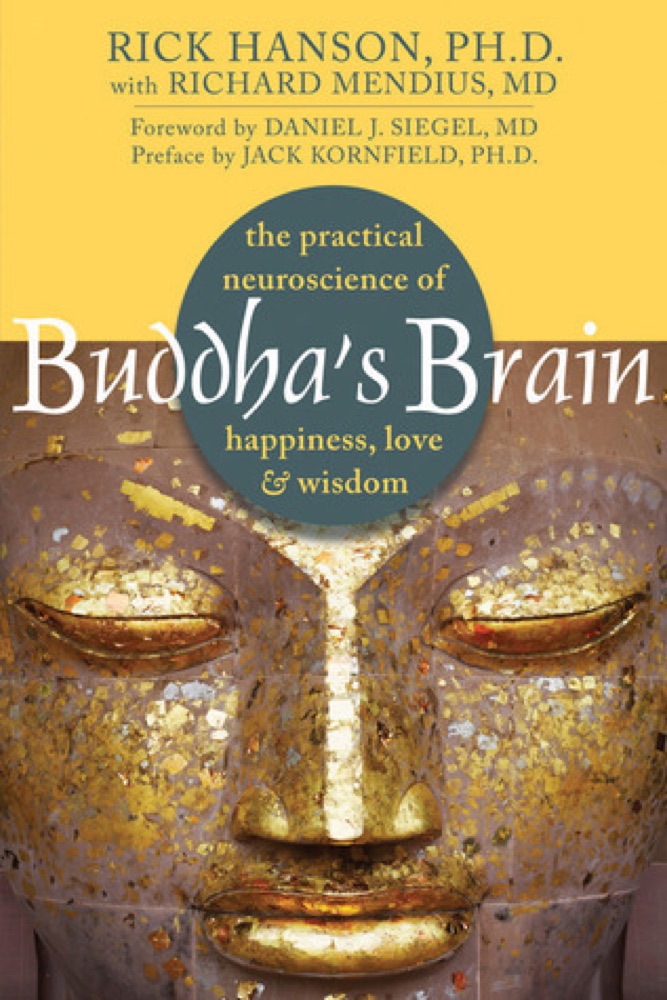 Buddha's Brain: The Practical Neuroscience of Happiness, Love, and Wisdom
 The Socrates Express: In Search of Life Lessons from Dead Philosophers
 The Wise Heart: A Guide to the Universal Teachings of Buddhist Psychology
 The Joy of Living: Unlocking the Secret and Science of Happiness
 Your Erroneous Zones: Step-By-Step Advice for Escaping the Trap of Negative Thinking and Taking Control of Your Life
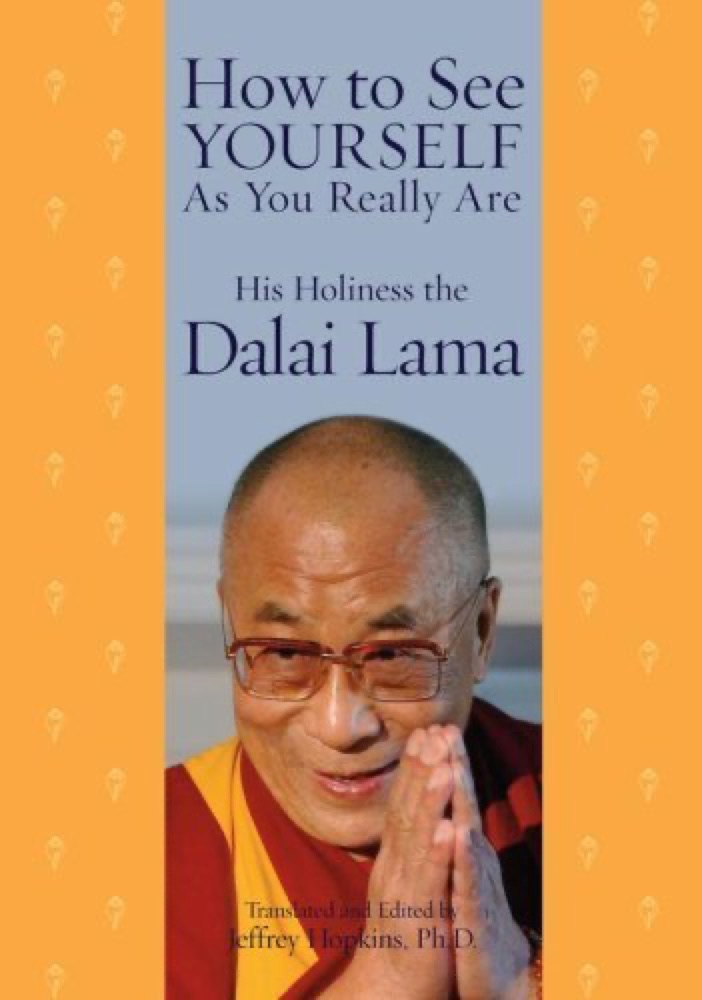 How to See Yourself As You Really Are
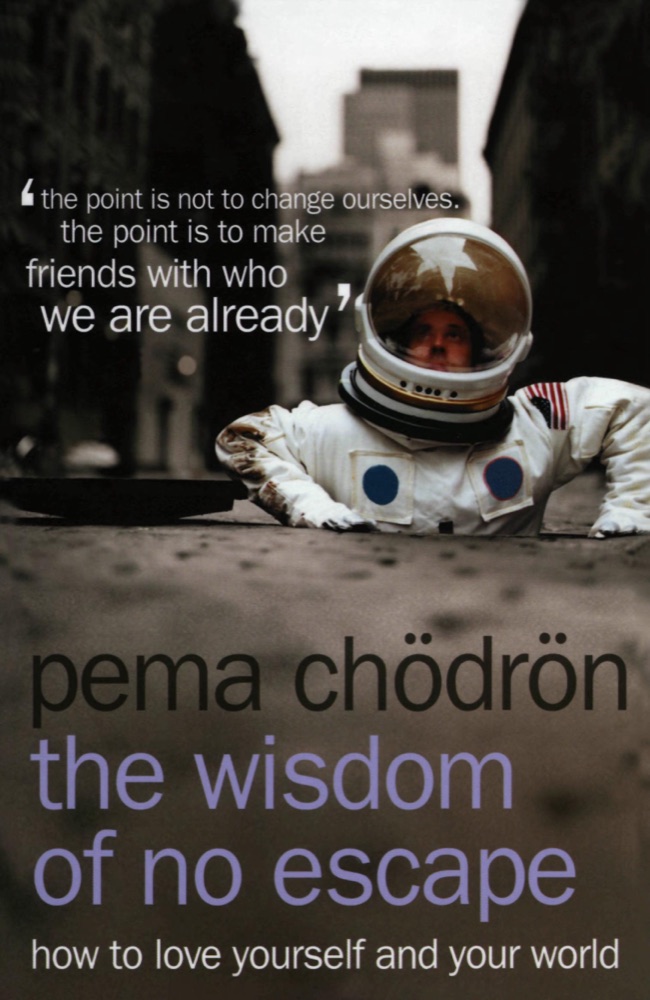 The Wisdom of No Escape: How to Love Yourself and Your World
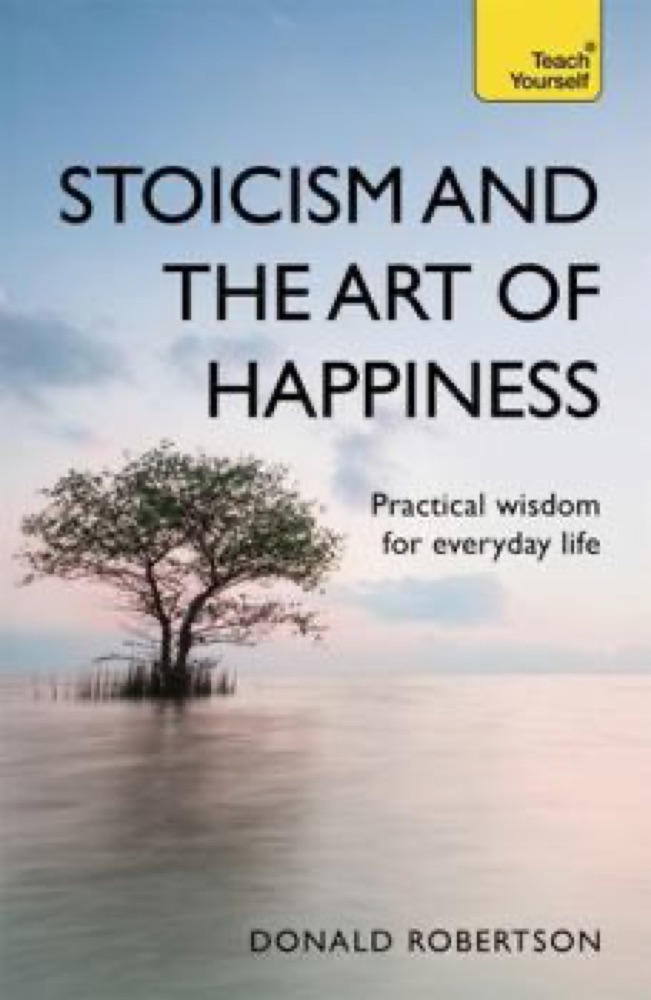 Stoicism and the Art of Happiness
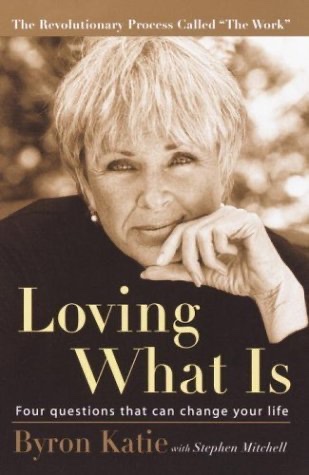 Loving What Is: Four Questions That Can Change Your Life
 The Laws of Human Nature
 Psycho-Cybernetics
 Ethics for the New Millennium
 Monkey Mind: A Memoir of Anxiety
 Full Catastrophe Living: Using the Wisdom of Your Body and Mind to Face Stress, Pain, and Illness
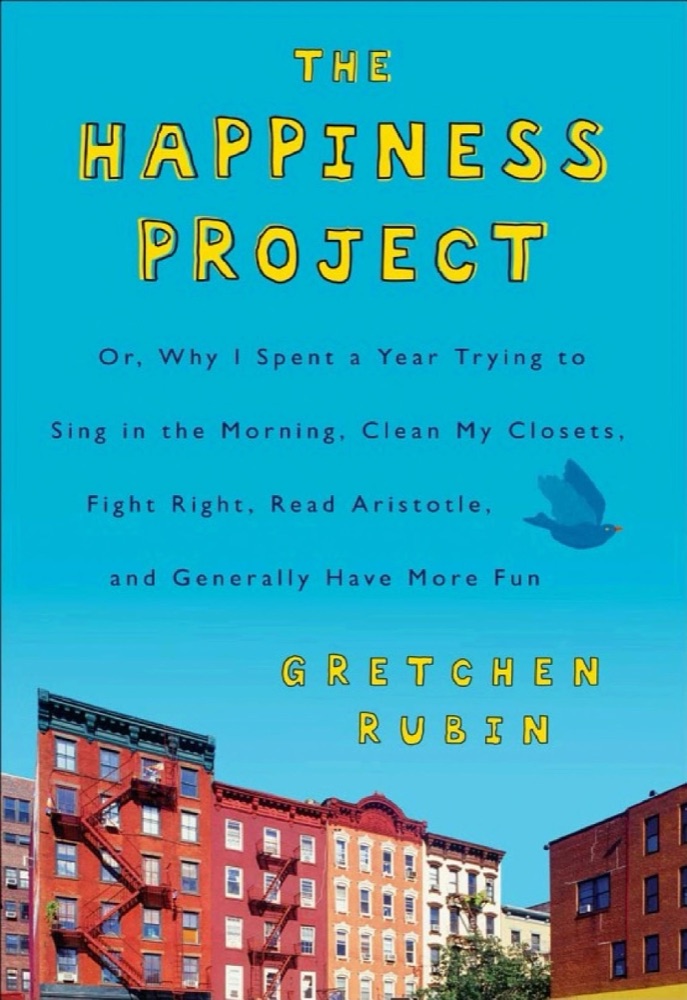 The Happiness Project
 The New Psycho-Cybernetics: The Original Science of Self-Improvement and Success That Has Changed the Lives of 30 Million People
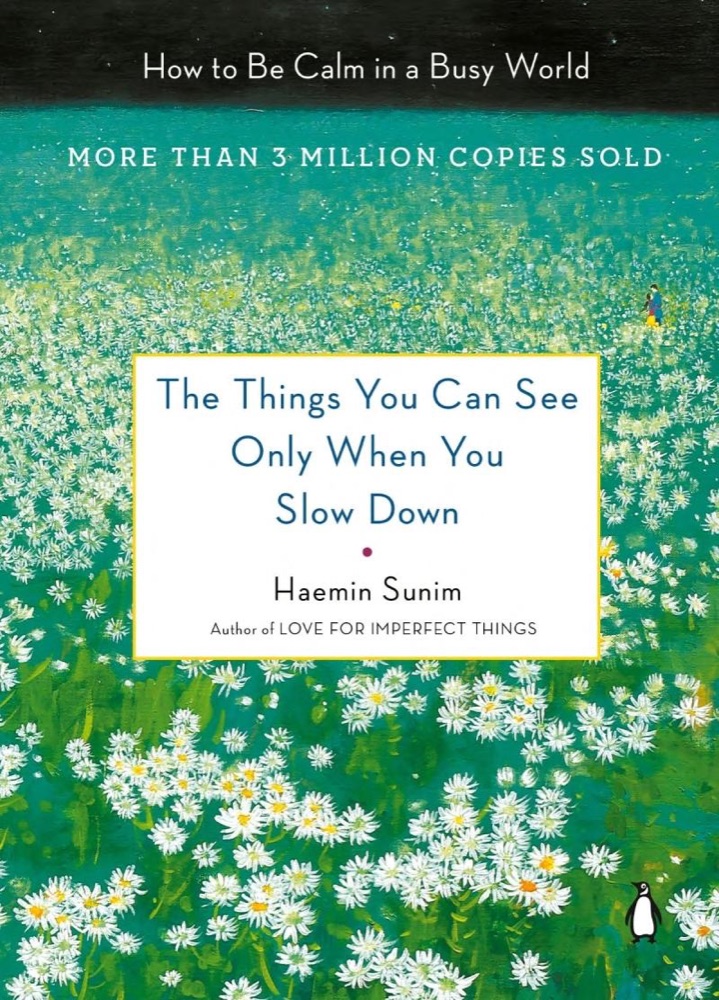 The Things You Can See Only When You Slow Down: How to Be Calm in a Busy World
 Everyday Zen: Love & Work
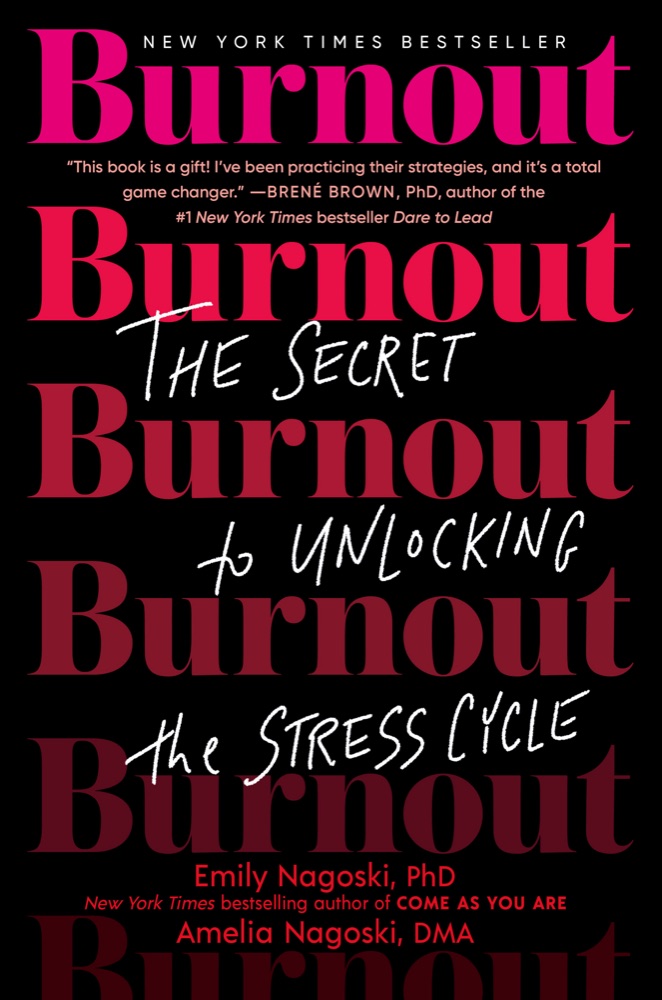 Burnout: The Secret to Unlocking the Stress Cycle
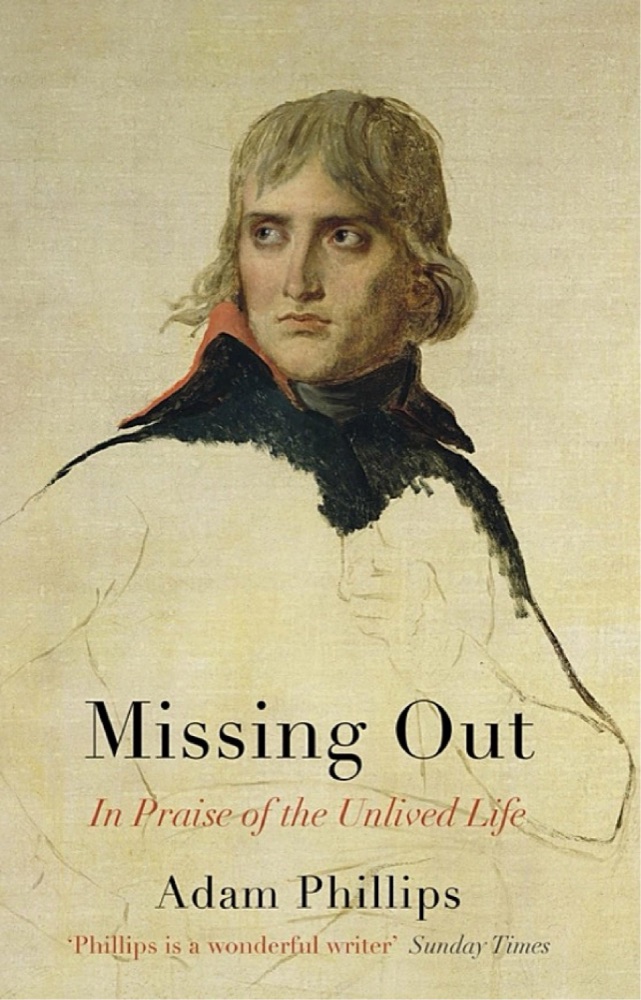 Missing Out: In Praise of the Unlived Life
 Tribe Of Mentors: Transformative Wisdom From Icons and Innovators to Help You Navigate Life's Challenges
 Man's Search for Himself