
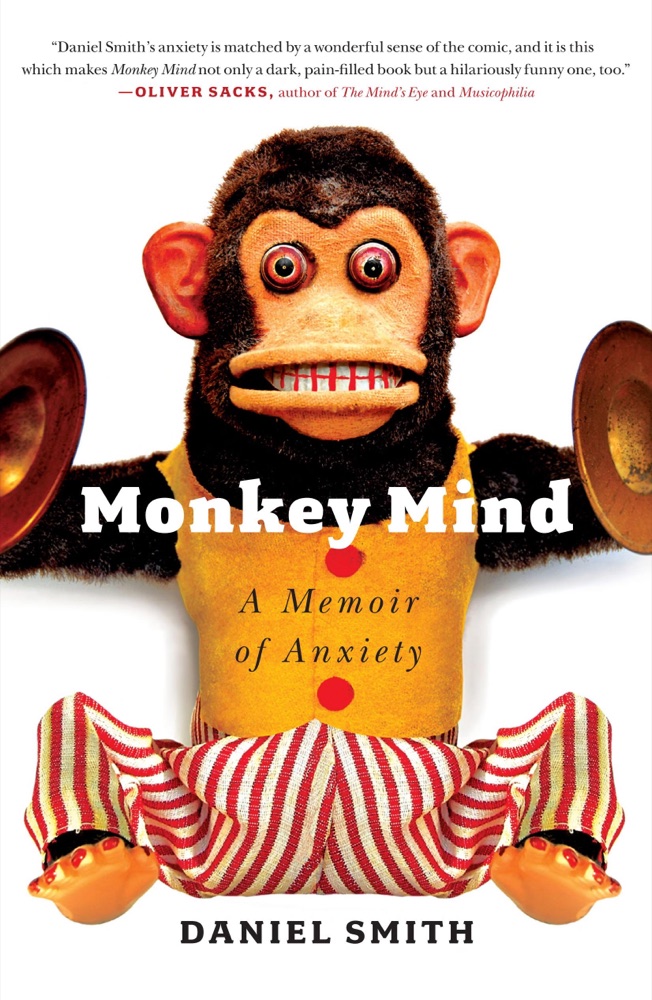
 Monkey Mind: A Memoir of Anxiety
Quotes from the Book
We will also do better when we can recognize the worry thoughts as signs of nervousness and anxiety, the same as an eye twitch or sweaty palms, rather than some important message about the future
4
Worry predictions aren’t based on what’s likely to happen. They’re based on what would be terrible if it did happen. They’re not based on probability—they’re based on fear.
3
If you find yourself arguing with yourself, there's one thing you can count on – you're not going to win this argument.
2
I helped my client become aware of how he was "maximizing" all the negatives in his mind and "minimizing" all the positive.
2
The trick is this: you experience doubt, and treat it like danger.
2
Questions to Consider If you were told that a neighbor never worries about his kids, would you think that was a good thing or a bad thing? Would you like to be known as someone who doesn’t worry about your kids? If your significant other said to you, “I don’t think you ever worry about me,” would you take it as a complaint or a compliment?
1
When you’re under the influence of this belief, you tend to act as if the simple act of worrying can change the future, that it might prevent bad events from happening that would have otherwise happened. I’m not referring here to situations in which your thoughts lead you to take action, and those actions influence the future. Here I mean that people treat worry itself as something that can affect the future.
1
Moreover, when you interact with the external world, you get more involved with realistic rules of thumb. When you’re in your head, by contrast, you can imagine anything. This is why anticipatory worry is almost always worse than anything that actually happens in real life—there are no rules in your head, anything seems possible! In the external world, the rules of reality apply.
1
Thoughts, however upsetting, foul, disgusting, annoying, and so on, are just never dangerous. It’s discomfort, not danger.
1
The point of a humoring response is to become more accepting of the worry so that it matters less to you. It’s to get better at hearing and accepting the thought for what it is—simply a thought, a twitch in your internal world. It’s okay to have thoughts—smart ones, dumb ones, pleasant ones, angry ones, scary ones, and so on. We don’t have that much choice in the matter. We all have lots of thoughts. And a lot of them are misleading and exaggerated. That’s okay. We don’t have to be guided by them, or argue with them, or disprove them, or silence them. We just have to be willing to hear them as we go on about our business.
1
Your recognition that your worries are exaggerated or unrealistic doesn't help you if you continue to avoid what you fear anyway. If you avoid the object of your worries, you will become more afraid of them. What you do counts for much more than what you think.
1
This is a real problem when you yourself recognize that your worry is based on an "irrational" fear. "I know it doesn't make any sense," people say. "That's what really bothers me about these thoughts.
1
Thoughts are ideas. Feelings are emotions, and they're quite different from thoughts. Thoughts can be true or false, or somewhere in between. Feelings are emotional responses that don't involve true or false.
1
You'll have thoughts that tell you something bad could possibly happen sometime in the future. And that's true. Its always true, whether you have thoughts about it or not. Anything is possible, bad things sometimes do happen, and nobody knows the future.
1
When you struggle against your worries, you generally get more worry rather than less.
1
Chronic worries don't get solved because there really isn't anything to solve. The worry just gets repeated until it's replaced by something else.
1
This most often takes the form of an argumentative, fighting kind of relationship in which you persistently struggle to control and change your worrisome thoughts, only to find that the more you resist and oppose them, the more persistent they become.
1
If you feel that you have too much worry in your life and want to have less, you can probably learn to shrink the role of worry plays in your life.
1
It may surprise you to hear that what you worry about, the specific content of your worrisome thoughts, isn't usually all that important. What's most important is how you relate to your worrisome thoughts, whatever their content may be.
1
You get more worried as a result of your effort to stop worrying. That's the heart of the trick.
1
you might also have some unconscious beliefs about worry, beliefs which suggest that worry helps you somehow.
1
If you avoid the object of your worries, you will become more afraid of them. What you do counts for much more than what you think.
1
Resistance is the fuel by which chronic worry spreads.
Acknowledge and accept. Humor the worrisome thoughts, as you would humor Uncle Argument. Activity—resume doing things that are important to you in your “external world” (and take the worries with you if necessary).
What you have is the emotion of feeling nervous. It’s okay to feel nervous. You probably really, really dislike the emotion, but it’s like the experience of sitting in an uncomfortably warm room, not like camping in a forest fire. It’s discomfort, not danger. You might be sitting in an uncomfortably warm room and reading about a forest fire, or watching a movie about a forest fire, but it’s still just discomfort, no matter how realistic the film is or how vivid the description.
The path to having less trouble with worry involves changing your relationship with worry rather than trying to change the worries themselves.
That’s why you’re worrying, you’re nervous, not because you’re up against a real problem in the external world.
The amygdala doesn’t use language. It learns by association, and that’s how it remembers
something bad happens and I hadn’t worried about it, I’ll feel guilty. This belief leads you to treat worry as a duty, or maybe even a beneficial activity. If you shirk your duty, bad things will happen and they’ll be your fault.
Watch on YouTube
About David A. Carbonell
We have collected 29 quotes from 1 book by David A. Carbonell on BookQuoters.
More about the author →About the book
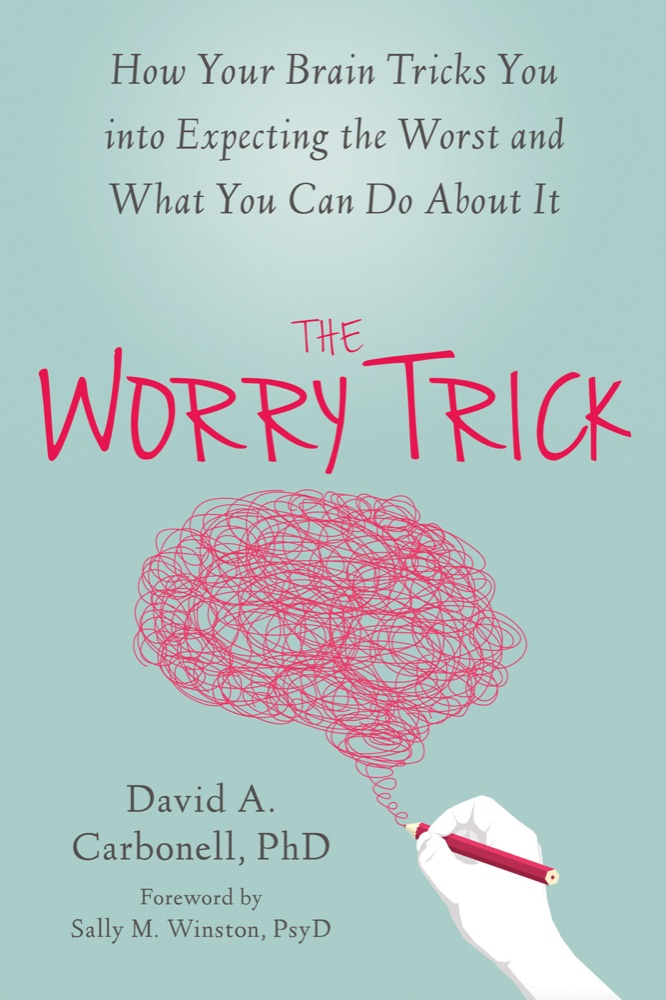
Are you truly in danger or has your brain simply "tricked" you into thinking you are? In The Worry Trick , psychologist and anxiety expert David Carbonell shows how anxiety hijacks the brain and offers effective techniques to help you break the cycle of worry, once and for all. Anxiety is a powerful force. It makes us question ourselves and our decisions, causes us to worry about the future, and fills our days with dread and emotional turbulence. Based in acceptance and commitment therapy (ACT) and cognitive behavioral therapy (CBT), this book is designed to help you break the cycle of worry. Worry convinces us there's danger, and then tricks us into getting into fight, flight, or freeze mode—even when there is no danger. The techniques in this book, rather than encouraging you to avoid or try to resist anxiety, shows you how to see the trick that underlies your anxious thoughts, and how
Book details
- First published
- 2016
- Author
- David A. Carbonell
- Genre
- Nonfiction
- Goodreads rating
- 3.78 (3k ratings)
Keep reading
Monkey Mind: A Memoir of Anxiety
 Why Has Nobody Told Me This Before?
 The Antidote: Happiness for People Who Can't Stand Positive Thinking
 The Upward Spiral: Using Neuroscience to Reverse the Course of Depression, One Small Change at a Time
 First, We Make the Beast Beautiful: A New Story About Anxiety
 It's Not Always Depression: Working the Change Triangle to Listen to the Body, Discover Core Emotions, and Connect to Your Authentic Self
 Don't Sweat the Small Stuff ... and it's all small stuff: Simple Ways to Keep the Little Things from Taking Over Your Life
 Hardcore Self Help: F**k Anxiety
 The Dance of Fear: Rising Above Anxiety, Fear, and Shame to Be Your Best and Bravest Self
 How to Stay Sane
 Why Zebras Don't Get Ulcers
 The Mindful Way through Depression: Freeing Yourself from Chronic Unhappiness
 My Age of Anxiety: Fear, Hope, Dread, and the Search for Peace of Mind
 The Willpower Instinct: How Self-Control Works, Why It Matters, and What You Can Do to Get More of It
 Your Erroneous Zones: Step-By-Step Advice for Escaping the Trap of Negative Thinking and Taking Control of Your Life
 Notes on a Nervous Planet
 When Things Fall Apart: Heart Advice for Difficult Times
 Meditation for Fidgety Skeptics: A 10% Happier How-To Book
 Feel the Fear and Do It Anyway
 Unfuck Your Brain: Using Science to Get Over Anxiety, Depression, Anger, Freak-Outs, and Triggers
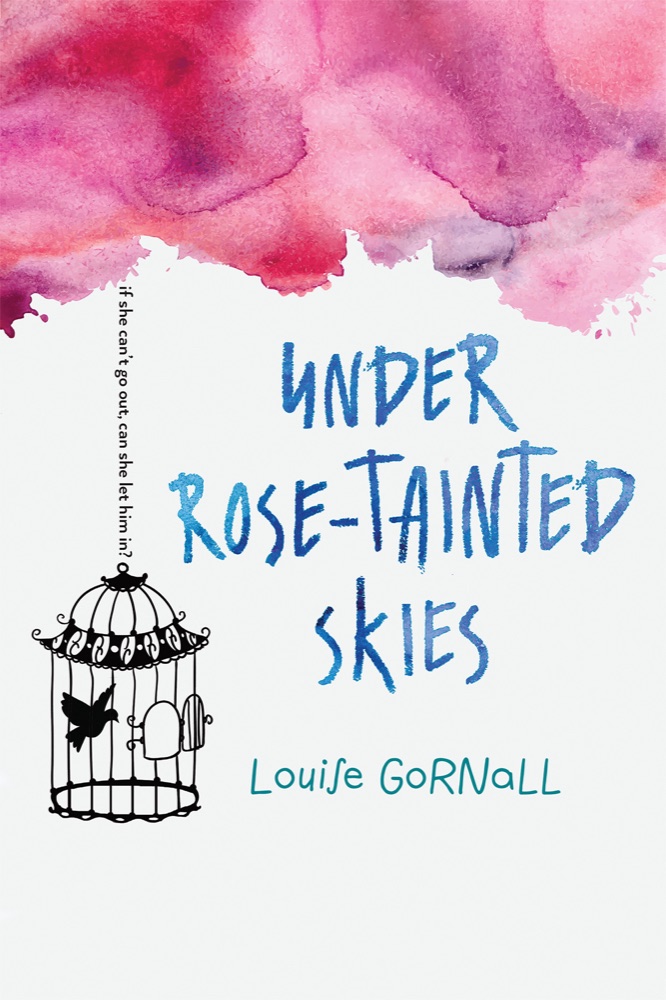 Under Rose-Tainted Skies
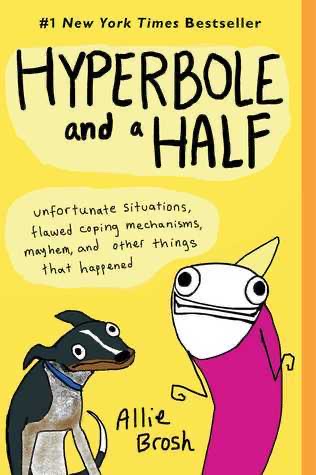 Hyperbole and a Half: Unfortunate Situations, Flawed Coping Mechanisms, Mayhem, and Other Things That Happened
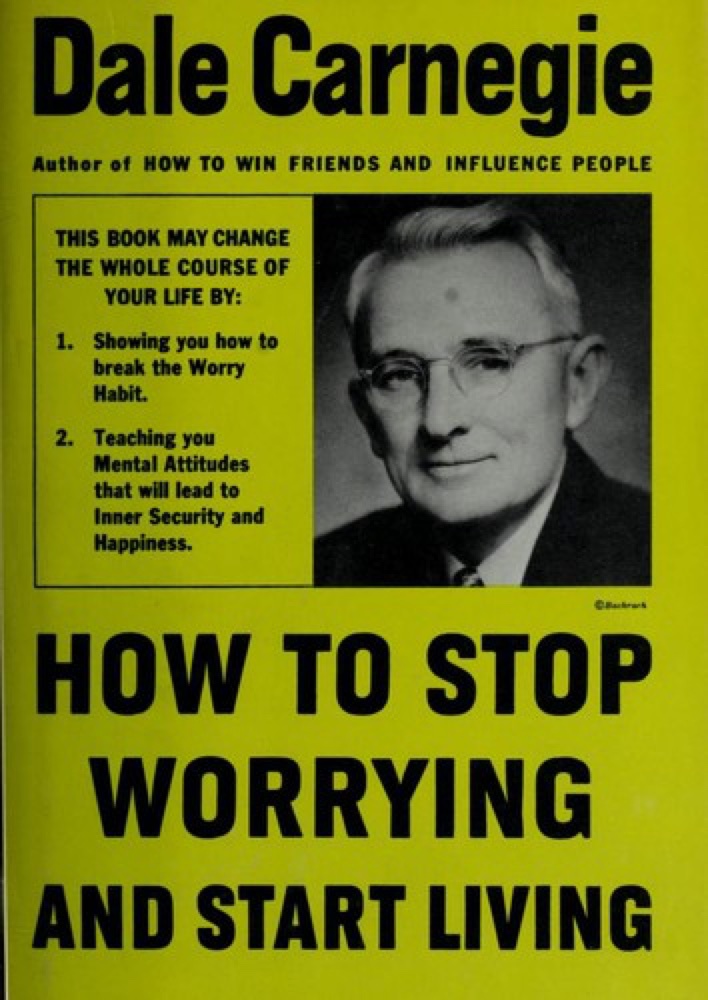 How to Stop Worrying and Start Living
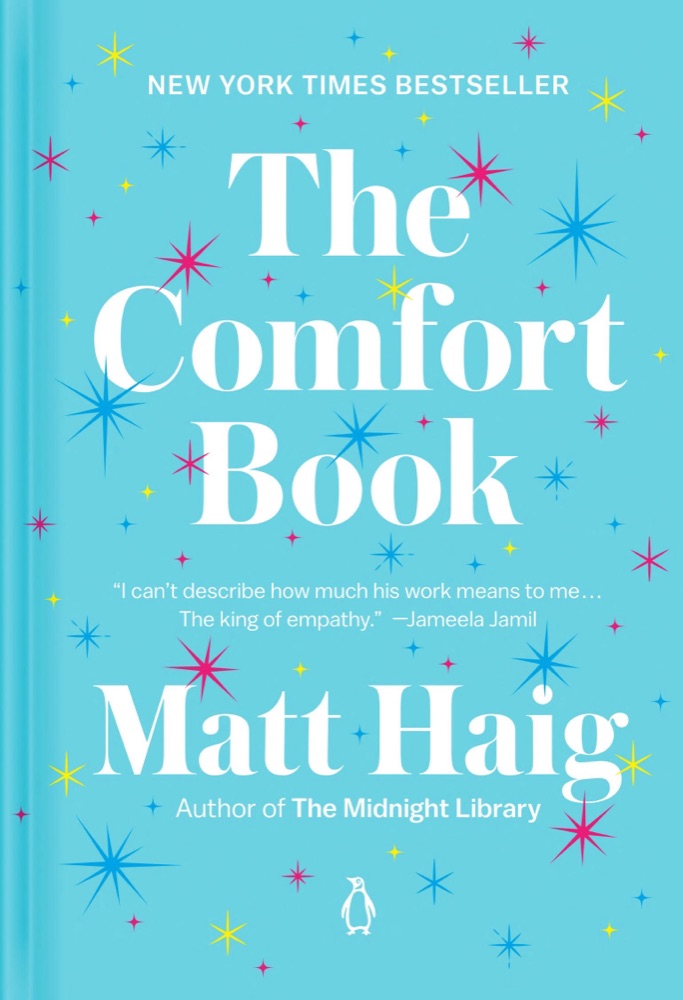 The Comfort Book
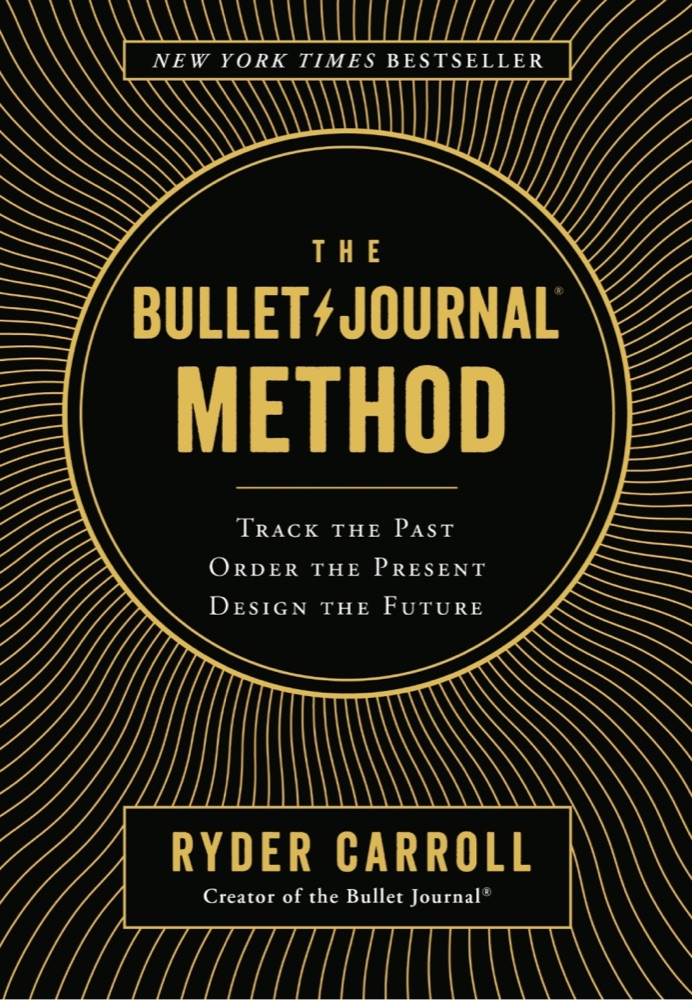 The Bullet Journal Method: Track Your Past, Order Your Present, Plan Your Future
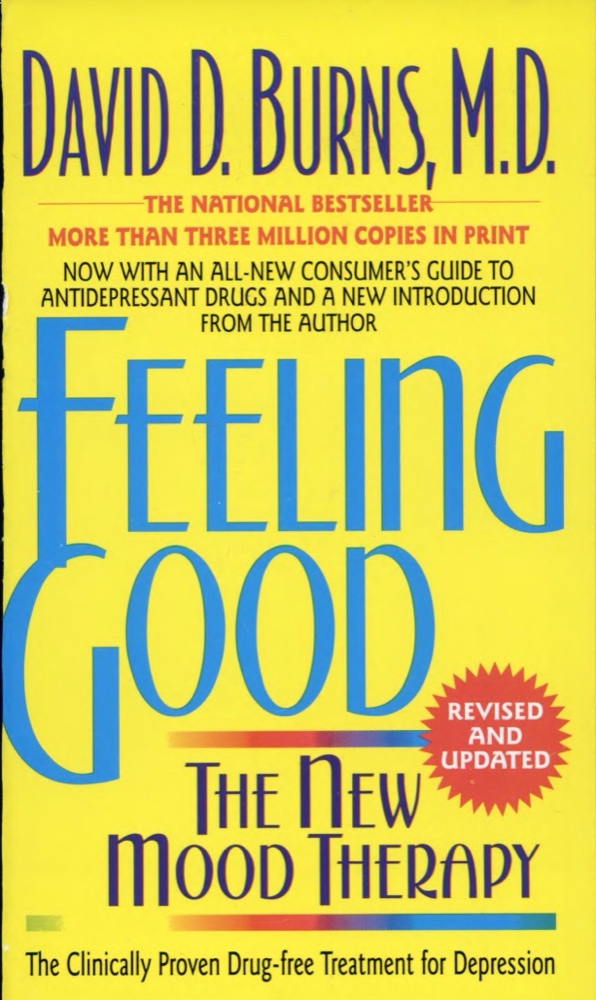 Feeling Good: The New Mood Therapy
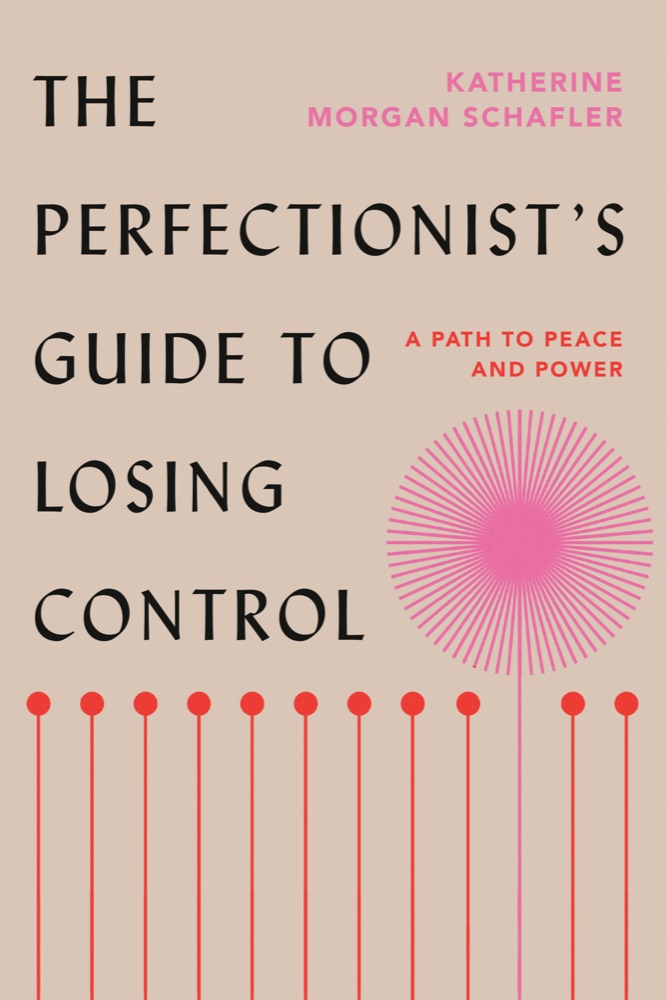 The Perfectionist's Guide to Losing Control: A Path to Peace and Power
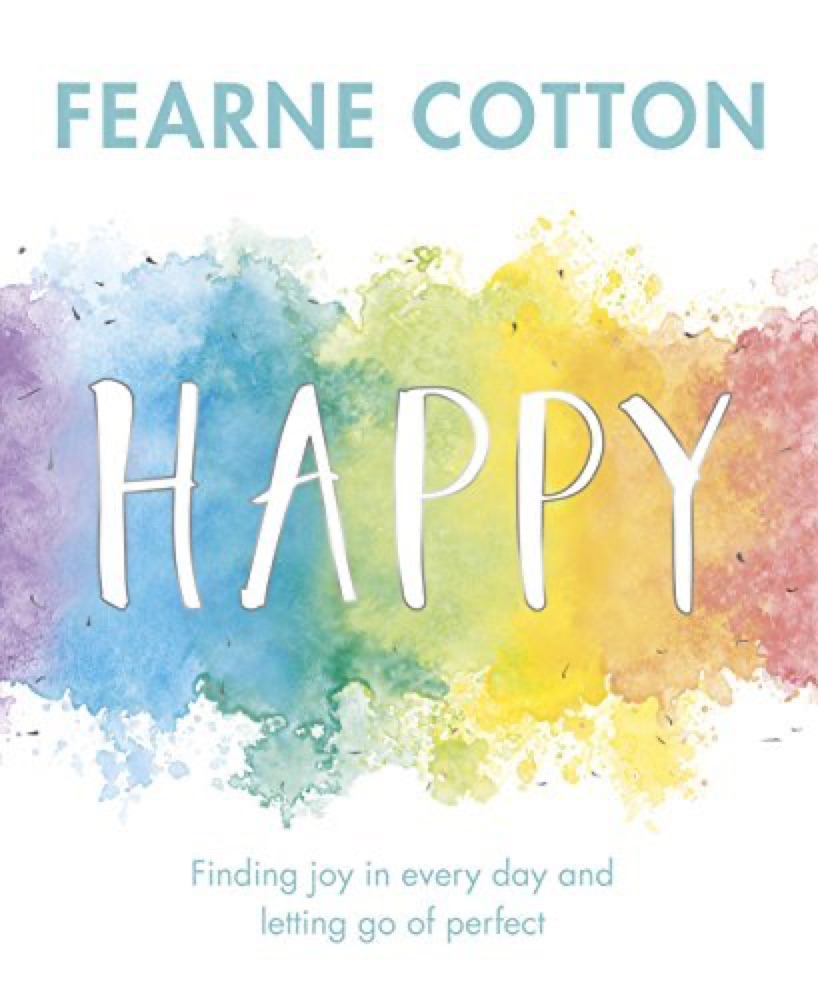 Happy: Finding Joy in Every Day and Letting Go of Perfect
 Letting Go: The Pathway To Surrender
 Becoming Bulletproof: Protect Yourself, Read People, Influence Situations, and Live Fearlessly
 The Wisdom of Insecurity: A Message for an Age of Anxiety
 The Mountain Is You: Transforming Self-Sabotage Into Self-Mastery
 The New Psycho-Cybernetics: The Original Science of Self-Improvement and Success That Has Changed the Lives of 30 Million People
 The 50th Law
 The Flinch
 The Subtle Art of Not Giving a F*ck: A Counterintuitive Approach to Living a Good Life
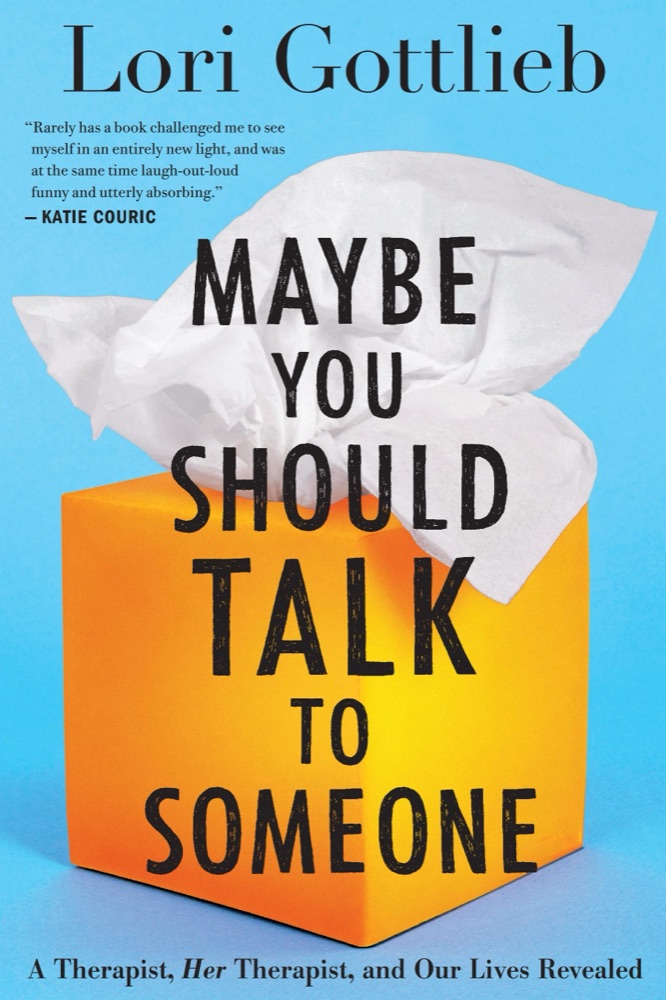 Maybe You Should Talk to Someone: A Therapist, Her Therapist, and Our Lives Revealed
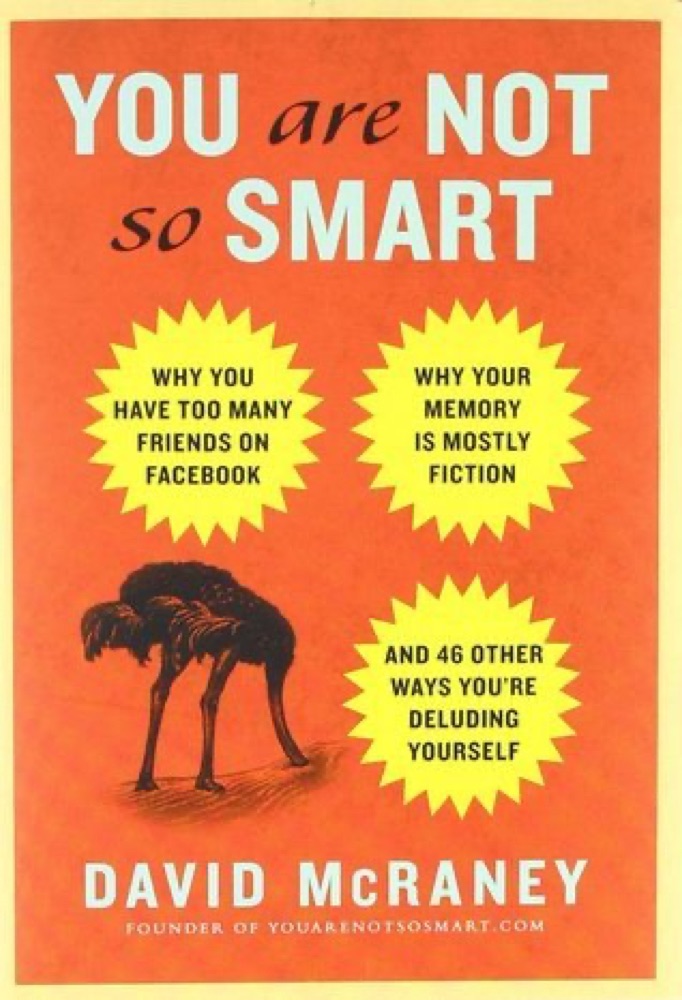 You Are Not So Smart
 Psycho-Cybernetics
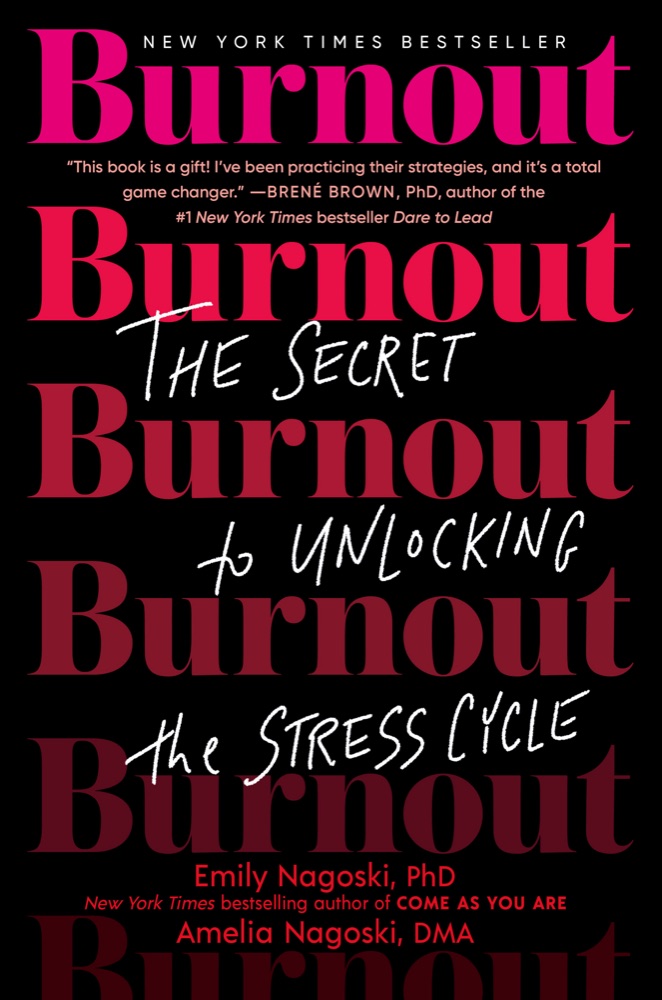 Burnout: The Secret to Unlocking the Stress Cycle
 The Untethered Soul: The Journey Beyond Yourself
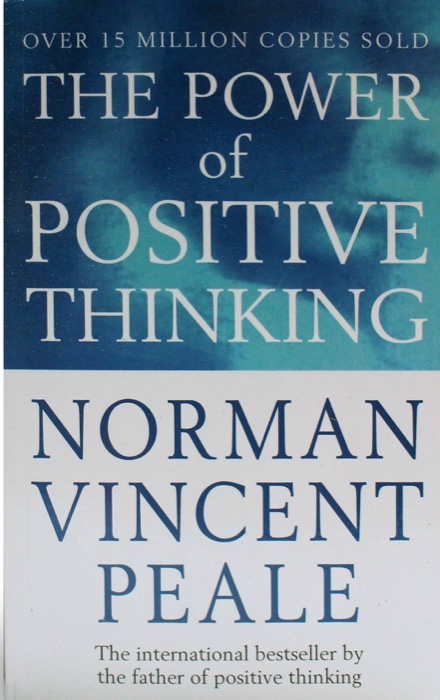 The Power of Positive Thinking
 Surrounded by Psychopaths: How to Protect Yourself from Being Manipulated and Exploited in Business
 A Complaint Free World: How to Stop Complaining and Start Enjoying the Life You Always Wanted
 Fear: Essential Wisdom for Getting Through the Storm
 Living Beautifully with Uncertainty and Change
 Atlas of the Heart: Mapping Meaningful Connection and the Language of Human Experience
 Full Catastrophe Living: Using the Wisdom of Your Body and Mind to Face Stress, Pain, and Illness
 The Man Who Couldn't Stop
 The Art of Thinking Clearly
![[Don't] Call Me Crazy](/i/book/g/b2/dont-call-me-crazy.jpg) [Don't] Call Me Crazy
[Don't] Call Me Crazy
 Getting Things Done: The Art of Stress-Free Productivity
 The Gift of Fear: Survival Signals That Protect Us from Violence
 Think Straight: Change Your Thoughts, Change Your Life
 The Now Habit: A Strategic Program for Overcoming Procrastination and Enjoying Guilt-Free Play
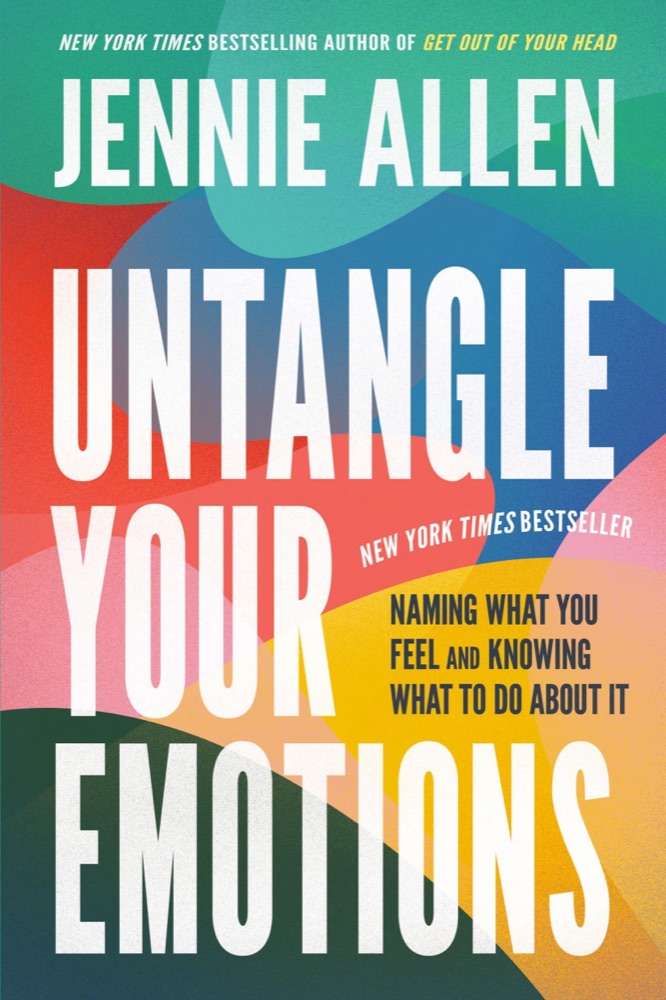 Untangle Your Emotions: Naming What You Feel and Knowing What to Do About It
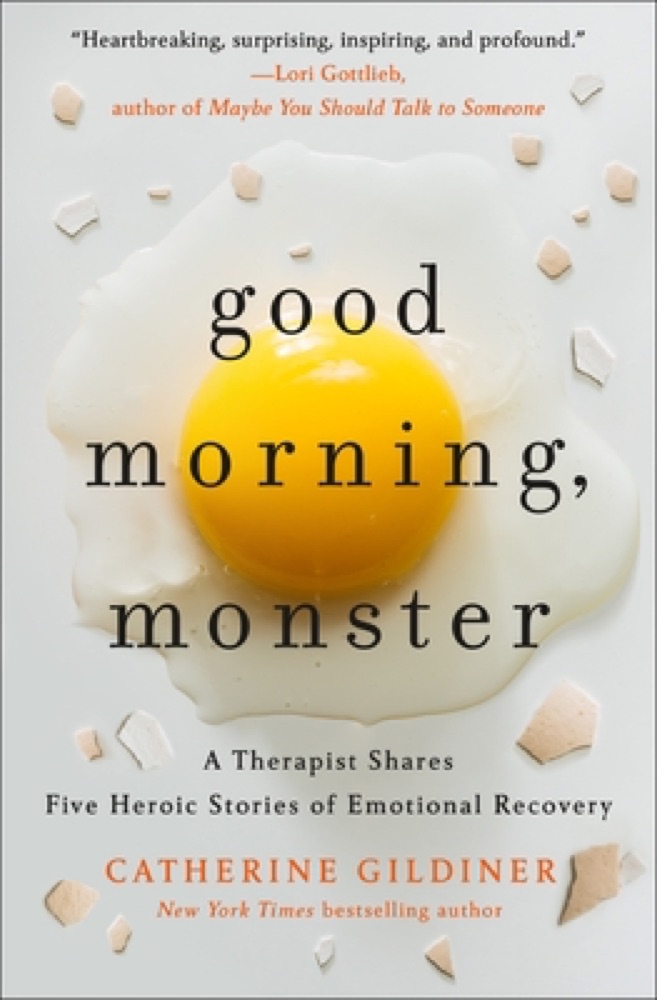 Good Morning, Monster: A Therapist Shares Five Heroic Stories of Emotional Recovery
 101 Essays That Will Change The Way You Think
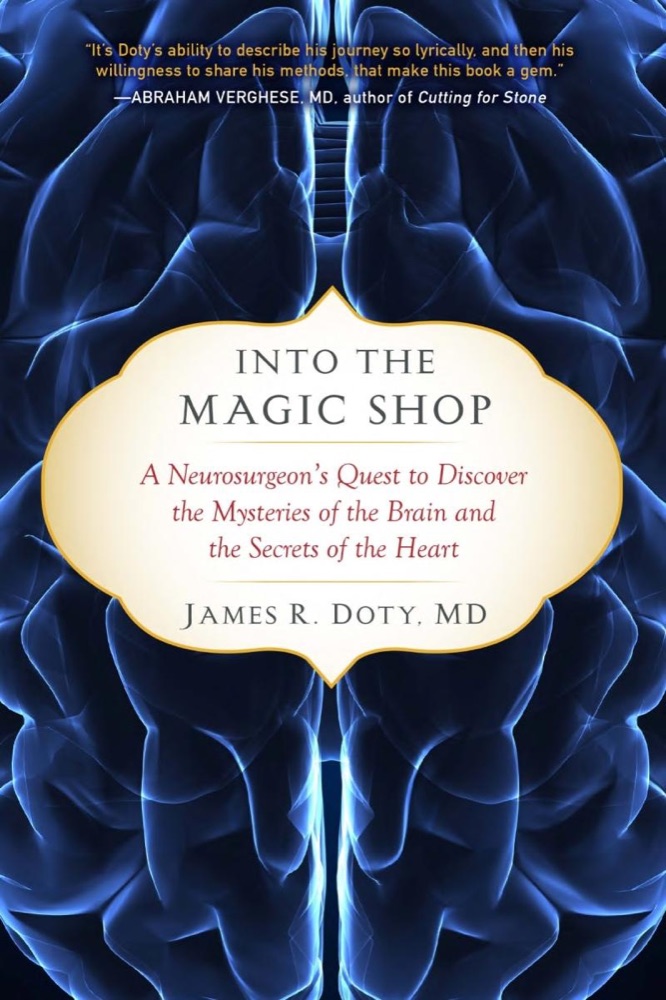 Into the Magic Shop: A Neurosurgeon's Quest to Discover the Mysteries of the Brain and the Secrets of the Heart