
 Why We Get Sick: The New Science of Darwinian Medicine
Quotes from the Book
Most behavior is in pursuit of a goal. Some efforts are attempts to get something, others to escape or prevent something. Either way, an individual is usually trying to make progress toward some goal. High and low moods are aroused by situations that arise during goal pursuit. What situations? A generic but useful answer is: high and low moods were shaped to cope with propitious and unpropitious situations.
4
Like fever and pain, anxiety and low mood are useful normal responses to some situations.
4
Natural selection shaped us to care enormously about waht other people think about our resources, abilities, and character. This is what self-esteem is all about. We constantly monitor how much others value us. Low self-esteem is a signal to try harder to please others.
2
The German psychologist Jutta Heckhausen, now in California, studied a group of childless middle-aged women who were still hoping to have a baby. As they approached menopause, their emotional distress became more and more intense. But after menopause those who gave up their hope for pregnancy lost their depression symptoms.81 The irony is deep: hope is often at the root of depression.
2
The very idea that negative emotions can be useful can seem preposterous to those who are experiencing them. To get beyond such understandable skepticism, here are four good reasons for thinking that symptoms have evolutionary origins and utility. First, symptoms such as anxiety and sadness are, like sweating and coughing, not rare changes that occur in a few people at unpredictable times; they are consistent responses that occur in nearly everyone in certain situations. Second, the expression of emotions is regulated by mechanisms that turn them on in specific situations; such control systems can evolve only for traits that influence fitness. Third, absence of a response can be harmful; inadequate coughing can make pneumonia fatal, inadequate fear of heights makes falls more likely. Finally, some symptoms benefit an individual’s genes, despite substantial costs to the individual.
1
Most chemicals that give humans a buzz evolved to disrupt insect nervous systems. If our brains used different chemicals, we would not be so vulnerable. However, we have common ancestors with insects. It was long ago, about 500 million years ago, when our ancestors split off from the arthropod lines that became modern insects. However, our neurochemicals remain about the same as theirs. Fortunately, most plant neurotoxins don’t kill us. We have evolved to eat plants, and we are much larger than insects, so low doses are not fatal. But drugs can hijack our motivation mechanisms and take control of our lives.
1
Criminalization and interdiction have filled prisons and corrupted governments in country after country. However, increasingly potent drugs that can be synthetized in any basement make controlling access increasingly impossible. Legalization seems like a good idea but causes more addiction. Our strongest defense is likely to be education, but scare stories make kids want to try drugs. Every child should learn that drugs take over the brain and turn some people into miserable zombies and that we have no way to tell who will get addicted the fastest. They should also learn that the high fades as addiction takes over.
1
The body is not shaped for maximum health or longevity; it is shaped for maximum transmission of its genes.
1
Strong selection for extreme mental capacities may have given us all minds like the legs of racehorses, fast but vulnerable to catastrophic failures. This model fits well with the idea that schizophrenia is intimately related to language and cognitive ability.93 It also fits well with the observation that schizophrenia may be intimately related to the human capacity for “theory of mind,” our ability to intuit other people’s motives and cognitive abilities in general.
1
The mechanisms our minds use to anticipate the results of our actions are inadequate for coping with modern media.
1
The general human tendency to ignore the effects of situations and to attribute problems to characteristics of individuals is so pervasive that social psychologists have a name for it: “The fundamental attribution error.
1
Internal medicine doctors know the functions of the kidneys. They don’t confuse protective defenses such as cough and pain with diseases such as pneumonia and cancer. Psychiatrists lack a similar framework for the utility of stress, sleep, anxiety, and mood, so psychiatric diagnostic categories remain confusing and crude.
1
First, the rest of medicine recognizes symptoms, such as pain and cough, as protective defenses and carefully distinguishes them from the disorders that arouse them. In psychiatry, by contrast, extremes of emotions, such as anxiety and low mood, are categorized as disorders, irrespective of any situation that might be arousing them. This error is so basic and pervasive that it deserves a name: Viewing Symptoms As Diseases (VSAD).
1
All organisms are shaped to behave in ways that increase fitness even if that decreases health and happiness. Did you ever desperately want to have sex with someone even though you knew that could lead to disaster? Most people have, with sometimes dire consequences. Then there are the rest of our desires and the inevitable suffering because they cannot all be fulfilled. We want so badly to be important, rich, loved, admired, attractive, and powerful. For what? the good feelings from succeeding are just about balanced by the bad feelings from failure. Our emotions benefit our genes far more than they do us.
1
In the clinic it is obvious that what patients believe about human nature influences their lives and problems.
1
[Mood allocates] investments of time, effort, resources, and risk taking to maximize Darwinian fitness in situations of varying propitiousness. High and low moods adjust cognition and behavior to cope with propitious and unpropitious situations.
1
Selection shapes brains that maximize the number of offspring who survive to reproduce themselves. This is very different from maximizing health or longevity. It is also different from maximizing matings. That is why organisms do things other than having sex. Especially humans. Having the most offspring requires allocating plenty of thought and action to getting resources other than mates and matings, especially social resources, such as friends and status. Everyone else is doing the same thing, creating constant conflict, cooperation, and vast social complexity whose comprehension requires a huge brain.
1
The greatest boon of modern life is also the greatest villain: the availability of plentiful food.30,31,32,33,34,35 Or, rather, foodlike substances manufacturers concoct with the exact combinations of sugar, salt, and fat that we most desire.
1
The problem with abused drugs is not that they arouse pleasure; the problem is that they increase desire. My colleague the psychologist Kent Berridge has shown that this “wanting” system tends to overwhelm and outlast the “liking” system, so that some chronic users desperately want drugs that no longer provide much pleasure.30 “Wanting” hardly begins to describe the tragedy of people in the trap of spending all their available time, effort, thought, and money getting and taking drugs, even though the high is no longer all that pleasurable.
Attractiveness and abilities don’t come in the mail, but we can now compare ourselves to actors, models, musicians, artists, athletes, politicians and performers who are one in a million. We watch movies about aspiring, ambitious young men and women who overcome obstacles to succeed grandly; the 999,999 who fail get little attention.
Eating sweets creates a desire for more sweets, in what has been called sugar addiction.1 Strains of bacteria in our guts that are fed straight sugar may manipulate us to eat the kinds of food that allow them to grow faster than other bacteria.
A recent evolutionary sophisticated perspective by Günter Wagner and Mihaela Pavličev suggests that orgasm had its origins in the mechanism in many species that induces ovulation after mating, and that female orgasm in humans is a vestige of that system.42,43,44 They also note that the clitoral equivalent in other species is inside the vagina and its displacement outside is a product of natural selection. Their conclusions seem sensible.
Awash in stimulation, our imaginations transformed by the virtual reality of modern media, we are rarely satisfied with ourselves, our partners, or our sex lives. A lovely little study conducted by the evolutionary psychologist Douglas Kenrick asked men to rate their satisfaction with their partners. Before filling out the questionnaire, half waited in a room with books about abstract art, the others in a room with copies of Playboy. Just browsing centerfolds made the second group’s satisfaction with real partners plummet.
I would like to think that objectivity maximizes fitness, but life in human groups demands patriotic loyalty to the in-group. Objective individuals are devalued and rejected. For sport fan groups this is not much of a problem, except for the unwary individual who suggests that the home team just isn’t any good. However, groups advancing neuroscience, psychoanalysis, behavior therapy, family therapy, and, yes, evolutionary psychiatry also tend to insist on loyalty to the core schema. Ideas and facts that don’t fit are ignored, opposed, and even repressed. Individuals who are excessively objective or sympathetic to other views are excluded. The tendency is deep and probably useful for our genes, but it can be poison for those searching for truth in the connections among different fields.
The two sides of this trade-off at the root of mental conflict are supported by genetic studies that have found two global pathways to mental disorders.44,45 One pathway is via internalizing, that is, inhibition, anxiety, self-blame, neurosis, and depression. The other pathway is via externalizing, that is, by pursuing self-interest with little inhibition in ways that often lead to social conflicts and addiction. For the first group of patients, social selection has worked all too well; they are acutely attuned to what others want, and they work hard to please others. For the second group, the tendency to pursue self-interest leaves them with limited moral moorings or committed social support. Most of us muddle along somewhere in between. These two global strategies are closely related to fast and slow life history strategies and their possible relationship to mental disorders.46 Early adversity has been proposed to discount the perceived value of long-term benefits and set behavior to take advantage of opportunities now, even at the expense of long-term relationships.47,48,49 This may help explain the association of early adversity with borderline personality.
As Wilson put it in his book, we are sometimes like children at an arcade race car–driving game who imagine that they are steering the car, when they are only watching a video preview.
Pretend for a moment that you are in the horrifying situation of watching one of your children being pulled out to sea in a riptide. Would you just go on eating your lunch? No way. The first thing you would do is to scream to get help rescuing your child. You would simultaneously get all other children out of the water as you dive in and try to rescue the missing child, even knowing the danger and that it is probably too late. If you were sensible enough not to swim out or fortunate enough to get back to shore safely, grief would promote endless rumination about what you could have done to prevent the loss. This would help prevent a repetition with other children. Your sobbing would signal your need for help and warn others about the danger. When a child dies of cancer or pneumonia, speculating about what you might have done to prevent it is mostly useless. However, the tendency to blame is built in, so people do it anyway, blaming themselves, doctors, anyone who was involved. Those motives can create marvelous initiatives, Mothers Against Drunk Driving being a spectacular example. Every community has organizations dedicated to preventing the kind of sickness or accident that carried off a loved member of the community. In our ancestral environment, loved ones must often have simply not returned to camp. Searching for them would have been essential. A loss creates mental preoccupation and a search image tuned to detect relevant cues. In the weeks after a loss, bereaved individuals often think that they see or hear the lost loved one. Tiny random sounds or sights are misinterpreted as the person’s voice or form. Visual and auditory hallucinations arise. Such experiences are sometimes interpreted as wish fulfillment, but a more plausible explanation is that they are products of a search image that makes it easier to find the missing person. False alarms in such a system would be normal, useful, and experienced as ghosts. Anniversary reactions are also common and fascinating. Many people occasionally experience sadness that seems unaccountable, until they realize it is the anniversary of a loss. I doubt that anniversary reactions are adaptive in general; however, in ancestral environments many opportunities and dangers recur with seasonal regularity. So smelling overly ripe apples in an orchard may bring back vivid memories of a fall long ago.
Social selection has big implications for mental disorders. When I began treating patients, many wanted help to make them less sensitive to what other people thought about them. It was the 1970s zeitgeist: I’m okay, you’re okay, let’s shed stifling social conventions and follow our bliss. Escaping conformity seemed like a laudable goal. I did my best to help patients achieve those aims, usually with only modest success. As I came to understand how partner selection shapes relationships, I gradually recognized why social anxiety is overwhelmingly common. Natural selection shaped us to care enormously about what other people think about our resources, abilities, and character. This is what self-esteem is all about. We constantly monitor how much others value us. Low self-esteem is a signal to try harder to please others.114,115 However, trying harder to please others often conflicts with competing for status, creating plenty of conflicts that you hear about in psychotherapy.
Despite its intuitive appeal, examples of group selection are few. Some apparent examples mostly document its weakness. For instance, chickens in cages peck one another, causing injuries that slow their growth. Breeding chickens for a few generations using eggs from the cages with the least pecking shapes more cooperative chickens that grow faster.27,28 This is real group selection. However, it is not natural selection. In fact, it illustrates that no such group selection happened to chickens previously. Except in very special circumstances, genetic tendencies that benefit the group are eliminated if they decrease the reproduction of individuals.
Watch on YouTube
About Randolph M. Nesse
We have collected 58 quotes from 2 books by Randolph M. Nesse on BookQuoters.
More about the author →More by Randolph M. Nesse
Why We Get Sick: The New Science of Darwinian Medicine
About the book
A founder of the field of evolutionary medicine uses his decades of experience as a psychiatrist to provide a much-needed new framework for making sense of mental illness.
Why do I feel bad? There is real power in understanding our bad feelings. With his classic Why We Get Sick, Dr. Randolph Nesse helped to establish the field of evolutionary medicine. Now he returns with a book that transforms our understanding of mental disorders by exploring a fundamentally new question. Instead of asking why certain people suffer from mental illness, Nesse asks why natural selection has left us all with fragile minds.
Drawing on revealing stories from his own clinical practice and insights from evolutionary biology, Nesse shows how negative emotions are useful in certain situations, yet can become overwhelming. Anxiety protects us from harm in the face of danger, but false alarms are inevitable
Book details
- First published
- 2019
- Author
- Randolph M. Nesse
- Genre
- Nonfiction
- Goodreads rating
- 3.93 (2k ratings)
Keep reading
Why We Get Sick: The New Science of Darwinian Medicine
 Behave: The Biology of Humans at Our Best and Worst
 Why Zebras Don't Get Ulcers
 The Moral Animal: Why We Are the Way We Are - The New Science of Evolutionary Psychology
 A User's Guide to the Brain: Perception, Attention, and the Four Theaters of the Brain
 Mama's Last Hug: Animal Emotions and What They Tell Us about Ourselves
 When the Body Says No: The Cost of Hidden Stress
 Natural Causes: An Epidemic of Wellness, the Certainty of Dying, and Killing Ourselves to Live Longer
 Descartes' Error: Emotion, Reason and the Human Brain
 How the Mind Works
 Social Intelligence: The New Science of Human Relationships
 Dopamine Nation: Finding Balance in the Age of Indulgence
 Scarcity Brain: Fix Your Craving Mindset and Rewire Your Habits to Thrive with Enough
 A Hunter-Gatherer's Guide to the 21st Century: Evolution and the Challenges of Modern Life
 The Story of the Human Body: Evolution, Health, and Disease
 Scattered Minds: The Origins and Healing of Attention Deficit Disorder
 A First-Rate Madness: Uncovering the Links Between Leadership and Mental Illness
 The Boy Who Was Raised as a Dog: And Other Stories from a Child Psychiatrist's Notebook
 My Age of Anxiety: Fear, Hope, Dread, and the Search for Peace of Mind
 How We Decide
 The Happiness Hypothesis: Finding Modern Truth in Ancient Wisdom
 Psych: The Story of the Human Mind
 The Brain That Changes Itself: Stories of Personal Triumph from the Frontiers of Brain Science
 The Social Animal: The Hidden Sources of Love, Character, and Achievement
 Social: Why Our Brains Are Wired to Connect
 The Laws of Human Nature
 Homo Deus: A History of Tomorrow
 Toward a Psychology of Being
 Feeling Good: The New Mood Therapy
 The Elephant in the Brain: Hidden Motives in Everyday Life
 In the Realm of Hungry Ghosts: Close Encounters with Addiction
 A General Theory of Love
 The Sleeping Beauties: And Other Stories of Mystery Illness
 Emotional Design: Why We Love (or Hate) Everyday Things
 Successful Aging: A Neuroscientist Explores the Power and Potential of Our Lives
 Why Has Nobody Told Me This Before?
 Humankind: A Hopeful History
 Lost Connections: Uncovering the Real Causes of Depression - and the Unexpected Solutions
 The Anxious Generation: How the Great Rewiring of Childhood Caused an Epidemic of Mental Illness
 The Mating Mind: How Sexual Choice Shaped the Evolution of Human Nature
 On Human Nature
 Unfuck Your Brain: Using Science to Get Over Anxiety, Depression, Anger, Freak-Outs, and Triggers
 Healing Back Pain: The Mind-Body Connection
 Letting Go: The Pathway To Surrender
 The Blank Slate: The Modern Denial of Human Nature
 Antifragile: Things That Gain from Disorder
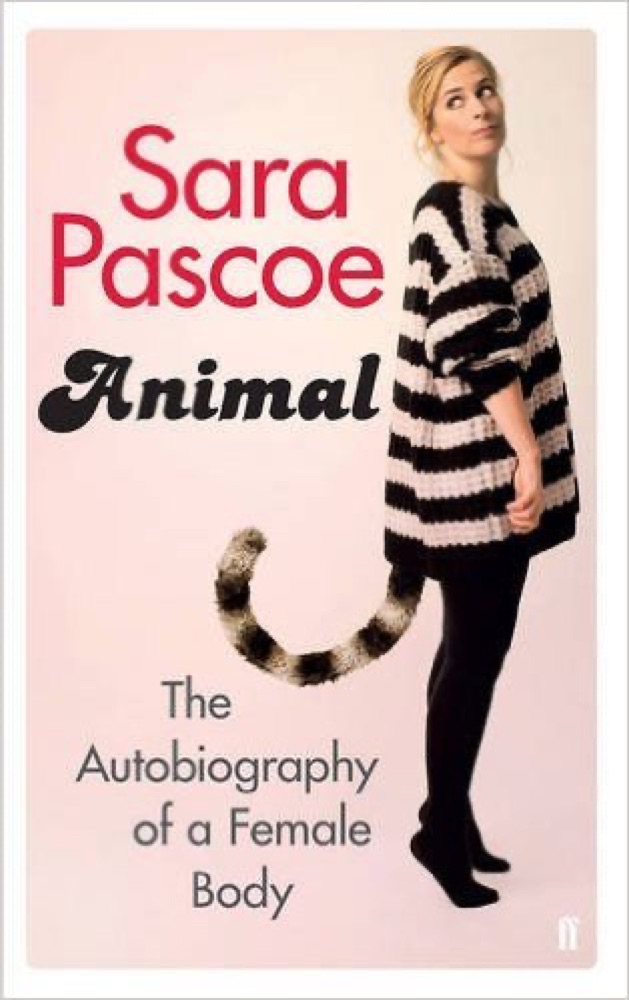 Animal: The Autobiography of a Female Body
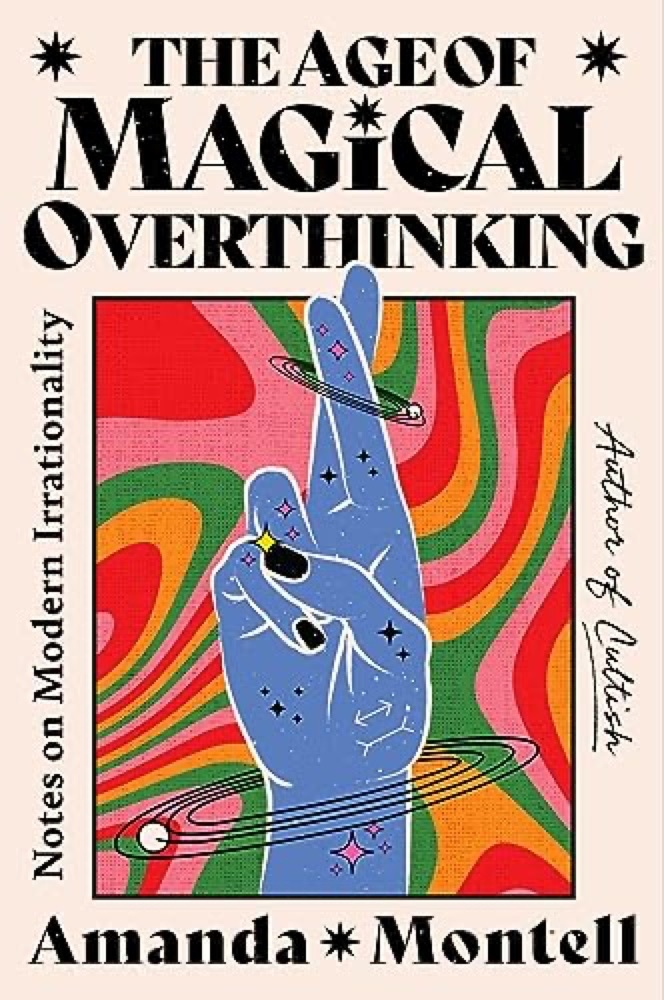 The Age of Magical Overthinking: Notes on Modern Irrationality
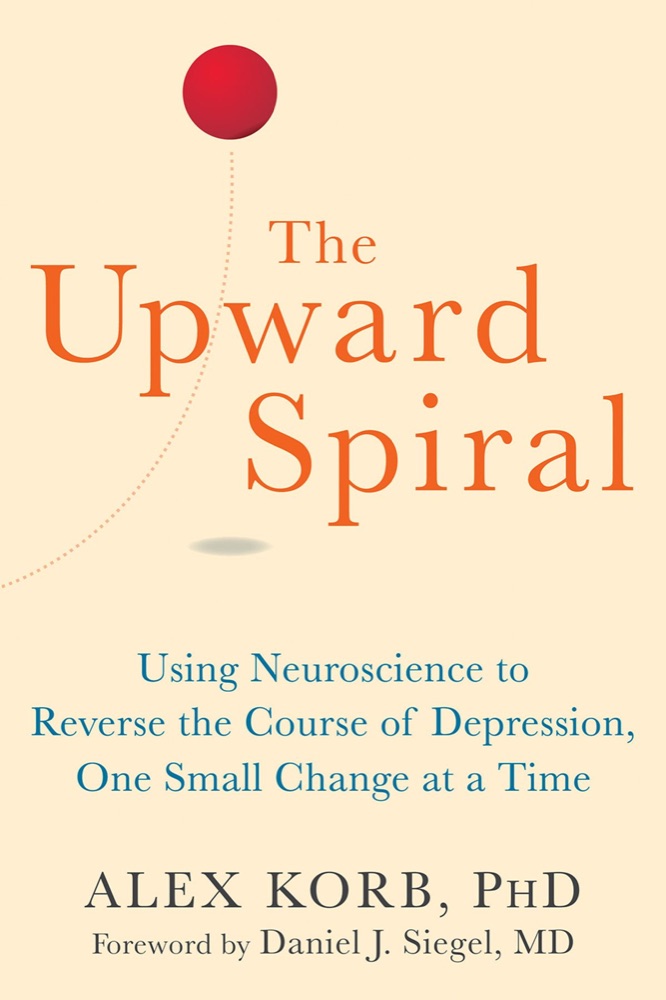 The Upward Spiral: Using Neuroscience to Reverse the Course of Depression, One Small Change at a Time
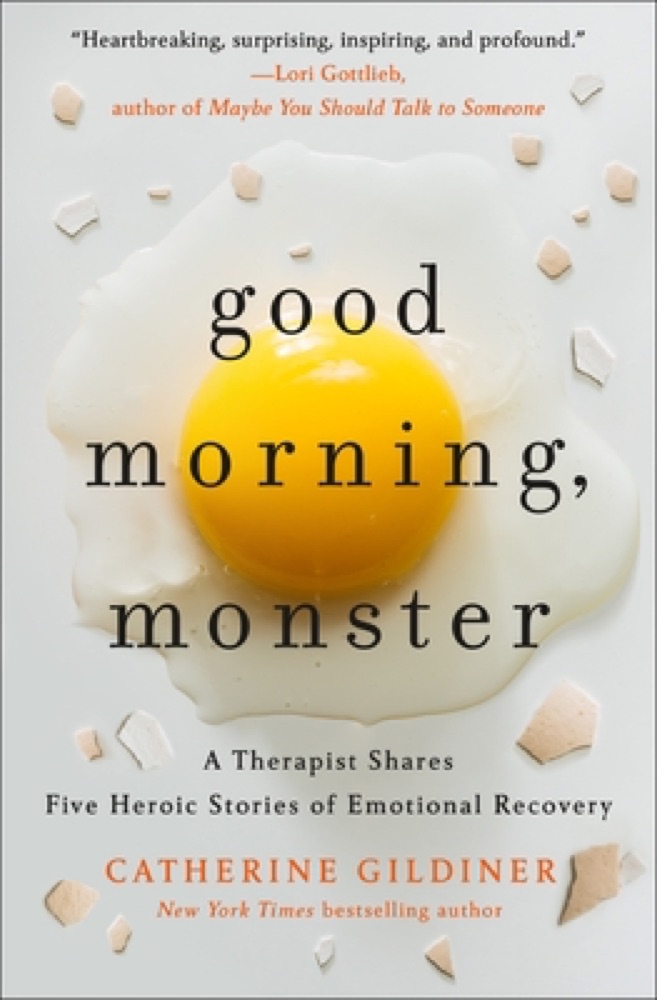 Good Morning, Monster: A Therapist Shares Five Heroic Stories of Emotional Recovery
 The New Psycho-Cybernetics: The Original Science of Self-Improvement and Success That Has Changed the Lives of 30 Million People
 Emotional Intelligence: Why It Can Matter More Than IQ
 What Happened To You?: Conversations on Trauma, Resilience, and Healing
 Drunk: How We Sipped, Danced, and Stumbled Our Way to Civilization
 The Tale of the Dueling Neurosurgeons: The History of the Human Brain as Revealed by True Stories of Trauma, Madness, and Recovery
 The Tell-Tale Brain: A Neuroscientist's Quest for What Makes Us Human
 Dragons of Eden: Speculations on the Evolution of Human Intelligence
 What Doesn't Kill Us: How Freezing Water, Extreme Altitude, and Environmental Conditioning Will Renew Our Lost Evolutionary Strength
 First, We Make the Beast Beautiful: A New Story About Anxiety
 You Are Not So Smart