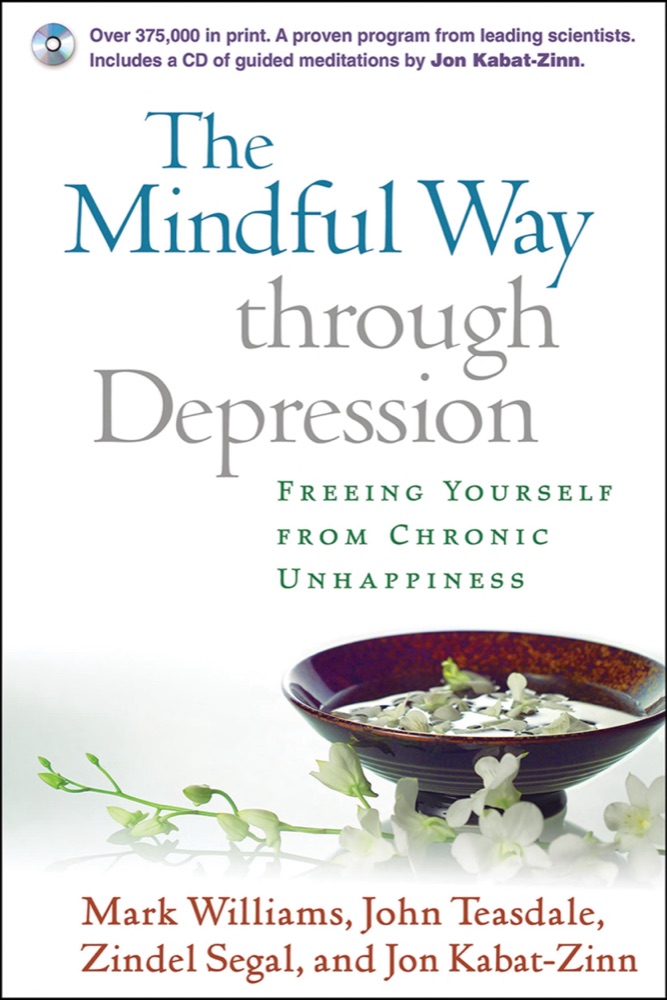

 Why Has Nobody Told Me This Before?
Quotes from the Book
Get out of our heads and learn to experience the world directly, experientially, without the relentless commentary of our thoughts. We might just open ourselves up to the limitless possibilities for happiness that life has to offer us .
15
Start living right here, in each present moment. When we stop dwelling on the past or worrying about the future, we're open to rich sources of information we've been missing out on—information that can keep us out of the downward spiral and poised for a richer life.
14
Being mindful means that we suspend judgment for a time, set aside our immediate goals for the future, and take in the present moment as it is rather than as we would like it to be.
12
Imagine what effect it would have on you if someone stood behind you all day telling you how useless you were when you were trying desperately to cope with a difficult experience. Now imagine how much worse it would be if the criticism and harsh judgment came from inside your own mind.
9
If we have been depressed before, a low mood can become easier and easier to trigger over time, because each time it returns, the thoughts, fe elings , body sensations, and behaviors that accompany it form stronger and stronger connections to each other. Eventually, any one element can trigger depression by itself.
8
And when we make choices informed by a depressive state of mind, they're more than likely to keep us stuck in our unhappiness.
7
The Exhaustion Funnel. The narrowing area of the circles illustrates the narrowing of life as we give up the things in life that we enjoy but seem "optional." The result is that we stop doing activities that would nourish us, leaving only work or other stressors that often deplete our resources.
7
Unhappiness itself is not the problem—it is an inherent and unavoidable part of being alive. Rather, it’s the harshly negative views of ourselves that can be switched on by unhappy moods that entangle us. It is these views that transform passing sadness into persistent unhappiness and depression. Once these harsh, negative views of ourselves are activated, not only do they affect our mind, they also have profound effects on our body—and then the body in turn has profound effects on the mind and emotions.
6
In this way, little by little , moment by moment, life can slip by without us being fully here for it. Always preoccupied with getting somewhere else, we are hardly ever where we actually are and attentive to what is actually unfolding in this moment.
6
But research shows that rumination does exactly the opposite: our ability to solve problems actually deteriorates markedly during rumination.
4
Our reactions to unhappiness can transform what might otherwise be a brief, passing sadness into persistent dissatisfaction and unhappiness.
4
Peace can exist only in the present moment. It is ridiculous to say “Wait until I finish this, then I will be free to live in peace.” What is “this”? A diploma, a job, a house, the payment of a debt? If you think that way, peace will never come. There is always another “this” that will follow the present one. If you are not living in peace at this moment, you will never be able to. If you truly want to be at peace, you must be at peace right now. Otherwise, there is only “the hope of peace some day.” —Thich Nhat Hanh, The Sun My Heart
3
the most ancient parts of the brain make no distinction between the external threat of the tiger and internal “threats” such as worries about the future or memories from the past.
3
We only compound our feelings of depletion if we deal with them by giving up activities that normally nourish us,
3
Mindfulness could also be described as "heartfulness" because it is really about a compassionate awareness.
2
Not clinging to goals, even worthy goals, may be the way out of unhappiness.
2
it wasn’t necessarily events themselves that drove our emotions but our beliefs about or interpretations of those events.
2
Despite some initial skepticism about what our colleagues and patients might say if we suggested we were considering meditation as a preventive approach to depression, we decided to take a closer look. We soon discovered that the combination of Western cognitive science and Eastern practices was just what is needed to break the cycle of recurrent depression, in which we tend to go over and over what went wrong or how things are not the way we want them to be.
2
What if, like virtually everybody else who suffers repeatedly from depression, you have become a victim of your own very sensible, even heroic, efforts to free yourself—like someone pulled even deeper into quicksand by the struggling intended to get you out?
2
Ideas about our own self-worth are no more real than thoughts about an imaginary chair.
2
Often we see the situation (A) and the reaction (C) but are unaware of the interpretation (B).
2
Our emotional reactions depend on the story we tell ourselves, the running commentary in the mind that interprets the data we receive through our senses.
2
For some, especially young people, irritability is a more prominent experience than sadness in depression.
2
the anatomy of depression and of its four key dimensions: feelings, thoughts, body sensations, and behaviors,
2
depression forges a connection in the brain between sad mood and negative thoughts, so that even normal sadness can reawaken major negative thoughts.
2
The memories of previous failures and the images of feared future scenarios that we bring to mind in the process add their own twist to the spiral of worsening mood.
2
Expectations can become goals, which only get in the way of the experience we are having in this moment.
2
When we stop trying to force pleasant feelings, they are freer to emerge on their own . When we stop trying to resist unpleasant feelings, we may find that they can drift away by themselves . When we stop trying to make something happen, a whole world of fresh and unanticipated experiences may become accessible to us.
2
Perhaps everything that frightens us is, in its deepest essence, something helpless that wants our love.
1
It turns out that every time a person gets depressed, the connections in the brain between mood, thoughts, the body, and behavior get stronger, making it easier for depression to be triggered again.
1
Watch on YouTube
About J. Mark G. Williams
We have collected 30 quotes from 1 book by J. Mark G. Williams on BookQuoters.
More about the author →About the book
The Mindful Way through Depression draws on the collective wisdom of four internationally renowned cognitive therapy and mindfulness experts, including bestselling author Jon Kabat-Zinn, to help you break the mental habits that can lead to despair. This authoritative, easy-to-use self-help program is based on methods clinically proven to reduce the recurrence of chronic unhappiness. Informative chapters reveal the hidden psychological mechanisms that cause depression and demonstrate powerful ways to strengthen your resilience in the face of life's misfortunes. Kabat-Zinn lends his calm, familiar voice to the accompanying CD of guided meditations, making this a complete package for anyone looking to regain a sense of balance and contentment.
Book details
- First published
- 2007
- Author
- J. Mark G. Williams
- Genre
- Nonfiction
- Goodreads rating
- 4.00 (9k ratings)
Keep reading
Why Has Nobody Told Me This Before?
 The Antidote: Happiness for People Who Can't Stand Positive Thinking
 Lost Connections: Uncovering the Real Causes of Depression - and the Unexpected Solutions
 Letting Go: The Pathway To Surrender
 The Upward Spiral: Using Neuroscience to Reverse the Course of Depression, One Small Change at a Time
 The Examined Life: How We Lose and Find Ourselves
 Feeling Good: The New Mood Therapy
 When Things Fall Apart: Heart Advice for Difficult Times
 I've never been (Un)happier
 The Hilarious World of Depression
 The Noonday Demon: An Atlas of Depression
 Why Zebras Don't Get Ulcers
 Maybe You Should Talk to Someone: A Therapist, Her Therapist, and Our Lives Revealed
 Notes on a Nervous Planet
 Living Beautifully with Uncertainty and Change
 Letting Go of the Person You Used to Be: Lessons on Change, Loss, and Spiritual Transformation
 Full Catastrophe Living: Using the Wisdom of Your Body and Mind to Face Stress, Pain, and Illness
 First, We Make the Beast Beautiful: A New Story About Anxiety
 No Self, No Problem: How Neuropsychology Is Catching Up to Buddhism
 Real Happiness: A 28-Day Program to Realize the Power of Meditation
 Happiness: A Guide to Developing Life's Most Important Skill
 How to Stay Sane
 The Joy of Living: Unlocking the Secret and Science of Happiness
 Stumbling on Happiness
 Reasons to Stay Alive
 Advice Not Given: A Guide to Getting Over Yourself
 Buddha's Brain: The Practical Neuroscience of Happiness, Love, and Wisdom
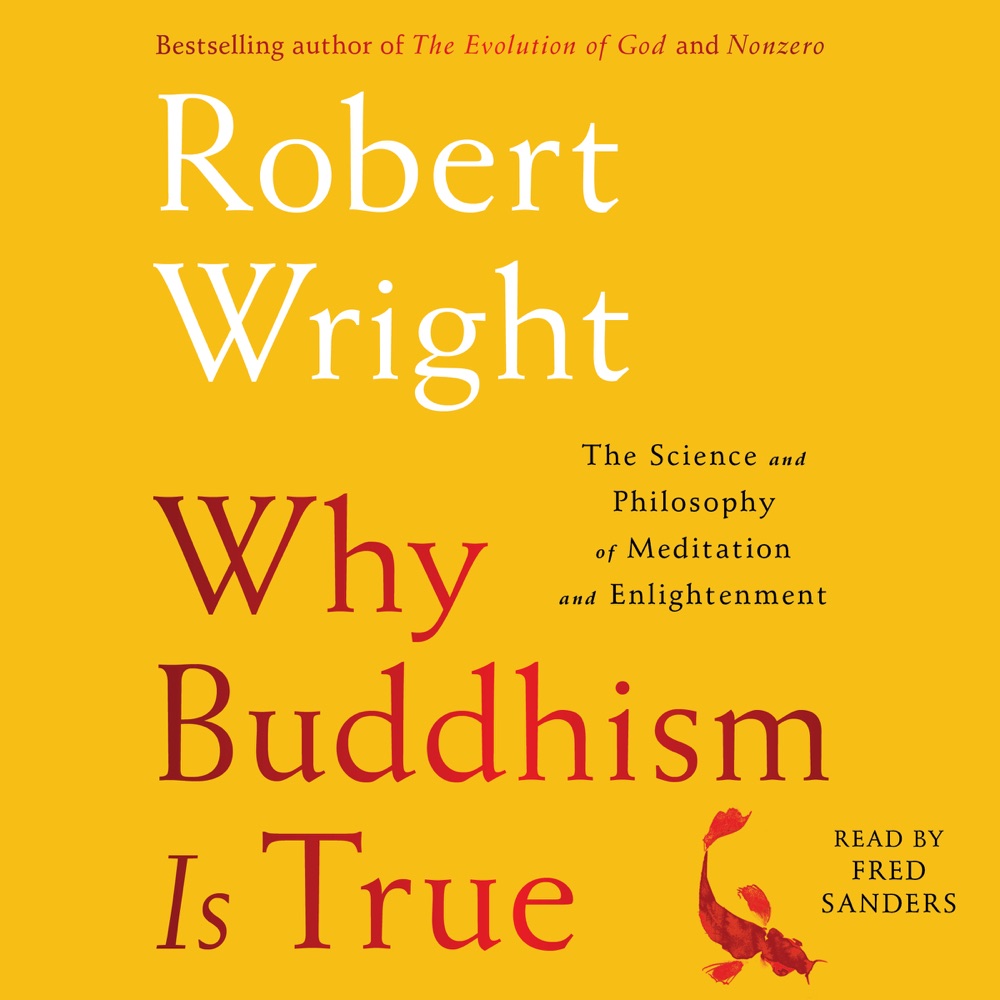 Why Buddhism Is True: The Science and Philosophy of Meditation and Enlightenment
 Option B: Facing Adversity, Building Resilience, and Finding Joy
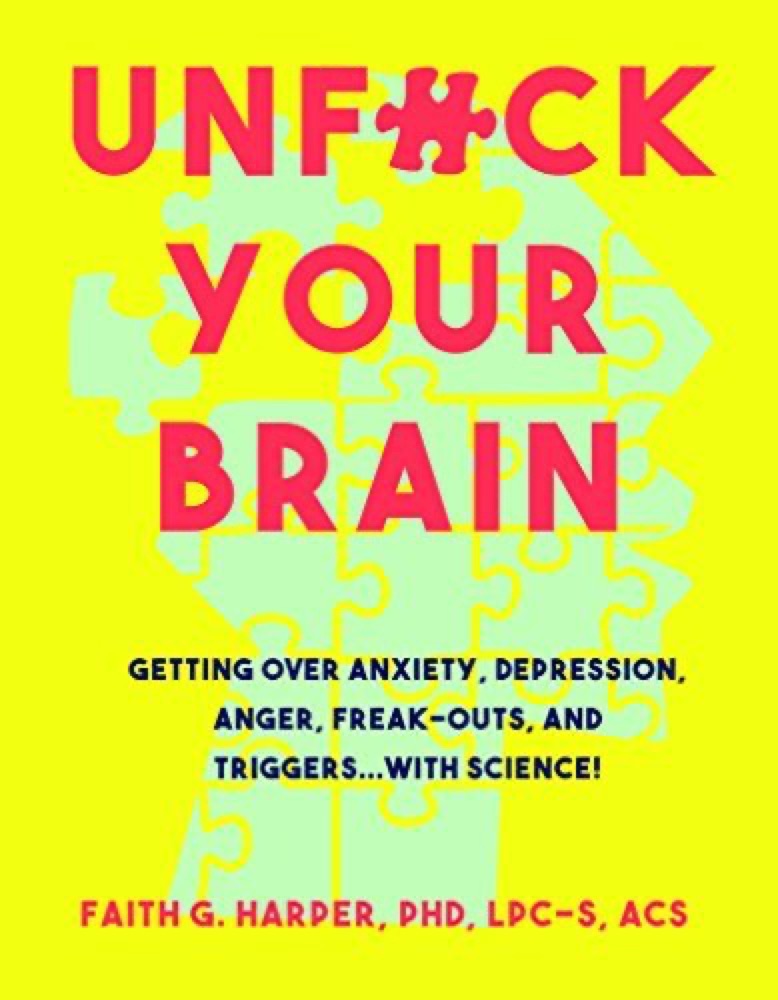 Unfuck Your Brain: Using Science to Get Over Anxiety, Depression, Anger, Freak-Outs, and Triggers
 Shoot the Damn Dog: A Memoir of Depression
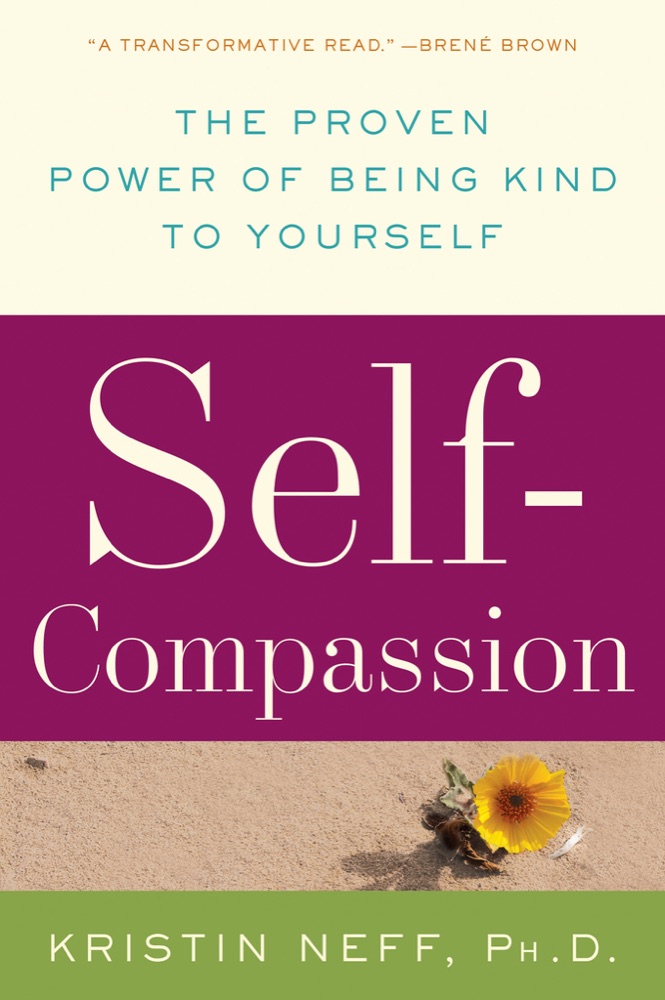 Self-Compassion: The Proven Power of Being Kind to Yourself
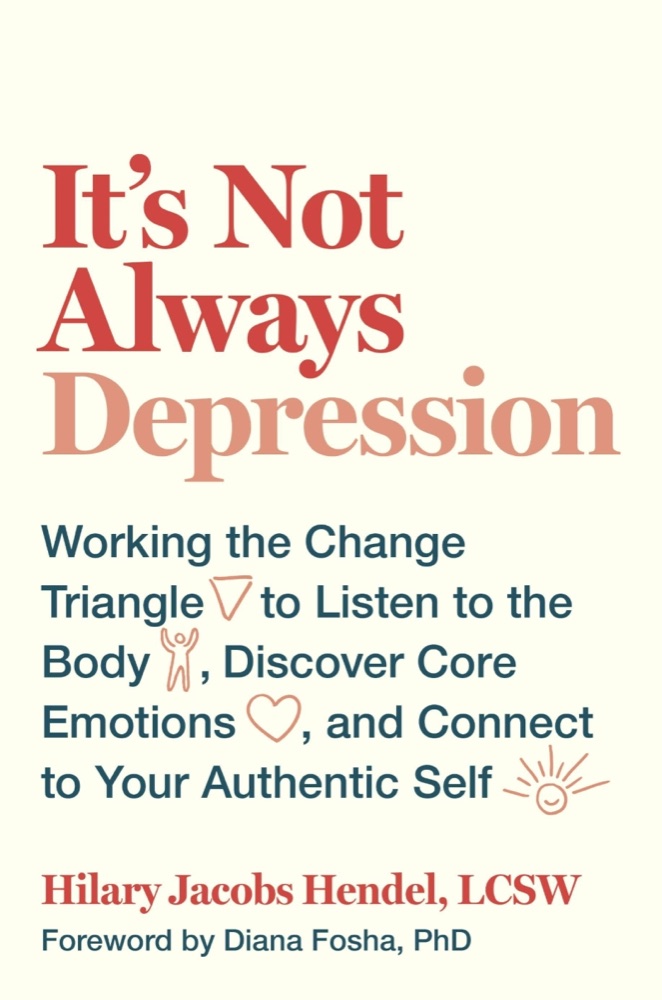 It's Not Always Depression: Working the Change Triangle to Listen to the Body, Discover Core Emotions, and Connect to Your Authentic Self
 Atlas of the Heart: Mapping Meaningful Connection and the Language of Human Experience
 When the Body Says No: The Cost of Hidden Stress
 The School of Life: An Emotional Education
 Untangle Your Emotions: Naming What You Feel and Knowing What to Do About It
 Waking Up: A Guide to Spirituality Without Religion
 How to See Yourself As You Really Are
 An Unquiet Mind: A Memoir of Moods and Madness
 Everything Is F*cked: A Book About Hope
 The Pocket Pema Chodron
 In an Unspoken Voice: How the Body Releases Trauma and Restores Goodness
 The Happiness Advantage: The Seven Principles of Positive Psychology That Fuel Success and Performance at Work
 The Untethered Soul: The Journey Beyond Yourself
 The Tools: Transform Your Problems into Courage, Confidence, and Creativity
 The Subtle Art of Not Giving a F*ck: A Counterintuitive Approach to Living a Good Life
 The Mountain Is You: Transforming Self-Sabotage Into Self-Mastery
 101 Essays That Will Change The Way You Think
 The Art of Happiness
 Social Intelligence: The New Science of Human Relationships
 Toward a Psychology of Being
 The How of Happiness: A Scientific Approach to Getting the Life You Want
 Becoming Supernatural: How Common People are Doing the Uncommon
 The Dalai Lama's Cat and the Power of Meow
 The Wisdom of Your Body: Finding Healing, Wholeness, and Connection through Embodied Living
 What If This Were Enough?: Essays
 Going to Pieces without Falling Apart: A Buddhist Perspective on Wholeness
 Monkey Mind: A Memoir of Anxiety