Quotes from the Book
One last point: If your relationship with your family is especially difficult, working to improve it might sometimes feel like a lost cause. It’s easy to throw up your hands. Almost every day, we hear from people all over the world who feel stuck in family problems that seem like they have no solution. Maybe you have said, “I just want to turn my back on those people and get on with my life.” Giving up is almost always a mistake, because “those people” are, in a mystical way, you. Your spouse is a completion of you as a person. Your kids provide a rare glimpse into your own past. Your parents are a vision of your future. Your siblings are a representation of how others see you. Giving that up means losing insight into yourself, which is a lost opportunity to gain self-knowledge and make progress as a person. Never give up on the relationships that you did not choose, if at all possible. But what about the relationships that you have chosen? These are your friendships, and that’s the next part of our lives to build.
7
here are the main lessons to make each challenge into a source of growth. 1. Don’t avoid conflict, which is your family’s opportunity to learn and grow if you understand where it originates and manage it appropriately. 2. You naturally think compatibility is key to relationship success, and difference brings conflict. In truth, you need enough compatibility to function, but not all that much. What you really need is complementarity to complete you as a person. 3. The culture of a family can get sick from the virus of negativity. This is a basic emotional-management issue, but applied to a group instead of to you as an individual. 4. The secret weapon in all families is forgiveness. Almost all unresolved conflict comes down to unresolved resentment, so a practice of forgiving each other explicitly and implicitly is extremely important. 5. Explicit forgiveness and almost all difficult communication require a policy of honesty. When families withhold the truth, they cannot be close.
7
In your journal, reserve a section for painful experiences, writing them down right afterward. Leave two lines below each entry. After one month, return to the journal and write in the first blank line what you learned from that bad experience in the intervening period. After six months, fill in the second line with the positives that ultimately came from it. You will be amazed at how this exercise changes your perspective on your past.
4
This means being good to others as selflessly as possible—as the preceding experiment suggests, of course—but more subtly, it means deflecting your own constant attention from yourself and your desires—by looking in the mirror less, disregarding your reflection on social media, paying less attention to what others think about you, and fighting your tendency to envy people for what they have but you don’t.
4
She switched from wishing others were different to working on the one person she could control: herself. She felt negative emotions just like anyone else, but she set about making more conscious choices about how to react to them. The decisions she made—not her primal feelings—led her to try to transform less productive emotions into positive ones such as gratitude, hope, compassion, and humor.
4
The way in which a man accepts his fate and all the suffering it entails, the way in which he takes up his cross, gives him ample opportunity—even under the most difficult circumstances—to add a deeper meaning to his life.
4
Your emotions are only signals. And you get to decide how you’ll respond to them.
3
The macronutrients of happiness are enjoyment, satisfaction, and purpose.
3
she stopped waiting for the world to change and took control of her life.
2
Tomorrow, try a new tactic. During the day, take a few minutes every hour or so, and ask, “How am I feeling?” Jot it down. Then after work, journal your experiences and feelings over the course of the day. Also write down how you responded to these feelings, and which responses were more and less constructive.
2
In the Tao Te Ching, the ancient Chinese philosopher Lao Tzu wrote, “Care about people’s approval and you will be their prisoner.
2
But family, friends, work, and faith are the Big Four on which almost everything else rests.
2
you define your own life. Don't let other people write your script.
1
find peace in all things and play after every storm.
1
That’s because happiness is not a destination. Happiness is a direction.
1
When you learn, teach. When you get, give.
1
Your emotions are signals to your conscious brain that something is going on that requires your attention and action—that’s all they are.
Everything can be taken from a man but one thing: the last of the human freedoms—to choose one’s attitude in any given set of circumstances, to choose one’s own way.
The secret to the best life is to accept your unhappiness (so you can learn and grow) and manage the feelings that result.
If we’re angry or sad or lonely, we need people to treat us better; we need our finances to improve; we need our luck to change. Until then, we wait, unhappily, and can only distract ourselves from discomfort.
Start each day saying, "I don't know what this day will bring, but I will love others and allow myself to be loved.
Love, like getting happier, is something you will get better with practice. It becomes more automatic with repetition. It becomes a habit over time.
One of the greatest paradoxes of love is that our most transcendental need is for people whom, in a wordly sense, we do not need at all.
In so doing, we can lose sight of the most basic of human needs: to know others deeply and to be deeply known by them
Real friendship requires real contact. Technology can complement your deepest relationships, but it is a terrible substitute. Look for more ways to be together in person with the people you love the most.
Happiness is a combination of enjoyment, satisfaction, and purpose.
feel the feel, then take the wheel pg30
I dedicate my work to lifting people up and bringing them together, in bonds of love and happiness,
Watch on YouTube
About Arthur C. Brooks
About the book
You can get happier. And getting there will be the adventure of your lifetime.
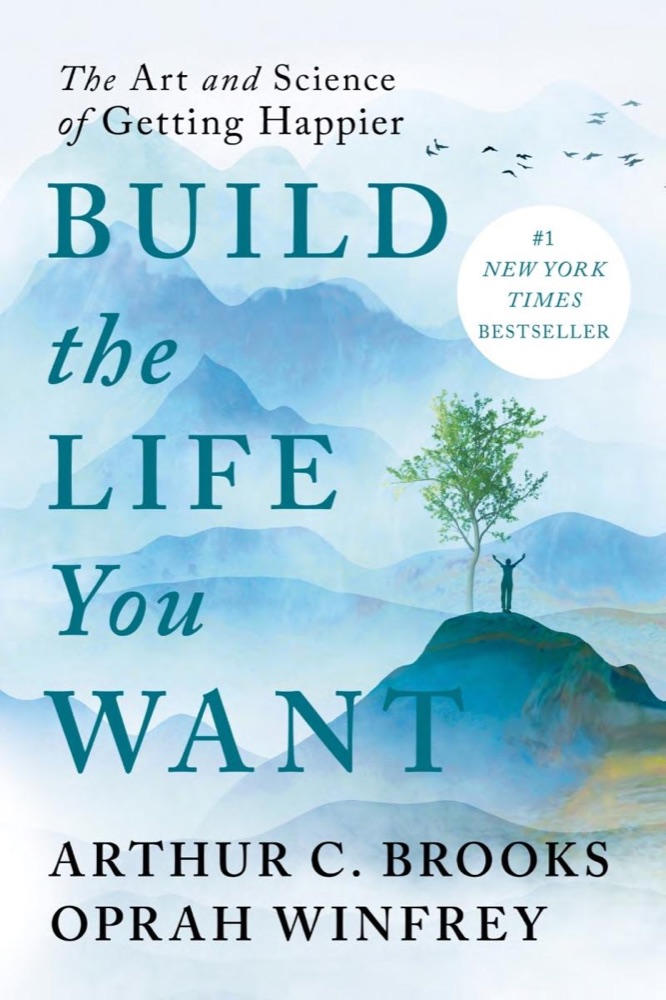
In Build the Life You Want , Arthur C. Brooks and Oprah Winfrey invite you to begin a journey toward greater happiness no matter how challenging your circumstances. Drawing on cutting-edge science and their years of helping people translate ideas into action, they show you how to improve your life right now instead of waiting for the outside world to change.
With insight, compassion, and hope, Brooks and Winfrey reveal how the tools of emotional self-management can change your life―immediately. They recommend practical, research-based practices to build the four pillars of family, friendship, work, and faith. And along the way, they share hard-earned wisdom from their own lives and careers as well as the witness of regular people whose lives are joyful despite setbacks and hardship.
Equipped with the
Book details
- First published
- 2023
- Author
- Arthur C. Brooks
- Genre
- Nonfiction
- Goodreads rating
- 3.80 (17k ratings)
Keep reading
 The Happiness Project
 101 Essays That Will Change The Way You Think
 Heart Talk: Poetic Wisdom for a Better Life
 Be a People Person
 The Art of Happiness
 Thrive: The Third Metric to Redefining Success and Creating a Life of Well-Being, Wisdom, and Wonder
 The Things You Can See Only When You Slow Down: How to Be Calm in a Busy World
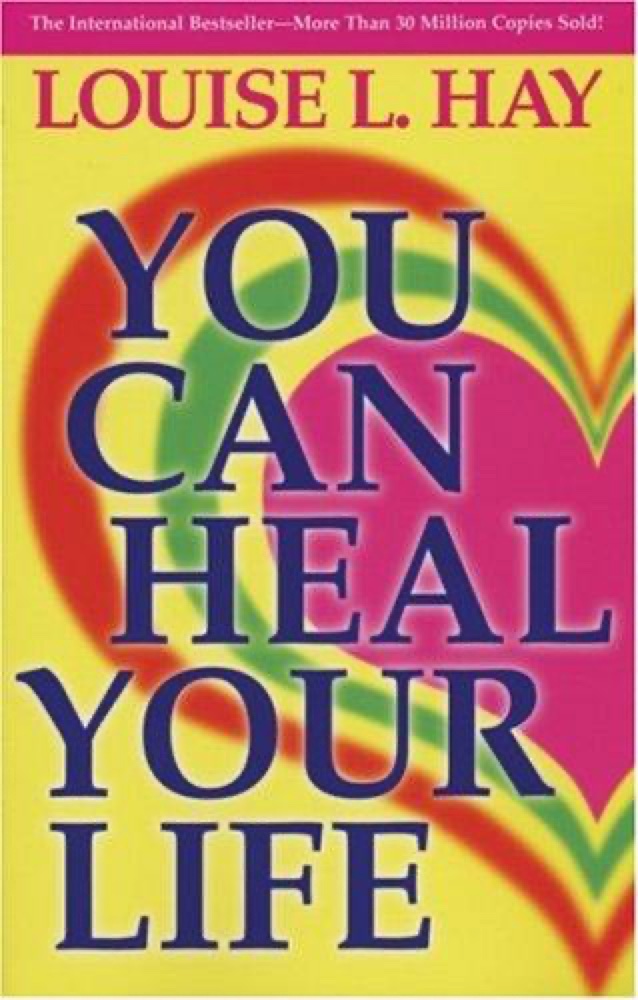 You Can Heal Your Life
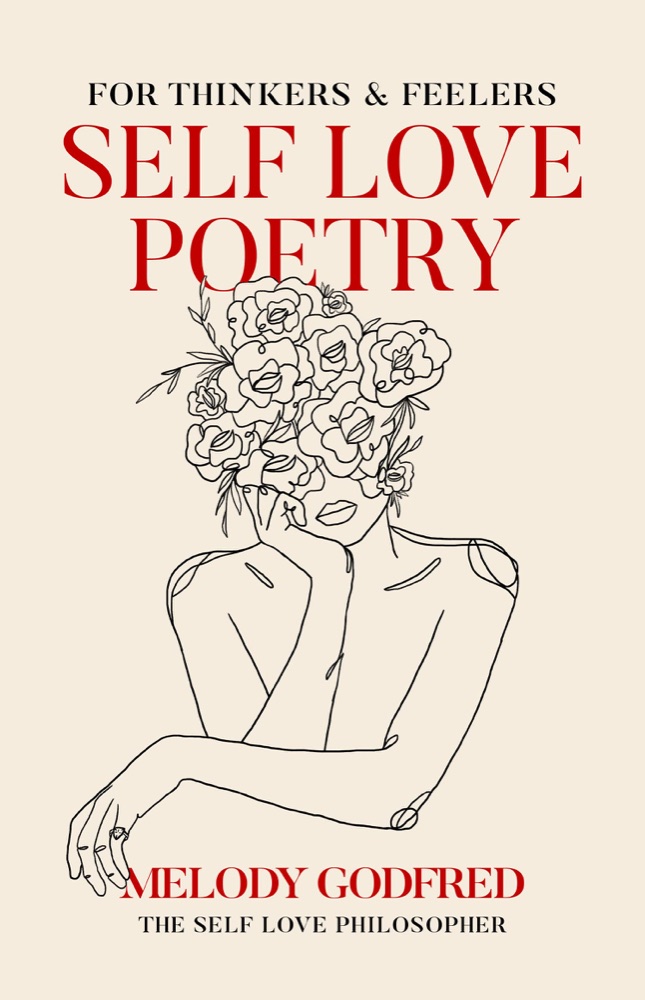 Self Love Poetry: For Thinkers & Feelers
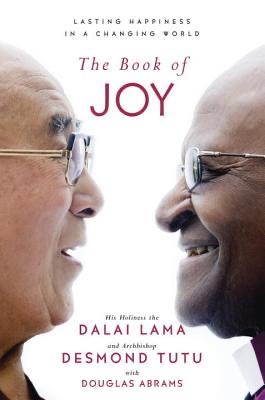 The Book of Joy: Lasting Happiness in a Changing World
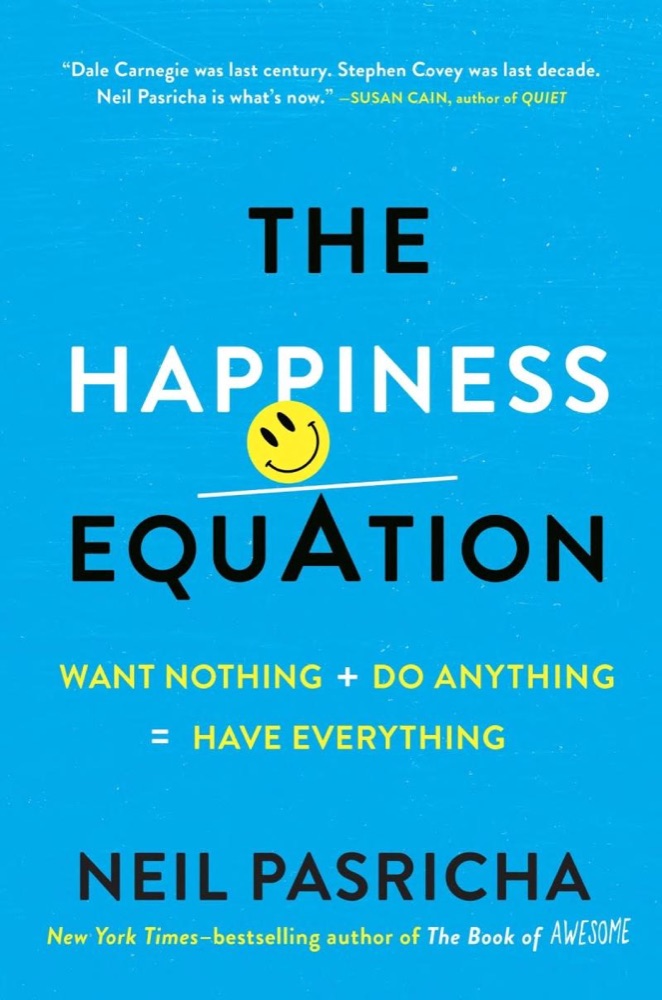 The Happiness Equation: Want Nothing + Do Anything = Have Everything
 Your Erroneous Zones: Step-By-Step Advice for Escaping the Trap of Negative Thinking and Taking Control of Your Life
 Brave Enough
 Buddha's Brain: The Practical Neuroscience of Happiness, Love, and Wisdom
 Eat, Pray, Love
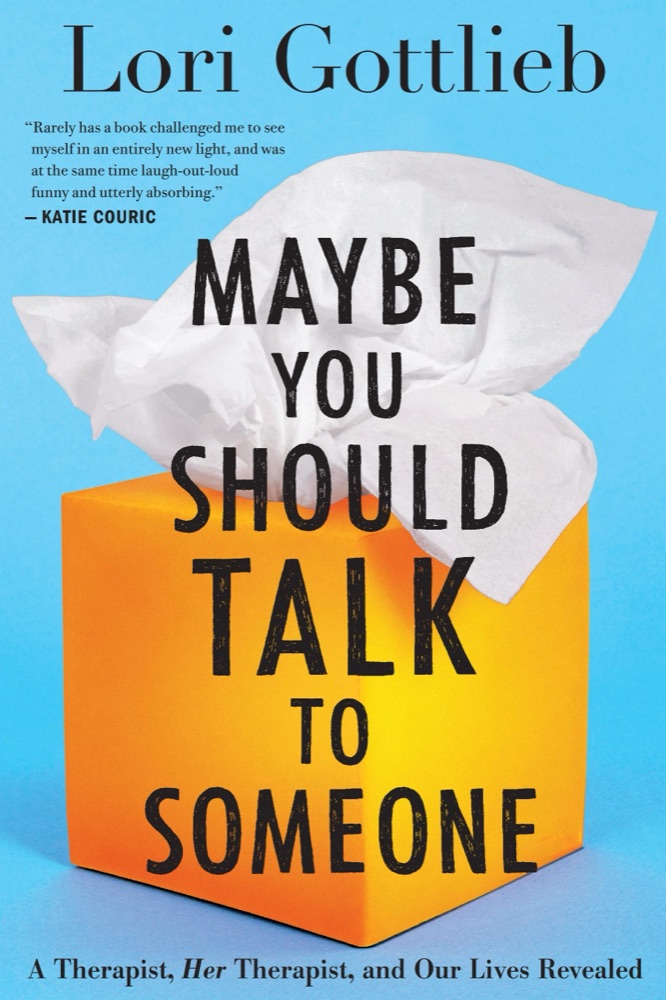 Maybe You Should Talk to Someone: A Therapist, Her Therapist, and Our Lives Revealed
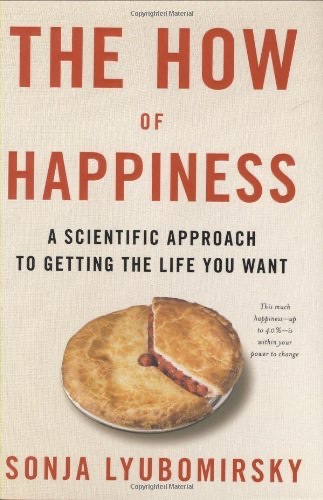 The How of Happiness: A Scientific Approach to Getting the Life You Want
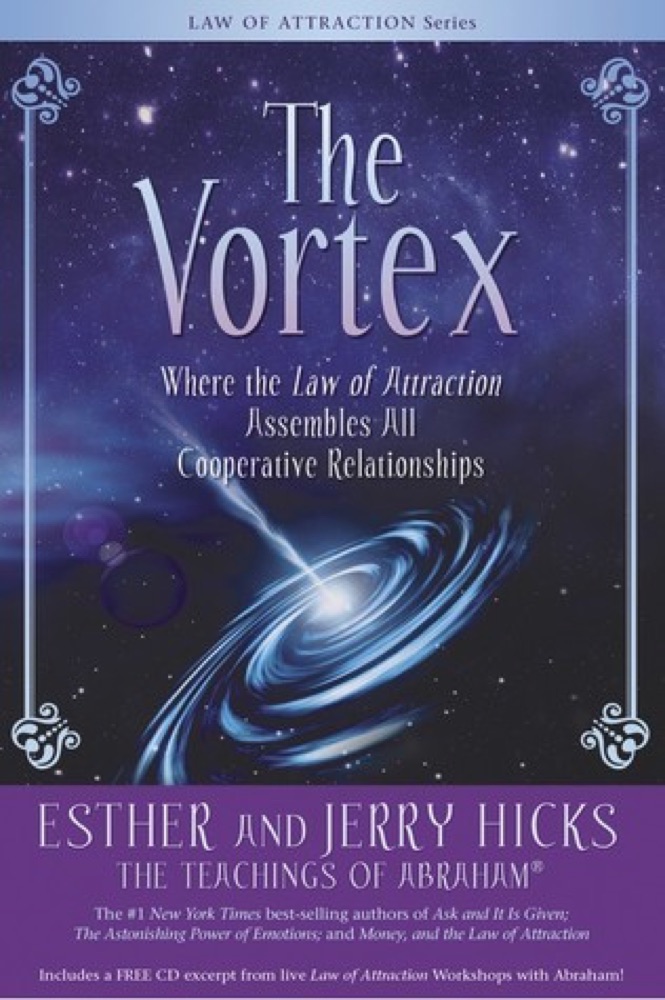 The Vortex: Where the Law of Attraction Assembles All Cooperative Relationships
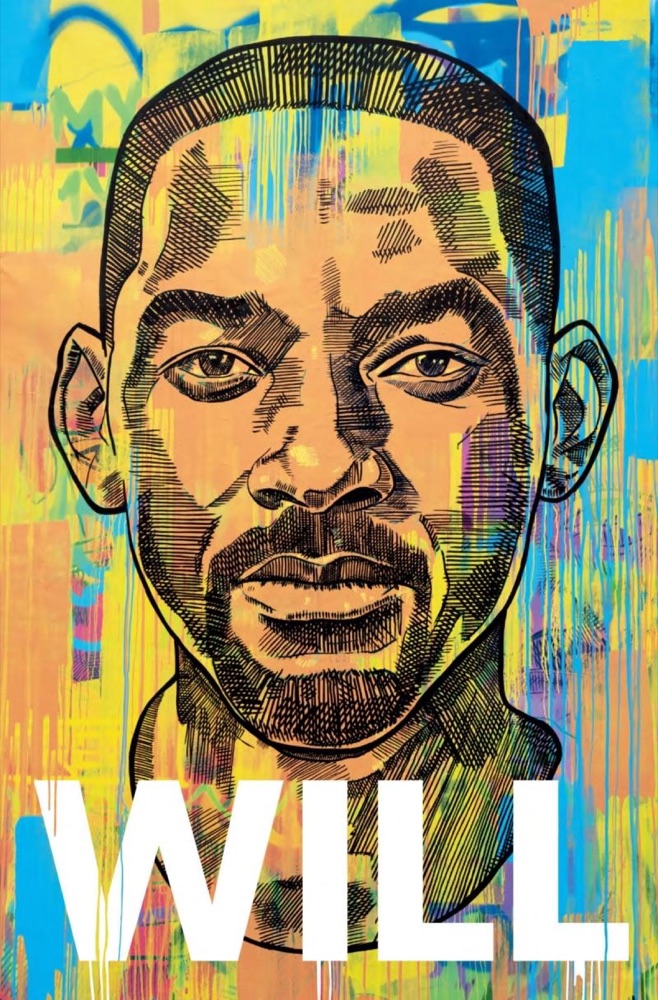 Will
Will
 The Four Agreements: A Practical Guide to Personal Freedom
 The Mountain Is You: Transforming Self-Sabotage Into Self-Mastery
 Simple Abundance: A Daybook of Comfort of Joy
 How to Stop Worrying and Start Living
 Mastering Your Mean Girl: The No-BS Guide to Silencing Your Inner Critic and Becoming Wildly Wealthy, Fabulously Healthy, and Bursting with Love
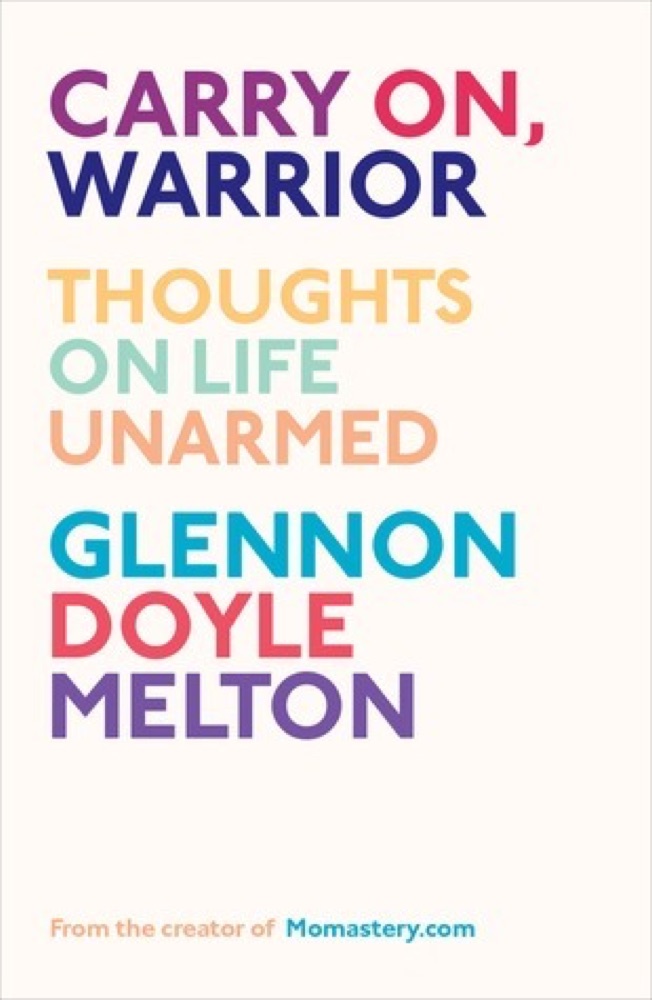 Carry On, Warrior: Thoughts on Life Unarmed
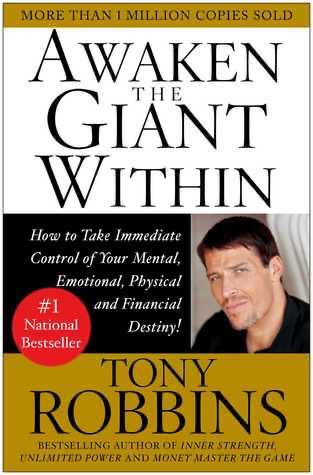 Awaken The Giant Within
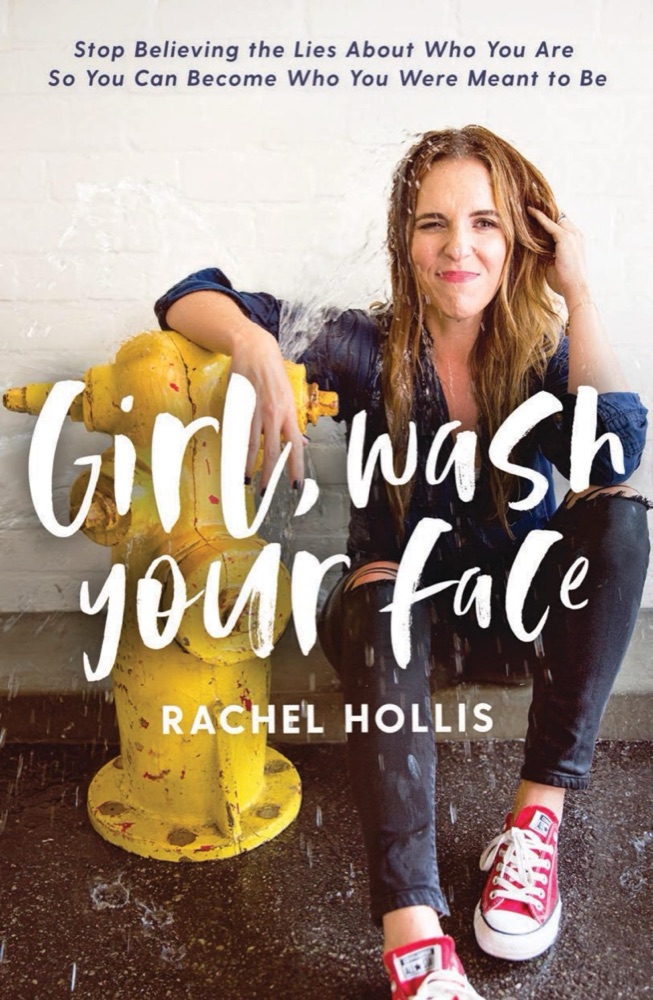 Girl Wash your Face
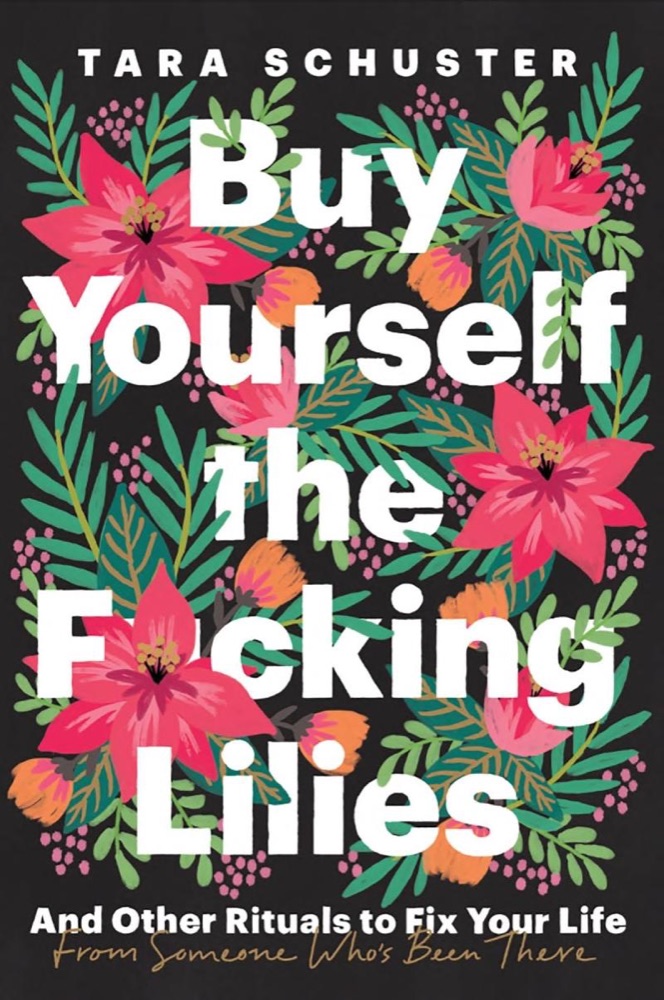 Buy Yourself the F*cking Lilies: And Other Rituals to Fix Your Life, from Someone Who's Been There
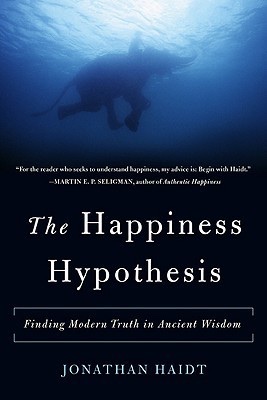 The Happiness Hypothesis: Finding Modern Truth in Ancient Wisdom
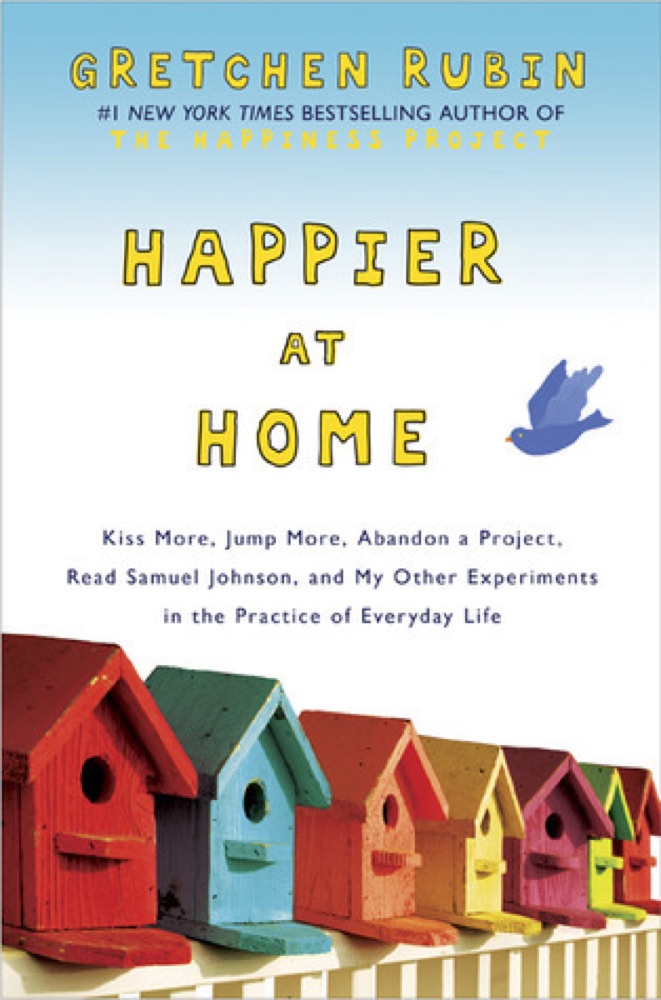 Happier at Home: Kiss More, Jump More, Abandon a Project, Read Samuel Johnson, and My Other Experiments in the Practice of Everyday Life
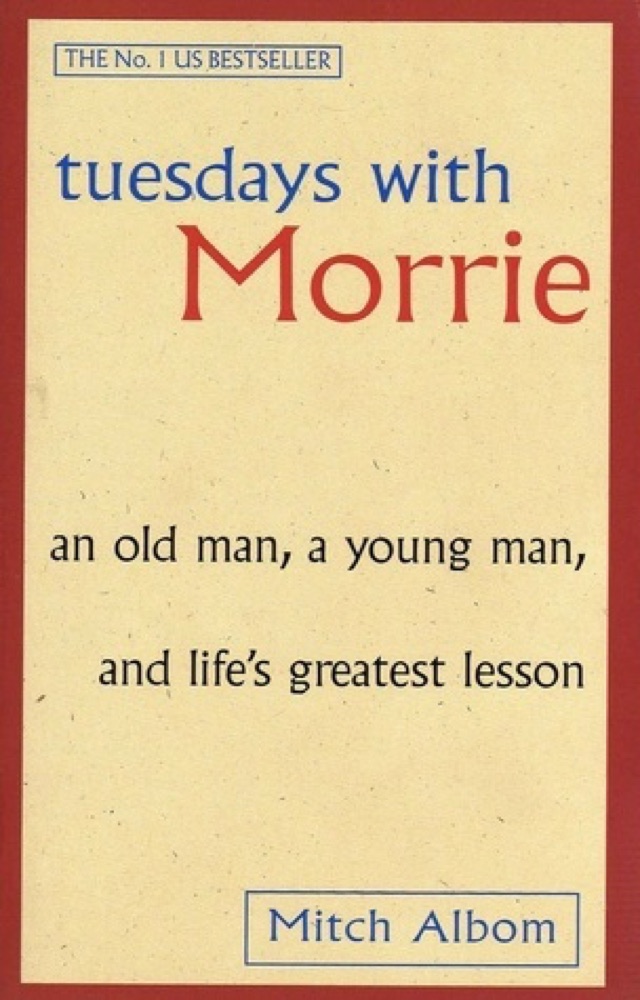 Tuesdays with Morrie
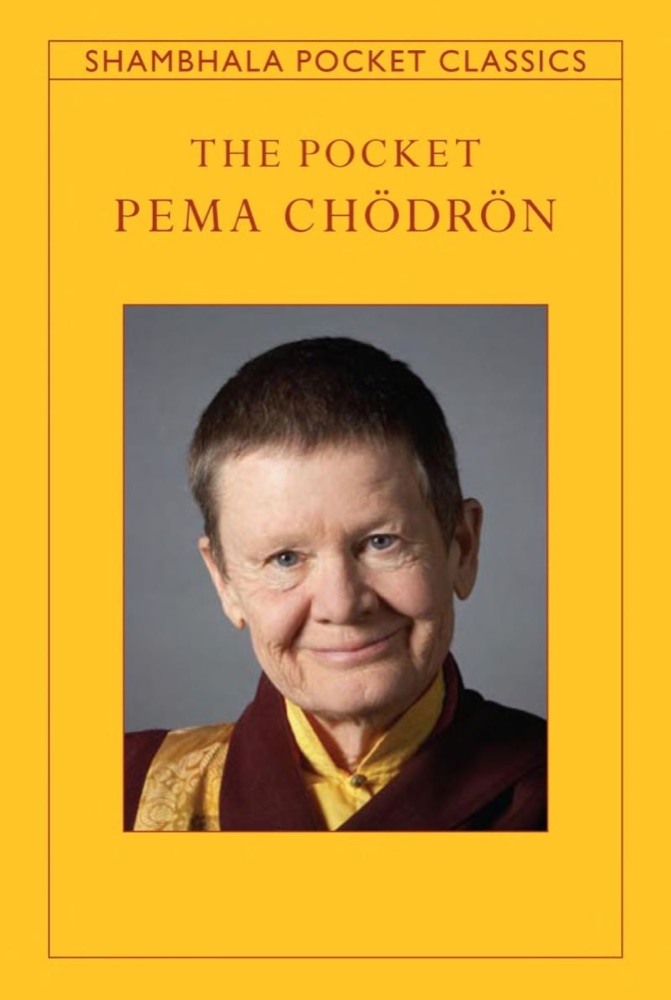 The Pocket Pema Chodron
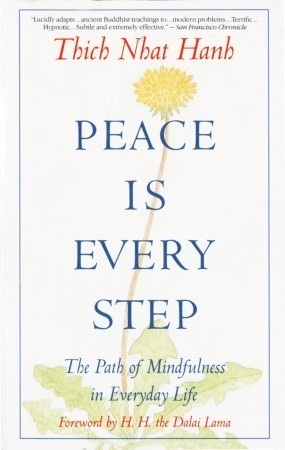 Peace Is Every Step: The Path of Mindfulness in Everyday Life
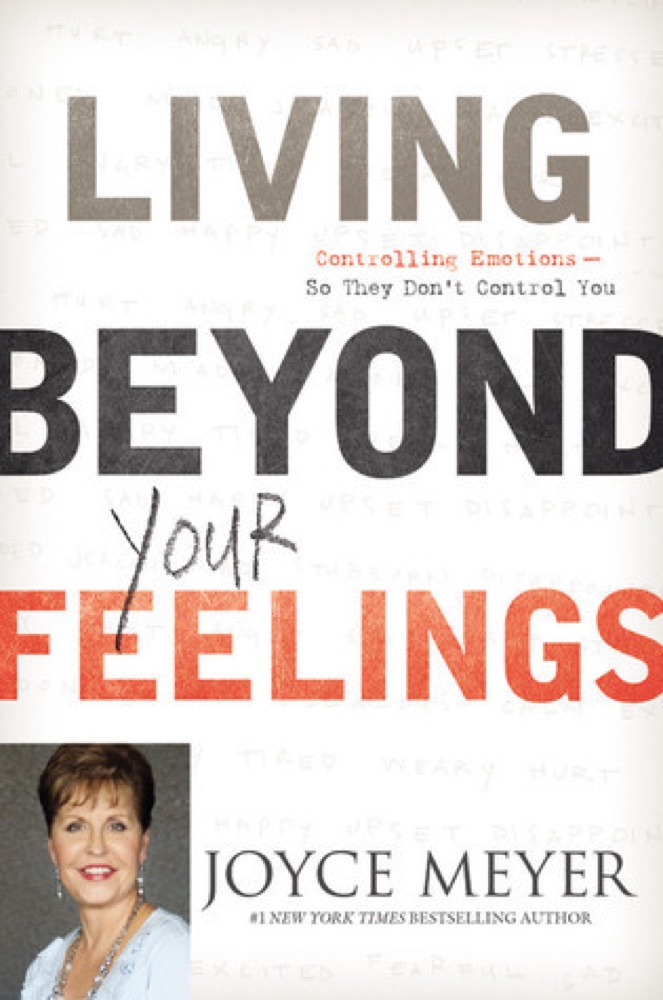 Living Beyond Your Feelings: Controlling Emotions So They Don't Control You
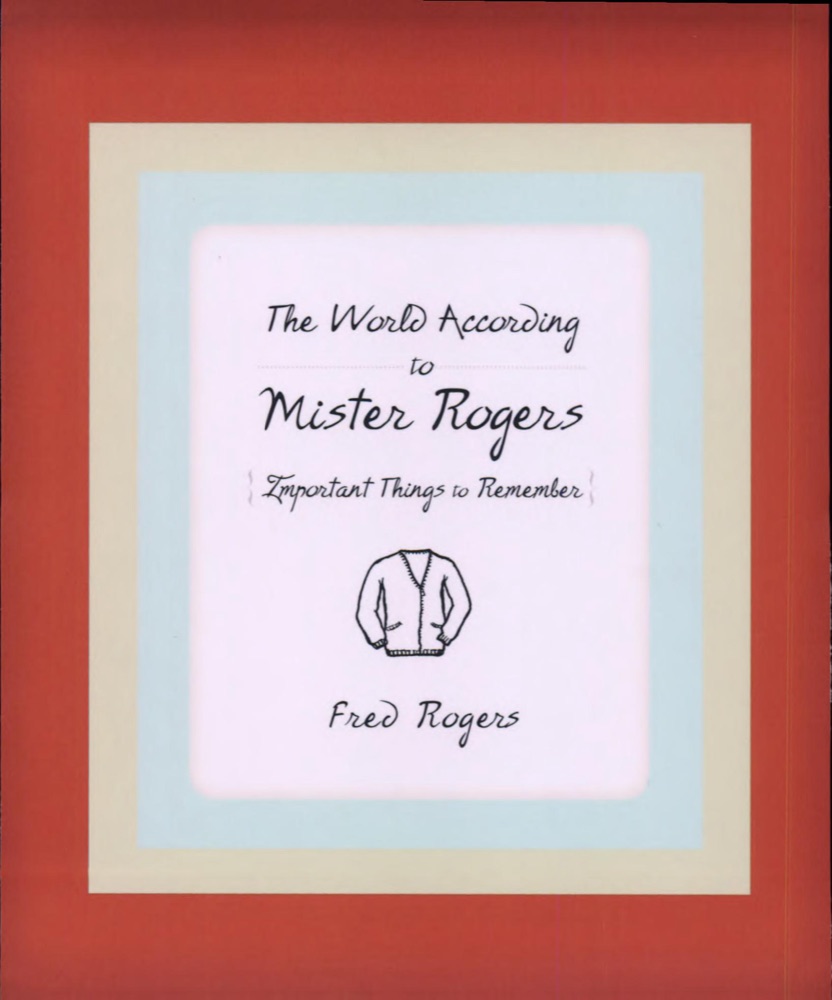 The World According to Mister Rogers: Important Things to Remember
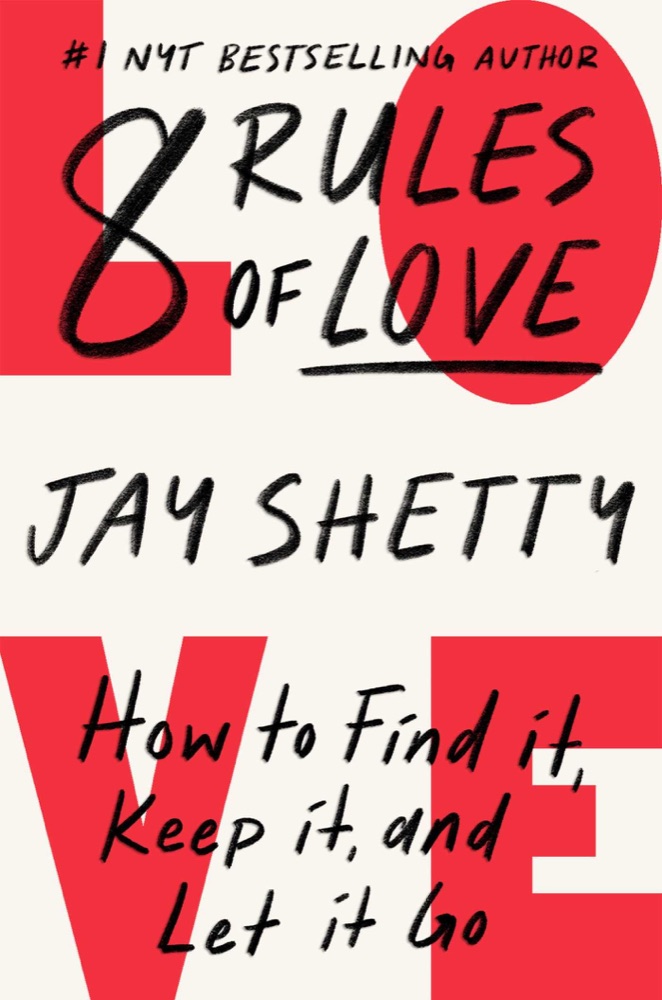 8 Rules of Love: How to Find It, Keep It, and Let It Go
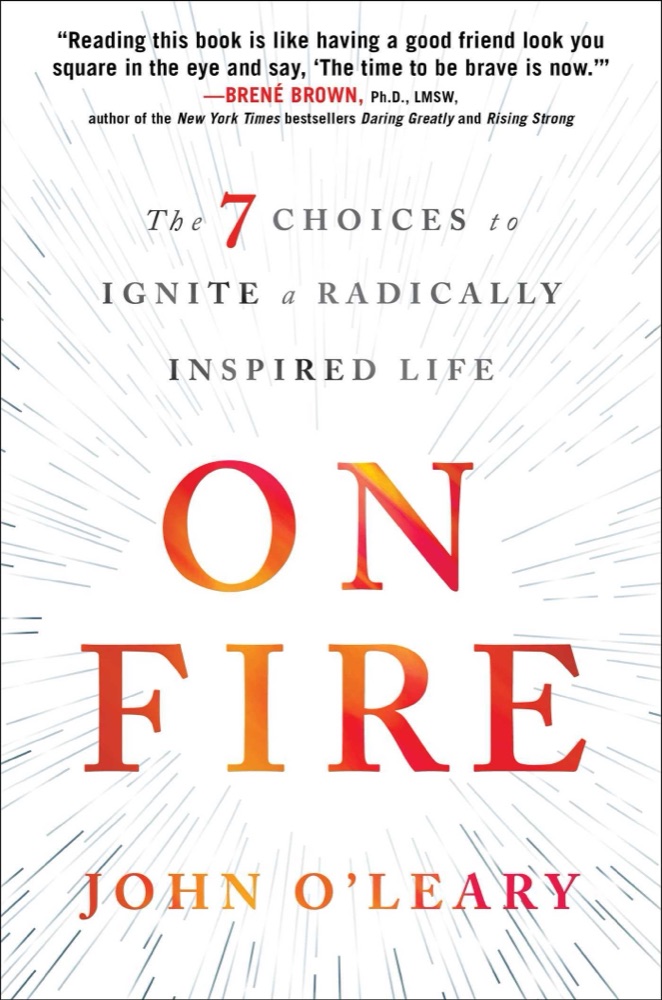 On Fire: The 7 Choices to Ignite a Radically Inspired Life
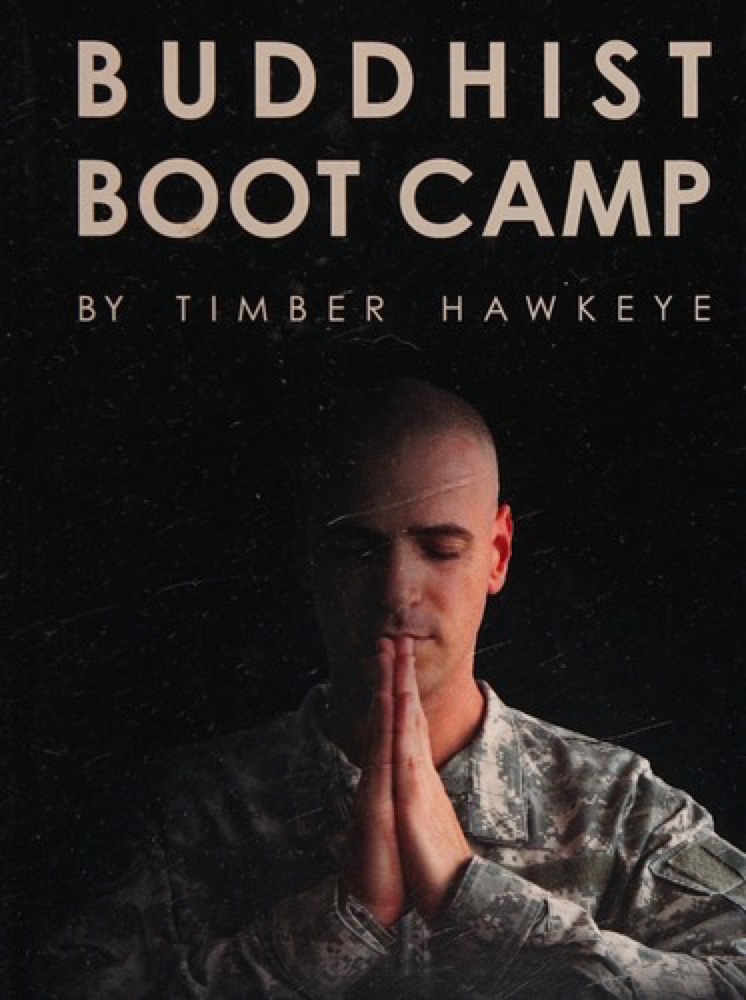 Buddhist Boot Camp
 Way of the Peaceful Warrior: A Book That Changes Lives
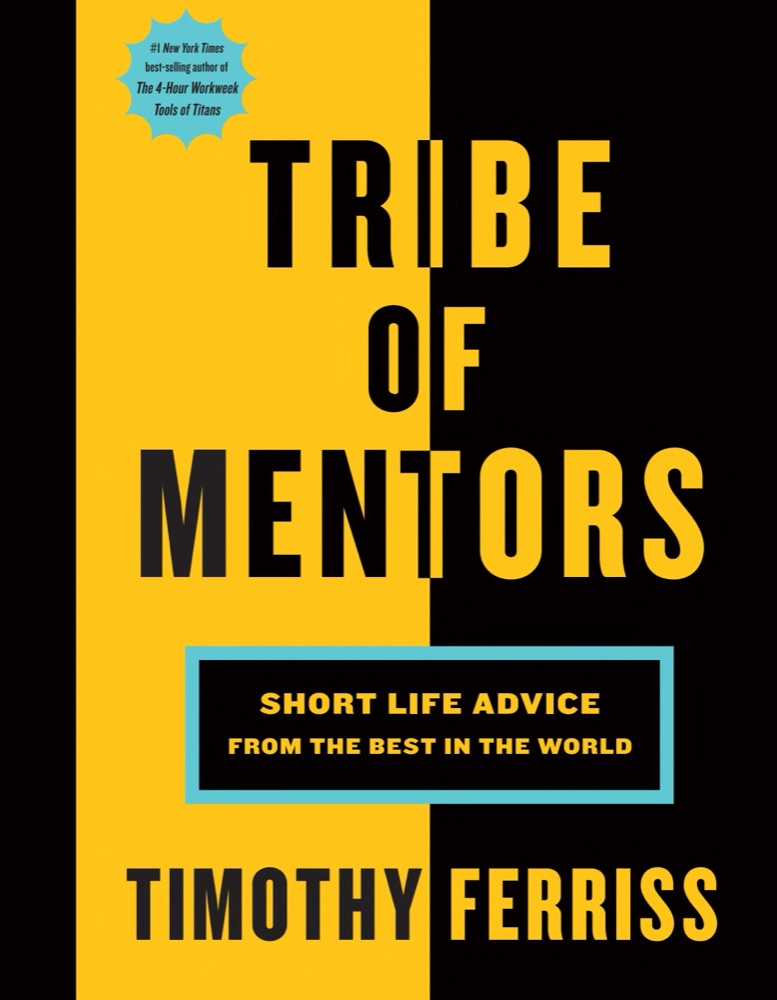 Tribe Of Mentors: Transformative Wisdom From Icons and Innovators to Help You Navigate Life's Challenges
 Maximum Achievement: Strategies and Skills That Will Unlock Your Hidden Powers to Succeed
 Speak: Find Your Voice, Trust Your Gut, and Get from Where You Are to Where You Want to Be
 The 7 Habits of Highly Effective People: Personal Workbook
 The Way to Love: The Last Meditations of Anthony de Mello
 The Light We Carry: Overcoming in Uncertain Times
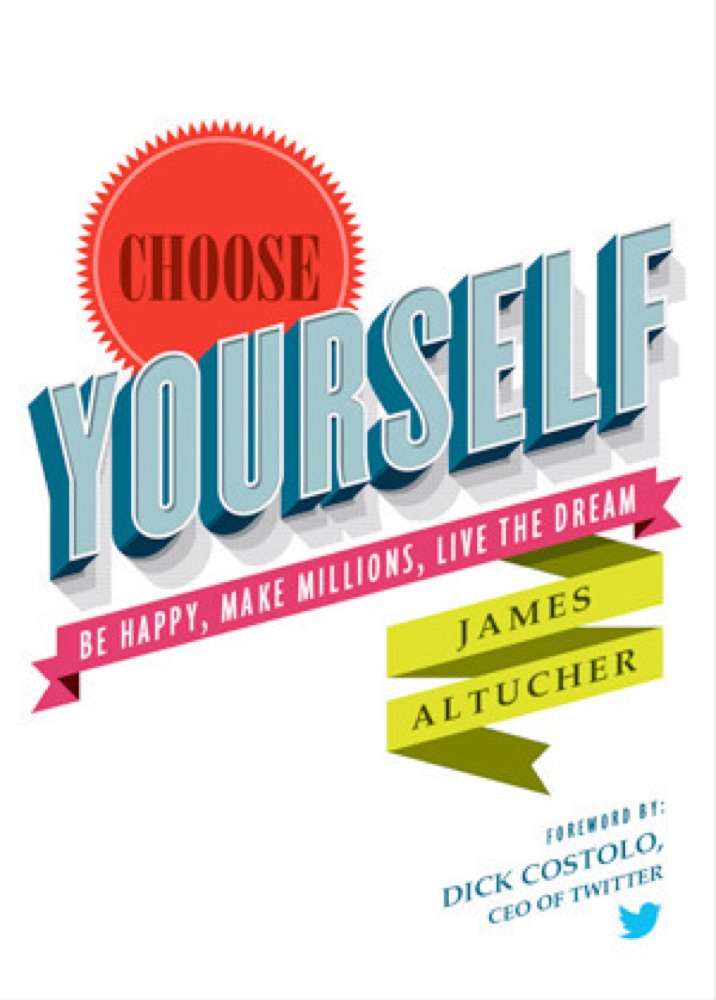 Choose Yourself: Be Happy, Make Millions, Live the Dream
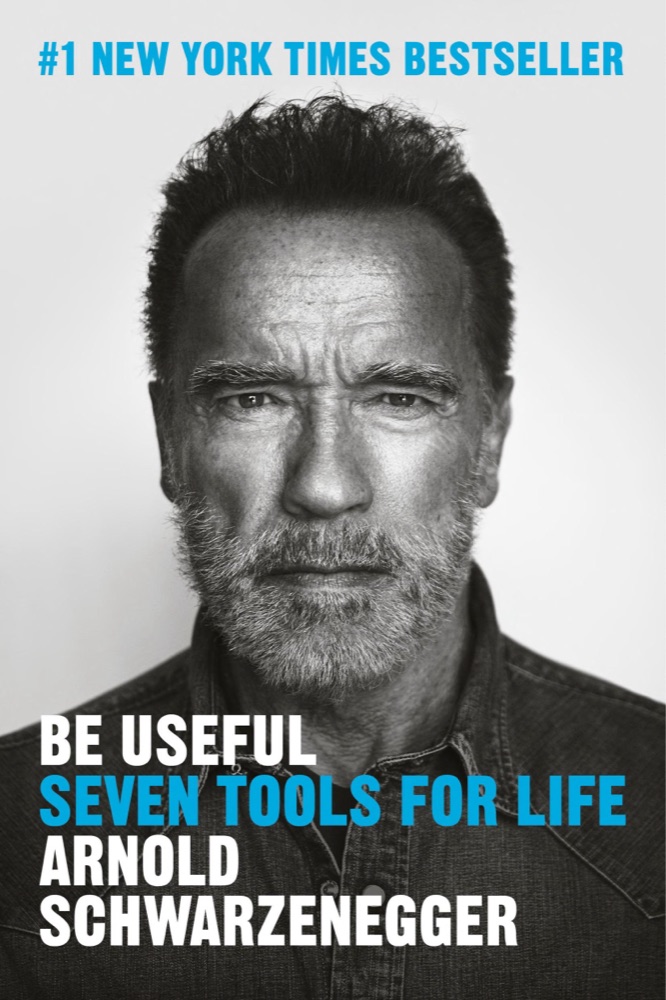 Be Useful: Seven Tools for Life
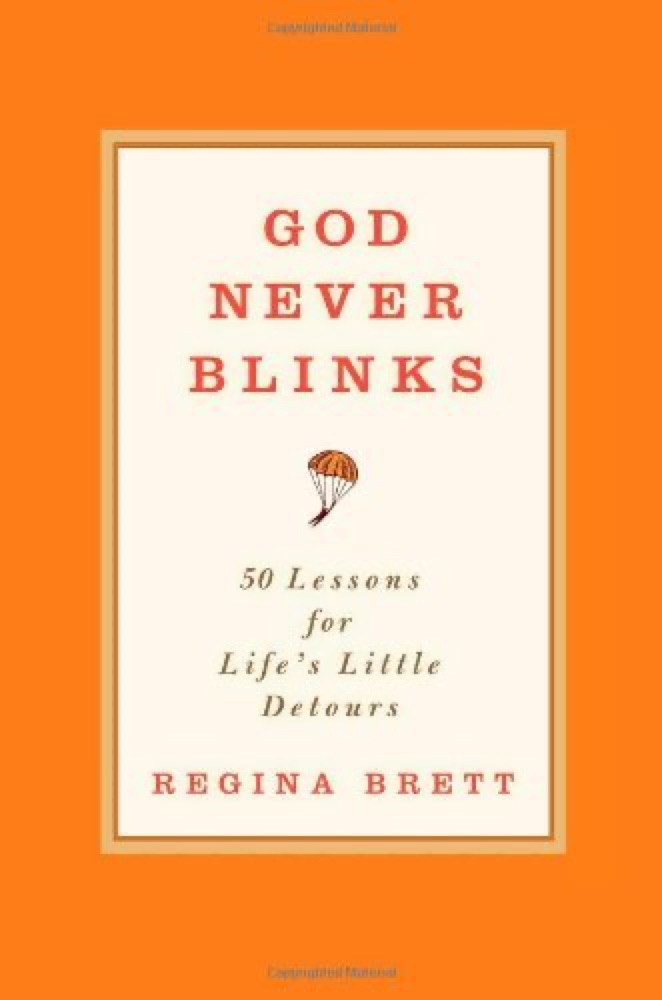 God Never Blinks: 50 Lessons for Life's Little Detours
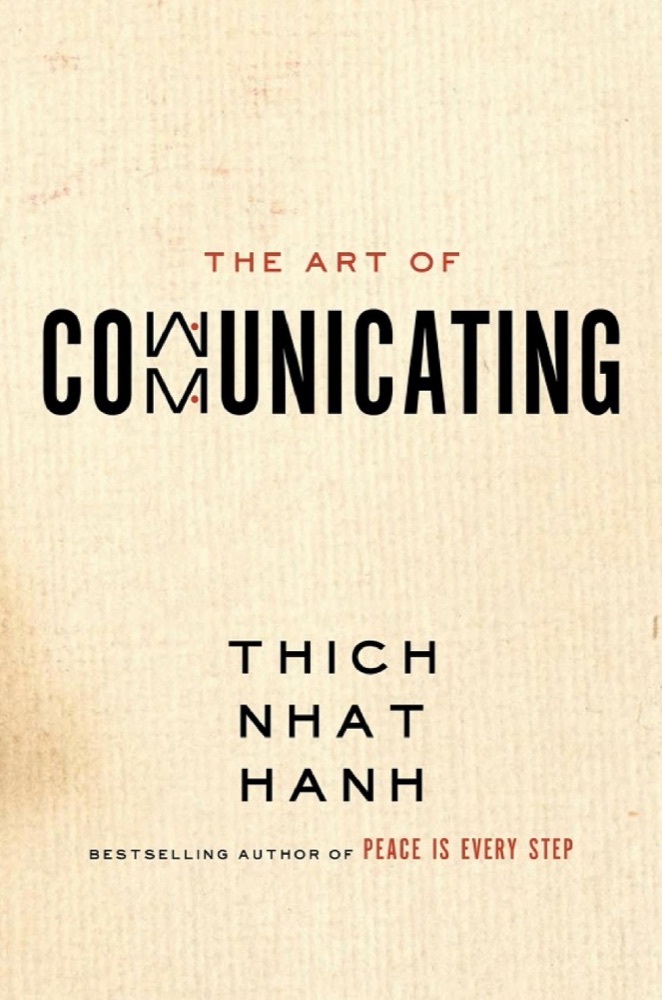 The Art of Communicating
 The Comfort Book
 The School of Life: An Emotional Education
 Change Your Thoughts - Change Your Life: Living the Wisdom of the Tao
 Life is What You Make It: A Story of Love, Hope and How Determination Can Overcome Even Destiny
 How to Be a Bawse: A Guide to Conquering Life
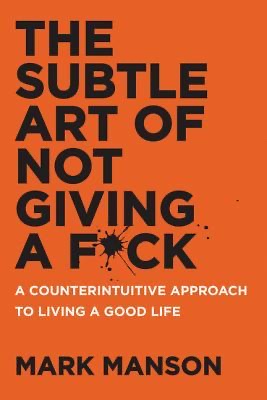 The Subtle Art of Not Giving a F*ck: A Counterintuitive Approach to Living a Good Life