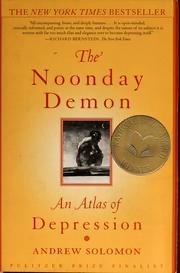

 Far from the Tree: Parents, Children, and the Search for Identity
Quotes from the Book
Listen to the people who love you. Believe that they are worth living for even when you don't believe it. Seek out the memories depression takes away and project them into the future. Be brave; be strong; take your pills. Exercise because it's good for you even if every step weighs a thousand pounds. Eat when food itself disgusts you. Reason with yourself when you have lost your reason.
2k
I believe that words are strong, that they can overwhelm what we fear when fear seems more awful than life is good.
1.6k
It is important not to suppress your feelings altogether when you are depressed. It is equally important to avoid terrible arguments or expressions of outrage. You should steer clear of emotionally damaging behavior. People forgive, but it is best not to stir things up to the point at which forgiveness is required. When you are depressed, you need the love of other people, and yet depression fosters actions that destroy that love. Depressed people often stick pins into their own life rafts. The conscious mind can intervene. One is not helpless.
507
Depression is the flaw in love. To be creatures who love, we must be creatures who can despair at what we lose, and depression is the mechanism of that despair.
363
You are constantly told in depression that your judgment is compromised, but a part of depression is that it touches cognition. That you are having a breakdown does not mean that your life isn't a mess. If there are issues you have successfully skirted or avoided for years, they come cropping back up and stare you full in the face, and one aspect of depression is a deep knowledge that the comforting doctors who assure you that your judgment is bad are wrong. You are in touch with the real terribleness of your life. You can accept rationally that later, after the medication sets in, you will be better able to deal with the terribleness, but you will not be free of it. When you are depressed, the past and future are absorbed entirely by the present moment, as in the world of a three-year-old. You cannot remember a time when you felt better, at least not clearly; and you certainly cannot imagine a future time when you will feel better.
269
Grief is depression in proportion to circumstance; depression is grief out of proportion to circumstance.
251
Antonin Artaud wrote on one of his drawings, "Never real and always true," and that is how depression feels. You know that it is not real, that you are someone else, and yet you know that it is absolutely true.
218
The most important thing to remember about depression is this: you do not get the time back. It is not tacked on at the end of your life to make up for the disaster years. Whatever time is eaten by a depression is gone forever. The minutes that are ticking by as you experience the illness are minutes you will not know again.
201
The opposite of depression is not happiness, but vitality and my life, as I write this, is vital even when sad. I may wake up sometime next year without my mind again; it is not likely to stick around all the time. Meanwhile, however, I have discovered what I would have to call a soul, a part of myself I could never have imagined until one day, seven years ago, when hell came to pay me a surprise visit. It's a precious discovery. Almost every day I feel momentary flashes of hopelessness and wonder every time whether I am slipping. For a petrifying instant here and there, a lightning-quick flash, I want a car to run me over...I hate these feelings but, but I know that they have driven me to look deeper at life, to find and cling to reasons for living, I cannot find it in me to regret entirely the course my life has taken. Every day, I choose, sometimes gamely, and sometimes against the moment's reason, to be alive. Is that not a rare joy?
165
Since I am writing a book about depression, I am often asked in social situations to describe my own experiences, and I usually end by saying that I am on medication. “Still?” people ask. “But you seem fine!” To which I invariably reply that I seem fine because I am fine, and that I am fine in part because of medication. “So how long do you expect to go on taking this stuff?” people ask. When I say that I will be on medication indefinitely, people who have dealt calmly and sympathetically with the news of suicide attempts, catatonia, missed years of work, significant loss of body weight, and so on stare at me with alarm. “But it’s really bad to be on medicine that way,” they say. “Surely now you are strong enough to be able to phase out some of these drugs!” If you say to them that this is like phasing the carburetor out of your car or the buttresses out of Notre Dame, they laugh. “So maybe you’ll stay on a really low maintenance dose?” They ask. You explain that the level of medication you take was chosen because it normalizes the systems that can go haywire, and that a low dose of medication would be like removing half of your carburetor. You add that you have experienced almost no side effects from the medication you are taking, and that there is no evidence of negative effects of long-term medication. You say that you really don’t want to get sick again. But wellness is still, in this area, associated not with achieving control of your problem, but with discontinuation of medication. “Well, I sure hope you get off it sometime soon,” they say.
155
The people who succeed despite depression do three things. First, they seek an understanding of what's happening. They they accept that this is a permanent situation. And then they have to transcend their experience and grow from it and put themselves out into the world of real people.
130
A sense of humor is the best indicator that you will recover; it is often the best indicator that people will love you. Sustain that and you have hope.
110
It is too often the quality of happiness that you feel at every moment its fragility, while depression seems when you are in it to be a state that will never pass. Even if you accept that moods change, that whatever you feel today will be different tomorrow, you cannot relax into happiness like you can into sadness. For me, sadness has always been and still is a more powerful feeling; and if that is not a universal experience, perhaps it is the base from which depression grows. I hated being depressed, but it was also in depression that I learned my own acreage, the full extent of my soul. When I am happy, I feel slightly distracted by happiness, as though it fails to use some part of my mind and brain that wants the exercise. Depression is something to do. My grasp tightens and becomes acute in moments of loss: I can see the beauty of glass objects fully at the moment when they slip from my hand toward the floor.
101
Depressed people cannot lead a revolution because depressed people can barely manage to get out of bed and put on their shoes and socks.
97
People with family histories of alcoholism tend to have lower levels of endorphins- the endogenous morphine that is responsible for many of our pleasure responses- than do people genetically disinclined to alcoholism. Alcohol will slightly raise the endorphin level of people without the genetic basis for alcoholism; it will dramatically raise the endorphin level of people with that genetic basis. Specialists spend a lot of time formulating exotic hypotheses to account for substance abuse. Most experts point out, strong motivations for avoiding drugs; but there are also strong motivations for taking them. People who claim not to understand why anyone would get addicted to drugs are usually people who haven't tried them or who are genetically fairly invulnerable to them.
93
I can see the beauty of glass objects fully at the moment when they slip from my hand
93
It is not pleasant to experience decay, to find yourself exposed to the ravages of an almost daily rain, and to know that you are turning into something feeble, that more and more of you will blow off with the first strong wind, making you less and less. Some people accumulate more emotional rust than others. Depression starts out insipid, fogs the days into a dull color, weakens ordinary actions until their clear shapes are obscured by the effort they require, leaves you tired and bored and self-obsessed- but you can get through all that. No happily, perhaps, but you can get through. No one has ever been able to define the collapse point that marks major depression, but when you get there, there’s not much mistaking it.
86
In the throws of depression, one reaches a strange point at which it is impossible to see the line between ones own theatricality and the reality of madness. I discovered two conflicting qualities of character. I am melodramatic by nature; on the other hand, I can go out and “seem normal” under the most abnormal of circumstances. Antonin Artaud wrote on one of his drawings, “never real and always true”, and that is how depression feels. You know that it is not real, that you are someone else, and yet you know that it is absolutely true. Its very confusing.
82
I was overpowered by being in the world, by other people and their lives I couldn’t lead, their jobs I couldn’t do - overpowered even by jobs I would never want or need to do.
77
Psychologically, I will not have to seek far if I decide to kill myself, because in my mind and heart I am more ready for this than for the unplanned daily tribulations that mark off the mornings and afternoons.
66
I regret everything because it has just finished, and already when I was twelve, I lamented the time that had gone by. Even in the best of spirits, it's always been as though I wrestle with the present in a vain effort to stop its becoming the past.
65
If you wake up feeling no pain, you know you're dead. (Russian expression)
60
You don’t think in depression that you’ve put on a grey veil and are seeing the world through the haze of a bad mood. You think that the veil has been taken away, the veil of happiness, and that now you’re seeing truly.
50
While people argue with one another about the specifics of Freud's work and blame him for the prejudices of his time, they overlook the fundamental truth of his writing, his grand humility: that we frequently do not know our own motivations in life and are prisoners to what we cannot understand. We can recognize only a small fragment of our own, and an even smaller fragment of anyone else's, impetus.
50
I hit walls of past pleasure all the time, and for me past pleasure is much harder to process then past pain...for me the traumas of the past are mercifully far away. The pleasures of the past however, are tough...the worst of depression lies in a present moment that cannot escape the past it idolizes or deplores.
39
I chose fat and functional over slender and miserable.
37
Then I repeated these words to my spirits: 'Leave me be; give me peace; and let me do the work of my life. I will never forget you.' Something about that incantation was particularly appealing to me. 'I will never forget you'-- as though one had to address the pride of the spirits, as though one wanted them to feel good about being exorcised.
37
My goal is to stay safely in between self-analysis and self-destruction.
36
There is so much pain in the world, and most of these people keep theirs secret, rolling through agonizing lives in invisible wheelchairs, dressed in invisible bodycasts.
32
Watch on YouTube
About Andrew Solomon
We have collected 59 quotes from 2 books by Andrew Solomon on BookQuoters.
More about the author →More by Andrew Solomon
Far from the Tree: Parents, Children, and the Search for Identity
About the book
With uncommon humanity, candor, wit, and erudition, award-winning author Andrew Solomon takes the reader on a journey of incomparable range and resonance into the most pervasive of family secrets. His contribution to our understanding not only of mental illness but also of the human condition is truly stunning.
The Noonday Demon examines depression in personal, cultural, and scientific terms. Drawing on his own struggles with the illness and interviews with fellow sufferers, doctors and scientists, policymakers and politicians, drug designers and philosophers, Solomon reveals the subtle complexities and sheer agony of the disease. He confronts the challenge of defining the illness and describes the vast range of available medications, the efficacy of alternative treatments, and the impact the malady has had on various demographic populations around the world and throughout history. H
Book details
- First published
- 2000
- Author
- Andrew Solomon
- Genre
- Nonfiction
- Goodreads rating
- 4.19 (16k ratings)
The buzz
- The Washington PostReview in The Washington Postprofessional review (via Book Marks)
- The GuardianReview in The Guardianprofessional review (via Book Marks)
- Kirkus ReviewsReview in Kirkus Reviewsprofessional review (via Book Marks)
- BookPageReview in BookPageprofessional review (via Book Marks)
- Movies2Review in Movies2professional review (via Book Marks)
- ContentReview in Contentprofessional review (via Book Marks)
Keep reading
 Shoot the Damn Dog: A Memoir of Depression
 I've never been (Un)happier
 The Hilarious World of Depression
 Prozac Nation
 An Unquiet Mind: A Memoir of Moods and Madness
 Hello I Want to Die Please Fix Me: Depression in the First Person
 Feeling Good: The New Mood Therapy
 Reasons to Stay Alive
 Lost Connections: Uncovering the Real Causes of Depression - and the Unexpected Solutions
 Darkness Visible: A Memoir of Madness
 More, Now, Again: A Memoir of Addiction
 Broken
 Furiously Happy: A Funny Book About Horrible Things
 The Center Cannot Hold: My Journey Through Madness
 Grief Is for People
 I Don't Want to Talk About It: Overcoming the Secret Legacy of Male Depression
 Why Be Happy When You Could Be Normal?
 Get Me Out of Here: My Recovery from Borderline Personality Disorder
 The Color of Everything: A Journey to Quiet the Chaos Within
 Notes on a Nervous Planet
 The Opposite of Butterfly Hunting: The Tragedy and The Glory of Growing Up
 Just Like Someone Without Mental Illness Only More So
 First, We Make the Beast Beautiful: A New Story About Anxiety
 Sliver of Truth
 Loud in the House of Myself: Memoir of a Strange Girl
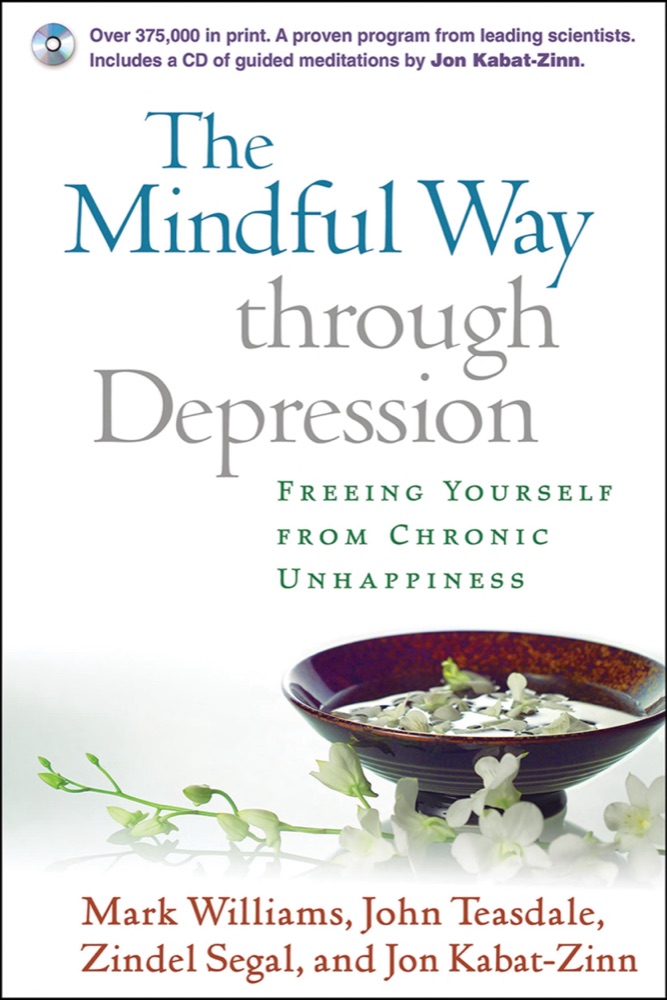 The Mindful Way through Depression: Freeing Yourself from Chronic Unhappiness
![It's Not OK to Feel Blue [and other lies]](/i/book/g/ed/its-not-ok-to-feel-blue-and-other-lies.jpg) It's Not OK to Feel Blue [and other lies]
It's Not OK to Feel Blue [and other lies]
 Three Days of Happiness
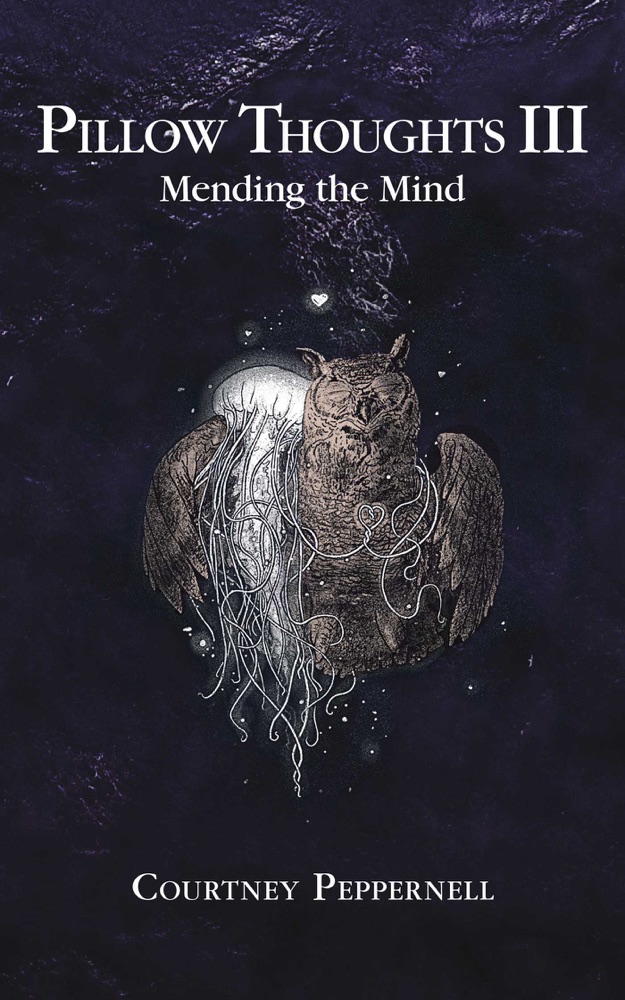 Mending the Mind
 Wasted: A Memoir of Anorexia and Bulimia
 Imagine Me Gone
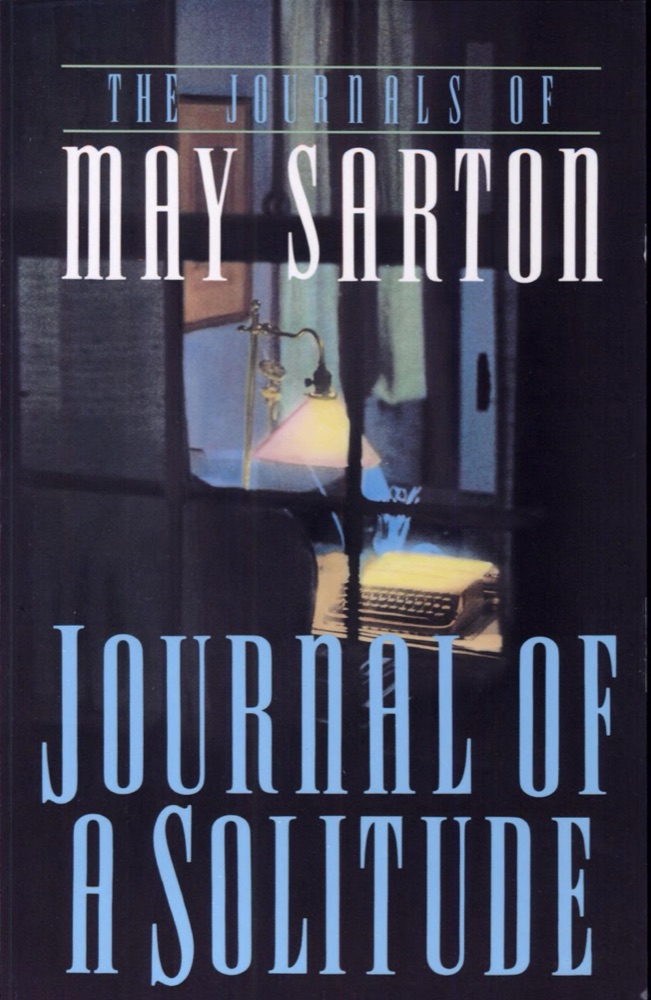 Journal of a Solitude
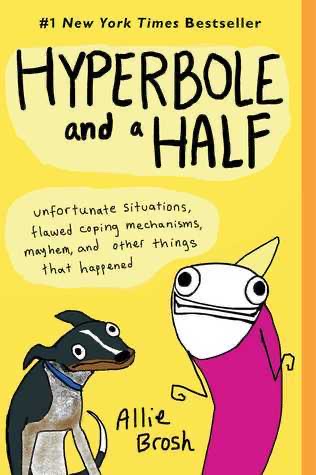 Hyperbole and a Half: Unfortunate Situations, Flawed Coping Mechanisms, Mayhem, and Other Things That Happened
 Hollywood Park
 Leaving Isn't the Hardest Thing
 Almost Everything: Notes on Hope
 Maybe You Should Talk to Someone: A Therapist, Her Therapist, and Our Lives Revealed
 The Setting Sun
 Tweak: Growing Up On Methamphetamines
![[Don't] Call Me Crazy](/i/book/g/b2/dont-call-me-crazy.jpg) [Don't] Call Me Crazy
[Don't] Call Me Crazy
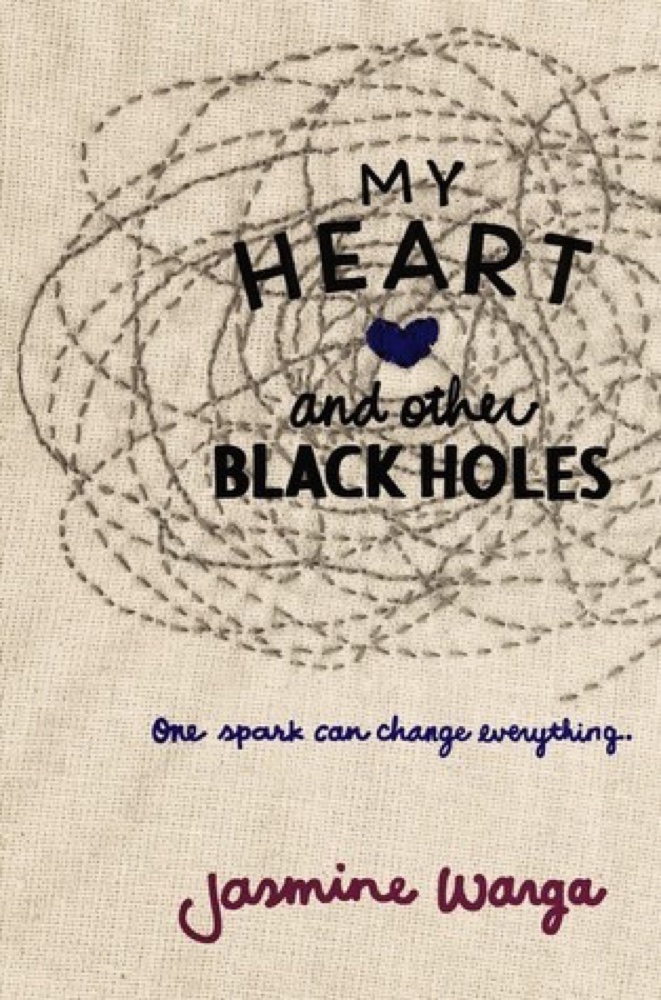 My Heart and Other Black Holes
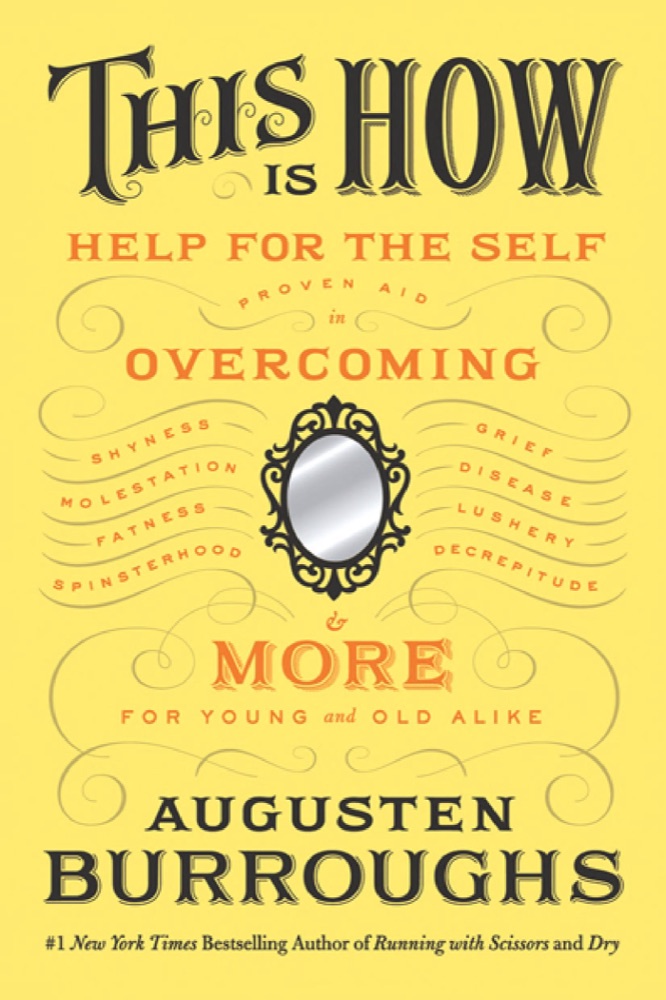 This Is How: Proven Aid in Overcoming Shyness, Molestation, Fatness, Spinsterhood, Grief, Disease, Lushery, Decrepitude & More. For Young and Old Alike.
 Whatever
 A Long Way Down
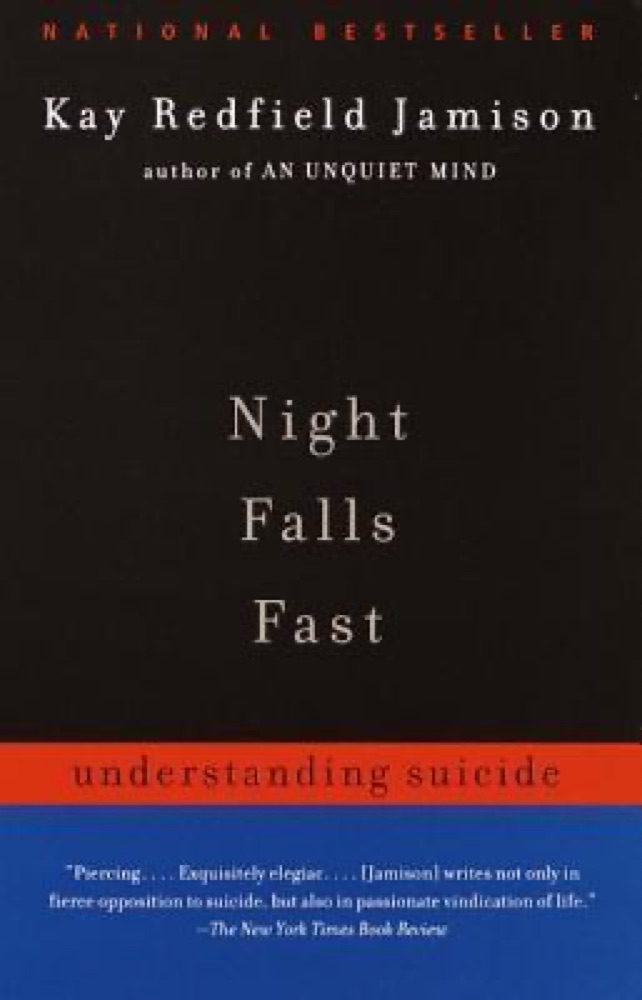 Night Falls Fast: Understanding Suicide
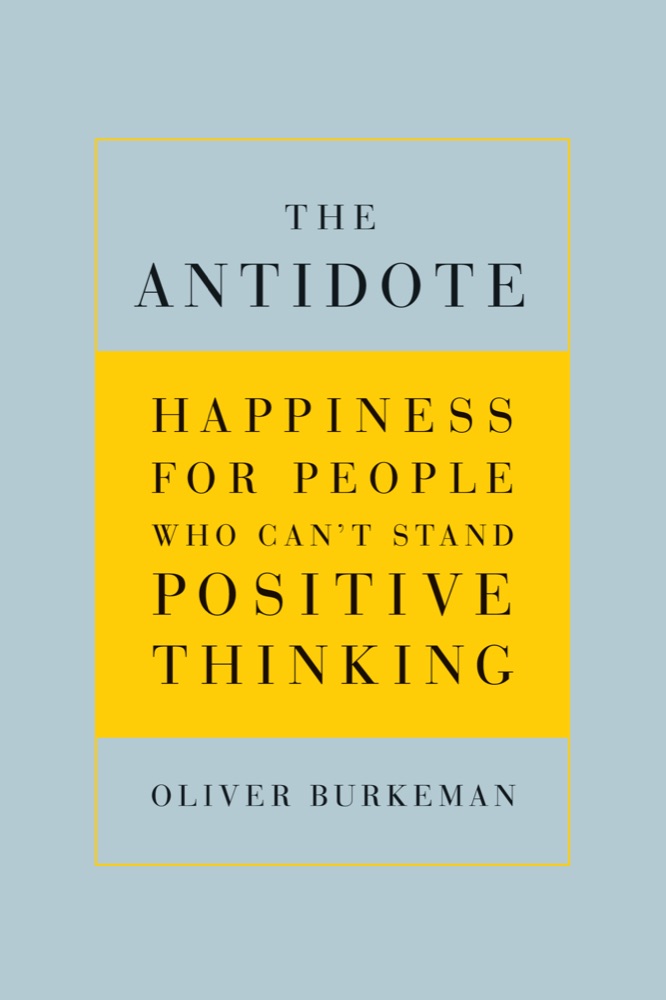 The Antidote: Happiness for People Who Can't Stand Positive Thinking
 Committed: On Meaning and Madwomen
 Marrow
 Madness: A Bipolar Life
 Coup de Grâce
 When Things Fall Apart: Heart Advice for Difficult Times
 On Being Human: A Memoir of Waking Up, Living Real, and Listening Hard
 Creatures of a Day: And Other Tales of Psychotherapy
 The Examined Life: How We Lose and Find Ourselves
 Drive Your Plow Over the Bones of the Dead
 Underground: The Tokyo Gas Attack and the Japanese Psyche
 Unbearable Lightness: A Story of Loss and Gain
 Life After Death
 The Nobleman's Guide to Scandal and Shipwrecks