
 How to Stop Worrying and Start Living
Quotes from the Book
Something wonderful begins to happen with the simple realization that life, like an automobile, is driven from the inside out, not the other way around. As you focus more on becoming more peaceful with where you are, rather than focusing on where you would rather be, you begin to find peace right now, in the present. Then, as you move around, try new things, and meet new people, you carry that sense of inner peace with you. It's absolutely true that, "Wherever you go, there you are.
One of the mistakes many of us make is that we feel sorry for ourselves, or for others, thinking that life should be fair, or that someday it will be. It's not and it won't. When we make this mistake we tend to spend a lot of time wallowing and/or complaining about what's wrong with life. "It's not fair," we complain, not realizing that, perhaps, it was never intended to be.
Effective listening is more than simply avoiding the bad habit of interrupting others while they are speaking or finishing their sentences. It's being content to listen to the entire thought of someone rather than waiting impatiently for your chance to respond.
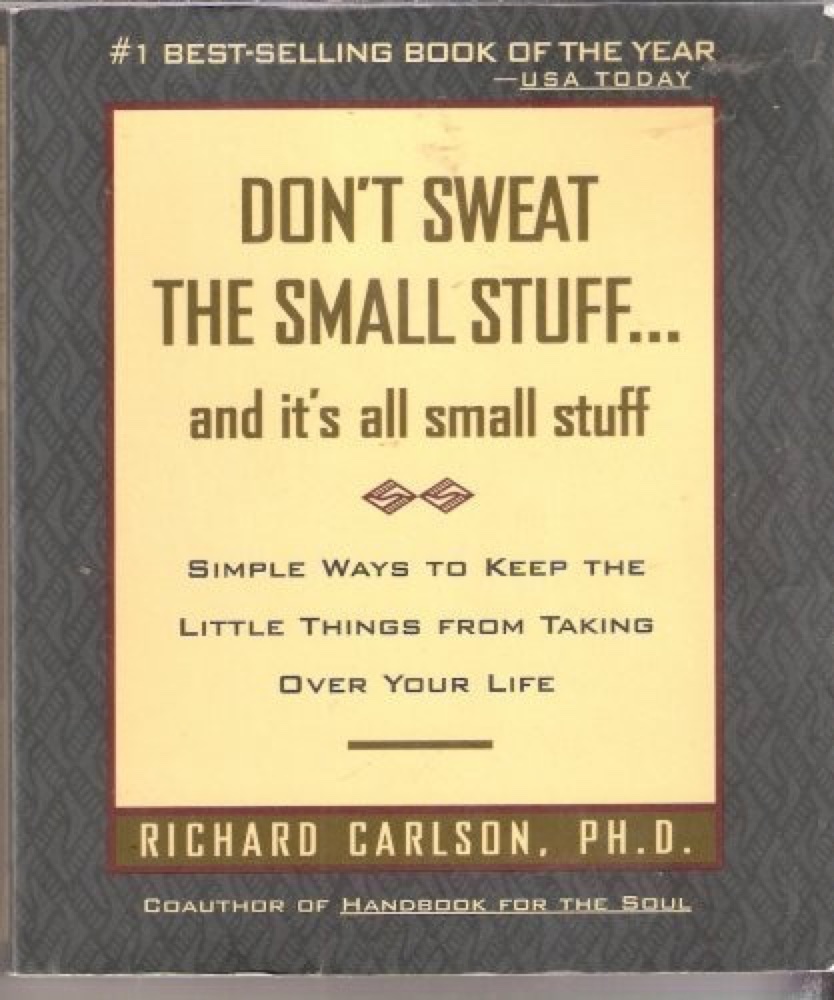
Don't sweat the small stuff...and it's all small stuff.
If, however, you take a moment to observe how you actually feel immediately after you criticise someone, you'll notice that you will feel a little deflated and ashamed, almost like you're the one who has been attacked. The reason this is true is that when we criticise, it's a statement to the world and to ourselves, "I have a need to be critical." This isn't something we are usually proud to admit.
...when you let go of your expectations, when you accept life as it is, you're free.To hold on is to be serious and uptight. To let go is to lighten up.
True happiness comes not when we get rid of all of our problems,but when we change our relationship to them, when we see our problems as a potential source of awakening, opportunities to practice, and to learn.
Life is a process--just one thing after another. When you lose it, just start again.
Even though we often mess up, most of us are doing the best that we know how with the circumstances that surround us.
We deny the parts of ourselves that we deem unacceptable rather than accepting the fact that we're all less than perfect.
Get Comfortable Not Knowing There once was a village that had among its people a very wise old man. The villagers trusted this man to provide them answers to their questions and concerns. One day, a farmer from the village went to the wise man and said in a frantic tone, “Wise man, help me. A horrible thing has happened. My ox has died and I have no animal to help me plow my field! Isn’t this the worst thing that could have possibly happened?” The wise old man replied, “Maybe so, maybe not.” The man hurried back to the village and reported to his neighbors that the wise man had gone mad. Surely this was the worst thing that could have happened. Why couldn’t he see this? The very next day, however, a strong, young horse was seen near the man’s farm. Because the man had no ox to rely on, he had the idea to catch the horse to replace his ox—and he did. How joyful the farmer was. Plowing the field had never been easier. He went back to the wise man to apologize. “You were right, wise man. Losing my ox wasn’t the worst thing that could have happened. It was a blessing in disguise! I never would have captured my new horse had that not happened. You must agree that this is the best thing that could have happened.” The wise man replied once again, “Maybe so, maybe not.” Not again, thought the farmer. Surely the wise man had gone mad now. But, once again, the farmer did not know what was to happen. A few days later the farmer’s son was riding the horse and was thrown off. He broke his leg and would not be able to help with the crop. Oh no, thought the man. Now we will starve to death. Once again, the farmer went to the wise man. This time he said, “How did you know that capturing my horse was not a good thing? You were right again. My son is injured and won’t be able to help with the crop. This time I’m sure that this is the worst thing that could have possibly happened. You must agree this time.” But, just as he had done before, the wise man calmly looked at the farmer and in a compassionate tone replied once again, “Maybe so, maybe not.” Enraged that the wise man could be so ignorant, the farmer stormed back to the village. The next day troops arrived to take every able-bodied man to the war that had just broken out. The farmer’s son was the only young man in the village who didn’t have to go. He would live, while the others would surely die. The moral of this story provides a powerful lesson. The truth is, we don’t know what’s going to happen—we just think we do. Often we make a big deal out of something. We blow up scenarios in our minds about all the terrible things that are going to happen. Most of the time we are wrong. If we keep our cool and stay open to possibilities, we can be reasonably certain that, eventually, all will be well. Remember: maybe so, maybe not.
Criticism, like swearing, is actually nothing more than a bad habit.
I’m merely talking about learning to be less bothered by the actions of people.
Your heart, the compassionate part of you, knows that it’s impossible to feel better at the expense of someone else.
Life didn't come with a fool-proof manual.
When you take time , often to reflect on the miracle of life - the miracle that you are even able to read this book - the gift of sight ,of love and all the rest , it can hep to remind you that many of the things that you think as "big stuff" are really just "small stuff" that you are turning into big tuff
Try to maintain the perspective that, in time, everything disintegrates and returns to its initial form.
A low mood is not the time to analyze your life. To do so is emotional suicide. If you have a legitimate problem, it will still be there when your state of mind improves. The trick is to be grateful for our good moods and graceful in our low moods—not taking them too seriously. The next time you feel low, for whatever reason, remind yourself, “This too shall pass.” It will.
Many people live as if life were a dress rehearsal for some later date.
Being heard and understood is “one of the greatest desires of the human heart.
To a large degree, the measure of our peace of mind is determined by how much we are able to live in the present moment. Irrespective of what happened yesterday or last year, and what may or may not happen tomorrow, the present moment is where you are—always!
I guess it´s safe to say that practice makes perfect. It makes sense, then, to be careful what you practice
In our relationships, weatherproofing typically plays itself out like this: You meet someone and all is well. You are attracted to his or her appearance, personality, intellect, sense of humor, or some combination of these traits. Initially, you not only approve of your differences with this person, you actually appreciate them. You might even be attracted to the person, in part because of how different you are. You have different opinions, preferences, tastes, and priorities. After a while, however, you begin to notice little quirks about your new partner (or friend, teacher, whoever), that you feel could be improved upon. You bring it to their attention. You might say, “You know, you sure have a tendency to be late.” Or, “I’ve noticed you don’t read very much.” The point is, you’ve begun what inevitably turns into a way of life—looking for and thinking about what you don’t like about someone, or something that isn’t quite right. Obviously, an occasional comment, constructive criticism, or helpful guidance isn’t cause for alarm. I have to say, however, that in the course of working with hundreds of couples over the years, I’ve met very few people who didn’t feel that they were weatherproofed at times by their partner. Occasional harmless comments have an insidious tendency to become a way of looking at life. When you are weatherproofing another human being, it says nothing about them—but it does define you as someone who needs to be critical. Whether you have a tendency to weatherproof your relationships, certain aspects of your life, or both, what you need to do is write off weatherproofing as a bad idea. As the habit creeps into your thinking, catch yourself and seal your lips. The less often you weatherproof your partner or your friends, the more you’ll notice how super your life really is.
As Mother Teresa reminds us, “We cannot do great things on this earth. We can only do small things with great love.
When you have what you want (inner peace), you are less distracted by your wants, needs, desires, and concerns. It’s thus easier to concentrate, focus, achieve your goals, and to give back to others.
There are two rules for living in harmony. #1) Don’t sweat the small stuff and #2) It’s all small
Watch on YouTube
About Richard Carlson
We have collected 26 quotes from 1 book by Richard Carlson on BookQuoters.
More about the author →Book details
- Author
- Richard Carlson
- Genre
- Philosophy
- Goodreads rating
- 4.00 (98k ratings) →
Keep reading
How to Stop Worrying and Start Living
 How to Be a Bawse: A Guide to Conquering Life
 How to Be Here: A Guide to Creating a Life Worth Living
 Your Erroneous Zones: Step-By-Step Advice for Escaping the Trap of Negative Thinking and Taking Control of Your Life
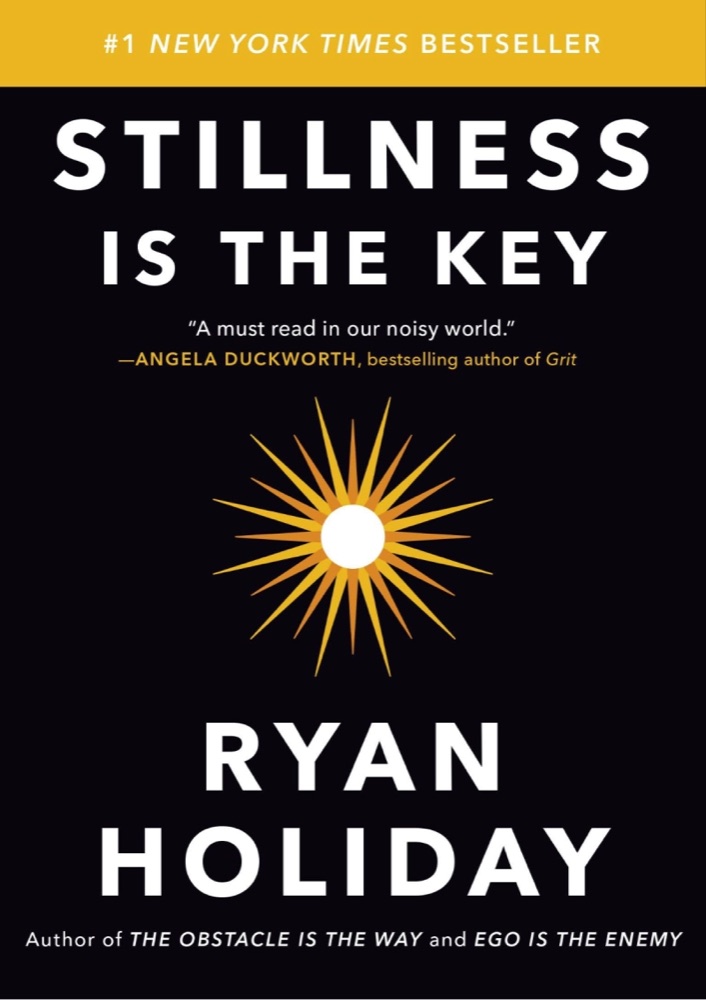 Stillness Is the Key
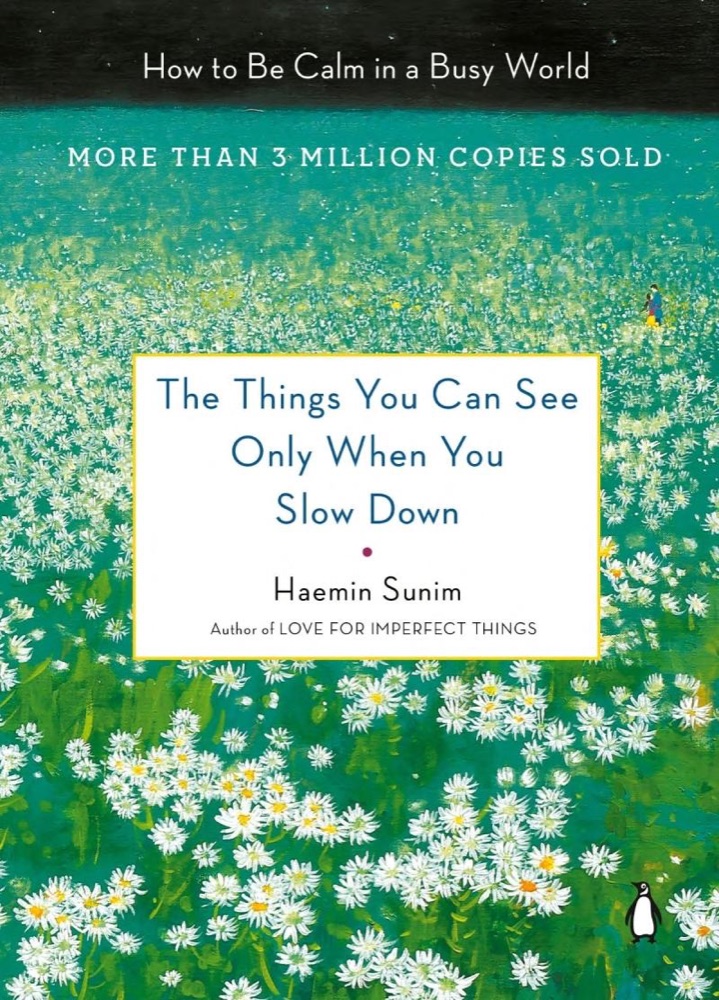 The Things You Can See Only When You Slow Down: How to Be Calm in a Busy World
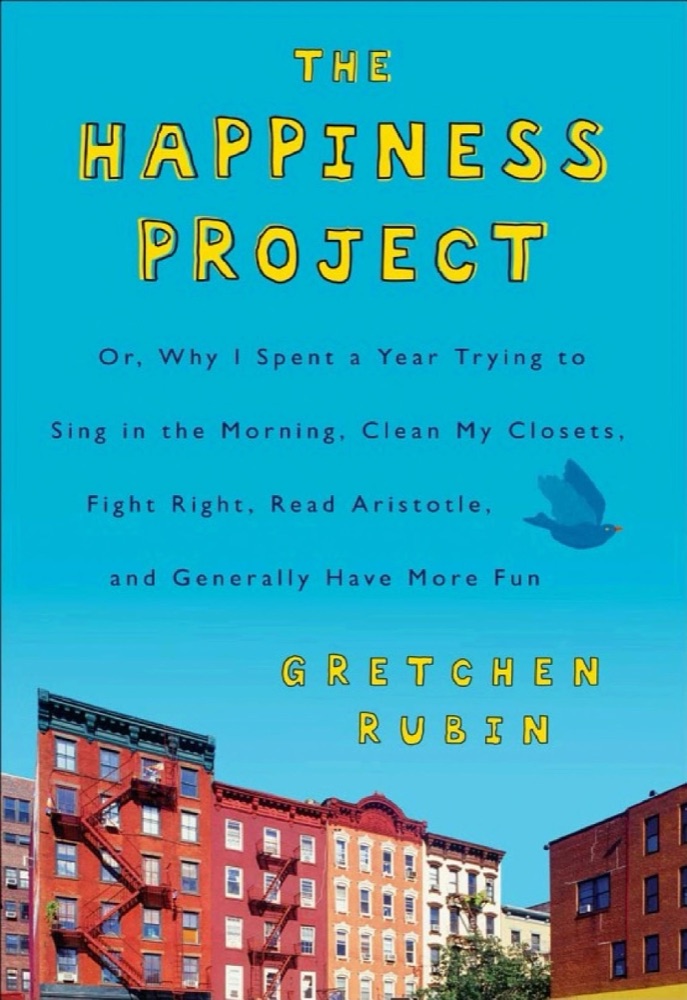 The Happiness Project
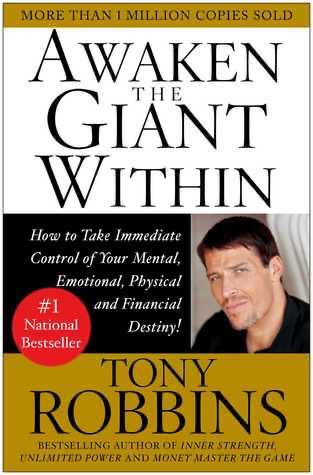 Awaken The Giant Within
 Happy: Finding Joy in Every Day and Letting Go of Perfect
 Girl Wash your Face
 Change Your Thoughts - Change Your Life: Living the Wisdom of the Tao
 Buddhist Boot Camp
 Notes on a Nervous Planet
 You Can Heal Your Life
 Maybe You Should Talk to Someone: A Therapist, Her Therapist, and Our Lives Revealed
 101 Essays That Will Change The Way You Think
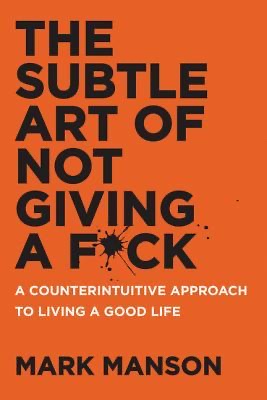 The Subtle Art of Not Giving a F*ck: A Counterintuitive Approach to Living a Good Life
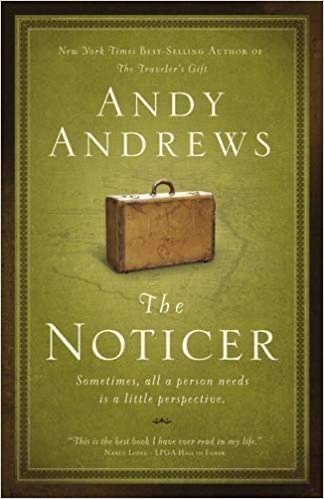 The Noticer: Sometimes, All a Person Needs Is a Little Perspective
 The Monk Who Sold His Ferrari: A Fable About Fulfilling Your Dreams and Reaching Your Destiny
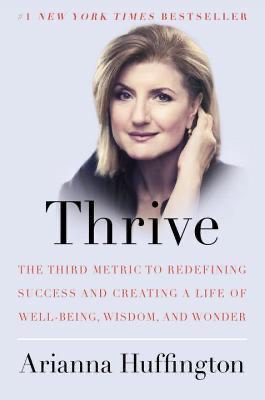 Thrive: The Third Metric to Redefining Success and Creating a Life of Well-Being, Wisdom, and Wonder
 The Comfort Book
 Brave Enough
 The Obstacle Is the Way: The Timeless Art of Turning Trials into Triumph
 Peace Is Every Step: The Path of Mindfulness in Everyday Life
 A Complaint Free World: How to Stop Complaining and Start Enjoying the Life You Always Wanted
 Discourses and Selected Writings
 The 7 Habits of Highly Effective People: Personal Workbook
 Being Peace
 The Dude and the Zen Master
 When Things Fall Apart: Heart Advice for Difficult Times
 We Were Three
 I Can't Make This Up: Life Lessons
 The Mountain Is You: Transforming Self-Sabotage Into Self-Mastery
 Be Useful: Seven Tools for Life
 Greenlights
 Excellent Advice for Living: Wisdom I Wish I'd Known Earlier
 Burnout: The Secret to Unlocking the Stress Cycle
 The Pocket Pema Chodron
 The Four Agreements: A Practical Guide to Personal Freedom
 The Daily Stoic: 366 Meditations on Wisdom, Perseverance, and the Art of Living
 The School of Life: An Emotional Education
 The Perfectionist's Guide to Losing Control: A Path to Peace and Power
 If I Knew Then: Finding Wisdom in Failure and Power in Aging
 You Are a Badass: How to Stop Doubting Your Greatness and Start Living an Awesome Life
 I Like You Just Fine When You're Not Around
 Improv Wisdom: Don't Prepare, Just Show Up
 Buy Yourself the F*cking Lilies: And Other Rituals to Fix Your Life, from Someone Who's Been There
 The 5 AM Club: Own Your Morning. Elevate Your Life
 Illusions: The Adventures of a Reluctant Messiah
 Love for Imperfect Things: How to Accept Yourself in a World Striving for Perfection
 Capital Gaines: Smart Things I Learned Doing Stupid Stuff
 F**k It: The Ultimate Spiritual Way
 The Tao of Pooh
 Build the Life You Want: The Art and Science of Getting Happier
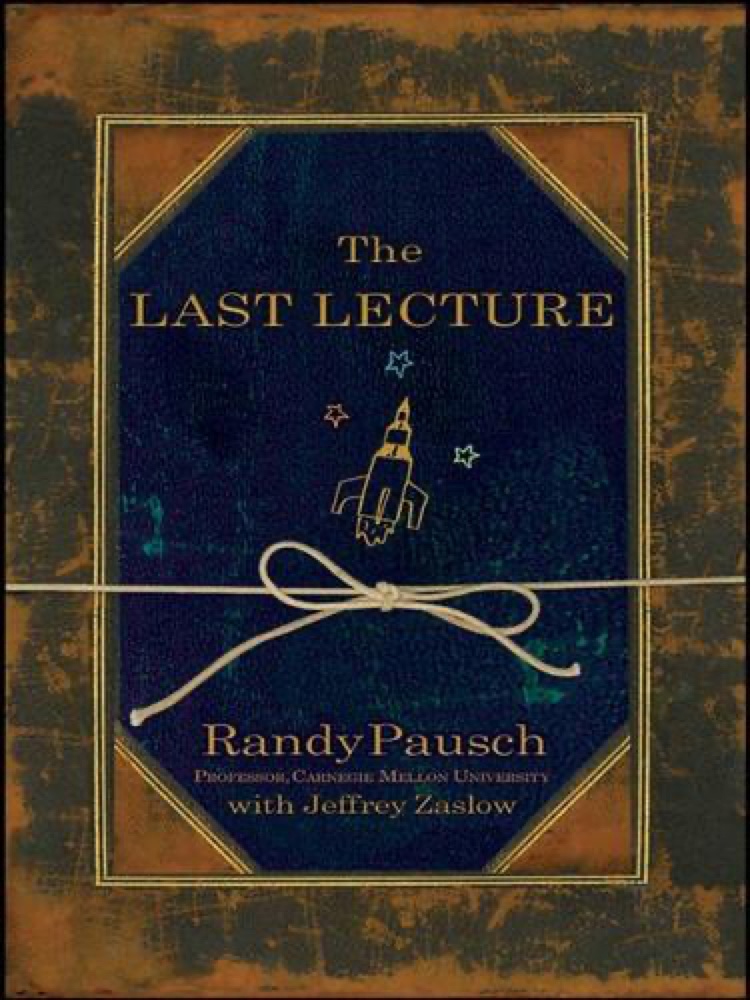 The Last Lecture