 Being Peace
Quotes from the Book
When you plant a tree, if it doesn’t grow well, you don’t blame the tree. You look into the reasons it isn’t doing well. It may need fertilizer or more water or less sun. We never blame the tree. Yet we’re quick to blame our child. If we know how to take care of her, she will grow well, like a tree. Blaming has no good effect at all. Never blame, never try to persuade using reason and arguments; they never lead to any positive effect. That is my experience. No argument, no reasoning, no blaming, just understanding. If you understand, and you show that you understand, you can love, and the situation will change.
9
A smile can relax hundreds of muscles in your face, and relax your nervous system. A smile makes you master of yourself.
8
Each of us is like the waves and also like the water. Sometimes we’re excited, noisy, and agitated like the waves. Sometimes we’re tranquil like still water. When water is calm, it reflects the blue sky, the clouds, and the trees. Sometimes, whether we’re at home, work, or school, we become tired, agitated, or unhappy and we need to transform into calm water. We already have calmness in us; we just need to know how to make it manifest.
7
Find space in your day when you can practice mindful breathing and letting go of tensions.
6
When you have trouble sleeping, follow your breathing in and breathing out. Bring your awareness to the different parts of your body in turn, and allow them to relax.
4
Stress accumulates in our body. The way we eat, drink, and live takes its toll on our well-being. Lying down and bringing gentle awareness to our breath, we can realize rest and recovery for our physical body.
3
Mindfulness and a deep awareness of the Earth can help us to handle pain and difficult feelings. It can help us heal our own suffering and increase our capacity to be aware of the suffering of others. With awareness of the Earth’s generosity, we can generate a pleasant feeling. Knowing how to create moments of joy and happiness is crucial for our healing. It’s important to be able to see the wonders of life around us and to recognize all the conditions for happiness that already exist. Then, with the energy of mindfulness, we can recognize and embrace our feelings of anger, fear, and despair and transform them. We don’t need to become overwhelmed by these unpleasant emotions.
3
As you go about your daily activities, do you feel you’re lacking something? As you wash the dishes, cook a meal, clean the kitchen, while you walk, stand, sit, or lie down, what are you looking for? There’s no business for you to take care of. You’re free; there’s nothing to do or to run after. Perhaps you’re seeking something, calculating, or feeling agitated. Your feet and hands may always think they have to be doing something. When you do sitting or walking meditation, don’t put too much effort into it. You’re not trying to attain something. Meditation shouldn’t be hard labor. The principle is to be ordinary, not to be too busy. We just live in a normal way. When
3
Desirelessness is the basic condition that makes possible the feelings of joy, peace, and ease that come with living a simple life. Simplicity means to have few desires, to be content with a simple life and just a few possessions. Desirelessness is the basis of true happiness, because in true happiness there must be the elements of peace, joy, and ease.
3
We tend to postpone being alive to the future, the distant future, we don’t know when. It’s as if now is not the moment to be alive. We may never be alive at all in our entire life.
2
Taking good care of our bodies, eating well but not too much, sleeping, and drinking water, we have to trust the power of understanding, healing, and loving within us. It is our refuge. If we lose our faith and confidence in it, we lose everything. Instead of panicking or giving ourselves up to despair, we practice mindful breathing and put our trust in the healing power within us. We call this the island within ourselves in which we can take refuge. It is an island of peace, confidence, solidity, love, and freedom. Be that island for yourself. You don’t have to look elsewhere.
2
The only moment to be alive is in the present moment.
2
Sometimes we think and worry nonstop. It’s like having a cassette tape continually turning in our minds. When we leave the television set on for a long time, it becomes hot. Our head also gets hot from all our thinking. When we can’t stop, we may be unable to sleep well. Even if we take a sleeping pill, we continue to run, think, and worry in our dreams. The alternative medicine is mindful breathing. If we practice mindful breathing for five minutes, allowing our body to rest, then we stop thinking for that time. We can use words like ‘in’ and ‘out’ to helps us be aware of our breathing. This is not thinking; these words aren’t concepts. They’re guides for mindfulness of breathing. When we think too much, the quality of our being is reduced. Stopping the thinking, we increase the quality of our being. There’s more peace, relaxation, and rest.
1
When our mind is entangled with anger, jealousy, or sadness, we can be in that state hour after hour, day after day. It’s a pity, because meanwhile, life is wondrous. If we only concentrate on breathing in and seeing that our body is a wonder, we can see that nothing else is really important. It’s only the peace in our body and in our mind that matters. Anyone can attain this insight. While we sit, we can be with our breathing, we can let go of tensions, and we can have peace. This peace is the most precious thing there is, more precious than any pursuit.
1
Meditation means being aware of what is going on – in our bodies, in our feelings, in our minds, and in the world. Each day thousands of children die of hunger. … Yet the sunrise is beautiful, and the rose that blossomed this morning along the wall is a miracle. Life is both dreadful and wonderful. To practice meditation is to be in touch with both aspects of life.
1
You have to train yourself, to learn how to go home to the present moment, to the here and now,
1
Breathing in, I calm my body. Breathing out, I smile. Dwelling in the present moment, I know this is a wonderful moment.
1
True happiness isn’t found in success, money, fame, or power. True happiness should be found in the here and the now. With that kind of insight you can truly relax.
1
When you feel tired or irritated, you can lie down with your arms at your sides, allowing all your muscles to relax, maintaining awareness of just your breath and your smile.
1
Once or twice each day, you can pick at least one part of your body to focus on and practice relaxing.
Each one of us has an idea of happiness; we think that we must have this or that to be happy, or that we have to eliminate this or that to be happy.
There’s nothing you could buy your loved ones that could give them as much true happiness as your gift of awareness, breathing, and smiling—and these precious gifts cost nothing.
You might think that not doing anything is a waste of time. But that’s not true. Your time is first of all for you to be—to be alive, to be peace.
But do we have enough lazy days in our calendar? A lazy day is a day for us to be without any scheduled activities. We just let the day unfold naturally, timelessly.
Breathing in, bring your awareness to your shoulders. Breathing out, allow your shoulders to relax. Let them sink into the floor. Let all the accumulated tension flow into the floor. You carry so much with your shoulders. Now let your shoulders relax as you care for them.
BODY SCAN If you only have a few minutes to sit or lie down and relax, you can do a body scan. Beginning at the top of your head and moving down to your toes, you bring mindful awareness to parts of your body. You can bring attention to many or just a few parts of your body. This can be done anytime, anywhere to rest and relieve stress in body and mind. Breathing in, I am aware of my eyes. Breathing out, I smile to my eyes. Having eyes in good condition is a wonderful thing. We need to take care of our eyes and rest them from time to time, especially when we’re working. Breathing in, I am aware of my heart. Breathing out, I smile to my heart. You have neglected your heart for a long time. You may cause trouble for your heart by the way you rest, work, eat, and drink. Your heart works day and night for your well-being, but because of your lack of mindfulness, you have not been very helpful to your heart. Once or twice each day, you can pick at least one part of your body to focus on and practice relaxing.
Calm, Ease” means, “Breathing in, I feel calm. Breathing out, I feel at ease.” This exercise is wonderful to practice, especially when you’re nervous, or angry, or you don’t feel peaceful in yourself. Then you come to “Smile, Release.” “Breathing in, I smile.” You may feel it’s too difficult to smile. But after practicing three or four times, you may feel that you’re able to smile. If you can smile, you’ll feel a lot better. You may protest, “Why do you want me to smile? It’s not natural.” Many people ask me that and they protest, “I have no joy in me. I can’t force myself to smile; it wouldn’t be true.” I always say that a smile can be a kind of yoga practice, yoga of the mouth. You just smile, even if you don’t feel joy. And after you smile, you’ll see you feel differently. Sometimes the mind takes the initiative, and sometimes you have to allow the body to take the initiative.
Our idea of happiness is the main obstacle to happiness.
If something wonderful happens to one of us, it happens to all of us. If something awful happens to one of us, it happens to all of us. This answer comes from the insight of no-self. With the insight of no-self you see that your suffering, your fear, is a collective suffering. With the insight of no-self, you see that happiness is a collective happiness. We are not separated.
About Thich Nhat Hanh
We have collected 629 quotes from 23 books by Thich Nhat Hanh on BookQuoters.
More about the author →
About the book
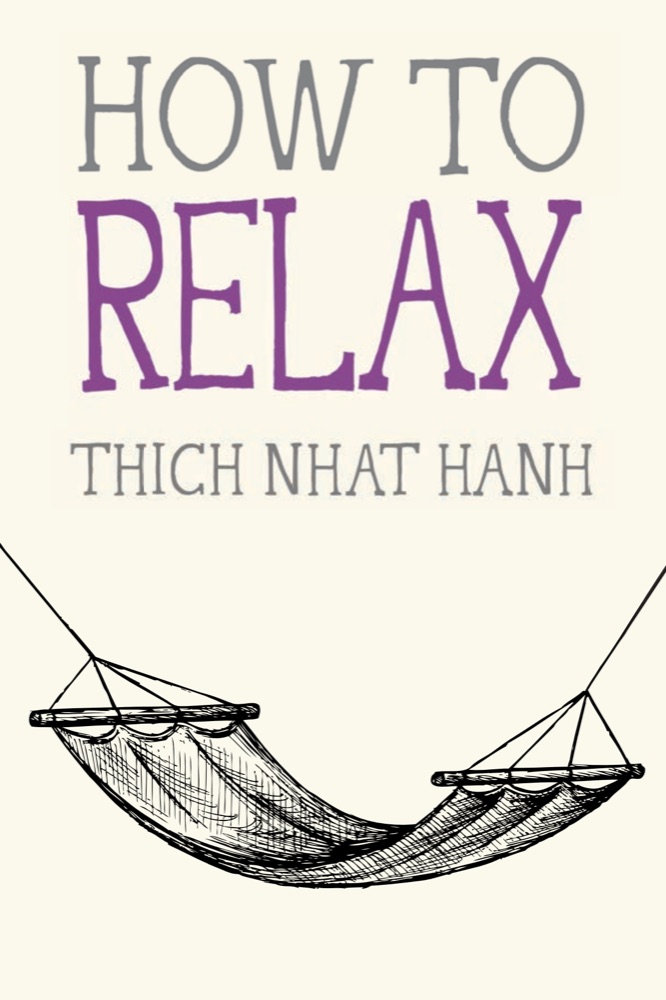
Stop, relax mindfully, and recharge to control stress and renew mental freshness and clarity.
The fifth book in the bestselling Mindfulness Essentials series, a back-to-basics collection from world-renowned Zen Master Thich Nhat Hanh that introduces everyone to the essentials of mindfulness practice.
Thich Nhat Hanh says that when we relax, we "become calm water, and we will reflect reality as it is. If we’re not calm, the image we reflect will be distorted. When the image is distorted by our minds, it’s not the reality, and it causes lots of suffering." Relaxation is essential for accessing the tranquility and joy that lead to increased personal well-being. With sections on healing, relief from nonstop thinking, transforming unpleasant sounds, solitude, being peace, and more, How to Relax includes meditations you can do to help you achieve the benefits of relaxation no matter whe
Book details
- First published
- 2015
- Author
- Thich Nhat Hanh
- Genre
- Nonfiction
- Goodreads rating
- 4.25 (6k ratings)
Keep reading
 Peace Is Every Breath: A Practice for Our Busy Lives
 How to Sit
 Full Catastrophe Living: Using the Wisdom of Your Body and Mind to Face Stress, Pain, and Illness
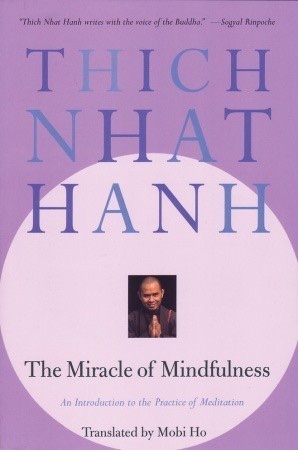 The Miracle of Mindfulness: An Introduction to the Practice of Meditation
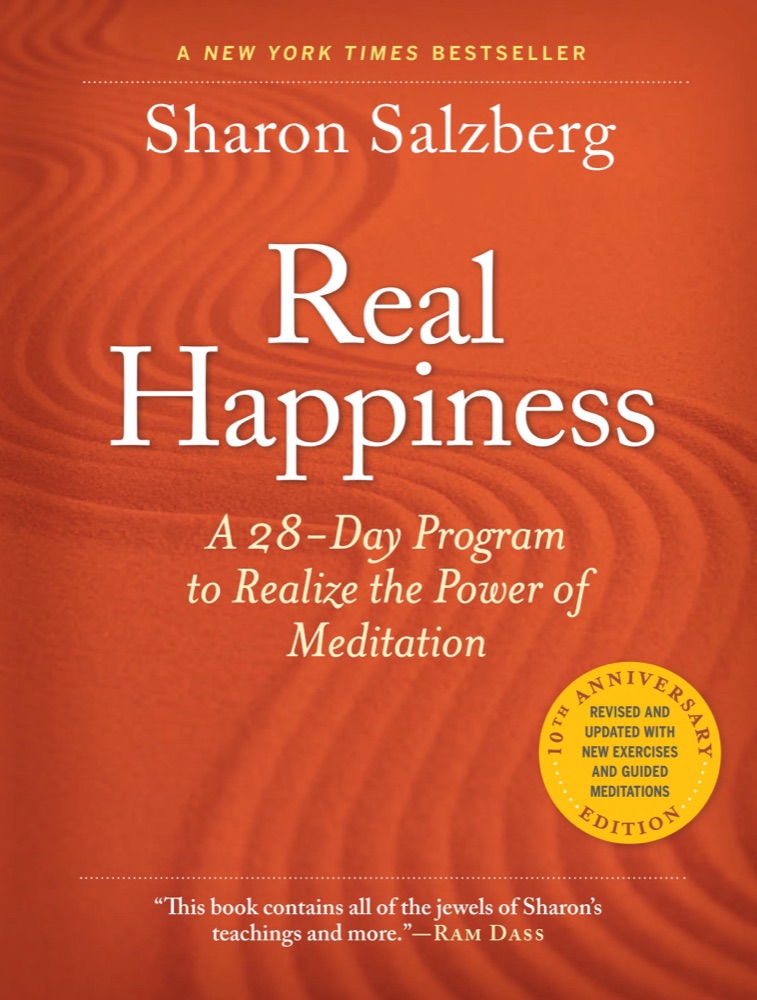 Real Happiness: A 28-Day Program to Realize the Power of Meditation
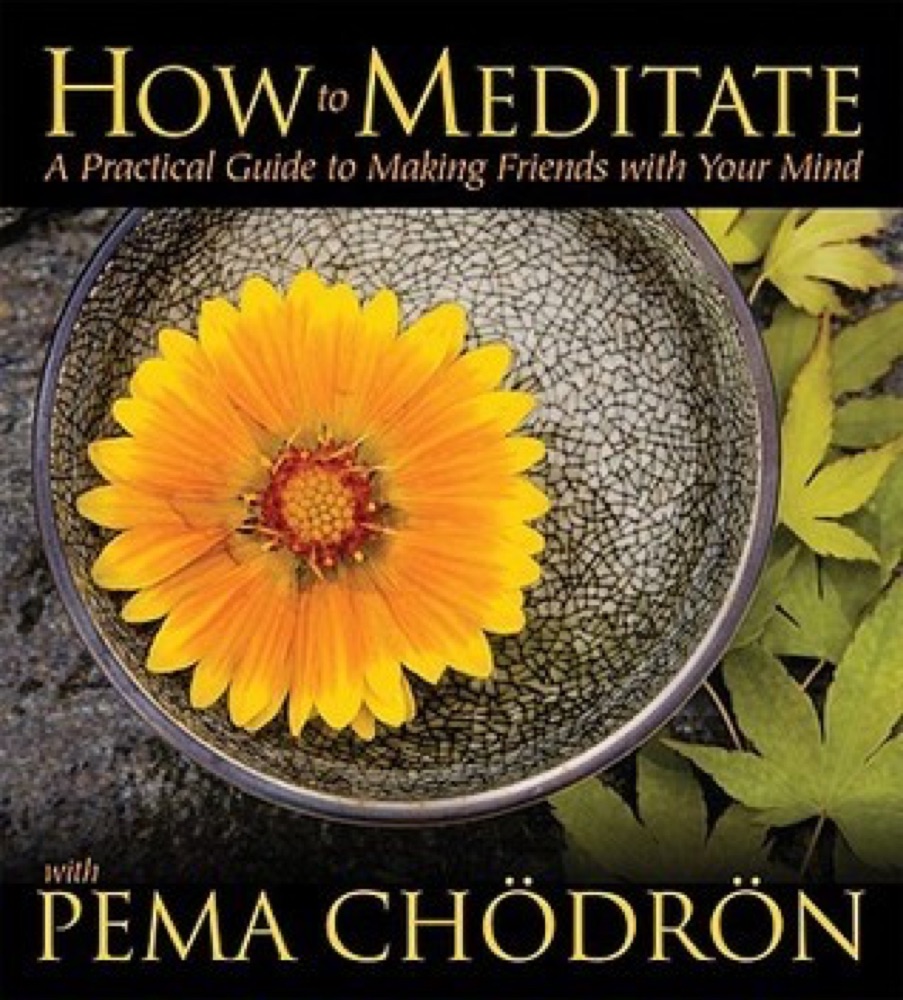 How to Meditate: A Practical Guide to Making Friends with Your Mind
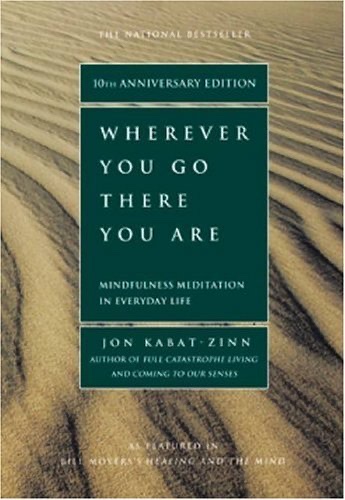 Wherever You Go, There You Are: Mindfulness Meditation in Everyday Life
 Nothing Special: A Zen Buddhist Guide to Awakening Through Daily Life's Feelings, Relationships, and Work
 Everyday Zen: Love & Work
 Mindfulness in Plain English
 Comfortable with Uncertainty: 108 Teachings on Cultivating Fearlessness and Compassion
 Living Untethered: Beyond the Human Predicament
 Living Beautifully with Uncertainty and Change
 Meditation for Fidgety Skeptics: A 10% Happier How-To Book
 Meditation for Beginners
 Practicing the Power of Now: Essential Teachings, Meditations, and Exercises from the Power of Now
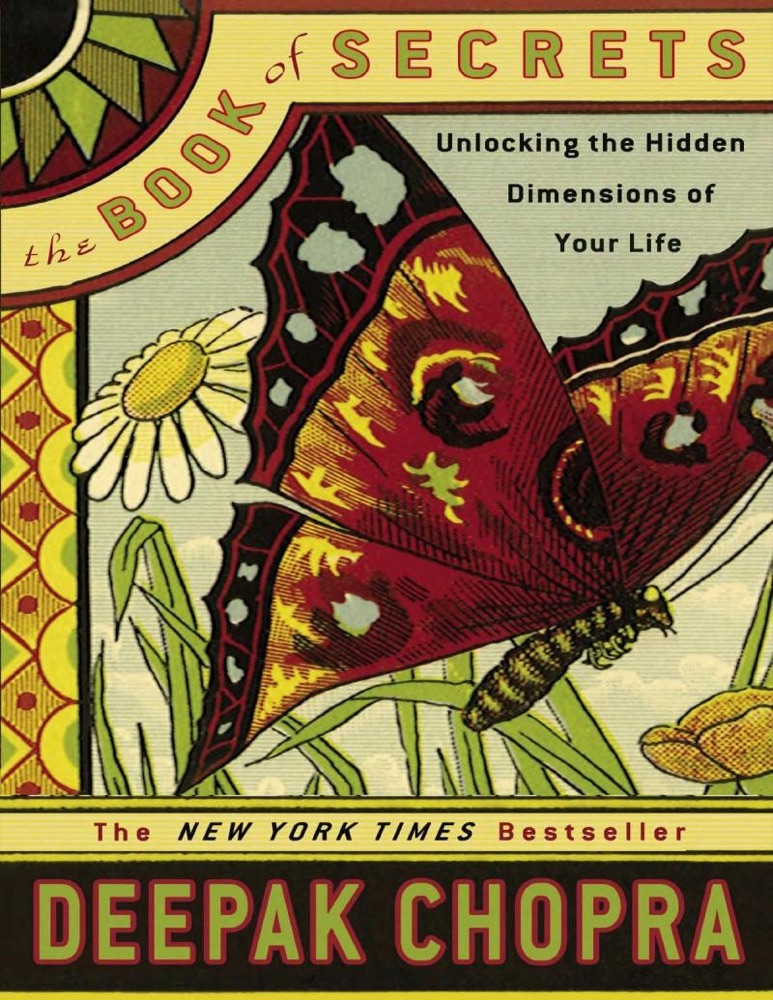 The Book of Secrets: Unlocking the Hidden Dimensions of Your Life
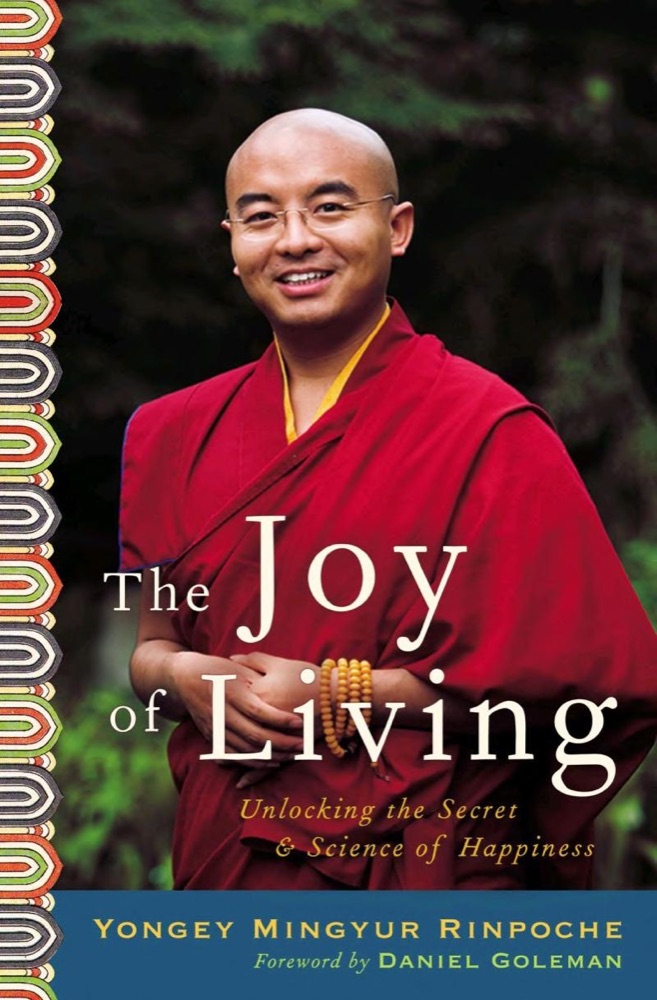 The Joy of Living: Unlocking the Secret and Science of Happiness
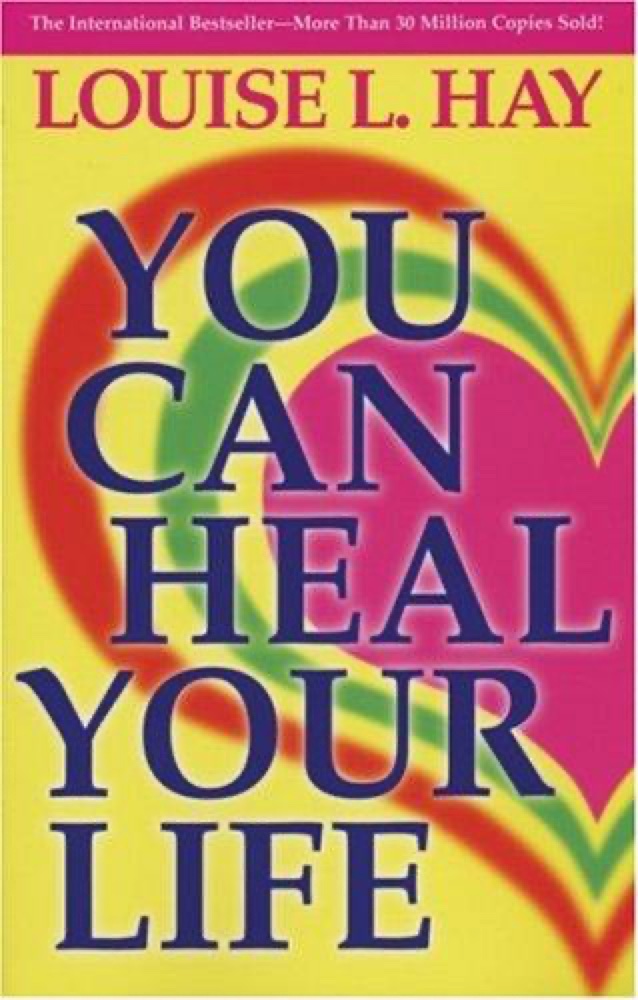 You Can Heal Your Life
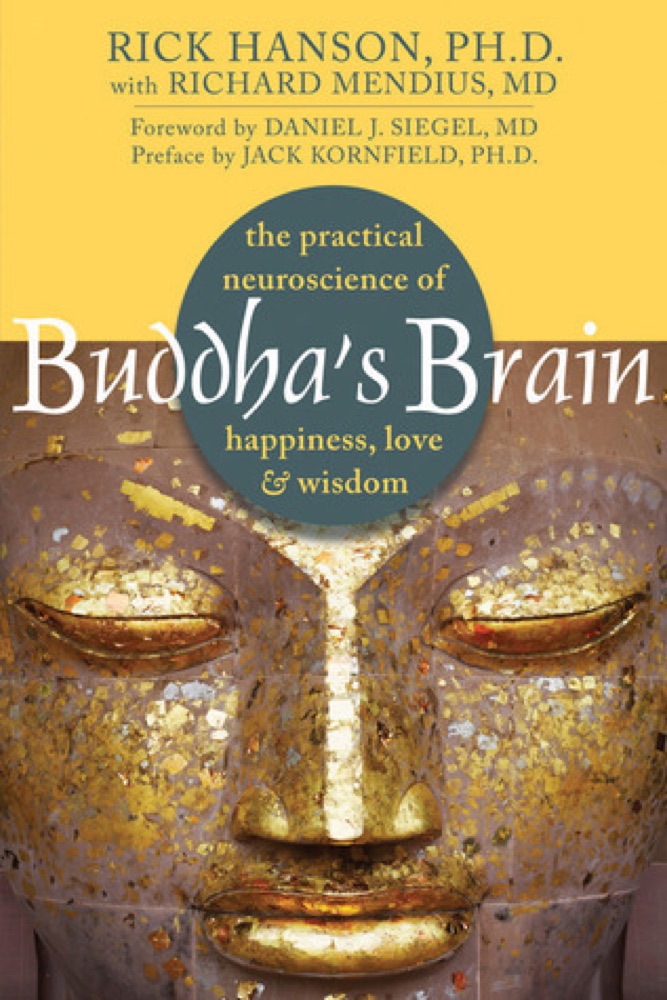 Buddha's Brain: The Practical Neuroscience of Happiness, Love, and Wisdom
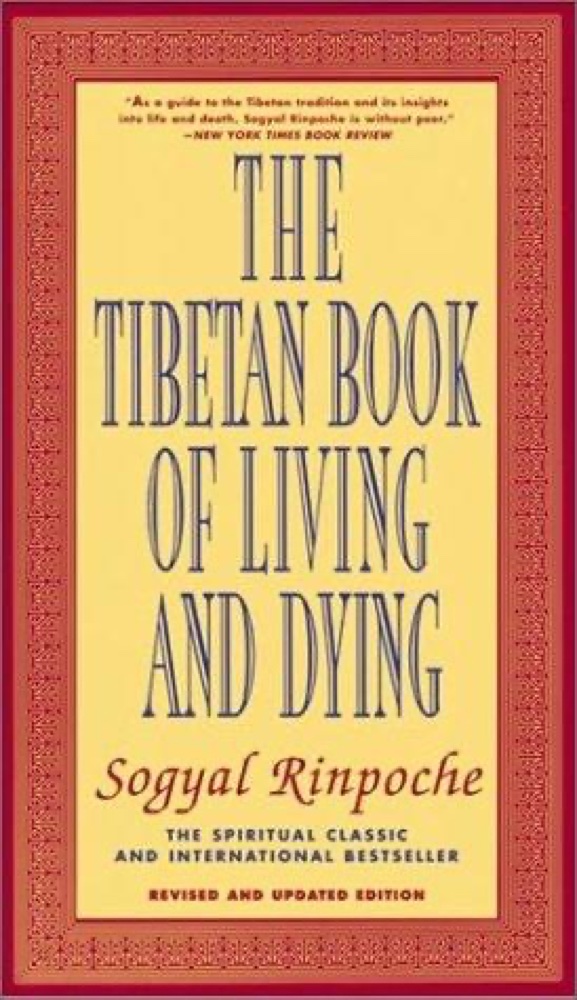 The Tibetan Book of Living and Dying
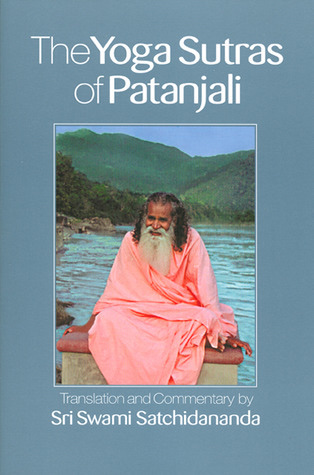 The Yoga Sutras of Pantanjali
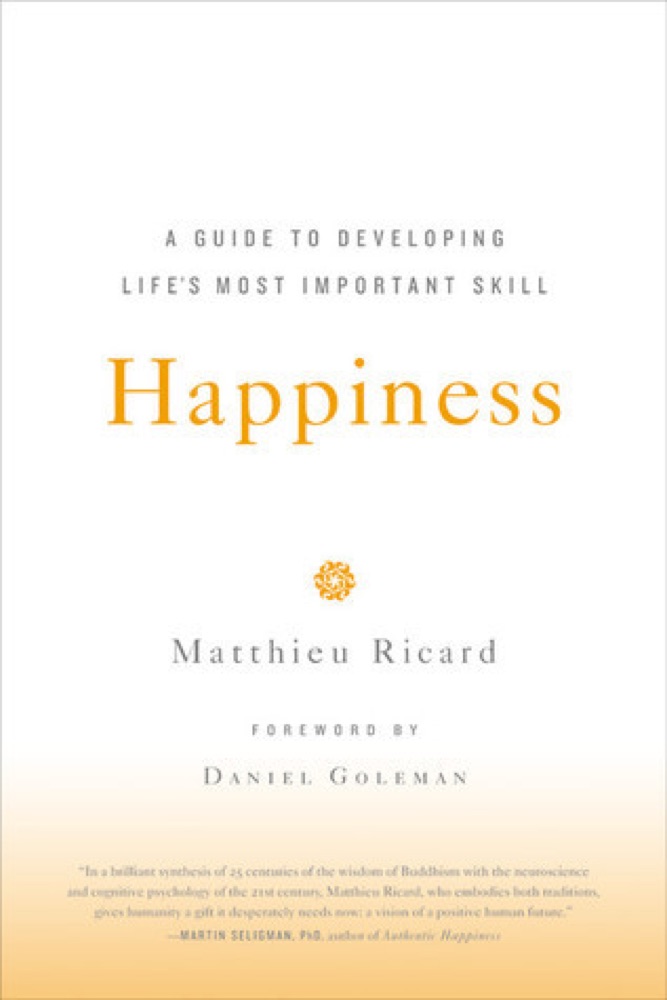 Happiness: A Guide to Developing Life's Most Important Skill
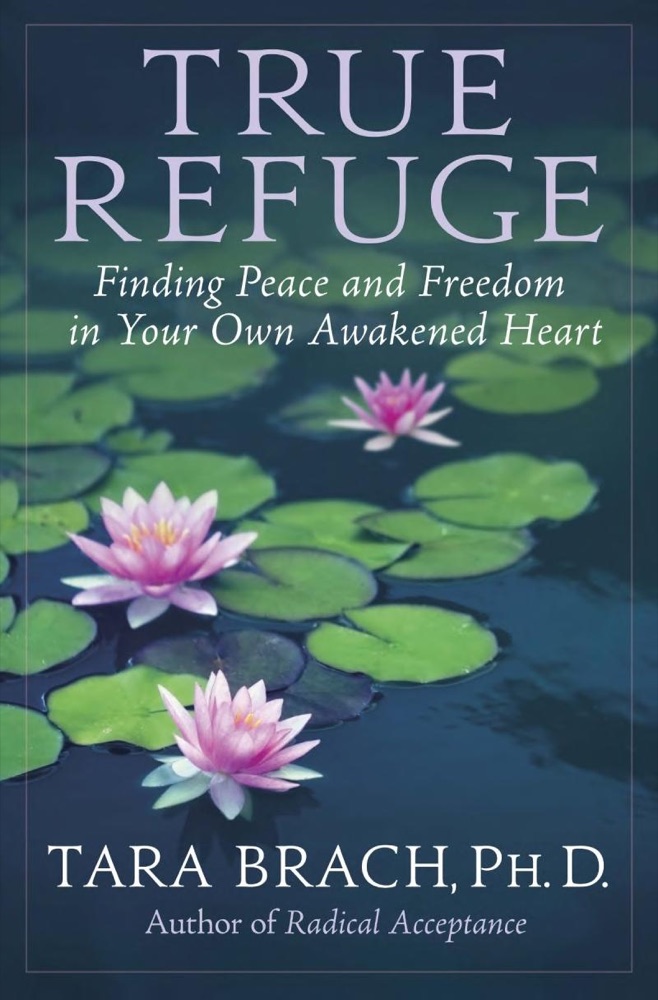 True Refuge: Finding Peace and Freedom in Your Own Awakened Heart
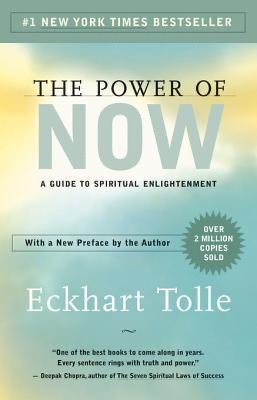 The Power of Now: A Guide to Spiritual Enlightenment
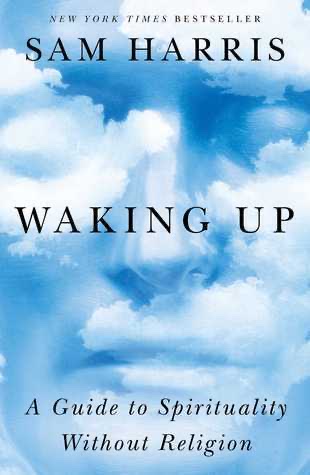 Waking Up: A Guide to Spirituality Without Religion
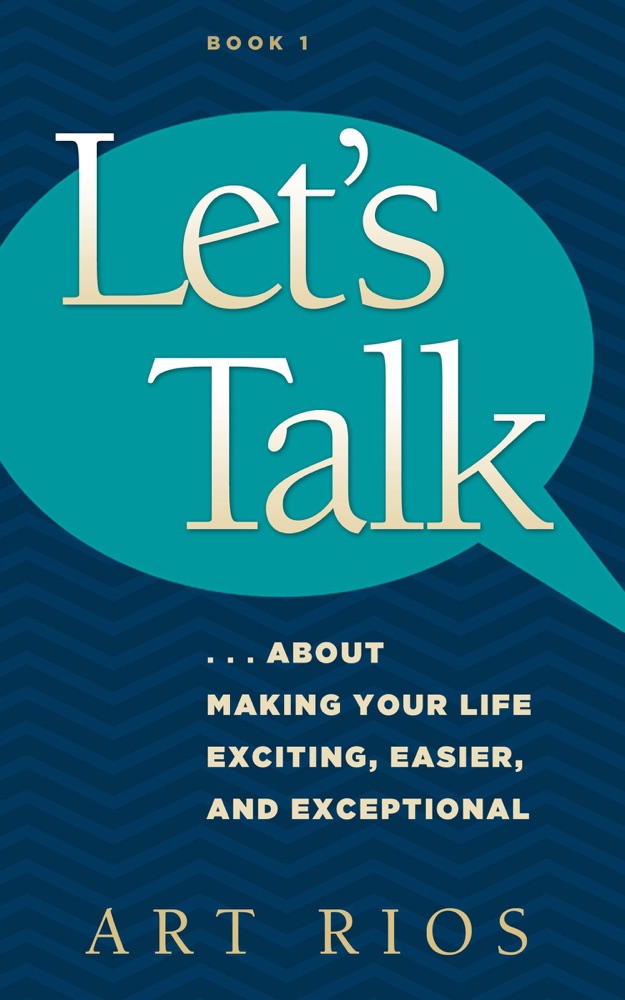 Let's Talk: ...About Making Your Life Exciting, Easier, And Exceptional
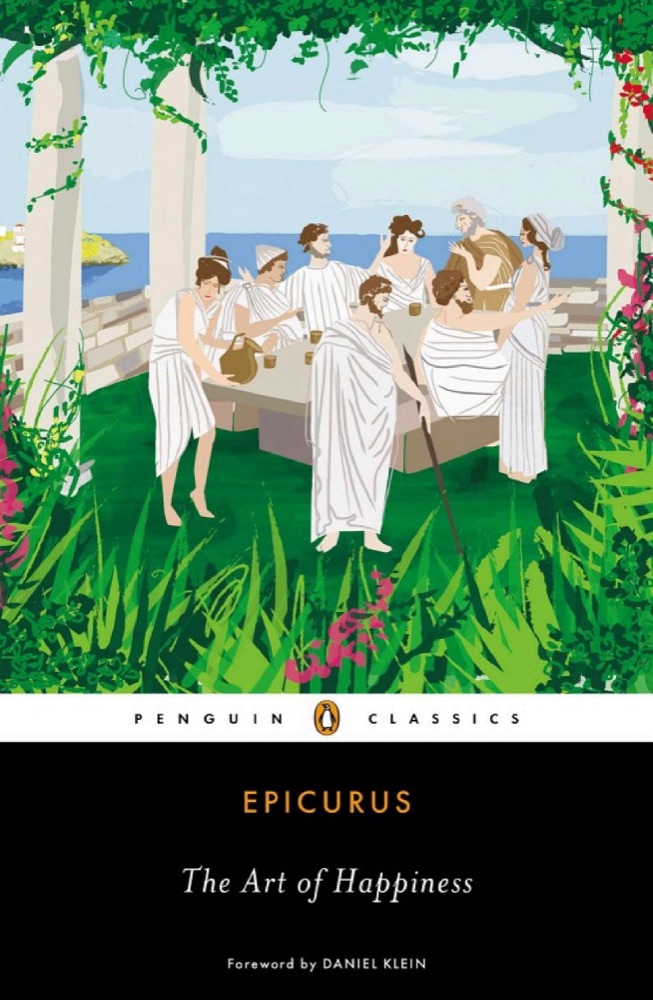 The Art of Happiness
 The Mind Illuminated: A Complete Meditation Guide Integrating Buddhist Wisdom and Brain Science
 The Things You Can See Only When You Slow Down: How to Be Calm in a Busy World
 Awakening the Buddha Within
 Burnout: The Secret to Unlocking the Stress Cycle
 Stillness Speaks
 Way of the Peaceful Warrior: A Book That Changes Lives
 The Practicing Mind: Bringing Discipline and Focus into Your Life
 Awareness: The Key to Living in Balance
 The Dalai Lama's Cat and the Power of Meow
 A Monk's Guide to Happiness: Meditation in the 21st Century
 Breaking the Habit of Being Yourself: How to Lose Your Mind and Create a New One
 Simple Abundance: A Daybook of Comfort of Joy
 Meditation
 The Wise Heart: A Guide to the Universal Teachings of Buddhist Psychology
 The Upward Spiral: Using Neuroscience to Reverse the Course of Depression, One Small Change at a Time
 Mindfulness Living in the Moment - Living in the Breath
 How to Stop Worrying and Start Living
 Happy: Finding Joy in Every Day and Letting Go of Perfect
 The Witch's Book of Self-Care: Magical Ways to Pamper, Soothe, and Care for Your Body and Spirit
 Becoming Supernatural: How Common People are Doing the Uncommon
 The Wisdom of Your Body: Finding Healing, Wholeness, and Connection through Embodied Living
 The Book of Joy: Lasting Happiness in a Changing World
 How to Be an Adult in Relationships: The Five Keys to Mindful Loving
 Radical Acceptance: Embracing Your Life With the Heart of a Buddha
 The Seven Spiritual Laws of Success: A Practical Guide to the Fulfillment of Your Dreams
 Not Always So: Practicing the True Spirit of Zen – The Final Teachings of Shunryu Suzuki to Empower Your Freedom
 Advice Not Given: A Guide to Getting Over Yourself
 How to See Yourself As You Really Are