
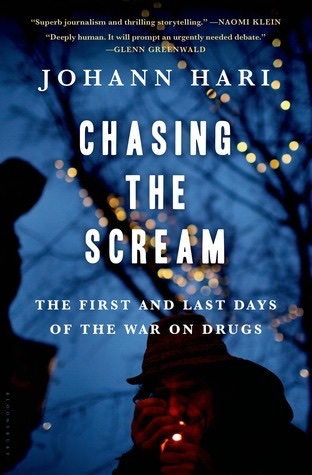
 Chasing the Scream: The First and Last Days of the War on Drugs
Quotes from the Book
Loneliness isn’t the physical absence of other people, he said—it’s the sense that you’re not sharing anything that matters with anyone else. If you have lots of people around you—perhaps even a husband or wife, or a family, or a busy workplace—but you don’t share anything that matters with them, then you’ll still be lonely.
114
What if depression is, in fact, a form of grief—for our own lives not being as they should? What if it is a form of grief for the connections we have lost, yet still need?
74
You aren’t a machine with broken parts. You are an animal whose needs are not being met.
57
Protracted loneliness causes you to shut down socially, and to be more suspicious of any social contact, he found. You become hypervigilant. You start to be more likely to take offense where none was intended, and to be afraid of strangers. You start to be afraid of the very thing you need most. John calls this a “snowball” effect, as disconnection spirals into more disconnection. Lonely people are scanning for threats because they unconsciously know that nobody is looking out for them, so no one will help them if they are hurt. This snowball effect, he learned, can be reversed—but to help a depressed or severely anxious person out of it, they need more love, and more reassurance, than they would have needed in the first place. The tragedy, John realized, is that many depressed and anxious people receive less love, as they become harder to be around. Indeed, they receive judgment, and criticism, and this accelerates their retreat from the world. They snowball into an ever colder place.
44
The Internet was born into a world where many people had already lost their sense of connection to each other. The collapse had already been taking place for decades by then. The web arrived offering them a kind of parody of what they were losing—Facebook friends in place of neighbors, video games in place of meaningful work, status updates in place of status in the world. The comedian Marc Maron once wrote that “every status update is a just a variation on a single request: ‘Would someone please acknowledge me?
44
I kept noticing a self-help cliché that people say to each other all the time, and share on Facebook incessantly. We say to each other: “Nobody can help you except you.” It made me realize: we haven’t just started doing things alone more, in every decade since the 1930s. We have started to believe that doing things alone is the natural state of human beings, and the only way to advance. We have begun to think: I will look after myself, and everybody else should look after themselves, as individuals. Nobody can help you but you. Nobody can help me but me. These ideas now run so deep in our culture that we even offer them as feel-good bromides to people who feel down—as if it will lift them up. But John has proven that this is a denial of human history, and a denial of human nature. It leads us to misunderstand our most basic instincts. And this approach to life makes us feel terrible.
32
Eastern philosopher Jiddu Krishnamurti,26 who explained: “It is no measure of health to be well-adjusted to a sick society.
29
So instead of seeing your depression and anxiety as a form of madness, I would tell my younger self—you need to see the sanity in this sadness. You need to see that it makes sense. Of course it is excruciating. I will always dread that pain returning, every day of my life. But that doesn’t mean the pain is insane, or irrational. If you touch your hand to a burning stove, that, too, will be agony, and you will snatch your hand away as quickly as possible. That’s a sane response. If you kept your hand on the stove, it would burn and burn until it was destroyed.
28
The more you think life is about having stuff and superiority and showing it off, the more unhappy, and the more depressed and anxious, you will be.
25
Despair often happens, he had learned, when there is a “lack of balance between efforts and rewards.
24
You need your nausea. You need your pain. It is a message, and we must listen to the message. All these depressed and anxious people, all over the world—they are giving us a message. They are telling us something has gone wrong with the way we live. We need to stop trying to muffle or silence or pathologize that pain. Instead, we need to listen to it, and honor it. It is only when we listen to our pain that we can follow it back to its source—and only there, when we can see its true causes, can we begin to overcome it.
22
To end loneliness, you need other people—plus something else. You also need, he explained to me, to feel you are sharing something with the other person, or the group, that is meaningful to both of you. You have to be in it together—and “it” can be anything that you both think has meaning and value.
18
When they talk among themselves, advertising people have been admitting since the 1920s that their job is to make people feel inadequate—and then offer their product as the solution to the sense of inadequacy they have created.
16
When work is enriching, life is fuller, and that spills over into the things you do outside work,” he said to me. But “when it’s deadening,” you feel “shattered at the end of the day, just shattered.
16
We grieve because we have loved. We grieve because the person we have lost mattered to us. To say that grief should disappear on a neat timetable is an insult to the love we felt.
15
The difference between being online and being physically among people, I saw in that moment, is a bit like the difference between pornography and sex: it addresses a basic itch, but it’s never satisfying.
14
...Every one of the social and psychological causes of depression and anxiety they have discovered has something in common. They are all forms of disconnection. They are all ways in which we have been cut off from something we innately need but seem to have lost along the way.
10
This showed that loneliness isn’t just some inevitable human sadness, like death. It’s a product of the way we live now.
10
We are all born with a genetic inheritance—but your genes are activated by the environment. They can be switched on, or off, by what happens to you.
10
When they added up the figures, John and other scientists found that being disconnected from the people around you had the same effect on your health as being obese—which was, until then, considered the biggest health crisis the developed world faced.
9
You can’t escape it: when scientists test the water supply of Western countries, they always find it is laced with antidepressants, because so many of us are taking them and excreting them that they simply can’t be filtered out of the water we drink every day. We are literally awash in these drugs.
9
extremely depressed people have become disconnected from a sense of the future, in a way that other really distressed people have not.
7
It turned out that for every category of traumatic experience you went through as a kid, you were radically more likely to become depressed as an adult. If you had six categories of traumatic events in your childhood, you were five times more likely to become depressed as an adult than somebody who didn’t have any. If you had seven categories of traumatic event as a child, you were 3,100 percent more likely to attempt to commit suicide as an adult.
7
The symptoms are a messenger of a deeper problem. Let’s get to the deeper problem.
5
But what I was being taught is—if you want to stop being depressed, don’t be you. Don’t be yourself.3 Don’t fixate on how you’re worth it. It’s thinking about you, you, you that’s helped to make you feel so lousy. Don’t be you. Be us. Be we. Be part of the group. Make the group worth it. The real path to happiness, they were telling me, comes from dismantling our ego walls—from letting yourself flow into other people’s stories and letting their stories flow into yours; from pooling your identity, from realizing that you were never you—alone, heroic, sad—all along.
5
One friend told me that she always knew her depression was lifting when she felt her sense of time expanding again
5
That summer, in a small house near the beach, he began to write a book. He knew it would be the last thing he ever did, so he decided to write something advocating a crazy, preposterous idea—one so outlandish that nobody had ever written a book about it before. He was going to propose that gay people should be allowed to get married, just like straight people. He thought this would be the only way to free gay people from the self-hatred and shame that had trapped Andrew himself. It’s too late for me, he thought, but maybe it will help the people who come after me. When the book—Virtually Normal—came out a year later, Patrick died when it had only been in the bookstores for a few days, and Andrew was widely ridiculed for suggesting something so absurd as gay marriage. Andrew was attacked not just by right-wingers, but by many gay left-wingers, who said he was a sellout, a wannabe heterosexual, a freak, for believing in marriage. A group called the Lesbian Avengers turned up to protest at his events with his face in the crosshairs of a gun. Andrew looked out at the crowd and despaired. This mad idea—his last gesture before dying—was clearly going to come to nothing. When I hear people saying that the changes we need to make in order to deal with depression and anxiety can’t happen, I imagine going back in time, to the summer of 1993, to that beach house in Provincetown, and telling Andrew something: Okay, Andrew, you’re not going to believe me, but this is what’s going to happen next. Twenty-five years from now, you’ll be alive. I know; it’s amazing; but wait—that’s not the best part. This book you’ve written—it’s going to spark a movement. And this book—it’s going to be quoted in a key Supreme Court ruling declaring marriage equality for gay people. And I’m going to be with you and your future husband the day after you receive a letter from the president of the United States telling you that this fight for gay marriage that you started has succeeded in part because of you. He’s going to light up the White House like the rainbow flag that day. He’s going to invite you to have dinner there, to thank you for what you’ve done. Oh, and by the way—that president? He’s going to be black.
5
The Italian philosopher Paolo Virno says we have moved from having a “proletariat”—a solid block of manual workers with jobs—to a “precariat,” a shifting mass of chronically insecure people who don’t know whether they will have any work next week and may never have a stable job.
5
Watch on YouTube
About Johann Hari
We have collected 88 quotes from 3 books by Johann Hari on BookQuoters.
More about the author →More by Johann Hari
Chasing the Scream: The First and Last Days of the War on Drugs
 Stolen Focus: Why You Can't Pay Attention— and How to Think Deeply Again
About the book
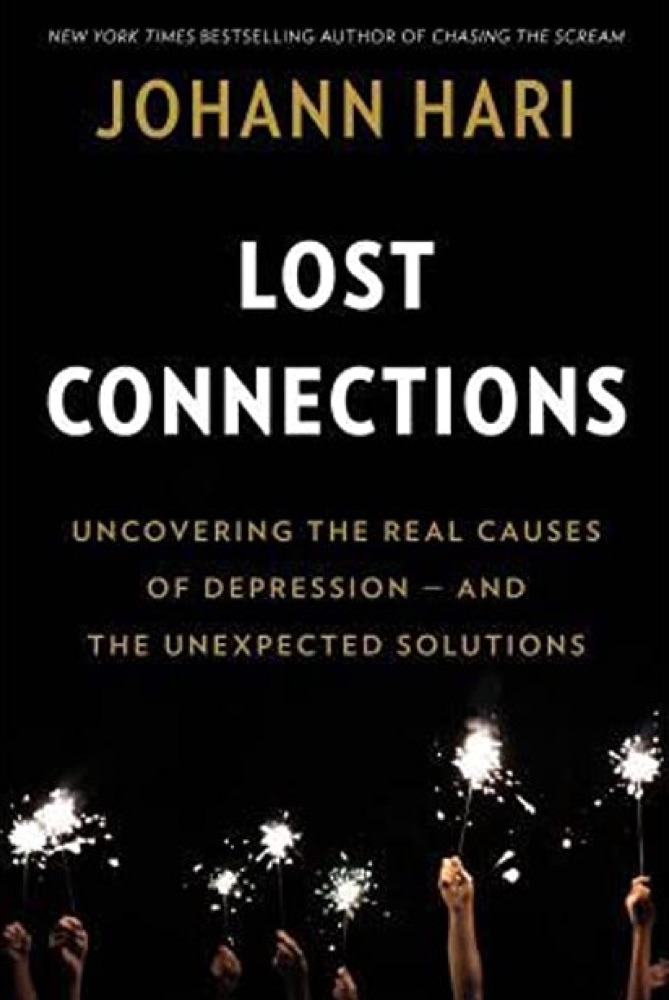
From the New York Times bestselling author of Chasing the Scream: The First and Last Days of the War on Drugs, a startling challenge to our thinking about depression and anxiety.
Award-winning journalist Johann Hari suffered from depression since he was a child and started taking antidepressants when he was a teenager. He was told—like his entire generation—that his problem was caused by a chemical imbalance in his brain. As an adult, trained in the social sciences, he began to investigate this question—and he learned that almost everything we have been told about depression and anxiety is wrong.
Across the world, Hari discovered social scientists who were uncovering the real causes—and they are mostly not in our brains, but in the way we live today. Hari’s journey took him from the people living in the tunnels beneath Las Vegas, to an Amish community in Indiana, to an uprising in
Book details
- First published
- 2018
- Author
- Johann Hari
- Genre
- Nonfiction
- Goodreads rating
- 4.26 (42k ratings)
Keep reading
 The Hilarious World of Depression
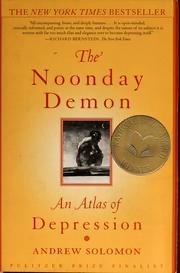 The Noonday Demon: An Atlas of Depression
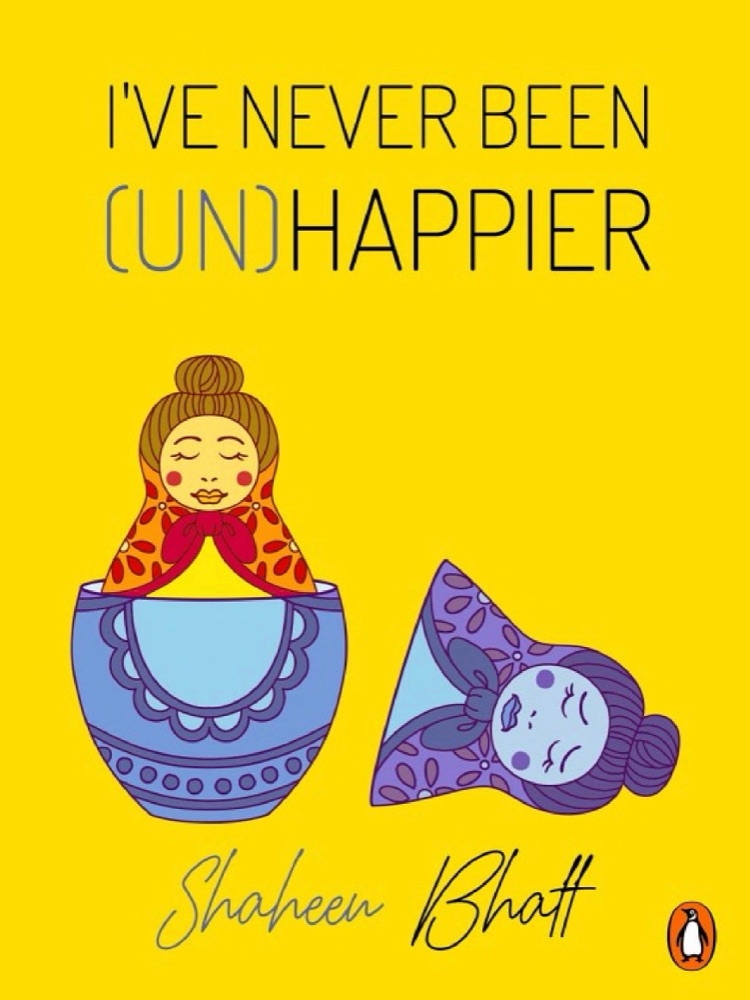 I've never been (Un)happier
 Shoot the Damn Dog: A Memoir of Depression
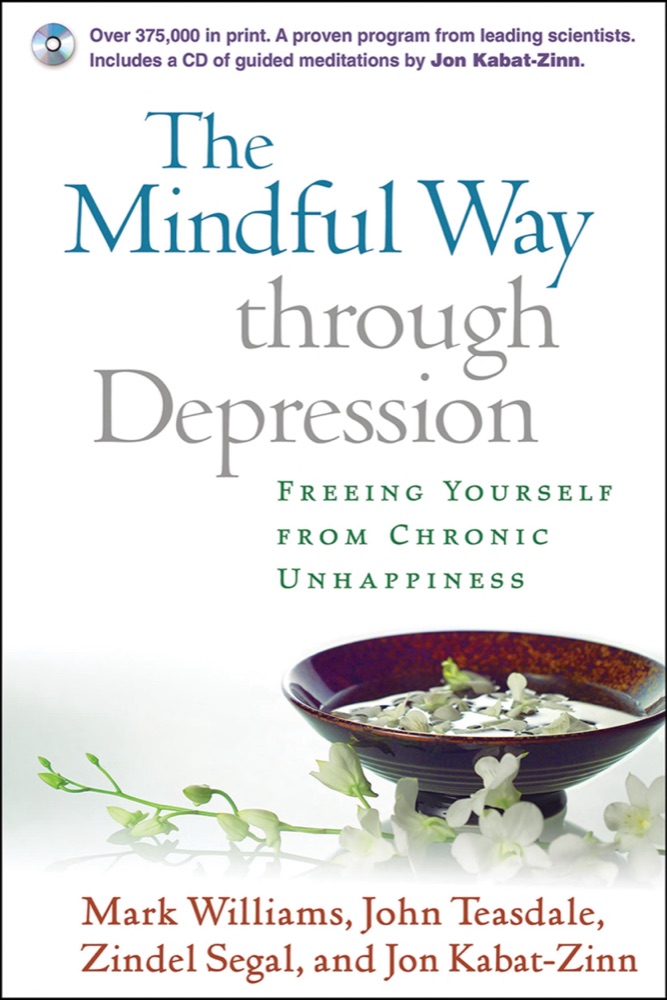 The Mindful Way through Depression: Freeing Yourself from Chronic Unhappiness
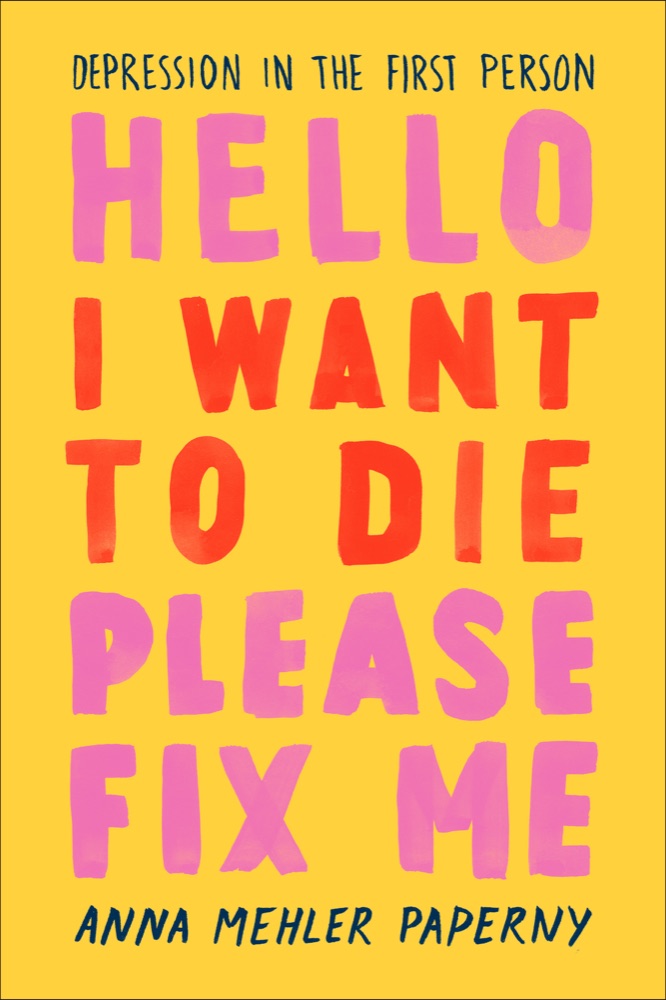 Hello I Want to Die Please Fix Me: Depression in the First Person
 Heartbreak: A Personal and Scientific Journey
 Reasons to Stay Alive
 The Examined Life: How We Lose and Find Ourselves
 Feeling Good: The New Mood Therapy
 Prozac Nation
 Notes on a Nervous Planet
 First, We Make the Beast Beautiful: A New Story About Anxiety
 An Unquiet Mind: A Memoir of Moods and Madness
 Why Zebras Don't Get Ulcers
 Why Has Nobody Told Me This Before?
 I Don't Want to Talk About It: Overcoming the Secret Legacy of Male Depression
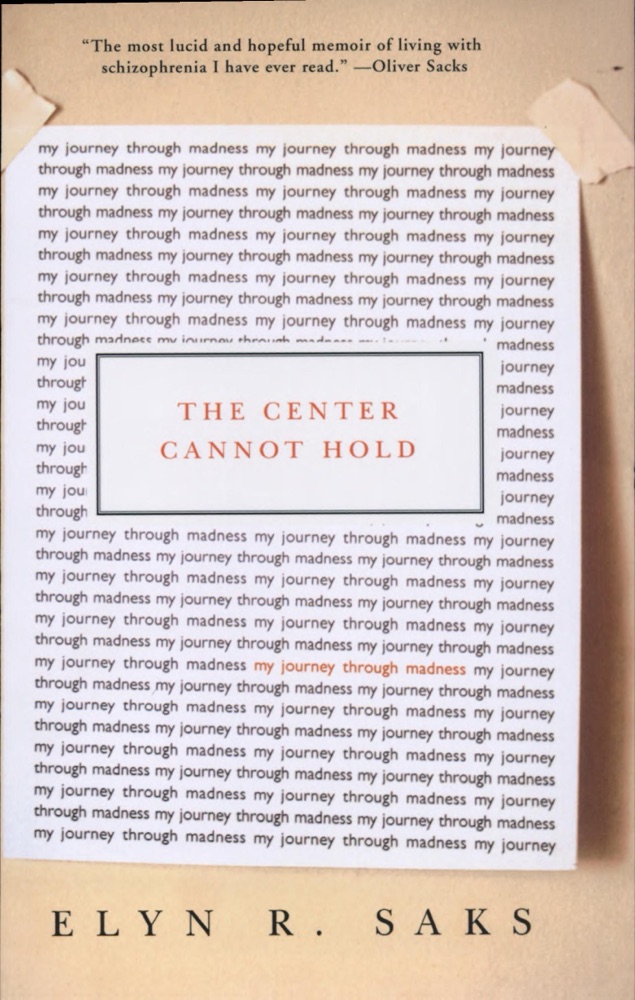 The Center Cannot Hold: My Journey Through Madness
 Attempting Normal
 Man's Search for Himself
 Hollywood Park
 Darkness Visible: A Memoir of Madness
 Option B: Facing Adversity, Building Resilience, and Finding Joy
 When Things Fall Apart: Heart Advice for Difficult Times
 The Color of Everything: A Journey to Quiet the Chaos Within
 Almost Everything: Notes on Hope
 Underground: The Tokyo Gas Attack and the Japanese Psyche
 Atlas of the Heart: Mapping Meaningful Connection and the Language of Human Experience
 Good Morning, Monster: A Therapist Shares Five Heroic Stories of Emotional Recovery
 The Anxious Generation: How the Great Rewiring of Childhood Caused an Epidemic of Mental Illness
 Broken
 Unfuck Your Brain: Using Science to Get Over Anxiety, Depression, Anger, Freak-Outs, and Triggers
 Maybe You Should Talk to Someone: A Therapist, Her Therapist, and Our Lives Revealed
 Social Intelligence: The New Science of Human Relationships
 Everything Is F*cked: A Book About Hope
 What Happened To You?: Conversations on Trauma, Resilience, and Healing
 Social: Why Our Brains Are Wired to Connect
 Natural Causes: An Epidemic of Wellness, the Certainty of Dying, and Killing Ourselves to Live Longer
 What Made Maddy Run: The Secret Struggles and Tragic Death of an All-American Teen
 The Antidote: Happiness for People Who Can't Stand Positive Thinking
 Grief Is for People
 How to Stay Sane in an Age of Division
 Just Like Someone Without Mental Illness Only More So
 Buffering: Unshared Tales of a Life Fully Loaded
 What If This Were Enough?: Essays
 What My Bones Know
 Together: Why Social Connection Holds the Key to Better Health, Higher Performance, and Greater Happiness
 Any Ordinary Day
 The School of Life: An Emotional Education
 Between Two Kingdoms: A Memoir of a Life Interrupted
 Good Reasons for Bad Feelings: Insights from the Frontier of Evolutionary Psychiatry
 All Is Not Forgotten
 More, Now, Again: A Memoir of Addiction
 101 Essays That Will Change The Way You Think
 Life Will Be the Death of Me: . . . and you too!
 The Bee Sting
 The Burnout Society
 On Grief and Grieving: Finding the Meaning of Grief Through the Five Stages of Loss