
 Maybe You Should Talk to Someone: A Therapist, Her Therapist, and Our Lives Revealed
Quotes from the Book
Closure is just as delusive-it is the false hope that we can deaden our living grief.
66
Being present, whether with children, with friends, or even with oneself, is hard work. But isn't this attentiveness -- the feeling that someone is trying to think about us -- something we want more than praise?
33
It is less painful, it turns out, to feel betrayed than to feel forgotten.
29
Being loved is the problem, because love is a demand - when you're loved, someone wants more of you.
27
In trying so hard to be different from our parents, we're actually doing much the same thing -- doling out empty praise the way an earlier generation doled out thoughtless criticism. If we do it to avoid thinking about our child and her world, then praise, just like criticism, is ultimately expressing our indifference.
18
All sorrows can be borne if you put them into a story or tell a story about them. But if we cannot find a way of telling our story, our story tells us- we dream these stories, we develop symptoms, or we find ourselves acting in ways we don't understand.
16
The future is a fantasy that shapes our present.
12
we all try to silence painful emotions. but when we succeed in feeling nothing we lose the only means we have of knowing what hurts us and why.
10
A lot of people, especially psychoanalysts, assume that happiness can only be found in a couple - but not all of us are made for a relationship.
8
For a minute, the fantasy frightened her, but ultimately, this fear saved her from feeling alone.
6
my breakdown was like a furnace and what was burned away was any belief in my own feelings
6
As he spoke, I had the mental image of a small boy switching on the nightlight, not because he wants to be able to find his parents during the night, but because he fears his parents will forget him - lose him - in the dark.
4
Being present builds a child’s confidence because it lets the child know that she is worth thinking about.
3
I think it takes time – it took me time – to realise just how very different people are from each other.
2
i knew tht we all have the capacity to act in self-destructive ways, nevertheless i had a kind of faith that the desire to live was more powerful. now, instead, i felt its fragility. peter's suicide made me feel that the battle between the forces of life and death was far more evenly pitched.
2
Experience has taught me that our childhoods leave in us stories like this – stories we never found a way to voice, because no one helped us to find the words. When we cannot find a way of telling our story, our story tells us – we dream these stories, we develop symptoms, or we find ourselves acting in ways we don’t understand.
1
At one time or another, we all try to silence painful emotions. But when we succeed in feeling nothing we lose the only means we have of knowing what hurts us, and why.
1
...the past is alive in the present. But the future is alive in the present too. The future is not some place we’re going to, but an idea is our mind now. It is something we’re creating, that in turn creates us. The future is a fantasy that shapes our present.
1
Ultimately, the thrill created by being told ‘You’re so clever’ gave way to an increase in anxiety and a drop in self-esteem, motivation and performance.
1
We receive and we lose, and we must try to achieve gratitude; and with that gratitude to embrace with whole hearts whatever of life that remains after the losses.
1
La negatividad -el estado mental de preferiría no hacerlo- es nuestro deseo de darle la espalda al mundo, rechazando todo tipo de necesidades y apetitos.
En otras palabras, la fantasías paranoides son perturbadoras, pero también son un mecanismo de defensa. Nos protegen de un desastre emocional mayor; a saber, el sentimiento de que nadie se preocupa por nosotros, de que no le importamos a nadie.
Watch on YouTube
About Stephen Grosz
We have collected 22 quotes from 1 book by Stephen Grosz on BookQuoters.
More about the author →About the book
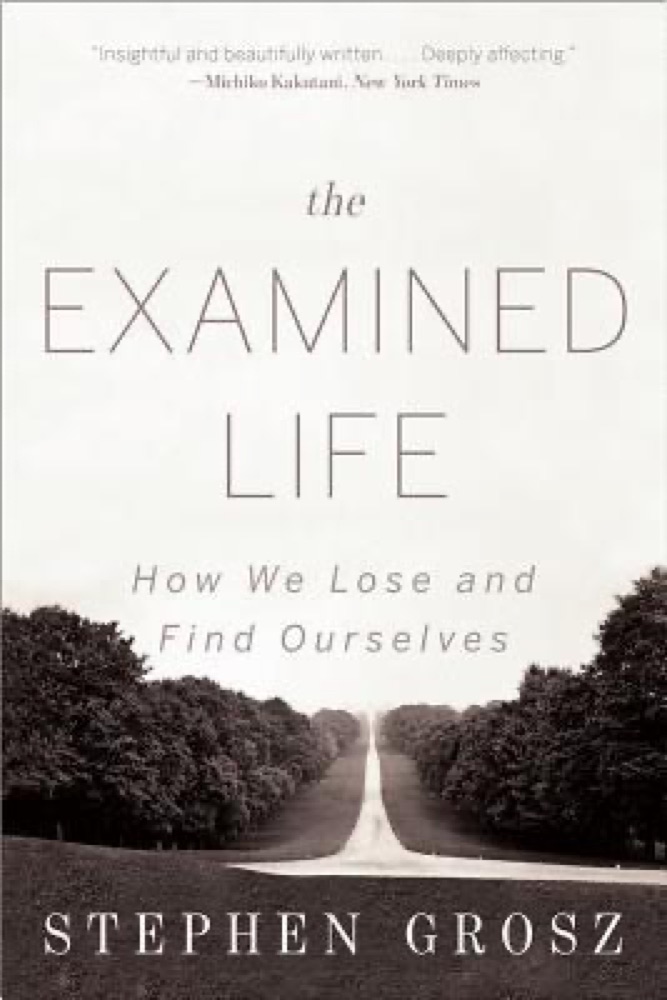
Echoing Socrates' time-honoured statement that the unexamined life is not worth living, psychoanalyst Stephen Grosz draws short, vivid stories from his 25-five-year practice in order to track the collaborative journey of therapist and patient as they uncover the hidden feelings behind ordinary behaviour.
These beautifully rendered tales illuminate the fundamental pathways of life from birth to death.
A woman finds herself daydreaming as she returns home from a business trip; a young man loses his wallet. We learn, too, from more extreme examples: the patient who points an unloaded gun at a police officer, the compulsive liar who convinces his wife he's dying of cancer. The stories invite compassionate understanding, suggesting answers to the questions that compel and disturb us most about love and loss, parents and children, work and change.
The resulting journey will spark ne
Book details
- First published
- 2012
- Author
- Stephen Grosz
- Genre
- Nonfiction
- Goodreads rating
- 3.95 (19k ratings)
Keep reading
Maybe You Should Talk to Someone: A Therapist, Her Therapist, and Our Lives Revealed
 The Silent Patient
 Night Train to Lisbon
 All Is Not Forgotten
 Atlas of the Heart: Mapping Meaningful Connection and the Language of Human Experience
 The Year of Magical Thinking
 When Things Fall Apart: Heart Advice for Difficult Times
 Seven Types of Ambiguity
 Missing Out: In Praise of the Unlived Life
 The Illusion of Separateness
 First Person Singular: Stories
 The Shock of the Fall
 The School of Life: An Emotional Education
 Hollywood Park
 Option B: Facing Adversity, Building Resilience, and Finding Joy
 The Story of the Lost Child
 Dream Count
 Grief Is for People
 Adultery
 In The Blood
 On Grief and Grieving: Finding the Meaning of Grief Through the Five Stages of Loss
 The Sense of an Ending
 Imagine Me Gone
 Love's Executioner and Other Tales of Psychotherapy
 Letting Go of the Person You Used to Be: Lessons on Change, Loss, and Spiritual Transformation
 The Death of the Heart
 Underground: The Tokyo Gas Attack and the Japanese Psyche
 The Antidote: Happiness for People Who Can't Stand Positive Thinking
 Make It Scream, Make It Burn
 Blue Nights
 His & Hers
 In Search of Lost Time
 No One Writes Back
 The Reader
 Outline
 We Learn Nothing
 In the Dream House
 The Stories We Tell: Every Piece of Your Story Matters
 A Well-Tempered Heart
 The Cost of Living: A Working Autobiography
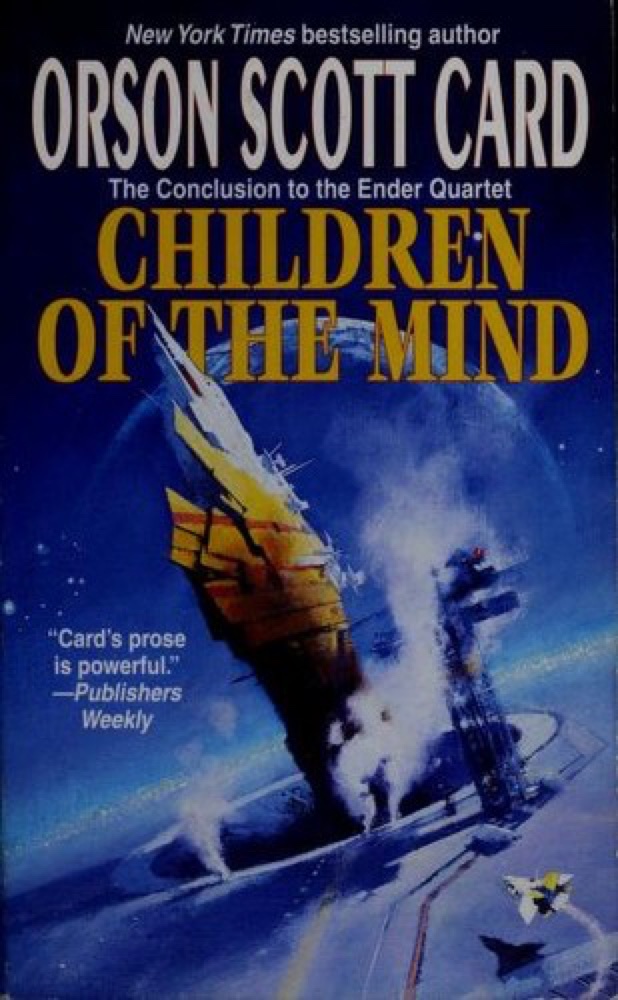 Children of the Mind
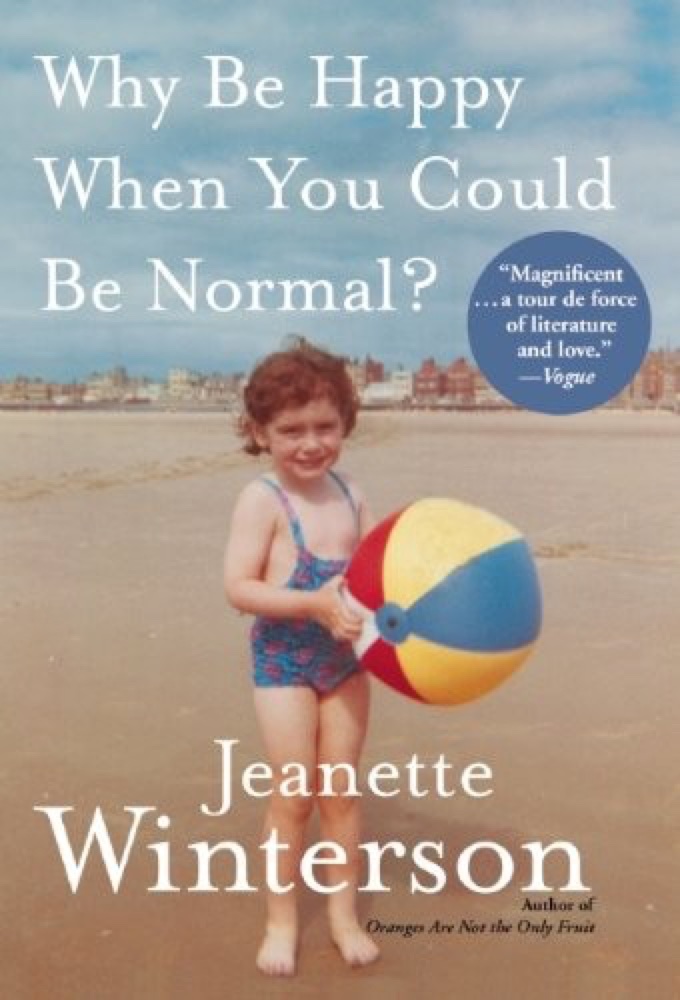 Why Be Happy When You Could Be Normal?
 Here I Am
 The Wisdom of Insecurity: A Message for an Age of Anxiety
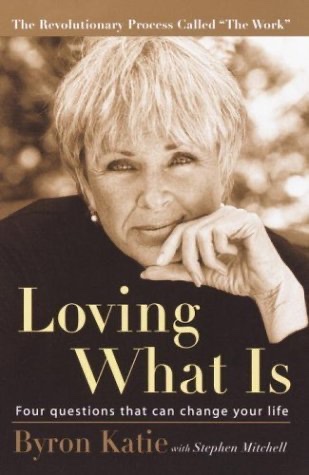 Loving What Is: Four Questions That Can Change Your Life
 Stay
Stay
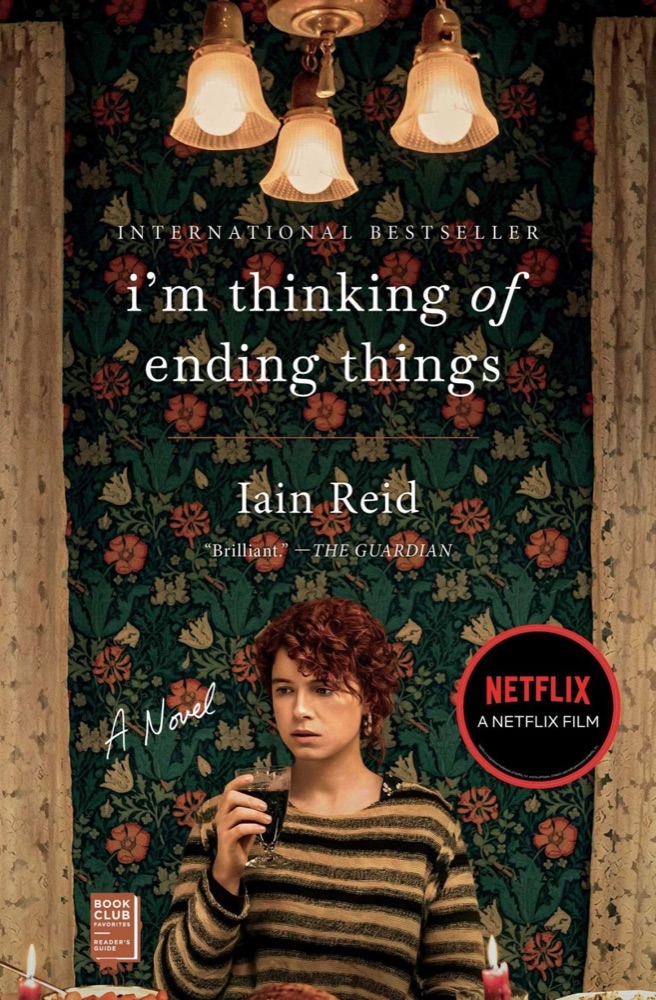 I'm Thinking of Ending Things
 Spring
 Kafka on the Shore
 The Witch of Portobello
 Beautiful Ugly
 Ghost Music
 Letting Go: The Pathway To Surrender
 Gretel and the Dark
 Anthropology of an American Girl
 Journal of a Solitude
 Lost & Found: A Memoir
 The Many Daughters of Afong Moy
 The Book of Goose