
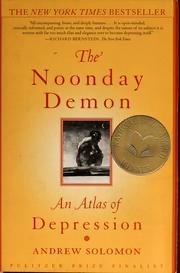
 The Noonday Demon: An Atlas of Depression
Quotes from the Book
Killing oneself is, anyway, a misnomer. We don't kill ourselves. We are simply defeated by the long, hard struggle to stay alive. When somebody dies after a long illness, people are apt to say, with a note of approval, "He fought so hard." And they are inclined to think, about a suicide, that no fight was involved, that somebody simply gave up. This is quite wrong.
1.6k
Sometimes," says a fellow depressive, "I wish I was in a full body cast, with every bone in my body broken. That's how I feel anyway. Then, maybe, people would stop minimising my illness because they can actually see what's wrong with me. They seem to need physical evidence.
190
I had carried on when all I wanted was to be dead. I had stayed alive for other people. I never stayed alive for myself. I cannot begin to describe the intensity of that effort.
70
Imagine saying to somebody that you have a life-threatening illness, such as cancer, and being told to pull yourself together or get over it. Imagine being terribly ill and too afraid to tell anyone lest it destroys your career. Imagine being admitted to hospital because you are too ill to function and being too ashamed to tell anyone, because it is a psychiatric hospital. Imagine telling someone that you have recently been discharged and watching them turn away, in embarrassment or disgust or fear. Comparisons are odious. Stigmatising an illness is more odious still.
62
As to whether the depression will come back, it is every depressive's fear.
59
We are not easy to help. Nor are we easy to be around. Nobody with a serious illness is easy to be around. Although not obviously physically disabled, we struggle to get things done. Our energy levels are dangerously low. Sometimes, we find it hard to talk. We get angry and frustrated. We fall into despair. We cry, for no apparent reason. Sometimes we find it difficult to eat, or to sleep. Often, we have to go to bed in the afternoon or all day. So do most people with a serious illness. We are no different.
55
Wanting to die (or 'suicidal ideation'as the experts would have it) goes hand in hand with the illness. It is a symptom of severe depression, not a character failing or moral flaw. Nor is it, truly, a desire to die so much as a fervent wish not to go on living. All depressives understand that distinction.
50
A friend called the other day. 'How are you?' she said. The sun was shining, the sky a merciless blue. It was only eleven in the morning but I had been awake since three twenty. I was in bed because, as usual, I could think of nowhere else to go. I said that I was feeling low. Low is the depressive's euphemism for despair. She said: 'How can you be depressed on a day like this?' I wanted to say: 'If I had flu, would you ask me how I could be sick on a day like this?
47
The terrible truth about depression, and the part of its nature that terrifies me the most, is that it appears to operate beyond reason; feelings happen to you for no apparent cause. Or rather, there is usually an initial cause, a 'trigger'as they say in therapeutic circles, but in severe depression the feelings of sadness, grief, loneliness and despair continue long after the situation has resolved itself. It is as if depression has a life of its own, which is perhaps why so many sufferers refer to it as a living thing, as some sort of demon or beast.
36
A part of my depression lies, I think, in my unanswered question: Where is home? I feel a sense, always, of trying to find my way back to a place that doesn't exist.
35
Bad enough to be ill, but to feel compelled to deny the very thing that, in its worst and most active state, defines you is agony indeed.
30
Sometimes I think depression should be called the coping illness. So many of us struggle on, not daring or knowing how to ask for help. More of us, terribly, go undiagnosed.
25
I would not wish depression on anybody. And yet, it taught me a lot. I have not become suddenly mawkishly grateful for my life but I am more interested in it, more engaged you might say. When you have spent long years in the dark, there is joy in seeing the light and pleasure, above all, in the ordinary.
23
Religion is for people who don’t want to go to hell. Spirituality is for people who’ve been there.
18
If you are reading this book and you feel that way too then you are not alone. I understand how you feel. I think that anyone who has suffered from even mild depression understands how it feels. Yet we forget that others understand our suffering. We withdraw, isolate or shut down completely. We lose ourselves in our selves, and in the illness. It doesn’t have to be that way. If we connect with even one other human being who understands, we take one step out of the illness. Life is about connection. There is nothing else. Depression is the opposite; it is an illness defined by alienation. So I offer this book by way of connection. I offer it, too, as a source of hope. I hope that by sharing what I was like, what happened and what I am like now, that it may bring someone else comfort.
18
Every time you feel sad and swallow down your tears, you abandon yourself. If somebody hurts you and you pretend that you are fine, you abandon yourself. Every time you don’t eat, or fail to feed yourself, you abandon yourself. If you are tired, but refuse to rest, you abandon yourself. If you drink too much and poison yourself with alcohol, you abandon yourself. If you don’t ask for what you need from somebody with whom you are intimate, you abandon yourself. The times when you resent putting somebody else’s needs before your own are the times when you are abandoning yourself. If you don’t ask for help when you need it, you abandon yourself.
15
I find it easy to spot a depressive. The illness is scrawled across them like graffiti.
15
I am terrified she will give up on me, that this thing will drive her away. Every depressive has that fear. Why would anyone want us? We don’t even want ourselves. Sometimes, we try to drive the people who love us away. Not because we don’t want them with us, but because we cannot bear for them to see what we have become.
13
I often find myself grateful for the comfort of strangers; a man who gave up his seat for me on the bus, a woman who helped me out with a heavy shopping bag. Remembering small acts of kindness puts the world in a finer, sweeter order.
11
It is two years since I emerged from depression and I no longer want myself dead. I want myself alive. I am no longer my own enemy. Depression is the enemy. The monster lives at my gate. My hope is that, with sufficient effort and luck, I can keep it there.
11
Who are you when you are no longer who you are? What do you do with a self that is no longer your self? If you don’t know who you are, how do you go on living? If you cannot live as yourself, who and what is it that you are living for?
10
I looked like me. I sounded like me. But I wasn’t me.
10
Open up. Ask for help. Accept help. Accept yourself. Be completely honest. Take a daily inventory. Whenever you are in the wrong, make amends. Face reality. Reach out. Communicate. Show kindness. Share your concerns and your worries with another human being. Help another human being, on a daily basis. Count your blessings, not your failures. Don’t live in regret or in yesterday. Don’t project your fears into tomorrow. Take action, when action is needed. Deal with your feelings if and when they arise. Don’t sit on them.
9
I know I’m not the person I used to be. I’m not better or worse but I am more awake, more conscious if you like. I’m more aware of the texture of my days, the light and the dark that shades them. I waste less time, in worry, in fear, in anger, in pleasing people I don’t like and don’t wish to like. I spend more time with people I love and doing the things that I love such as gardening, reading, hanging out with friends. Work now takes second place. I don’t mean that I work any less hard but success or even failure have lost the importance they once had. If I mess up, I mess up.
8
There is a saying, ‘it’s never too late to have a happy childhood’. I’d rephrase that. I’d say, it’s never too late to stop a difficult childhood from turning us into unhappy adults.
8
Everyone else has a work party,'Kate said. 'So why shouldn't we? We're working hard at not being mad.
8
I once read a theory about ‘positive thinking’ that seems to be true or, at least, made a sufficient impression on me to remember it. I have always been distrustful of positive thinking, believing it to be as fixed and unyielding as negative thinking. Yet it is the advice most often offered to depressives. That it does not work seems not to occur to those who offer it up like some benevolent panacea. Perhaps it works for them or perhaps they are a product of some positive thinking gene pool. Who knows? Anywhere, here is the theory that helped me. I hope that it will help you too. Imagine you are driving a car, and you are heading straight for a brick wall. If you stay in habitual or rigid thinking (the kind of thinking that says, ‘this is the way I always do things’) and do not change the direction in the way you are headed, you will drive you car into the brick wall. Now imagine you are driving that same car towards that same brick wall. Now use positive thinking to imagine that wall is, in fact, a tunnel. It is not, of course, you simply hope or wish that it is a tunnel but it is the same old, intractable brick. You still drive your car into the wall. You are in the same car, facing the same wall except that you use creative or constructive thinking. You see the wall as an obstacle set dead ahead and see that it is solid and immoveable. You use your thinking to change direction and drive your car around it. Understanding that our thinking is not always helpful sounds so obvious and simple. So does changing our thinking, yet both are formidably difficult to do, perhaps because, most of the time, we never question it. We go right ahead and do what we have always done, in the same way we have always done it. We crash into relationships, mess up jobs, ruin friendships and all because we believe that our way is the right way. There is a saying: ‘I’d rather be right than happy.’ And here is another: ‘My way or no way.’ I see that wall as a symbol for an obstacle (or obstacles, there may be many) in our emotional make-up. If we go on behaving in the same way, we will crash. If we pretend that those obstacles in our character don’t exist, or are something else entirely, we will still crash. But if we acknowledge them and behave in a different way, we will come to a better and safer place. Or at least we will, until we meet the next obstacle.
8
Once severe depression has a hold, it is unshakeable until it has run its course or that course has been diverted by treatment.
7
The dirty little secret of biological psychiatry is that every single drug in the psychopharmacopoeia is palliative. That is, all of them are symptom suppressors, and when you stop taking them you’re back at square one.
7
When you have spent long years in the dark, there is joy in seeing the light and pleasure, above all, in the ordinary.
7
Watch on YouTube
About Sally Brampton
About the book
Sally Brampton id an optimist. The founding editor of Elle and a successful journalist and novelist, she loves gardening, friends and life. She is also a depressive. Shoot the damn dog is a memoir of her journey through depression. For four years her life stood still, mired in the tears, despair and desperate loneliness of mental illness. The brief joy of a stumbled recovery was cruelly, swiftly followed by a relapse into a deeper darkness, alcohol abuse and two suicide attempts. Hers is a story at once deeply personal and universal, one which offers a connection to those who feel so terribly alone and ashamed. Unflinching and humble in its honesty, Shoot the Damn Dog blasts the stigma of depression as a character failing or moral flaw and confronts the terrifying illness that Winston Churchill called ‘the black dog’. It is also a practical book, offering ideas about what might help. The
Book details
- First published
- 2008
- Author
- Sally Brampton
- Genre
- Nonfiction
- Goodreads rating
- 4.05 (3k ratings)
Keep reading
The Noonday Demon: An Atlas of Depression
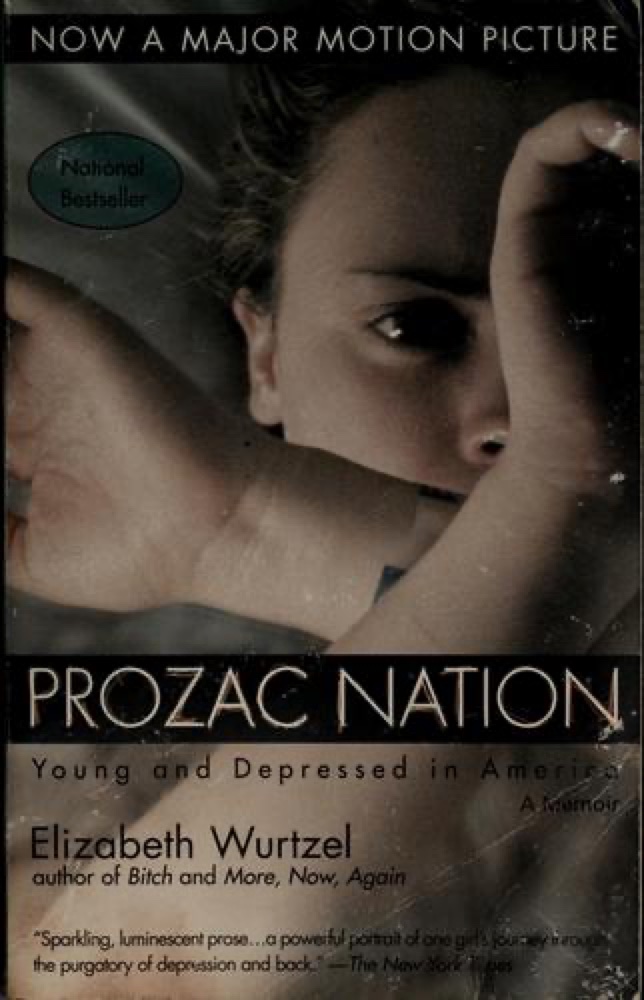 Prozac Nation
 Hello I Want to Die Please Fix Me: Depression in the First Person
 The Hilarious World of Depression
 I've never been (Un)happier
 More, Now, Again: A Memoir of Addiction
 Broken
 Reasons to Stay Alive
 An Unquiet Mind: A Memoir of Moods and Madness
 Feeling Good: The New Mood Therapy
![It's Not OK to Feel Blue [and other lies]](/i/book/g/ed/its-not-ok-to-feel-blue-and-other-lies.jpg) It's Not OK to Feel Blue [and other lies]
It's Not OK to Feel Blue [and other lies]
 Lost Connections: Uncovering the Real Causes of Depression - and the Unexpected Solutions
 Furiously Happy: A Funny Book About Horrible Things
 Tweak: Growing Up On Methamphetamines
 Committed: On Meaning and Madwomen
 The Opposite of Butterfly Hunting: The Tragedy and The Glory of Growing Up
![[Don't] Call Me Crazy](/i/book/g/b2/dont-call-me-crazy.jpg) [Don't] Call Me Crazy
[Don't] Call Me Crazy
 Loud in the House of Myself: Memoir of a Strange Girl
 The Center Cannot Hold: My Journey Through Madness
 Grief Is for People
 Get Me Out of Here: My Recovery from Borderline Personality Disorder
 The Memory of Light
 Marrow
 Darkness Visible: A Memoir of Madness
 Suicide Watch
 Wasted: A Memoir of Anorexia and Bulimia
 First, We Make the Beast Beautiful: A New Story About Anxiety
 I Don't Want To Be Crazy
 A Long Way Down
 Mending the Mind
 Just Like Someone Without Mental Illness Only More So
 Last Night I Sang to the Monster
 Imagine Me Gone
 The Collected Schizophrenias: Essays
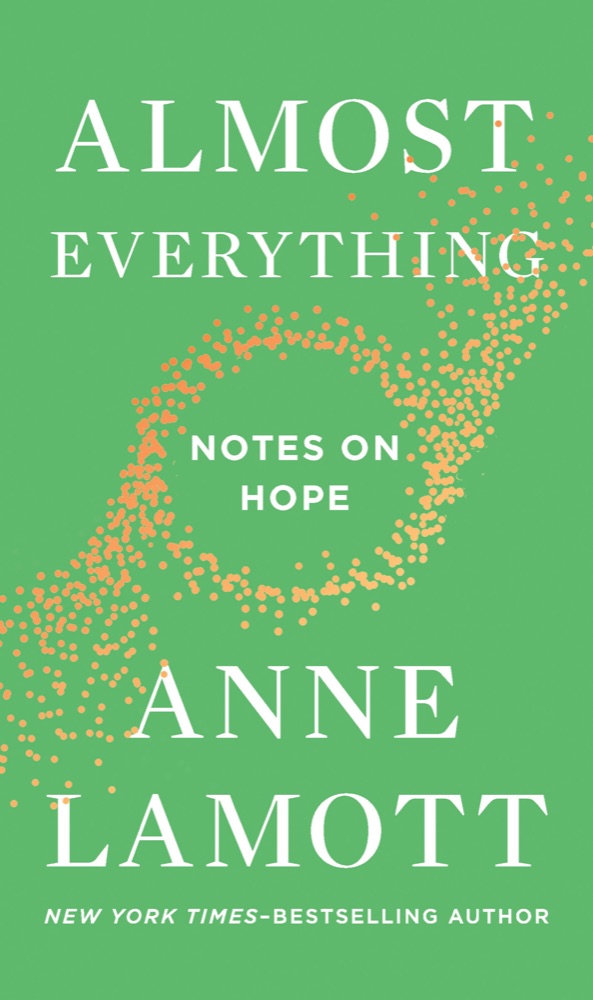 Almost Everything: Notes on Hope
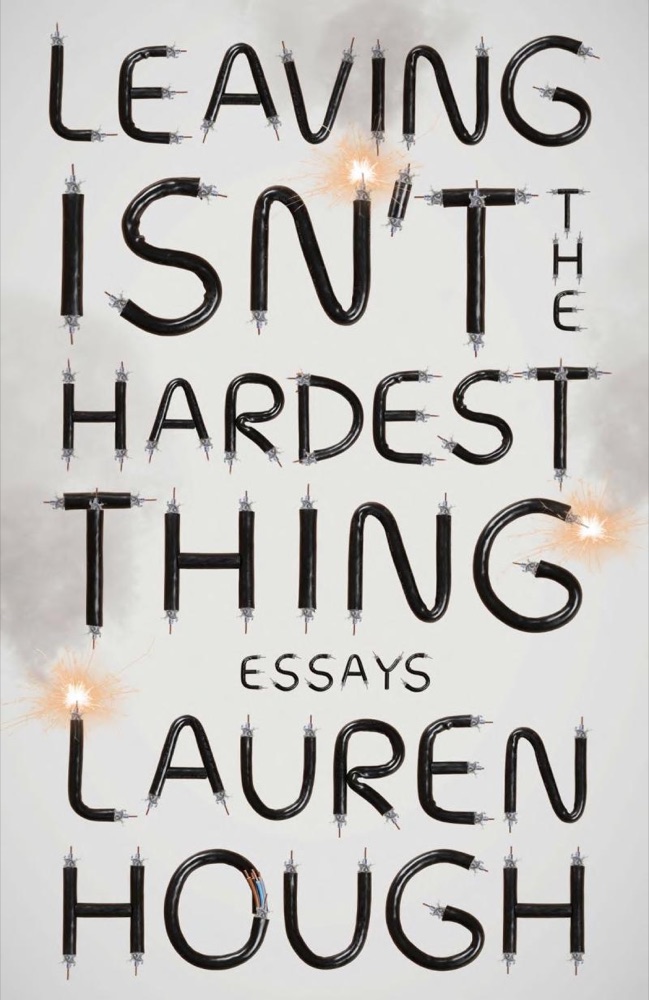 Leaving Isn't the Hardest Thing
 Wishful Drinking
 Attempting Normal
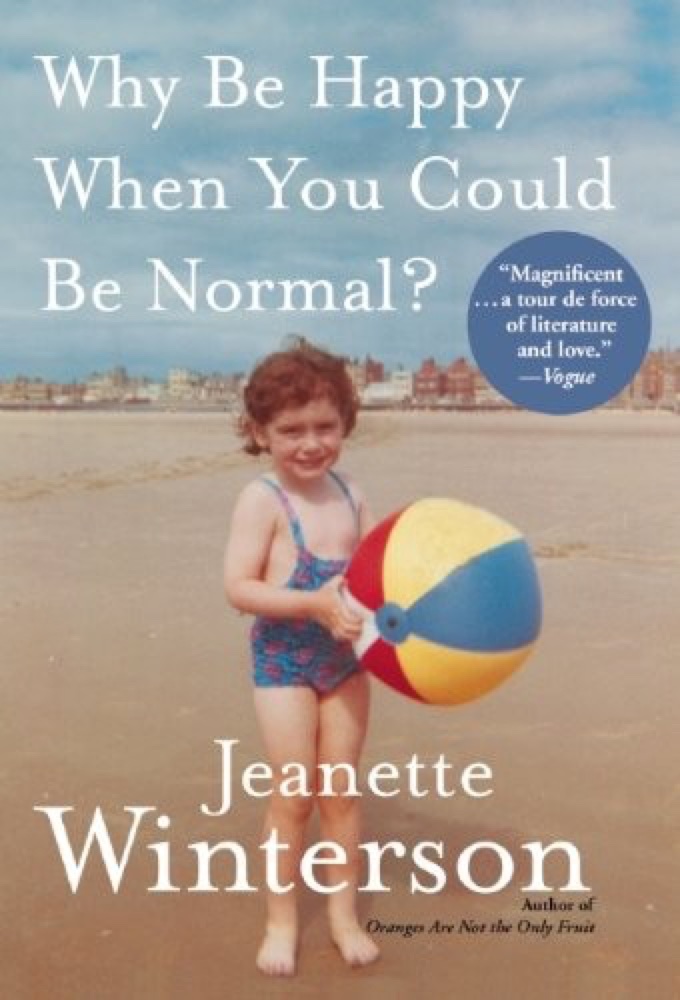 Why Be Happy When You Could Be Normal?
 The Nobleman's Guide to Scandal and Shipwrecks
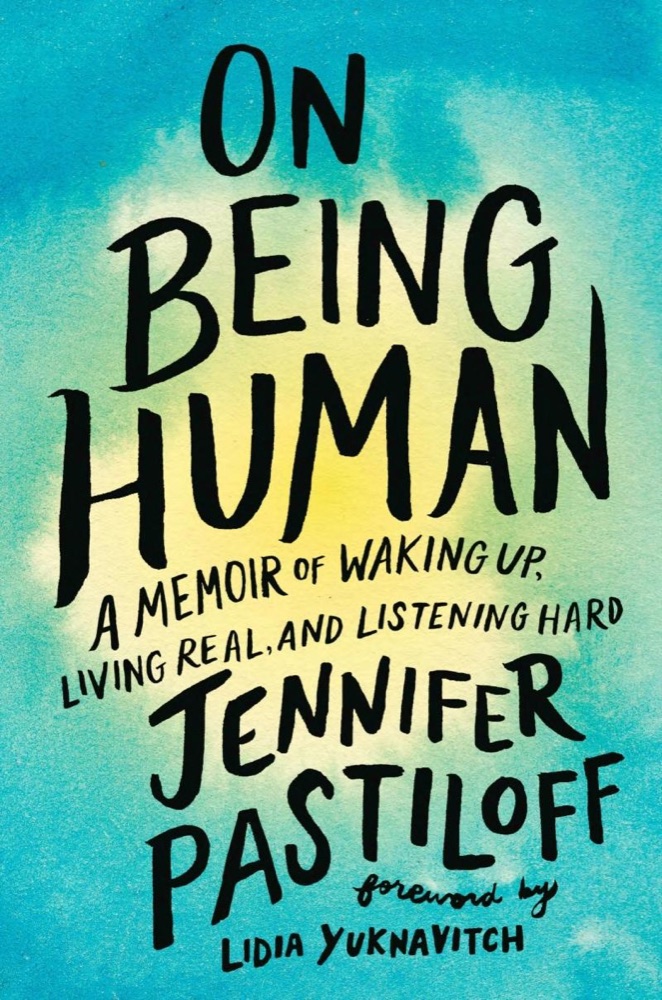 On Being Human: A Memoir of Waking Up, Living Real, and Listening Hard
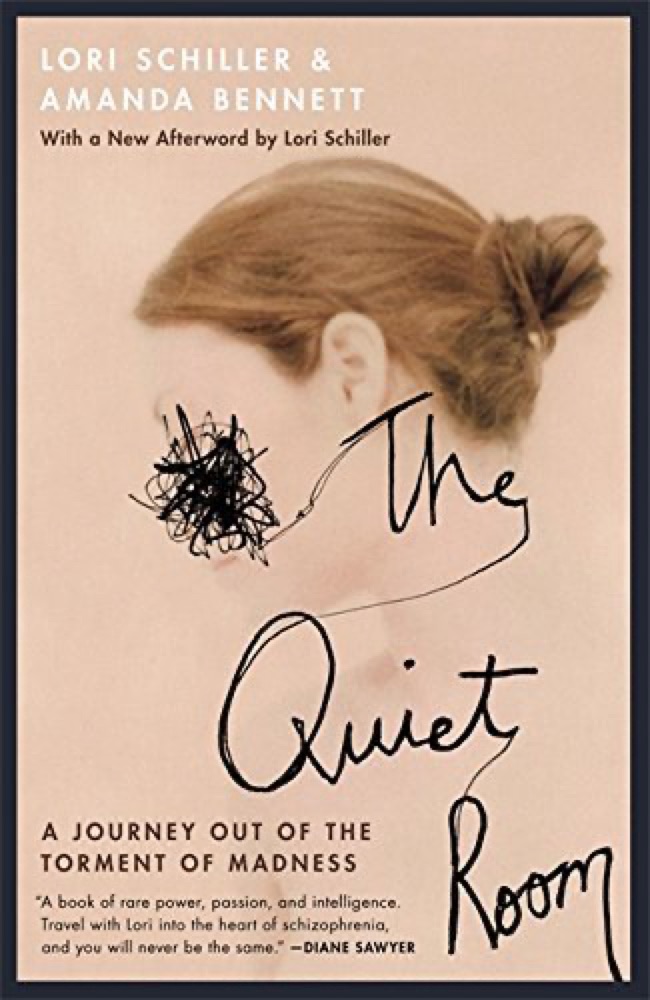 The Quiet Room: A Journey Out of the Torment of Madness
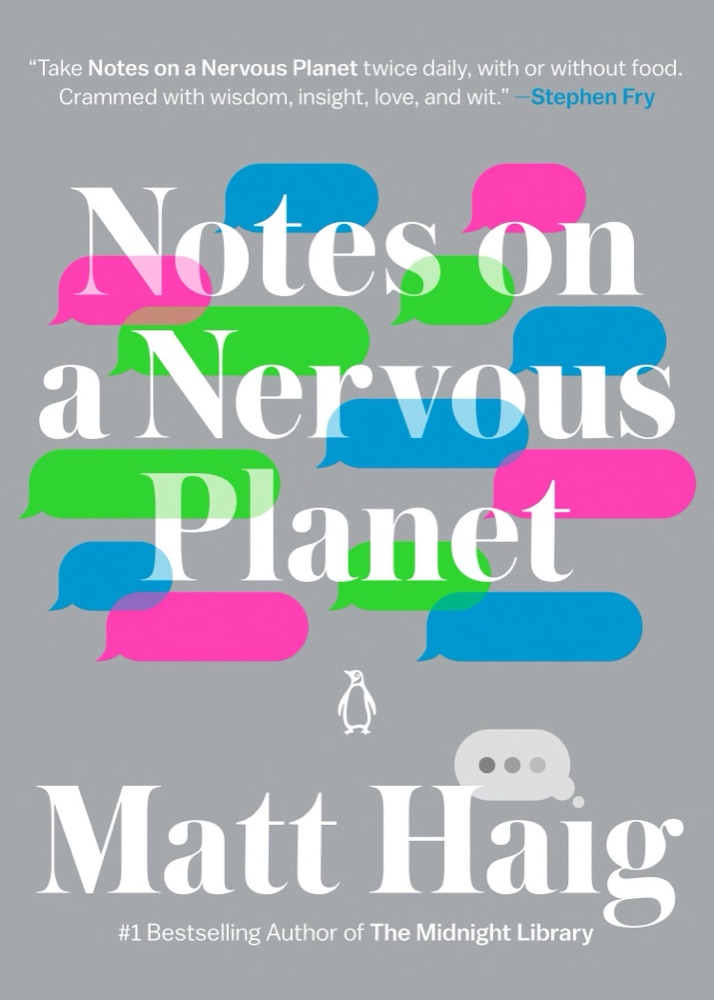 Notes on a Nervous Planet
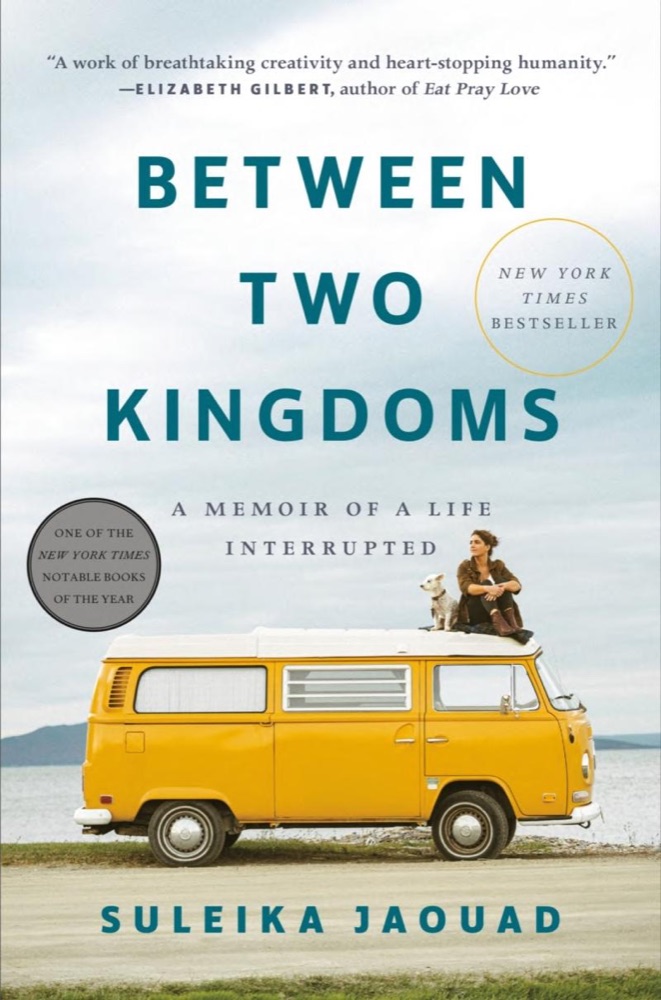 Between Two Kingdoms: A Memoir of a Life Interrupted
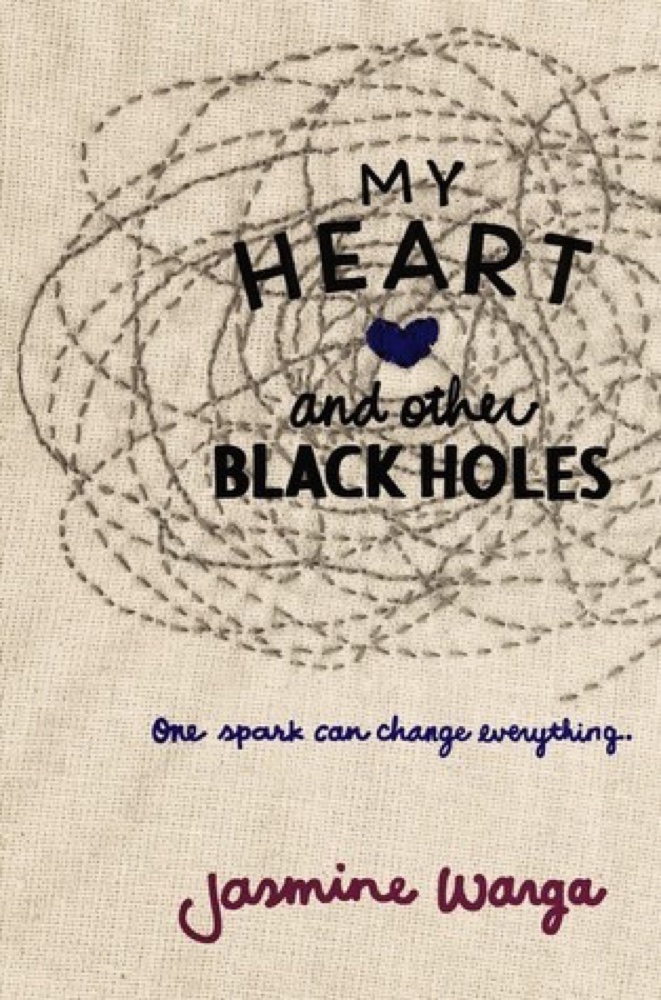 My Heart and Other Black Holes
 Hollywood Park
 Journal of a Solitude
 Suicide Notes
 The First Time She Drowned
 Stitches: A Handbook on Meaning, Hope, and Repair
 Sliver of Truth
 Dark Places
 I'm Glad My Mom Died
 Life Will Be the Death of Me: . . . and you too!
 Have You Seen Luis Velez?
 Schoolgirl
 The Setting Sun
 The Girl on the Train
 The Art of Starving