
 NeuroTribes: The Legacy of Autism and the Future of Neurodiversity
Quotes from the Book
Universities are renowned for their tolerance of unusual characters, especially if they show originality and dedication to their research. I have often made the comment that not only are universities a 'cathedral' for worship of knowledge, they are also 'sheltered workshops' for the socially challenged.
23
It seemed that other people’s “normality” was the road to my insanity
7
Being alone can be a very effective way of calming down and is also enjoyable, especially if engaged in a special interest, one of the greatest pleasures in life for someone with Asperger’s syndrome.
6
Having worked as a clinician for almost 40 years, I have seen some young adults, who had the classic, clear and conspicuous signs of Asperger’s syndrome in early childhood, achieve over decades a range of social abilities and improvements in behaviour such that the diagnostic characteristics became sub-clinical; that is, the person no longer has a clinically significant impairment in social, occupational, or other important area of functioning. There may still be very subtle signs of Asperger’s syndrome, but when the diagnostic tests are re-administered, the person achieves a score below the threshold to maintain the diagnosis. There is now longitudinal research that is starting to confirm clinical experience that about 10 per cent of those who originally had an accurate diagnosis of Asperger’s syndrome in childhood no longer have sufficient impairments to justify the diagnosis (Cederlund et al. 2008; Farley et al. 2009).
4
We can also express it like this: the difficulties, which this boy has with himself as well as with his relationship to the world, are the price he has to pay for his special gifts. (Asperger 1938, p.2)
3
About 50 per cent of children with Asperger’s syndrome have relatively advanced verbal reasoning skills, and may be colloquially described as ‘verbalizers’. If such a child has difficulty acquiring a particular academic ability in the social ‘theatre’ of the classroom, then his or her knowledge and understanding may be improved by reading about the concept or engaging in a one-to-one discussion.
2
The fact is, no one likes others to know their weaknesses, but with an affliction like mine, it’s impossible to always avoid making a fool of yourself or looking indignant/undignified. Because I never knew when the next ‘fall’ is going to occur, I avoid climbing up on to a ‘confidence horse’ so to speak.
1
Sometimes the degree of imaginative thought can lead to an interest in fiction, both as a reader and author. Some children, especially girls, with Asperger’s syndrome can develop the ability to use imaginary friends, characters and worlds to write quite remarkable fiction. This could lead to success as an author of fiction for children or adults.
1
The ‘verbalizers’ may eventually be successful in careers where verbal abilities are an advantage, for example journalism or the legal professions,
1
I have suggested that cats are autistic dogs, so there may be a natural affinity between cats and people with autism and Asperger’s syndrome. Ronald, a mature adult with Asperger’s syndrome, wrote to me in an e-mail that ‘I only start to be alive and truly natural when alone or with my cats’.
The advantage to the child of having a diagnosis is not only in preventing or reducing the effects of some compensatory or adjustment strategies, but also to remove worries about other diagnoses, such as being insane.
Sometimes such girls want to be male, especially when they cannot identify with the interests and ambitions of other girls, and the action activities of boys seem more interesting. However, changing gender will not automatically lead to a change in social acceptance and self-acceptance.
One of the problems faced by children with Asperger’s syndrome who use their intellect rather than intuition to succeed in some social situations is that they may be in an almost constant state of alertness and anxiety, leading to a risk of mental and physical exhaustion.
It is emotionally exhausting to constantly observe and analyze social behaviour, trying not to make a social error or be perceived as different. Adopting an alternative persona can also lead to confusion about self-identity and low self-esteem.
However, some adults who have Asperger’s syndrome can succeed in achieving a life-long relationship. Their partner may have an understanding of Asperger’s syndrome, either because they share some of the same characteristics, or because they are naturally talented, intuitive and compassionate in understanding the person who has Asperger’s syndrome.
From my clinical experience, there are three adaptations to this characteristic. The most conspicuous is a tendency to be withdrawn, shy and introspective in social situations, avoiding or minimizing participation or conversations; or, conversely, actively seeking social engagement and being conspicuously intrusive and intense, dominating the interaction and being unaware of social conventions such as acknowledging personal space.
DSM-5 has replaced this simple term with the new diagnostic category of Autism Spectrum Disorder Level 1, without accompanying intellectual or language impairment, a
Under conditions of extreme stress or loneliness the propensity to escape into an imaginary world and imaginary friends can lead to an internal fantasy becoming a ‘reality’ for the person with Asperger’s syndrome. The person may be considered as developing delusions and being out of touch with reality (Adamo 2004). This could result in a referral for a diagnostic assessment for schizophrenia, as described in the biography of Ben by his mother, Barbara LaSalle (2003).
Social (Pragmatic) Communication Disorder DSM-5 describes a new disorder that has elements of ASD but is actually conceptualized as outside the autism spectrum. The intention is to provide diagnostic coverage for children with symptoms in the social-communication domain but who have never displayed repetitive, restricted behaviours or interests. However, it is unclear how Social Communication Disorder (SCD) will be different from ASD, which support or therapy services will be available, and what the child will qualify for.
The research on IQ profiles indicates that children with Asperger’s syndrome have good factual and lexical (or word) knowledge. Their highest scores are often on the sub-tests that measure vocabulary, general knowledge and verbal problem solving. Such children have an impressive vocabulary and their recall of facts can make them popular in a Trivial Pursuit team.
How odd is his voice, how odd his manner of speaking and his way of moving. It is no surprise, therefore, that this boy also lacks understanding of other people’s expressions and cannot react to them appropriately. –Hans Asperger ([1944] 1991)
Watch on YouTube
About Tony Attwood
We have collected 21 quotes from 1 book by Tony Attwood on BookQuoters.
More about the author →About the book
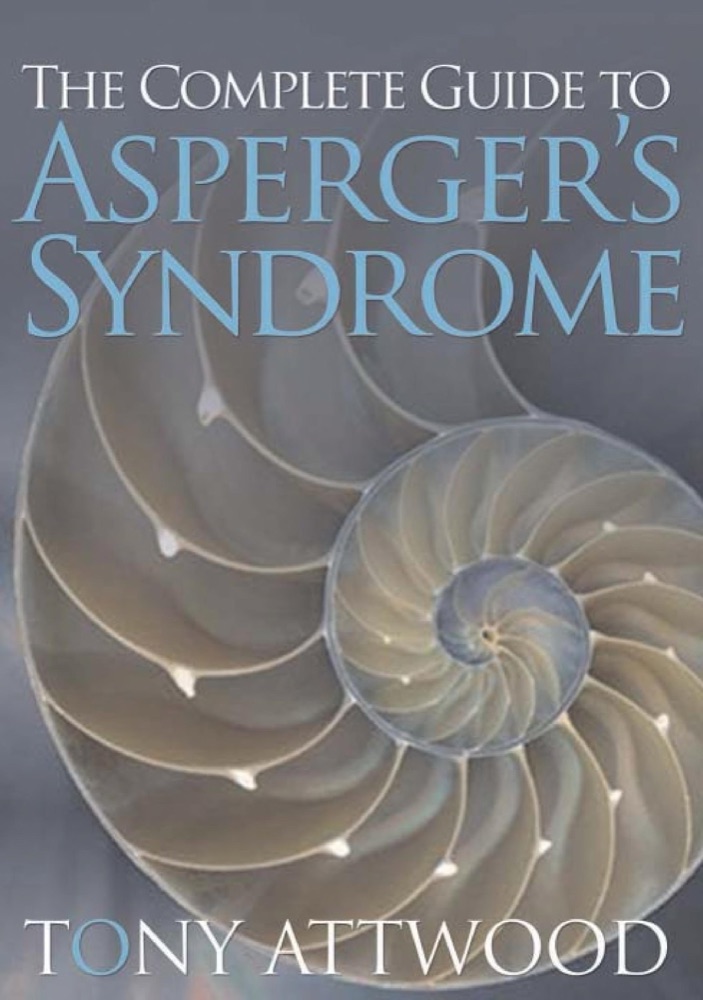
The Complete Guide to Asperger's Syndrome is the definitive handbook for anyone affected by Asperger's syndrome (AS). Now including a new introduction explaining the impact of DSM-5 on the diagnosis and approach to AS, it brings together a wealth of information on all aspects of the syndrome for children through to adults.Drawing on case studies and personal accounts from Attwood's extensive clinical experience, and from his correspondence with individuals with AS, this book is both authoritative and extremely accessible. Chapters examine:* causes and indications of the syndrome* the diagnosis and its effect on the individual* theory of mind * the perception of emotions in self and others* social interaction, including friendships* long-term relationships* teasing, bullying and mental health issues* the effect of AS on language and cognitive abilities, sensory sensitivity, movement and c
Book details
- First published
- 2006
- Author
- Tony Attwood
- Genre
- Nonfiction
- Goodreads rating
- 4.23 (4k ratings)
Keep reading
NeuroTribes: The Legacy of Autism and the Future of Neurodiversity
 Unmasking Autism: Discovering the New Faces of Neurodiversity
 Fall Down 7 Times Get Up 8: A Young Man's Voice from the Silence of Autism
 Why Can't I Just Enjoy Things?: A Comedian's Guide to Autism
 Ten Things Every Child with Autism Wishes You Knew
 Thinking In Pictures: and Other Reports from My Life with Autism
 Different, Not Less: A Neurodivergent's Guide to Embracing Your True Self and Finding Your Happily Ever After
 What I Mean When I Say I'm Autistic: Unpuzzling a Life on the Autism Spectrum
 The Reason I Jump: The Inner Voice of a Thirteen-Year-Old Boy with Autism
 Scattered Minds: The Origins and Healing of Attention Deficit Disorder
 Look Me in the Eye
 Stigma: Notes on the Management of Spoiled Identity
 The Boy Who Was Raised as a Dog: And Other Stories from a Child Psychiatrist's Notebook
 Far from the Tree: Parents, Children, and the Search for Identity
 Impro: Improvisation and the Theatre
 Complex PTSD: From Surviving to Thriving
 Just Like Someone Without Mental Illness Only More So
 The Center Cannot Hold: My Journey Through Madness
 An Anthropologist on Mars
 A Kind of Spark
 Good Reasons for Bad Feelings: Insights from the Frontier of Evolutionary Psychiatry
 Social Intelligence: The New Science of Human Relationships
 Delivered from Distraction: Getting the Most out of Life with Attention Deficit Disorder
 The Electricity of Every Living Thing
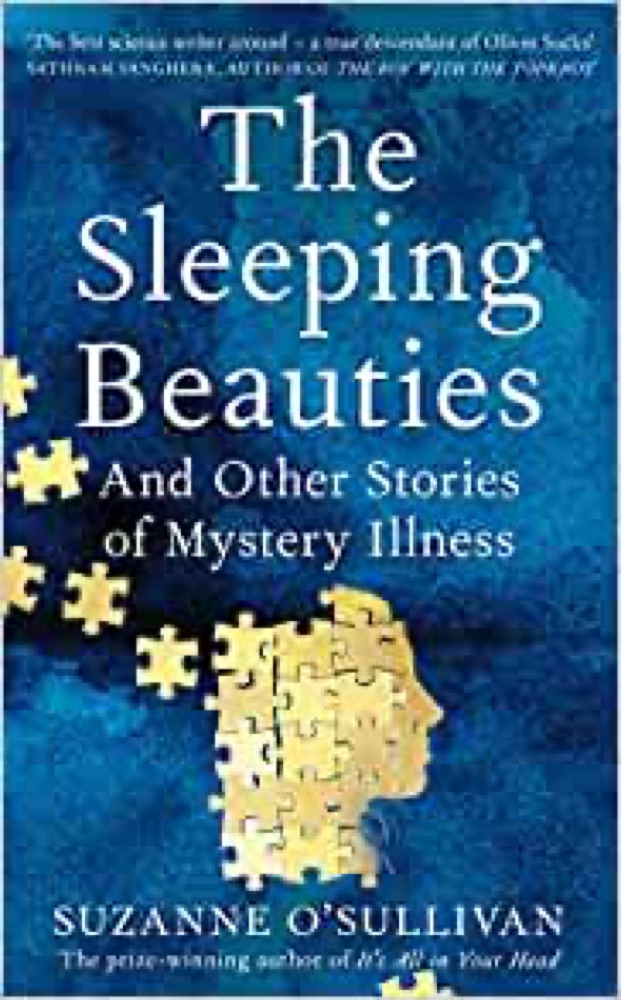 The Sleeping Beauties: And Other Stories of Mystery Illness
 My Age of Anxiety: Fear, Hope, Dread, and the Search for Peace of Mind
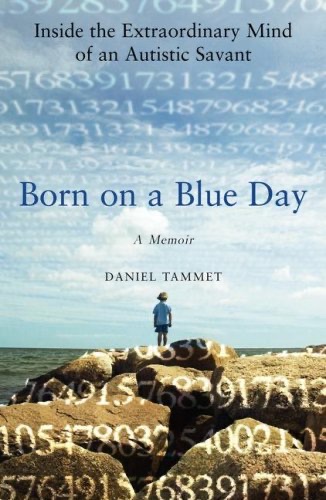 Born on a Blue Day: Inside the Extraordinary Mind of an Autistic Savant
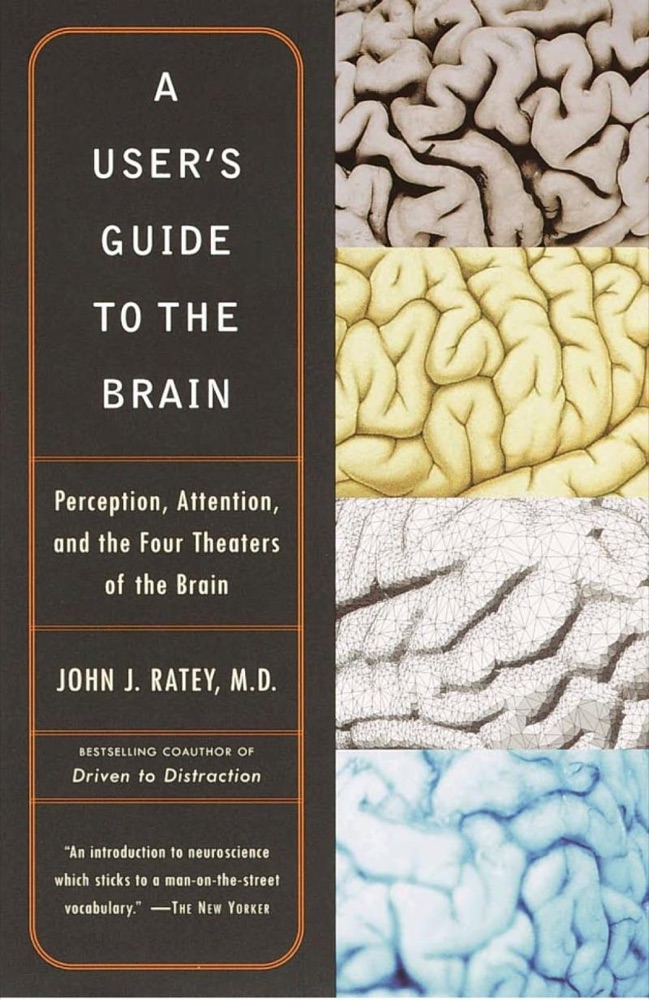 A User's Guide to the Brain: Perception, Attention, and the Four Theaters of the Brain
 Disability Visibility: First-Person Stories from the Twenty-first Century
 The Collected Schizophrenias: Essays
 Strong Female Character
 The Geeks Shall Inherit the Earth: Popularity, Quirk Theory and Why Outsiders Thrive After High School
 Solitude: A Return to the Self
 The Divided Self: An Existential Study in Sanity and Madness
 Behave: The Biology of Humans at Our Best and Worst
 Gifts Differing: Understanding Personality Type
 Good Morning, Monster: A Therapist Shares Five Heroic Stories of Emotional Recovery
 Irreversible Damage: The Transgender Craze Seducing Our Daughters
 The Highly Sensitive Person: How to Thrive When the World Overwhelms You
 The Social Animal: The Hidden Sources of Love, Character, and Achievement
 The Complete Enneagram: 27 Paths to Greater Self-Knowledge
 Running on Empty: Overcome Your Childhood Emotional Neglect
 Surrounded by Idiots
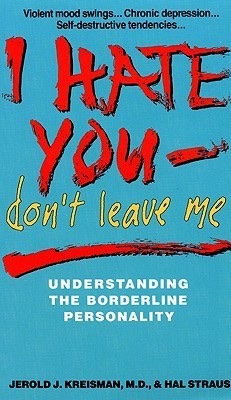 I Hate You, Don't Leave Me: Understanding the Borderline Personality
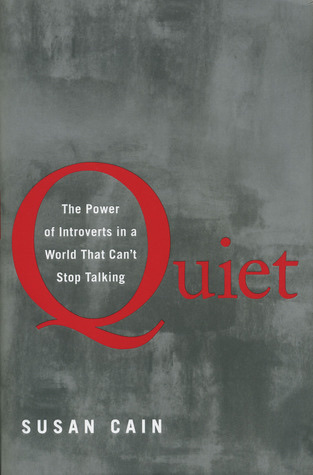 Quiet: The Power of Introverts in a World That Can't Stop Talking
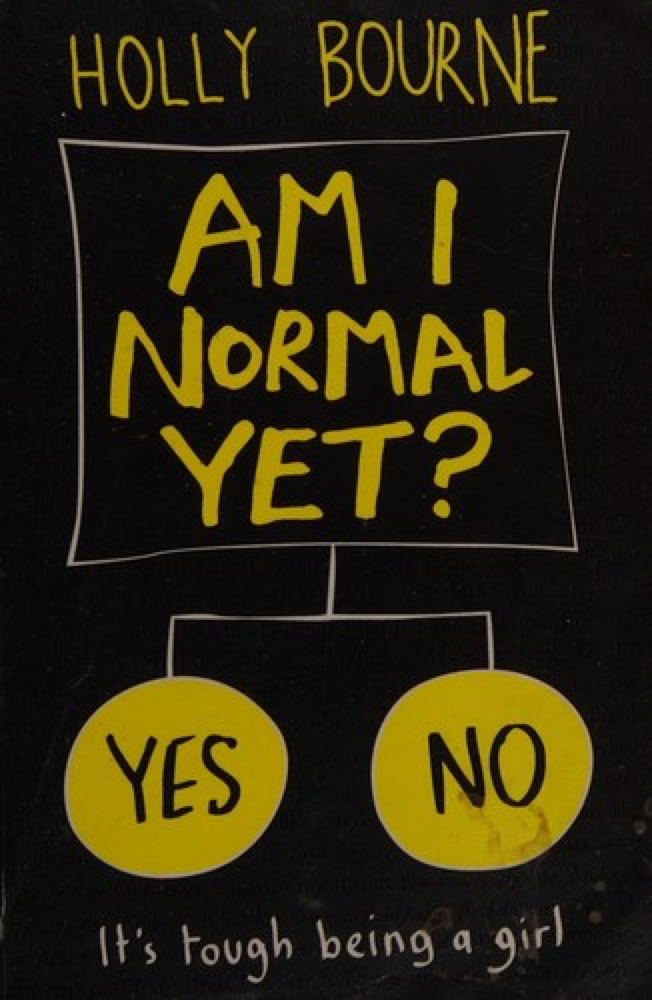 Am I Normal Yet?
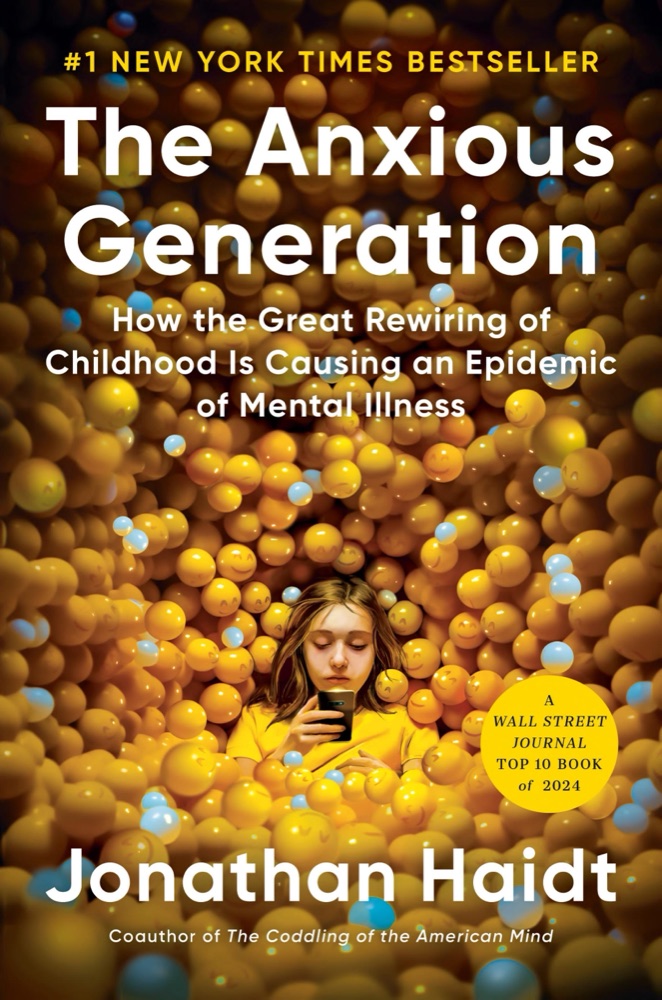 The Anxious Generation: How the Great Rewiring of Childhood Caused an Epidemic of Mental Illness
 When the Body Says No: The Cost of Hidden Stress
 The Drama of the Gifted Child: The Search for the True Self
 Ten Steps to Nanette
 The Elephant in the Brain: Hidden Motives in Everyday Life
 A Hunter-Gatherer's Guide to the 21st Century: Evolution and the Challenges of Modern Life
![[Don't] Call Me Crazy](/i/book/g/b2/dont-call-me-crazy.jpg) [Don't] Call Me Crazy
[Don't] Call Me Crazy
 The Laws of Human Nature
 Why We Get Sick: The New Science of Darwinian Medicine
 Dibs in Search of Self
 Almond
 Emotional Intelligence: Why It Can Matter More Than IQ
 The Brain That Changes Itself: Stories of Personal Triumph from the Frontiers of Brain Science