
 Adult Children of Emotionally Immature Parents: How to Heal from Distant, Rejecting, or Self-Involved Parents
Quotes from the Book
Emotionally neglected people tend to be good listeners. But they are not good at talking, especially about themselves.
37
the single most reliable indicator that you’re dealing with a sociopath is when a person appears to purposely hurt you and then proceeds normally as if they did nothing wrong, and as if you should not be hurt.
18
A primary rule of assertiveness is that anyone has the right to ask you for anything; and you have the equal right to say no, without giving a reason.
16
It refers to the drive to need no one, or more specifically, the fear of being dependent. Counter-dependent people go to great lengths to avoid asking for help, to not appear, or feel, needy. They will make every effort not to rely on another person, even at their own great expense.
15
It’s hard to see that what’s NOT THERE can be more important than what IS there.
15
Narcissistic parents don’t really recognize their children as people separate from them. Instead, they see their children as little extensions of themselves. The needs of the child are defined by the needs of the parent, and the child who tries to express his needs is often accused of being selfish or inconsiderate.
14
It is entirely possible for a parent who loves and wants the best for his child to emotionally neglect her. The truth is, to love your child is a very different thing from being in tune with your child. For healthy development, loving a child just isn’t enough. For a parent to be in tune with his child, he must be a person who is aware of and understands emotions in general. He must be observant so that he can see what his child can and can’t do as he develops. And he must be willing and able to put in the effort and energy required to truly know his child. A well-meaning parent who lacks in any one of these areas is at risk of emotionally failing his child.
13
Although many of us may think of ourselves as thinking creatures that feel, biologically we are feeling creatures that think.” —Dr. Jill Bolte Taylor, Neuroscientist
13
Do unto your child as you wish your parents had done unto you.
13
The magic of feeling better and coping better lies in putting words to your feelings and sharing them.
13
Emotions that are not acknowledged or expressed tend to jumble together and emerge as anger. Eventually, suppressed feelings refuse to stay down. When they do, they erupt as small spurts of irritability that hurt others.
12
You may have a general sense that you’re missing something that everybody else has, or that you’re on the outside looking in. Something just isn’t right, but it’s hard to name. It makes you feel somehow set apart, disconnected, as if you’re not enjoying life as you should.
12
When a child’s emotions are not acknowledged or validated by her parents, she can grow up to be unable to do so for herself. As an adult, she may have little tolerance for intense feelings or for any feelings at all. She might bury them, and tend to blame herself for being angry, sad, nervous, frustrated, or even happy. The natural human experience of simply having feelings becomes a source of secret shame. “What is wrong with me?” is a question she may often ask herself.
11
The fuel of life is feeling. If we’re not filled up in childhood, we must fill ourselves as adults. Otherwise, we will find ourselves running on empty.
11
But if there is an absence of such validation of a child’s importance to the parent, if a child is made to feel shame for wanting or needing attention from one parent or the other often enough, she will grow up being blind to many of her own emotional needs.
9
We have a tendency to assume that smart people aren’t emotional people, and emotional people aren’t smart. The reality is that the smartest people are those who use their emotions to help them think and who use their thoughts to manage their emotions. The key is to use emotion in a healthy balanced way. Listen to what your feeling is telling you, and then figure out a way to act upon it to better your situation, your life, or the world around you.
8
What the narcissistic parent lacks is the ability to imagine or care about what her children feel. A parent without empathy is like a surgeon operating with dull tools in poor lighting. The results are likely to produce scarring.
8
Children of addicted parents experience the lack of predictability as highly anxiety-provoking. As adults, they are therefore at significantly higher risk to have anxiety disorders and to become addicts themselves than are people who were raised by non-addicted parents. Being a good parent most of the time and a horrible parent once in awhile creates insecure, anxious adults who are just waiting for things to go wrong.
8
Another pitfall of having permissive parents: the child doesn’t get enough feedback from her parents. She is left to figure out for herself what she can expect from herself: what she’s good at, what her weaknesses are, what she should strive for.
7
Because depressed parents appear put-upon, beleaguered or overwhelmed by the ordinary demands of parenting, their children don’t always learn that they are worthwhile and so are at risk to become depressed themselves in adulthood.
7
Americans, in particular, are used to high stress and immediate gratification, both of which feed addictions.
7
There is a good explanation for why Emotional Neglect has been so overlooked. It hides. It dwells in the sins of omission, rather than commission; it’s the white space in the family picture rather than the picture itself. It’s often what was NOT said or observed or remembered from childhood, rather than what WAS said.
6
Other people live in a different world from me. They see colors, feel things, love each other and get excited. I have none of that. To me, the world is gray. I'm on the outside, looking in.
6
Whatever the level of parental failure, emotionally neglected people see themselves as the problem, rather than seeing their parents as having failed them.
6
There is a minimal amount of parental emotional connection, empathy and ongoing attention which is necessary to fuel a child’s growth and development so that he or she will grow into an emotionally healthy and emotionally connected adult. Less than that minimal amount and the child becomes an adult who struggles emotionally–outwardly successful, perhaps, but empty, missing something within, which the world can’t see.
6
running on a half-empty tank of low-octane fuel that had been diluted by a pool of unshed tears.
5
Simon wanted to die not because he felt too much, but because he felt nothing.
5
I haven’t been happy since I was eight years old,” she said.
5
After a childhood chock full of unpredictable parenting, the adult child of the addict is anxious, worried, and secretly insecure.
4
The important thing to keep in mind is that while adolescents crave freedom, it is not healthy for them to get too much of it. Adolescents need a strong parent against whom they can rebel. They learn how to make good decisions and manage their impulses by bumping up against a parent’s rules and consequences.
4
Watch on YouTube
About Jonice Webb
We have collected 30 quotes from 1 book by Jonice Webb on BookQuoters.
More about the author →About the book
This informative guide helps you identify and heal from childhood emotional neglect so you can be more connected and emotionally present in your life. Do you sometimes feel like you’re just going through the motions in life? Do you often act like you’re fine when you secretly feel lonely and disconnected? Perhaps you have a good life and yet somehow it’s not enough to make you happy. Or perhaps you drink too much, eat too much, or risk too much in an attempt to feel something good. If so, you are not alone―and you may be suffering from emotional neglect. A practicing psychologist for more than twenty years, Jonice Webb has successfully treated numerous patients who come to her believing that something is missing inside them. While many self-help books deal with what happened to you as a child, in Running on Empty, Webb addresses the things that may not have happened for you. What goes un
Book details
- First published
- 2012
- Author
- Jonice Webb
- Genre
- Nonfiction
- Goodreads rating
- 4.18 (12k ratings)
Keep reading
Adult Children of Emotionally Immature Parents: How to Heal from Distant, Rejecting, or Self-Involved Parents
 Scattered Minds: The Origins and Healing of Attention Deficit Disorder
 Toxic Parents: Overcoming Their Hurtful Legacy and Reclaiming Your Life
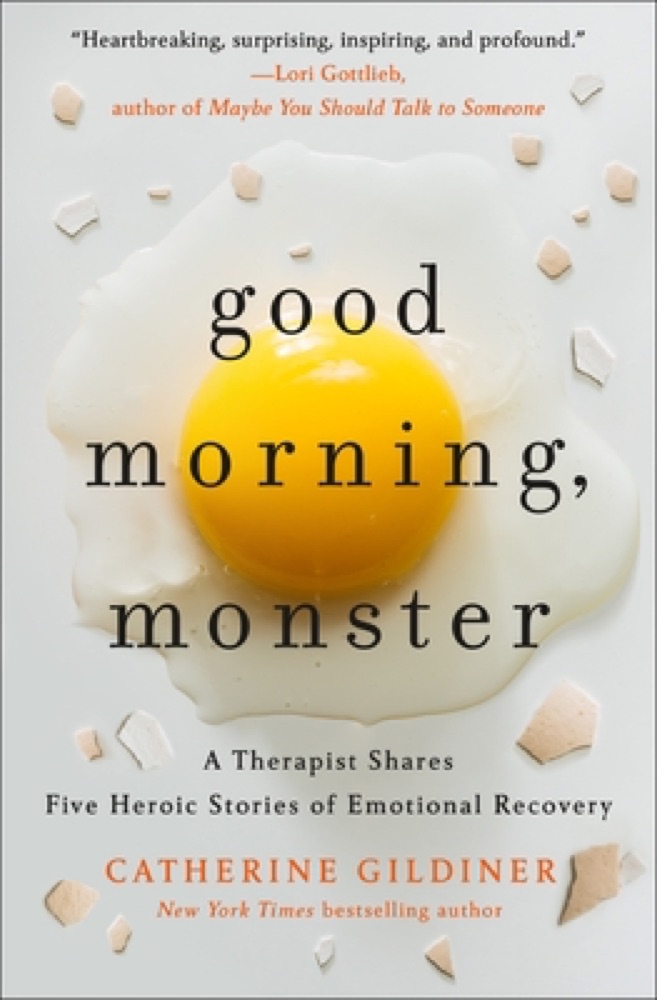 Good Morning, Monster: A Therapist Shares Five Heroic Stories of Emotional Recovery
![The Book You Wish Your Parents Had Read [and Your Children Will Be Glad That You Did]](/i/book/g/63/the-book-you-wish-your-parents-had-read-and-your-children-will-be-glad-that-you-did.jpg) The Book You Wish Your Parents Had Read [and Your Children Will Be Glad That You Did]
The Book You Wish Your Parents Had Read [and Your Children Will Be Glad That You Did]
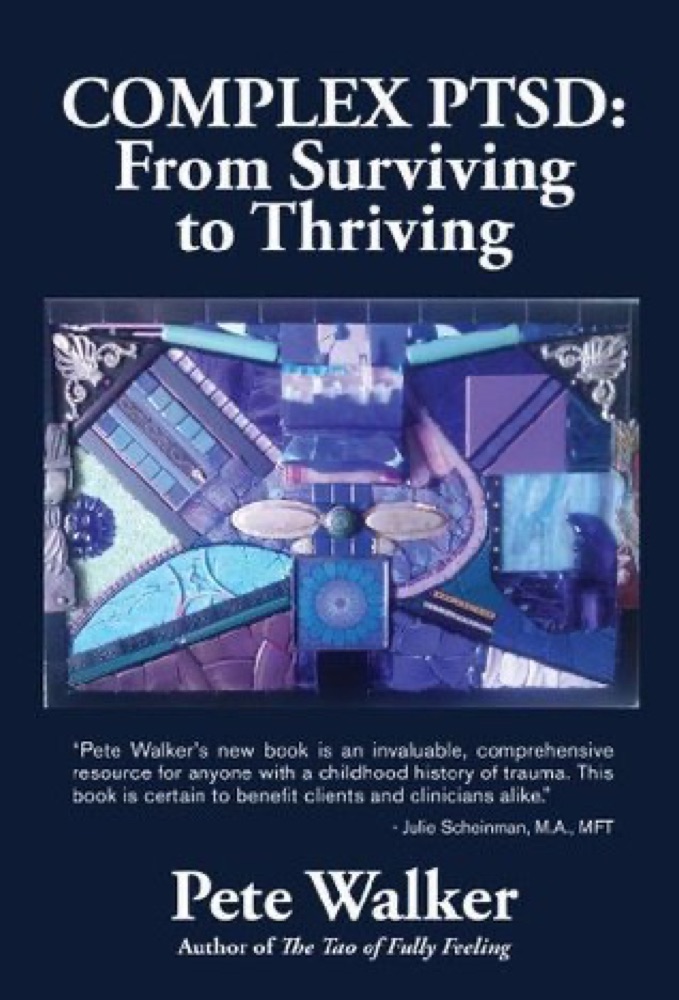 Complex PTSD: From Surviving to Thriving
 The Drama of the Gifted Child: The Search for the True Self
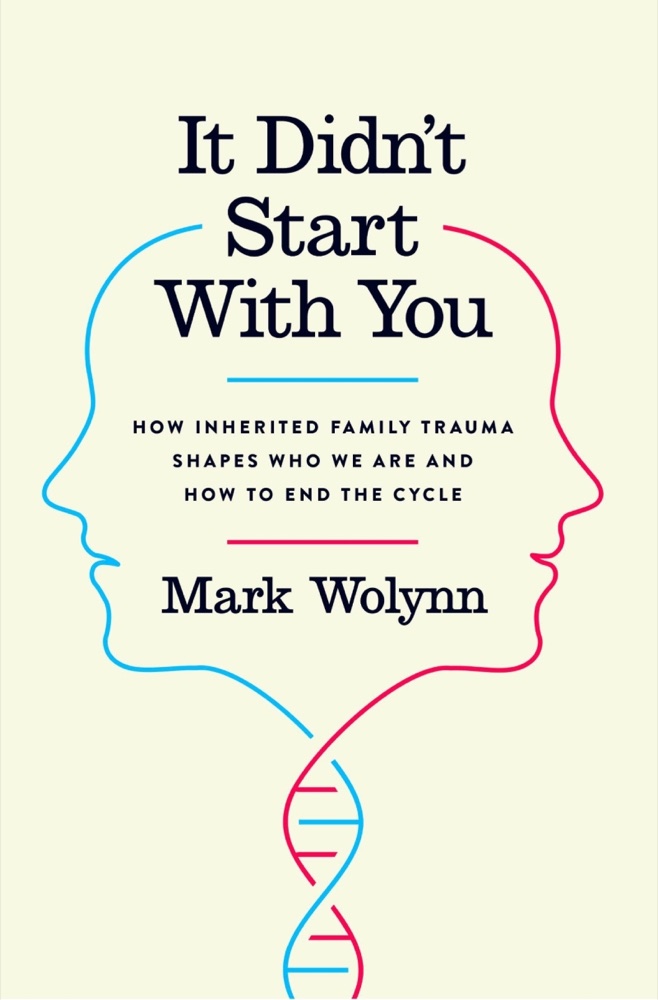 It Didn't Start with You: How Inherited Family Trauma Shapes Who We Are and How to End the Cycle
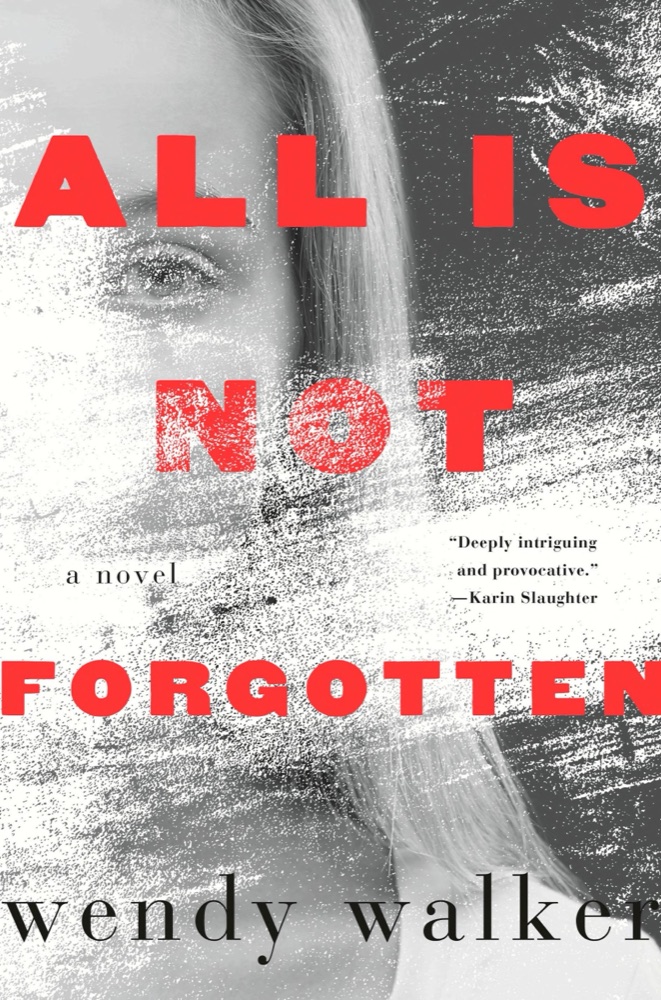 All Is Not Forgotten
 Hollywood Park
 Mothers Who Can't Love: A Healing Guide for Daughters
 Stop Walking on Eggshells: Taking Your Life Back When Someone You Care about Has Borderline Personality Disorder
 For Your Own Good: Hidden Cruelty in Child-Rearing and the Roots of Violence
 The Awakened Family: A Revolution in Parenting
 Between Parent and Child
 When the Body Says No: The Cost of Hidden Stress
 The Examined Life: How We Lose and Find Ourselves
 Healing the Shame that Binds You
 Maybe You Should Talk to Someone: A Therapist, Her Therapist, and Our Lives Revealed
 What My Bones Know
 Feeling Good: The New Mood Therapy
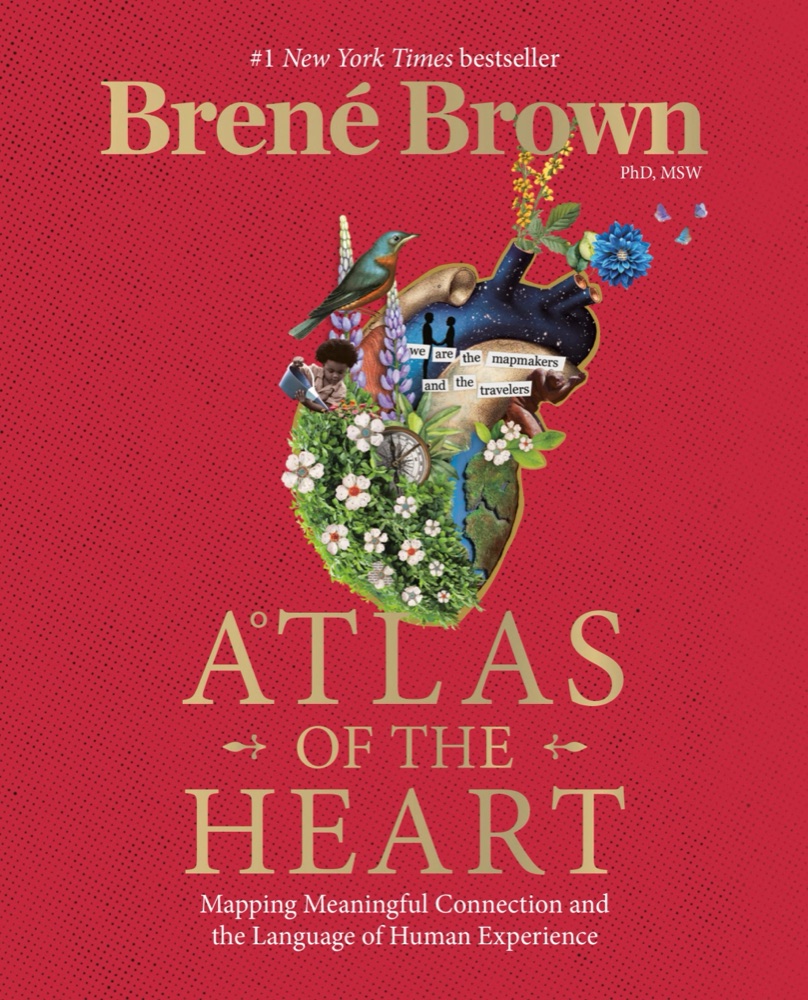 Atlas of the Heart: Mapping Meaningful Connection and the Language of Human Experience
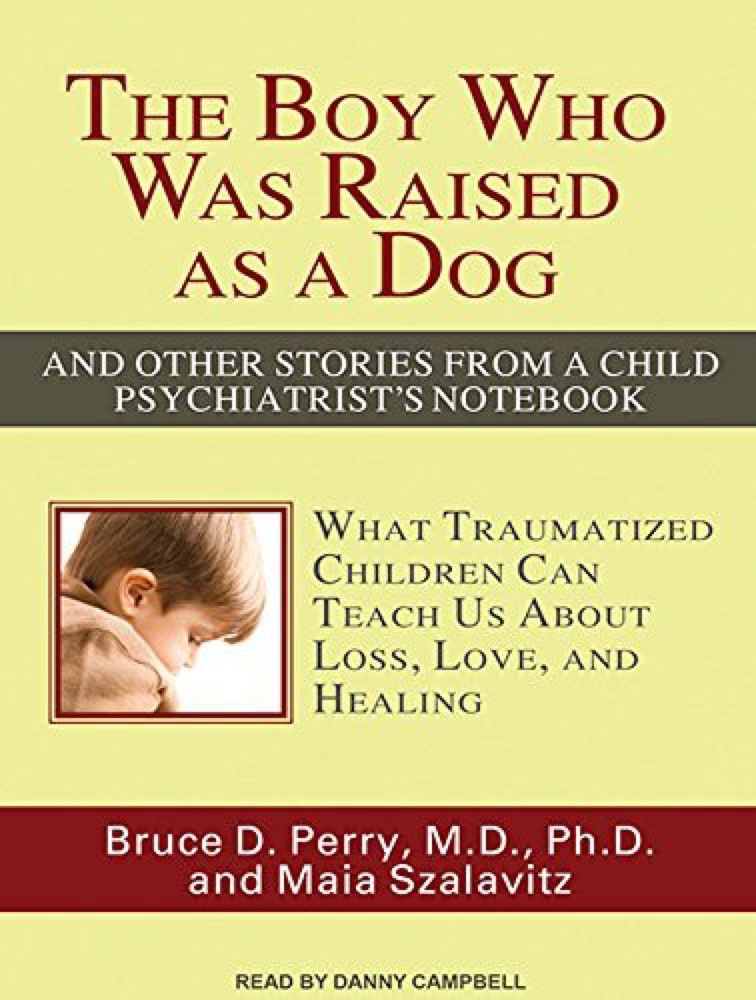 The Boy Who Was Raised as a Dog: And Other Stories from a Child Psychiatrist's Notebook
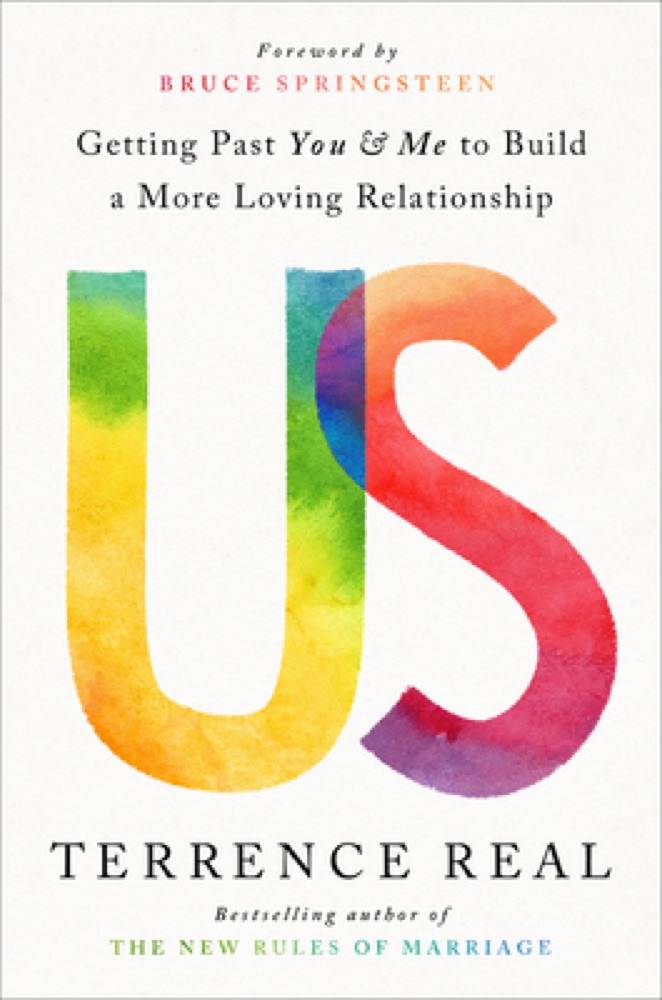 Us: Getting Past You and Me to Build a More Loving Relationship
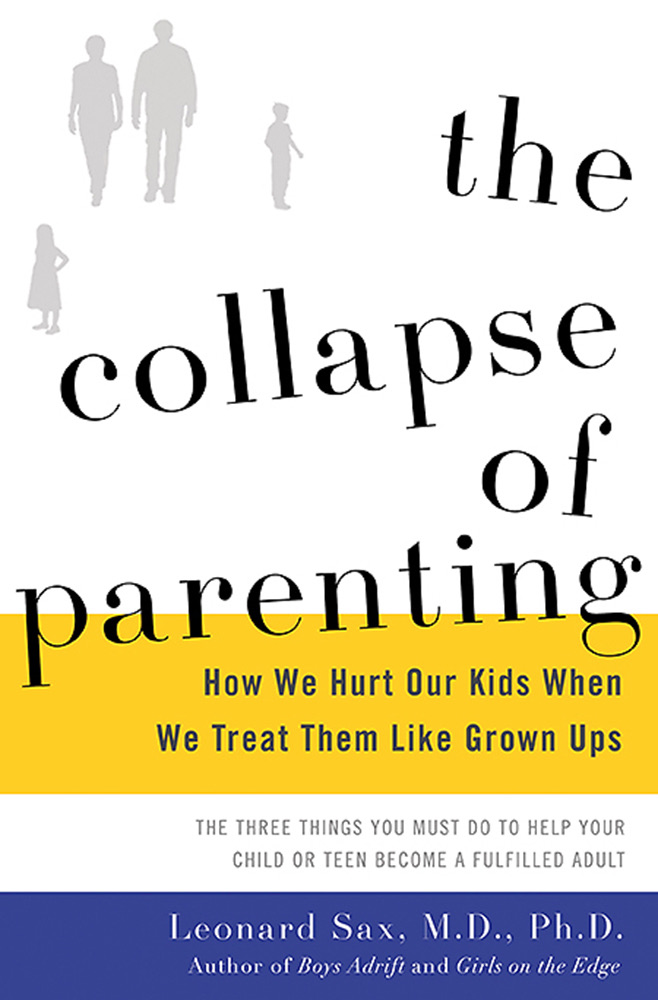 The Collapse of Parenting: How We Hurt Our Kids When We Treat Them Like Grown-Ups
 Social Intelligence: The New Science of Human Relationships
 Dibs in Search of Self
 The School of Life: An Emotional Education
 Codependent No More: How to Stop Controlling Others and Start Caring for Yourself
 Untangle Your Emotions: Naming What You Feel and Knowing What to Do About It
 This Is How: Proven Aid in Overcoming Shyness, Molestation, Fatness, Spinsterhood, Grief, Disease, Lushery, Decrepitude & More. For Young and Old Alike.
 Life Will Be the Death of Me: . . . and you too!
 Lost Connections: Uncovering the Real Causes of Depression - and the Unexpected Solutions
 The Art of Starving
![It's Not OK to Feel Blue [and other lies]](/i/book/g/ed/its-not-ok-to-feel-blue-and-other-lies.jpg) It's Not OK to Feel Blue [and other lies]
It's Not OK to Feel Blue [and other lies]
 Just Like Someone Without Mental Illness Only More So
 Hold On, But Don't Hold Still
 Momma Cusses
 The Danish Way of Parenting: What the Happiest People in the World Know About Raising Confident, Capable Kids
 What Happened To You?: Conversations on Trauma, Resilience, and Healing
 Far from the Tree: Parents, Children, and the Search for Identity
 Why Has Nobody Told Me This Before?
 Letting Go: The Pathway To Surrender
 In the Realm of Hungry Ghosts: Close Encounters with Addiction
 Beautiful Boy: A Father's Journey Through His Son's Addiction
 Different, Not Less: A Neurodivergent's Guide to Embracing Your True Self and Finding Your Happily Ever After
 It's Not You: Identifying and Healing from Narcissistic People
 How to Raise an Adult: Break Free of the Overparenting Trap and Prepare Your Kid for Success
 Unfuck Your Brain: Using Science to Get Over Anxiety, Depression, Anger, Freak-Outs, and Triggers
 All Joy and No Fun: The Paradox of Modern Parenthood
 Boundaries with Kids: How Healthy Choices Grow Healthy Children
 Changes That Heal: How to Understand the Past to Ensure a Healthier Future
 The Perfectionist's Guide to Losing Control: A Path to Peace and Power
 The Reason I Jump: The Inner Voice of a Thirteen-Year-Old Boy with Autism
 Somebody's Daughter
 The Relationship Cure: A 5 Step Guide to Strengthening Your Marriage, Family, and Friendships
 Attempting Normal
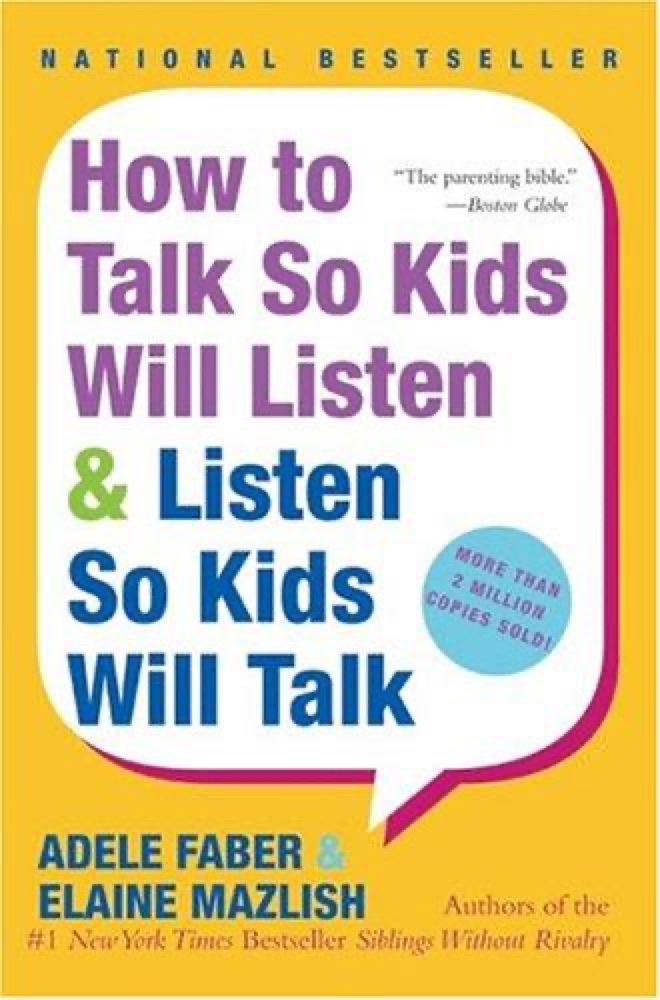 How to Talk So Kids Will Listen & Listen So Kids Will Talk
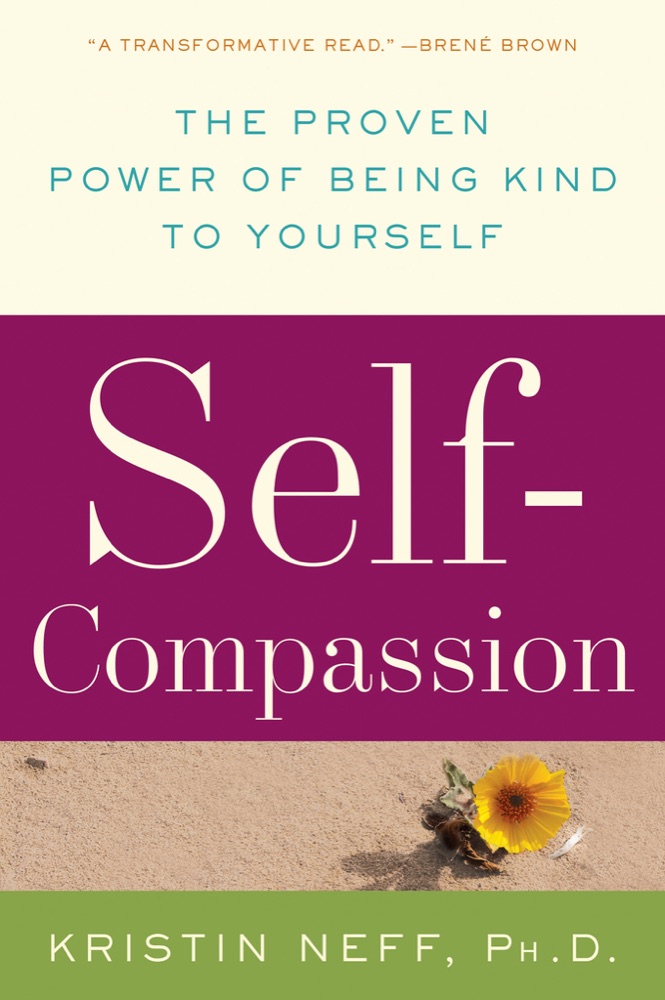 Self-Compassion: The Proven Power of Being Kind to Yourself