
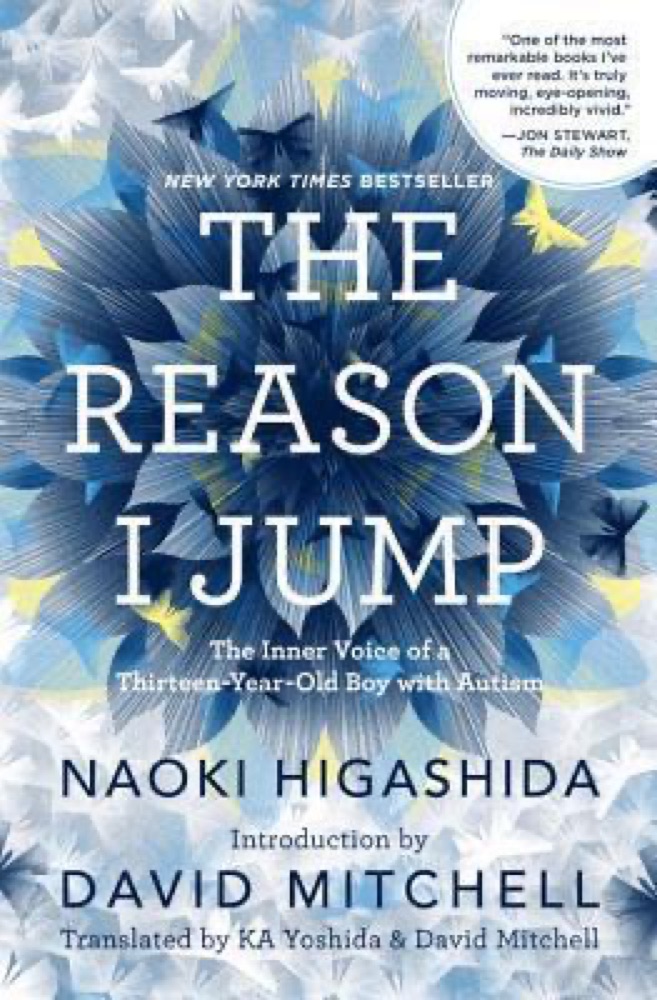
 The Reason I Jump: The Inner Voice of a Thirteen-Year-Old Boy with Autism
Quotes from the Book
What brought you here isn't your fault. We human beings have to live each day to its fullest and do our best in whatever environment we find ourselves in. There's no need to feel any shame just because your "fullest" and "best" look different from those of others.
17
I would like people to stop pressuring children to make friends. Friendships can’t be artificially created.
12
The best reaction to our mistakes will vary from person to person, and according to his or her age, but please remember: for people with autism, the pain of being unable to do what we’d like to is already hard to live with. Pain arising from other people’s reactions to our mistakes can break our hearts.
9
People can only understand their own pain. Even a genuine desire to help a person with a disability can become a burden or a discouragement for the person on the receiving end. It is important for helpers and therapists to ask themselves, If I was the person I’m helping … ? It would be useful also if they double-checked that the assistance they’re offering is of real relevance to the person with special needs, and not about gratifying their own desire to care.
9
There are times when all goes well, when I compose a sentence and stand back just to enjoy it. This sensation is like admiring a tall building I've designed. With luck, the building has no wasteful elements and every detail is noted and works. It blends in with the surrounding scenery and looks as if it was always meant to be here. These are the buildings I aim to construct.
7
There's no need to feel any shame just because your "fullest" and "best" look different from those of others.
5
On the surface, a sheltered life spent on your favourite activities might look like paradise but I believe that unless you come into contact with some of the hardships other people endure, your own personal development will be impaired.
3
I love nature, I have an interest in letters and numbers, and I’m fascinated by some things that other people have no interest in whatsoever. If these fascinations are rooted in my autistically wired brain and if neurotypical people are unable to access these wonders, then I have to say that the immutable beauties of autism are such that I count myself lucky to be born with the condition.
3
Any given therapy method might well work to some degree for some people with autism, but no approach will work across the board for every person with the condition.
3
Education is supposed to help the child and parents: it mustn’t end up being a kind of holding cell. For this reason, our education must not be overly defined by the views of outsiders, or be unquestioningly compliant with the values and beliefs of specialists. Of paramount importance is that the special needs education be a suitable fit for each and every student.
3
As far as I’m concerned, there’s no need whatsoever to “practice being bullied.” Acquiring superpowers of endurance is not something children need to be learning before they enter society at large. It is only the person being bullied who understands the true cost of what they suffer. People with no experience of being bullied have no idea how miserable it is to grow up being picked on the whole time.
3
If I tried to describe what it’s like to be nonverbal in the World of the Verbal in a single word, I’d choose this one: agony. And yet, this is also true: if we know there is even a single person who understands what it’s like for us, that’s solace enough to give us hope.
3
What I wish to say is this: the value of a person shouldn’t be fixed solely by his or her skills and talents—or lack of them. It’s how you strive to live well that allows others to understand your awesomeness as a human being. This miraculous quality touches people. Via this “how,” people consider the sanctity and validity of everyone’s life, whether special needs are involved or not.
3
There are reasons why people with autism exist in the world, I believe. Those who are determined to live with us and not give up on us are deeply compassionate people, and this kind of compassion must be a key to humanity's long-term survival.
2
there's a world of difference between merely seeing a thing and knowing what it is.
2
When boundaries of behavior are set, it’s crucial to respect those boundaries, but it’s doubly crucial that the boundaries are appropriate and realistic for the person and context in the first place.
2
The more frantic and desperate I become, the more I punch myself: by now, it’s no longer about punishing my brain, it’s about punishing myself for having lost the plot so woefully. If, however, people don’t flip out at the sight of me and understand next time you see someone like me in mid-meltdown, I’d ask you to conduct yourself with this knowledge.
2
Among people who have autism and speech challenges, I think there will always be individuals whose “verbal blocks” come from the same place as mine. They too, I believe, can unlock language by referencing common points between memory scenes and the moment they’re in. This might take a great deal of practice, but their family, helpers and teachers mustn’t give up on them. The person with special needs will sense that resignation, lose their motivation and stop trying to speak. This can erode even their will to live. Believe me. Communication is the person, to a major degree. Please don’t be the first to walk away.
2
People with autism might need more time, but as we grow there are countless things that we can learn how to do, so even if you can’t see your efforts bear fruit, please don’t quit. Our lives are still ahead of us. Some kinds of success can be won by, and only by, sheer effort and sweat. We all have to bear in mind that adulthood lasts a lot longer than childhood.
2
Happiness that comes at someone else's expense isn't happiness - especially if that someone else is precious to you.
2
The value of a person shouldn't be decided by the judgements of other people. Kindness brings out the best in us all.
2
There are times when I wonder where this disability "autism" comes from. Could it have been created, I wonder, by humankind itself? I can't help but feel that some imbalance in this world first caused neuro-atypical people to be needed and then brought into being. This isn't to say that all of us are delighted to be the way we are all the time, of course. But I refuse to accept it when people view us as incomplete or partial human beings; I prefer to believe that people with autism are every bit as whole as anyone else. We might be different from the majority in diverse ways, but why are these differences negative things?
1
Thanks to [language], human beings - and we alone - can truly enter and explore the feelings of others. What an extraordinary skill.
1
Your child, too, will one day be an adult. For them to live life with the same degree of independence as neurotypical offspring might be difficult, but one day your child-rearing, child-minding days will come to an end. Parents grow older until they can no longer look after their adult children. The period in which we are together as parents and child is finite. So please, while the child still is a child, and while you’re still around to do so, support them well. Laugh together and share your stories. You won’t be revisiting these years. Value them.
1
Yes, raising a child with autism can be highly demanding, but please remember, just as you worry about your child, so your child worries about you.
1
Traveling with people who have special needs might present difficulties, but please, let it happen. We all need a break and a change of scene sometimes. This is as true for us as it is for you.
1
My point: please don’t think that by not pushing someone toward a goal or by not stretching their abilities, you’re automatically making it easier for them to arrive. Life isn’t that great for turtles, and plodding along tortoise-like is no picnic either.
1
The neurotypical public needs to know that the failure of people with autism to communicate doesn’t stem from inner self-imprisonment: it stems from a failure of others to see that we are open and receptive. To venture out into the world requires help from other people.
1
Children with disabilities might, to your eyes, look stuck in a perpetual childhood, but our thoughts and sensibilities evolve constantly. So, using vocabulary the child understands, please show them how they can live their lives to the full.
1
My father and my mother have not only given me love; they have created memories that will warm and nourish me, always. By sharing their lives, by their mutual sympathy and support—and by weathering rough patches—they renew our family’s togetherness. This is a lesson. Money cannot buy it.
Watch on YouTube
About Naoki Higashida
We have collected 61 quotes from 2 books by Naoki Higashida on BookQuoters.
More about the author →More by Naoki Higashida
The Reason I Jump: The Inner Voice of a Thirteen-Year-Old Boy with Autism
About the book
Naoki Higashida was only thirteen when he wrote The Reason I Jump, a revelatory account of autism from the inside by a nonverbal Japanese child, which became an international success.
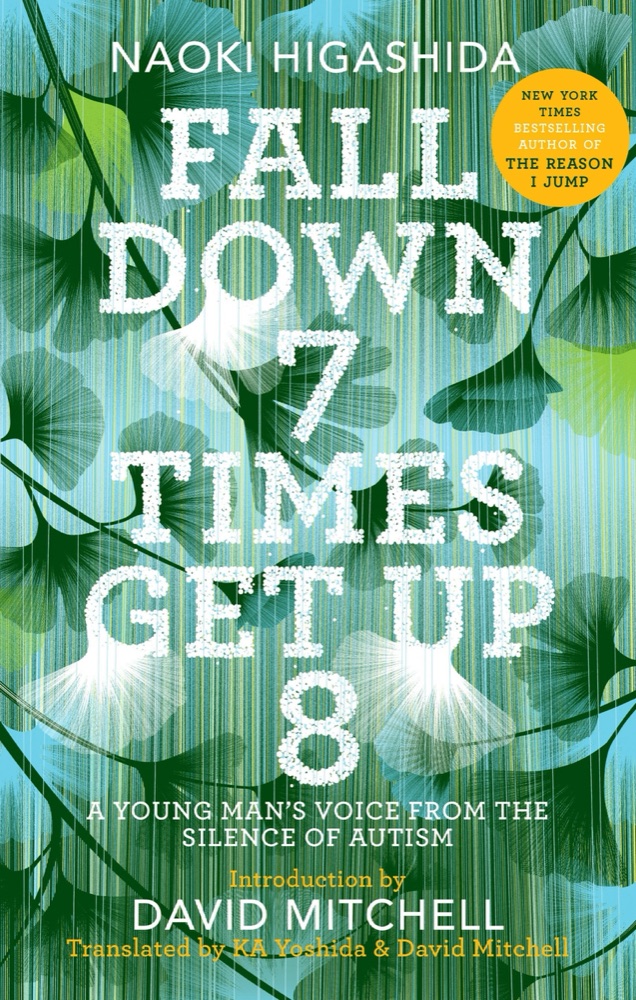
Now he shares his thoughts and experiences as a twenty-four-year-old man living each day with severe autism. In short, powerful chapters, Higashida explores school memories, family relationships, the exhilaration of travel, and the difficulties of speech. He also allows readers to experience profound moments we take for granted, like the thought-steps necessary for him to register that it's raining outside. Acutely aware of how strange his behavior can appear to others, he aims throughout to foster a better understanding of autism and to encourage society to see people with disabilities as people, not as problems.
With an introduction by bestselling novelist David Mitchell, Fall Down 7 Times Get Up 8
Book details
- First published
- 2017
- Author
- Naoki Higashida
- Genre
- Nonfiction
- Goodreads rating
- 4.17 (3k ratings)
Keep reading
The Reason I Jump: The Inner Voice of a Thirteen-Year-Old Boy with Autism
 Different, Not Less: A Neurodivergent's Guide to Embracing Your True Self and Finding Your Happily Ever After
 Ten Things Every Child with Autism Wishes You Knew
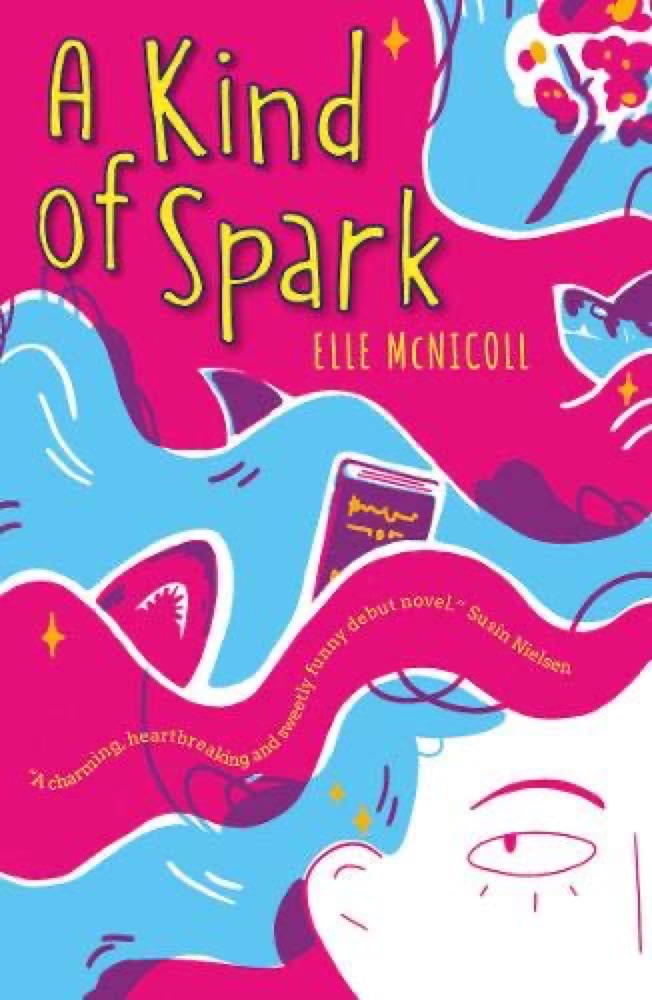 A Kind of Spark
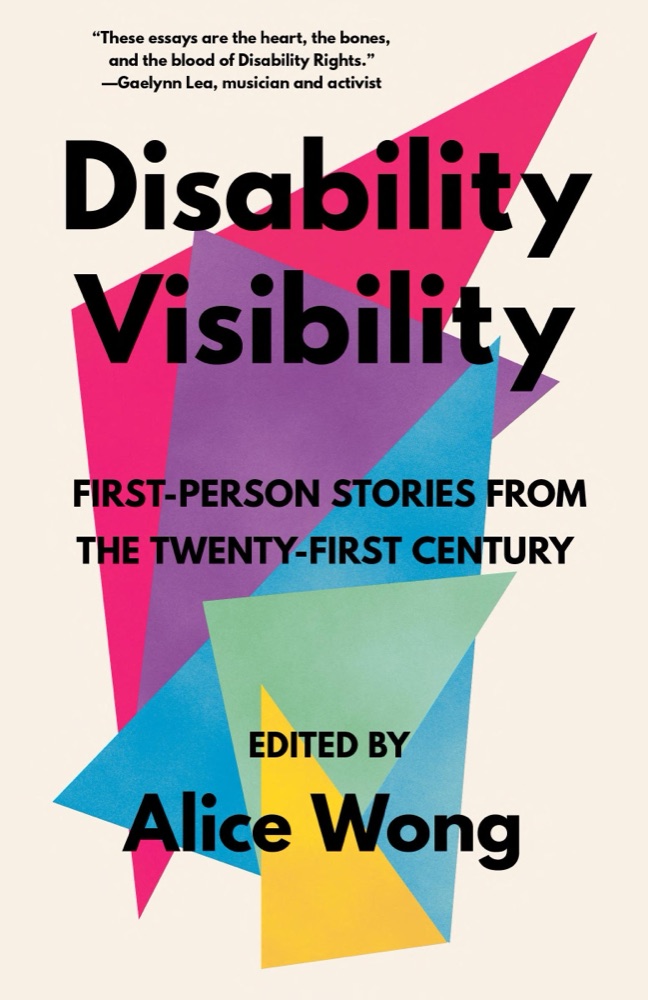 Disability Visibility: First-Person Stories from the Twenty-first Century
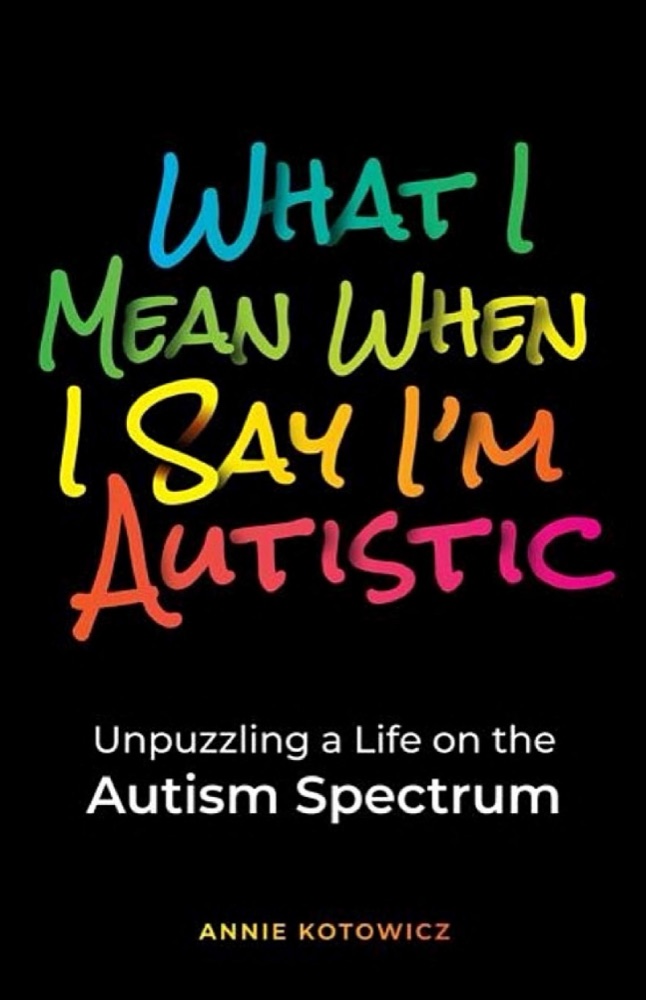 What I Mean When I Say I'm Autistic: Unpuzzling a Life on the Autism Spectrum
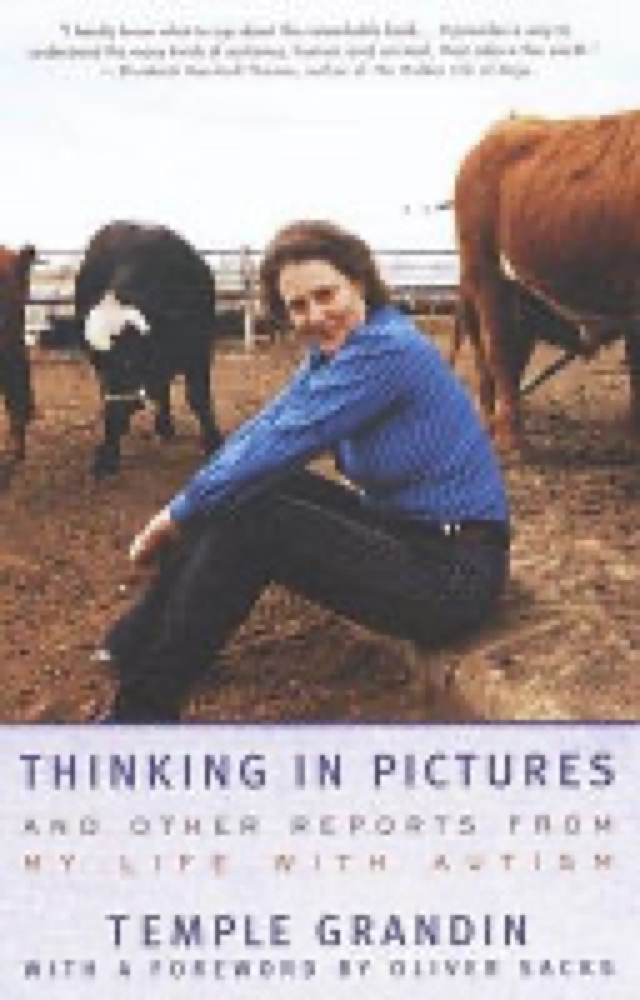 Thinking In Pictures: and Other Reports from My Life with Autism
 Far from the Tree: Parents, Children, and the Search for Identity
 The World According to Mister Rogers: Important Things to Remember
 Unmasking Autism: Discovering the New Faces of Neurodiversity
 Why Can't I Just Enjoy Things?: A Comedian's Guide to Autism
 Ten Steps to Nanette
 A Work in Progress
 Every Exquisite Thing
 Notes on a Nervous Planet
 Haben: The Deafblind Woman Who Conquered Harvard Law
![[Don't] Call Me Crazy](/i/book/g/b2/dont-call-me-crazy.jpg) [Don't] Call Me Crazy
[Don't] Call Me Crazy
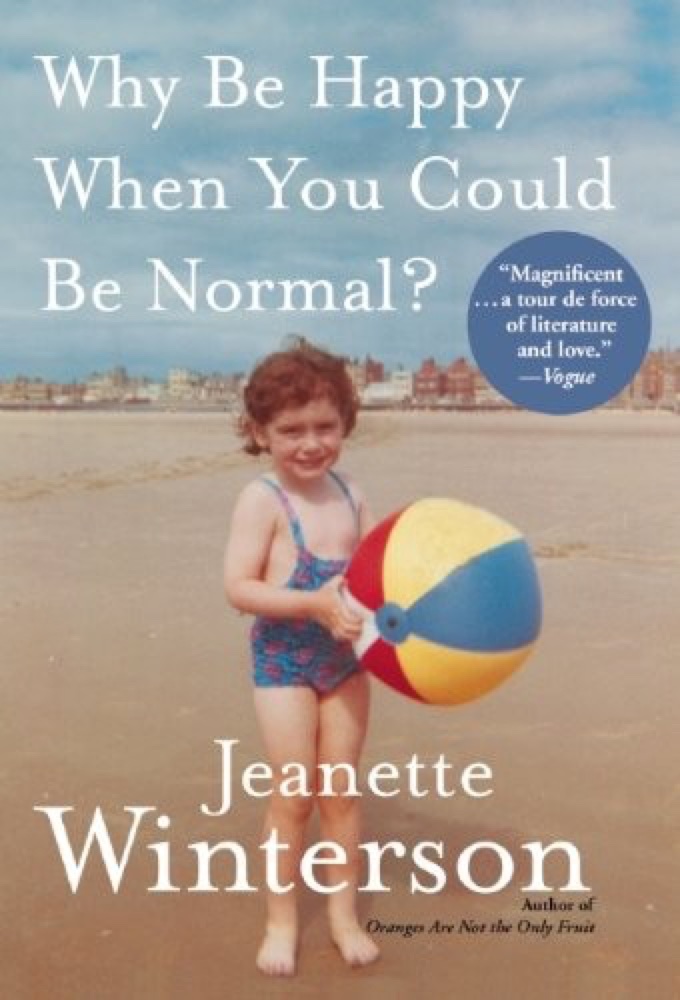 Why Be Happy When You Could Be Normal?
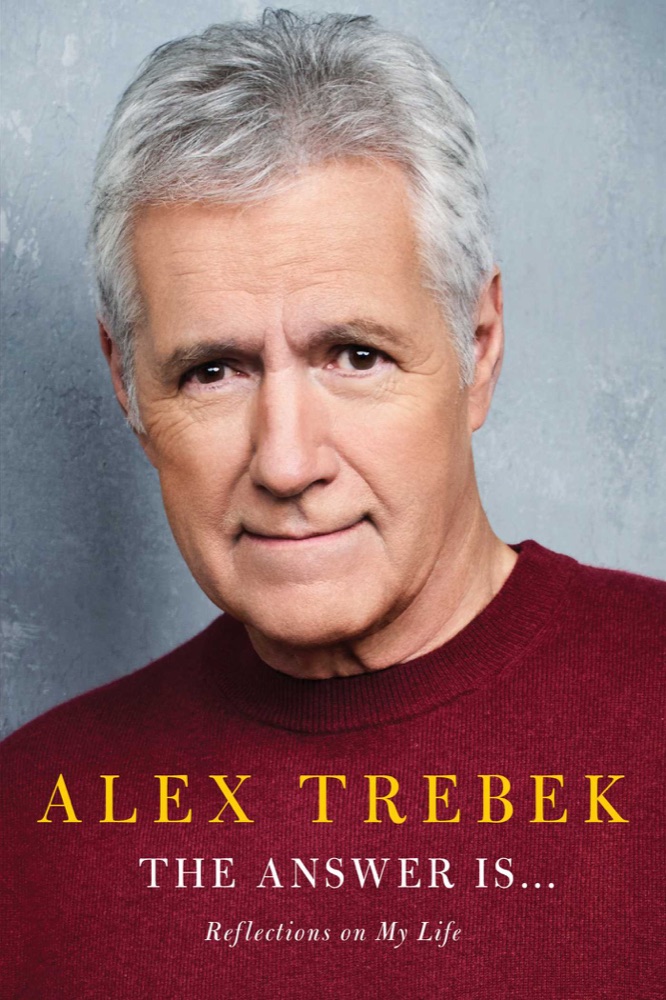 The Answer Is…: Reflections on My Life
 Buffering: Unshared Tales of a Life Fully Loaded
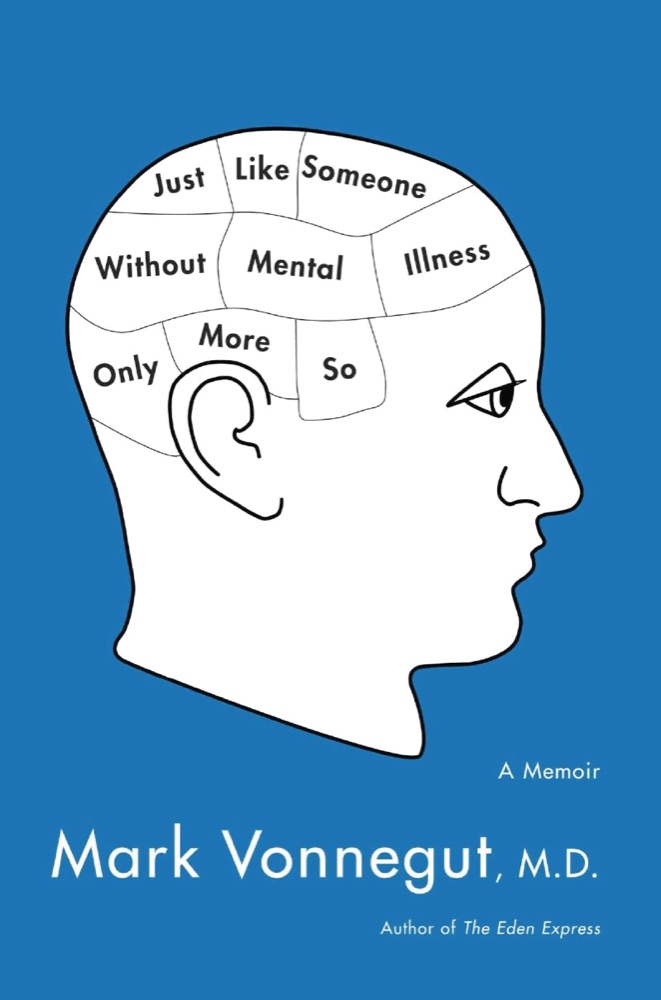 Just Like Someone Without Mental Illness Only More So
 Keep Holding On
 Hold On, But Don't Hold Still
 The 7 Habits Of Highly Effective Teens
 A Room Called Earth
 The Things You Can See Only When You Slow Down: How to Be Calm in a Busy World
 Flowers for Algernon
 Marcelo in the Real World
 Paris: A Memoir for Young Women in the Age of Influencers
 All Is Not Forgotten
 My Beloved World
 Look Me in the Eye
 The House in the Cerulean Sea
 Atlas of the Heart: Mapping Meaningful Connection and the Language of Human Experience
 Stories of Your Life and Others
 Born on a Blue Day: Inside the Extraordinary Mind of an Autistic Savant
 Life Will Be the Death of Me: . . . and you too!
 Gifted Hands: The Ben Carson Story
 Words on Bathroom Walls
 Almond
 Small Great Things
 The School of Life: An Emotional Education
 Mending the Mind
 House Rules
 Into the Magic Shop: A Neurosurgeon's Quest to Discover the Mysteries of the Brain and the Secrets of the Heart
 Have You Seen Luis Velez?
 This Is How: Proven Aid in Overcoming Shyness, Molestation, Fatness, Spinsterhood, Grief, Disease, Lushery, Decrepitude & More. For Young and Old Alike.
 The Color of Everything: A Journey to Quiet the Chaos Within
 Attempting Normal
 Any Ordinary Day
 The Boy Who Was Raised as a Dog: And Other Stories from a Child Psychiatrist's Notebook
 The Comfort Book
 Never Stop Walking: A Memoir of Finding Home Across the World
 Mrs Funnybones
 Yumi and the Nightmare Painter
 The Highly Sensitive Person: How to Thrive When the World Overwhelms You
 The Light We Carry: Overcoming in Uncertain Times
 Believe Me: A Memoir of Love, Death, and Jazz Chickens
 Letter to My Daughter
 The Rainbow Comes and Goes: A Mother and Son on Life, Love, and Loss