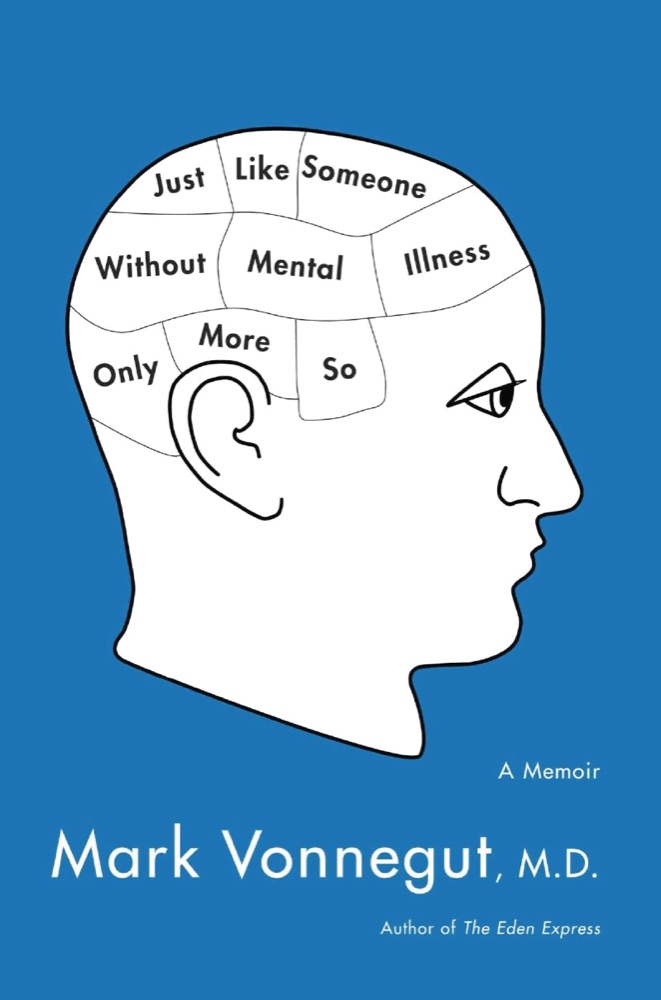

 The Eden Express: A Memoir of Insanity
Quotes from the Book
With mental illness the trick is to not take your feelings so seriously; you’re zooming in and zooming away from things that go from being too important to being not important at all.
22
Most adults have forgotten what they had to do to survive childhood.
13
The biggest gift of being unambiguously mentally ill is the time I've saved myself trying to be normal.
13
Beyond a certain point, gathering further evidence of the hurtfulness and shortcomings of one’s family, employer, et cetera is like eating the same poisonous mushroom over and over and expecting that sooner or later it will be nutritious.
8
I understand perfectly why some of my autistic patients scream and flap their arms--it's to frighten off extroverts
8
Writing is very hard mostly because until you try to write something down, it’s easy to fool yourself into believing you understand things. Writing is terrible for vanity and self-delusion.
7
At the end of his life, which had included financial ruin in the Great Depression, his wife's barbiturate addiction and death by overdose, and then his own lung cancer, Doc said, "It was enough to have been a unicorn." What he meant was that he got to do art. It was magic to him that his hands and mind got to make wonderful things, that he didn't have to be just another goat or horse.
5
When I talk to the National Alliance on Mental Illness (NAMI) and other patient support groups, I take questions at the end. At one talk I was asked, “What’s the difference between yourself and someone without mental illness?” At another talk I was asked, “How do you make the voices be not so mean?” I wish I knew.
5
Rarely are there big heroic choices that will settle matters once and for all. The smallest positive step is probably the right one. Try not to argue. If you’re right, you don’t need to argue. If you’re wrong, it won’t help. If you’re okay, things will be okay. If you’re not okay, nothing else matters.
4
If you believe that the dollars made by the pharmaceutical industry are plowed back into research that leads to better and better medications, you probably believe in the tooth fairy as well.
4
Put on all the armor of the Lord. Not just the pretty stuff.
4
I can pass for normal most of the time, but I understand perfectly why some of my autistic patients scream and flap their arms -- it's to frighten off extroverts.
3
My parents were told by the principal of West Barnstable Elementary School and my teacher that I was a bright boy whose spelling was in the retarded range and whose handwriting was the worst they’d ever seen. I find it embarrassing that I spell so badly. I will do almost anything to avoid being embarrassed, but no effort either on my part or on the part of any teacher has ever dented my utter bafflement when it comes to choosing which letters to put down, how many, and in what order.
3
My father was a proudly antisocial man who spent most of his time at a typewriter, reflecting negatively on his neighbors and society, throwing in things like "Goddamn it, you've got to be kind." The emphasis was on the Goddamn it. He was proud of the fact that I had no friends
3
There are no people anywhere who don’t have some mental illness. It all depends on where you set the bar and how hard you look.
2
Until we come up with an unequivocal blood test or the equivalent, we're all blowing smoke and don't know if what we call schizophrenia and bipolar disorder are one disorder or a dozen.
2
It’s probably possible to gain humility by means other than repeated humiliation, but repeated humiliation works very well.
2
Without writers fooling themselves about what their books might accomplish there would be no books at all.
2
Art is lunging forward without certainty about where you are going or how to get there, being open to and dependent on what luck, the pain, the typo, the dissonance, give you. Without art you're stuck with yourself as you are and life as you think life is.
2
Sorry I’m late, dear. I was snatching babies and children from the jaws of death.” I thought that as a pediatrician I would be taken care of and protected, that if people knew I was a pediatrician they wouldn’t break into my house or mug me, that I wouldn’t have to stop and chat after minor car accidents, that my way would be smoothed. I wanted to be someone no one could take exception to. When I told a professor at Harvard that I wanted to go into primary care, he said that it would be a waste of a Harvard education. He had done primary care. It was easy. With a Harvard education we could cure generations rather than individuals. So it wasn’t enough that I was in medical school. I was supposed to be lining up to cure generations. And I’d thought I was crazy.
1
Half of what we’ve told you is untrue. Unfortunately we don’t know which half, and it will be up to you to figure that out,” said the commencement speaker. It was a clever and wise thing to say, but nowhere near half of what we were taught was true except in a very conditional and relative way. We also lacked the support to make use of what we knew, but besides that.… Later, when I interviewed applicants for Harvard Medical School, they were all bright and earnest and planning to help people. I hurried them through all that because I couldn’t tell one from the other. “Yes, yes, yes … but what exactly is being a doctor going to do for you?
1
Every morning the whole team watched as the resident listened to the heart and lungs of each of our patients. Usually he said nothing because there was nothing to say. One morning while examining Richard he stopped and had each of us listen to a spot he had located on the patient’s back. “Those are rales and rhonchi,” he stated flatly. “Richard is coming down with pneumonia.” He had one of us write orders for a chest X-ray and massive doses of IV ampicillin. Four hours later Richard was short of breath, running a 105-degree fever, sick as a dog. The chest X-ray hadn’t been done and the antibiotics hadn’t been given. The one time we had a physical finding that might have made a difference on the closest thing we had to a salvageable patient, the damn orders were written but never taken off. Our resident was closer to tears than mad. Richard did well. If he had been eighty-five, he probably would have died.
1
Short time here, long time gone. The reason to try to be good, smart, kind, and on the side of angels is because it's more fun and because there really aren't any angels.
1
None of us are entirely well, and none of us are irrecoverably sick. At my best I have islands of being sick. At my worst I had islands of being well. Except for a reluctance to give up on myself there isn’t anything I can claim credit for that helped me recover from my breaks. Even that doesn’t count. You either have or don’t have a reluctance to give up on yourself. It helps a lot if others don’t give up on you. Had
1
chapter 2 Raised by Wolves The biggest gift of being unambiguously mentally ill is the time I’ve saved myself trying to be normal.
1
Medical care has become a lot of crust and precious little pie.
1
best parents are poor people who have a little bit of money and rich people who have had a little bit of poverty.
recovery from mental illness depended on the goodness, mercy, and rational behavior of others, we’d all be screwed. Peace of mind is inversely proportional to expectations. It’s possible within any given moment of any given day to choose between self and sickness.
Watch on YouTube
About Mark Vonnegut
We have collected 48 quotes from 2 books by Mark Vonnegut on BookQuoters.
More about the author →More by Mark Vonnegut
The Eden Express: A Memoir of Insanity
About the book
More than thirty years after the publication of his acclaimed memoir The Eden Express, Mark Vonnegut continues his remarkable story in this searingly funny, iconoclastic account of coping with mental illness, finding his calling as a pediatrician, and learning that willpower isn’t nearly enough.
Here is Mark’s childhood spent as the son of a struggling writer in a house that eventually held seven children after his aunt and uncle died and left four orphans. And here is the world after Mark was released from a mental hospital to find his family forever altered. At the late age of twenty-eight—and after nineteen rejections—Mark was accepted to Harvard Medical School, where he gained purpose, a life, and some control over his condition.
The brilliantly evoked events of Mark Vonnegut’s life are at once perfectly unique and achingly relatable. There are the manic episodes, during which
Book details
- First published
- 2010
- Author
- Mark Vonnegut
- Genre
- Biography
- Goodreads rating
- 3.81 (3k ratings)
Keep reading
 The Center Cannot Hold: My Journey Through Madness
 Hello I Want to Die Please Fix Me: Depression in the First Person
 Wishful Drinking
 Attempting Normal
 Riding the Elephant: A Memoir of Altercations, Humiliations, Hallucinations, and Observations
 The Collected Schizophrenias: Essays
 Words on Bathroom Walls
The Eden Express: A Memoir of Insanity
Words on Bathroom Walls
The Eden Express: A Memoir of Insanity
 Suspect
 A Long Way Down
 Infinite Jest
 Ten Steps to Nanette
 The House of God
 Shoot the Damn Dog: A Memoir of Depression
 We Are All Completely Beside Ourselves
 All Is Not Forgotten
 Furiously Happy: A Funny Book About Horrible Things
 Joan Is Okay
 Girl, Interrupted
 The Hilarious World of Depression
 All the Birds in the Sky
 An Unquiet Mind: A Memoir of Moods and Madness
 Odd Hours
 Broken
 Almost Everything: Notes on Hope
 More, Now, Again: A Memoir of Addiction
 Tell Me More: Stories About the 12 Hardest Things I'm Learning to Say
 Every Exquisite Thing
 The Long Hard Road Out of Hell
 False Memory
 The Fall of Babel
 The Noonday Demon: An Atlas of Depression
 The Story of the Lost Child
 Brain on Fire: My Month of Madness
 In The Blood
 How to Be Good
 Half Empty
 Mortality
 Special Topics in Calamity Physics
 Committed: On Meaning and Madwomen
 Tales of Ordinary Madness
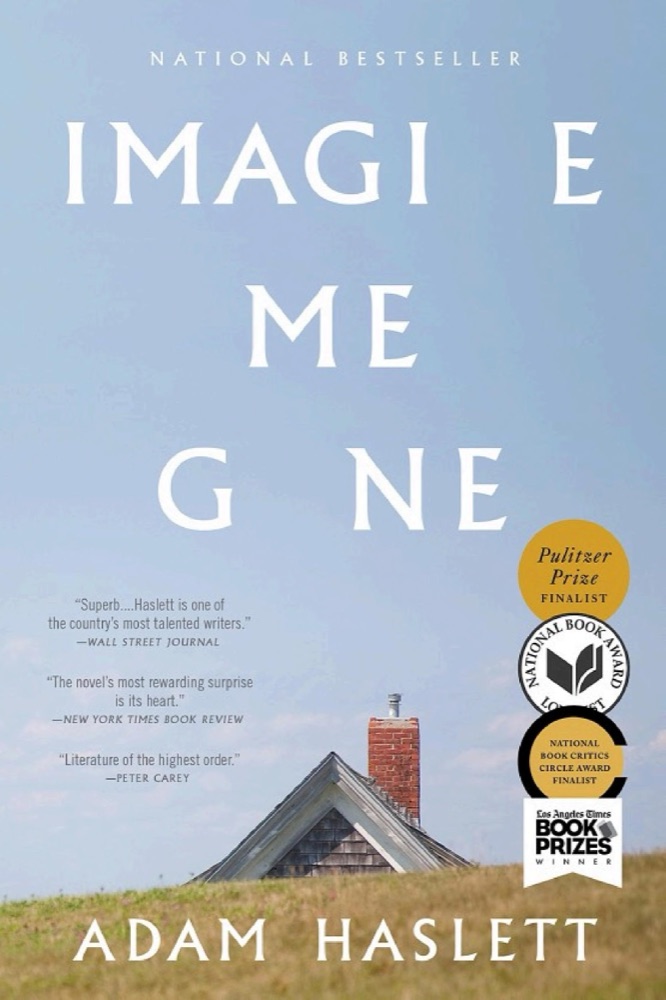 Imagine Me Gone
 The Bedwetter: Stories of Courage, Redemption, and Pee
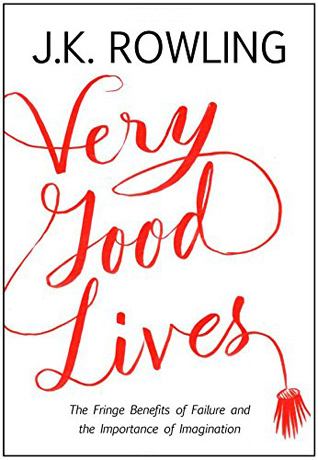 Very Good Lives: The Fringe Benefits of Failure and the Importance of Imagination
 They Call Her Dirty Sally
![[Don't] Call Me Crazy](/i/book/g/b2/dont-call-me-crazy.jpg) [Don't] Call Me Crazy
[Don't] Call Me Crazy
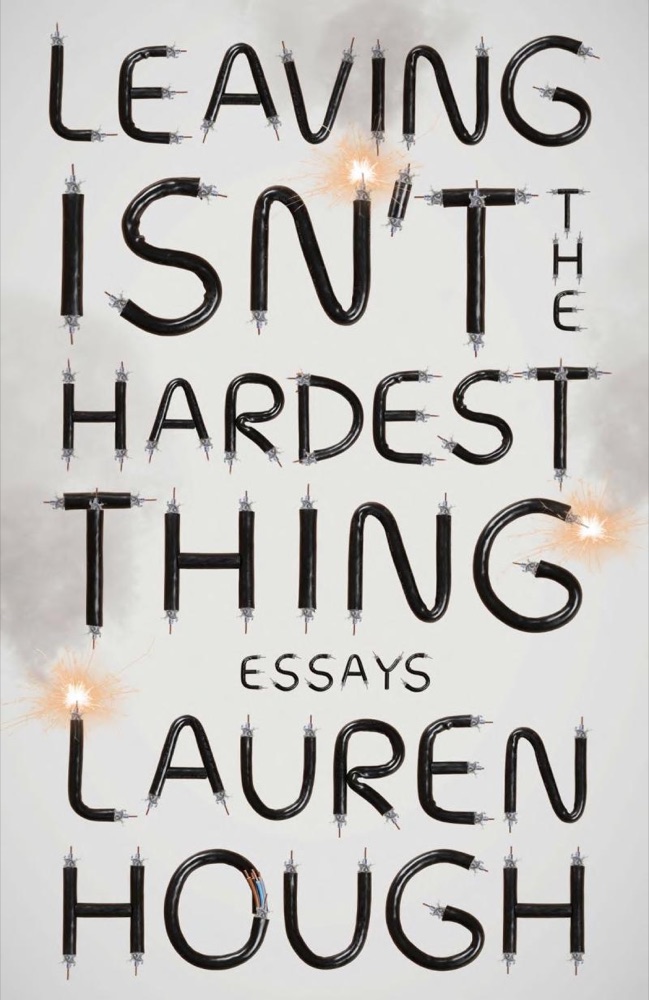 Leaving Isn't the Hardest Thing
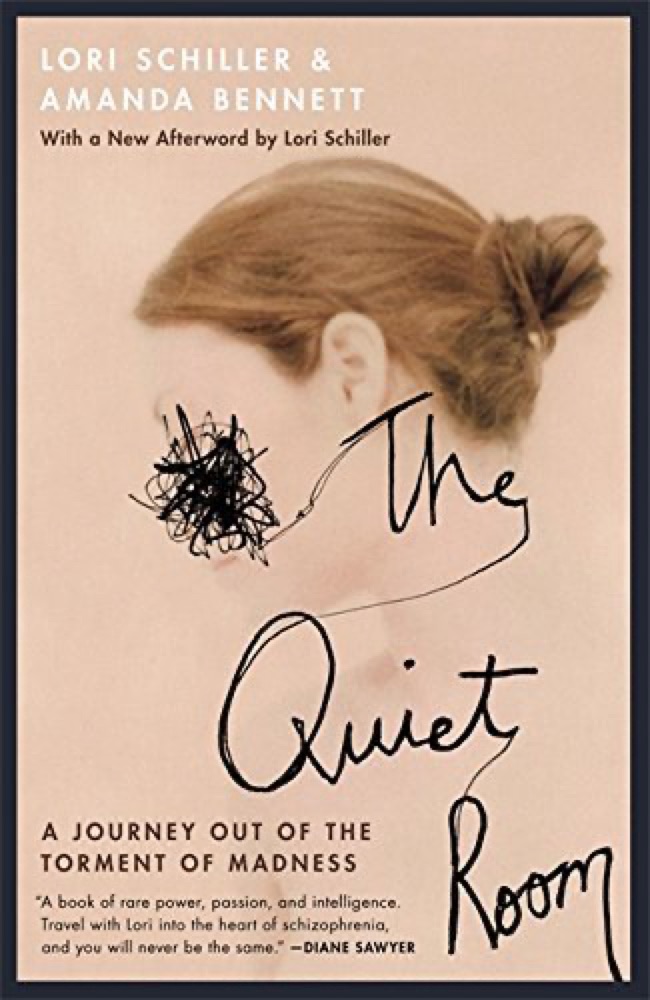 The Quiet Room: A Journey Out of the Torment of Madness
 Scar Tissue
 A Fraction of the Whole
 Natural Causes: An Epidemic of Wellness, the Certainty of Dying, and Killing Ourselves to Live Longer
 We Learn Nothing
 Revolutionary Road
 300 Arguments: Essays
 Flowers for Algernon
 Gifted Hands: The Ben Carson Story
 Why Be Happy When You Could Be Normal?
 Some Assembly Required: A Journal of My Son's First Son
 Almond