

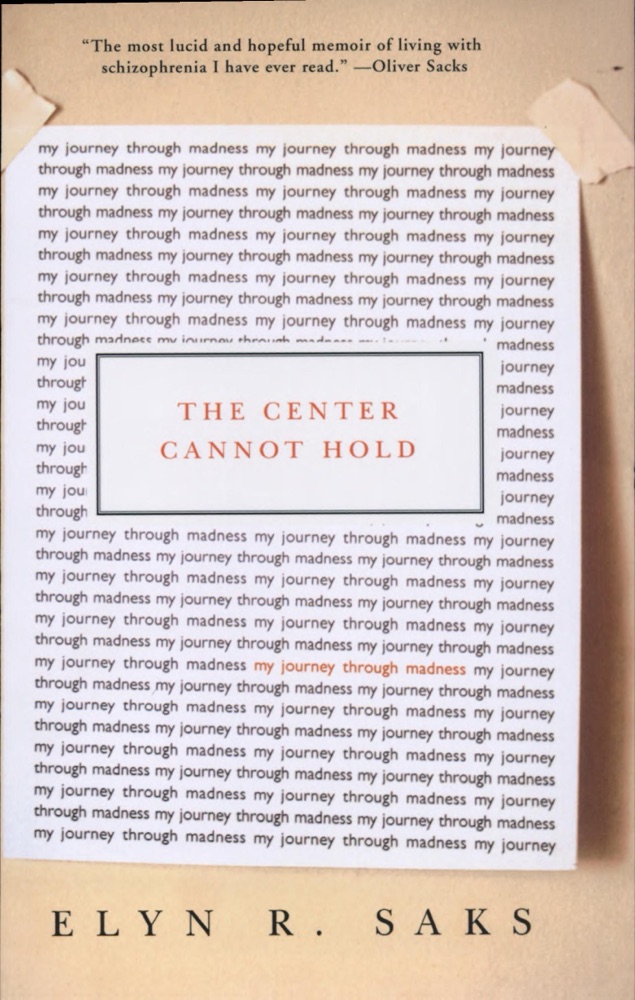
 The Center Cannot Hold: My Journey Through Madness
Quotes from the Book
Some people dislike diagnoses, disagreeably calling them, boxes and labels, but I've always found comfort in preexisting conditions; I like to know that I'm not pioneering an inexplicable experience.
27
Hung on my bedroom wall is a quote attributed to Joan of Arc: "I am not afraid. I was born to do this." However my life unfolds, goes my thinking, is how I am meant to live it; however my life unspools itself, I was created to bear it.
22
Among psychiatric researchers, having a job is considered one of the major characteristics of being a high-functioning person. ... Most critically, a capitalist society values productivity in its citizens above all else, and those with severe mental illness are much less likely to be productive in ways considered valuable: by adding to the cycle of production and profit.
21
A fictional narrative is considered nuanced when it includes contradictions, but a narrative of trauma is ill-advised to do the same.
17
The line between insanity and mysticism is thin; the line between reality and unreality is thin. Liminality as a spiritual concept is all about the porousness of boundaries.
14
...a primary feature of the experience of staying in a psychiatric hospital is that you will not be believed about anything. A corollary to this feature: things will be believed about you that are not at all true.
12
After all, it is easy to forget that psychiatric diagnoses are human constructs, and not handed down from an all-knowing God on stone tablets; to “have schizophrenia” is to fit an assemblage of symptoms, which are listed in a purple book made by humans.
10
Sick people, as it turns out, generally stray into alternative medicine not because they relish the idea of indulging in what others call quackery, but because traditional Western medicine has failed them.
9
In the language of cancer, people describe a thing that “invades” them so that they can then “battle” the cancer. No one ever says that a person is cancer, or that they have become cancer, but they do say that a person is manic-depressive or schizophrenic, once those illnesses have taken hold.
7
For those of us living with severe mental illness, the world is full of cages where we can be locked in.
7
When a certain kind of psychic detachment occurs, I retrieve my ribbon; I tie it around my ankle. I tell myself that should delusion come to call, or hallucinations crowd my senses again, I might be able to wrangle some sense out of the senseless. I tell myself that if I must live with a slippery mind, I want to know how to tether it too.
7
When an artist dies, the art that never was is often mourned with as much grief as—if not more grief than—the individual themself. The individual, after all, was flesh and blood. It’s the art that’s immortal.
6
Yes, I thought, our eyes meeting, you may think I'm hot, but I'm also a rotting corpse. Sucks to be you, sir.
6
With such unpleasant associations tied to the schizophrenias, it is no wonder that I cling to the concept of being high-functioning. As in most marginalized groups, there are those who are considered more socially appropriate than others, and who therefore distance themselves from those so-called inappropriate people, in part because being perceived as incapable of success causes a desire to distance oneself from other, similarly marginalized people who are thought to be even less capable of success.
4
A diagnosis is comforting because it provides a framework—a community, a lineage—and, if luck is afoot, a treatment or cure. A diagnosis says that I am crazy, but in a particular way: one that has been experienced and recorded not just in modern times, but also by the ancient Egyptians, who described a condition similar to schizophrenia in the Book of Hearts, and attributed psychosis to the dangerous influence of poison in the heart and uterus. The ancient Egyptians understood the importance of sighting patterns of behavior. Uterus, hysteria; heart, a looseness of association. They saw the utility of giving those patterns names.
4
Because I am capable of achievement, I find myself uncomfortable around those who are visibly psychotic and audibly disorganized. I’m uncomfortable because I don’t want to be lumped in with the screaming man on the bus, or the woman who claims that she’s the reincarnation of God. I’m uncomfortably uncomfortable because I know that these are my people in ways that those who have never experienced psychosis can’t understand, and to shun them is to shun a large part of myself.
3
There may be something comforting about the notion that there is, deep down, an impeccable self, without disorder, and that if I try hard enough, I can reach that unblemished self. But there may be no impeccable self to reach, and if I continue to struggle toward one, I might do mad in the pursuit.
3
Sartre claimed, "We are our choices," but what has a person become when it's assumed that said person is innately incapable of choice?
3
...I am afraid, but I am conscious enough to know that there is no hope even of death in perdition, only more of the same awful suffering. It stands apart from loss, injury, or perhaps even grief, all of which are terrible, and yet are still beautiful to the dead woman, who sees them as remarkably human, and alive.
3
To say this prayer—burn this candle—perform this ritual—create this salt or honey jar—is to have something to do when it seems that nothing can be done.
2
Rebecca Solnit says in The Faraway Nearby, “There is a serenity in illness that takes away all the need to do and makes just being enough,” which has not been my experience. After all, prolonged and chronic illness stitches itself into life in a different way than acute illness does. With chronic illness, life persists astride illness unless the illness spikes to acuity; at that point, surviving from one second to the next is the greatest ambition I can attempt. The absolution from doing more and dreaming big that I experience during surgeries and hospitalization is absent during chronic illness.
2
I'm still trying to figure out what "okay" is, particularly whether there exists a normal version of myself beneath the disorder, in the way a person with cancer is a healthy person first and foremost. In the language of cancer, people describe a thing that "invades" them so that they can then "battle" the cancer. No one ever says that a person is cancer, or that they have become cancer, but they do say that a person is manic-depressive or schizophrenic, once those illnesses have taken hold. In my peer education courses I was taught to say that I am a person with schizoaffective disorder. "Person-first language" suggests that there is a person in there somewhere without the delusion and the rambling and the catatonia. But what if there isn't? What happens if I see my disordered mind as a fundamental part of who I am?
2
Most of the time, I could stuff down the despair far enough that I continued to—pointlessly, in my mind—brush my teeth, sometimes wash my hair in the sink, and report my symptoms to the phantom who claimed to be my doctor.
2
Someday, we'll be able to trace all mental illnesses to autoimmune disorders. But we're not there yet.
2
my thinking, is how I am meant to live it;
2
lived a tragic existence as the madwoman in the attic;
2
I saw El Santuario as being built on hope, which is not the same thing as faith. Hope is a cast line in search of fish; faith is the belief that you won’t starve to death, or that if you do, God’s plan could account for the tragedy. My morning prayers begin with, “Blessed Mystery, thank you for … and Blessed Mystery, may I …” Remission appears over and over in the latter: May I be well.
2
Still, I did what I had done all my life when faced with something I did not understand: I read about it.
1
McQueen said about his clothing, “I want to empower women. I want people to be afraid of the women I dress,” which is another truth about fashioning normalcy: the way I clothe myself is not merely camouflage.
1
Watch on YouTube
About Esmé Weijun Wang
We have collected 29 quotes from 1 book by Esmé Weijun Wang on BookQuoters.
More about the author →About the book
An intimate, moving book written with the immediacy and directness of one who still struggles with the effects of mental and chronic illness, The Collected Schizophrenias cuts right to the core. Schizophrenia is not a single unifying diagnosis, and Esme Weijun Wang writes not just to her fellow members of the "collected schizophrenias" but to those who wish to understand it as well. Opening with the journey toward her diagnosis of schizoaffective disorder, Wang discusses the medical community's own disagreement about labels and procedures for diagnosing those with mental illness, and then follows an arc that examines the manifestations of schizophrenia in her life. In essays that range from using fashion to present as high-functioning to the depths of a rare form of psychosis, and from the failures of the higher education system and the dangers of institutionalisation to the complexity o
Book details
- First published
- 2019
- Author
- Esmé Weijun Wang
- Genre
- Nonfiction
- Goodreads rating
- 4.12 (21k ratings)
The buzz
- The New York TimesReview in The New York Timesprofessional review (via Book Marks)
- The New YorkerReview in The New Yorkerprofessional review (via Book Marks)
- The Washington PostReview in The Washington Postprofessional review (via Book Marks)
- NPRReview in NPRprofessional review (via Book Marks)
- Los Angeles TimesReview in Los Angeles Timesprofessional review (via Book Marks)
- The Times Literary SupplementReview in The Times Literary Supplementprofessional review (via Book Marks)
Keep reading
The Center Cannot Hold: My Journey Through Madness
![[Don't] Call Me Crazy](/i/book/g/b2/dont-call-me-crazy.jpg) [Don't] Call Me Crazy
[Don't] Call Me Crazy
 The Divided Self: An Existential Study in Sanity and Madness
 An Unquiet Mind: A Memoir of Moods and Madness
 Just Like Someone Without Mental Illness Only More So
 Hello I Want to Die Please Fix Me: Depression in the First Person
 The Invisible Kingdom: Reimagining Chronic Illness
 Committed: On Meaning and Madwomen
 Shoot the Damn Dog: A Memoir of Depression
 Natural Causes: An Epidemic of Wellness, the Certainty of Dying, and Killing Ourselves to Live Longer
 In Shock: My Journey from Death to Recovery and the Redemptive Power of Hope
 Brain on Fire: My Month of Madness
 Loud in the House of Myself: Memoir of a Strange Girl
 The Asylum for Wayward Victorian Girls
 Underground: The Tokyo Gas Attack and the Japanese Psyche
 In The Blood
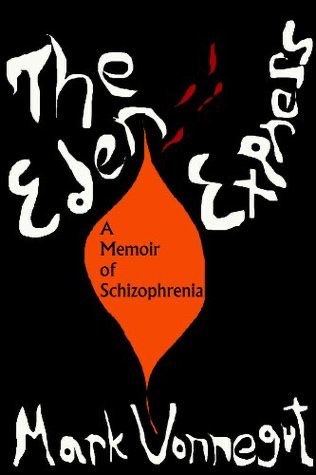 The Eden Express: A Memoir of Insanity
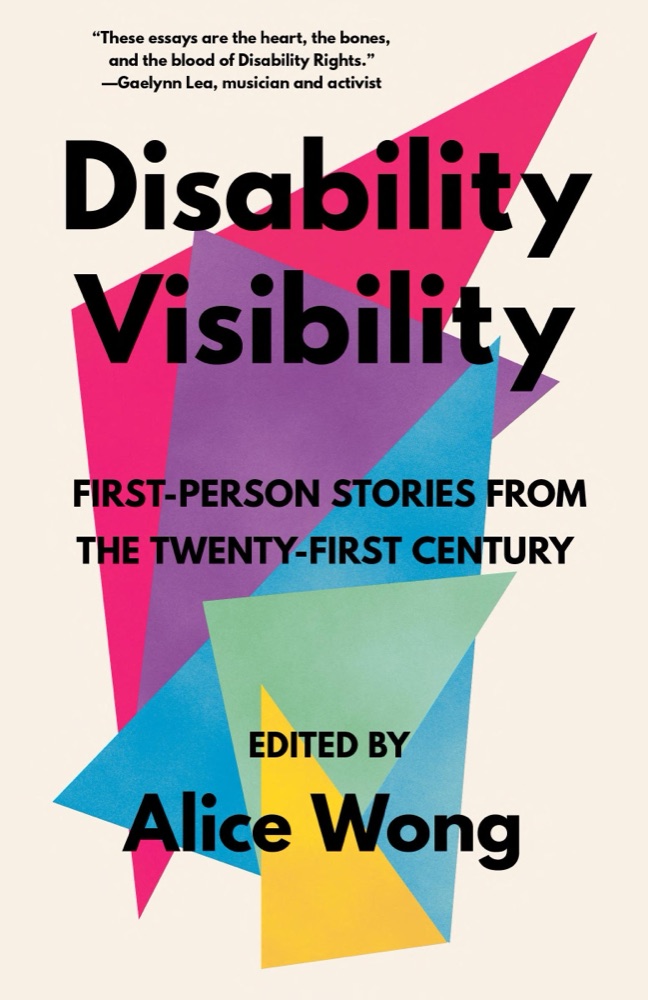 Disability Visibility: First-Person Stories from the Twenty-first Century
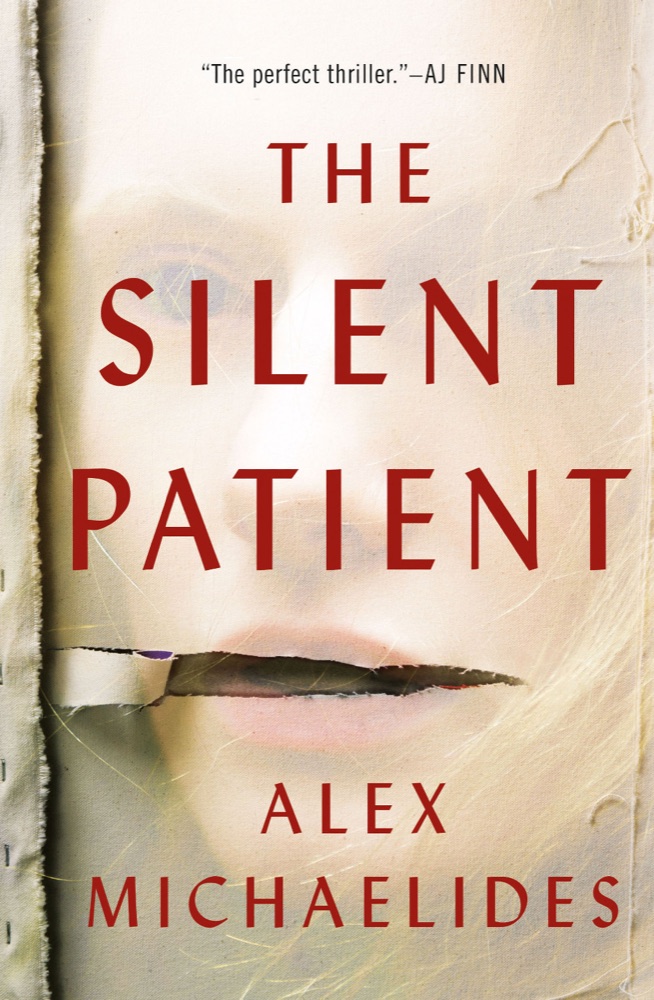 The Silent Patient
 The Story of the Lost Child
 Heart Berries
 Alias Grace
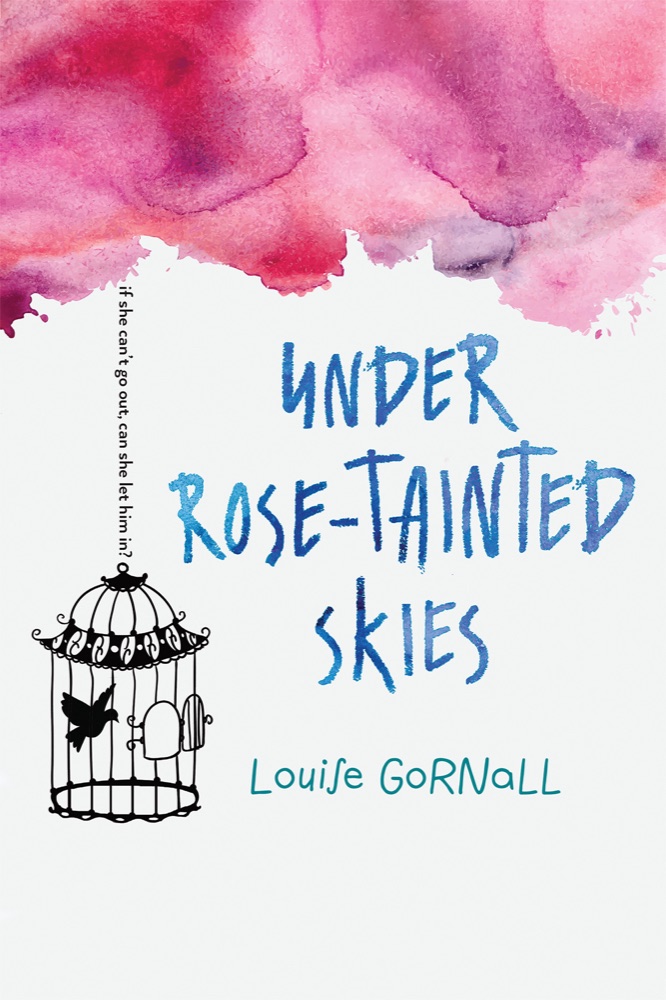 Under Rose-Tainted Skies
 Inheritance: A Memoir of Genealogy, Paternity, and Love
 In the Dream House
 Stella Maris
 Words on Bathroom Walls
 Girl, Interrupted
 Wishful Drinking
 The Noonday Demon: An Atlas of Depression
 Imagine Me Gone
 Why Religion? A Personal Story
 Infinite Jest
 The Collected Stories of Lydia Davis
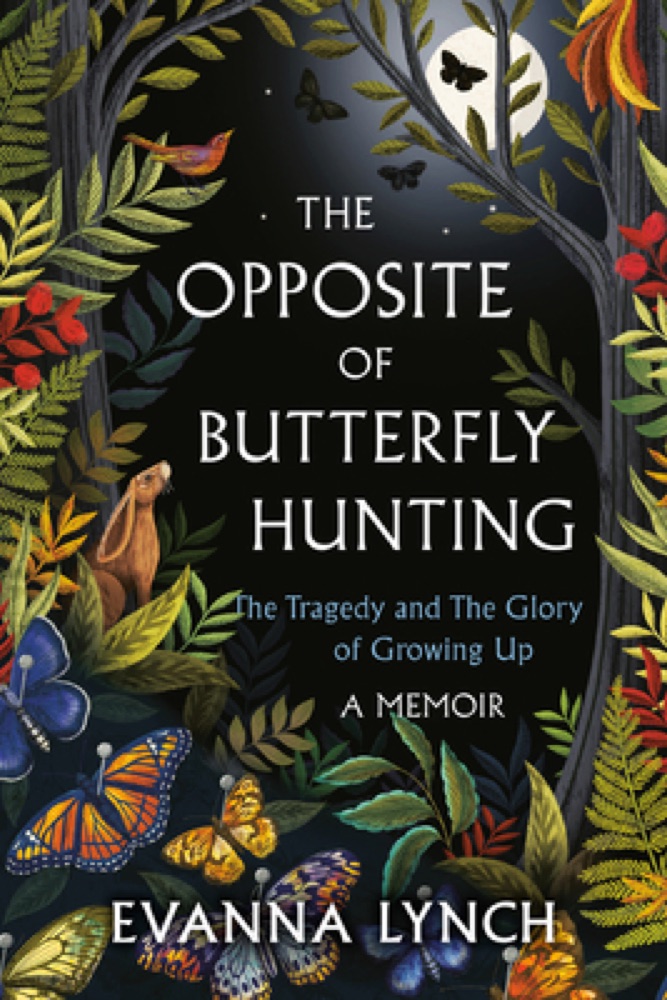 The Opposite of Butterfly Hunting: The Tragedy and The Glory of Growing Up
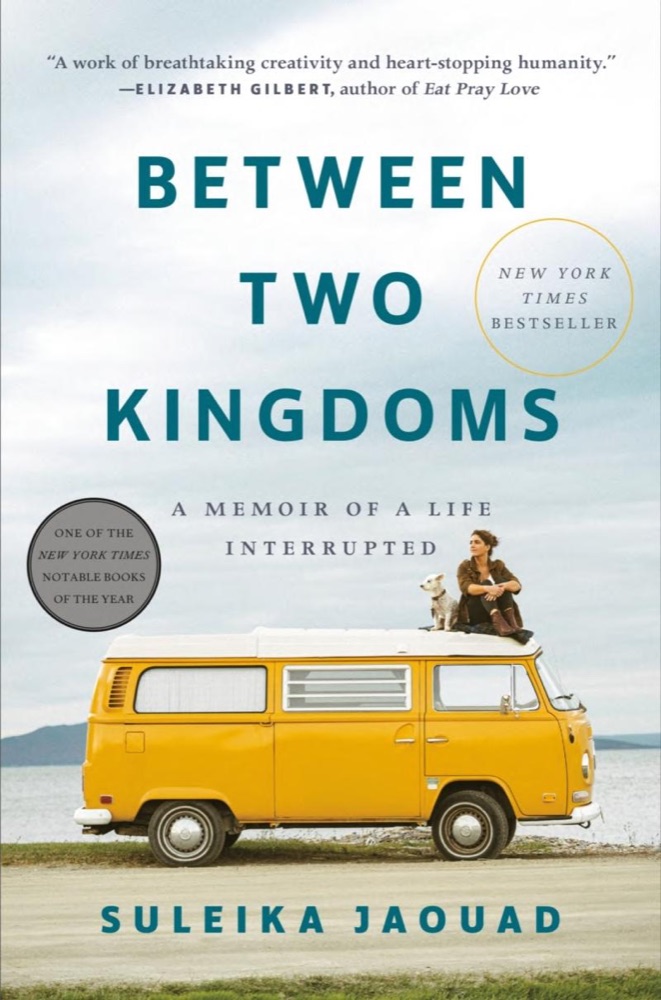 Between Two Kingdoms: A Memoir of a Life Interrupted
 Get Me Out of Here: My Recovery from Borderline Personality Disorder
 Madness: A Bipolar Life
 No Longer Human
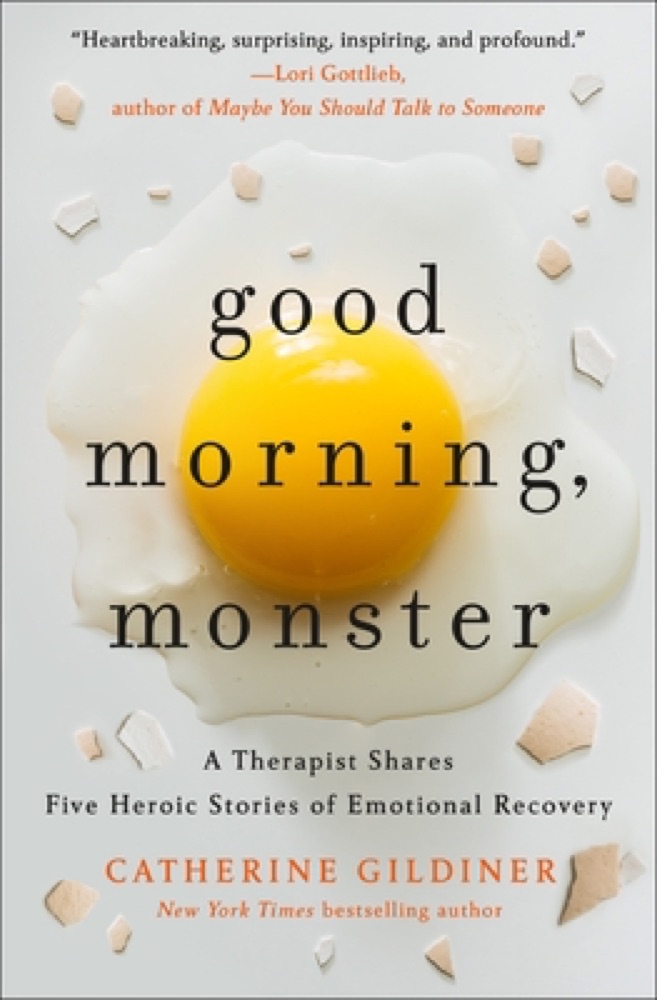 Good Morning, Monster: A Therapist Shares Five Heroic Stories of Emotional Recovery
 Living with a Wild God: A Nonbeliever's Search for the Truth about Everything
 The Spirit Bares Its Teeth
 Where My Heart Used to Beat
 The Empusium
 I Never Promised You a Rose Garden
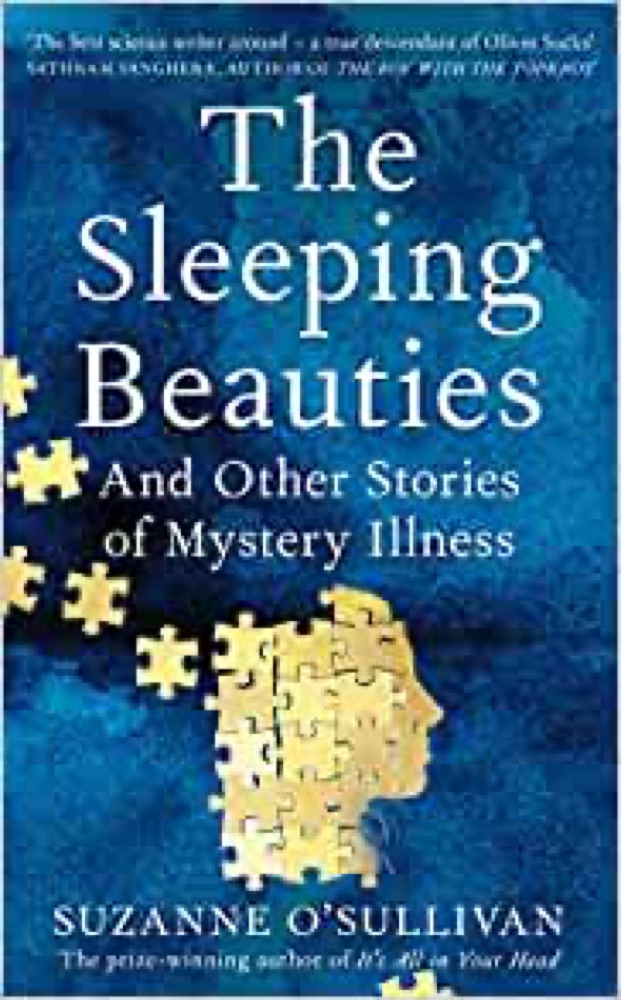 The Sleeping Beauties: And Other Stories of Mystery Illness
 Robicheaux
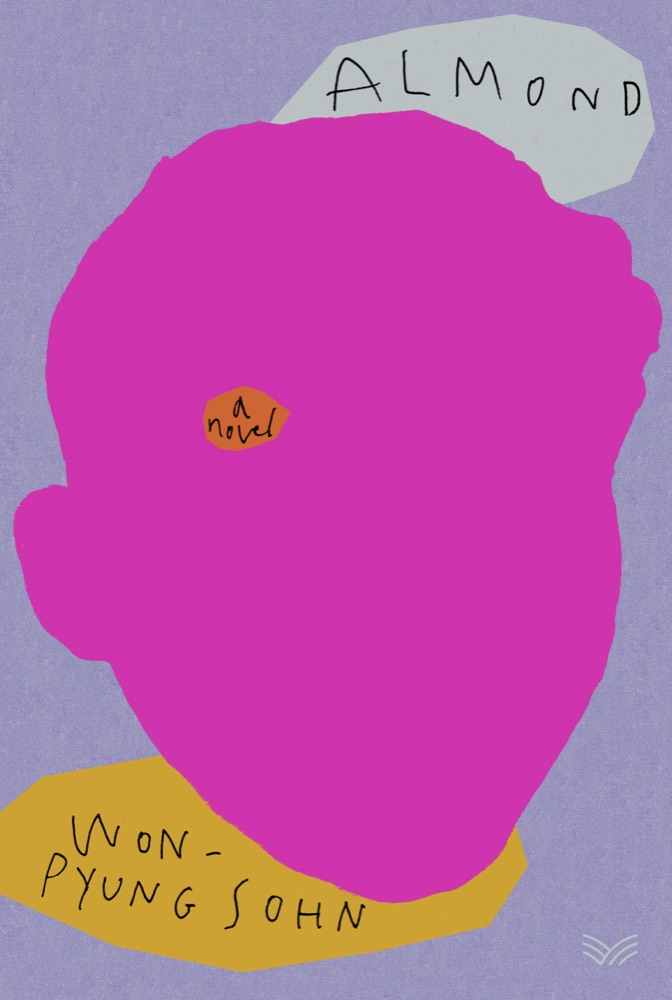 Almond
 Make It Scream, Make It Burn
 The Color of Everything: A Journey to Quiet the Chaos Within
 Paperweight
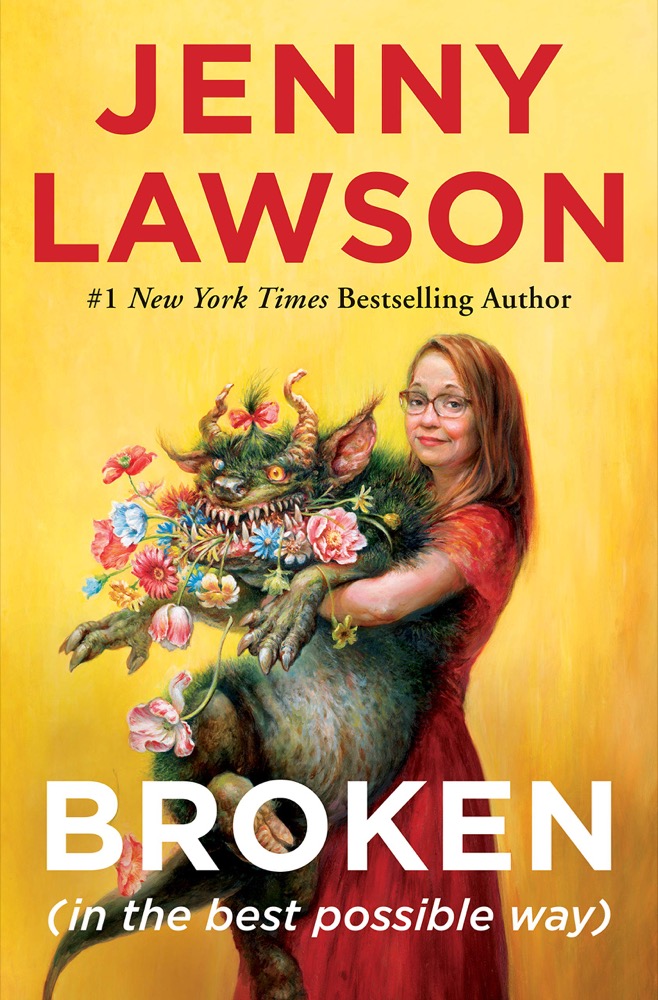 Broken
 Legion
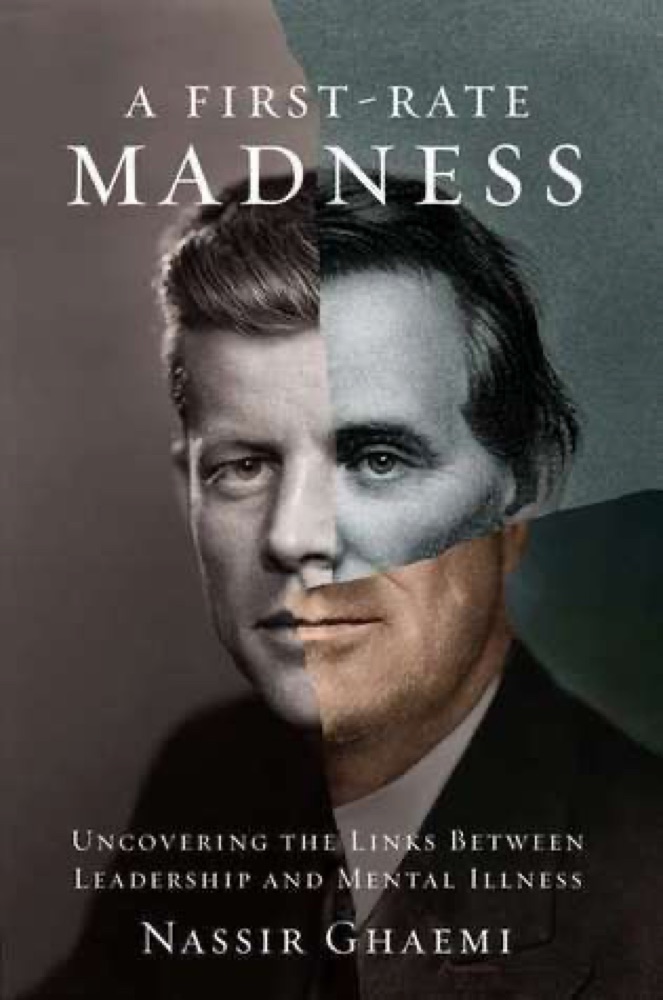 A First-Rate Madness: Uncovering the Links Between Leadership and Mental Illness
 The Girl in the Castle
 A Burst of Light
 The Hilarious World of Depression
 The Nobleman's Guide to Scandal and Shipwrecks
 Ten Steps to Nanette