
 Let's Explore Diabetes with Owls
Quotes from the Book
I don't really understsand why it's considered normal to stare at someone's eyeballs
We began reading books together. He loved Dr. Seuss. I read those books so often I could turn the pages and say the words from memory. I became bored with repetition, and I began to make subtle alterations. The story turned into: One fish Two fish Black fish Blue fish I eat you fish And: See them all See them run The man in back He has a gun
I used to fear barking dogs. I would cringe and say to myself, 'Nice doggie please don't bite me I'll just go away,' but by that night I could look at them and think, I am your worst nightmare. Come closer and I will impale you upon my stick. The more I firmly visualized it, the more the dogs believed it. Now the tables had turned. Now the dogs feared me.
As a functional Aspergian adult, one thing troubles me deeply about those kids who end up behind the second door. Many descriptions of autism and Asperger’s describe people like me as “not wanting contact with others” or “preferring to play alone.” I can’t speak for other kids, but I’d like to be very clear about my own feelings: I did not ever want to be alone. And all those child psychologists who said “John prefers to play by himself” were dead wrong. I played by myself because I was a failure at playing with others. I was alone as a result of my own limitations, and being alone was one of the bitterest disappointments of my young life.
[My brother] shaped my young life. First, he taught me how to walk. Then, armed with sticks and dead snakes, he chased me and I learned how to run.
Asperger’s is not a disease. It’s a way of being. There is no cure, nor is there a need for one. There is, however, a need for knowledge and adaptation on the part of Aspergian kids and their families and friends.
And my experience in the music scene had shown me that there were places for places in the world where misfits were welcome.
When we pulled in, the customs officer looked in the back. The back of the wagon was filled with cases stenciled PINK FLOYD--LONDON. 'Got Pink Floyd in the back of the car, do you?' he asked. 'Righto, mate. We shrunk 'em and stuck 'em in fookin' boxes, we did,' said Nigel. Amazingly, the customs officer laughed and waved us through.
This is a f***ing mess," I said tactfully.
It must be my logical consideration of a decision many see as purely intuitive or emotional that throws other people for a loop.
I tried to show him things, but he didn't seem to study what I showed him. Usually, he just put whatever I handed him in his mouth. He would try to eat anything. I fed him Tabasco sauce and he yelled. Having a little brother helped me learn to relate to other people. Being a little brother, Snort learned to watch what he put in his mouth.
Sociopath” and “psycho” were two of the most common field diagnoses for my look and expression. I heard it all the time: “I’ve read about people like you. They have no expression because they have no feeling. Some of the worst murderers in history were sociopaths.
They enrolled me in a group for troubled kids. We would meet each week in an old farmhouse owned by the university and talk about our problems getting along. . . . . They didn't teach me to get along, but I did learn that there were plenty of other kids who couldn't get along any better than me. That in itself was encouraging. I realized that I was not the bottom of the barrel. Or if I was, the bottom was roomy because there were a lot of us down there.
I needed to stop forcing myself to fit into something I could never be a part of.
Soon I was spending all my time in the basement, and I had moved from taking things apart to putting new things together. I began by building simple devices. Some, like my radios, were useful. Others were merely entertaining. For example, I discovered I could solder some stiff wires onto a capacitor and charge it up. For a few minutes, until the charge leaked away, I had a crude stun gun. ...So I decided to try it on my little brother. I charged the capacitor to a snappy but nonlethal level from a power supply I'd recently removed from our old Zenith television. 'Hey, let's play Jab a Varmint,' I said. I tried to smile disarmingly, keeping the capacitor behind my back and making sure I didn't ruin the effect by jabbing myself or some other object. 'What's that?' he asked, suspiciously. Before he could escape, I stepped across the room and jabbed him. He jumped. Pretty high, too. Sometimes he would fight back, but this time he ran. The jab was totally unexpected and he didn't realize that I only had the one jab in my capacitor. It would be several years before I had the skill to make a multishot Varmint Jabber.
The hard part was living the contrast between being rich and being broke. It was like being smart, and waking up one day to find yourself dumb as a rock, but able to remember your former brains.
Last summer, when he thought I wasn't looking, I observed Cubby telling one of the neighborhood six-year-olds that there were dragons living in the storm drains, under our street. 'We feed them meat...and then they don't get hungry and blow fire and roast us.' Little James listened closely, with a very serious expression on his face. Then he ran home to get some hot dogs from his mother.
My conversational difficulties highlight a problem Aspergians face every day. A person with an obvious disability—for example, someone in a wheelchair—is treated compassionately because his handicap is obvious. No one turns to a guy in a wheelchair and says, “Quick! Let’s run across the street!” And when he can’t run across the street, no one says, “What’s his problem?” They offer to help him across the street. With me, though, there is no external sign that I am conversationally handicapped. So folks hear some conversational misstep and say, “What an arrogant jerk!” I look forward to the day when my handicap will afford me the same respect accorded to a guy in a wheelchair. And if the respect comes with a preferred parking space, I won’t turn it down.
...delineated with signs reading: TOWN OF AMHERST WATERSHED NO TRESPASSING Which every boy in the neighborhood understood as: PRIVATE PRESERVE FOR KIDS
Nice people like them by children like him and raise them as pets. But he didn't want to be a pet today.
The fact is, from an evolutionary standpoint, people have an inbred tendency to care about and protect themselves and their immediate family. We do not naturally care about people we don’t know. If ten people get killed in a bus crash in Brazil, I don’t feel anything at all. I understand intellectually that it’s sad, but I don’t feel sad. But then I see people making a big deal over it and it puzzles and troubles me because I don’t seem to be reacting the same way. For much of my life, being different equated to being bad, even though I never thought of myself that way.
I have what you might call “logical empathy” for people I don’t know. That is, I can understand that it’s a shame that those people died in the plane crash. And I understand they have families, and they are sad. But I don’t have any physical reaction to the news. And there’s no reason I should. I don’t know them and the news has no effect on my life. Yes, it’s sad, but the same day thousands of other people died from murder, accident, disease, natural disaster, and all manner of other causes. I feel I must put things like this in perspective and save my worry for things that truly matter to me.
As a logical thinker, I cannot help thinking, based on the evidence, that many people who exhibit dramatic reactions to bad news involving strangers are hypocrites. That troubles me. People like that hear bad news from across the world, and they burst into wails and tears as though their own children have just been run over by a bus. To me, they don’t seem very different from actors and actresses—they are able to burst into tears on command, but does it really mean anything?
As I've gotten older, I have taught myself to act "normal." I can do it well enough to fool the average person for a whole evening, maybe longer. But it all falls apart if I hear something that elicits a strong emotional reaction from me that is different from what people expect. In an instant, in their eyes, I turn into the sociopathic killer I was believed to be forty years ago.
Because speaking while watching things has always been difficult for me, learning to drive a car and talk at the same time was a tough one, but I mastered it.
I knew I was some kind of misfit, but it was becoming apparent that some of the grown-ups who smiled sweetly and told me how terrible and fucked-up I was were complete fuckups themselves.
When Martha first met me, I was anxious and jumpy. I was always tapping my foot, rocking, or exhibiting some other behavioral aberration. Of course, now we know that’s just normal Aspergian behavior, but back then other people thought it was weird, so of course I did, too. One day, for some reason, she decided to try petting my arm, and I immediately stopped rocking and fidgeting. The result was so dramatic, she never stopped. It didn’t take long for me to realize the calming effect, too. I like being petted and scratched. “Can you pet me?” I say when I sit next to her.
There are plenty of people in the world whose lives are governed by rote and routine. Such people will never be happy dealing with me, because I don’t conform. Luckily, the world is also full of people who care about results, and those people are usually very happy with me, because my Asperger’s compels me to be the ultimate expert in whatever field of interest I choose. And with substantial knowledge, I can obtain good results.
Appearing as a character in my brother’s books taught me something about myself. For most of my life, my history as an abused child with what I saw as a personality defect was shameful and embarrassing. Being a failure and a high school dropout was humiliating, no matter how well I subsequently did. I lied about my age, my education, and my upbringing for years because the truth was just too horrible to reveal. His book, and people’s remarkable acceptance of us as we are, changed all that. I was finally free.
Unlike some older brothers, I never set him on fire, or cut off an arm or a leg, or drowned him in the tub.
am always calmer and more relaxed in a pile, being petted. Nowadays, for the first time, I fall asleep quickly and I seldom have bad dreams. If I wake up, she puts a paw on me and I go back to sleep. I put a paw on her,
4
child psychologists who said “John prefers to play by himself” were dead wrong. I played by myself because I was a failure at playing with others. I was alone as a result of my own limitations, and being alone was one of the bitterest disappointments of my young life.
3
Watch on YouTube
About John Elder Robison
We have collected 32 quotes from 1 book by John Elder Robison on BookQuoters.
More about the author →About the book
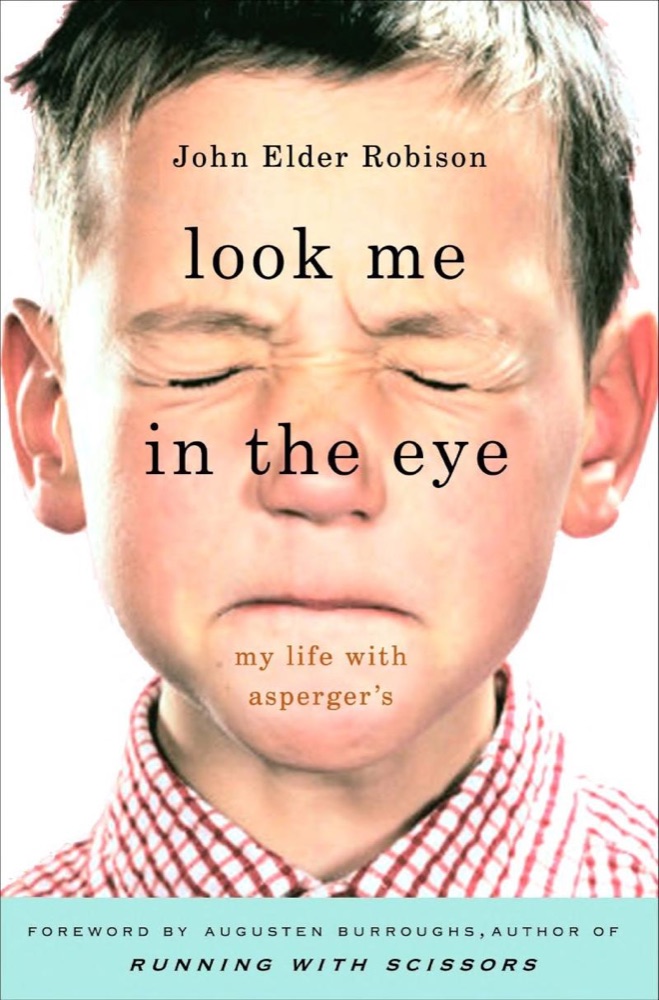
Ever since he was small, John Robison had longed to connect with other people, but by the time he was a teenager, his odd habits—an inclination to blurt out non sequiturs, avoid eye contact, dismantle radios, and dig five-foot holes (and stick his younger brother in them)—had earned him the label “social deviant.” No guidance came from his mother, who conversed with light fixtures, or his father, who spent evenings pickling himself in sherry. It was no wonder he gravitated to machines, which could, at least, be counted on.
After fleeing his parents and dropping out of high school, his savant-like ability to visualize electronic circuits landed him a gig with KISS, for whom he created their legendary fire-breathing guitars. Later, he drifted into a “real” job, as an engineer for a major toy company. But the higher Robison rose in the company, the more he had to pretend to be “normal” a
Book details
- First published
- 2007
- Author
- John Elder Robison
- Genre
- Nonfiction
- Goodreads rating
- 3.92 (70k ratings)
Keep reading
Let's Explore Diabetes with Owls
 I Am Not A Serial Killer
 The Discomfort Zone: A Personal History
 I'm Fine...And Other Lies
 Unraveling Isobel
 Me Talk Pretty One Day
 The Bedwetter: Stories of Courage, Redemption, and Pee
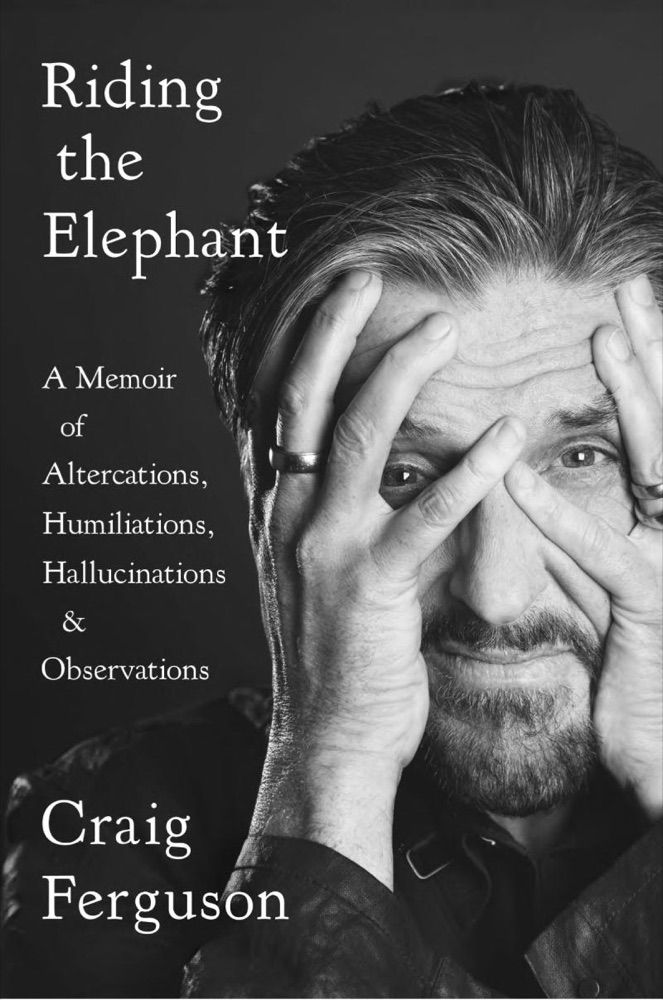 Riding the Elephant: A Memoir of Altercations, Humiliations, Hallucinations, and Observations
 Sleepwalk With Me and Other Painfully True Stories
 Dark Places
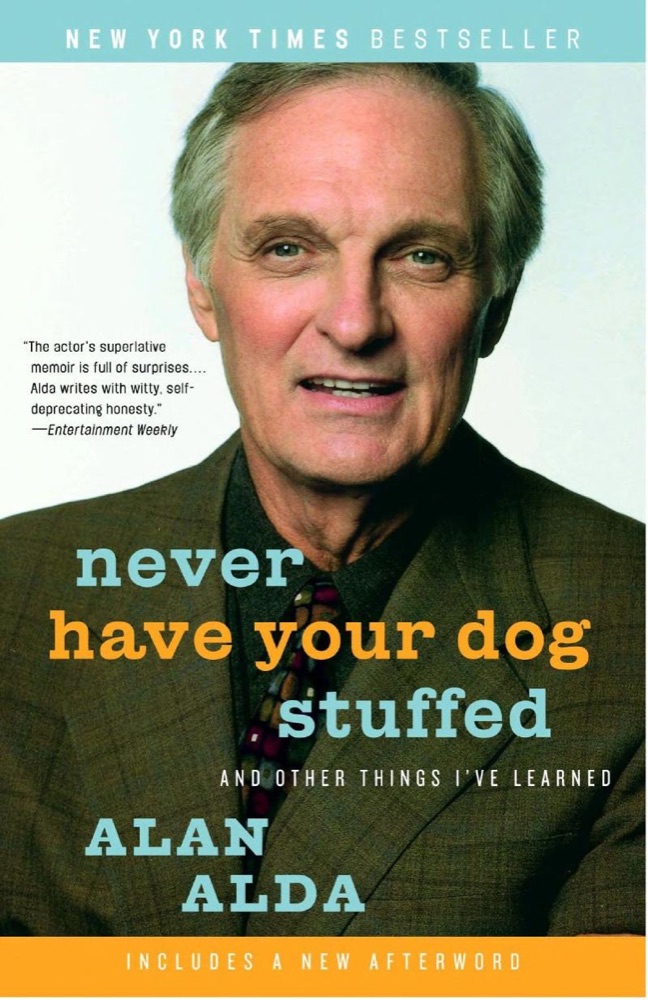 Never Have Your Dog Stuffed: And Other Things I've Learned
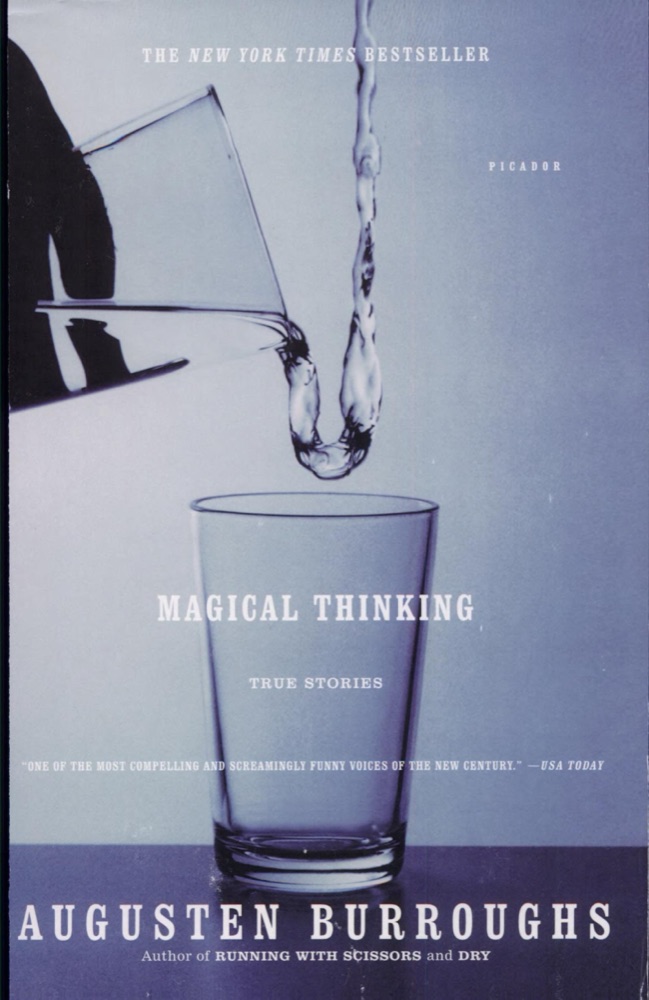 Magical Thinking: True Stories
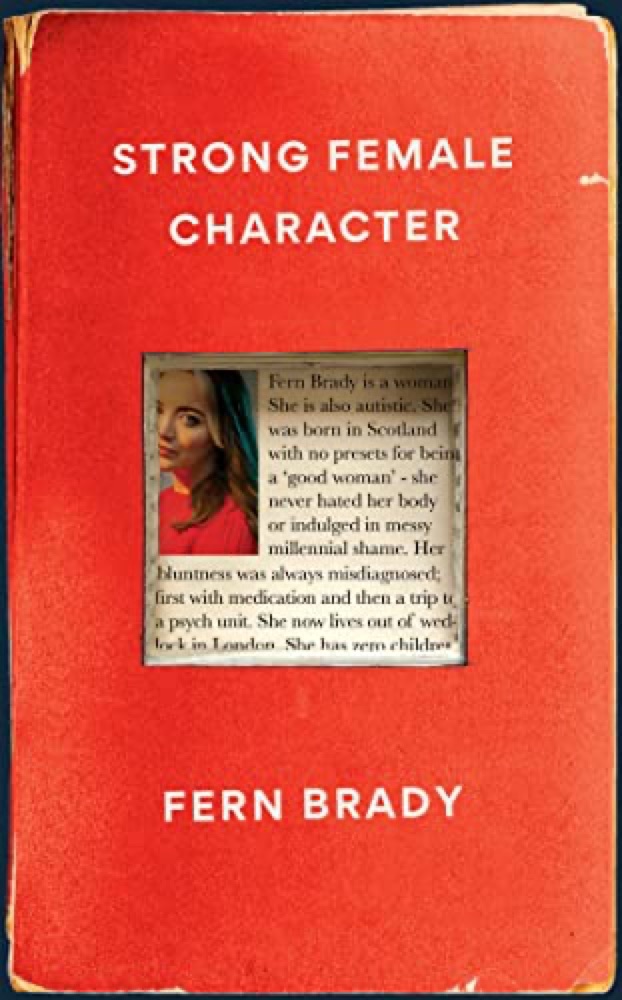 Strong Female Character
 The Eden Express: A Memoir of Insanity
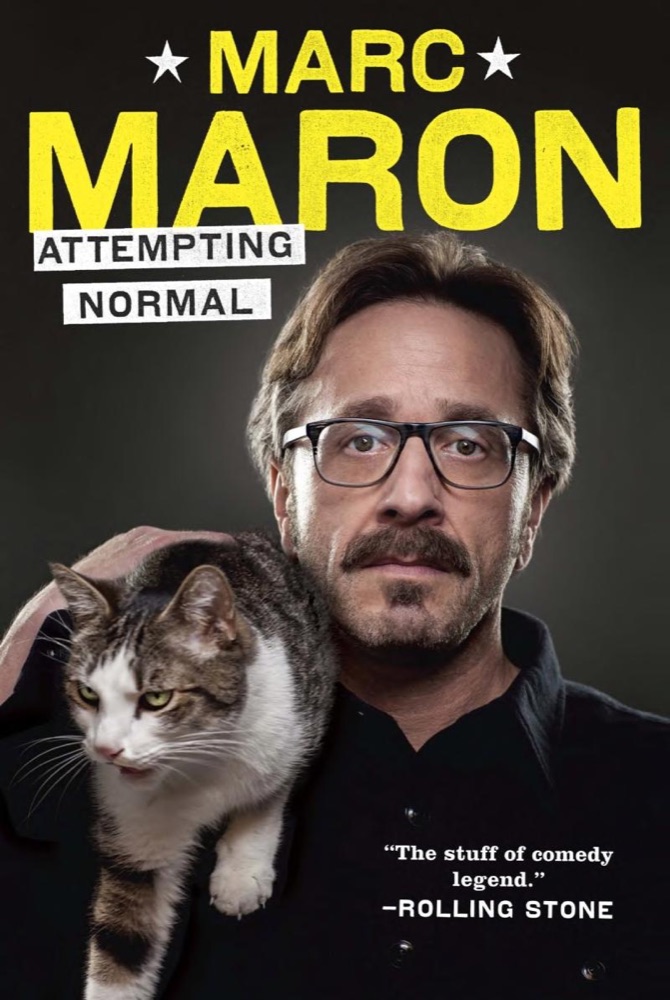 Attempting Normal
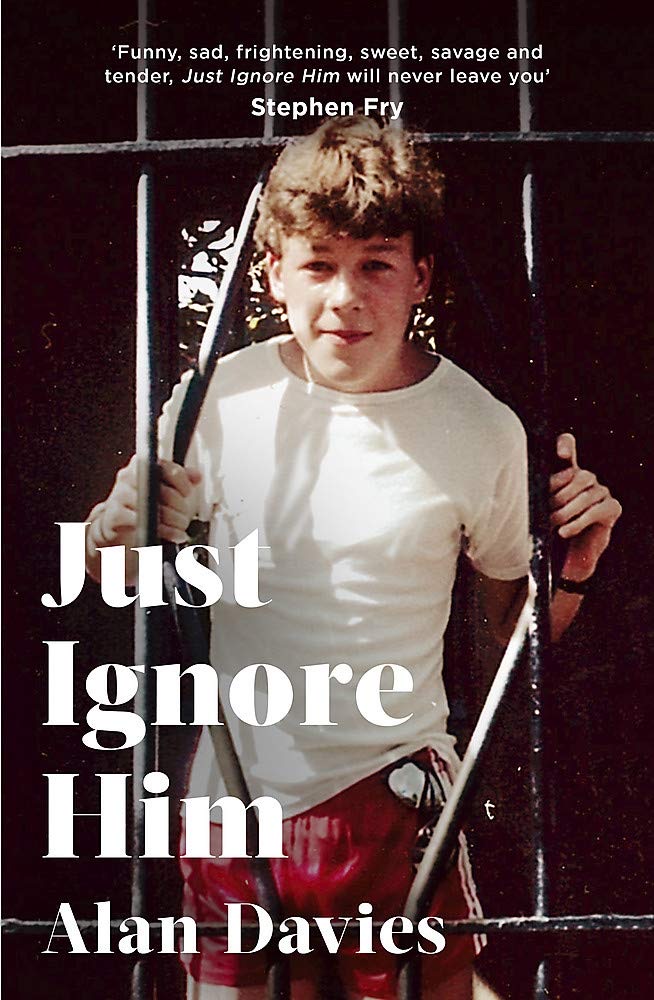 Just Ignore Him
 Life Will Be the Death of Me: . . . and you too!
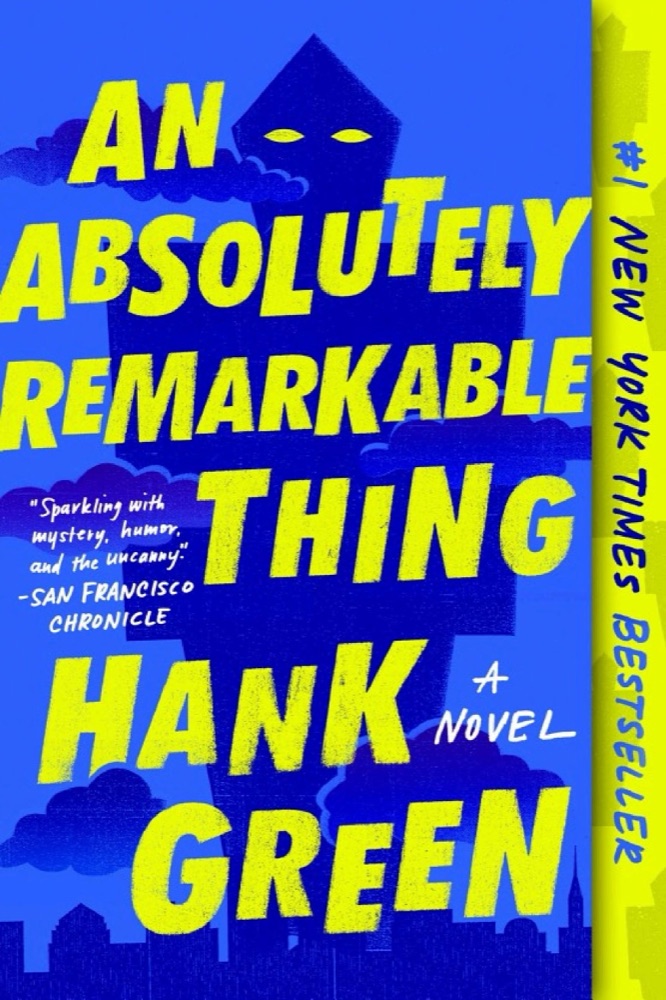 An Absolutely Remarkable Thing
 Where Things Come Back
 My Booky Wook
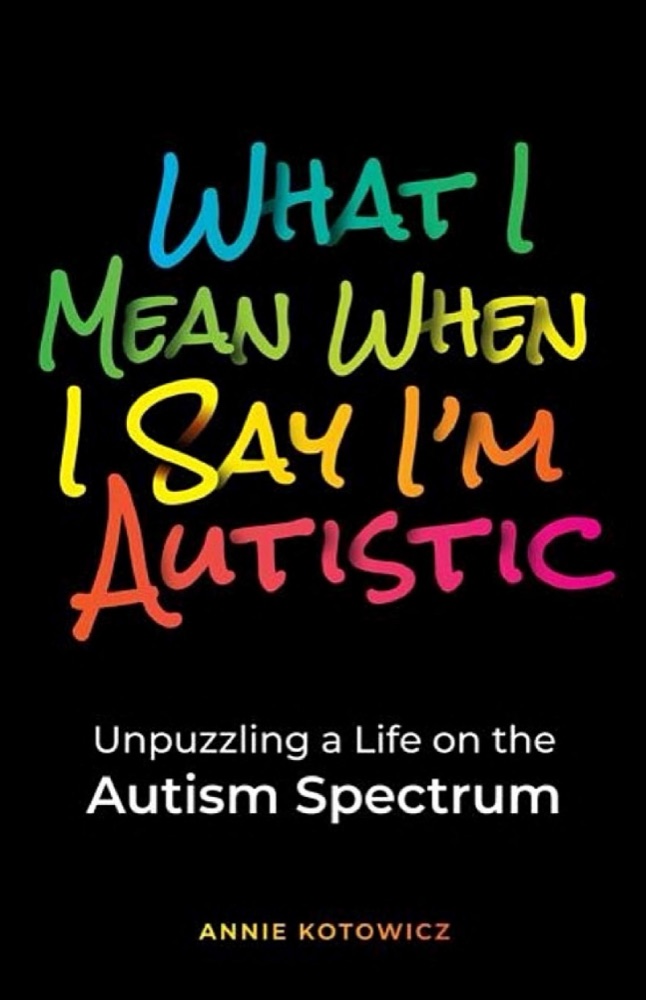 What I Mean When I Say I'm Autistic: Unpuzzling a Life on the Autism Spectrum
 The Wasp Factory
 In the Miso Soup
 Hemlock & Silver
 Theft by Finding: Diaries 1977-2002
 Brain Droppings
 Lullabies for Little Criminals
 Blood Sugar
 Stranded
 Crenshaw
 Neanderthal Seeks Human
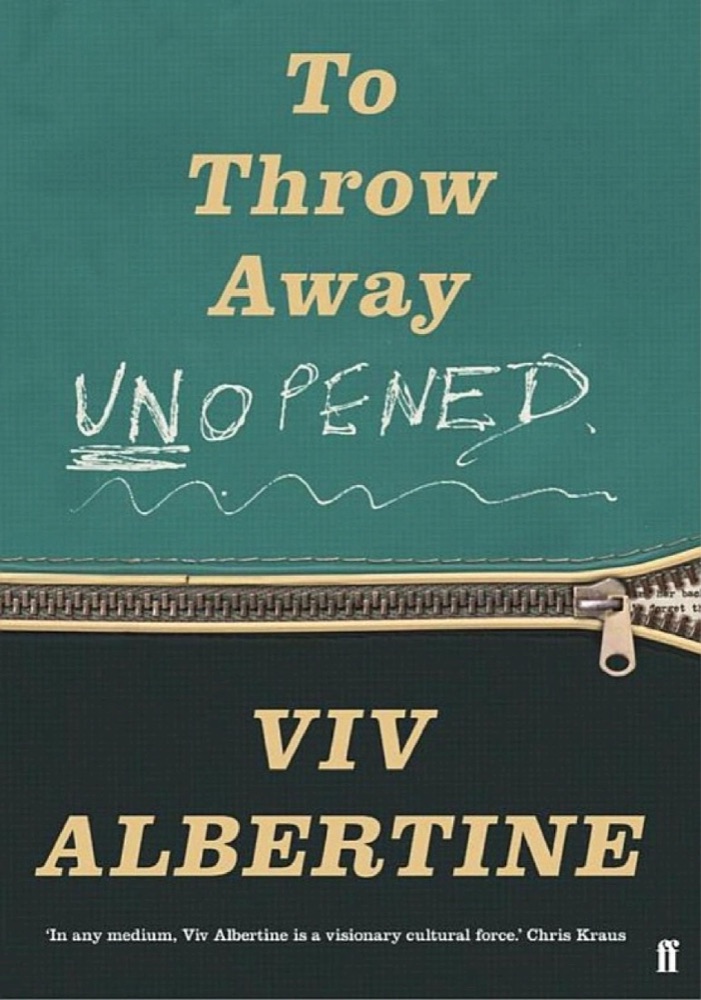 To Throw Away Unopened
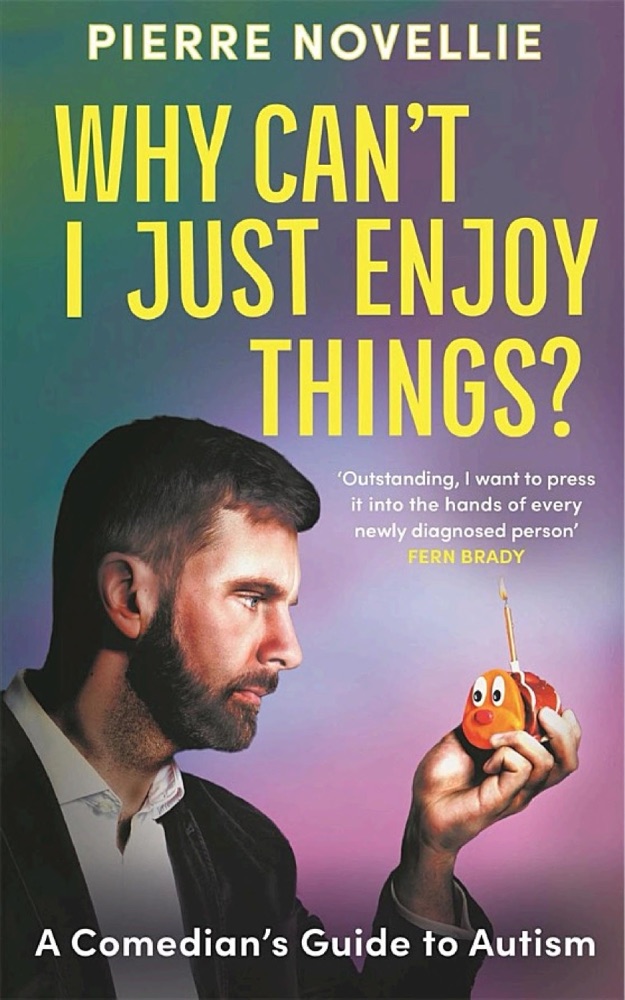 Why Can't I Just Enjoy Things?: A Comedian's Guide to Autism
 Prep
Prep
 Wishful Drinking
 The Folded Clock: A Diary
 Somebody's Daughter
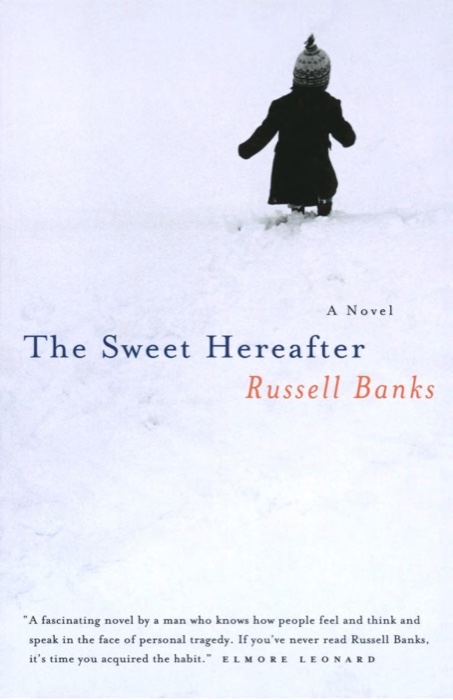 The Sweet Hereafter
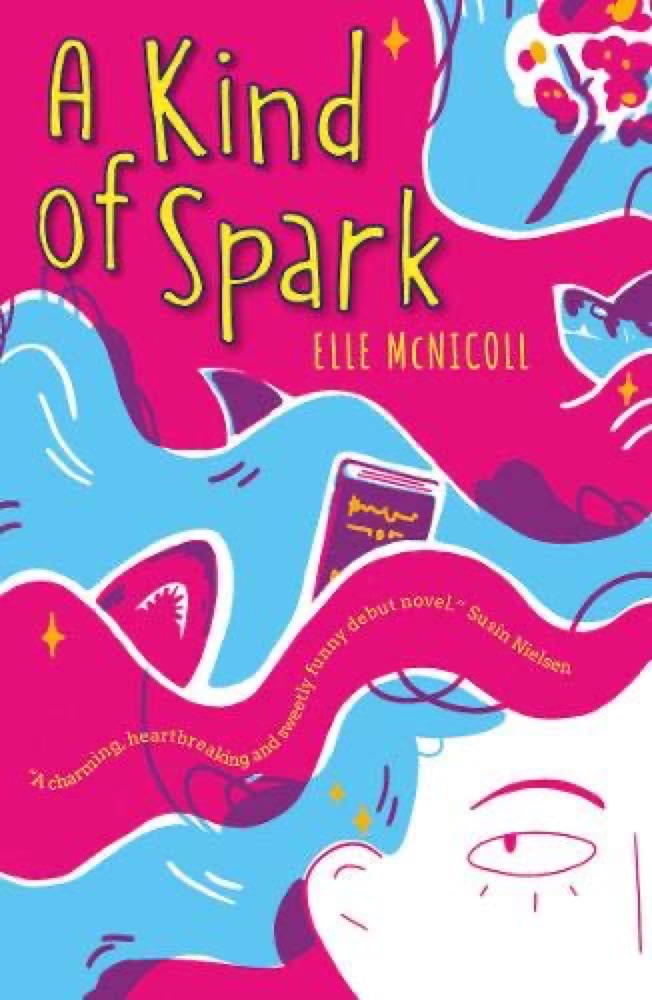 A Kind of Spark
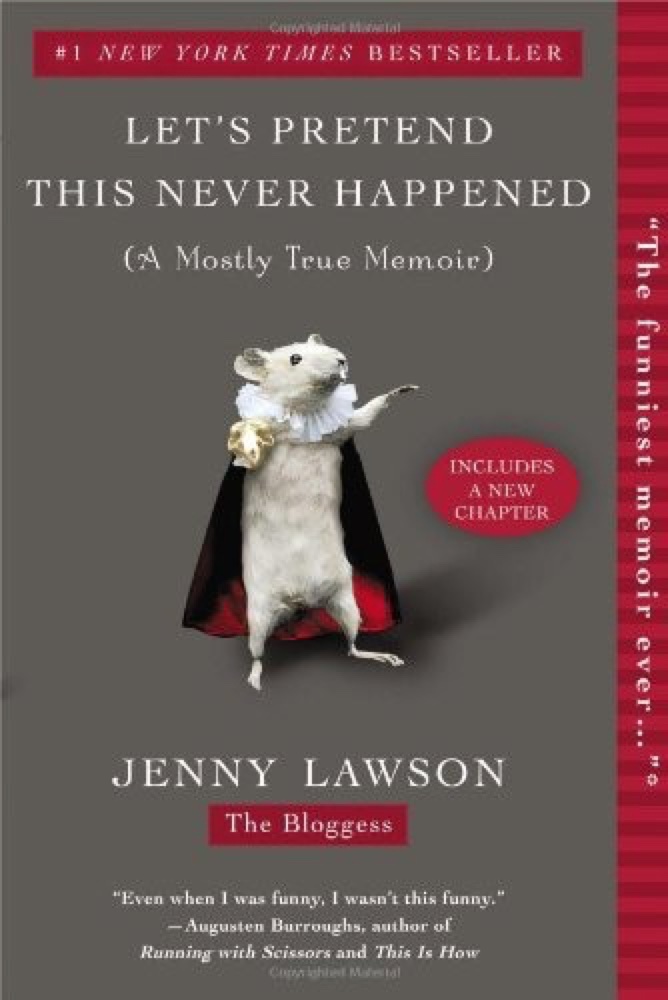 Let's Pretend This Never Happened: A Mostly True Memoir
 Possible Side Effects
 Convenience Store Woman
 Machine Man
 Almond
 Underdog
 I Have Some Questions for You
 Milkman
 The Nature of Jade
 Me
Me
 The Saturday Night Ghost Club
 American on Purpose: The Improbable Adventures of an Unlikely Patriot
 The Harder I Fight the More I Love You: A Memoir
 While I Live
 Open Book
 Apathy and Other Small Victories
 Dinner for Vampires: Life on a Cult TV Show
 Struck by Lightning: The Carson Philips Journal
 Eleanor Oliphant Is Completely Fine
 The Spirit Bares Its Teeth