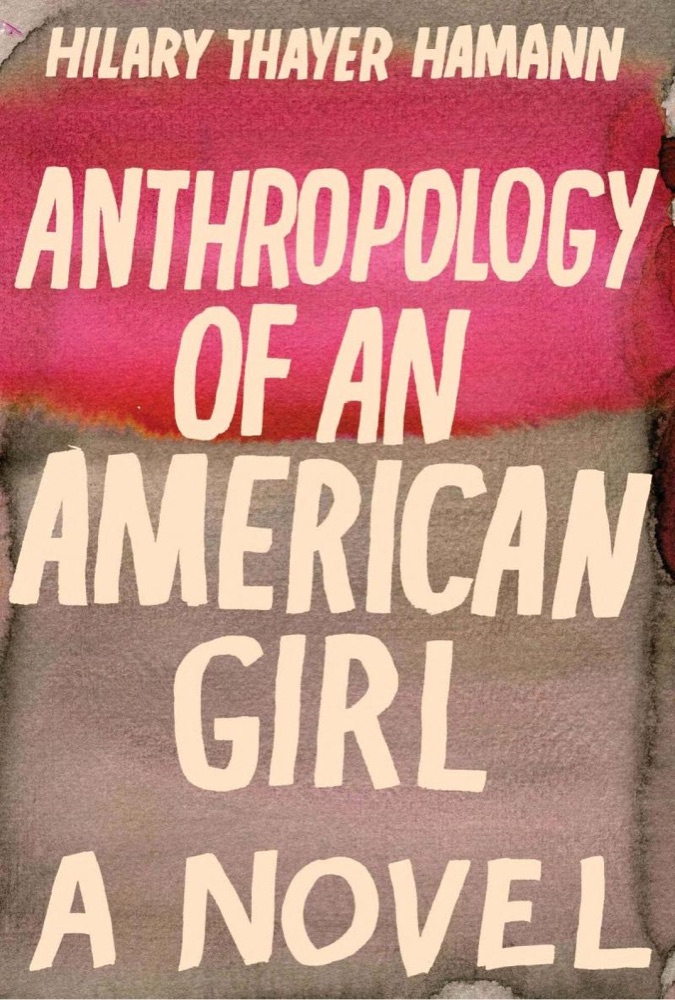
 Anthropology of an American Girl
Quotes from the Book
From what I understood, love was an extreme idea. A word that seemed to force something undefinable into the prison of letters. But the word was used so easily, so often. People spoke of love so casually, just to mean the slightest pleasure or thanks.
256
Books took me to places I could never go otherwise. They shared the confessions of people I'd never met and lives I'd never witnessed. The emotions I could never feel, and the events I hadn't experienced could all be found in those volumes.
226
Even though my brain was a mess, what kept my soul whole was the warmth of the hands holding mine on both sides
226
To borrow Granny’s description, a bookstore is a place densely populated with tens of thousands of authors, dead or living, residing side by side. But books are quiet. They remain dead silent until somebody flips open a page. Only then do they spill out their stories, calmly and thoroughly, just enough at a time for me to handle.
158
People shut their eyes to a distant tragedy saying there’s nothing they could do, yet they didn’t stand up for one happening nearby either because they’re too terrified. Most people could feel but didn’t act. They said they sympathized, but easily forgot. The way I see it, that was not real. I didn’t want to live like that.
147
But books were different. They had lots of blanks. Blanks between words and even between lines. I could squeeze myself in there and sit, or walk, or scribble down my thoughts. It didn’t matter if I had no idea what the words meant. Turning the pages was half the battle.
116
Lastly, and I know it sounds like an excuse, but neither you nor I nor anyone can ever really know whether a story is happy or tragic.
90
Maybe understanding a language is like understanding the expressions and emotions of other people.
87
What does love mean?” Mom asked mischievously. “To discover beauty.
87
I've decided to confront it. Confront whatever life throws at me, as I always have. However much I can feel, nothing more, nothing less.
81
There is no such person who can’t be saved. There are only people who give up on trying to save others. It’s
79
Once you repeat the same word over and over, there comes a time when its meaning fades.
71
People said there was no way to understand Gon. I didn’t agree with them. It’s just that nobody ever tried to see through him.
57
wanted to read between the lines. I wanted to be someone who truly understood the meaning of an author’s words. I wanted to know more people, to be able to engage in deep conversations, and to learn what it was to be human.
42
To be more specific, I felt connected to the smell of old books. The first time I smelled them, it was as if I’d encountered something I already knew.
37
Mom said everything was for my sake, calling it love. But to me, it seemed more like we were doing this out of her own desperation not to have a child that was different. Love, according to Mom’s actions, was nothing more than nagging about every little thing, with teary eyes, about how one should act such and such in this and that situation. If that was love, I’d rather neither give nor receive any. But of course, I didn’t say that out loud. That was all thanks to one of Mom’s codes of conduct—Too much honesty hurts others—which I had memorized over and over so that it was stuck in my brain.
32
Love is what makes a person human, as well as what makes a monster.
31
I had discovered that if I kept quiet when I was expected to get angry, it made me look patient. If I kept silent when I was supposed to laugh, it made me look more serious. And if I kept silent when I was expected to cry, it made me look strong.
30
...a bookstore is a place densely populated with tens of thousands of authors, dead or living, residing side by side.
27
Parents start out with grand expectations for their kids. But when things don't go as expected, they just want their kids to be ordinary, thinking it's simple. But son, being ordinary is the hardest thing to achieve,
26
You eventually just move on with your life. I'm sure others would go back to their normal lives too, eating and sleeping and all, although it may take them longer than me. Humans are designed to move on and keep on living after all.
25
Ordinary . . .” I mumbled. To be like others. To be ordinary without having experienced terrible ordeals. To go to school, graduate, and if lucky, go to college and get an okay job and meet a woman I like and get married and have kids . . . things like that. Put differently, to not stand out.
25
We have to be tougher in this tough world.
23
To be honest, I couldn’t have cared less. Whether I was normal or not made little to no difference. To me, it was as subtle as the differences in the nuance of the words.
22
Dora found beauty in everything. She found nature’s magnificent work and incredible symmetry in a turtle’s carapace, or a stork’s egg, or an autumn reed from a swamp. How wonderful, she would often say. I understood the meaning of the word, but I could never feel the splendor it carried.
16
It seemed to mean that there was more than one answer to everything. Maybe I didn’t need to stick to hard-and-fast rules of dialogue or behavior. Since everyone was different, my “odd reactions” could be normal to some people.
15
Anyway, this sounds cliche but you'll eventually meet the people who you're meant to meet, no matter what happens. Time will tell if your relationship with him is meant to be.
14
a bookstore is a place densely populated with tens of thousands of authors, dead or living, residing side by side. But books are quiet. They remain dead silent until somebody flips open a page. Only then so they spill out their stories, calmly and thoroughly, just enough at a time for me to handle.
14
So, I’m going to be stronger. In my own way. In the way that feels most natural to me. I like to win. If I can’t protect myself from being hurt, I’d rather hurt other people.
14
Did you know?
- The novel was originally published in Korean in 2016 by Changbi and won the Changbi Prize for Young Adult Fiction.
- It was Sohn Won-pyung's debut novel; she had previously worked as a filmmaker and screenwriter.
- The English translation by Sandy Joosun Lee was published by HarperVia in 2020.
- The book became a bestseller in South Korea, reportedly selling more than a million copies.
- Its popularity was boosted after being recommended by members of the K-pop group BTS.
- The title refers to the almond-shaped amygdalae in the brain and to the almonds the narrator's mother feeds him.
About Sohn Won-Pyung
Sohn Won-pyung (born 1979 in Seoul) is a South Korean novelist and filmmaker who studied sociology and philosophy at Sogang University. She worked as a screenwriter and director of short films before her literary debut, the novel "Almond," became an international bestseller.
More about the author →About the book
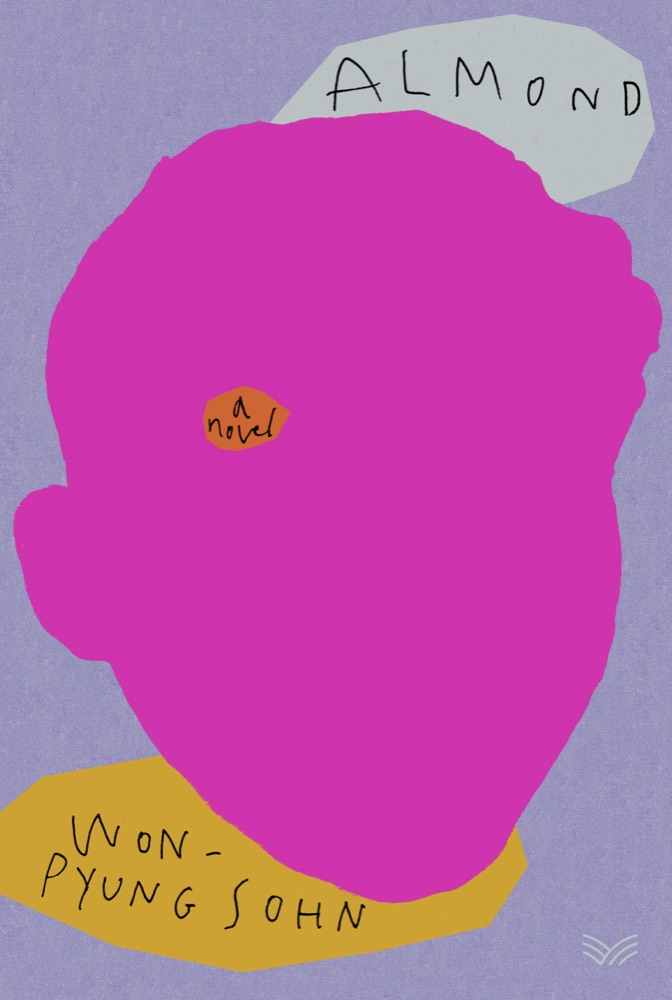
"Almond" is a Korean coming-of-age novel narrated by Yunjae, a boy born with a condition resembling alexithymia: because his amygdalae are unusually small, he struggles to feel or recognize emotions such as fear, anger, and love. Raised by his devoted mother and grandmother above the family's secondhand bookshop, he is coached to imitate the feelings he cannot experience. After a sudden act of violence shatters his small family, Yunjae is left largely alone, and his careful, emotionless routine is disrupted by his entanglement with Gon, an angry and troubled boy whose volatility is the opposite of Yunjae's blankness.
The novel uses Yunjae's condition to ask what it actually means to feel and to be human, exploring empathy, trauma, friendship, and personal growth. Through the contrast between the unfeeling Yunjae and the over-feeling Gon, and through Yunjae's tentative connections with a girl named Dora and the family friend Dr. Shim, the book suggests that compassion can be a deliberate, learned practice rather than only an instinct. The recurring almonds his mother feeds him give the story its title and its central metaphor for emotional growth.
First published in South Korea in 2016 by Changbi, "Almond" won the Changbi Prize for Young Adult Fiction and became a major bestseller, reportedly selling over a million copies in Korea and being championed by members of the K-pop group BTS. Translated into English by Sandy Joosun Lee and published by HarperVia in 2020, it was Sohn Won-pyung's debut novel and helped introduce her to international readers, earning attention as a widely translated work of contemporary Korean fiction.
Key characters
- YunjaeTeenage narrator who cannot easily feel or recognize emotions
- GonAngry, troubled boy who becomes Yunjae's reluctant friend
- Yunjae's MotherRuns the family bookshop and teaches Yunjae to mimic emotions
- GrandmotherYunjae's loving grandmother who accepts him as he is
- Dr. ShimFamily friend and doctor who looks after Yunjae
- DoraA girl Yunjae grows close to, awakening new feelings
Book details
- First published
- 2016
- Length
- 272 pages
- Reading time
- 5 hours
- Author
- Sohn Won-Pyung
- Genre
- Fiction
- Goodreads rating
- 4.13 (191k ratings)
Critical reception
- Became a major bestseller in South Korea, reportedly selling over a million copies.
- Its profile rose internationally after recommendations from members of BTS.
- Won the Changbi Prize for Young Adult Fiction following its 2016 Korean publication.
If you liked this, read…
- 1The Curious Incident of the Dog in the Night-TimeAnother novel narrated by a young protagonist who perceives emotion differently
- 2Kim Jiyoung, Born 1982Acclaimed contemporary Korean fiction exploring society through one life
- 3Convenience Store WomanA spare East Asian novel about an outsider who doesn't fit conventional emotional norms
Keep reading
Anthropology of an American Girl
 Love from A to Z
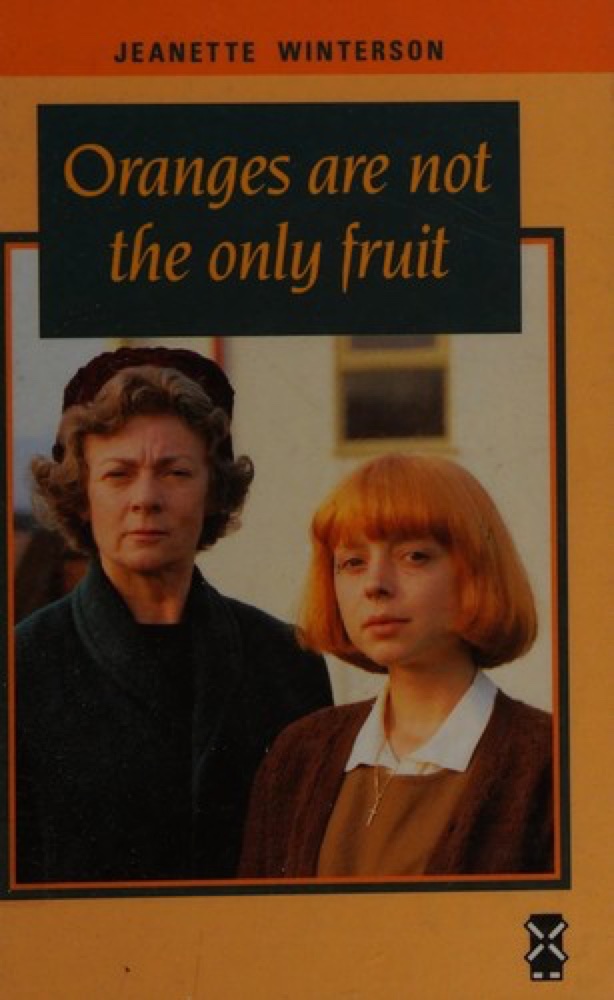 Oranges Are Not the Only Fruit
 What I Loved
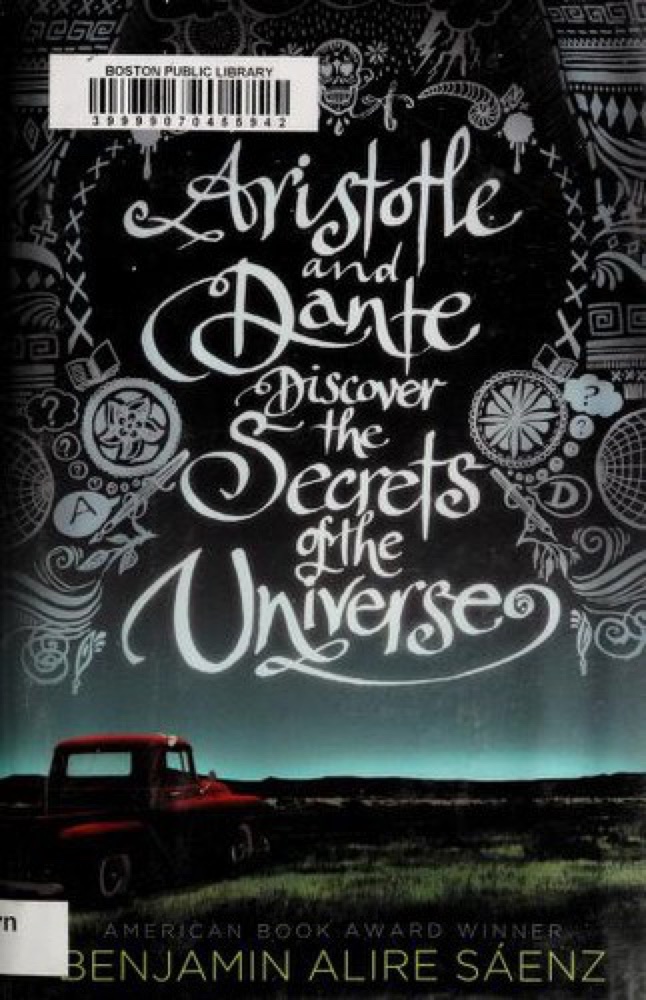 Aristotle and Dante Discover the Secrets of the Universe
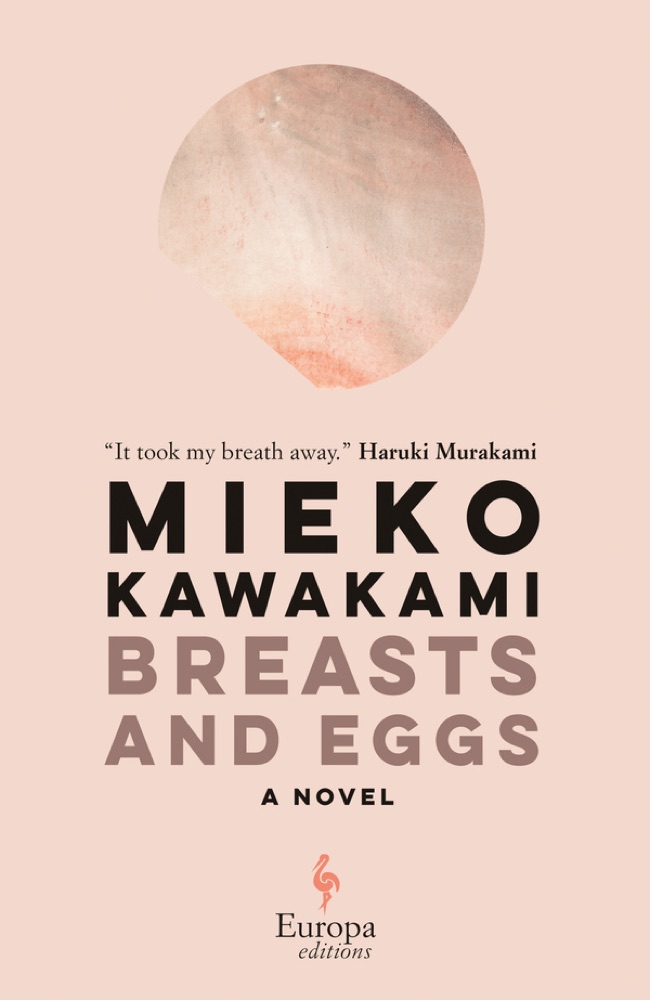 Breasts and Eggs
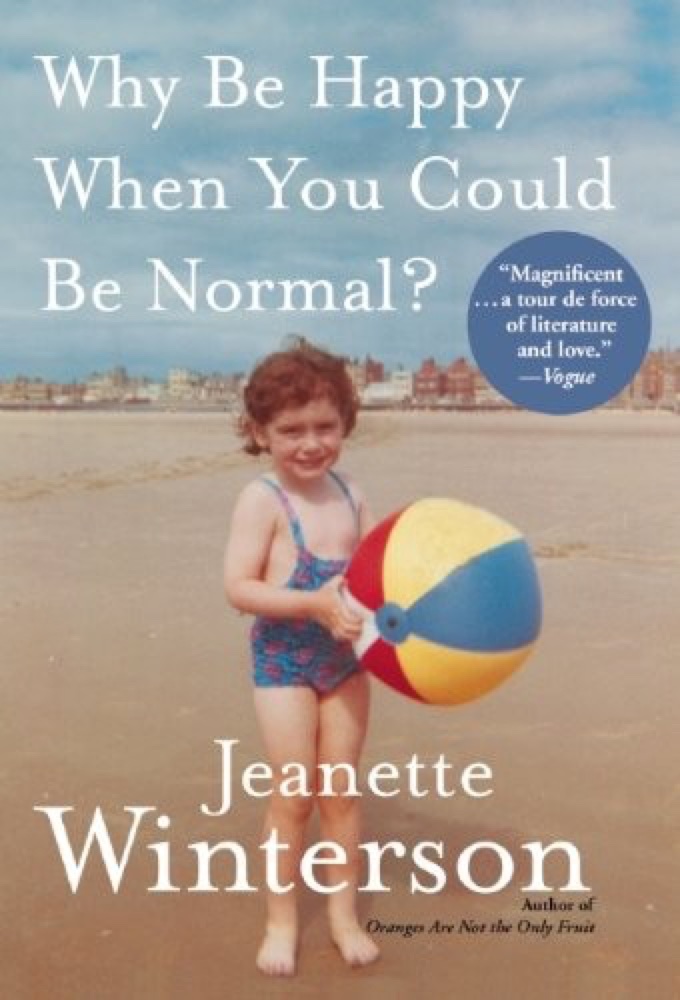 Why Be Happy When You Could Be Normal?
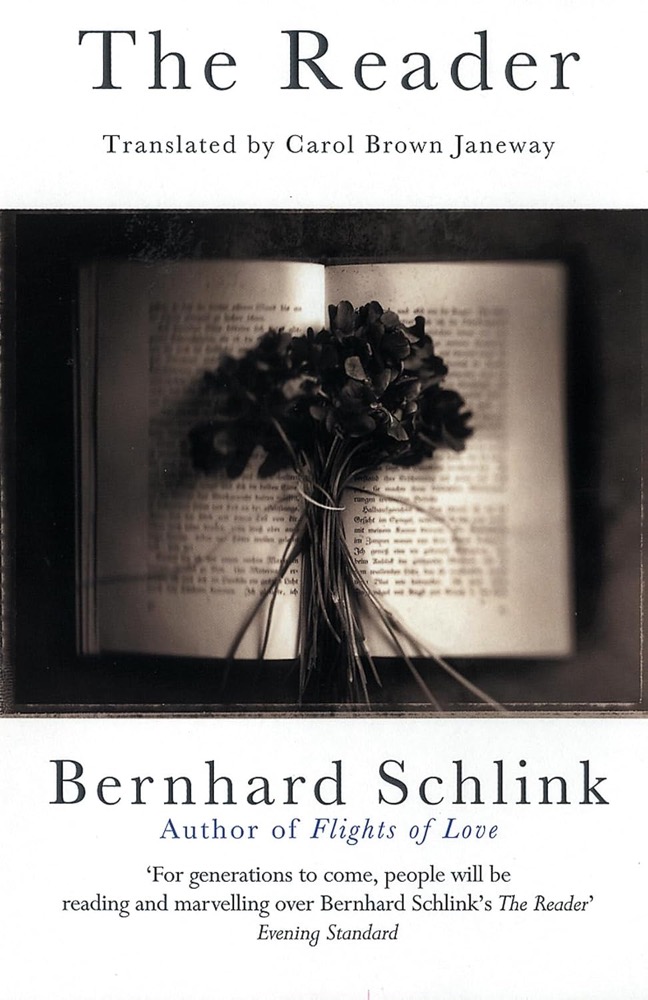 The Reader
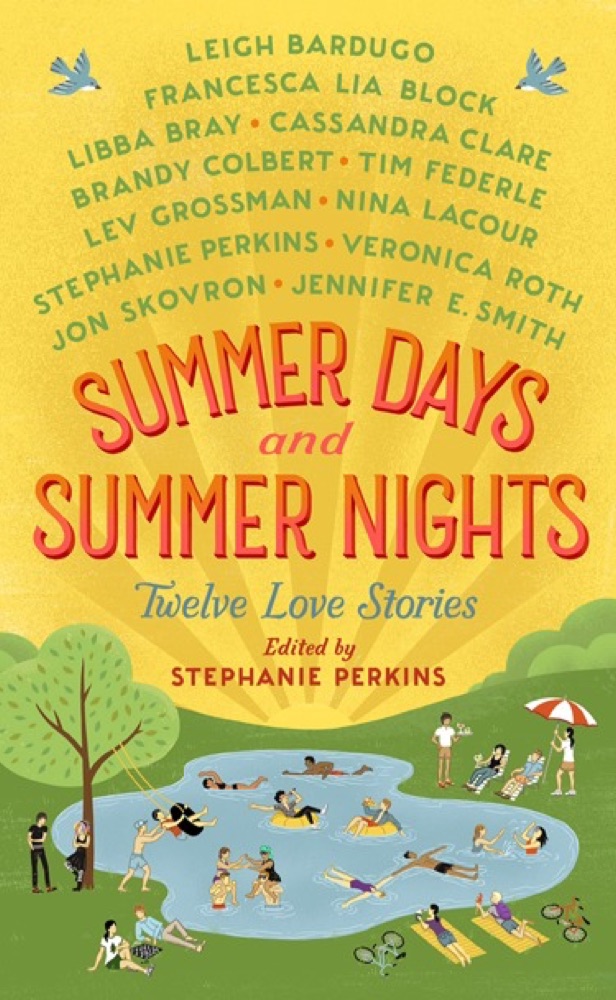 Summer Days and Summer Nights: Twelve Love Stories
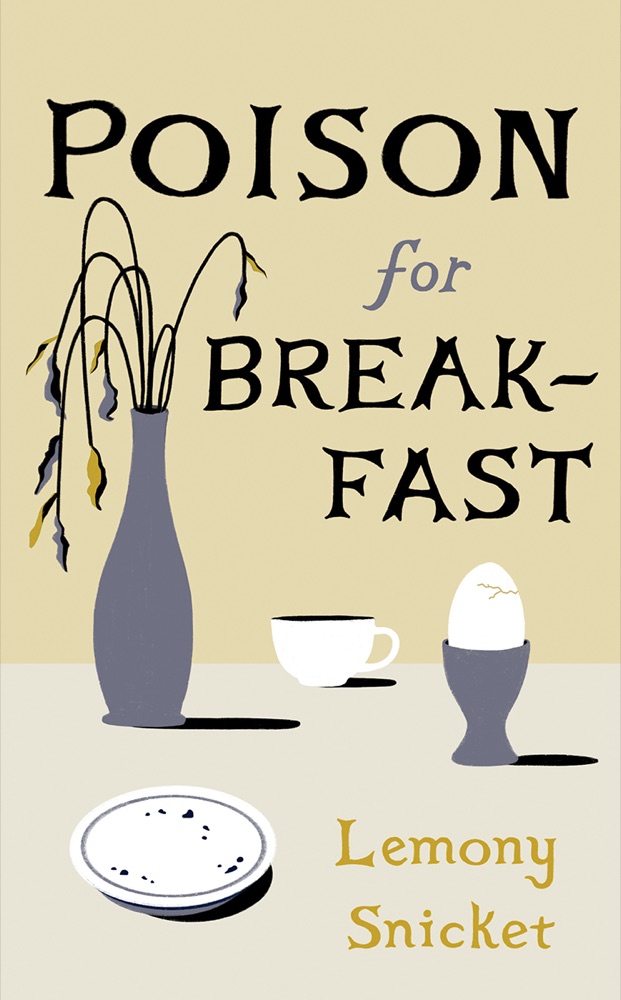 Poison for Breakfast
 The Harder I Fight the More I Love You: A Memoir
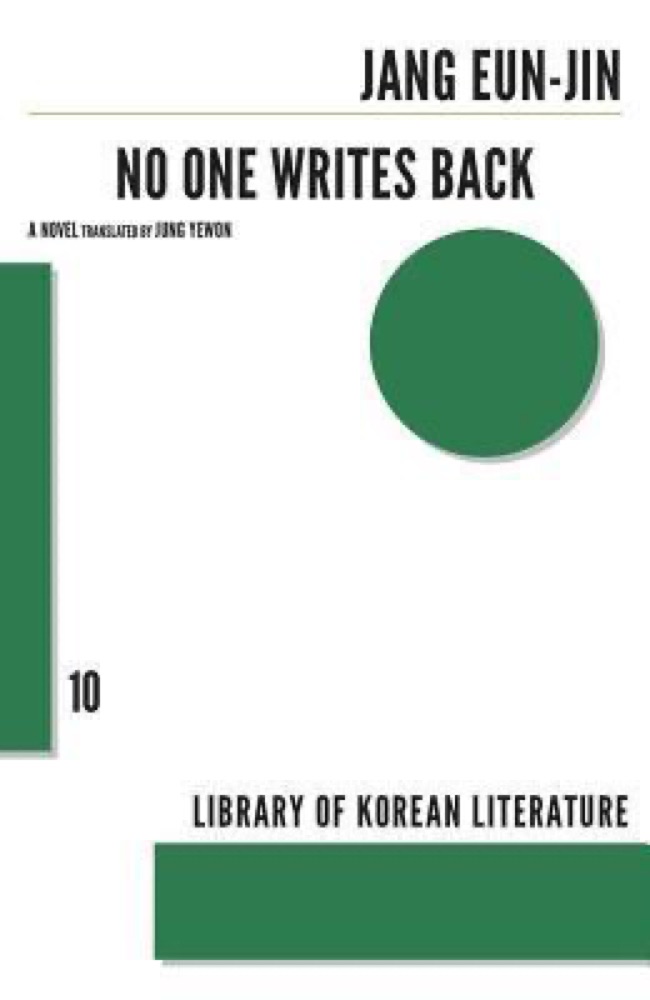 No One Writes Back
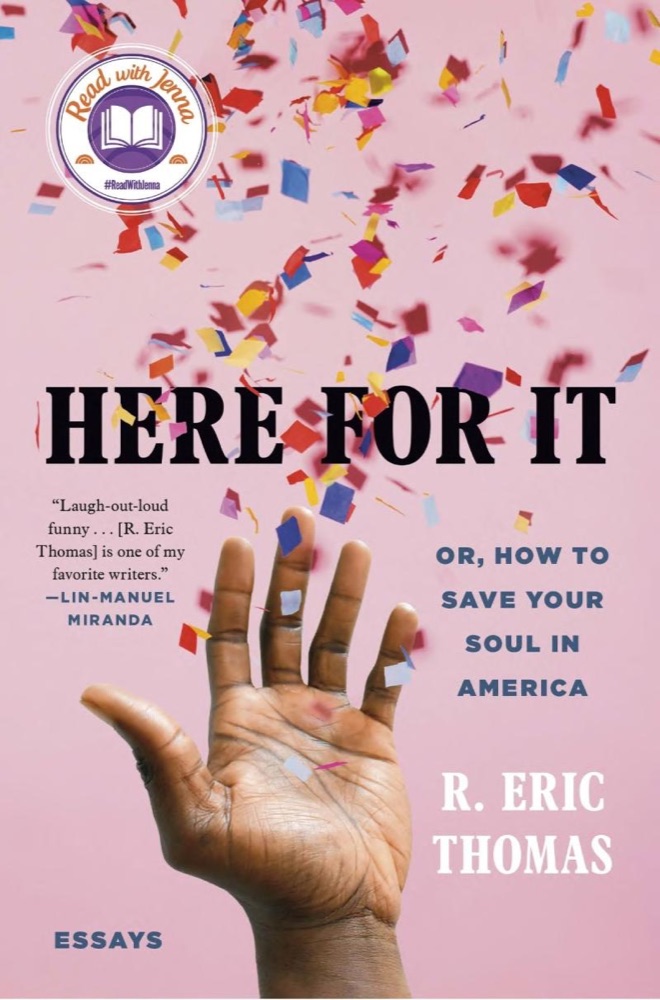 Here for It; Or, How to Save Your Soul in America: Essays
 Make It Scream, Make It Burn
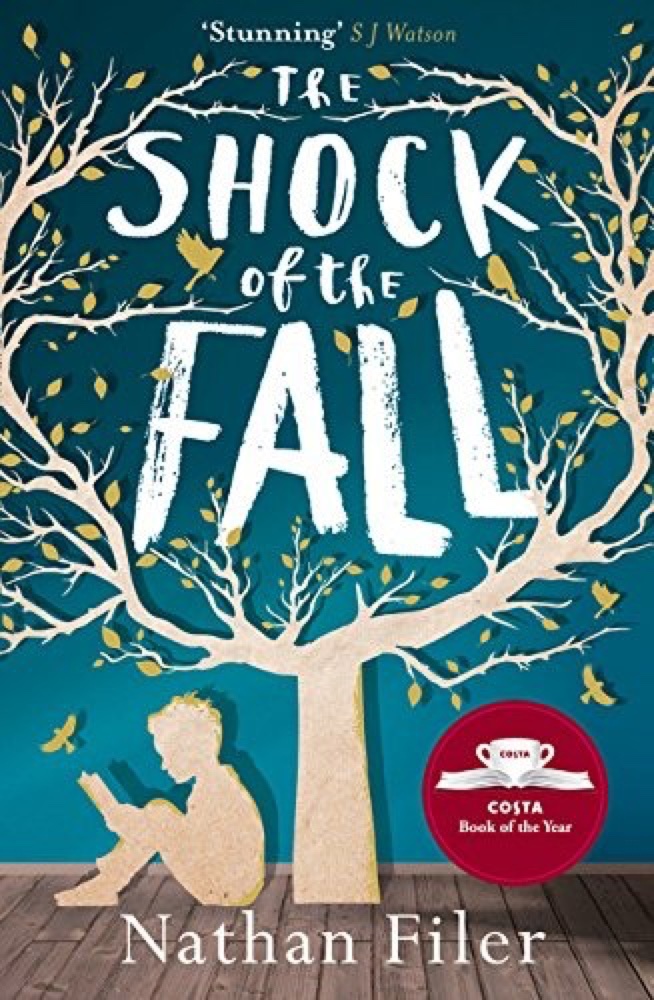 The Shock of the Fall
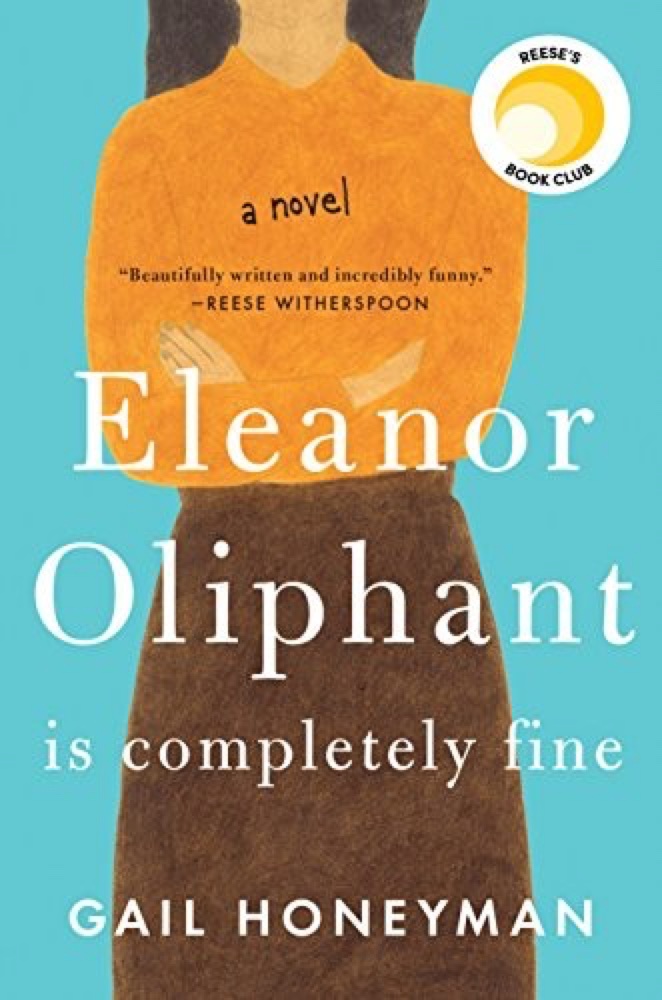 Eleanor Oliphant Is Completely Fine
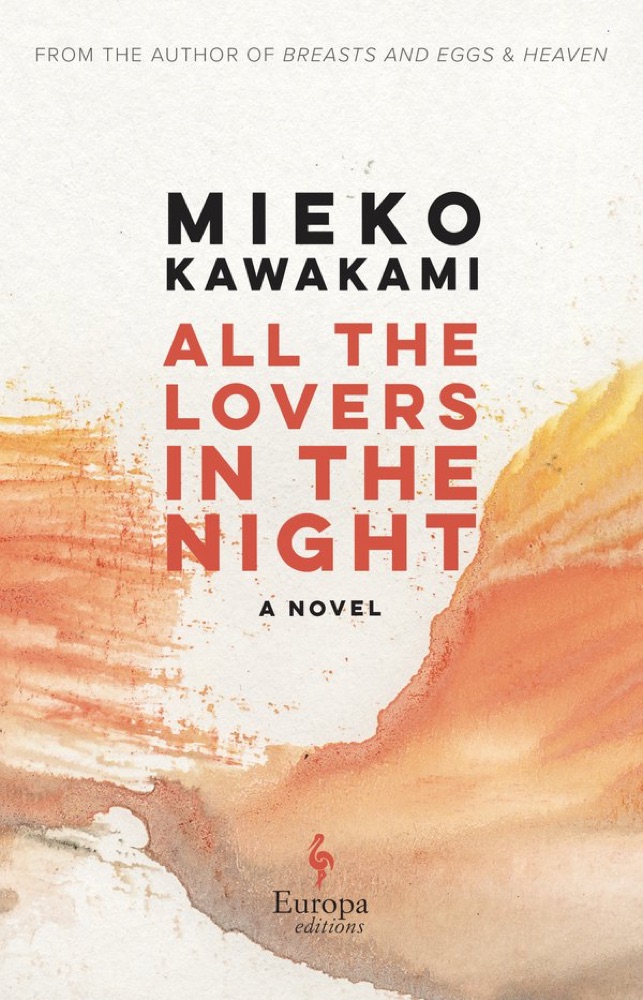 All the Lovers in the Night
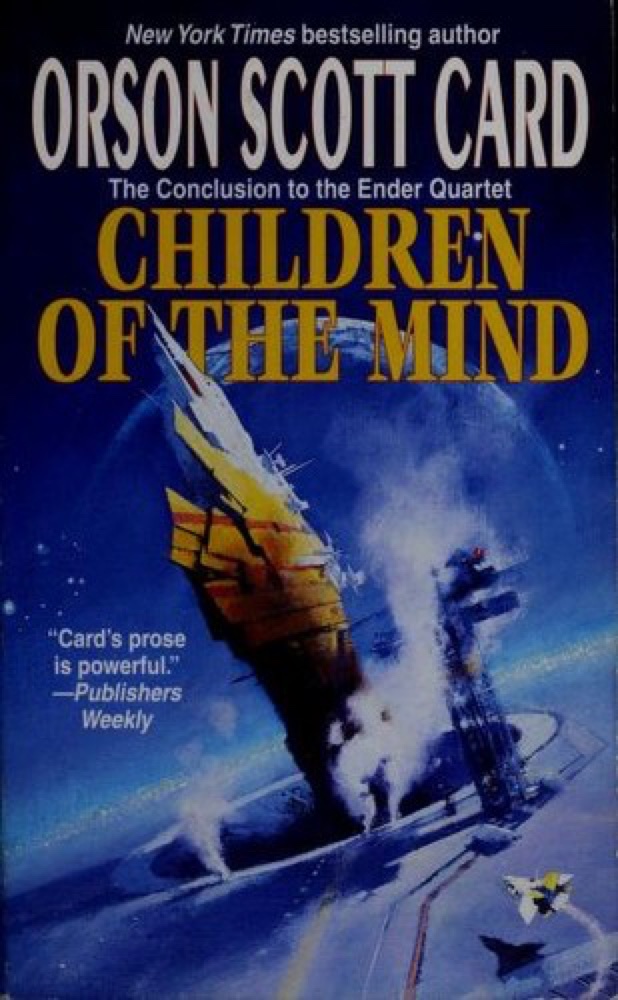 Children of the Mind
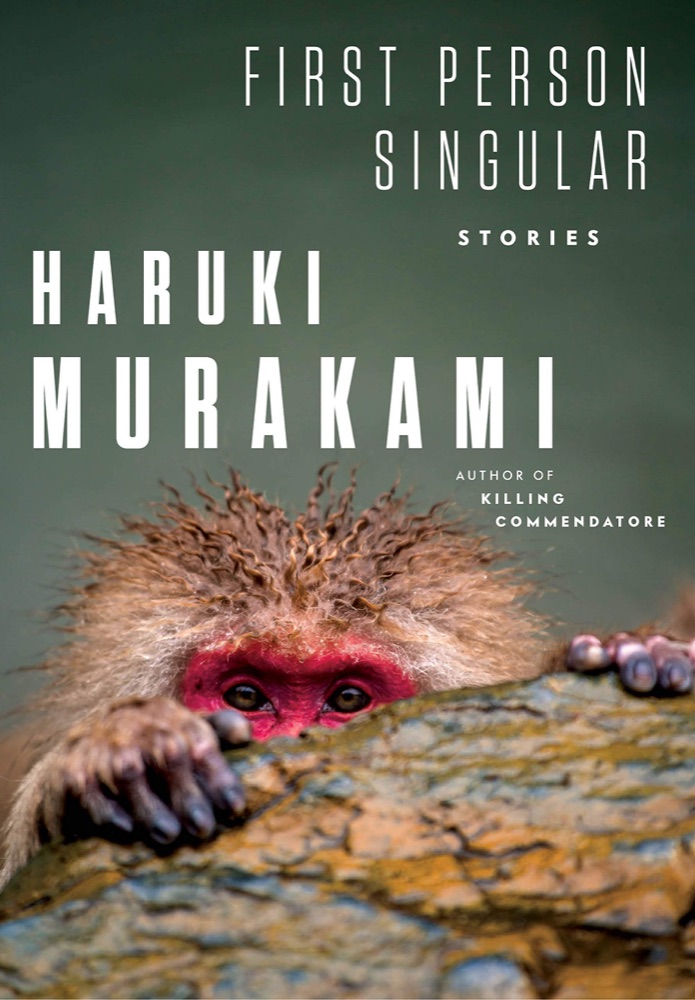 First Person Singular: Stories
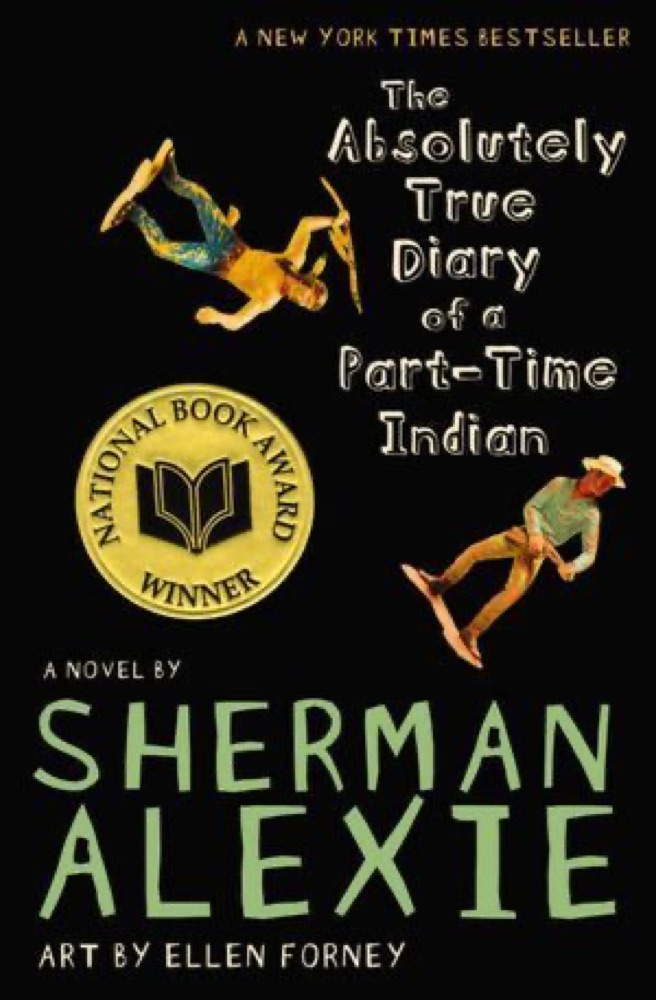 The Absolutely True Diary of a Part-Time Indian
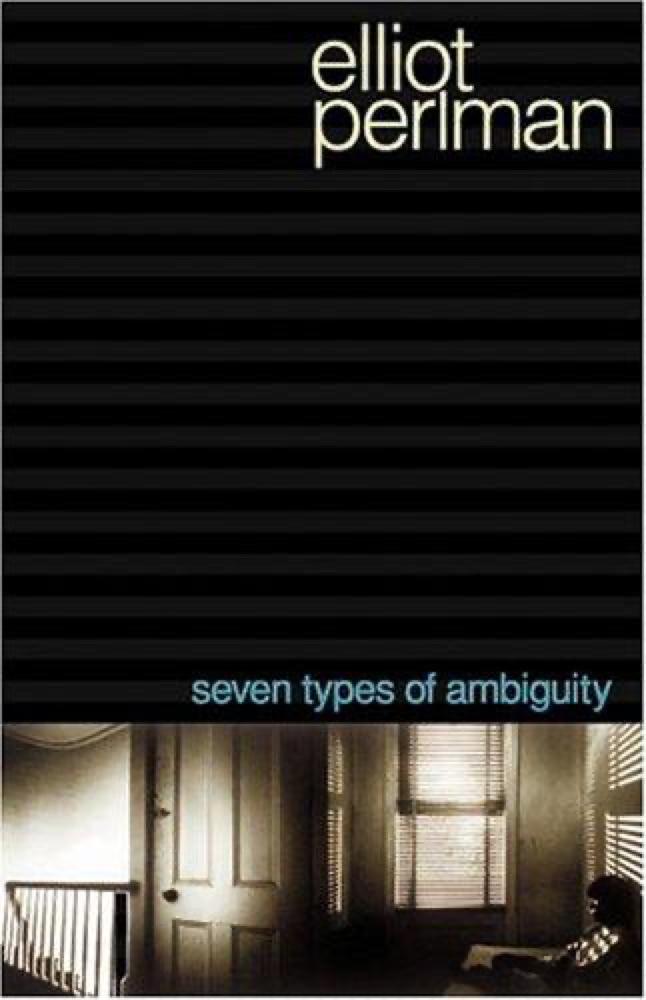 Seven Types of Ambiguity
 Pew
Pew
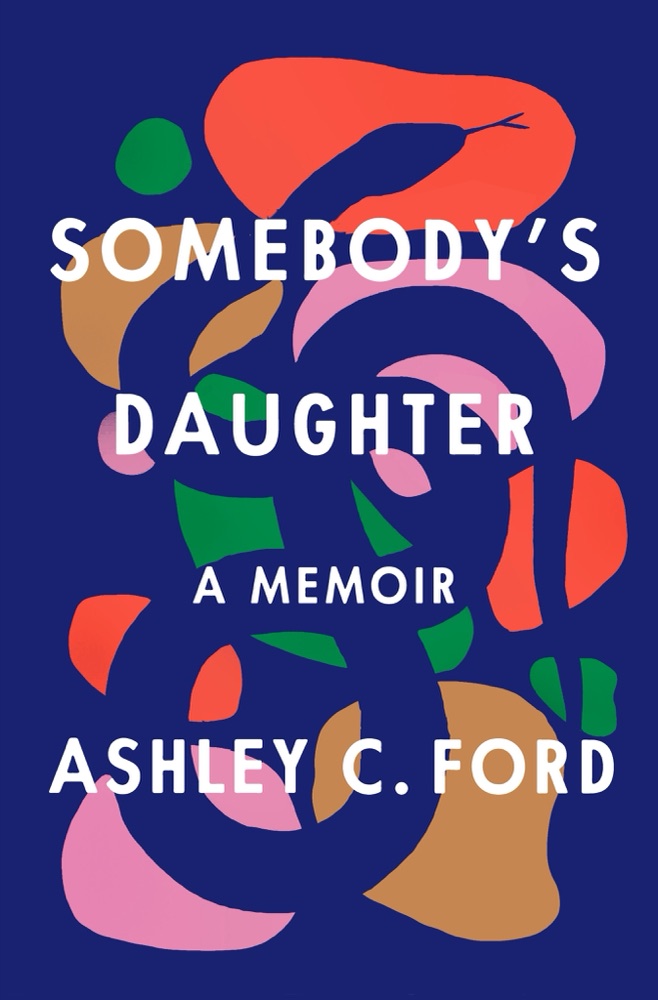 Somebody's Daughter
 The Wind-Up Bird Chronicle
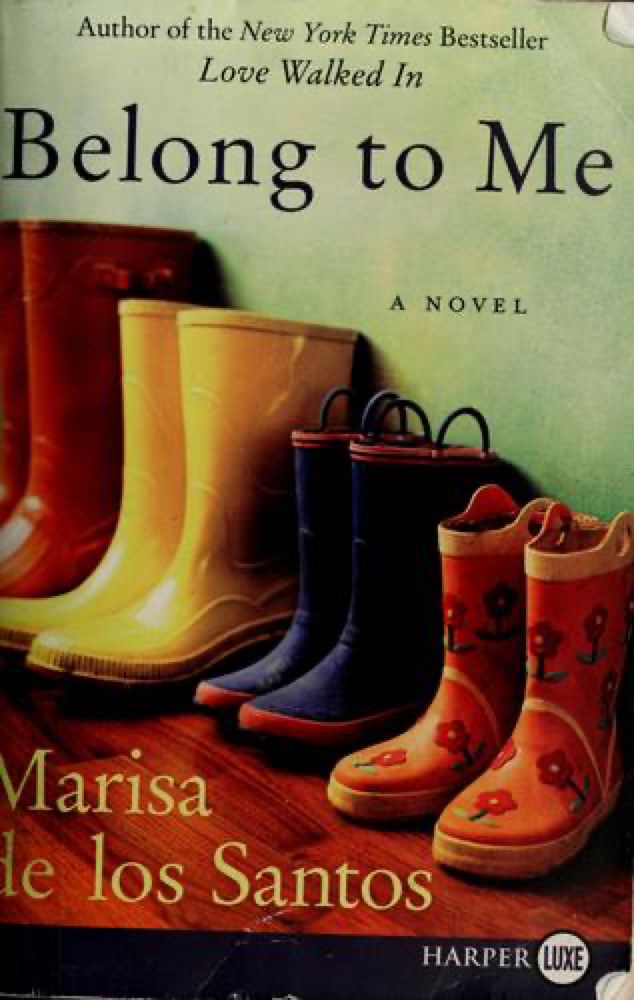 Belong to Me
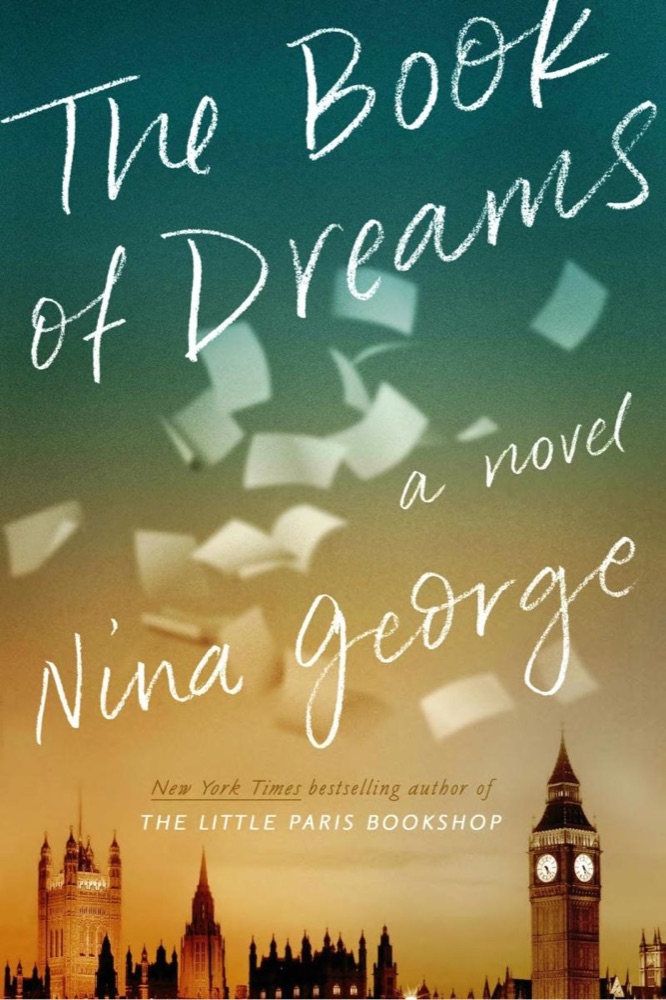 The Book of Dreams
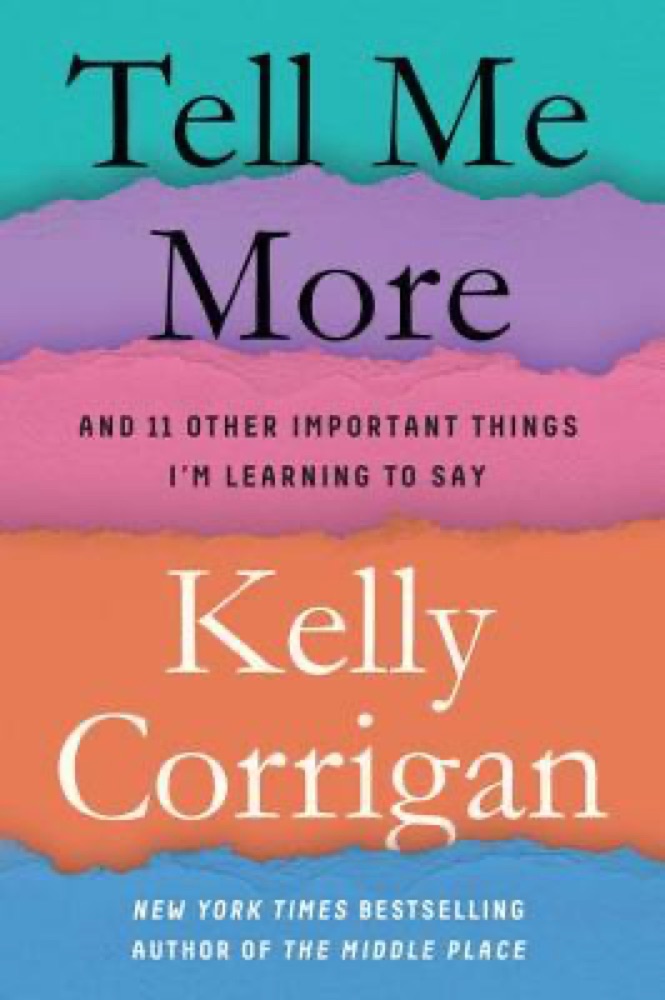 Tell Me More: Stories About the 12 Hardest Things I'm Learning to Say
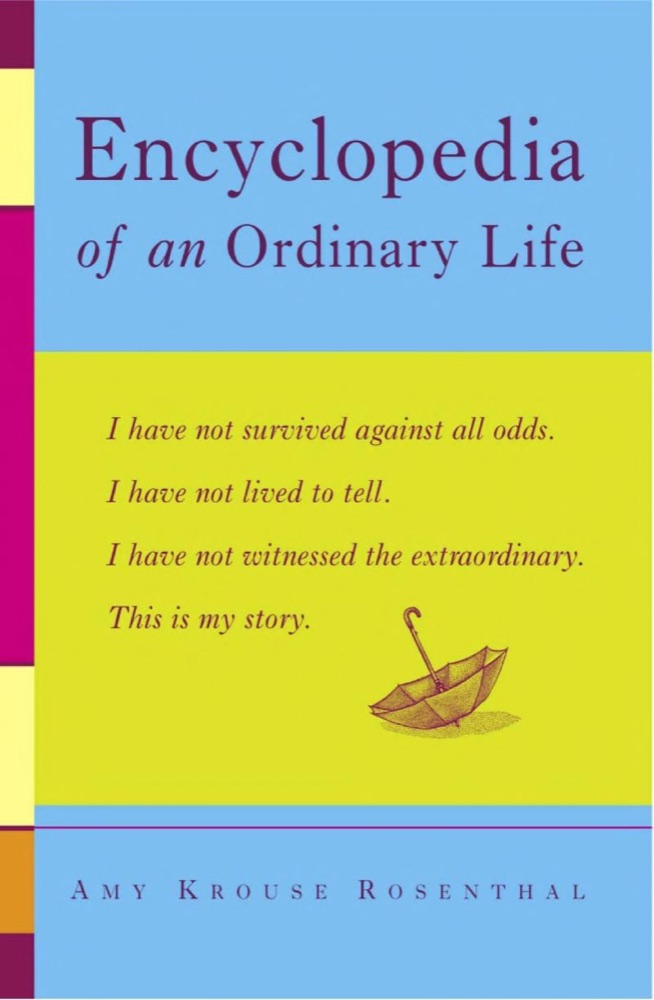 Encyclopedia of an Ordinary Life
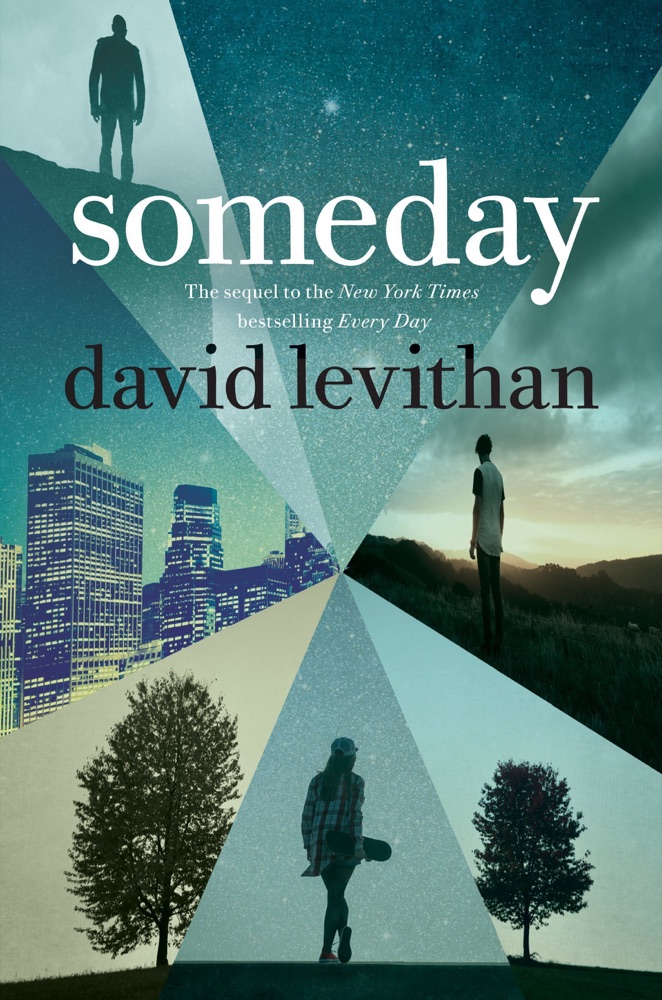 Someday
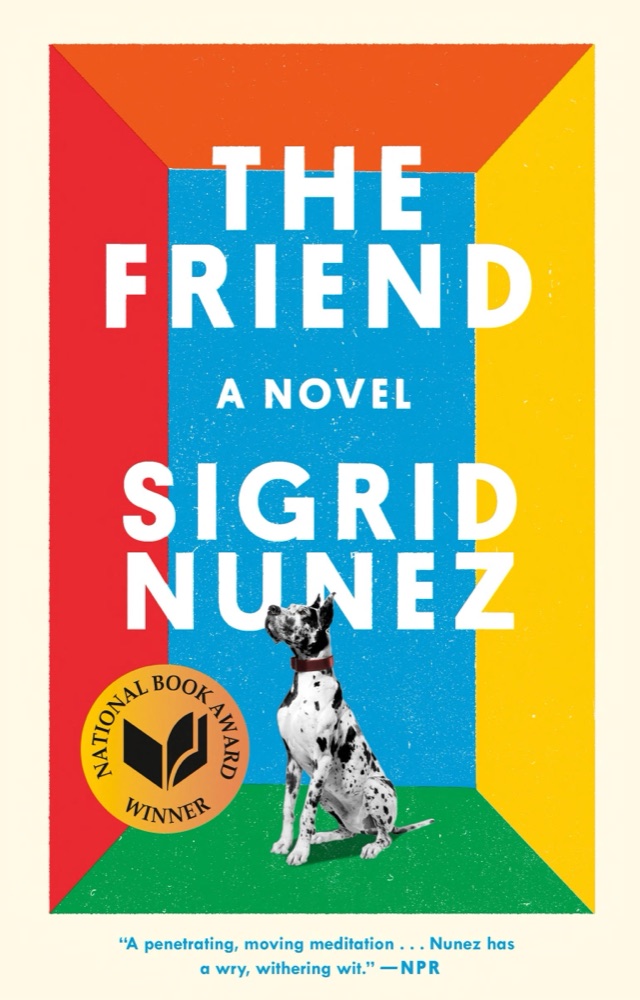 The Friend
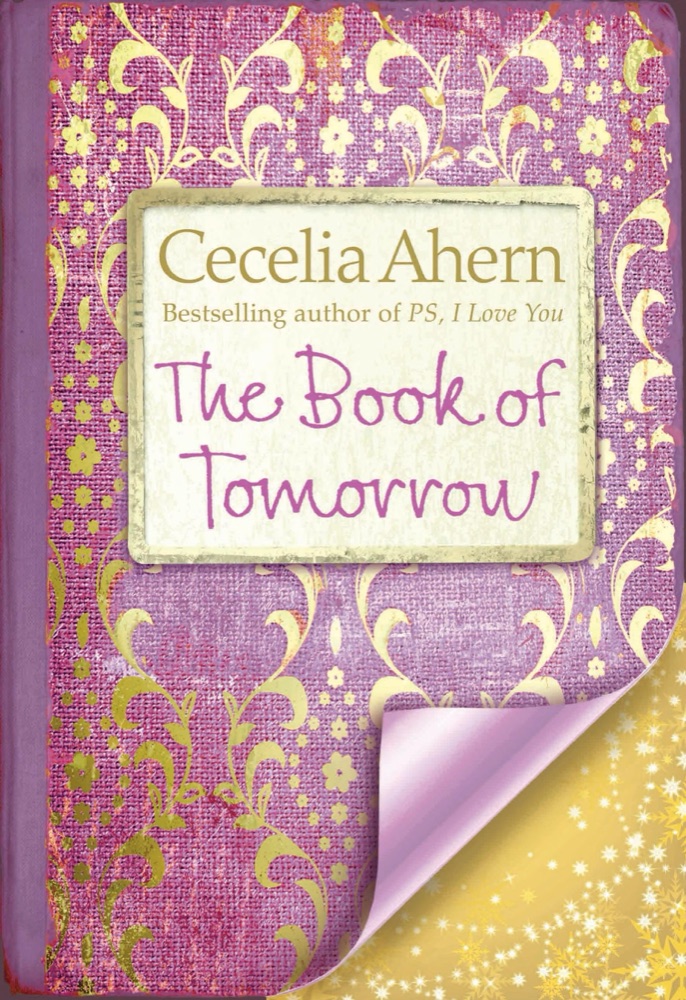 The Book of Tomorrow
 Words on Bathroom Walls
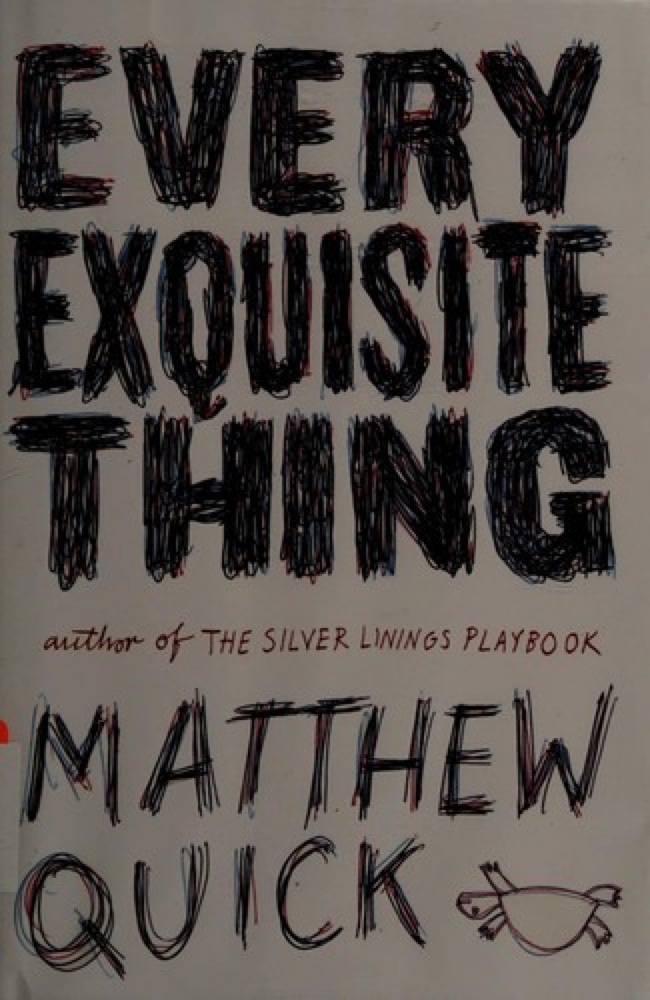 Every Exquisite Thing
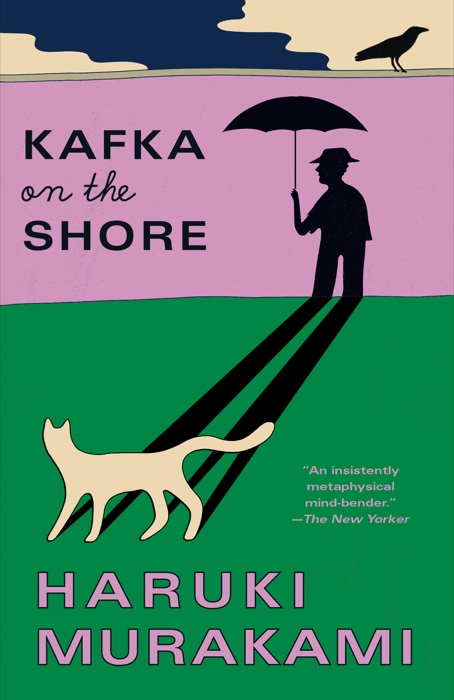 Kafka on the Shore
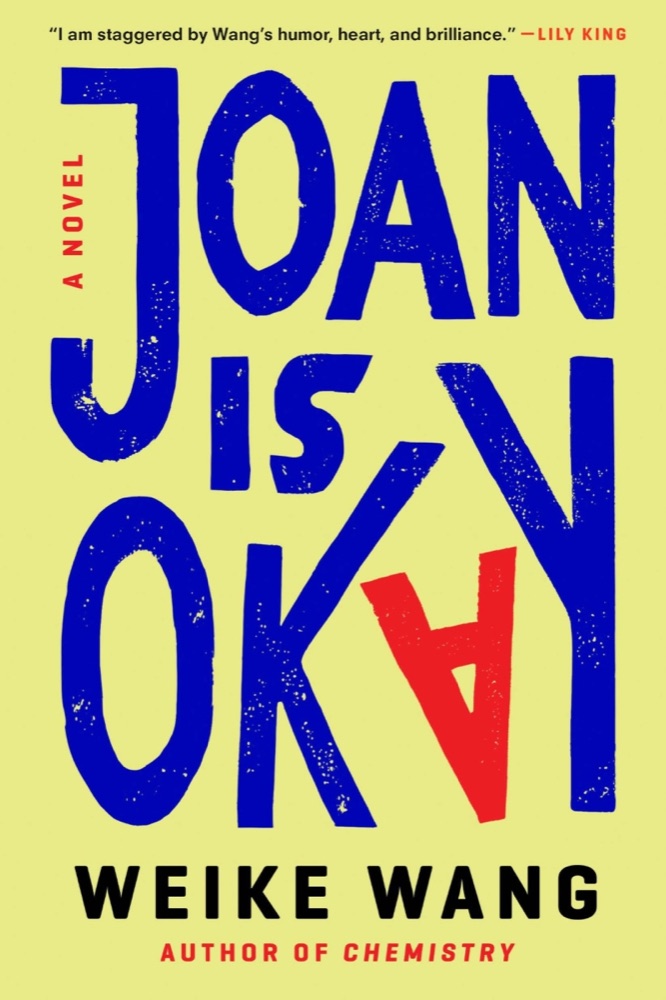 Joan Is Okay
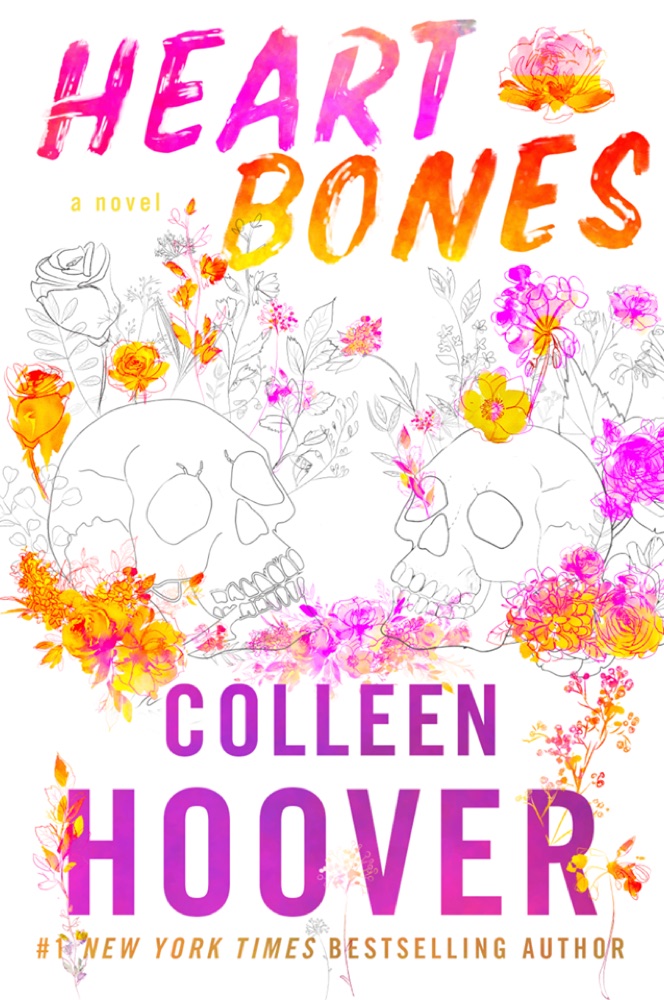 Heart Bones
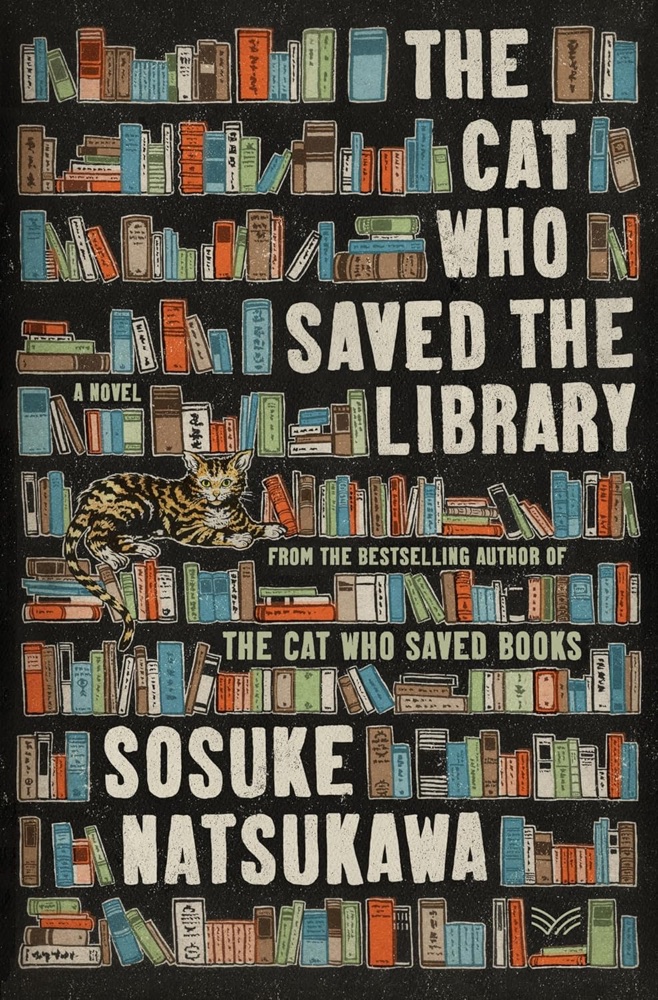 The Cat Who Saved the Library
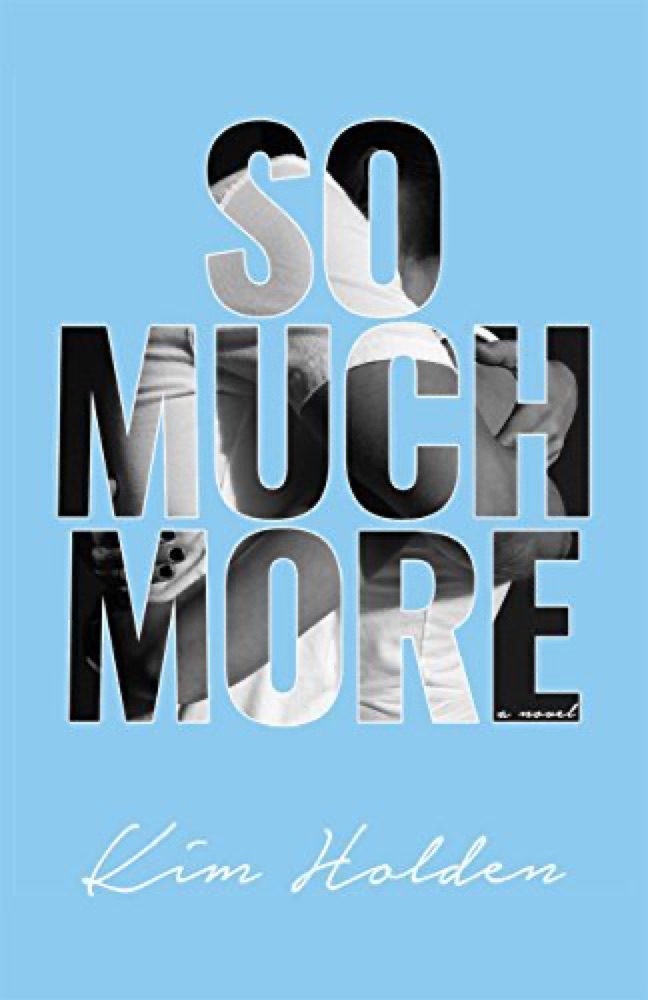 So Much More
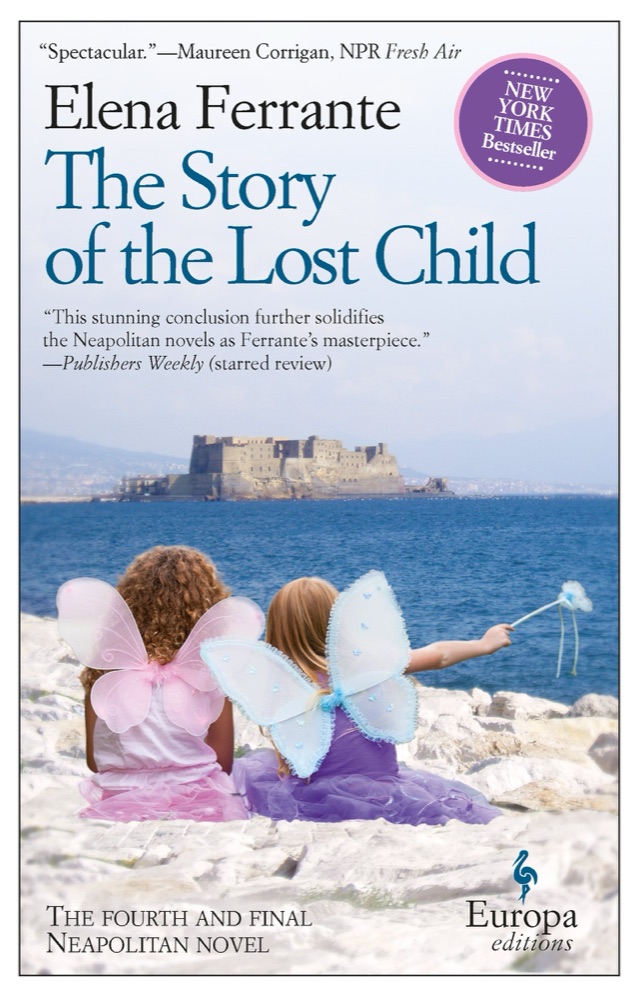 The Story of the Lost Child
 The Lake
 Goodbye Days
 On Being Human: A Memoir of Waking Up, Living Real, and Listening Hard
 Flowers for Algernon
 The Paris Library
 The Folded Clock: A Diary
 In The Blood
 Cassandra in Reverse
 Library of Souls
 Have You Seen Luis Velez?
 Honey, Baby, Sweetheart
 Middlesex
 The Book of Love
 Heaven
 The Tender Bar
 Where Things Come Back
 The Book of the Most Precious Substance
 The Museum of Intangible Things
 Klara and the Sun
 Eleanor & Grey
 Bird
Bird