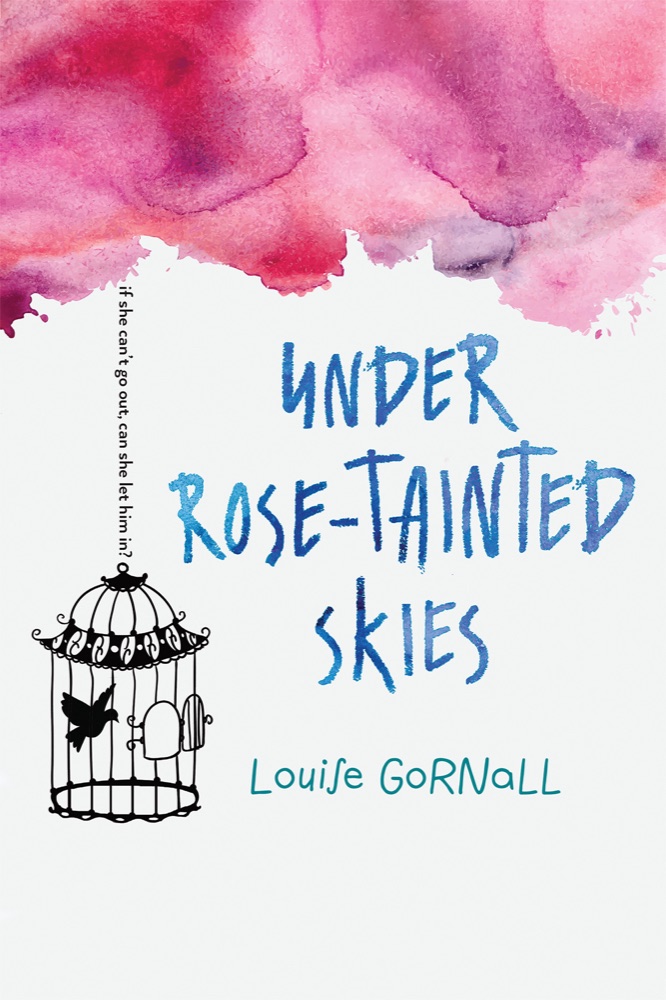
 Under Rose-Tainted Skies
Quotes from the Book
I define “depression,” but depression does not define me because you cannot define a person. Not with a single word, not with an entire book. Human beings defy definition. Yet the stigma surrounding mental illness makes some believe we can use it to define others, and it often deceives us into believing we must use it to define ourselves.
7
That “teaching myself social behaviors” thing, for example, was a window into my entire childhood, adolescence, and early adulthood. There were things I needed to learn differently from most of the people around me, and the amount of useful, appropriate support I received back then was exactly zero. At the same time, the criticism I received felt infinite, especially when I tried to articulate my struggles. A person who I probably shouldn’t have been friends with once told me I needed to stop “thinking things through” in social situations and just “let my instincts take over.” In retrospect, I wish I’d replied, “What the hell are you talking about, ‘let my instincts take over’?” He might as well have said, “Just try really hard to grow a third arm between your shoulder blades and eventually it’ll happen!” Nothing about those situations felt instinctive; I had to learn how to navigate them in other ways
6
I wonder ... if people think of suicidal ideation as thoughts that are obviously sinister. If they assume the voice comes in a snake hiss or a demon's warped bass. Does it occur to them that it could sound like the friend who nudges you at a bad, crowded party and whispers, conspiratorially, "Hey, lets get out of here". Do [they] consider how well you have to know yourself to see that moment for what it is and whisper back, "You are not my real friend".
5
Don't let the Muggle-like thoughts dim your magic, dear!
4
I was trying to be brave. I was trying to let people in. I was trying. I am who I am today because of my messes. Because I’ve survived them. Because I’ve written about them. Because I’ve learned from them, because I keep searching for new tools to clean them up, because I keep trying to heal.
4
Eye contact is not a harbinger of decency.
3
When I had my gallbladder removed in 2010, no one dismissed me because a part of my digestive system was faulty. No one listened to something I had to say and responded, “He can’t be trusted—he doesn’t have a gallbladder.” Yet this happens all too frequently with those who live with mental illness. We are dismissed, distrusted, told our thoughts are not our own.
3
To avoid reproach, I learned how to pose as a Good Girl, but even that persona couldn't completely shield me. It seemed that, for girls, there was no such thing as "good" enough.
3
When there are things about yourself you can’t change—no matter how much you might want to and no matter how hard you try—it sort of throws your ideas about free will and agency into chaos. Not being able to control oneself is a far different experience than bumping up against outside obstacles that aren’t in one’s power to change. But our own thoughts, our feelings, our actions—those are the things that make up our internal existence and fundamentally define who we are. If we can’t control what makes us us, what hope is there for finding agency anywhere else in our lives
3
Nothing is as powerful as a woman who embraces herself, without apology.
3
And that when we say “It Gets Better,” it doesn’t mean “Everything Gets Solved.” It means you will still carry the weight from when things weren’t good, but you will be stronger for it the next time you’re unhappy—and that time will come.
2
Our bodies and minds are always working together, but we don’t always treat them as two equally important parts of who we are. It is far easier, for example, to take a day off from life because of the flu than it is to take one off because of having a case of the sads. But both of these things are valid and have a tremendous impact on how we move through the world.
2
Those who have known me accept that they do not guide the kite, for I fly where the winds take me. The ones who hold my string keep me safe, but free. We dance, a delicate balance that is both holding on and letting go.
2
We all have things - and sometimes people - we are unable to look in the eye.
2
good, but you will be stronger for it the next time you’re unhappy—and that time will come.
1
I’m so mad that my fingertips tingle; I feel like I could zap this man with the pent-up energy like a ragey adult Matilda. “Van Gogh was really sick!” I want to yell at him. “Tell your kid that mental illness can be very hard, and how important health care and access are, how we have to talk about it.
1
It’s strange to realize that, despite having an innate ability for it, I am actually terrible at being crazy. How can one be so bad at something one is meant to be? Bipolar disorder is, after all, some combination of genes and their expression. Maybe she’s born with it. Maybe it’s dopamine.
1
Write what you know,” the old saying goes. To which I say, “Bullshit.” I don’t know any Goblin Kings, I’ve never lived in eighteenth-century Bavaria, nor do I compose music, all of which my protagonist knows intimately. My adage is this: “Write what you know to be true.” Write your lived experience into existence. Write your truth.
1
Don’t let the Muggle-like thoughts dim your magic, dear!
1
Watch on YouTube
About Kelly Jensen
We have collected 19 quotes from 1 book by Kelly Jensen on BookQuoters.
More about the author →About the book
Who’s Crazy?
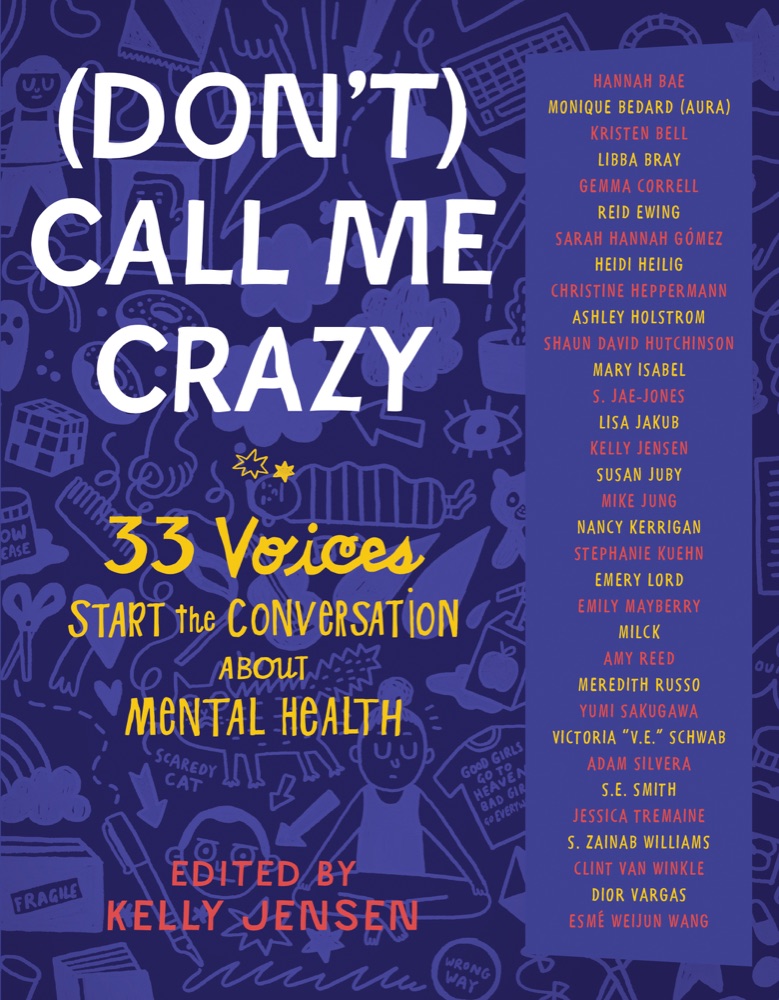
What does it mean to be crazy? Is using the word crazy offensive? What happens when such a label gets attached to your everyday experiences?
In order to understand mental health, we need to talk openly about it. Because there’s no single definition of crazy, there’s no single experience that embodies it, and the word itself means different things—wild? extreme? disturbed? passionate?—to different people.
(Don’t) Call Me Crazy is a conversation starter and guide to better understanding how our mental health affects us every day. Thirty-three writers, athletes, and artists offer essays, lists, comics, and illustrations that explore their personal experiences with mental illness, how we do and do not talk about mental health, help for better understanding how every person’s brain is wired differently, and what, exactly, might make someone crazy.
If you’ve ever s
Book details
- First published
- 2018
- Author
- Kelly Jensen
- Genre
- Nonfiction
- Goodreads rating
- 4.01 (2k ratings)
Keep reading
Under Rose-Tainted Skies
![It's Not OK to Feel Blue [and other lies]](/i/book/g/ed/its-not-ok-to-feel-blue-and-other-lies.jpg) It's Not OK to Feel Blue [and other lies]
It's Not OK to Feel Blue [and other lies]
 Mending the Mind
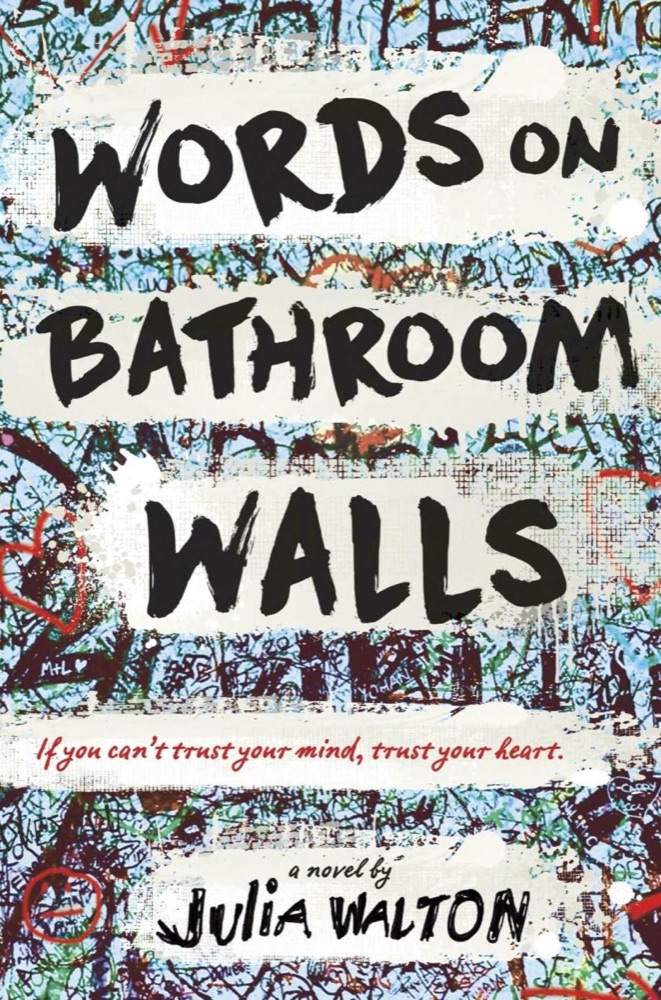 Words on Bathroom Walls
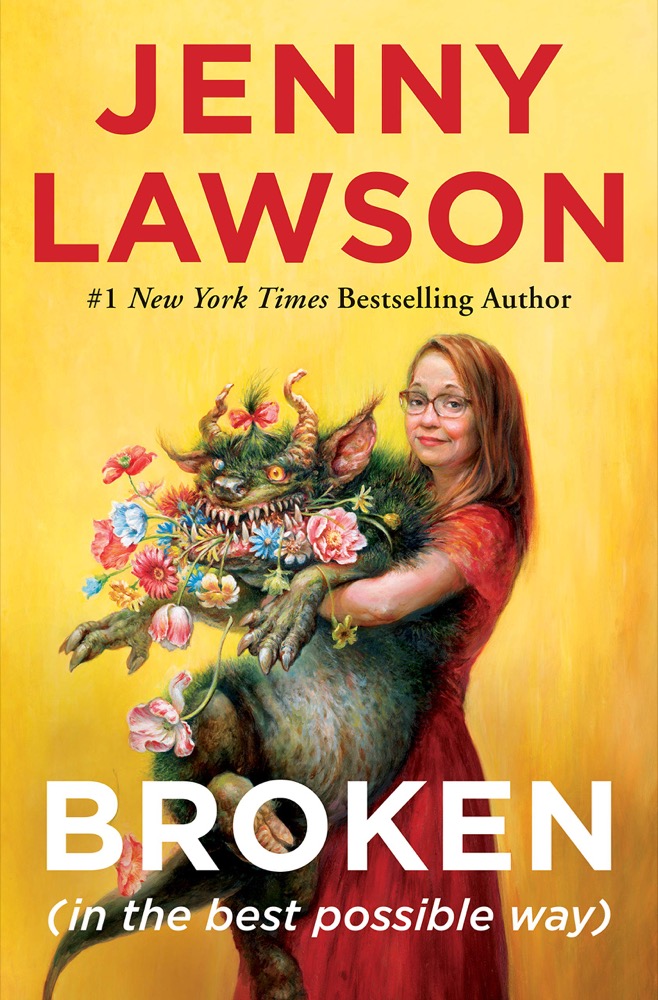 Broken
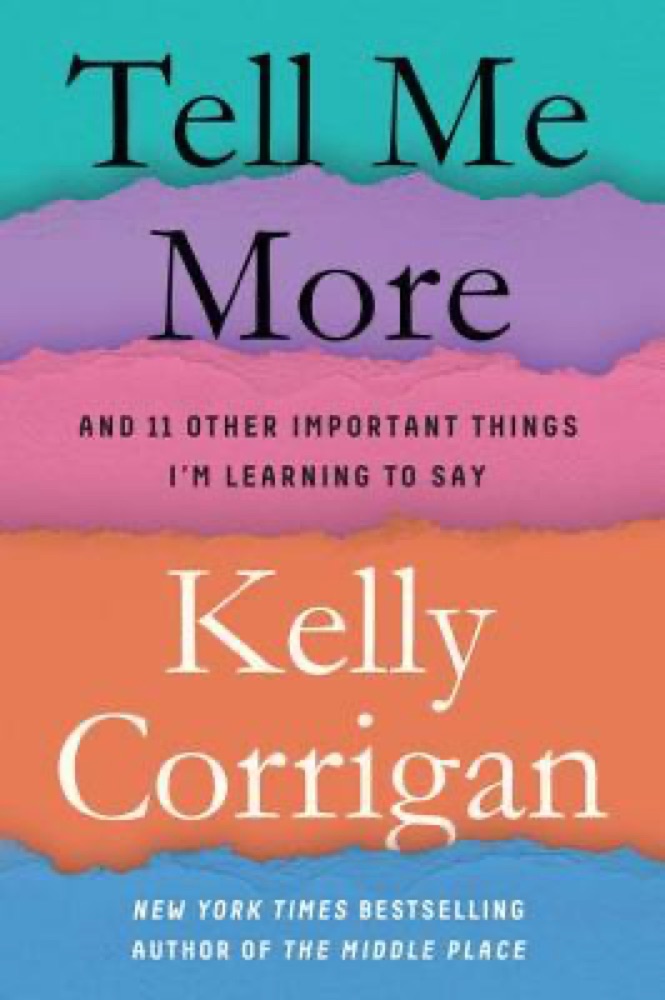 Tell Me More: Stories About the 12 Hardest Things I'm Learning to Say
 Paris: A Memoir for Young Women in the Age of Influencers
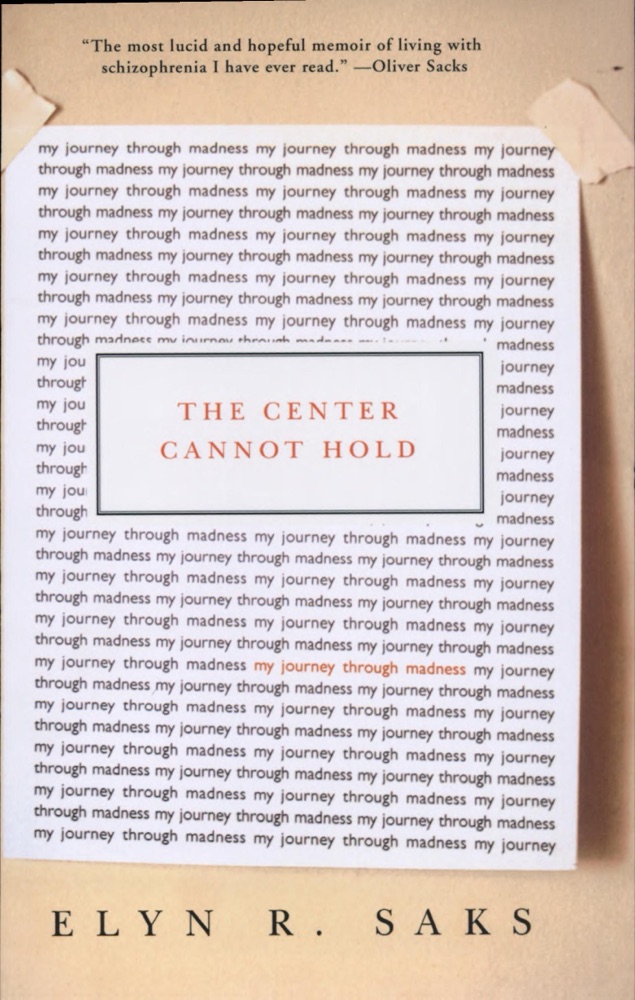 The Center Cannot Hold: My Journey Through Madness
 The Collected Schizophrenias: Essays
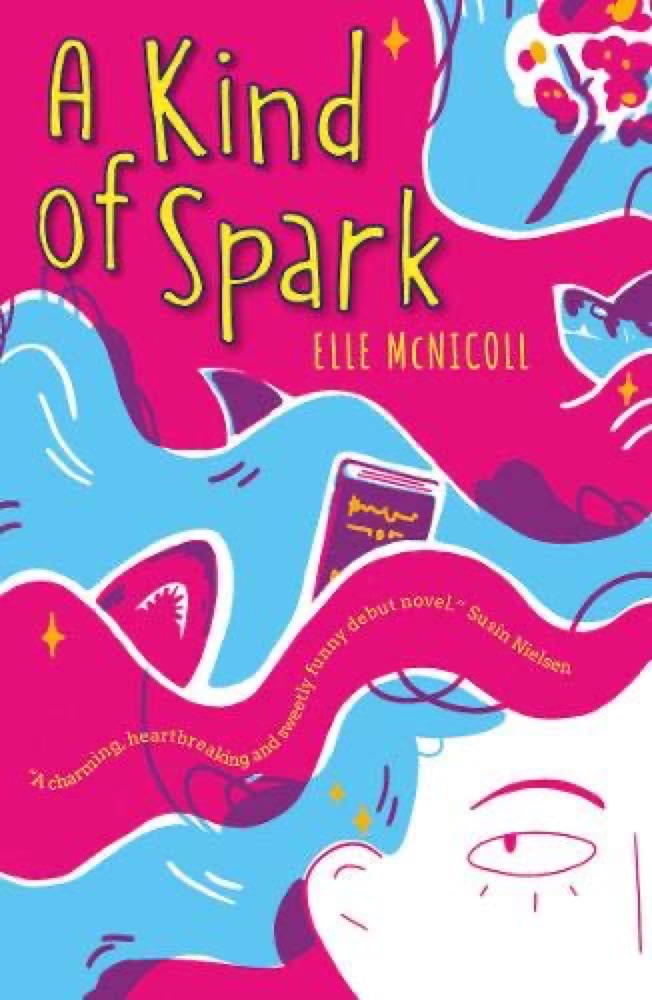 A Kind of Spark
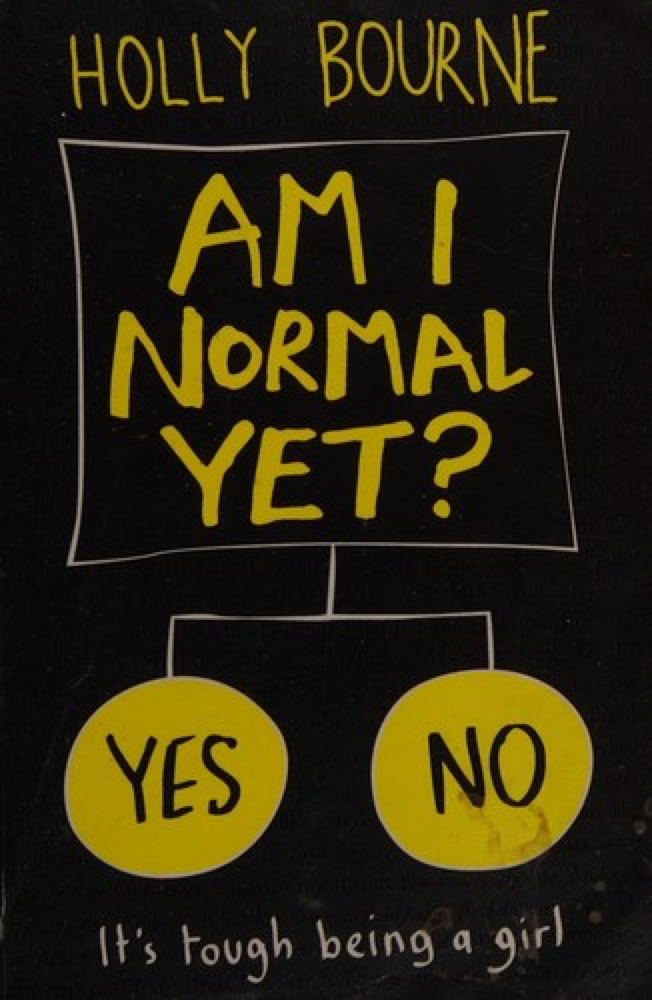 Am I Normal Yet?
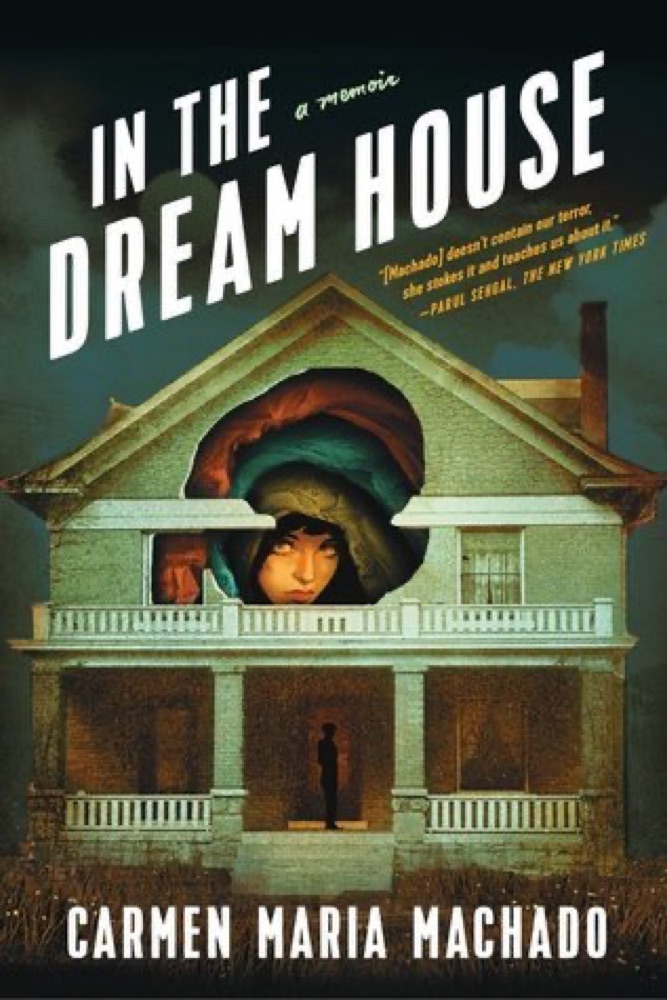 In the Dream House
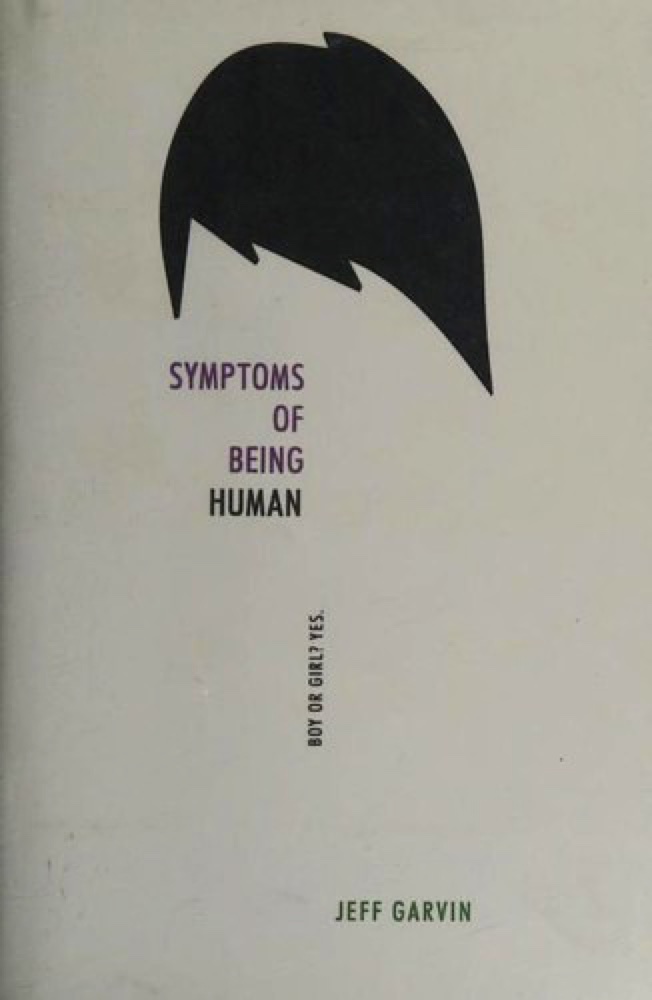 Symptoms of Being Human
 Uncaged Wallflower
 Furiously Happy: A Funny Book About Horrible Things
 Maybe You Should Talk to Someone: A Therapist, Her Therapist, and Our Lives Revealed
 More, Now, Again: A Memoir of Addiction
 Into the Magic Shop: A Neurosurgeon's Quest to Discover the Mysteries of the Brain and the Secrets of the Heart
 The Art of Starving
 On Being Human: A Memoir of Waking Up, Living Real, and Listening Hard
 We Can Do Hard Things: Answers to Life's 20 Questions
 Shoot the Damn Dog: A Memoir of Depression
 In The Blood
 The Silent Patient
 Reasons to Stay Alive
 Life Will Be the Death of Me: . . . and you too!
 Dear Senthuran: A Black Spirit Memoir
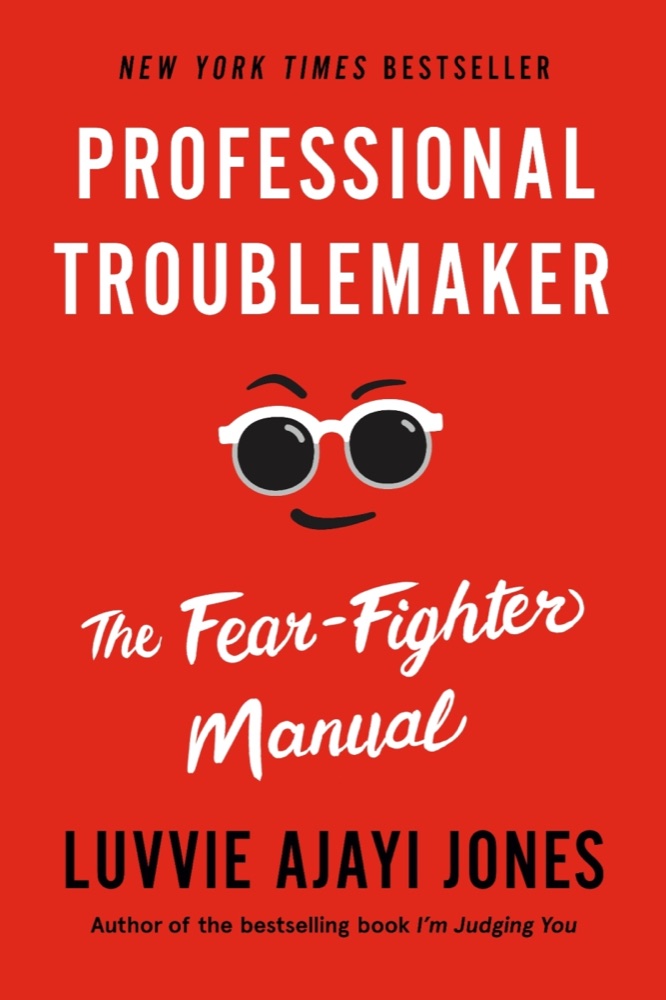 Professional Troublemaker: The Fear-Fighter Manual
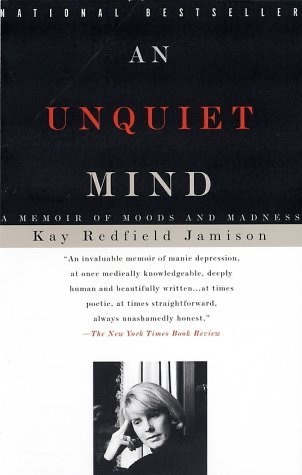 An Unquiet Mind: A Memoir of Moods and Madness
 Stay
Stay
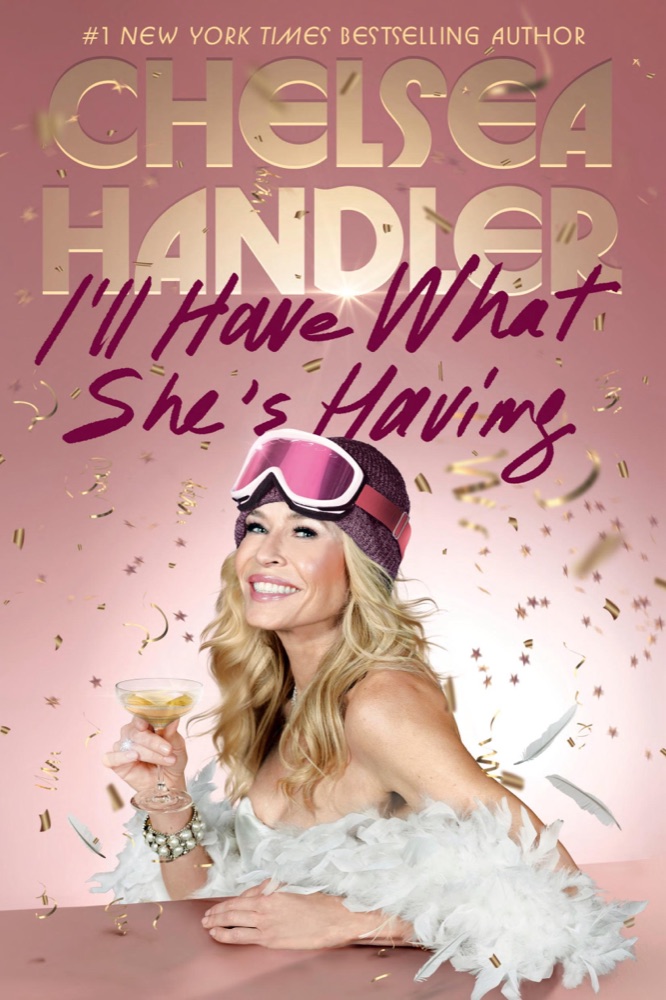 I'll Have What She's Having
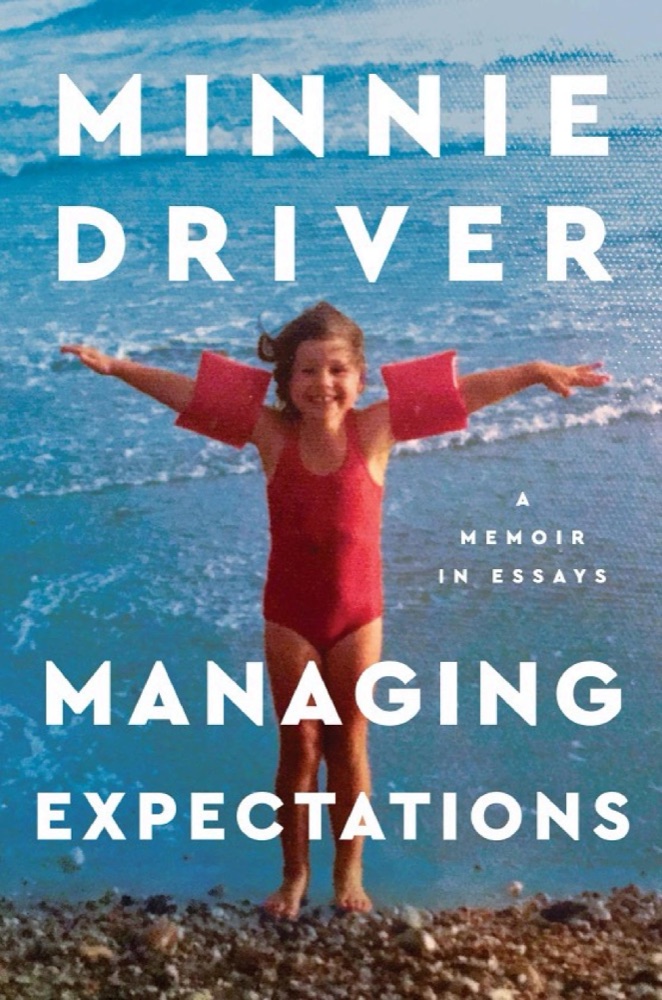 Managing Expectations: A Memoir in Essays – A Poignant Collection of Personal Stories on Acting, Failure, and Motherhood's Joy
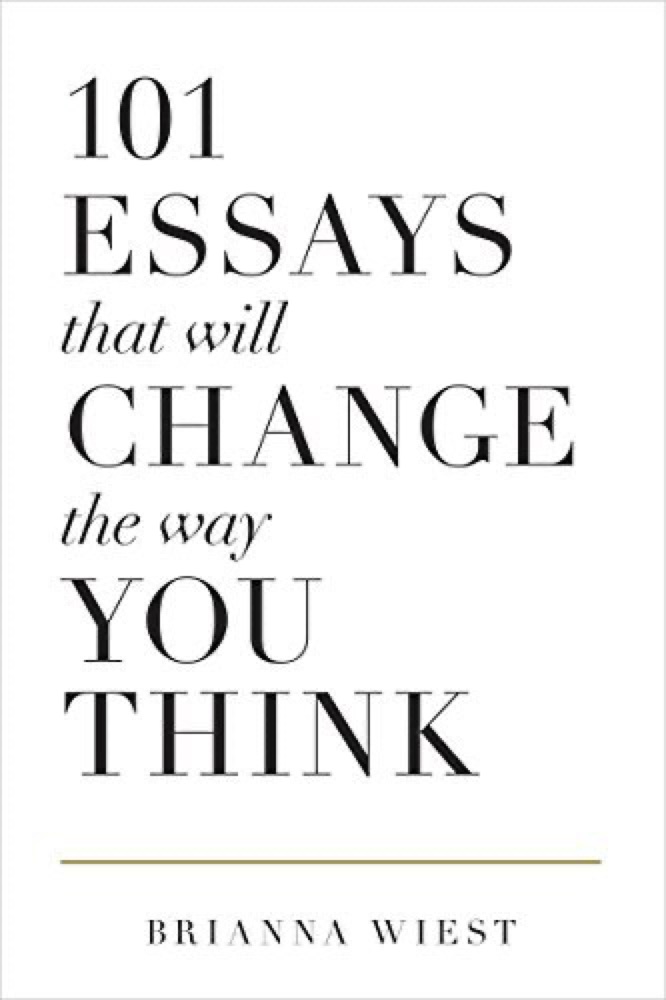 101 Essays That Will Change The Way You Think
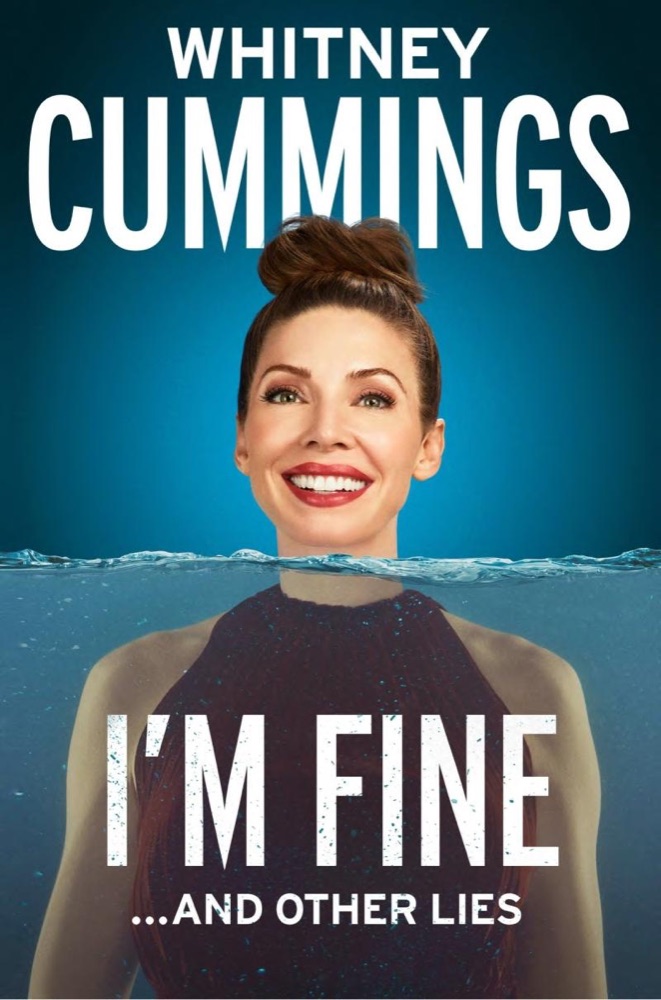 I'm Fine...And Other Lies
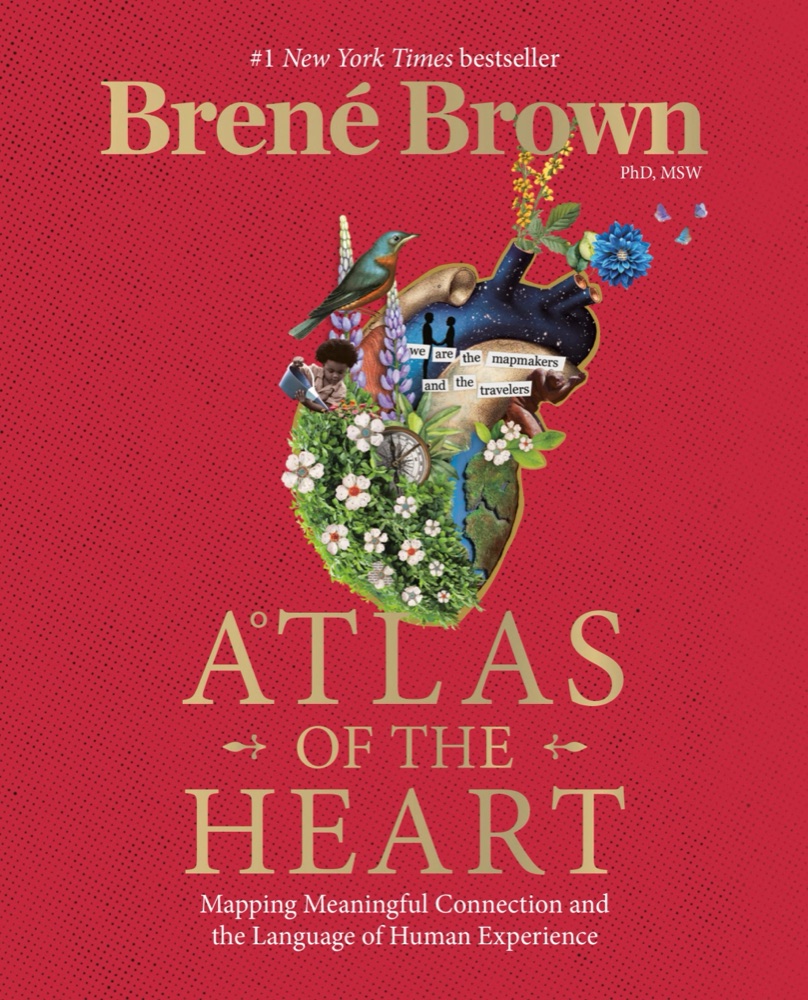 Atlas of the Heart: Mapping Meaningful Connection and the Language of Human Experience
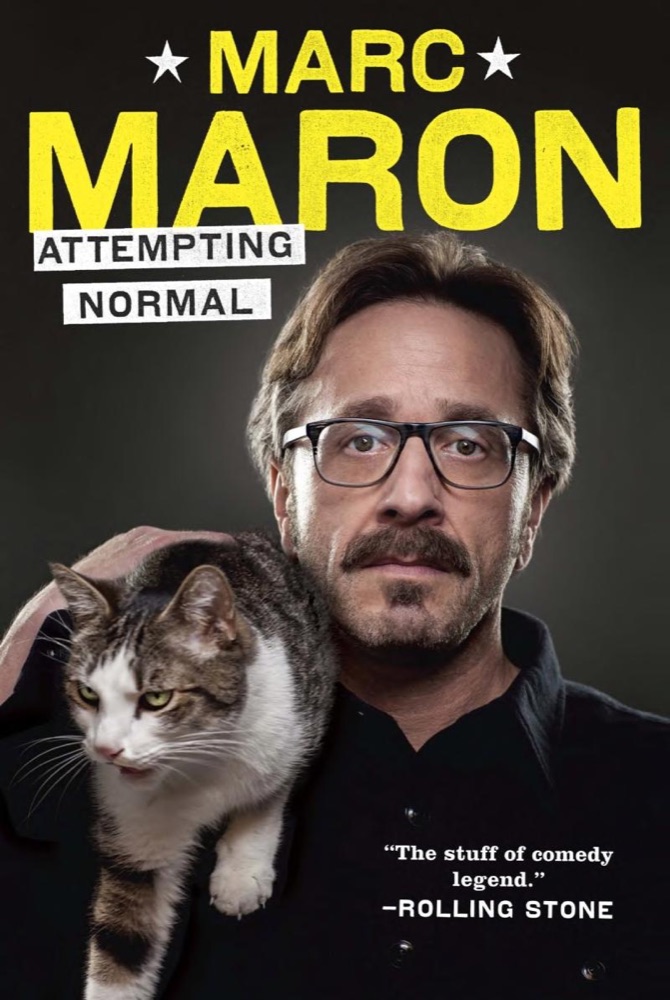 Attempting Normal
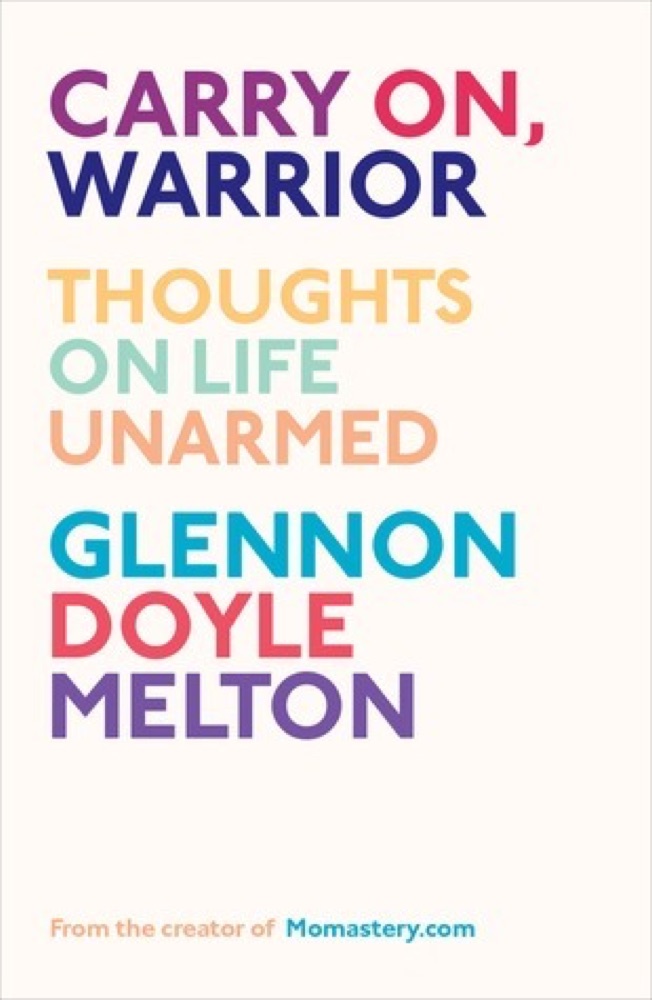 Carry On, Warrior: Thoughts on Life Unarmed
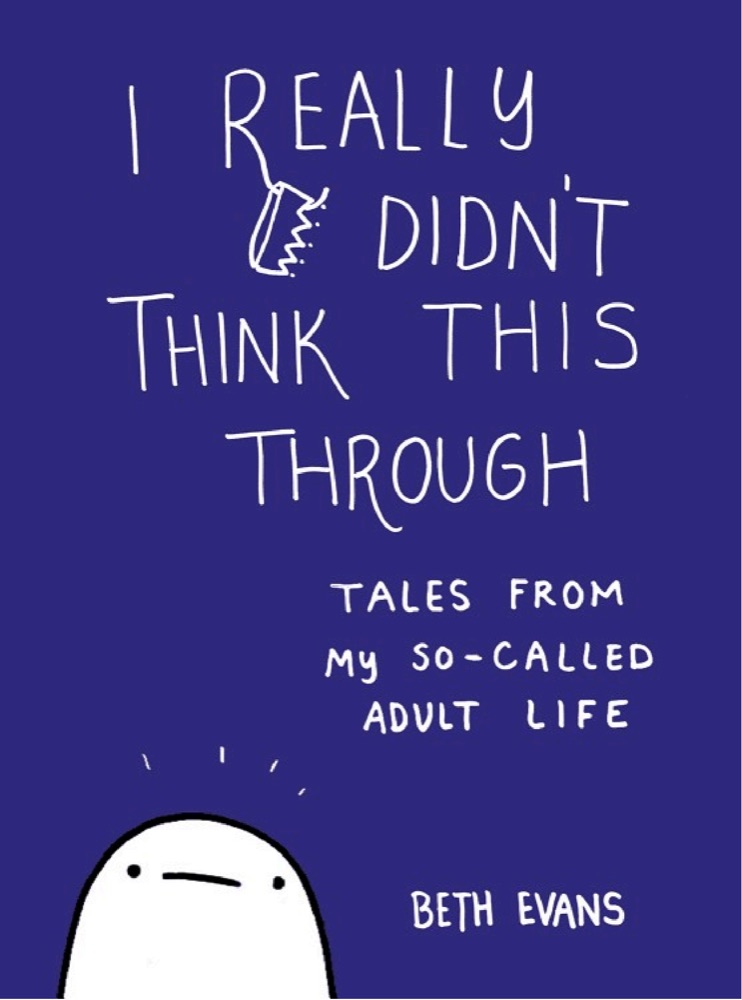 I Really Didn't Think This Through: Tales from My So-Called Adult Life
 This Song Will Save Your Life
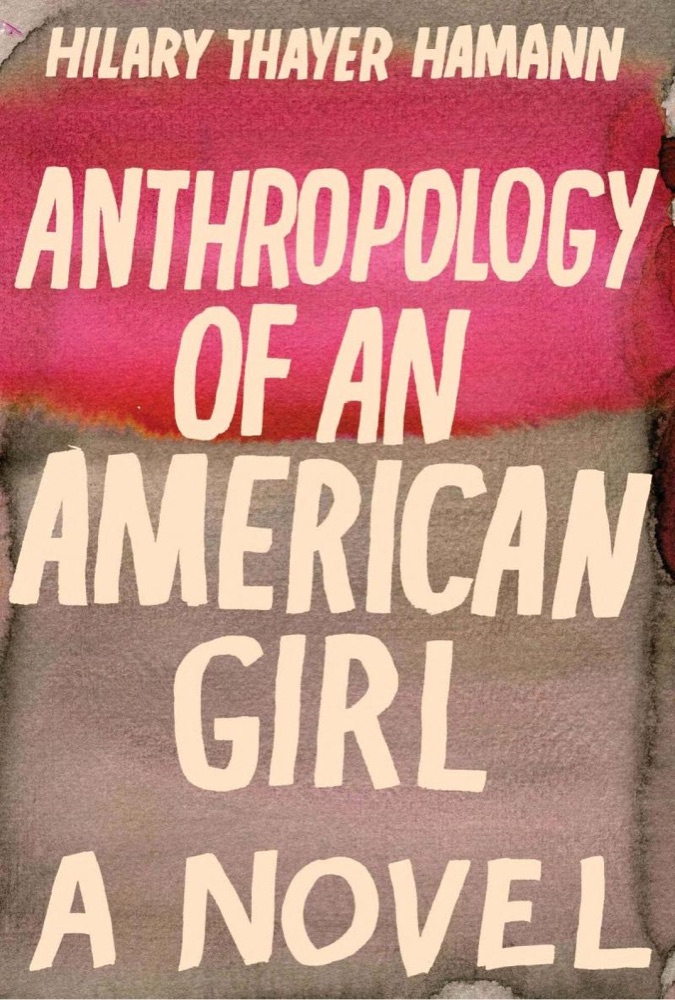 Anthropology of an American Girl
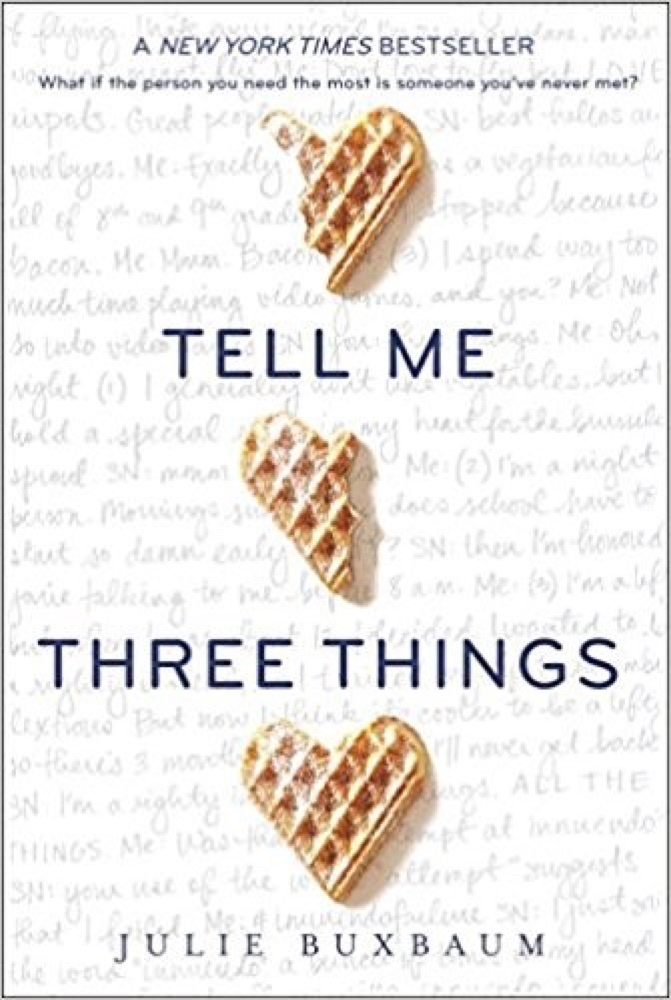 Tell Me Three Things
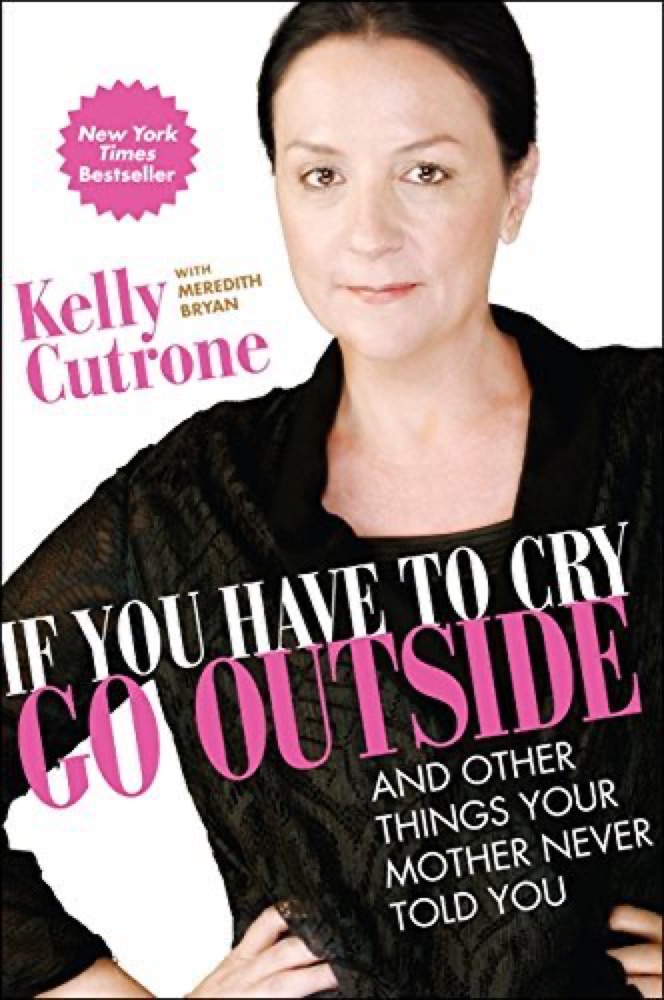 If You Have to Cry, Go Outside: And Other Things Your Mother Never Told You
 How to Stay Sane
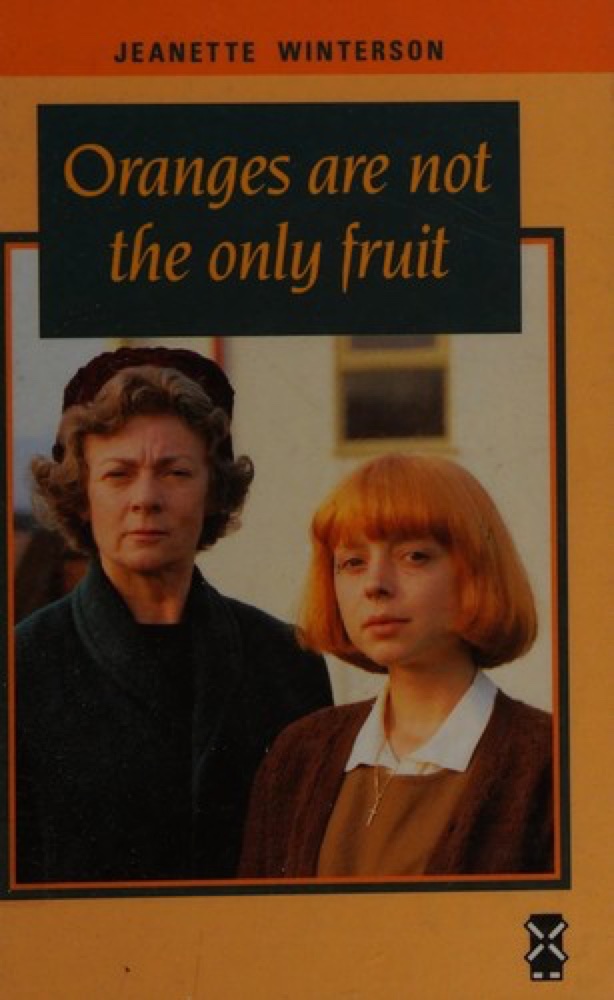 Oranges Are Not the Only Fruit
 A Room Called Earth
 It's Okay to Laugh
 The Stories We Tell: Every Piece of Your Story Matters
 Notes on a Nervous Planet
 The Light We Carry: Overcoming in Uncertain Times
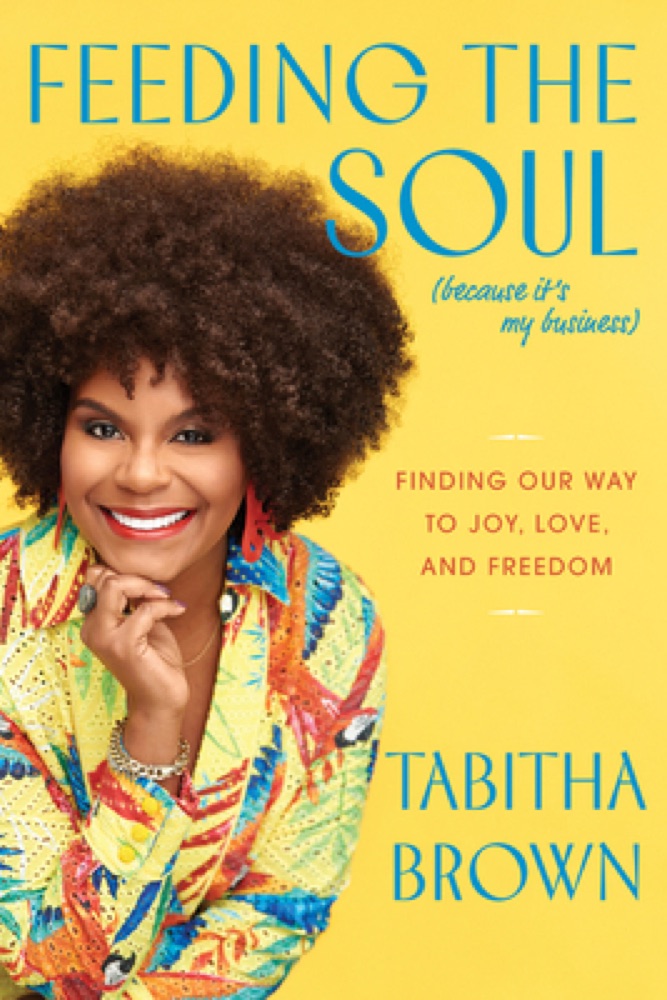 Feeding the Soul (Because It's My Business): Finding Our Way to Joy, Love, and Freedom
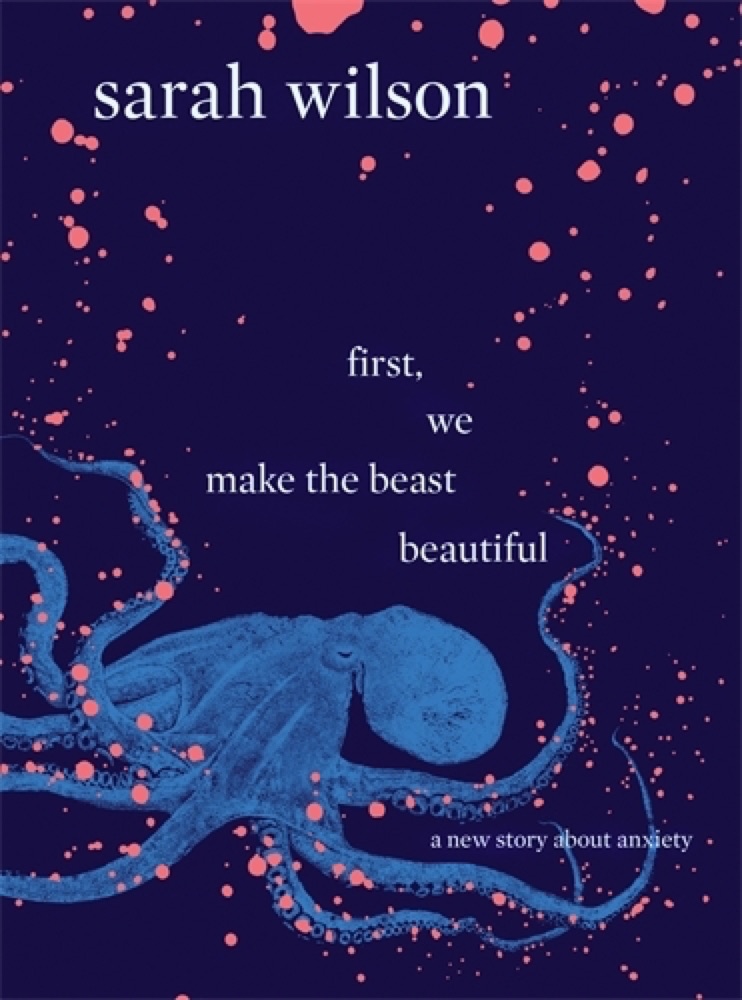 First, We Make the Beast Beautiful: A New Story About Anxiety
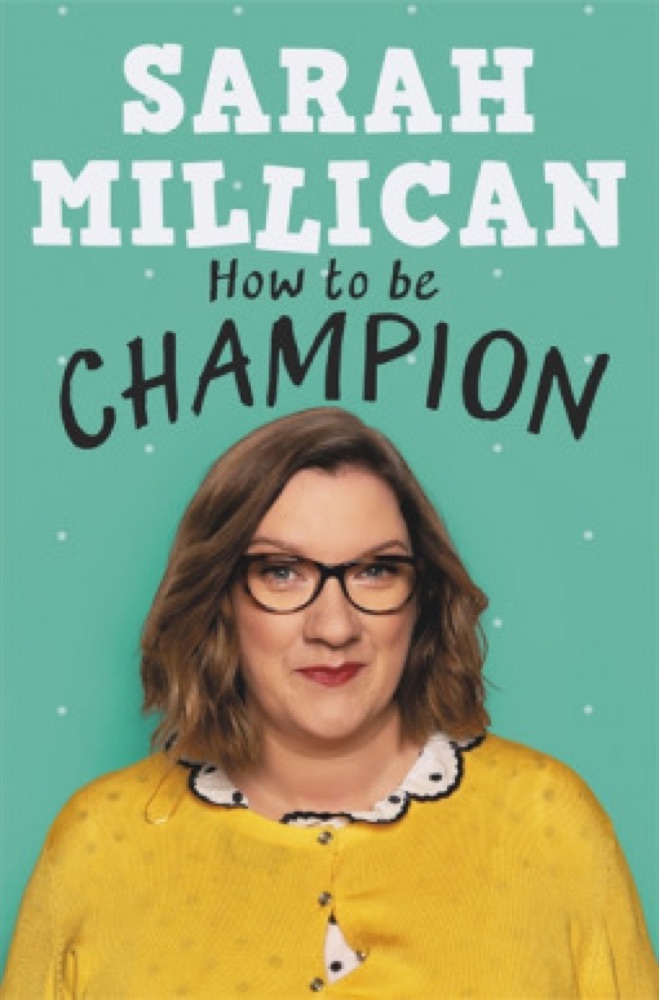 How to be Champion
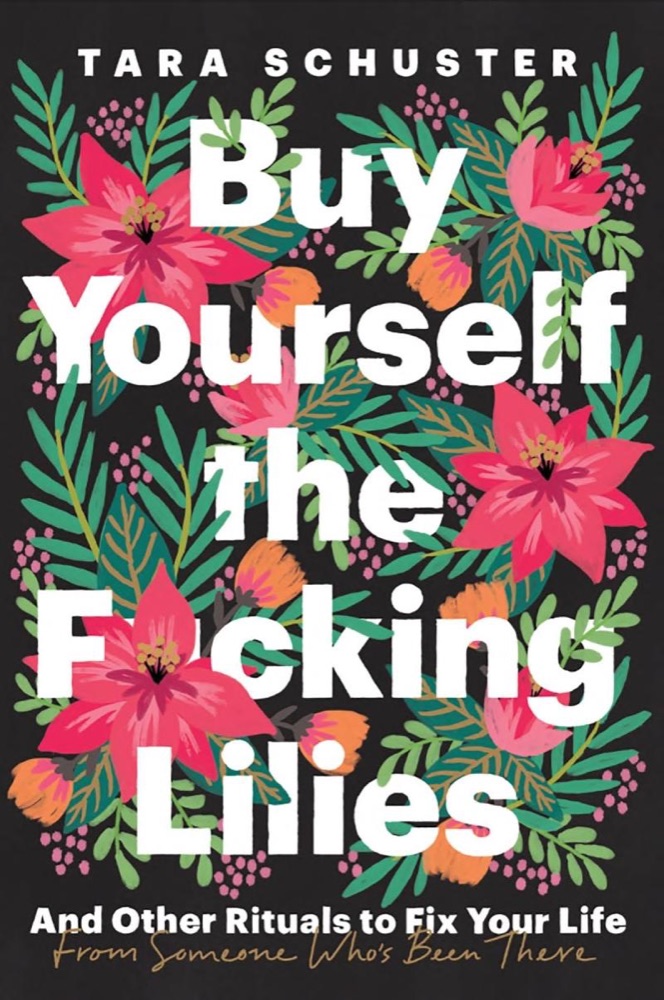 Buy Yourself the F*cking Lilies: And Other Rituals to Fix Your Life, from Someone Who's Been There
 The Collected Stories of Lydia Davis
 Good Morning, Monster: A Therapist Shares Five Heroic Stories of Emotional Recovery
 What I Mean When I Say I'm Autistic: Unpuzzling a Life on the Autism Spectrum
 Ten Steps to Nanette
 It's Not Like It's a Secret
 Almond