
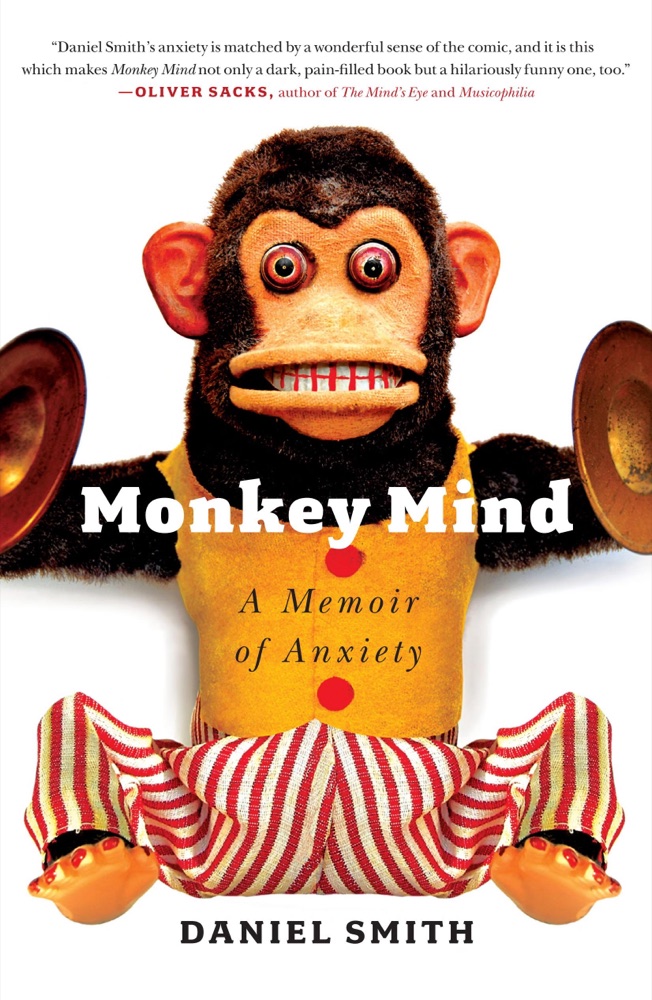
 Monkey Mind: A Memoir of Anxiety
Quotes from the Book
To some people, I may seem calm. But if you could peer beneath the surface, you would see that I'm like a duck--paddling, paddling, paddling.
30
It is a fact—I say this from experience—that being severely anxious is depressing. Anxiety can impede your relationships, impair your performance, constrict your life, and limit your possibilities.
11
for the existentialists, what generated anxiety was not the godlessness of the world, per se, but rather the freedom to choose between God and godlessness. Though freedom is something we actively seek, the freedom to choose generates anxiety. “When I behold my possibilities,” Kierkegaard wrote, “I experience that dread which is the dizziness of freedom, and my choice is made in fear and trembling.” Many people try to flee anxiety by fleeing choice. This helps explain the perverse-seeming appeal of authoritarian societies—the certainties of a rigid, choiceless society can be very reassuring—and why times of upheaval so often produce extremist leaders and movements: Hitler in Weimar Germany, Father Coughlin in Depression-era America, or Jean-Marie Le Pen in France and Vladimir Putin in Russia today. But running from anxiety, Kierkegaard believed, was a mistake because anxiety was a “school” that taught people to come to terms with the human condition.
11
social phobics are better at picking up on subtle social cues than other people are—but they tend to overinterpret anything that could be construed as a negative reaction.
5
More than a few people, some of whom think they know me quite well, have remarked that they are struck that I, who can seem so even-keeled and imperturbable, would choose to write a book about anxiety. I smile gently while churning inside and thinking about what I’ve learned is a signature characteristic of the phobic personality: “the need and ability”—as described in the self-help book Your Phobia—“to present a relatively placid, untroubled appearance to others, while suffering extreme distress on the inside.”c
4
Some social phobics find even positive attention to be aversive. Think of the young child who bursts into tears when guests sing “Happy Birthday” to her at a party—or of Elfriede Jelinek afraid to pick up her Nobel Prize. Social attention—even positive, supportive attention—activates the neurocircuitry of fear. This makes sense from an evolutionary perspective. Calling positive attention to yourself can incite jealousy or generate new rivalries.
4
The truth is that anxiety is at once a function of biology and philosophy, body and mind, instinct and reason, personality and culture.
4
Individuals who rate high on the so-called Anxiety Sensitivity Index, or ASI, have a high degree of what's known as interoceptive awareness, meaning they are highly attuned to the inner workings on their bodies, to the beepings and bleatings, the blips and burps, of their physiologies; they are more conscious of their heart rate, blood pressure, digestive burblings, and so forth than other people are.
3
But none of these treatments have fundamentally reduced the underlying anxiety that seems woven into my soul and hardwired into my body and that at times makes my life a misery. As the years pass, the hope of being cured of my anxiety has faded into a resigned desire to come to terms with it, to find some redemptive quality or mitigating benefit to my being, too often, a quivering, quaking, neurotic wreck.
3
(Researchers at the University of Iowa have for years been studying a woman, known in the literature as S.M., whose amygdala was destroyed by a rare disease—and who cannot, as a consequence, experience fear.)
2
A panic attack is interesting the way a broken leg or a kidney stone is interesting—a pain that you want to end.
2
We all know perfectly well that the man who lives out his life as a consumer,” he writes in “The Coming Crisis in Psychiatry,” “a sexual partner, an ‘other-directed’ executive; who avoids boredom and anxiety by consuming tons of newsprint, miles of film, years of TV time; that such a man has somehow betrayed his destiny as a human being.
2
biomedical view, for its part, increasingly recognizes the power of things like meditation and traditional talk therapy to render concrete structural changes in brain physiology that are every bit as “real” as the changes wrought by pills or electroshock therapy. A study published by researchers at Massachusetts General Hospital in 2011 found that subjects who practiced meditation for an average of just twenty-seven minutes a day over a period of eight weeks produced visible changes in brain structure. Meditation led to decreased density of the amygdala, a physical change that was correlated with subjects’ self-reported stress levels—as their amygdalae got less dense, the subjects felt less stressed. Other studies have found that Buddhist monks who are especially good at meditating show much greater activity in their frontal cortices, and much less in their amygdalae, than normal people.n Meditation and deep-breathing exercises work for similar reasons as psychiatric medications do, exerting their effects not just on some abstract concept of mind but concretely on our bodies, on the somatic correlates of our feelings. Recent research has shown that even old-fashioned talk therapy can have tangible, physical effects on the shape of our brains. Perhaps Kierkegaard was wrong to say that the man who has learned to be in anxiety has learned the most important, or the most existentially meaningful, thing—perhaps the man has only learned the right techniques for controlling his hyperactive amygdala.o
1
And no Grand Inquisitor has in readiness such terrible tortures as has anxiety, and no spy knows how to attack more artfully the man he suspects, choosing the instant when he is weakest, nor knows how to lay traps where he will be caught and ensnared, as anxiety knows how, and no sharpwitted judge knows how to interrogate, to examine the accused as anxiety does, which never lets him escape, neither by diversion nor by noise, neither at work nor at play, neither by day nor by night. —SØREN KIERKEGAARD, The Concept of Anxiety (1844)
1
The average high school kid today has the same level of anxiety as the average psychiatric patient in the 1950s.”)
1
For the social phobic, any kind of performance—musical, sporting, public speaking—can be terrifying because failure will reveal the weakness and inadequacy within. This in turn means constantly projecting an image that feels false—an image of confidence, competence, even perfection.
1
If I seem unduly preoccupied with Darwin’s stomach, perhaps you can understand why. It seems both apt and ironic that the man responsible for launching the modern study of fear—and for identifying it as an emotion with concrete physiological, and especially gastrointestinal, effects—was himself so miserably afflicted by a nervous stomach.
He installed a mirror outside his study window so he could see guests coming up the drive before they saw him, allowing him time to brace himself or to hide.
The voyage of the Beagle, four years and nine months long, was a pivotal experience, enabling Darwin to develop his scientific work.k The months in port prior to the launch of the Beagle were, as Darwin would write in his old age, “the most miserable which I ever spent”—and that’s saying something, given the terrible physical suffering he would later endure. “I was out of spirits at the thought of leaving all my family and friends for so long a time, and the weather seemed to me inexpressibly gloomy,” he recalled. “I was also troubled with palpitations and pain about the heart, and like many a young ignorant man, especially one with a smattering of medical knowledge, was convinced I had heart disease.” He also suffered from faintness and tingling in his fingers. These are all symptoms of anxiety—and in particular of the hyperventilation associated with panic disorder.
Evidence suggests that people with irritable bowels have bodies that are more physically reactive to stress. I recently came across an article in the medical journal Gut that explained the circular relationship between cognition (your conscious thought) and physiological correlates (what your body does in response to that thought): people who are less anxious tend to have minds that don’t overreact to stress and bodies that don’t overreact to stress when their minds experience it, while clinically anxious people tend to have sensitive minds in sensitive bodies—small amounts of stress set them to worrying, and small amounts of worrying set their bodies to malfunctioning. People with nervous stomachs are also more likely than people with settled stomachs to complain of headaches, palpitations, shortness of breath, and general fatigue. Some evidence suggests that people with irritable bowel syndrome have greater sensitivity to pain, are more likely to complain about minor ailments like colds, and are more likely to consider themselves sick than other people.
A number of recent studies published in periodicals like the Journal of Psychosomatic Research have found a powerful interrelationship among anxiety sensitivity, irritable bowel syndrome, worry, and a personality trait known as neuroticism, which psychologists define as you would expect—a tendency to dwell on the negative; a high susceptibility to excessive feelings of anxiety, guilt, and depression; and a predisposition to overreact to minor stress. Unsurprisingly, people who score high on cognitive measures of neuroticism are disproportionately prone to developing phobias, panic disorder, and depression. (People who score low on the neuroticism scale are disproportionately resistant to those disorders.)
This is consistent with a trait called anxiety sensitivity, which research has shown to be strongly correlated with panic disorder. Individuals who rate high on the so-called Anxiety Sensitivity Index, or ASI, have a high degree of what’s known as interoceptive awareness, meaning they are highly attuned to the inner workings of their bodies, to the beepings and bleatings, the blips and burps, of their physiologies; they are more conscious of their heart rate, blood pressure, body temperature, breathing rates, digestive burblings, and so forth than other people are. This hyperawareness of physiological activity makes such people more prone to “internally cued panic attacks”: the individual with a high ASI rating picks up on a subtle increase in heart rate or a slight sensation of dizziness or a vague, unidentifiable fluttering in the chest; this perception, in turn, produces a frisson of conscious anxiety (Am I having a heart attack?), which causes those physical sensations to intensify. The individual immediately perceives this intensification of sensation—which in turn generates more anxiety, which produces still more intensified sensations, and before long the individual is in the throes of panic.
Other recent research suggests that James and Lange were right in observing that physiological processes in the body are crucial to driving emotions and determining their intensity. For instance, a growing number of studies show that facial expressions can produce—rather than just reflect—the emotions associated with them. Smile and you will be happy; tremble, as James said, and you will be afraid.
But various studies conducted since the early 1960s suggest that the James-Lange theory was not, after all, completely wrong. When researchers at Columbia gave study subjects an injection of adrenaline, the heart rate and breathing rate of all the subjects increased, and they all experienced an intensification of emotion—but the researchers could manipulate what emotion the subjects felt by changing the context. Those subjects given reason to feel positive emotions felt happy, while those given reason to feel negative emotions felt angry or anxious—and in every case they felt the respective emotion (whatever it happened to be) more powerfully than those subjects who had been given a placebo injection. The injection of adrenaline increased the intensity of emotion, but it did not determine what emotion that would be; the experimental context supplied that. This suggests that the autonomic systems of the body supply the mechanics of the emotion—but the mind’s interpretation of the outside environment supplies the valence.
Physical states create psychic ones and not vice-versa. The James-Lange theory was later undermined by research on patients with spinal cord injuries that prevented them from receiving any somatic information from their viscera—people who literally could not feel muscle tension or stomach discomfort; people who were, in effect, brains without bodies—yet who still reported experiencing the unpleasant psychological sensations of dread or anxiety. This suggested that the James-Lange theory was, if not wholly wrong, at least incomplete. If patients unable to receive information about the state of their bodies can still experience anxiety, then maybe anxiety is primarily a mental state, one that doesn’t require input from the rest of the body.
The very best meditators seem even to be able to suppress their startle response, a rudimentary physiological reaction to loud noises or other sudden stimuli that is mediated through the amygdala. (The strength of one’s startle response—whether measured in infancy or adulthood—has been shown to be highly correlated with the propensity to develop anxiety disorders and depression.)
Today, evolutionary psychologists say Watson misinterpreted his Little Albert experiment: the real reason Albert developed such a profound phobia of rats was not because behavioral conditioning is so intrinsically potent but because the human brain has a natural—and evolutionarily adaptive—predisposition to fear small furry things on the basis of the diseases they carry. (I explore this at greater length in chapter 9.)
bitter fights over revisions for the DSM-V—which have included public denunciations of it by the chairmen of the task forces that produced the DSM-III and DSM-IV, respectively—suggest that psychiatric diagnosis may be more a matter of politics and marketing than either art or science. c
When man lost his faith in God and in reason, existentialists like Kierkegaard and Sartre believed, he found himself adrift in the universe and therefore adrift in anxiety. But for the existentialists, what generated anxiety was not the godlessness of the world, per se, but rather the freedom to choose between God and godlessness. Though freedom is something we actively seek, the freedom to choose generates anxiety. “When I behold my possibilities,” Kierkegaard wrote, “I experience that dread which is the dizziness of freedom, and my choice is made in fear and trembling.” Many people try to flee anxiety by fleeing choice. This helps explain the perverse-seeming appeal of authoritarian societies—the certainties of a rigid, choiceless society can be very reassuring—and why times of upheaval so often produce extremist leaders and movements: Hitler in Weimar Germany, Father Coughlin in Depression-era America, or Jean-Marie Le Pen in France and Vladimir Putin in Russia today. But running from anxiety, Kierkegaard believed, was a mistake because anxiety was a “school” that taught people to come to terms with the human condition. §
Watch on YouTube
About Scott Stossel
We have collected 29 quotes from 1 book by Scott Stossel on BookQuoters.
More about the author →About the book
The New York Times bestseller and shortlisted for the Wellcome Book Prize 2015.
As recently as thirty-five years ago, anxiety did not exist as a diagnostic category. Today, it is the most common form of officially classified mental illness. Scott Stossel gracefully guides us across the terrain of an affliction that is pervasive yet too often misunderstood.
Drawing on his own long-standing battle with anxiety, Stossel presents an astonishing history, at once intimate and authoritative, of the efforts to understand the condition from medical, cultural, philosophical and experiential perspectives. He ranges from the earliest medical reports of Galen and Hippocrates, through later observations by Robert Burton and Søren Kierkegaard, to the investigations by great nineteenth-century scientists, such as Charles Darwin, William James and Sigmund Freud, as they began to explore its sourc
Book details
- First published
- 2014
- Author
- Scott Stossel
- Genre
- Nonfiction
- Goodreads rating
- 3.86 (8k ratings)
Keep reading
Monkey Mind: A Memoir of Anxiety
 Why Zebras Don't Get Ulcers
 When the Body Says No: The Cost of Hidden Stress
 First, We Make the Beast Beautiful: A New Story About Anxiety
 Good Reasons for Bad Feelings: Insights from the Frontier of Evolutionary Psychiatry
 In an Unspoken Voice: How the Body Releases Trauma and Restores Goodness
 Healing Back Pain: The Mind-Body Connection
 The Dance of Fear: Rising Above Anxiety, Fear, and Shame to Be Your Best and Bravest Self
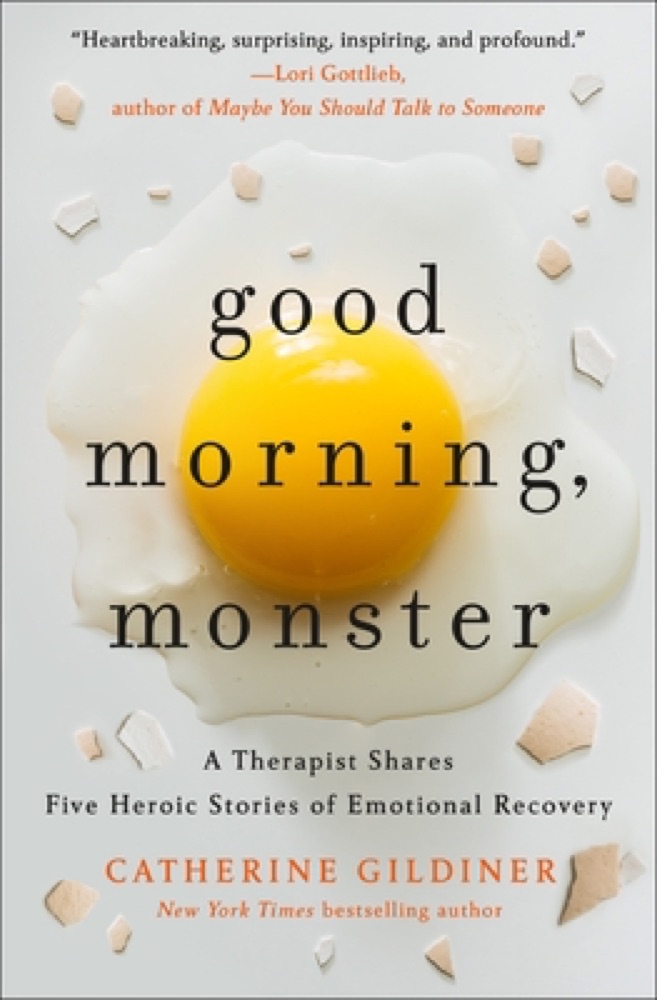 Good Morning, Monster: A Therapist Shares Five Heroic Stories of Emotional Recovery
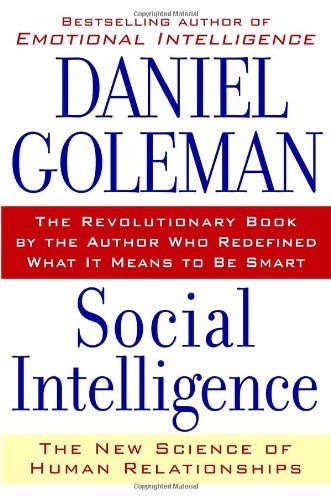 Social Intelligence: The New Science of Human Relationships
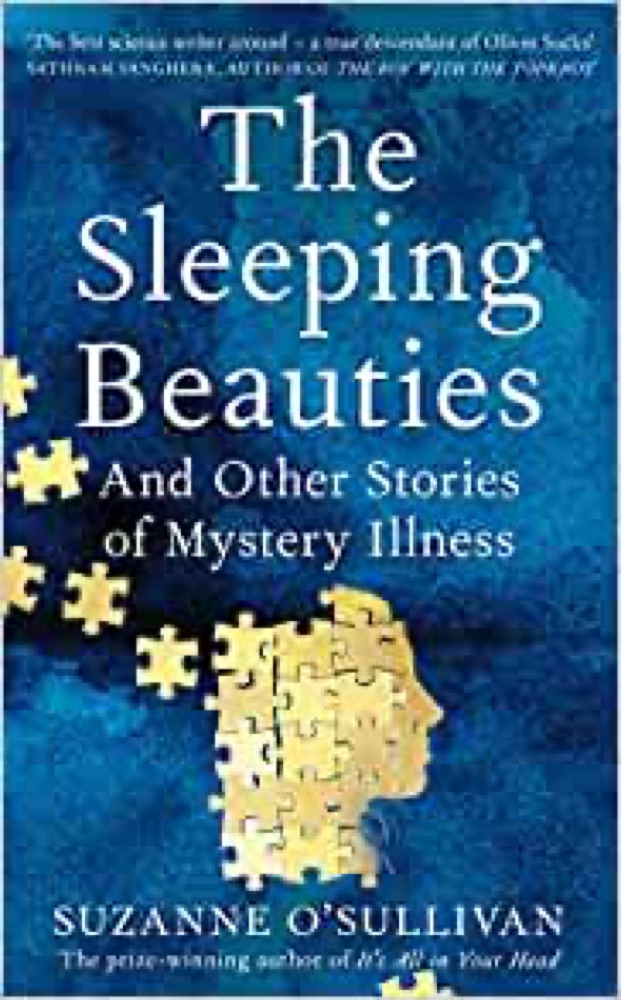 The Sleeping Beauties: And Other Stories of Mystery Illness
 Man's Search for Himself
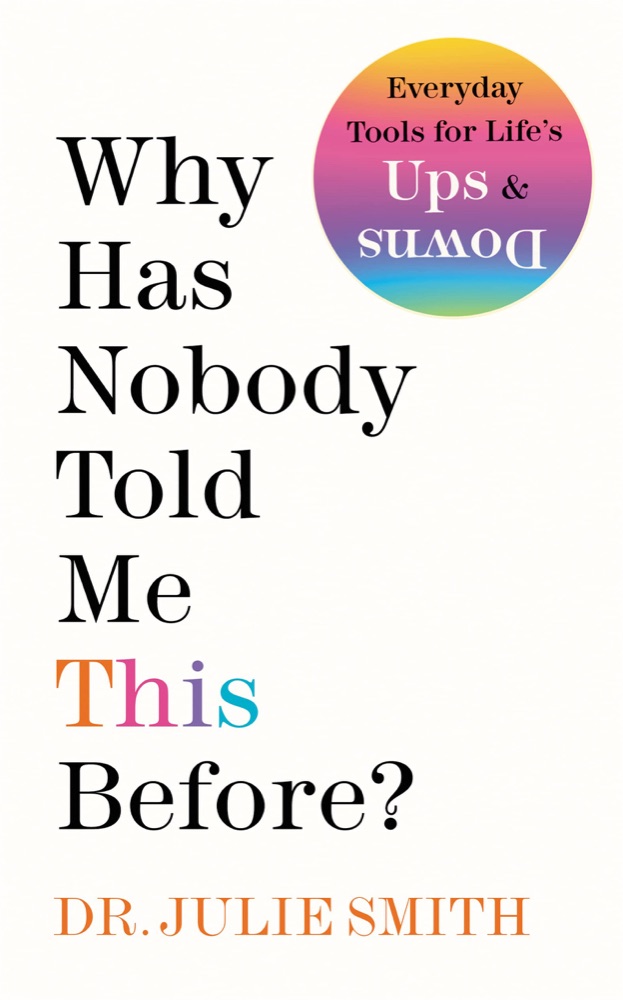 Why Has Nobody Told Me This Before?
 Behave: The Biology of Humans at Our Best and Worst
 Lost Connections: Uncovering the Real Causes of Depression - and the Unexpected Solutions
 The Antidote: Happiness for People Who Can't Stand Positive Thinking
 The Center Cannot Hold: My Journey Through Madness
 Letting Go: The Pathway To Surrender
 The Boy Who Was Raised as a Dog: And Other Stories from a Child Psychiatrist's Notebook
 It's Not Always Depression: Working the Change Triangle to Listen to the Body, Discover Core Emotions, and Connect to Your Authentic Self
 Descartes' Error: Emotion, Reason and the Human Brain
 A First-Rate Madness: Uncovering the Links Between Leadership and Mental Illness
 The Worry Trick: How Your Brain Tricks You Into Expecting the Worst and What You Can Do About It
 The Anxious Generation: How the Great Rewiring of Childhood Caused an Epidemic of Mental Illness
 The Upward Spiral: Using Neuroscience to Reverse the Course of Depression, One Small Change at a Time
 Scattered Minds: The Origins and Healing of Attention Deficit Disorder
 Natural Causes: An Epidemic of Wellness, the Certainty of Dying, and Killing Ourselves to Live Longer
 Unfuck Your Brain: Using Science to Get Over Anxiety, Depression, Anger, Freak-Outs, and Triggers
 Why We Get Sick: The New Science of Darwinian Medicine
 The Collected Schizophrenias: Essays
 The Invisible Kingdom: Reimagining Chronic Illness
 Feeling Good: The New Mood Therapy
 Heartbreak: A Personal and Scientific Journey
 Complex PTSD: From Surviving to Thriving
 An Unquiet Mind: A Memoir of Moods and Madness
 Atlas of the Heart: Mapping Meaningful Connection and the Language of Human Experience
 The Noonday Demon: An Atlas of Depression
 A General Theory of Love
 The Hilarious World of Depression
 An Anthropologist on Mars
 The Highly Sensitive Person: How to Thrive When the World Overwhelms You
 Mama's Last Hug: Animal Emotions and What They Tell Us about Ourselves
 Emotional Intelligence: Why It Can Matter More Than IQ
 Hardcore Self Help: F**k Anxiety
 A User's Guide to the Brain: Perception, Attention, and the Four Theaters of the Brain
 The New Psycho-Cybernetics: The Original Science of Self-Improvement and Success That Has Changed the Lives of 30 Million People
 The Mindful Way through Depression: Freeing Yourself from Chronic Unhappiness
 Under Rose-Tainted Skies
 When Things Fall Apart: Heart Advice for Difficult Times
 Toward a Psychology of Being
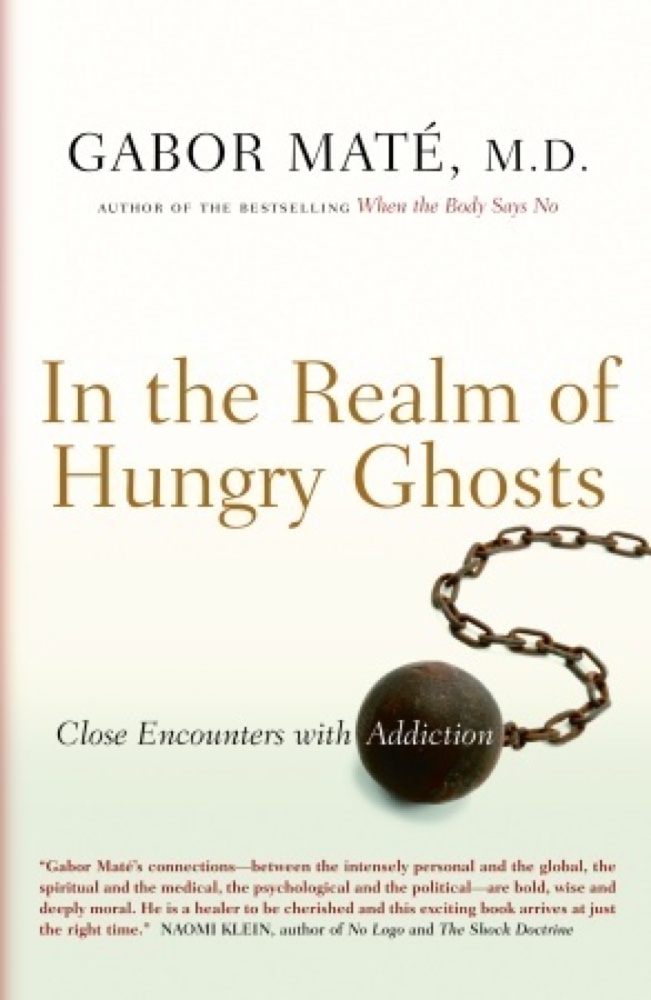 In the Realm of Hungry Ghosts: Close Encounters with Addiction
 What My Bones Know
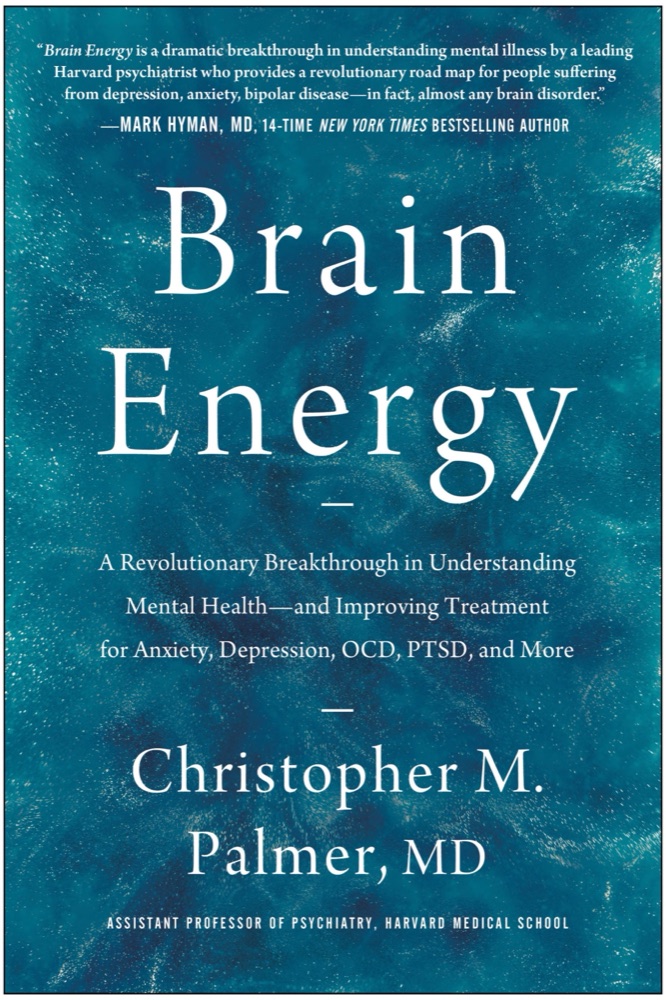 Brain Energy: A Revolutionary Breakthrough in Understanding Mental Health—and Improving Treatment for Anxiety, Depression, OCD, PTSD, and More
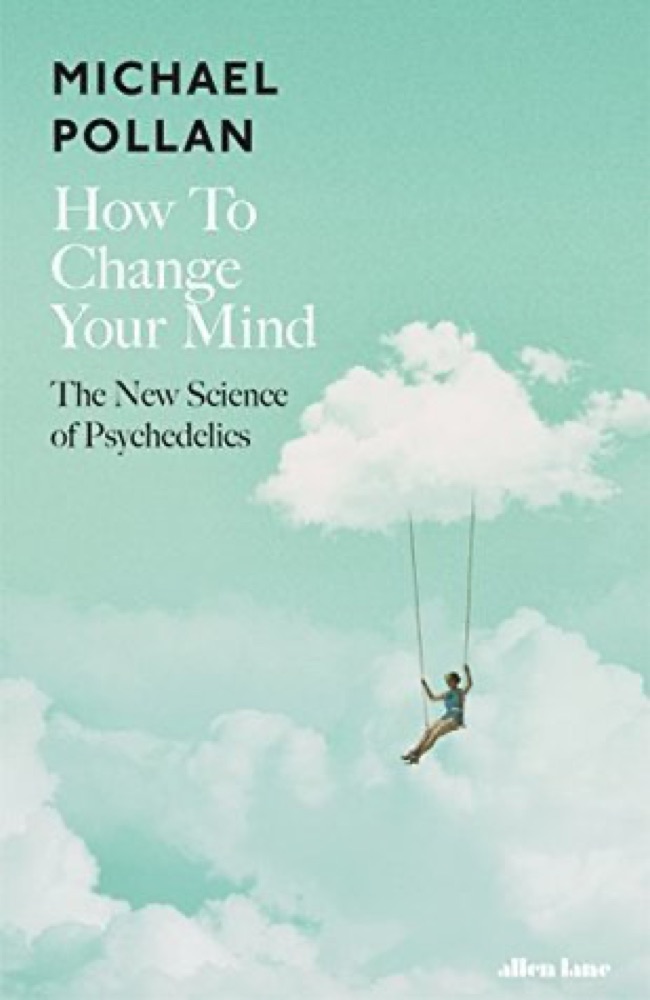 How to Change Your Mind: The New Science of Psychedelics
 Shoot the Damn Dog: A Memoir of Depression
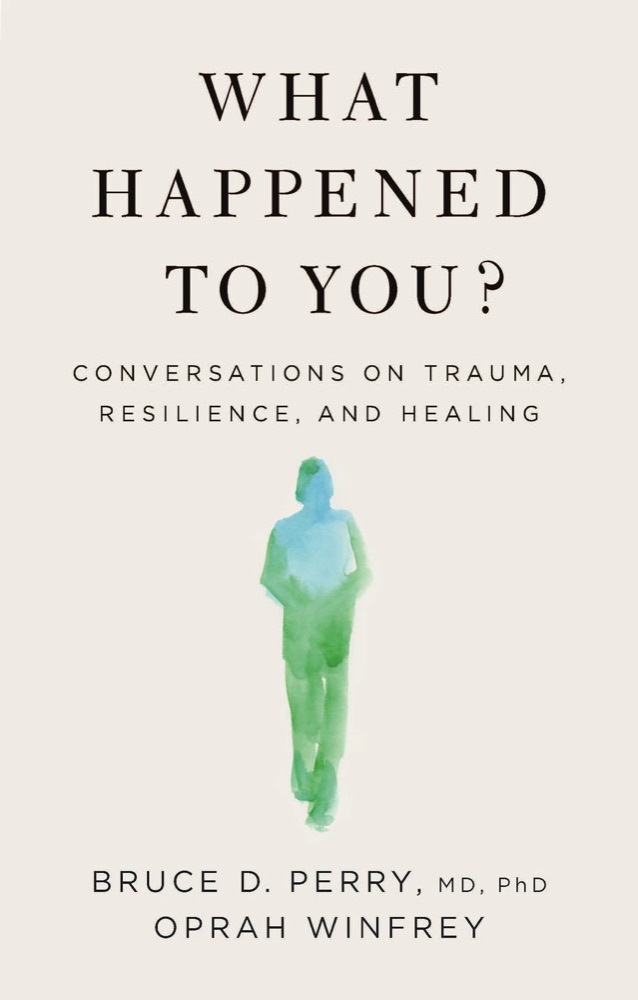 What Happened To You?: Conversations on Trauma, Resilience, and Healing
 What Doesn't Kill Us: How Freezing Water, Extreme Altitude, and Environmental Conditioning Will Renew Our Lost Evolutionary Strength
![It's Not OK to Feel Blue [and other lies]](/i/book/g/ed/its-not-ok-to-feel-blue-and-other-lies.jpg) It's Not OK to Feel Blue [and other lies]
It's Not OK to Feel Blue [and other lies]
 The Man Who Couldn't Stop