
 Good Morning, Monster: A Therapist Shares Five Heroic Stories of Emotional Recovery
Quotes from the Book
Compassion as a spontaneous aspect of Self blew my mind, because I’d always assumed and learned that compassion was something you had to develop. There’s this idea—especially in some spiritual circles—that you have to build up the muscle of compassion over time, because it’s not inherent. Again, that’s the negative view on human nature at play. To be clear, what I mean by compassion is the ability to be in Self with somebody when they’re really hurting and feel for them, but not be overwhelmed by their pain. You can only do that if you’ve done it within yourself. That is, if you can be with your own exiles without blending and being overwhelmed by them and instead show them compassion and help them, then you can do the same for someone in pain who’s sitting across from you.
12
Your protectors’ goals for your life revolve around keeping you away from all that pain, shame, loneliness, and fear, and they use a wide array of tools to meet those goals—achievements, substances, food, entertainment, shopping, sex, obsession with your appearance, caretaking, meditation, money, and so on.
10
When you were young and experienced traumas or attachment injuries, you didn’t have enough body or mind to protect yourself. Your Self couldn’t protect your parts, so your parts lost trust in your Self as the inner leader. They may even have pushed your Self out of your body and took the hit themselves—they believed they had to take over and protect you and your other parts. But in trying to handle the emergency, they got stuck in that parentified place and carry intense burdens of responsibility and fear, like a parentified child in a family.
10
IFS can be seen as attachment theory taken inside, in the sense that the client’s Self becomes the good attachment figure to their insecure or avoidant parts. I was initially amazed to discover that when I was able to help clients access their Self, they would spontaneously begin to relate to their parts in the loving way that the textbooks on attachment theory prescribed. This was true even for people who had never had good parenting in the first place. Not only would they listen to their young exiles with loving attention and hold them patiently while they cried, they would firmly but lovingly discipline the parts in the roles of inner critics or distractors. Self just knows how to be a good inner leader.
8
The big insight was that giving a troubled person a psychiatric diagnosis and seeing that as the sole or main cause of their symptoms was unnecessarily limiting, pathologizing, and could become self-reinforcing.
5
any approach that increases your inner drill sergeant’s impulse to shame you into behaving (and make you feel like a failure if you can’t) will do no better in internal families than it does in external ones in which parents adopt shaming tactics to control their children
5
The Four Basic Goals of IFS 1.Liberate parts from the roles they’ve been forced into, so they can be who they’re designed to be. 2.Restore trust in the Self and Self-leadership. 3.Reharmonize the inner system. 4.Become more Self-led in your interactions with the world.
4
The difference here is that the Self says no to impulsive parts firmly but from a place of love and patience, in just the same way an ideal parent would. Additionally, in IFS, when parts do take over, we don’t shame them. Instead, we get curious and use the part’s impulse as a trailhead to find what is driving it that needs to be healed.
4
We need a new paradigm that convincingly shows that humanity is inherently good and thoroughly interconnected. With that understanding, we can finally move from being ego-, family-, and ethno-centric to species-, bio-, and planet-centric.
4
In the same vein, if you don’t fear your own anger, you’ll be able to stay Self-led when someone’s angry at you. The person’s judgment of you won’t trigger your own inner critics, because you know who you are, and because those critical parts of you have retired or taken on new roles. So many of the obstacles in our relationships are because we fear the mayhem that someone else’s behavior will create in our inner systems. When Self leads, the mayhem is gone. The
4
We often find that the harder we try to get rid of emotions and thoughts, the stronger they become. This is because parts, like people, fight back against being shamed or exiled.
4
Parts are little inner beings who are trying their best to keep you safe.
4
how we relate in the inner world will be how we relate in the outer. If we can appreciate and have compassion for our parts, even for the ones we’ve considered to be enemies, we can do the same for people who resemble them. On the other hand, if we hate or disdain our parts, we’ll do the same with anyone who reminds us of them.
3
Some discoveries I made about parts: •Even the most destructive parts have protective intentions. •Parts are often frozen in past traumas when their extreme roles were needed. •When they trust it’s safe to step out of their roles, they are highly valuable to the system.
3
The mono-mind paradigm has caused us to fear our parts and view them as pathological. In our attempts to control what we consider to be disturbing thoughts and emotions, we just end up fighting, ignoring, disciplining, hiding, or feeling ashamed of those impulses that keep us from doing what we want to do in our lives. And then we shame ourselves for not being able to control them. In other words, we hate what gets in our way.
3
5.They are very important and deserve to be taken seriously. If you can establish a new, loving relationship with them and help them transform, they become wonderful companions, advisors, and playmates. You find yourself wanting to spend time with them and hear what ideas they have for you. Their conflicts don’t bother you much anymore, because you know they are just parts and you can help them get along—you become a good inner parent when necessary. And it becomes a lovely life practice just to spend time with them.
2
4.They can cause a lot of damage to your body and your life. Because they’re frozen in dreadful scenes in the past and carry burdens from those times, they will do whatever they need to do to get your attention when you won’t listen: punish you or others, convince others to take care of them, sabotage your plans, or eliminate people in your life they see as a threat. To do these things and more, they can exacerbate or give you physical symptoms or diseases, nightmares and strange dreams, emotional outbursts, and chronic emotional states. Indeed, most of the syndromes that make up the Diagnostic and Statistical Manual are simply descriptions of the different clusters of protectors that dominate people after they’ve been traumatized. When you think of those diagnoses that way, you feel a lot less defective and a lot more empowered to help those protectors out of those roles.
2
3.You often have to earn their trust. The fact that they are burdened suggests that you didn’t protect them in the past, and you may have locked them away or exploited them by depending on their extreme protective roles, so they usually have good reasons to not trust you. Like feral children, they need your love and nurturing, but they don’t trust it at first because of their history with you. Sometimes it takes you showing up in Self repeatedly and apologizing to them to regain their trust. Fortunately, they aren’t actually feral external children, so this trusting process often doesn’t take more than a few visits.
2
finding blended parts and helping them trust that it’s safe to unblend is a crucial part of IFS. As you might have discovered in the mapping exercise, the simple act of noticing parts and representing them on a page often creates enough separation from them (enough unblending) that you can have a different perspective on them. Like the view of a city from thirty thousand feet, you can see more clearly the roles they take on and how they operate as a system. Once you’re out of the trees, you can see the forest.
2
From the IFS point of view, the quieting of the mind associated with mindfulness happens when the parts of us usually running our lives (our egos) relax, which then allows parts we have tried to bury (exiles) to ascend, bringing with them the emotions, beliefs, and memories they carry (burdens) that got them locked away in the first place.
2
Jimmy Carter echoes that sentiment: “What is needed now, more than ever, is leadership that steers us away from fear and fosters greater confidence in the inherent goodness and ingenuity of humanity.”2 Our leaders can’t do that, however, with the way we currently understand the mind because it highlights the darkness in humanity.
2
As the urges of these protectors consume most of your attention, they drown out and keep exiled the more sensitive and loving parts of you. As you unburden your exiles, it allows your protectors to transform, and you begin hearing more from those parts of you that aren’t so obsessed and driven—the ones who love being truly intimate with others, the ones who want to create art and move your body, the ones who want to play with family and friends, and the ones who just love being in nature. When you’re more Self-led, you become a more complete, integrated, and whole person.
2
Parts often become extreme in their protective efforts and take over your system by blending. Some make you hypervigilant, others get you to overreact angrily to perceived slights, others make you somewhat dissociative all the time or cause you to fully dissociate in the face of perceived threats. Some become the inner critics as they try to motivate you to look or perform better or try to shame you into not taking risks. Others make you take care of everyone around you and neglect yourself.
2
They’re all good parts forced into roles they don’t like, they don’t deserve, and they’re eager to leave, but they just don’t think it’s safe enough to do that.
1
2.There aren’t any bad ones. As you get to know them, you’ll learn their full range of personalities. Most are young—even the ones that dominate your life and can be quite intellectual. After parts unburden, they will manifest their true nature in valuable qualities (like delight, joy, sensitivity, empathy, wonderment, sexuality) and resources (like the ability to focus, clear discernment, problem-solving, passion for serving others or the world) that you have new access to and enrich your life.
1
through a Christian lens, through IFS people wind up doing in the inner world what Jesus did in the outer—they go to inner exiles and enemies with love, heal them, and bring them home, just as he did with the lepers, the poor, and the outcasts.
1
Like children in external families, we each have parts that want things that aren’t good for them or for the rest of the system. The difference here is that the Self says no to impulsive parts firmly but from a place of love and patience, in just the same way an ideal parent would. Additionally, in IFS, when parts do take over, we don’t shame them. Instead, we get curious and use the part’s impulse as a trailhead to find what is driving it that needs to be healed.
1
The clarity of Self gives you a kind of X-ray vision, so you see behind the other person’s protectors to their vulnerability, and in turn your heart opens to them.
1
When I asked these protective parts what they’d rather do if they trusted they didn’t have to protect, they often wanted to do something opposite of the role they were in. Inner critics wanted to become cheerleaders or sage advisors, extreme caretakers wanted to help set boundaries, rageful parts wanted to help with discerning who was safe. It seemed that not only were parts not what they seemed, but also they each had qualities and resources to bring to the client’s life that were not available while they were tied up in the protective roles.
1
Some of the most powerful personal burdens are similar to what attachment theory pioneer John Bowlby called internal working models.11 He saw them as maps you developed as a child of what to expect from your caretaker and the world in general, and then from subsequent close relationships. They also tell you things about your own level of goodness and how much you deserve love and support.
1
Watch on YouTube
About Richard C. Schwartz
We have collected 30 quotes from 1 book by Richard C. Schwartz on BookQuoters.
More about the author →About the book
Discover an empowering new way of understanding your multifaceted mind—and healing the many parts that make you who you are.Is there just one “you”? We’ve been taught to believe we have a single identity, and to feel fear or shame when we can’t control the inner voices that don’t match the ideal of who we think we should be. Yet Dr. Richard Schwartz’s research now challenges this “mono-mind” theory. “All of us are born with many sub-minds—or parts,” says Dr. Schwartz. “These parts are not imaginary or symbolic. They are individuals who exist as an internal family within us—and the key to health and happiness is to honor, understand, and love every part.”Dr. Schwartz’s Internal Family Systems (IFS) model has been transforming psychology for decades. With No Bad Parts, you’ll learn why IFS has been so effective in areas such as trauma recovery, addiction therapy, and depression treatment—a
Book details
- First published
- 2021
- Author
- Richard C. Schwartz
- Genre
- Nonfiction
- Goodreads rating
- 4.09 (22k ratings)
Keep reading
Good Morning, Monster: A Therapist Shares Five Heroic Stories of Emotional Recovery
 Changes That Heal: How to Understand the Past to Ensure a Healthier Future
 Letting Go: The Pathway To Surrender
 Us: Getting Past You and Me to Build a More Loving Relationship
 Complex PTSD: From Surviving to Thriving
 Buddha's Brain: The Practical Neuroscience of Happiness, Love, and Wisdom
 Social Intelligence: The New Science of Human Relationships
 What Happened To You?: Conversations on Trauma, Resilience, and Healing
 Reconciliation: Healing the Inner Child
 Radical Love: Learning to Accept Yourself and Others
 When the Body Says No: The Cost of Hidden Stress
 The Laws of Human Nature
 Welcome Home: A Guide to Building a Home for Your Soul
 Codependent No More: How to Stop Controlling Others and Start Caring for Yourself
 Self-Compassion: The Proven Power of Being Kind to Yourself
 The Boy Who Was Raised as a Dog: And Other Stories from a Child Psychiatrist's Notebook
 The Awakened Family: A Revolution in Parenting
 Unfuck Your Brain: Using Science to Get Over Anxiety, Depression, Anger, Freak-Outs, and Triggers
 Healing the Shame that Binds You
 The Complete Enneagram: 27 Paths to Greater Self-Knowledge
 Becoming Human
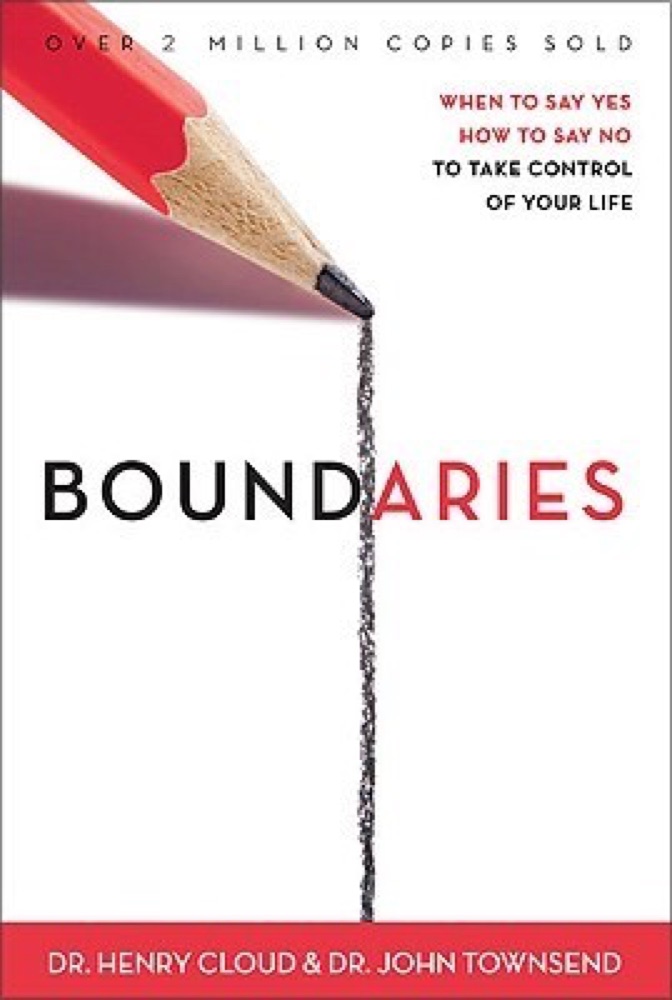 Boundaries: When to Say Yes, How to Say No to Take Control of Your Life
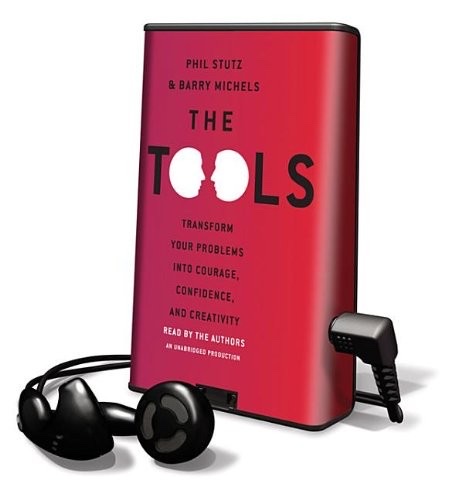 The Tools: Transform Your Problems into Courage, Confidence, and Creativity
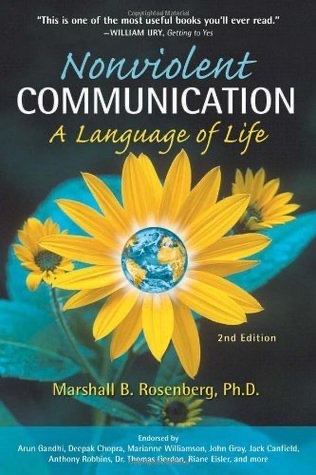 Nonviolent Communication: A Language of Life
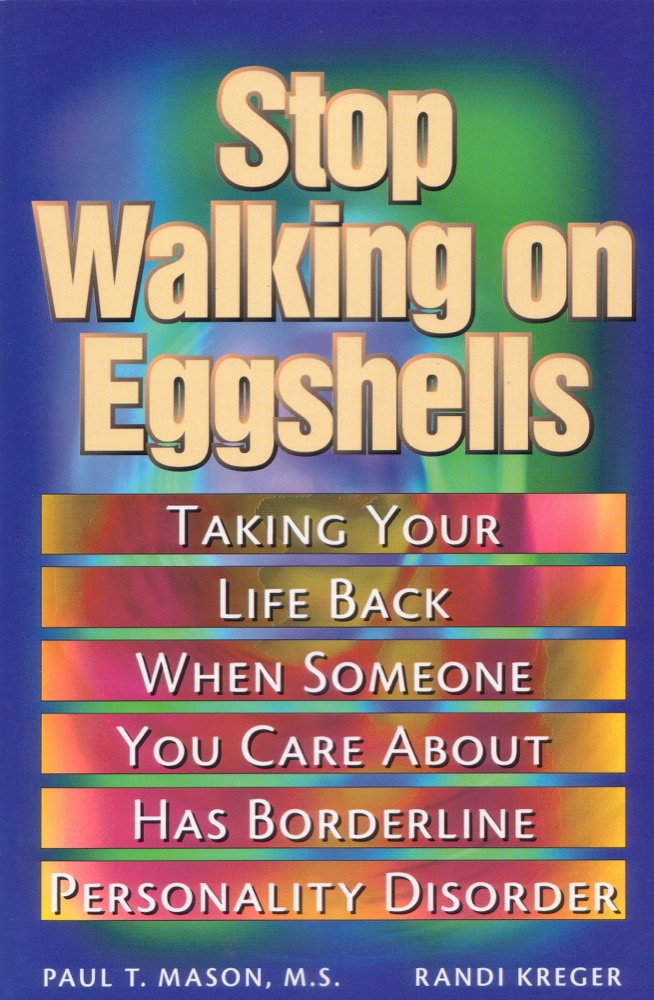 Stop Walking on Eggshells: Taking Your Life Back When Someone You Care about Has Borderline Personality Disorder
 The Light We Carry: Overcoming in Uncertain Times
 The Perfectionist's Guide to Losing Control: A Path to Peace and Power
 Advice Not Given: A Guide to Getting Over Yourself
 The Wisdom of Your Body: Finding Healing, Wholeness, and Connection through Embodied Living
 What It Takes to Heal: How Transforming Ourselves Can Change the World
 The Courage to Heal: A Guide for Women Survivors of Child Sexual Abuse
 Mindsight: The New Science of Personal Transformation
 Scattered Minds: The Origins and Healing of Attention Deficit Disorder
 Buy Yourself the Damn Flowers: The Self-Love Guide to Growing, Healing and Learning to Put Yourself First
 Toward a Psychology of Being
 Clarity & Connection
 The Mountain Is You: Transforming Self-Sabotage Into Self-Mastery
 101 Essays That Will Change The Way You Think
 Bonds That Make Us Free: Healing Our Relationship, Coming to Ourselves
 Atlas of the Heart: Mapping Meaningful Connection and the Language of Human Experience
 Messages from the Masters: Tapping into the Power of Love
 It Didn't Start with You: How Inherited Family Trauma Shapes Who We Are and How to End the Cycle
 When Things Fall Apart: Heart Advice for Difficult Times
 What My Bones Know
 A General Theory of Love
 Full Catastrophe Living: Using the Wisdom of Your Body and Mind to Face Stress, Pain, and Illness
 Burnout: The Secret to Unlocking the Stress Cycle
 In an Unspoken Voice: How the Body Releases Trauma and Restores Goodness
 How to Be an Adult in Relationships: The Five Keys to Mindful Loving
 Eastern Body, Western Mind: Psychology and the Chakra System as a Path to the Self
 Toxic Parents: Overcoming Their Hurtful Legacy and Reclaiming Your Life
 A Hidden Wholeness: The Journey Toward an Undivided Life : Welcoming the soul and weaving community in a wounded world
 Kitchen Table Wisdom: Stories that Heal
 Drama Free: A Guide to Managing Unhealthy Family Relationships
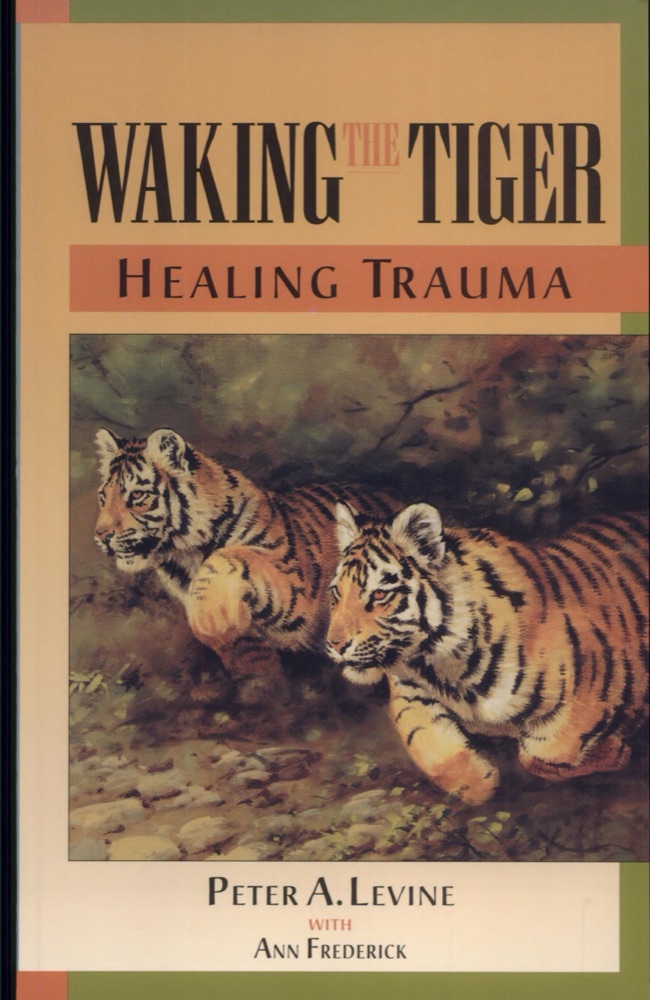 Waking the Tiger: Healing Trauma
 Maybe You Should Talk to Someone: A Therapist, Her Therapist, and Our Lives Revealed
 For Your Own Good: Hidden Cruelty in Child-Rearing and the Roots of Violence
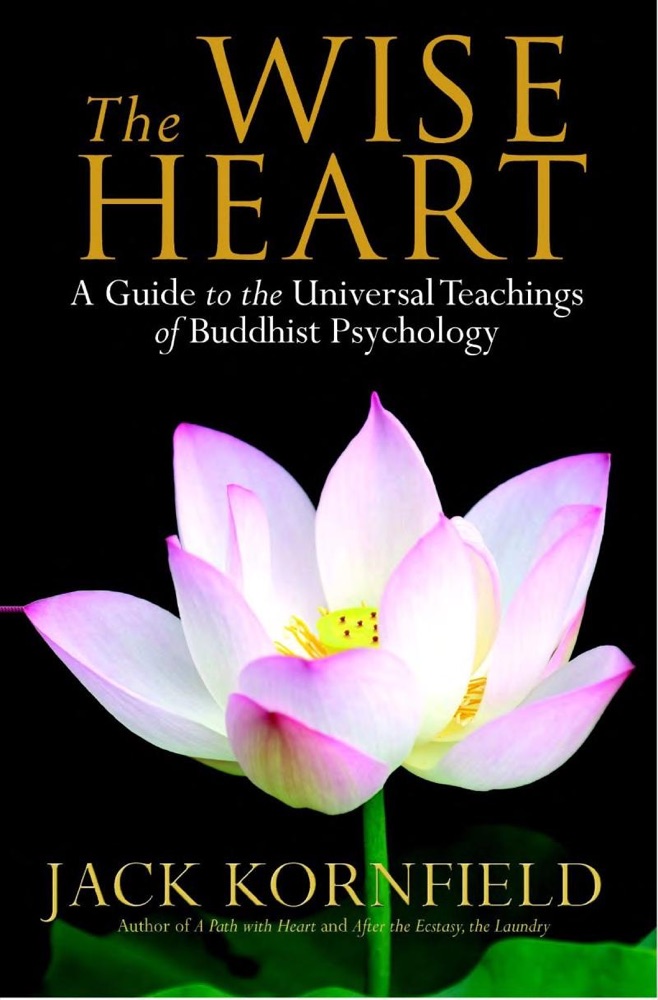 The Wise Heart: A Guide to the Universal Teachings of Buddhist Psychology
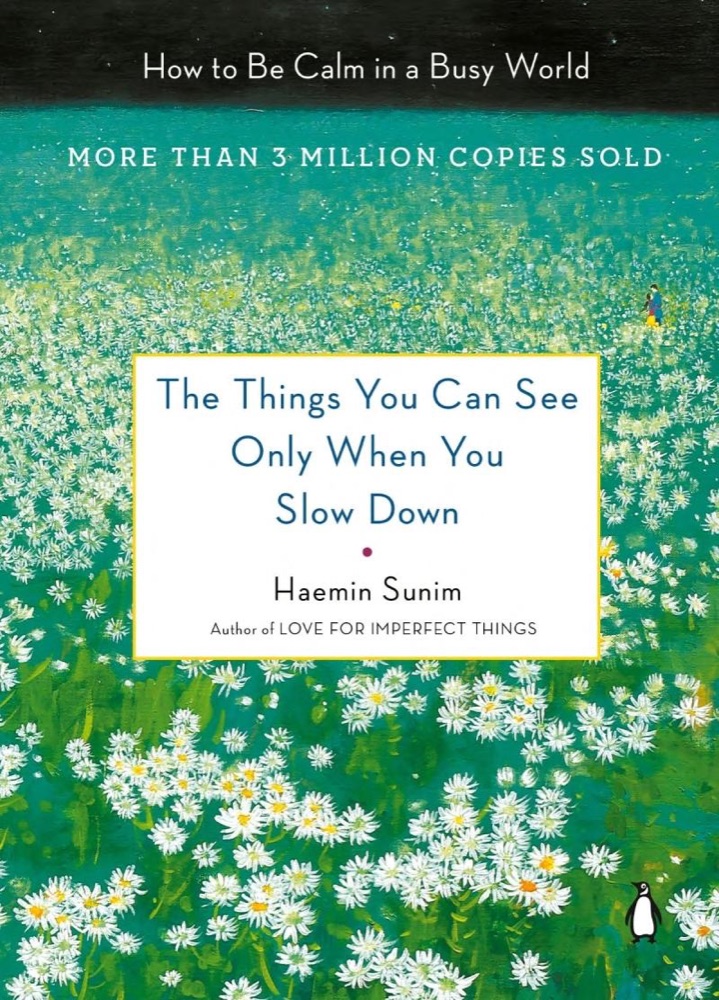 The Things You Can See Only When You Slow Down: How to Be Calm in a Busy World
 In the Realm of Hungry Ghosts: Close Encounters with Addiction