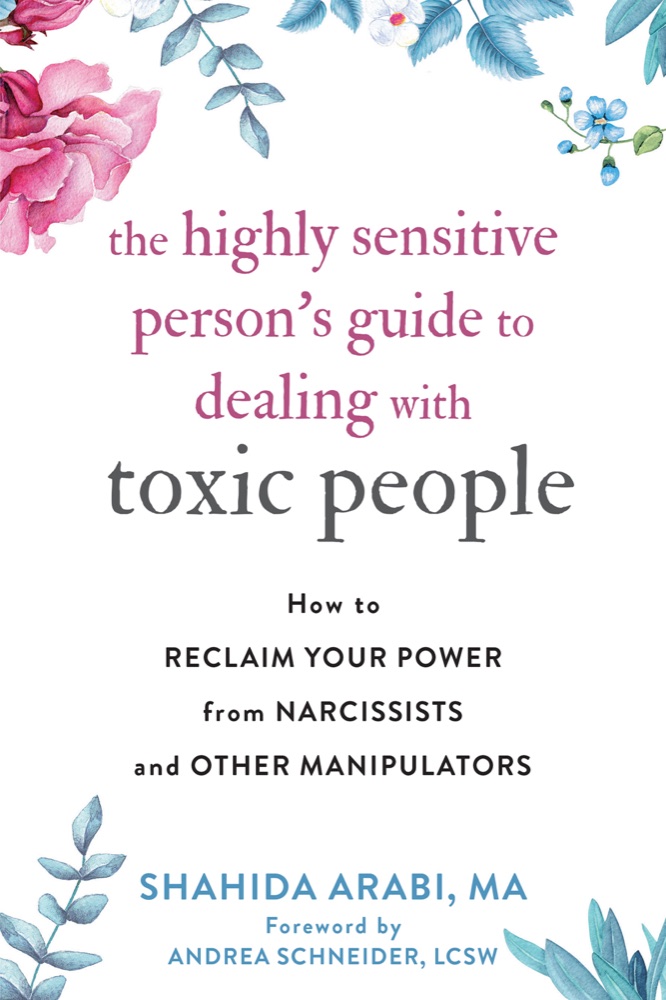
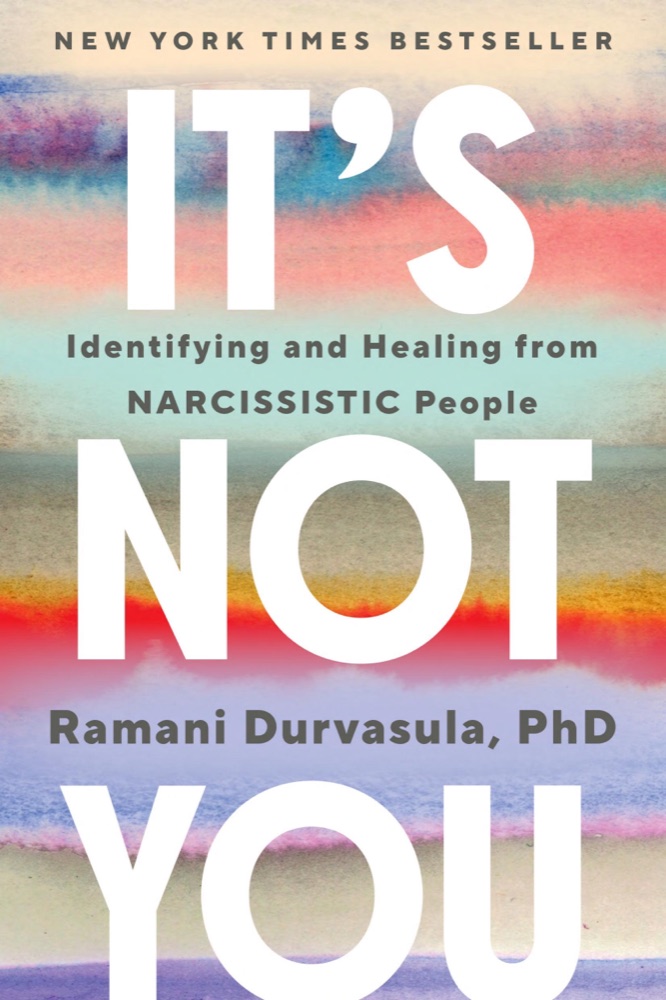
 It's Not You: Identifying and Healing from Narcissistic People
Quotes from the Book
As you work on building healthy boundaries, you will gradually realize it is not your job or responsibility to fix anyone or teach them basic human decency.
9
Remember that the word "no" is a complete sentence, not an invitation for a negotiation. If someone tries to persistently negotiate your "no," that speaks volumes about how much they are willing to infringe upon your boundaries to meet their own needs.
7
If you’re an HSP, you’ve probably developed a destructive habit over the years of trying to educate toxic people on how to be more empathic or considerate.
6
Toxic people live in denial and entitlement, and they feel rewarded by their exploitative behavior.
5
It is possible to set boundaries provided that you prioritize your own self-care. To protect ourselves in their presence, we first have to understand the way they think and manipulate. This will give us insight into their agendas, their exploitative ways of approaching the world, and the essential tools needed to safely exit interactions, friendships, and relationships with them.
2
Keep interactions as short as possible; you can be cordial, but do not engage. Narcissists are master provocateurs who will subject you to dizzying diversion tactics to make you feel off-center and off-balance. That’s why you must understand when you are being manipulated and stay focused on your real goals. If your goal is to do your best work at your job, then you must do everything in your power to stay focused on that goal and channel your energy into producing high-quality work.
1
When we’d get into an argument and I would back up my side with facts, he would take those facts and spin them around in so many circles that by the end of the argument, he was able to use some of those same facts for himself and leave me feeling lost and ‘crazy.’ I’d walk away asking myself how I ever thought standing up for myself was a good thing to do in the first place.
1
Pathological lying. A narcissist will lie to you about both big and small issues
It’s important to note that in limerence, the addiction to this other person is often heightened by the fantasy, not the reality, of who they are and the nature of the relationship. Love and limerence overlap in that the more “challenging” the potential partner seems to obtain, the more alluring and rewarding that person may inevitably become to you. Love activates reward centers of the brain, creating a euphoric dopamine high that is extremely difficult to detox from, especially in unpredictable relationships. If you think you’re suffering from limerence or obsession, assess why you feel so drawn to this person and what they represent. Often we aren’t obsessed with this person, but rather what they mean to us. Perhaps they represent a new beginning after a breakup or the fulfillment of deep unmet needs in childhood. Maybe they’re an easier route to cope with our emotional unavailability than, say, actually dealing with the root of our emotional unavailability. Having a fantasy relationship, after all, is often times a lot more of an alluring prospect than having to deal with the actual struggles of modern dating or relationships.
These are not normal relationship problems or indicative of a “communication” problem—these are patterns of heinous abuse and calculated mind games.
toxic people can take a toll on the mind, body, and spirit. More “benign” manipulators may cause inconvenience, stress, annoyance, and overall dissatisfaction, and they may occasionally use silencing tactics. More “malignant” manipulators, however, such as narcissists who lack empathy, pose serious harm and risk to your health, well-being, and even your life, using manipulation tactics as a primary mode of interacting with the world.
toxic people and narcissists find it quite easy to convince a highly empathic and conscientious person that they are paranoid, losing it, or just “overreacting
While I love to help others, I am not responsible for fixing your life or catering to your toxicity. I am not responsible for managing your triggers, walking on eggshells, or telling you what you want to hear in order to keep the peace. I am not your emotional punching bag nor am I your emotional sponge. I do not exist for your pleasure or as a site for your projected pain. My responsibility is to myself—to be my own person and stay true to myself—to heal my own wounds, manage my own triggers, and engage in self-care so I can give to others authentically without depleting myself in the process. My responsibility is to maintain healthy boundaries, especially with those who are unhealthy.
All of your senses [are] on high alert … all of your emotions are magnified. A sadness is a deep sorrow and a joy is pure ecstasy. You also care beyond reason and empathize without limits.
Watch on YouTube
About Shahida Arabi
About the book
Reclaim your power from narcissists, manipulators, and other toxic people. If you're a highly sensitive person, or identify as an "empath," you may feel easily overwhelmed by the world around you, suffer from "people-pleasing," experience extreme anxiety or stress in times of conflict, or even take on the emotions of others. Due to your naturally giving nature, you may also be a target for narcissists and self-centered individuals who seek to exploit others for their own gain. So, how can you protect yourself?
In The Highly Sensitive Person's Survival Guide to Dealing with Toxic People, you'll learn evidence-based skills grounded in cognitive-behavioral therapy (CBT) and dialectical behavior therapy (DBT) to help you recognize and shut down the common manipulation tactics used by toxic people, such as gaslighting, stonewalling, projection, covert put-downs, and love bombing. You'll a
Book details
- First published
- 2020
- Author
- Shahida Arabi
- Genre
- Nonfiction
- Goodreads rating
- 3.85 (4k ratings)
Keep reading
It's Not You: Identifying and Healing from Narcissistic People
 The Covert Passive Aggressive Narcissist: Recognizing the Traits and Finding Healing After Hidden Emotional and Psychological Abuse
 Stop Walking on Eggshells: Taking Your Life Back When Someone You Care about Has Borderline Personality Disorder
 Psychopath Free: Recovering from Emotionally Abusive Relationships With Narcissists, Sociopaths, and Other Toxic People
 In Sheep's Clothing: Understanding and Dealing With Manipulative People
 Codependent No More: How to Stop Controlling Others and Start Caring for Yourself
 Good Morning, Monster: A Therapist Shares Five Heroic Stories of Emotional Recovery
 Confessions of a Sociopath: A Life Spent Hiding in Plain Sight
 The Sociopath Next Door
 Drama Free: A Guide to Managing Unhealthy Family Relationships
 Boundaries: When to Say Yes, How to Say No to Take Control of Your Life
 Toxic Parents: Overcoming Their Hurtful Legacy and Reclaiming Your Life
 Us: Getting Past You and Me to Build a More Loving Relationship
 The Laws of Human Nature
 Adult Children of Emotionally Immature Parents: How to Heal from Distant, Rejecting, or Self-Involved Parents
 Complex PTSD: From Surviving to Thriving
 Radical Honesty : How to Transform Your Life by Telling the Truth
 Social Intelligence: The New Science of Human Relationships
 Surrounded by Psychopaths: How to Protect Yourself from Being Manipulated and Exploited in Business
 Life Will Be the Death of Me: . . . and you too!
 Feeling Good: The New Mood Therapy
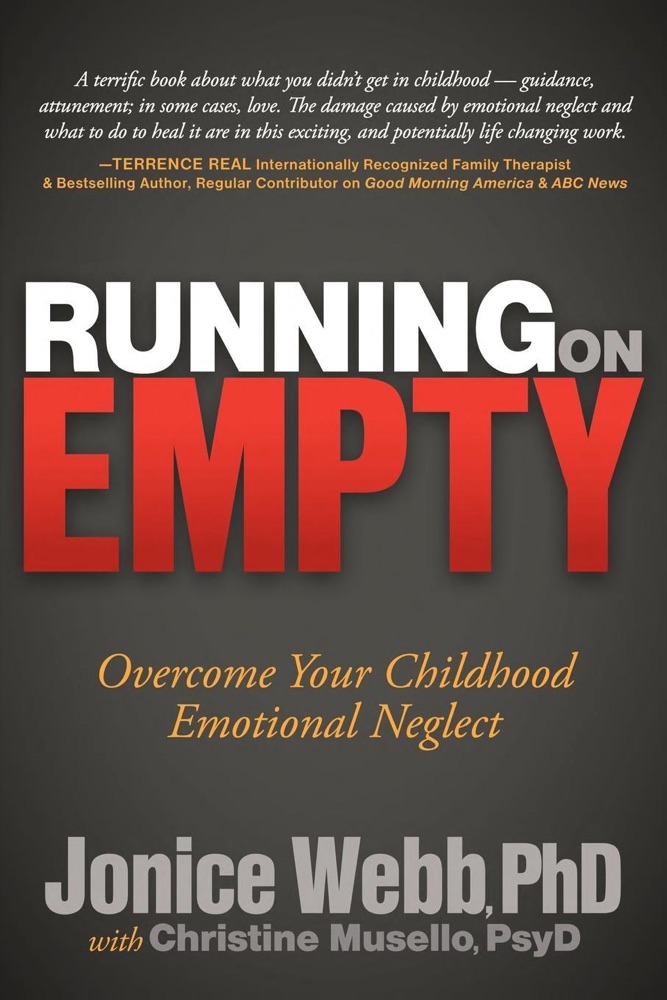 Running on Empty: Overcome Your Childhood Emotional Neglect
 How to Kill Your Family
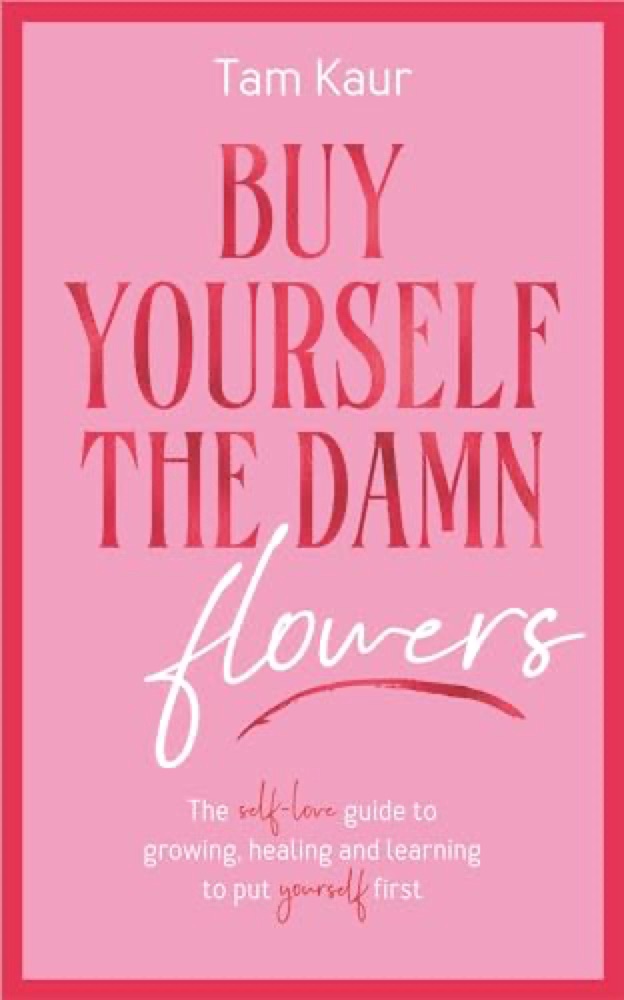 Buy Yourself the Damn Flowers: The Self-Love Guide to Growing, Healing and Learning to Put Yourself First
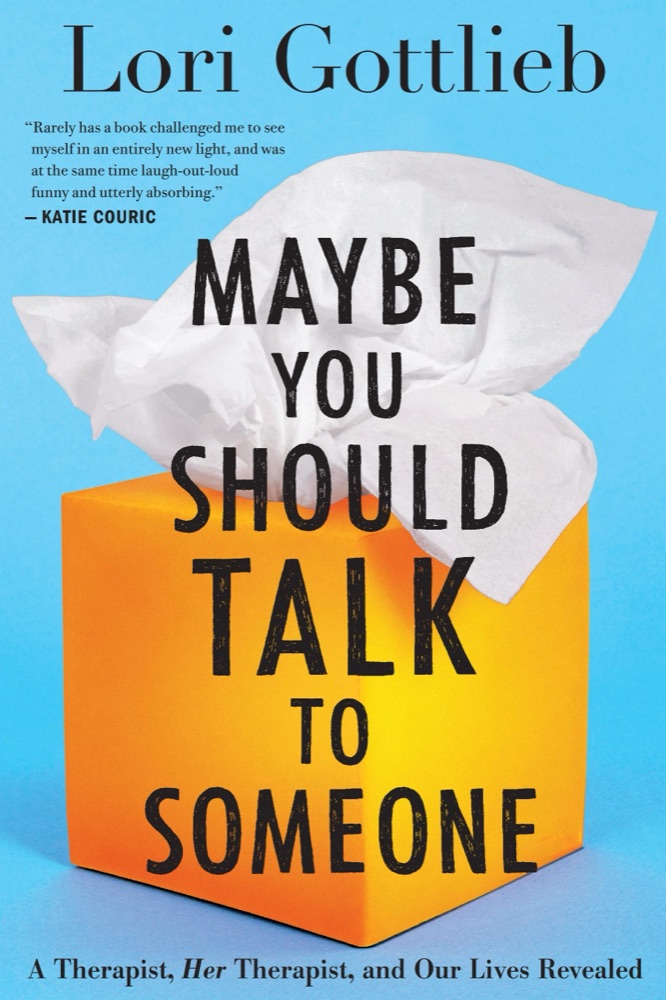 Maybe You Should Talk to Someone: A Therapist, Her Therapist, and Our Lives Revealed
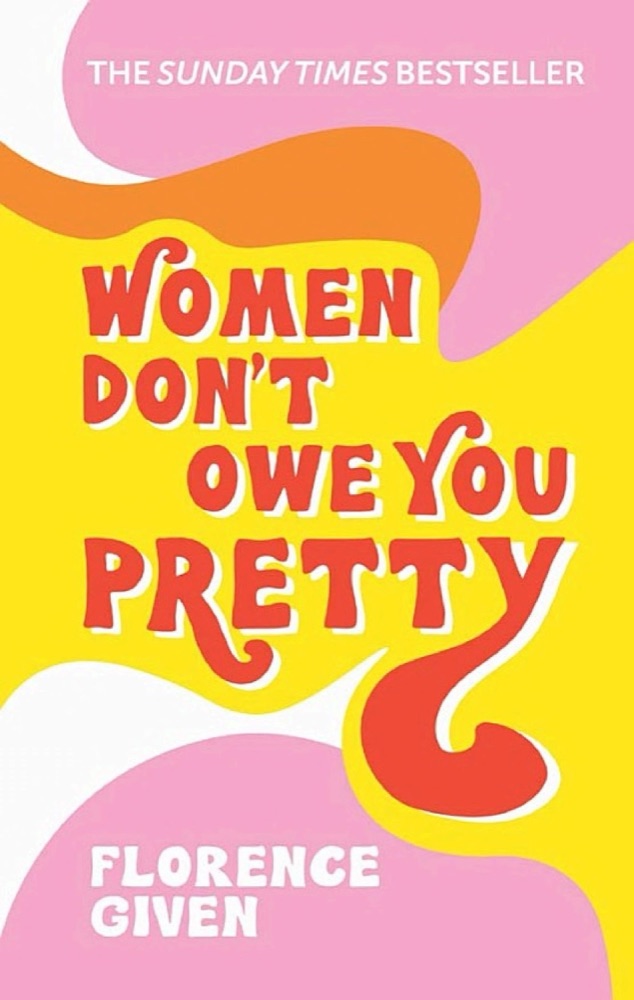 Women Don't Owe You Pretty
 No Bad Parts: Healing Trauma & Restoring Wholeness with the Internal Family Systems Model
 I'm Fine...And Other Lies
 Atlas of the Heart: Mapping Meaningful Connection and the Language of Human Experience
 Mothers Who Can't Love: A Healing Guide for Daughters
 Unfuck Your Brain: Using Science to Get Over Anxiety, Depression, Anger, Freak-Outs, and Triggers
 Nonviolent Communication: A Language of Life
 I Hate You, Don't Leave Me: Understanding the Borderline Personality
 I'll Have What She's Having
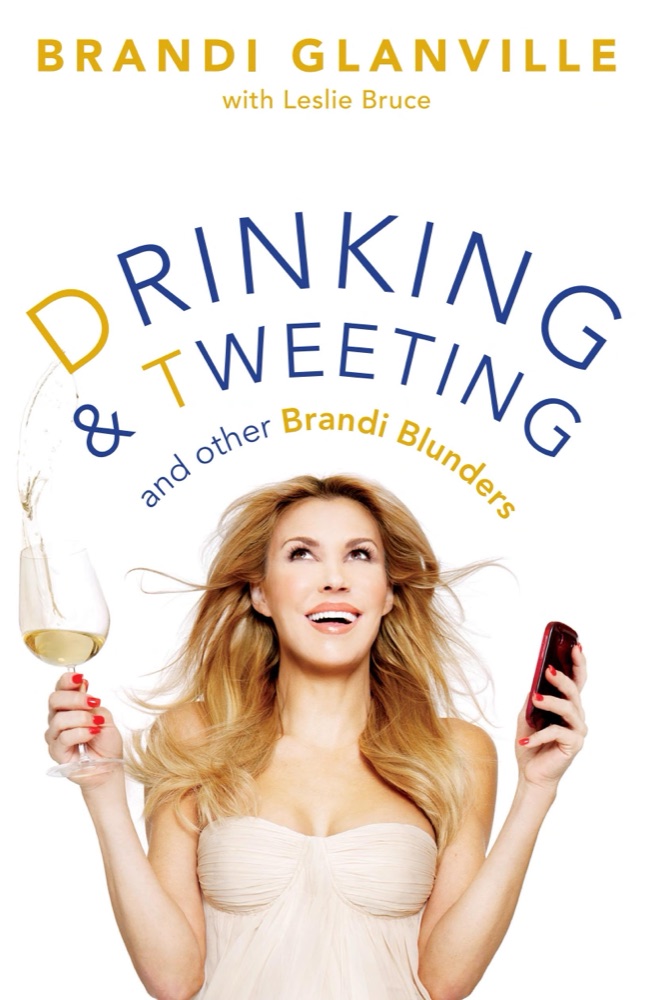 Drinking and Tweeting and Other Brandi Blunders
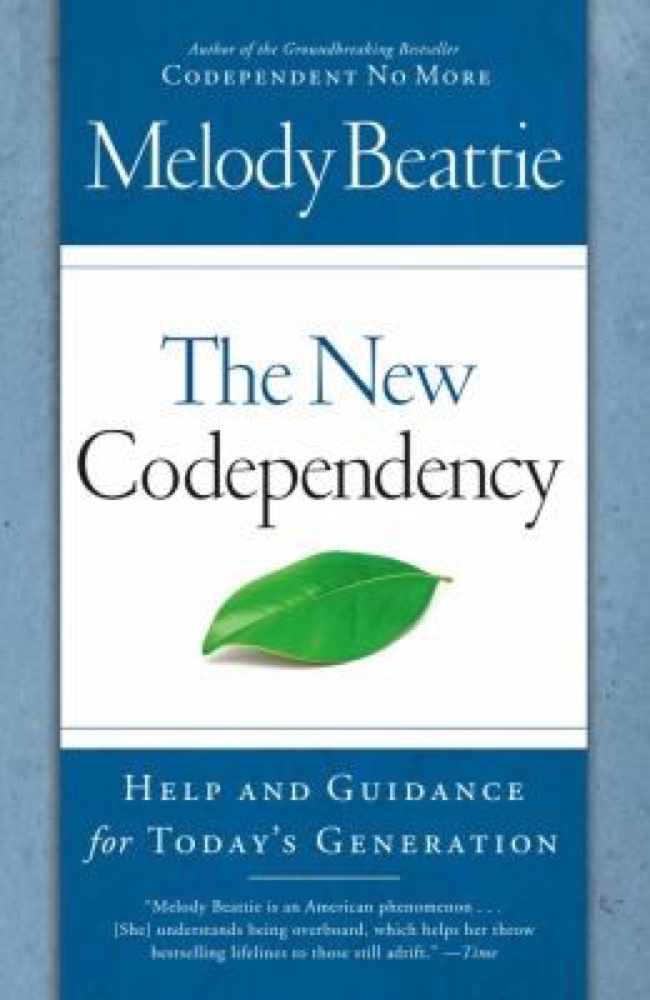 The New Codependency: Help and Guidance for Today's Generation
![[Don't] Call Me Crazy](/i/book/g/b2/dont-call-me-crazy.jpg) [Don't] Call Me Crazy
[Don't] Call Me Crazy
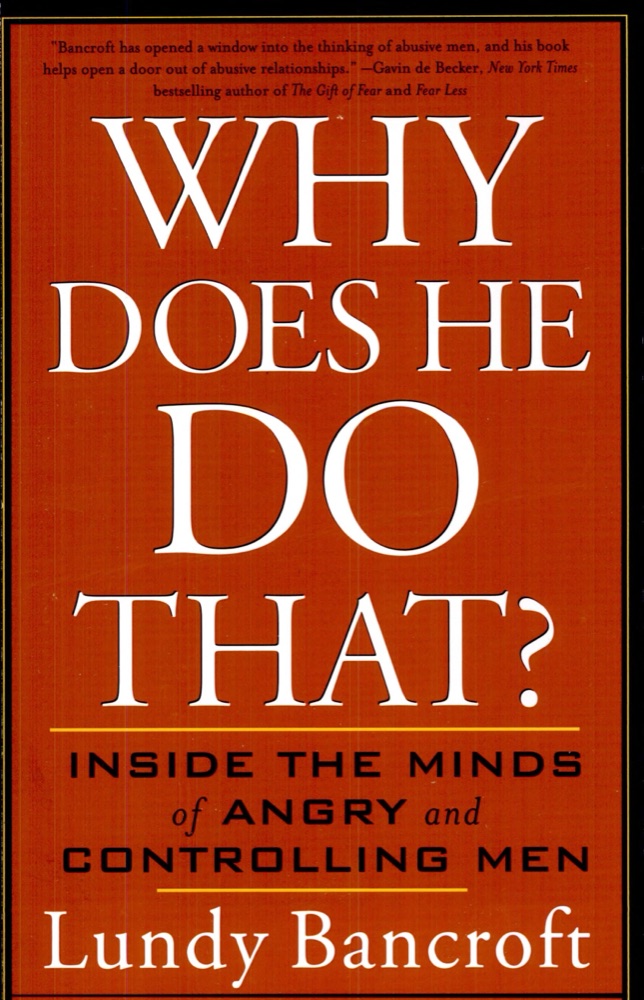 Why Does He Do That? Inside the Minds of Angry and Controlling Men
 Difficult Conversations: How to Discuss What Matters Most
 I'm Glad My Mom Died
 What My Bones Know
 Buy Yourself the F*cking Lilies: And Other Rituals to Fix Your Life, from Someone Who's Been There
 The Dance of Connection: How to Talk to Someone When You're Mad, Hurt, Scared, Frustrated, Insulted, Betrayed, or Desperate
 Paris: A Memoir for Young Women in the Age of Influencers
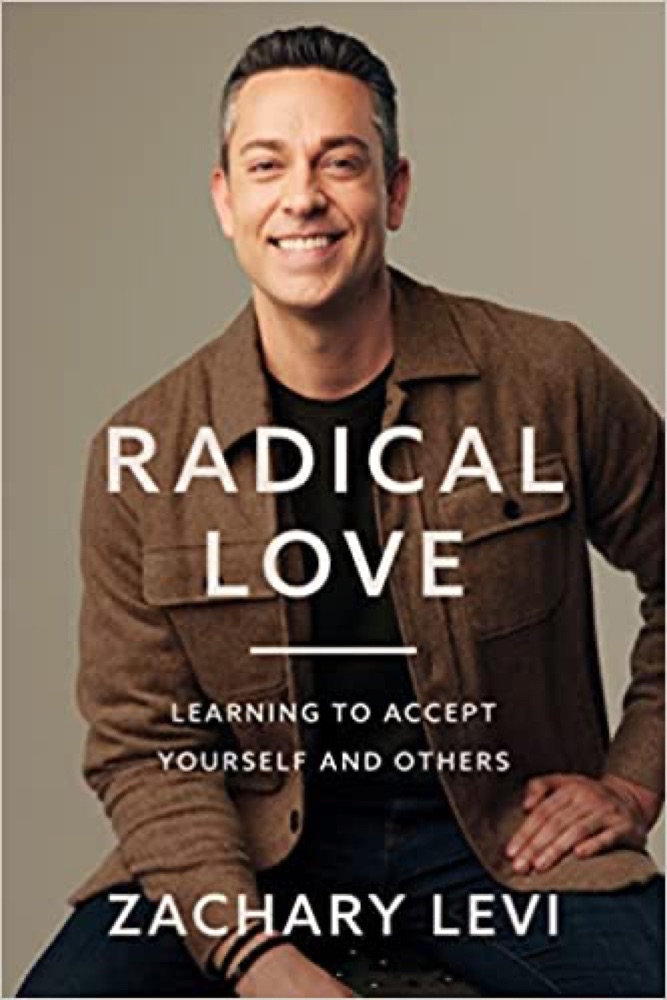 Radical Love: Learning to Accept Yourself and Others
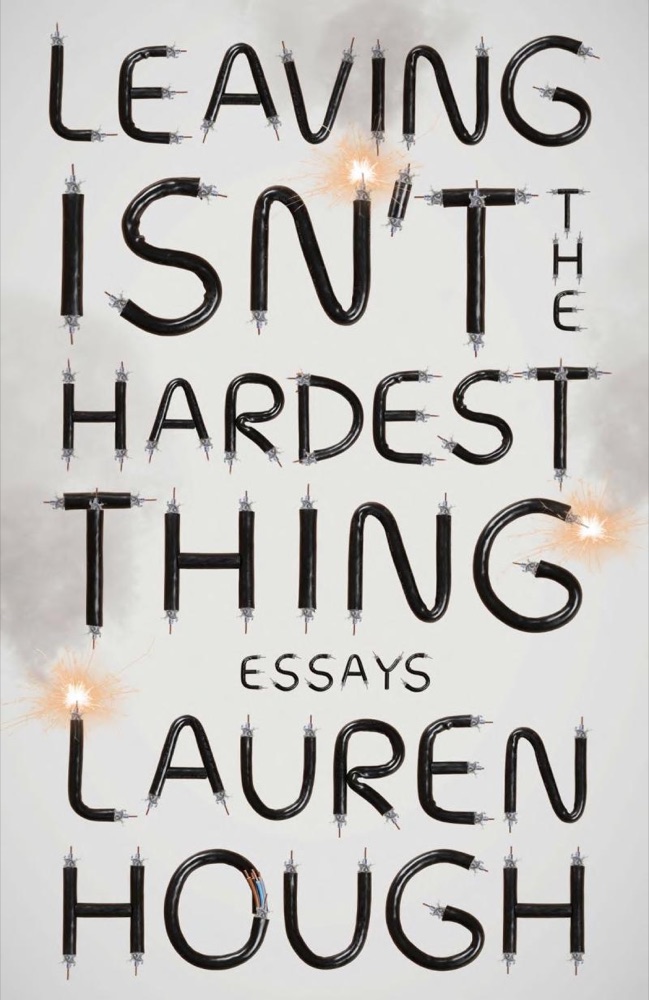 Leaving Isn't the Hardest Thing
 Take Me With You When You Go
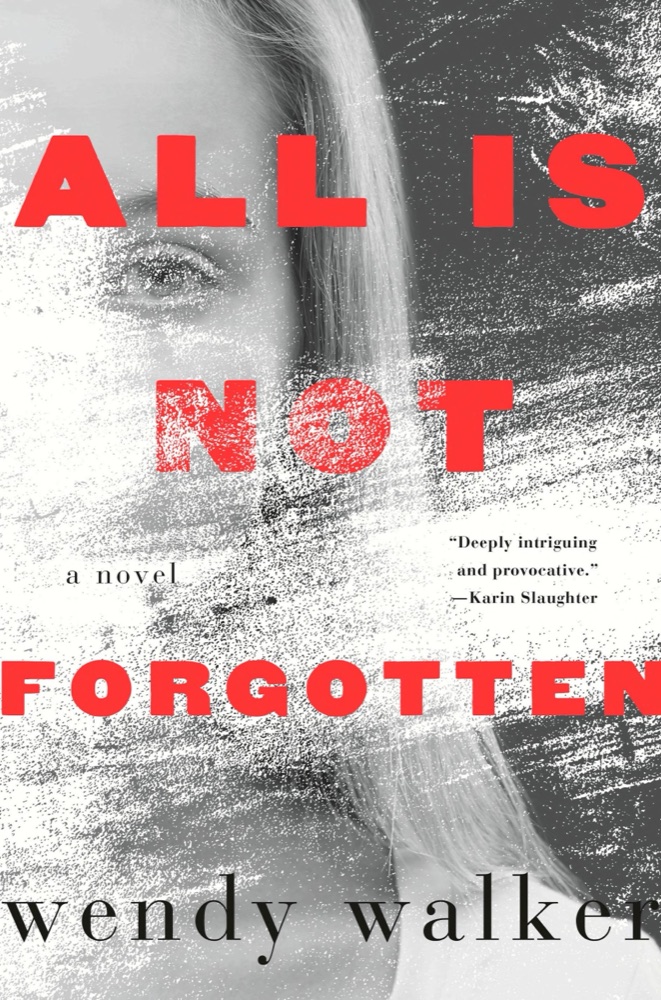 All Is Not Forgotten
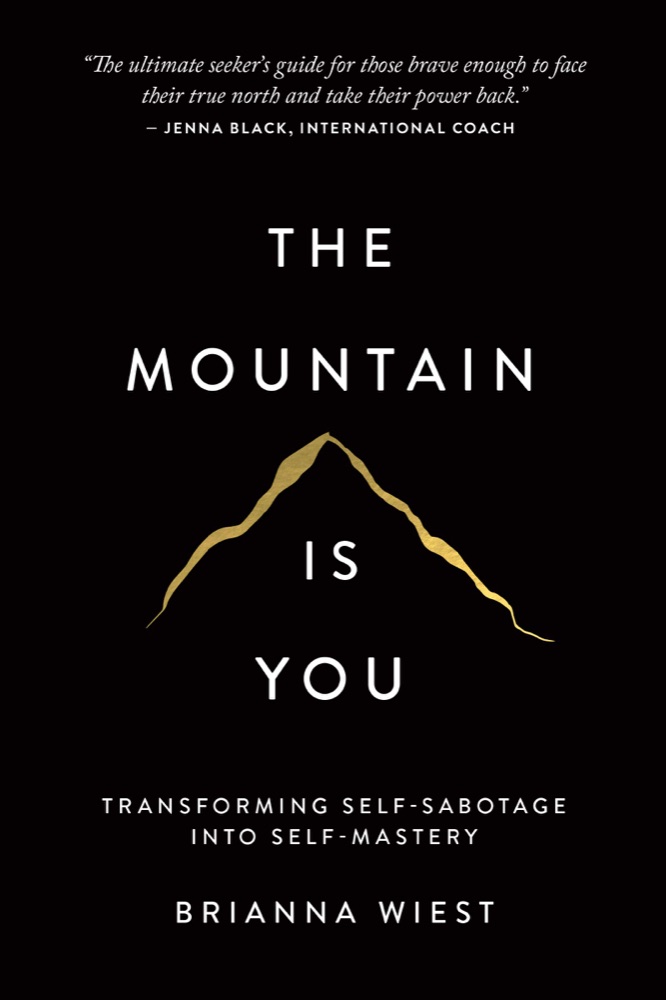 The Mountain Is You: Transforming Self-Sabotage Into Self-Mastery
 The Gift of Fear: Survival Signals That Protect Us from Violence
 In the Dream House
 We Can Do Hard Things: Answers to Life's 20 Questions
 The Perfectionist's Guide to Losing Control: A Path to Peace and Power
 The Truth: An Uncomfortable Book About Relationships
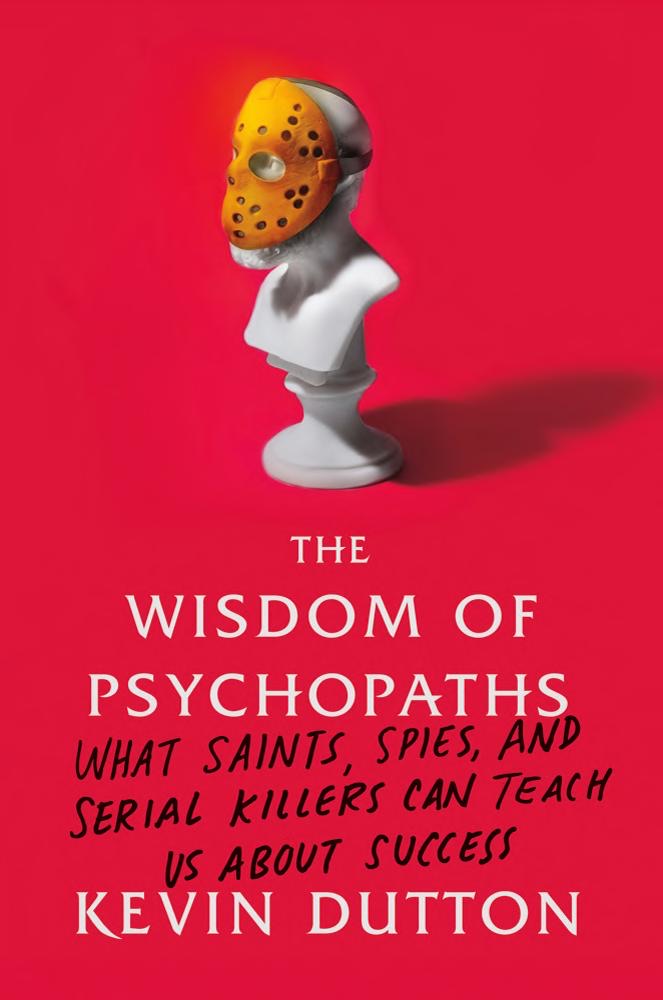 The Wisdom of Psychopaths: What Saints, Spies, and Serial Killers Can Teach Us About Success
![It's Not OK to Feel Blue [and other lies]](/i/book/g/ed/its-not-ok-to-feel-blue-and-other-lies.jpg) It's Not OK to Feel Blue [and other lies]
It's Not OK to Feel Blue [and other lies]
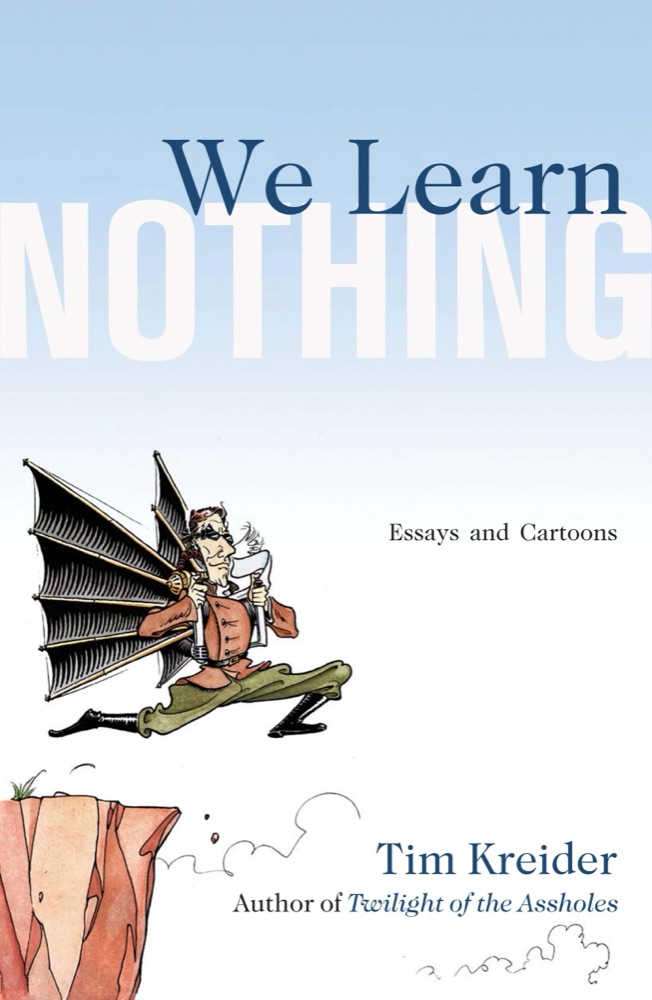 We Learn Nothing
 Strong Female Character
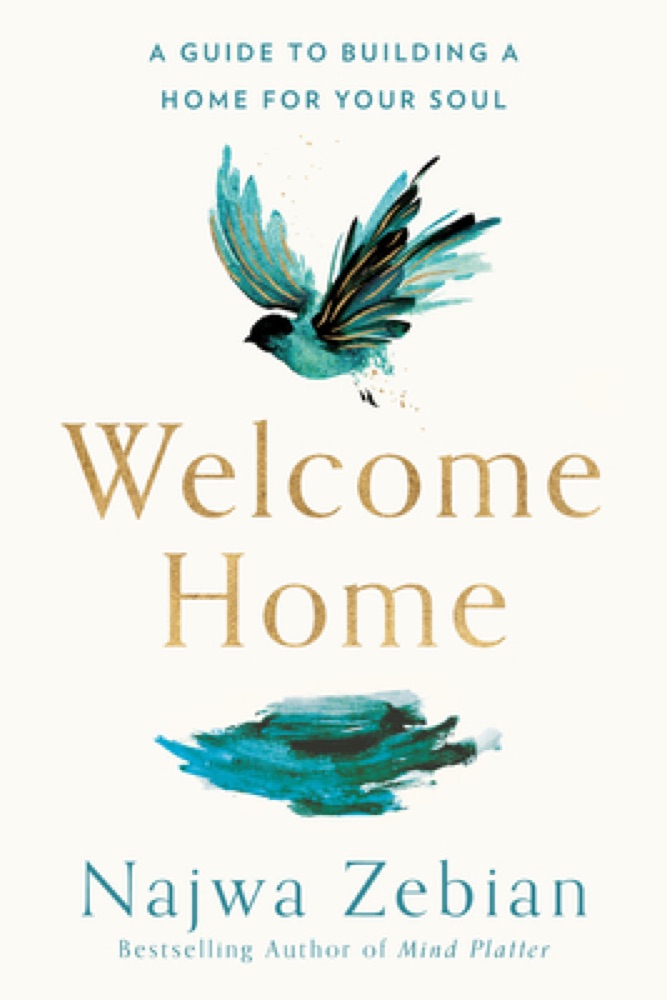 Welcome Home: A Guide to Building a Home for Your Soul
 Attempting Normal