
 Infinite Jest
Quotes from the Book
One reason we rush so quickly to the vulgar satisfactions of judgment, and love to revel in our righteous outrage, is that it spares us from the impotent pain of empathy, and the harder, messier work of understanding.
100
The Soul Toupee is that thing about ourselves we are most deeply embarrassed by and like to think we have cunningly concealed from the world, but which is, in fact, pitifully obvious to everybody who knows us.
50
I don’t know why we take our worst moods so much more seriously than our best, crediting depression with more clarity than euphoria. We dismiss peak moments and passionate love affairs as an ephemeral chemical buzz, just endorphins or hormones, but accept those 3 A.M. bouts of despair as unsentimental insights into the truth about our lives.
45
Most people are just too self-absorbed, well-meaning, and lazy to bother orchestrating Machiavellian plans to slight or insult us. It’s more often a boring, complicated story of wrong assumptions, miscommunication, bad administration, and cover-ups—people trying, and mostly failing, to do the right thing, hurting each other not because that’s their intention but because it’s impossible to avoid.
37
Often you don’t know whether you’re the hero of a romantic comedy or the villain on a Lifetime special until the restraining order arrives.
37
What dooms our best efforts to cultivate empathy and compassion is always, of course, other people.
35
Let me propose that if your beliefs or convictions matter more to you than people—if they require you to act as though you were a worse person than you are—you may have lost perspective.
34
This is one reason people need to believe in God—because we want someone to know us, truly, all the way through, even the worst of us.
31
We mistakenly imagine we want 'happiness,' when we tend to picture in vague, soft-focus terms, when what we really crave is the harder-edged quality of intensity.
28
The same thing that makes friendship so valuable is what makes it so tenuous: it is purely voluntary. You enter into it freely, without the imperatives of biology or the agenda of desire. Officially, you owe each other nothing.
25
I've demonstrated an impressive resilience in the face of valuable life lessons, and the main thing I seem to have learned from this one is that I am capable of learning nothing from almost any experience, no matter how profound.
24
If you manage to make it to some semblance of adulthood, just showing up turns out to be one of the kindest, most selfless things you can do for someone.
23
At a certain age our parents offhandedly start telling us things we’ve never heard before, about themselves and their families, their upbringing and history. They’re turning their lives into stories, trying to make sense of them in retrospect and pass them on while there’s still time. You begin, embarrassingly belatedly, to see them as people with lives long preceding your own.
19
It’s easy to demonstrate how progressive and open-minded and loyal you are when it costs you nothing.
18
You can’t feel crazily grateful to be alive your whole life any more than you can stay passionately in love forever—or grieve forever, for that matter. Time makes us all betray ourselves and get back to the busywork of living.
17
The truth is, there are not two kinds of people. There’s only one: the kind that loves to divide up into gangs who hate each other’s guts. Both conservatives and liberals agree among themselves, on their respective message boards, in uncannily identical language, that their opponents lack any self-awareness or empathy, the ability to see the other side of an argument or to laugh at themselves. Which would seem to suggest that they’re both correct.
17
What someone’s lies reveal about them (aspirations to being an accomplished writer, fantasies of an exotic history and a cosmopolitan family) are always sadder than the fact of the lies themselves. These inventions illuminate the negative spaces of someone’s self-image, their vanity and insecurities and most childish wishes, as we can infer from warped starlight the presence of a far vaster mass of dark matter.
17
I have never even idly thought for a single passing second that it might make my life nicer to have a small rude incontinent person follow me around screaming and making me buy them stuff for the rest of my life.
17
Squandering time is a luxury of profligate youth, when the years are to us as dollars are to billionaires. Doing the same thing in middle age just makes you nervous, not with vague puritan guilt but the more urgent worry that you're running out of time, a deadline you can feel in your cells.
16
This is one of the things we rely on our friends for: to think better of us than we think of ourselves. It makes us feel better, but it also makes us be better; we try to be the person they believe we are.
15
What I could relate to was the common fear that you are secretly so uniquely screwed-up that there is no way anyone would like you if they really knew you.
15
For all his secrecy and fear of being seen, he was touched that we had observed him so closely, and with such love. He loved that we knew him. This is one reason people need to believe in God -- because we want someone to know us, truly, all the way through, even the worst of us.
13
Defriending isn’t just unrecognized by some social oversight; it’s protected by its own protocol, a code of silence. Demanding an explanation wouldn’t just be undignified; it would violate the whole tacit contract on which friendship is founded. The same thing that makes friendship so valuable is what makes it so tenuous: it is purely voluntary. You enter into it freely, without the imperatives of biology or the agenda of desire. Officially, you owe each other nothing.
13
I wish I could recommend the experience of not being killed to everyone.
13
Obviously, some part of us loves feeling 1) right and 2) wronged. But outrage is like a lot of other things that feel good but, over time, devour us from the inside out. Except it's even more insidious than most vices because we don't even consciously acknowledge it's a pleasure. We prefer to think of it as a disagreeable but fundamentally healthy reaction to negative stimuli, like pain or nausea, rather than admit that it's a shameful kick we eagerly indulge again and again, like compulsive masturbation.
11
Exhausting someone in argument is not the same as convincing him
10
I don't know why we take our worst moods so much more seriously than our best, crediting depression with more clarity than euphoria. We dismiss peak moments and passionate love affairs as an ephemeral chemical buzz, just endorphins or hormones, but accept those 3 a.m. bouts of despair as unsentimental insights into the truth about our lives.
10
Because the essence of creativity is fucking around; art is that which is done for the hell of it.
10
It turns out that when there is some conspicuous gap or contradiction at the center of someone's existence, there is probably a very specific, obvious reason for it, and the reason you're avoiding confronting it directly is that it's something you don't want to know.
10
But then anytime you join in a mass movement you’re going to find yourself standing alongside idiots. One reason people go to mass rallies is to become stupider and surer of themselves than they are when they’re alone.
9
Watch on YouTube
About Tim Kreider
We have collected 30 quotes from 1 book by Tim Kreider on BookQuoters.
More about the author →About the book
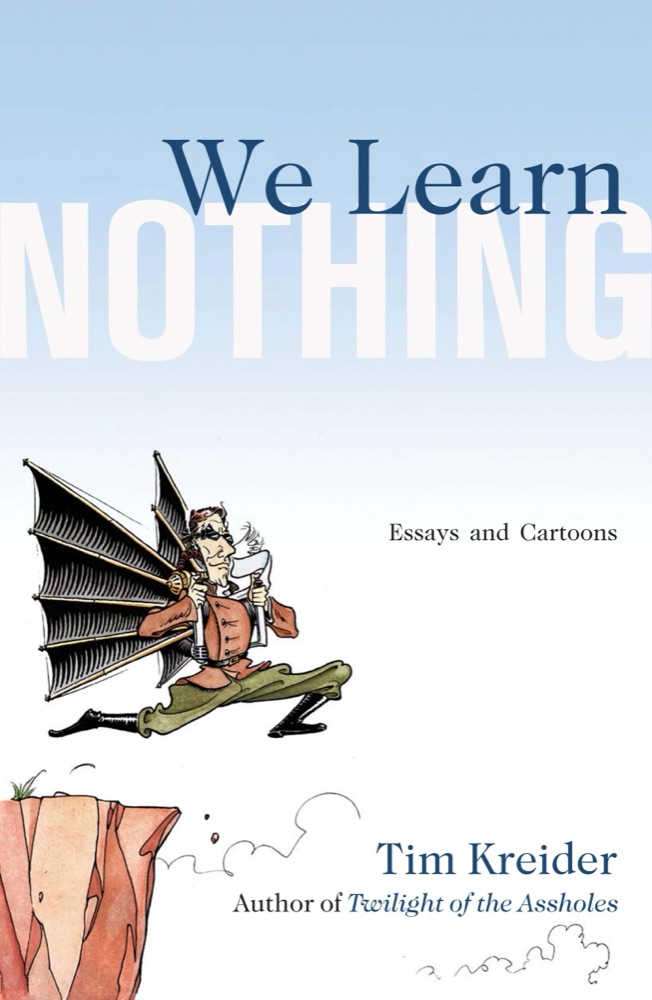
“Kreider locates the right simile and the pith of situations as he carefully catalogues humanity’s inventive and manifold ways of failing” (Publishers Weekly, starred review).In We Learn Nothing, satirical cartoonist Tim Kreider turns his funny, brutally honest eye to the dark truths of the human condition, asking big questions about human-sized problems: What if you survive a brush with death and it doesn’t change you? Why do we fall in love with people we don’t even like? How do you react when someone you’ve known for years unexpectedly changes genders? With a perfect combination of humor and pathos, these essays, peppered with Kreider’s signature cartoons, leave us with newfound wisdom and a unique prism through which to examine our own chaotic journeys through life. These are the conversations you have only with best friends or total strangers, late at night over drinks, near closing
Book details
- First published
- 2012
- Author
- Tim Kreider
- Genre
- Nonfiction
- Goodreads rating
- 4.17 (5k ratings)
Keep reading
Infinite Jest
 The School of Life: An Emotional Education
 Tell Me More: Stories About the 12 Hardest Things I'm Learning to Say
 Words on Bathroom Walls
 Every Exquisite Thing
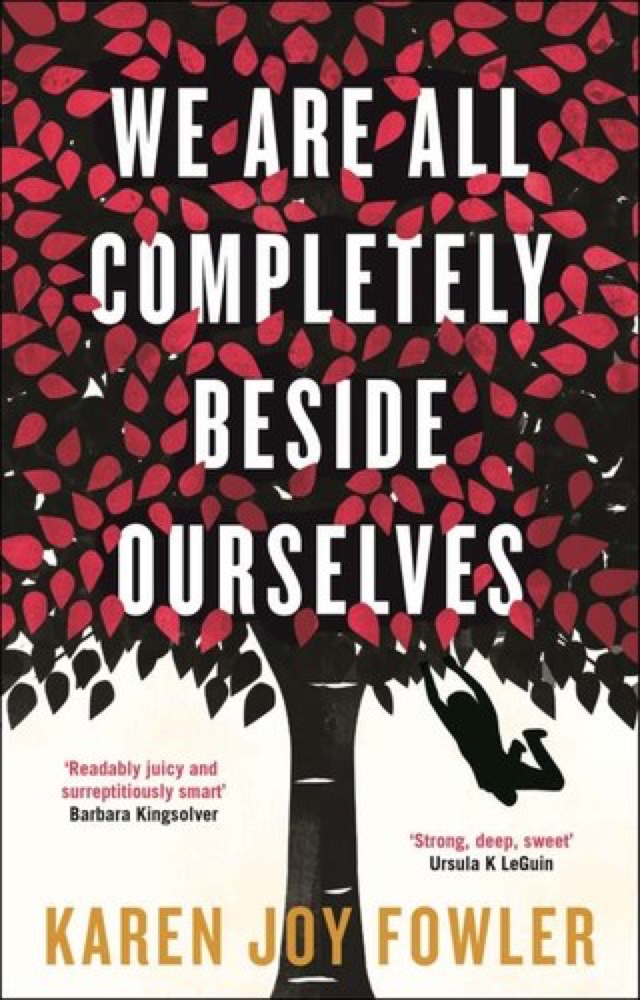 We Are All Completely Beside Ourselves
 Seven Deadly Sins: Settling the Argument Between Born Bad and Damaged Good
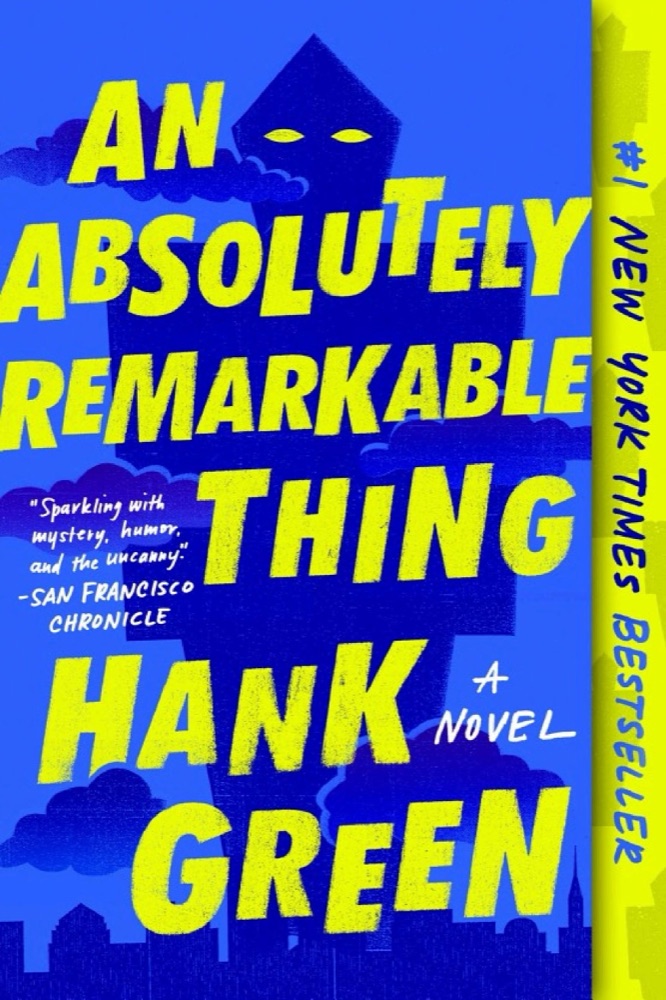 An Absolutely Remarkable Thing
 The Chalk Man
 Maybe You Should Talk to Someone: A Therapist, Her Therapist, and Our Lives Revealed
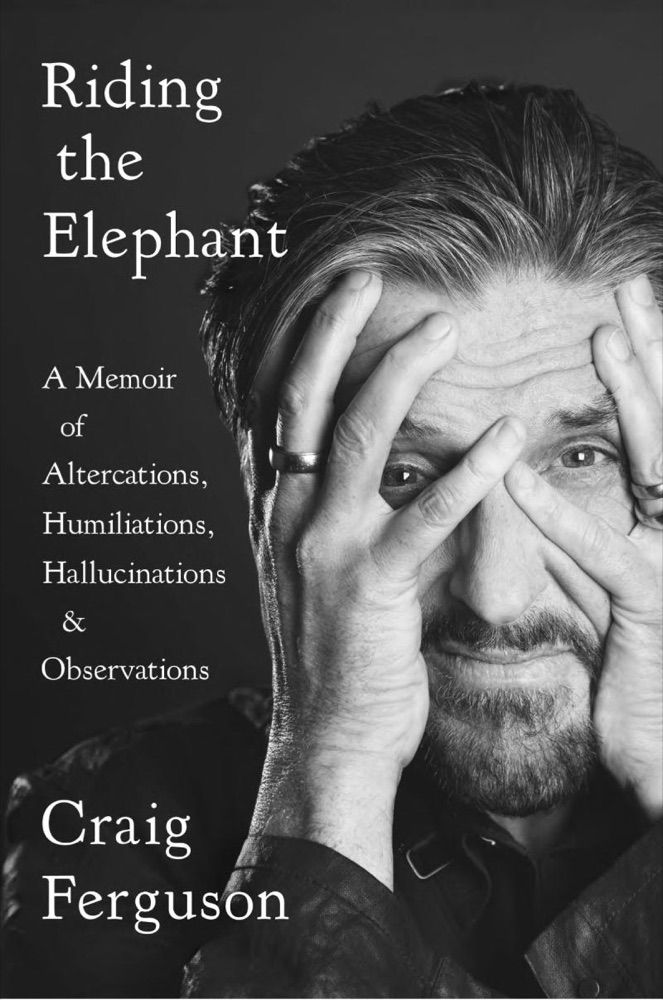 Riding the Elephant: A Memoir of Altercations, Humiliations, Hallucinations, and Observations
 His & Hers
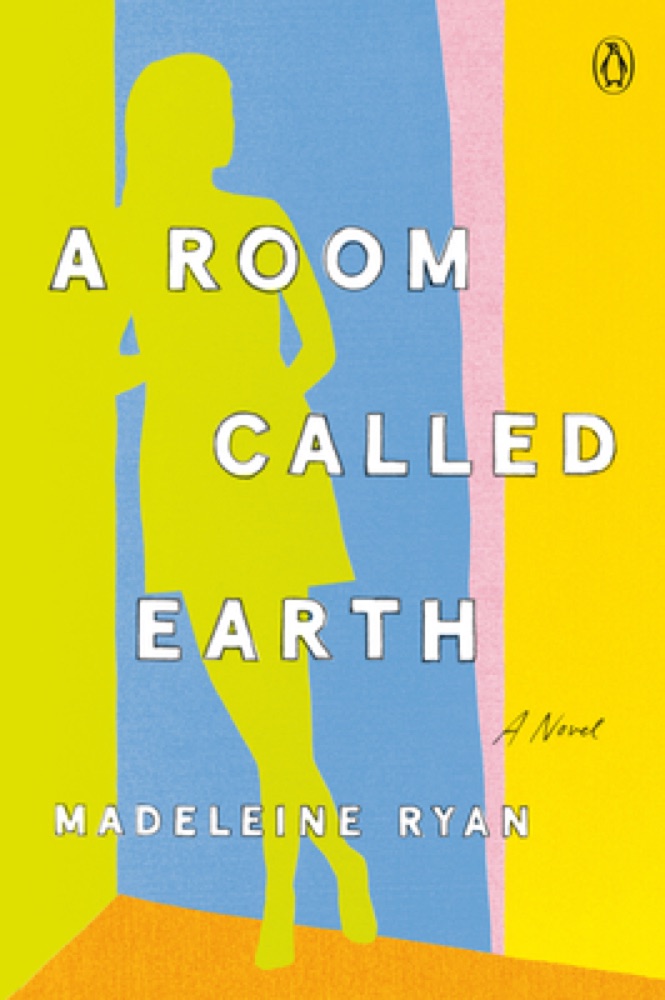 A Room Called Earth
 The Fall of Babel
 The Long Hard Road Out of Hell
 In The Blood
 Attempting Normal
 Radical Honesty : How to Transform Your Life by Telling the Truth
 The Nix
 How to Fail
 Special Topics in Calamity Physics
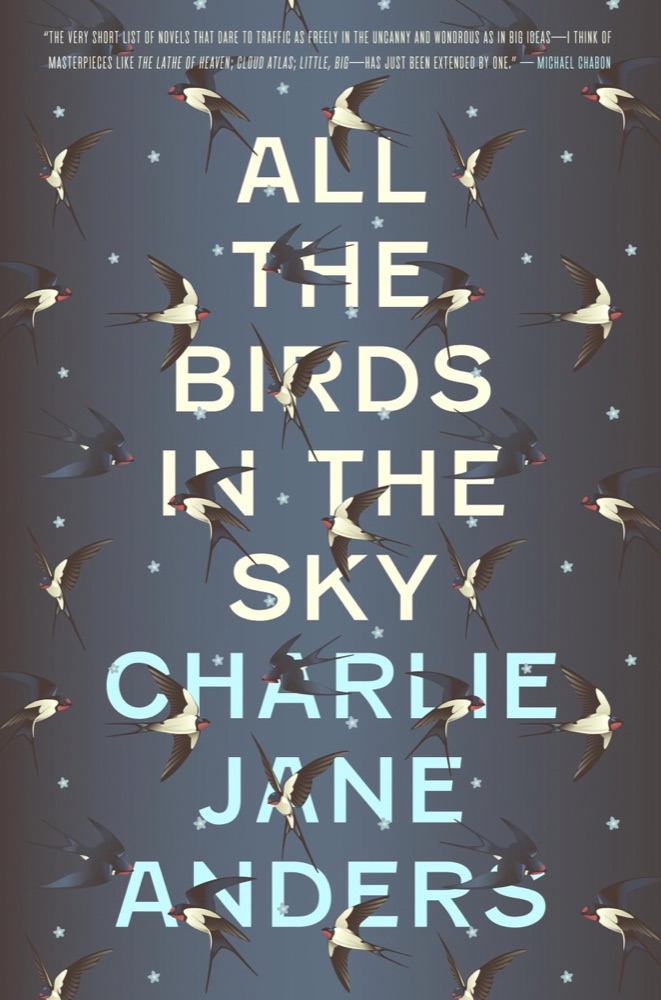 All the Birds in the Sky
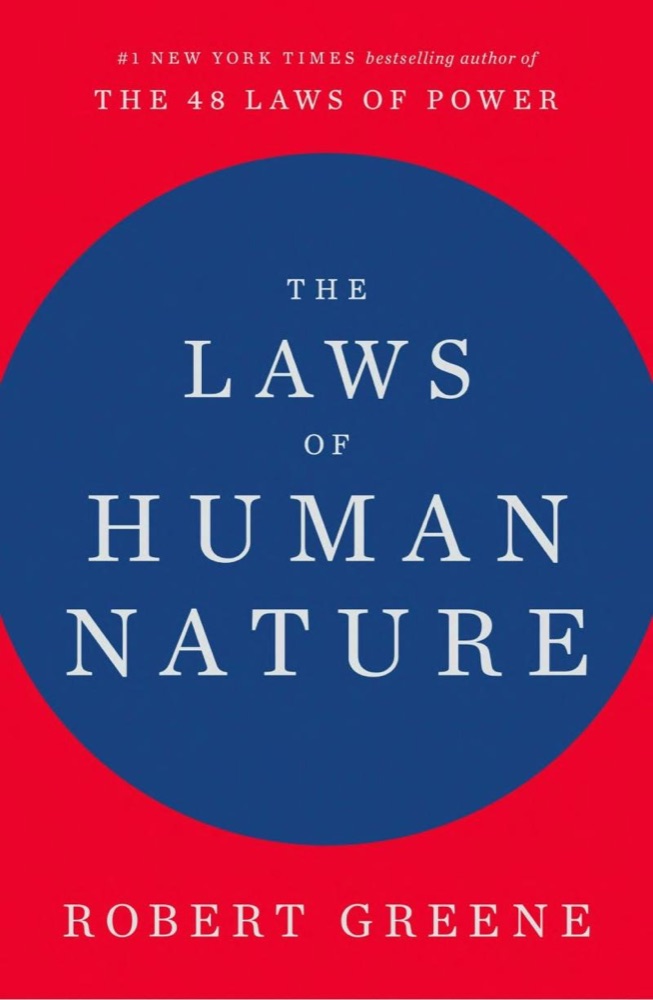 The Laws of Human Nature
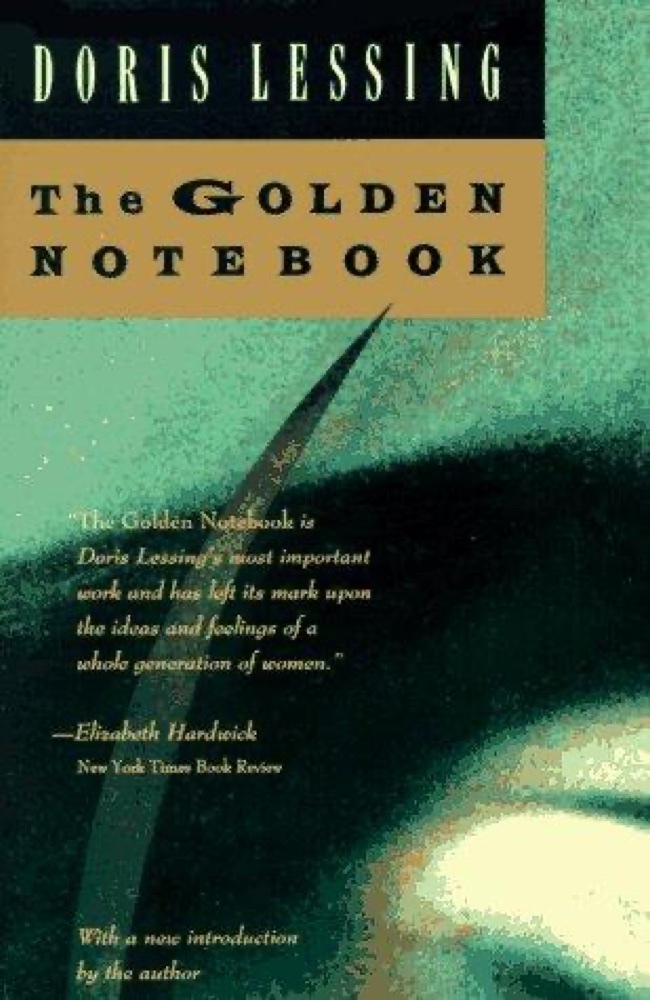 The Golden Notebook
 Have You Seen Luis Velez?
 American Pastoral
 The Fall
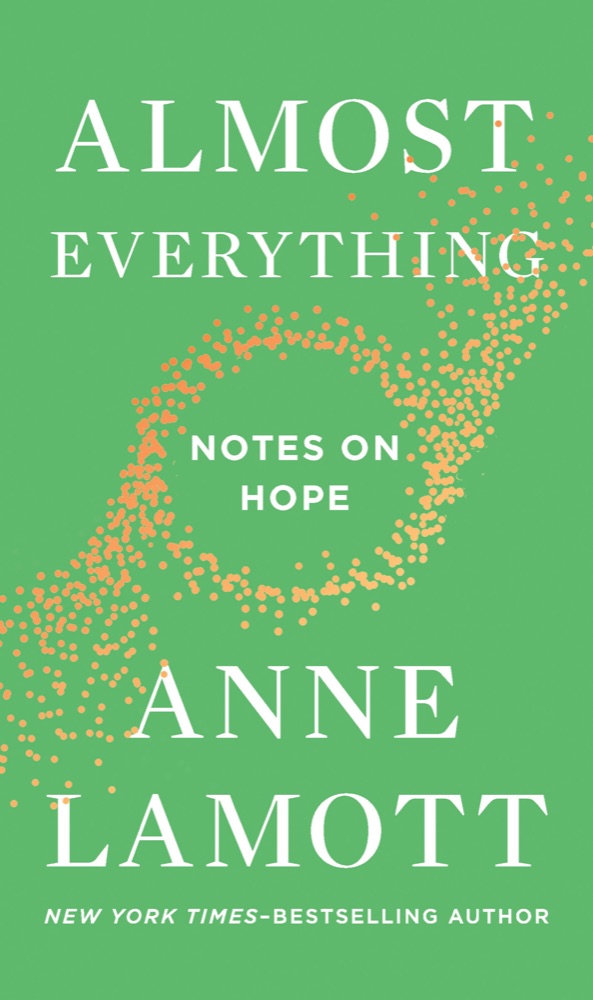 Almost Everything: Notes on Hope
 The Truth: An Uncomfortable Book About Relationships
 The Angel's Game
 300 Arguments: Essays
 The House of Hidden Meanings
 Stories I Only Tell My Friends
 Underground: The Tokyo Gas Attack and the Japanese Psyche
 Life Will Be the Death of Me: . . . and you too!
 Invisible Monsters
 The Yearbook
 Stranger in a Strange Land
 Even Cowgirls Get the Blues
 Killing Yourself to Live: 85% of a True Story
 Eating the Dinosaur
 Journey to the End of the Night
 When Women Were Dragons
 What If This Were Enough?: Essays
 Everything Is F*cked: A Book About Hope
 A Fraction of the Whole
 The Cocktail Party
 Surrender: 40 Songs, One Story
 The Gum Thief
 Middlemarch
 Beartown
 Stay
Stay
 The Pale King
 How to Kill Your Family
 The Tsar of Love and Techno
 Bruiser
 Drive Your Plow Over the Bones of the Dead
![What Was She Thinking? [Notes on a Scandal]](/i/book/g/08/what-was-she-thinking-notes-on-a-scandal.jpg) What Was She Thinking? [Notes on a Scandal]
What Was She Thinking? [Notes on a Scandal]
 All Our Wrong Todays
 Beautiful Ugly