
 Predictably Irrational: The Hidden Forces That Shape Our Decisions
Quotes from the Book
We all want explanations for why we behave as we do and for the ways the world around us functions. Even when our feeble explanations have little to do with reality. We’re storytelling creatures by nature, and we tell ourselves story after story until we come up with an explanation that we like and that sounds reasonable enough to believe. And when the story portrays us in a more glowing and positive light, so much the better.
42
One percent of people will always be honest and never steal," the locksmith said. "Another one percent will always be dishonest and always try to pick your lock and steal your television. And the rest will be honest as long as the conditions are right - but if they are tempted enough, they'll be dishonest too. Locks won't protect you from the thieves, who can get in your house if they really want to. They will only protect you from the mostly honest people who might be tempted to try your door if it had no lock".
36
The more cashless our society becomes, the more our moral compass slips.
36
recognizing our shortcomings is a crucial first step on the path to making better decisions, creating better societies, and fixing our institutions.
13
Maybe we feel meaning only when we deal with something bigger. Perhaps we hope that someone else, especially someone important to us, will ascribe value to what we've produced? Maybe we need the illusion that our work might one day matter to many people. That it might be of some value in the big, broad world out there [...]? Most likely it is all of these. But fundamentally, I think that almost any aspect of meaning [...] can be sufficient to drive our behaviour. As long as we are doing something that is somewhat connected to our self image, it can fuel our motivation and get us to work much harder.
13
We are all very good at rationalizing our actions so that they are in line with our selfish motives.
10
honesty and dishonesty are based on a mixture of two very different types of motivation. On the one hand, we want to benefit from cheating (this is the rational economic motivation), while on the other, we want to be able to view ourselves as wonderful human beings (this is the psychological motivation).
7
Just as creativity enables us to envision novel solutions to tough problems, it can also enable us to develop original paths around rules, all the while allowing us to reinterpret information in a self-serving way. Putting our creative minds to work can help us come up with a narrative that lets us have our cake and eat it too, and create stories in which we’re always the hero, never the villain. If the key to our dishonesty is our ability to think of ourselves as honest and moral people while at the same time benefitting from cheating, creativity can help us tell better stories—stories that allow us to be even more dishonest but still think of ourselves as wonderfully honest people.
7
This result suggests that cheating is not driven by concerns about standing out. Rather, it shows that our sense of our own morality is connected to the amount of cheating we feel comfortable with. Essentially, we cheat up to the level that allows us to retain our self-image as reasonably honest individuals.
7
[..] we human beings are ready and willing to steal something that does not explicitly reference monetary value - that is, something that lacks the face of a dead president.
7
Put simply, the link between creativity and dishonesty seems related to the ability to tell ourselves stories about how we are doing the right thing, even when we are not. The more creative we are, the more we are able to come up with good stories that help us justify our selfish interests.
6
I suspect that self-deception is similar to its cousins, overconfidence and optimism, and as with these other biases, it has both benefits and disadvantages. On the positive side, an unjustifiably elevated belief in ourselves can increase our general well-being by helping us cope with stress; it can increase our persistence while doing difficult or tedious tasks; and it can get us to try new and different experiences. We persist in deceiving ourselves in part to maintain a positive self-image. We gloss over our failures, highlight our successes (even when they’re not entirely our own), and love to blame other people and outside circumstances when our failures are undeniable. Like our friend the crab, we can use self-deception to boost our confidence when we might not otherwise feel bold. Positioning ourselves on the basis of our finer points can help us snag a date, finish a big project, or land a job. (I am not suggesting that you puff up your résumé, of course, but a little extra confidence can often work in our favor.) On the negative side, to the extent that an overly optimistic view of ourselves can form the basis of our actions, we may wrongly assume that things will turn out for the best and as a consequence not actively make the best decisions. Self-deception can also cause us to “enhance” our life stories with, say, a degree from a prestigious university, which can lead us to suffer a great deal when the truth is ultimately revealed. And, of course, there is the general cost of deception. When we and those around us are dishonest, we start suspecting everyone, and without trust our lives become more difficult in almost every way.
6
Eight-year-old Jimmy comes home from school with a note from his teacher that says, “Jimmy stole a pencil from the student sitting next to him.” Jimmy’s father is furious. He goes to great lengths to lecture Jimmy and let him know how upset and disappointed he is, and he grounds the boy for two weeks. “And just wait until your mother comes home!” he tells the boy ominously. Finally he concludes, “Anyway, Jimmy, if you needed a pencil, why didn’t you just say something? Why didn’t you simply ask? You know very well that I can bring you dozens of pencils from work.
5
Moreover, grandmothers of students who aren't doing so well in class are at even higher risk - students who are failing are fifty times more likely to lose a grandmother compared with non-failing students. In a paper exploring this sad connection, Adam speculates that the phenomenon is due to intrafamilial dynamics, which is to say, students' grandmothers care so much about their grandchildren that they worry themselves to death over the outcome of exams.
5
Every enticing item you pass in the window and don’t buy is a crushed impulse, slowly whittling away at your reserve of willpower—making it much more likely that later in the day you will fall for temptation.
4
The question, then, is whether the only force that keeps us from carrying out misdeeds is the fear of being seen by others ...
4
Locks won’t protect you from the thieves, who can get in your house if they really want to. They will only protect you from the mostly honest people who might be tempted to try your door if it had no lock.
4
The basic idea behind self-signaling is that despite what we tend to think, we don’t have a very clear notion of who we are. We generally believe that we have a privileged view of our own preferences and character, but in reality we don’t know ourselves that well (and definitely not as well as we think we do). Instead, we observe ourselves in the same way we observe and judge the actions of other people—inferring who we are and what we like from our actions.
2
For example, consider the importance of insincere compliments. We all know the gold standard of white lies, in which a woman who is less than svelte puts on a slinky new dress and asks her husband, “Do I look fat in this?” The man does a quick cost-benefit analysis; he sees his whole life pass before his eyes if he answers with the brutal truth. So he tells her, “Darling, you look beautiful.” Another evening (marriage) saved.
2
altruistic cheating. We found that knowing that others will benefit from our actions does indeed motivate people to cheat more.
2
According to Becker’s logic, if we’re short on cash and happen to drive by a convenience store, we quickly estimate how much money is in the register, consider the likelihood that we might get caught, and imagine what punishment might be in store for us if we are caught (obviously deducting possible time off for good behavior). On the basis of this cost-benefit calculation, we then decide whether it is worth it to rob the place or not. The essence of Becker’s theory is that decisions about honesty, like most other decisions, are based on a cost-benefit analysis.
2
The first dishonest act is the most important one to prevent.
1
Once we are painted as cheaters in our own eyes, we start behaving in more dishonest ways.
1
Designers and copywriters were at the top of the moral flexibility scale, and the accountants ranked at the bottom. It seems that when “creativity” is in our job description, we are more likely to say “Go for it” when it comes to dishonest behavior.
1
Acts of honesty are incredibly important for our sense of social morality. And although they are unlikely to make the same sensational news, if we understand social contagion, we must also recognize the importance of publicly promoting outstanding moral acts.
1
there is the general cost of deception. When we and those around us are dishonest, we start suspecting everyone, and without trust our lives become more difficult in almost every way.
1
As was the case with all of our other experiments, we found that people cheat when they have a chance to do so, but not by a whole lot.
1
On the one hand, we want to benefit from cheating (this is the rational economic motivation), while on the other, we want to be able to view ourselves as wonderful human beings (this is the psychological motivation). You might think that we can’t achieve both of these objectives at the same time—that we can’t have our cake and eat it too, so to speak—but the fudge factor theory we have developed in these pages suggests that our capacity for flexible reasoning and rationalization allows us to do just that. Basically, as long as we cheat just a little bit, we can have the cake and eat (some of) it too. We can reap some of the benefits of dishonesty while maintaining a positive image of ourselves.
1
Another common practice, the reps told us, was to take fancy meals to the entire doctor’s office (one of the perks of being a nurse or receptionist, I suppose). One doctor’s office even required alternating days of steak and lobster for lunch if the reps wanted access to the doctors. Even more shocking, we found out that physicians sometimes called the reps into the examination room (as an “expert”) to directly inform patients about the way certain drugs work. Hearing stories from the reps who sold medical devices was even more disturbing. We learned that it’s common practice for device reps to peddle their medical devices in the operating room in real time and while a surgery is under way. Janet and I were surprised at how well the pharmaceutical reps understood classic psychological persuasion strategies and how they employed them in a sophisticated and intuitive manner.
1
a criatividade pode nos ajudar a justificar nossas motivações egoístas enquanto continuamos nos considerando pessoas honestas.
Watch on YouTube
About Dan Ariely
We have collected 72 quotes from 3 books by Dan Ariely on BookQuoters.
More about the author →More by Dan Ariely
Predictably Irrational: The Hidden Forces That Shape Our Decisions
 Misbelief: What Makes Rational People Believe Irrational Things
About the book
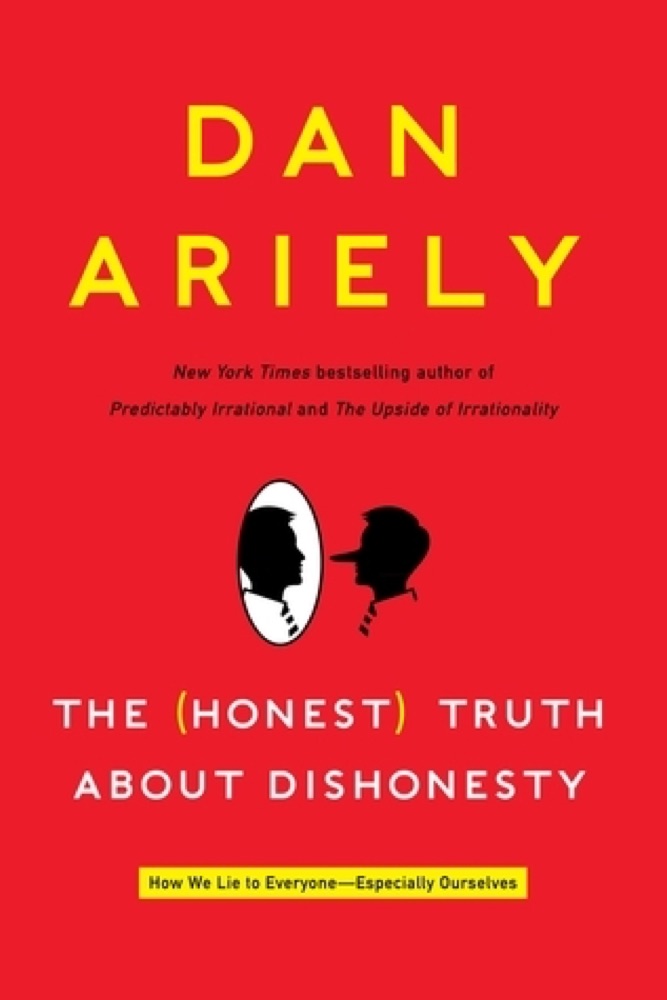
The New York Times bestselling author of Predictably Irrational and The Upside of Irrationality returns with thought-provoking work to challenge our preconceptions about dishonesty and urge us to take an honest look at ourselves.
Does the chance of getting caught affect how likely we are to cheat? How do companies pave the way for dishonesty? Does collaboration make us more honest or less so? Does religion improve our honesty? Most of us think of ourselves as honest, but, in fact, we all cheat. From Washington to Wall Street, the classroom to the workplace, unethical behavior is everywhere. None of us is immune, whether it's the white lie to head off trouble or padding our expense reports.
In The (Honest) Truth About Dishonesty, award-winning, bestselling author Dan Ariely turns his unique insight and innovative research to the question of dishonesty. Generally, we assume that che
Book details
- First published
- 2012
- Author
- Dan Ariely
- Genre
- Nonfiction
- Goodreads rating
- 3.93 (17k ratings)
Keep reading
Predictably Irrational: The Hidden Forces That Shape Our Decisions
 The Elephant in the Brain: Hidden Motives in Everyday Life
 Mistakes Were Made (But Not by Me): Why We Justify Foolish Beliefs, Bad Decisions, and Hurtful Acts
 Radical Honesty : How to Transform Your Life by Telling the Truth
 The Laws of Human Nature
 The Art of Thinking Clearly
 Influence: The Psychology of Persuasion
 You Are Not So Smart
 How Adam Smith Can Change Your Life: An Unexpected Guide to Human Nature and Happiness
 The Moral Animal: Why We Are the Way We Are - The New Science of Evolutionary Psychology
 We Learn Nothing
 Antifragile: Things That Gain from Disorder
 Confessions of a Sociopath: A Life Spent Hiding in Plain Sight
 The Age of Magical Overthinking: Notes on Modern Irrationality
 A Higher Loyalty: Truth, Lies, and Leadership
 Punished by Rewards: The Trouble with Gold Stars, Incentive Plans, A's, Praise and Other Bribes
 On Our Best Behavior: The Seven Deadly Sins and the Price Women Pay to Be Good
 Think Like a Freak
 The Moral Landscape: How Science Can Determine Human Values
 The Girl in the Spider's Web
 Bonds That Make Us Free: Healing Our Relationship, Coming to Ourselves
 Black Box Thinking: Why Some People Never Learn from Their Mistakes - But Some Do
 The Black Swan: The Impact of the Highly Improbable
 Selfie: How the West Became Self-Obsessed
 The Happiness Hypothesis: Finding Modern Truth in Ancient Wisdom
 Barking Up the Wrong Tree: The Surprising Science Behind Why Everything You Know About Success Is (Mostly) Wrong
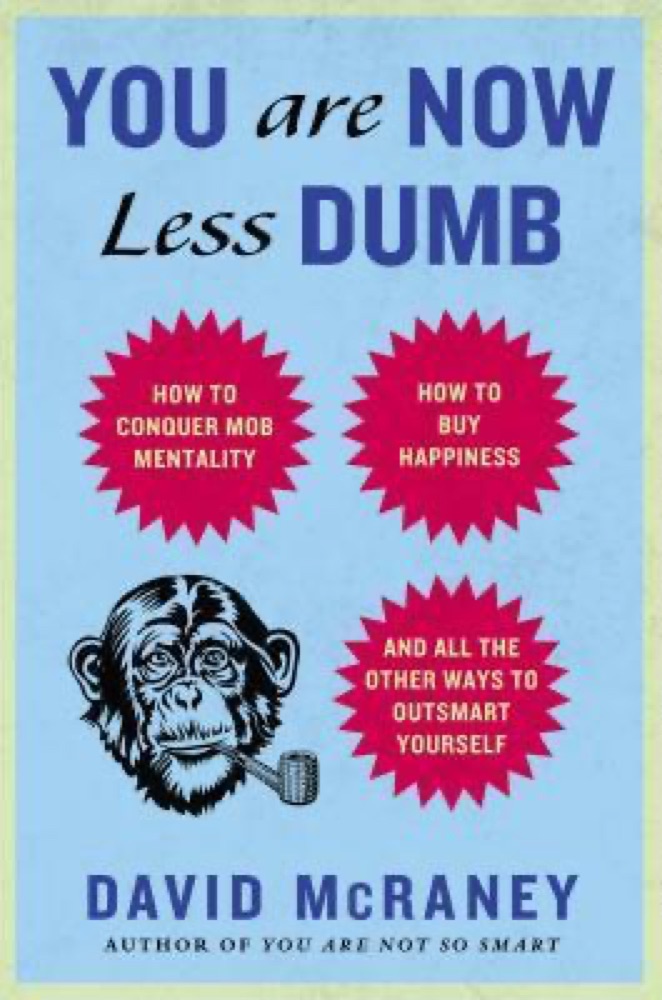 You Are Now Less Dumb: How to Conquer Mob Mentality, How to Buy Happiness, and All the Other Ways to Outsmart Yourself
 Rationality: From AI to Zombies
 The 7 Habits of Highly Effective People: Personal Workbook
 The Lucifer Effect: Understanding How Good People Turn Evil
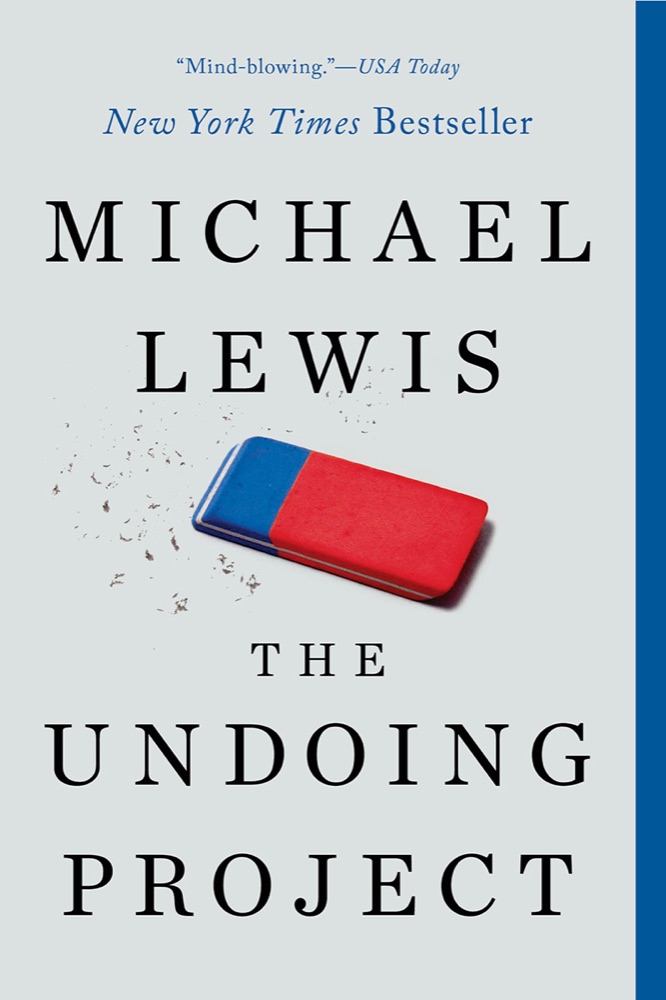 The Undoing Project: A Friendship That Changed Our Minds
 David and Goliath: Underdogs, Misfits, and the Art of Battling Giants
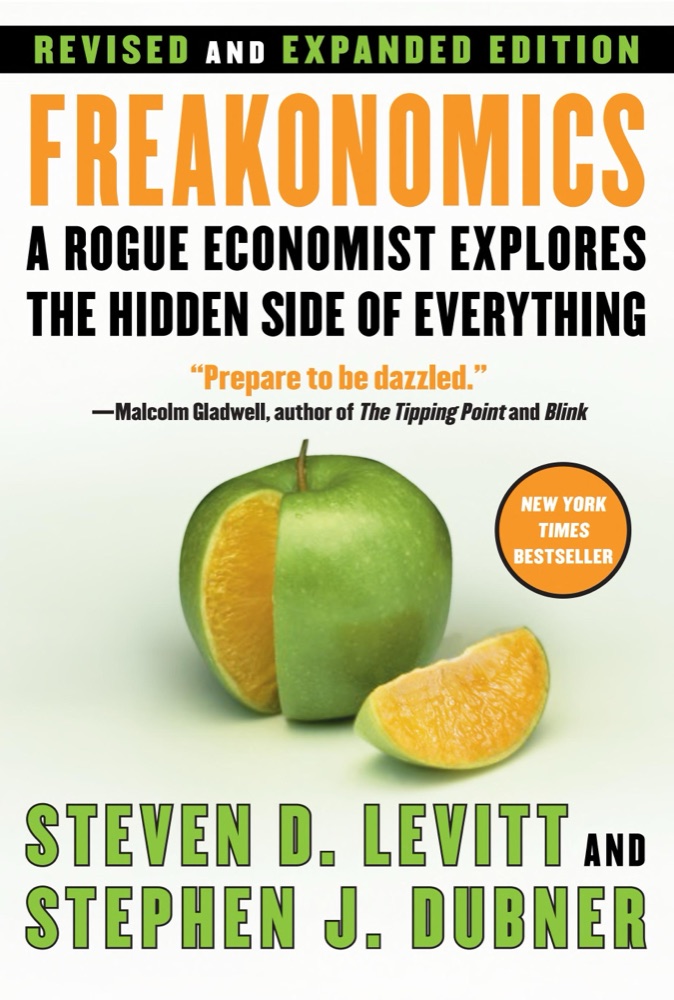 Freakonomics: A Rogue Economist Explores the Hidden Side of Everything
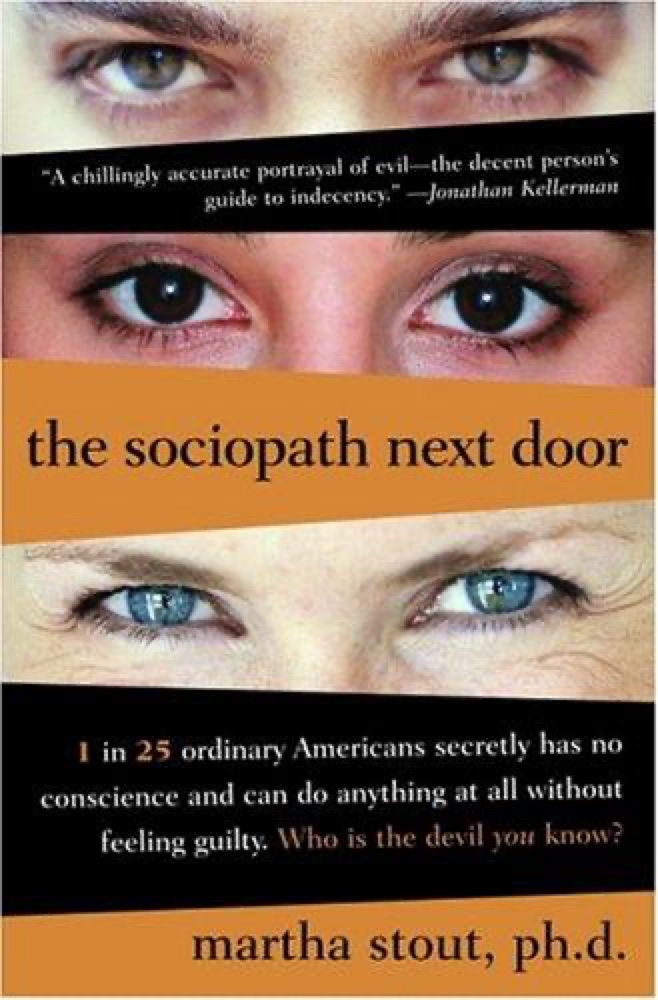 The Sociopath Next Door
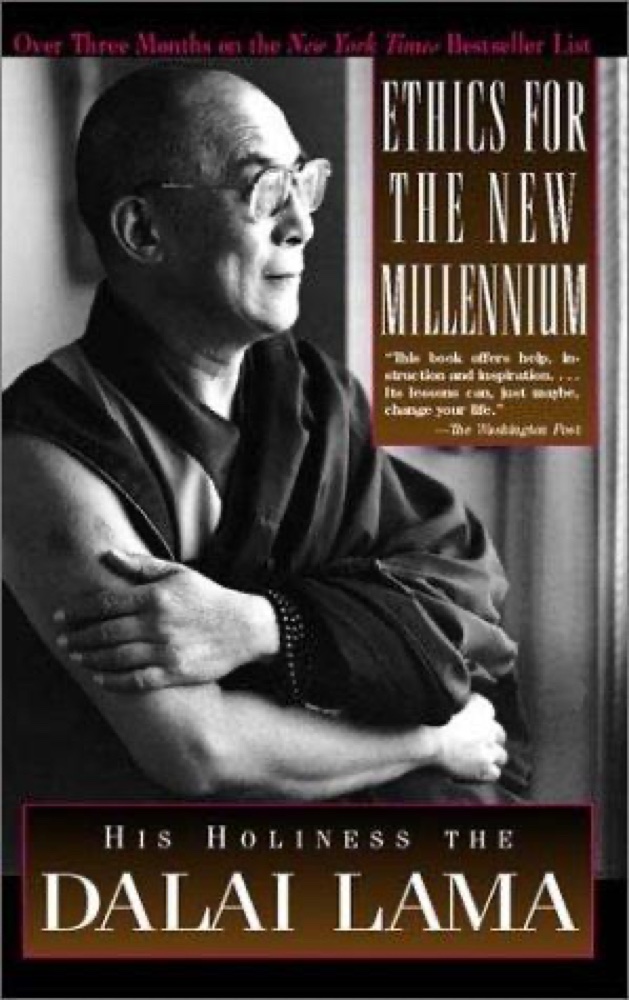 Ethics for the New Millennium
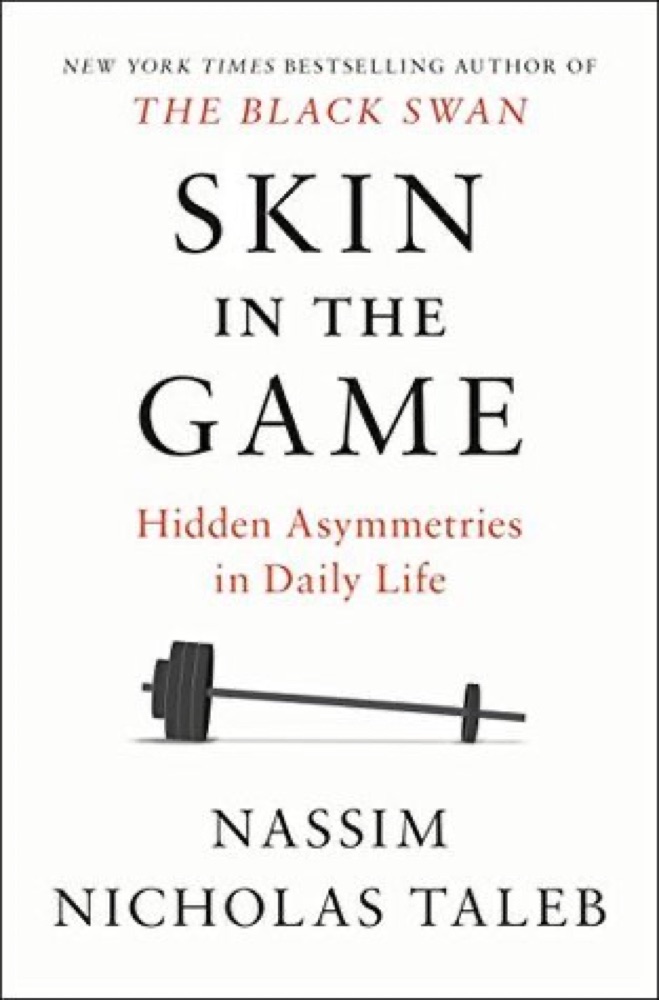 Skin in the Game: The Hidden Asymmetries in Daily Life
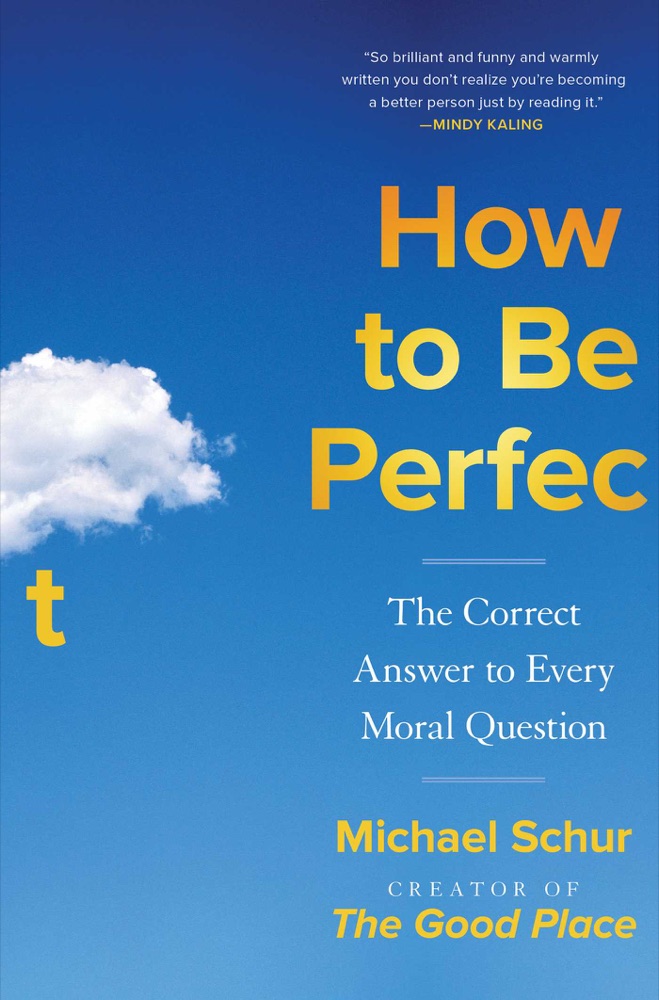 How to Be Perfect: The Correct Answer to Every Moral Question
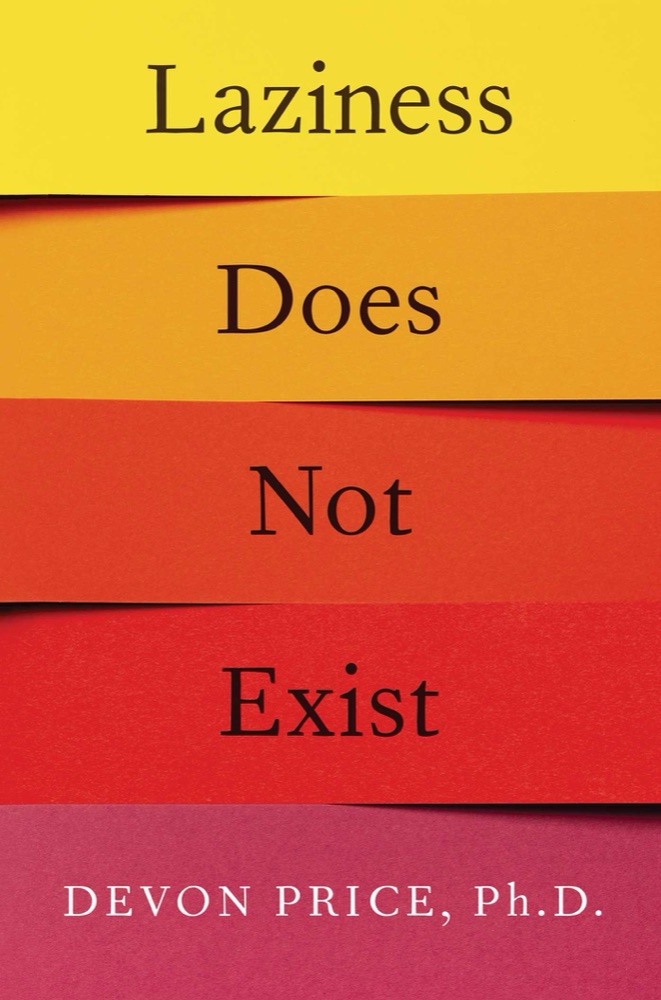 Laziness Does Not Exist
 Do Epic Shit
 The 7 Habits Of Highly Effective Teens
 The Social Animal: The Hidden Sources of Love, Character, and Achievement
 The Four Agreements: A Practical Guide to Personal Freedom
 In Sheep's Clothing: Understanding and Dealing With Manipulative People
 Humankind: A Hopeful History
 Stumbling on Happiness
 The Algebra of Wealth: A Simple Formula for Financial Security
 Walkaway
 Being Wrong: Adventures in the Margin of Error
 The Blank Slate: The Modern Denial of Human Nature
 How We Decide
 Shop Class as Soulcraft: An Inquiry Into the Value of Work
 Same as Ever: A Guide to What Never Changes
 The Game: Penetrating the Secret Society of Pickup Artists
 The Truth: An Uncomfortable Book About Relationships
 The Secret Letters of the Monk Who Sold His Ferrari
 QBQ! The Question Behind the Question: Practicing Personal Accountability in Work and in Life
 21 Lessons for the 21st Century