 The Highly Sensitive Person's Guide to Dealing with Toxic People: How to Reclaim Your Power from Narcissists and Other Manipulators
Quotes from the Book
The Psychopath Free Pledge: 1. I will never beg or plead for someone else again. Any man or woman who brings me to that level is not worth my heart. 2. I will never tolerate criticisms about my body, age, weight, job, or any other insecurities I might have. Good partners won't put me down, they'll raise me up. 3. I will take a step back from my relationship once every month to make sure that I am being respected and loved, not flattered and love-bombed. 4. I will always ask myself the question: "Would I ever treat someone else like this?" If the answer is no, then I don't deserve to be treated like that either. 5. I will trust my gut. If I get a bad feeling, I won't try to push it away and make excuses. I will trust myself. 6. I understand that it is better to be single than in a toxic relationship. 7. I will not be spoken to in a condescending or sarcastic way. Loving partners will not patronize me. 8. I will not allow my partner to call me jealous, crazy, or any other form of projection. 9. My relationships will be mutual and equal at all times. Love is not about control and power. 10. If I ever feel unsure about any of these steps, I will seek out help from a friend, support forum, or therapist. I will not act on impulsive decisions.
54
Psychopaths provide shallow praise and flattery only in order to gain trust. When you actually need emotional support, they will typically offer an empty response—or they will completely ignore you. With time, this conditions you not to bother them with your feelings, even when you need a partner the most, especially during times of tragedy or illness. You will begin to notice that you are never allowed to express anything but positive praise for them.
29
If someone’s opinion of you goes from sky-high to rock bottom, this isn’t normal.
23
In a psychopathic relationship, their strengths are fake and your flaws are manufactured.
23
Psychopaths project and blame you for their own behavior. They accuse you of being negative when they are the most negative people in the world. They gaslight you into believing that your normal reactions to their abuse are the problem—not the abuse itself. When you feel angry and hurt because of their silent treatment, broken promises, lying, or cheating, there is something wrong with you. When you call them out on their dishonest behavior, you’re the abnormal one who is too sensitive, too critical, and always focusing on the negative.
22
But that’s the magic of alone time! You are completely and 100 percent in control of your own happiness. You can imagine anything you want, transforming a bad mood into a good one. Or maybe you want to feel the bad mood fully, in which case you can cry all you want, and nobody can judge you. When you’re alone, there’s no pressure to be someone you’re not. For a while I actually used to need time alone in order to remember who I was. When we’re constantly surrounded by people—especially toxic influences—it becomes really easy to forget ourselves. We get caught up in drama, gossip, and negativity.
17
Your path may be painful, but it is also special. The universe has different plans for you. Remember, there are others who have permanently destroyed any path to the spiritual world. Psychopaths have no place there, and it is why they hate empathetic beings. You are a nagging reminder of something they will never find. They will die here in the material world, with no deeper connection to this great universe.
17
You cannot circle around the pain and discover the happiness you deserve. You must travel through the pain and embrace all of the challenging feelings and difficult ups and downs that are the essence of the grieving process. For a long time, it may seem as if you will always be hurting . . . until one day you will find that you turned a corner and found a lovely new world you never could have imagined.
16
Healing from psychopathic abuse is a long journey. It is neither linear nor logical. You can expect to swing back and forth between stages, perhaps even inventing a few of your own along the way. It is unlike the traditional stages of grief, because you have not truly lost anything—instead, you have gained everything. You just don’t know it yet.
15
You know intuitively that love is not insulting, criticizing, cheating, and lying. Love does not make you feel suicidal. Love does not mock you for having hurt feelings.
14
The psychopath is constantly provoking drama, rivalries, and competitions. What separates them from everyday drama queens is their ability to appear innocent in all of it. They make subtle suggestions, then sit back and watch as others go down in flames for them.
13
You start to see that you’ve never behaved like this in any other relationship, and it’s not because they were special. It’s because they were actively working against you from the moment they chose you. You look back at all of the things that once made you feel paranoid, now able to see that every instance of abuse & neglect was calculated and intentional. And finally, you come to the horrifying realization that the love of your life—the person you trusted with all your heart—had set you up for failure since the very beginning.
13
if you find yourself playing detective with someone, you should remove them from your life immediately
12
Many survivors find that they didn’t really know how to express sadness or anger throughout most of their lives. They were instead expected to be a cheerful servant to everyone around them. And so they developed this stubborn light in their hearts that always sought to see the best in everything, no matter how much the evidence pointed to the contrary.
12
Psychopaths do not actually feel the love and happiness that they so frequently proclaim. They oscillate between contempt, envy, and boredom. Nothing more.
12
They gaslight you into believing that your normal reactions to their abuse are the problem—not the abuse itself.
12
Everyone messes up every now and then, but psychopaths recite excuses more often than they actually follow through with promises. Their actions never match up with their words. You are disappointed so frequently that you feel relieved when they do something decent—they condition you to become grateful for the mediocre.
11
During a relationship with a psychopath, you are likely to experience a range of emotions that you’ve never felt before: extreme jealousy, neediness, rage, anxiety, and paranoia. After every outburst, you constantly think to yourself, “If only I hadn’t behaved that way, then maybe they’d be happier with me.” Think again. Those were not your emotions. I repeat: those were not your emotions. They were carefully manufactured by the psychopath in order to make you question your own good nature. Victims are often prone to believe that they can understand, forgive, and absorb all of the problems in a relationship. Essentially, they checkmate themselves by constantly trying to rationalize the abuser’s completely irrational behavior.
10
what are your insecurities? Get out a piece of paper and make a list. This will save your life down the road. Once you’re aware of these traits, you will also become aware of the people who try to manipulate them. And even better, you can begin to make changes—to better yourself and improve your life.
9
Emotional abusers condition their victims to feel ashamed, inadequate, and unstable. This is because they are cowards, incapable of healthy relationships with strong and self-respecting individuals. Oftentimes, they choose targets who are unusually successful and idealistic, because these people have more to lose. But abusers cannot control someone with such qualities, and so they break down the target’s self-esteem through belittling, teasing, and manufactured jealousy. The target may have perfectionist tendencies, striving to meet the abuser’s impossible standards. This results in a strange dynamic where the abuser is idealized, despite being lazy, dishonest, and unfaithful, while the victim is devalued, despite putting more effort into this relationship than ever before.
9
Unlike any other mental disorder, psychopaths are keenly aware of the impact that their behavior has on others. That’s half the fun for them—watching you suffer. They pick up on insecurities and vulnerabilities in a heartbeat, and then make the conscious choice to exploit those qualities. They know right from wrong, and simply choose to steamroll straight through it.
9
You find yourself explaining the basic elements of human respect to a full-grown man or woman. Normal people understand fundamental concepts like honesty and kindness. Psychopaths often appear to be childlike and innocent, but don’t let this mask fool you. No adult should need to be told how he or she is making other people feel.
8
With you, the psychopath acts covert, ambiguous, condescending, and always trying to keep you doubting the relationship.
7
You think to yourself, “If they can just understand why I’m hurt, then they’ll stop doing it.” But they won’t. They wouldn’t have hurt you in the first place if they were a decent human being. The worst part is, they pretended to be decent when you first met—sucking you in with this sweet, caring persona. They know how to be kind and good, but they find it boring.
6
In their interpersonal relationships, this leads to early idealization in the honeymoon phase, where they groom you to become a constant source of positive energy—temporarily satisfying their pathological feelings of emptiness. But because they are also angry and impulsive, you quickly start to discover that there won’t be any room for your own happiness. Once you fail to meet their rapidly shifting standards, you will be devalued and criticized until you have nothing left to offer to them.
6
He or she was only an illusion, a mask the psychopath created in order to mirror and manipulate you. As crushingly hard as it is and as much as it hurts, the only way to find freedom is to stop believing in that illusion.
5
Unlike people with other mental disorders, psychopaths are keenly aware of the impact that their behavior has on others. That’s half the fun for them—watching people suffer.
5
Delayed arrogance is common in sociopaths. When you first meet, they’ll seem unusually innocent, humble, childlike, and thoughtful. But as time goes by, they inevitably transform into a monster: manipulative, arrogant, and neglectful.
5
In an argument, a “teller” will frequently remind you of how well they treat you, even after blatantly hurting you. A “show-er” will simply share their point of view without trying to twist the conversation in their favor.
5
These are the Cluster B personality disorders, and based on the statistics above, they are found in more than one in every seven people—over 15 percent of the population (I’m rounding down, to account for comorbidity). Now consider that most of these people are highly functional, nonincarcerated, active members of society. So given the raw numbers, it’s highly likely that you unknowingly pass by one of these cunning manipulators every day on your way to work—perhaps even today, when they served you your morning coffee. So what’s the problem? The problem is that the general public knows virtually nothing about these incredibly pervasive disorders.
5
Watch on YouTube
About Jackson MacKenzie
About the book
"The psychopath carefully selects the most indifferent & heartbreaking way imaginable to abandon you. He wants you to self-destruct, cleaning up any loose ends as he begins the grooming process with his latest victim. He destroys you as a way to reassure himself that his new target is better. But most importantly, he destroys you because he hates you. He despises your empathy & love - qualities he must pretend to feel every single day. To destroy you is to temporarily silence the nagging reminder of the emptiness that consumes his soul." (pg. 58)
Unbeknownst to both of you, this is the beginning of a great adventure...
Psychopath Free is a recovery handbook, guiding survivors through the nightmare of psychopathic relationships from beginning to end. The goal is to make the process a bit more holistic - to provide all the tools you'll need to find validation, self-respect, peace, &
Book details
- First published
- 2013
- Author
- Jackson MacKenzie
- Genre
- Nonfiction
- Goodreads rating
- 4.17 (6k ratings)
Keep reading
The Highly Sensitive Person's Guide to Dealing with Toxic People: How to Reclaim Your Power from Narcissists and Other Manipulators
 The Covert Passive Aggressive Narcissist: Recognizing the Traits and Finding Healing After Hidden Emotional and Psychological Abuse
 Stop Walking on Eggshells: Taking Your Life Back When Someone You Care about Has Borderline Personality Disorder
 It's Not You: Identifying and Healing from Narcissistic People
 Without Conscience: The Disturbing World of the Psychopaths Among Us
 The Sociopath Next Door
 Confessions of a Sociopath: A Life Spent Hiding in Plain Sight
 In Sheep's Clothing: Understanding and Dealing With Manipulative People
 The Wisdom of Psychopaths: What Saints, Spies, and Serial Killers Can Teach Us About Success
 Good Morning, Monster: A Therapist Shares Five Heroic Stories of Emotional Recovery
 Complex PTSD: From Surviving to Thriving
 Adult Children of Emotionally Immature Parents: How to Heal from Distant, Rejecting, or Self-Involved Parents
 I Hate You, Don't Leave Me: Understanding the Borderline Personality
 Feeling Good: The New Mood Therapy
 Surrounded by Psychopaths: How to Protect Yourself from Being Manipulated and Exploited in Business
 Codependent No More: How to Stop Controlling Others and Start Caring for Yourself
 Loud in the House of Myself: Memoir of a Strange Girl
 The Psychopath Test
 The Truth: An Uncomfortable Book About Relationships
 What My Bones Know
 Hollywood Park
 Why Does He Do That? Inside the Minds of Angry and Controlling Men
 Buy Yourself the Damn Flowers: The Self-Love Guide to Growing, Healing and Learning to Put Yourself First
 How to Kill Your Family
 Toxic Parents: Overcoming Their Hurtful Legacy and Reclaiming Your Life
 Running on Empty: Overcome Your Childhood Emotional Neglect
 Maybe You Should Talk to Someone: A Therapist, Her Therapist, and Our Lives Revealed
 We Learn Nothing
 The Yearbook
 Leaving Isn't the Hardest Thing
 The Silent Patient
 No Bad Parts: Healing Trauma & Restoring Wholeness with the Internal Family Systems Model
 Life Will Be the Death of Me: . . . and you too!
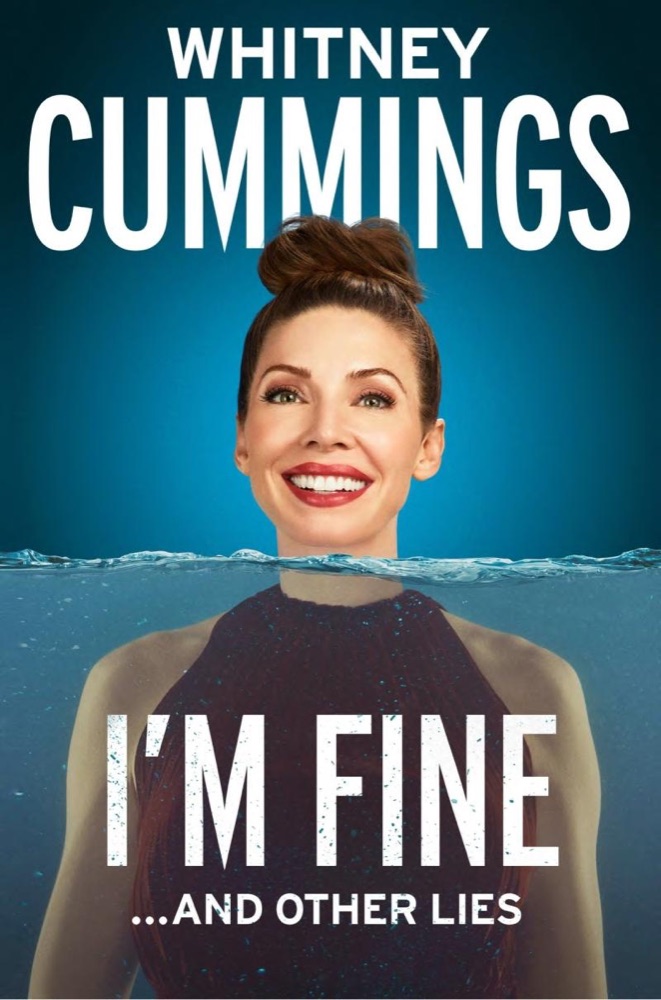 I'm Fine...And Other Lies
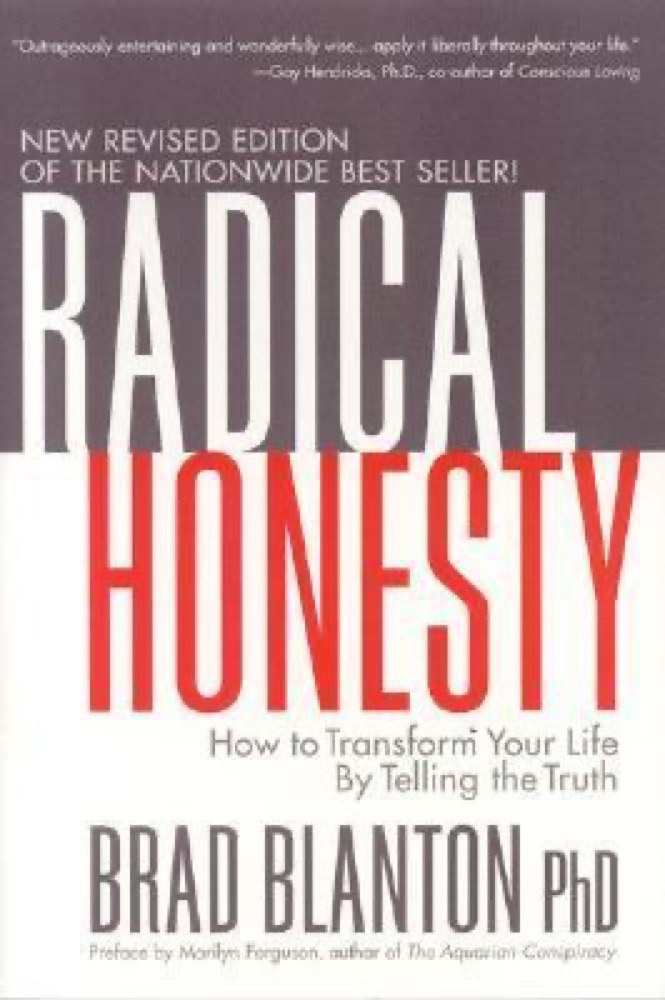 Radical Honesty : How to Transform Your Life by Telling the Truth
 In the Dream House
 Get Me Out of Here: My Recovery from Borderline Personality Disorder
 Your Voice in My Head
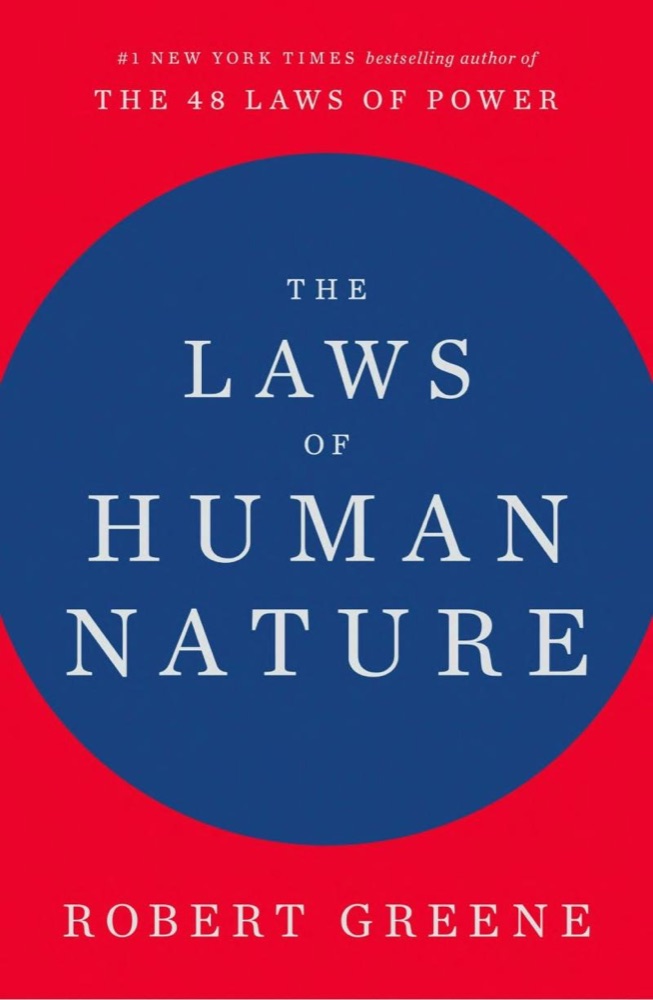 The Laws of Human Nature
 Take Me With You When You Go
 Bad Girls with Perfect Faces
 Words on Bathroom Walls
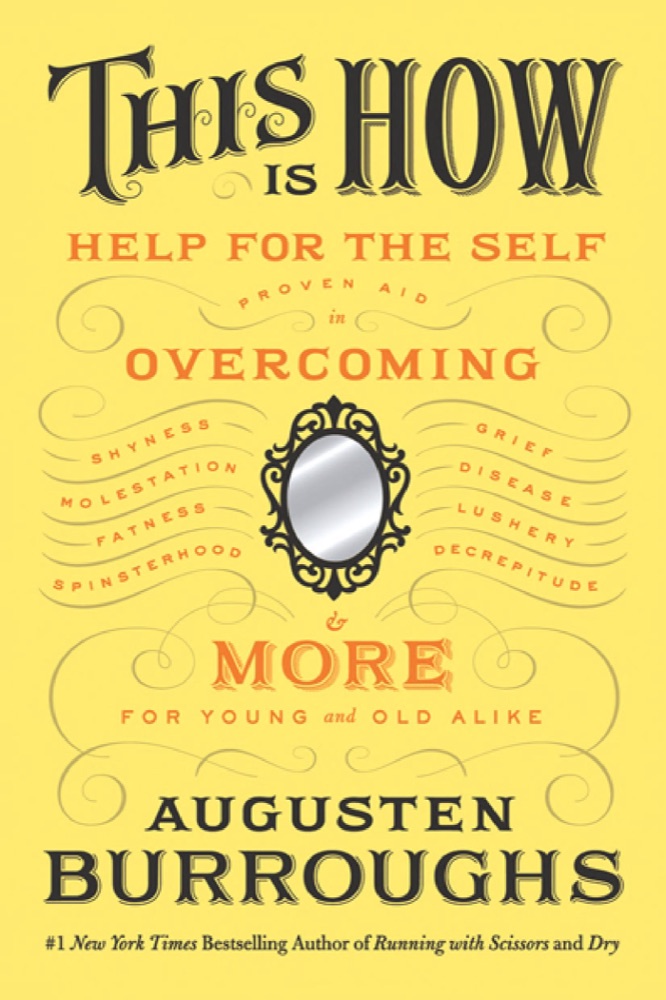 This Is How: Proven Aid in Overcoming Shyness, Molestation, Fatness, Spinsterhood, Grief, Disease, Lushery, Decrepitude & More. For Young and Old Alike.
 The Art of Starving
 Mothers Who Can't Love: A Healing Guide for Daughters
 Gone Girl
 Attempting Normal
 All Is Not Forgotten
 In The Blood
 Strong Female Character
 The Secret Life of Prince Charming
 Women Don't Owe You Pretty
 Adultery
 Landon & Shay: Part One
 Us: Getting Past You and Me to Build a More Loving Relationship
 The Mastery of Love: A Practical Guide to the Art of Relationship: A Toltec Wisdom Book
 Atlas of the Heart: Mapping Meaningful Connection and the Language of Human Experience
 Radical Love: Learning to Accept Yourself and Others
 Toxic
Toxic
 Blood Sugar