 Being Peace
Quotes from the Book
There is nowhere to arrive except the present moment.
25
When you sit alone quietly, it’s something beautiful, even if nobody sees it.
5
Peace and calm are contagious.
5
Sit in such a way that you feel light, relaxed, happy, and free. Many of us have so many anxieties and projects that weigh heavily on us. We carry our past sorrows and anger and they become a kind of baggage that makes life heavy. Sitting meditation is a way to practice letting go of the things we carry needlessly.
5
When people say, “Don’t just sit there, do something,” they’re urging you to act. But if the quality of your being is poor—if you don’t have enough peace, understanding, and equanimity, if you still have a lot of anger and worries—then your actions will also be poor.
5
As soon as we pay attention to our breath, as we breathe in, these three things—body, breath, and mind—come together.
5
A guided meditation is an opportunity to look deeply into the mind, to sow wholesome seeds there, and to strengthen and cultivate those seeds so that they may become the means for transforming the suffering in us.
3
To be alive is the greatest of all miracles, and you can rejoice in being alive. When you breathe in this way, your breath is a celebration of life.
3
To be in the here and the now—solid and fully alive—is a very positive contribution to our collective situation.
3
The present moment contains the whole of life.
3
All phenomena are impermanent. They are subject to birth and death. When the notions of birth and death are removed, this silence is called great joy.
2
In the process of meditation, fetters are undone; internal blocks of suffering such as resentment, fear, anger, despair, and hatred are transformed; relationships with humans and nature become easier; freedom and joy can penetrate us. We become aware of what is inside and around us;
2
When you sit down, the first thing to do is to become aware of your breathing. Becoming aware of your breathing is the first step in taking care of yourself.
1
The quality of our presence is the most positive element that we can contribute to the world.
1
Instead of describing sitting meditation as the practice of concentration, looking deeply, and getting insight, I like to describe sitting as enjoying doing nothing.
1
Sitting meditation is a way to practice letting go of the things we carry needlessly. These things are nothing but obstacles to our happiness. Ease in our sitting and ease in our breathing nourishes the body and mind.
1
If you always sit in expectation, you’re not in the present moment. The present moment contains the whole of life.
1
Every time we truly stop and look deeply, the result is a better understanding of the true nature of what is there inside us and around us.
1
Everyone is breathing, but not everyone is aware that they’re breathing.
1
Naming can be a first step in giving us some distance from our feelings, so we can see that a feeling is just a feeling and that it is impermanent. A feeling comes and eventually it goes.
When we are calm, we can look deeply into a difficult emotion to see its roots and understand it better.
A few moments of sitting and conscious breathing can bring great happiness.
Mindfulness meditation can be practiced anywhere and in whatever position the body is in—whether we are sitting, walking, standing, or lying down.
Don’t worry if you don’t have hours to dedicate to sitting. A few moments of sitting and conscious breathing can bring great happiness.
We carry our past sorrows and anger and they become a kind of baggage that makes life heavy. Sitting meditation is a way to practice letting go of the things we carry needlessly. These things are nothing but obstacles to our happiness.
The energy of mindfulness can help improve your whole being. Just pay attention to your in-breath. Allow it to be the way it is and you will see that the quality of your breathing naturally becomes calmer, deeper, and more harmonious all by itself.
Guided meditation is not a new invention. It was used in the time of the Buddha, over 2,500 years ago. Even if you enjoy sitting in silence, guided meditation can be beneficial. A guided meditation is an opportunity to look deeply into the mind, to sow wholesome seeds there, and to strengthen and cultivate those seeds so that they may become the means for transforming the suffering in us. A guided meditation can also help us come face to face with suffering we have been avoiding. Seeing it more clearly, we can understand its root causes and be free of its bondage.
When we're first learning sitting meditation, it can be useful to count our breaths. Count "one" for the first in- and out-breath. Count "two" for the second, and so on. If your mind wanders and you lose count, go back to "one" and begin again. This exercise helps develop concentration. You may think counting to ten is easy, but counting to ten while breathing mindfully takes a lot of focus.
What is essential is to train to sit quietly and mindfully. The more you train yourself, the more you can reach the deeper aspect of what you are thinking and feeling. You might think: "I'm bored!" "This is stupid." "I need to do something else right this minute." There may be old habits and old stories that are creating those thoughts and those feelings. What is getting in the way of your being able to experience the present moment? Keep breathing. Keep sitting. This is the practice.
The kind of sitting we're used to doing is sitting in order to work at our computers, to be in meetings, or to space out in front of a screen. So we have to practice sitting just to be with ourselves without distractions.
About Thich Nhat Hanh
We have collected 629 quotes from 23 books by Thich Nhat Hanh on BookQuoters.
More about the author →
About the book
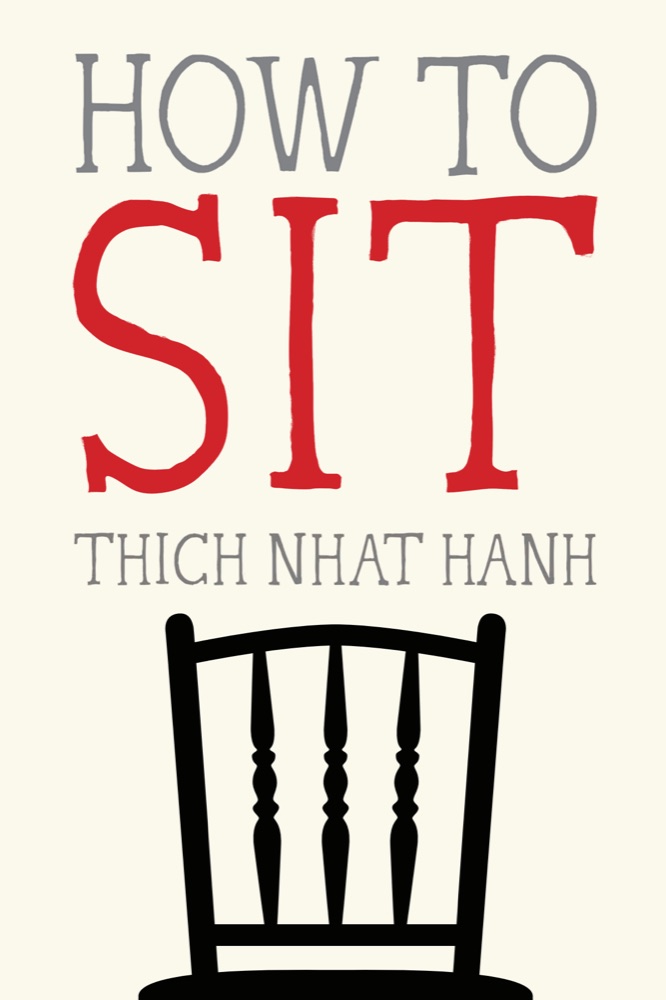
"Sit" = "Meditate." Clear, simple directions for anyone wanting to explore mindfulness meditation.
The first book in The Mindfulness Essentials series, a back-to-basics collection from world-renowned Zen master Thich Nhat Hanh that introduces everyone to the essentials of mindfulness practice.
In short, single-paragraph chapters, Nhat Hanh shares detailed instructions, guided breathing exercises and visualizations, as well as his own personal stories and insights. This pocket-sized book is perfect for those brand new to sitting meditation as well as for those looking to deepen their spiritual practice.
With sumi-ink drawings by Jason DeAntonis.
Book details
- First published
- 2014
- Author
- Thich Nhat Hanh
- Genre
- Nonfiction
- Goodreads rating
- 4.32 (4k ratings)
Keep reading
 Real Happiness: A 28-Day Program to Realize the Power of Meditation
 How to Relax
 How to Meditate: A Practical Guide to Making Friends with Your Mind
 Peace Is Every Breath: A Practice for Our Busy Lives
 Full Catastrophe Living: Using the Wisdom of Your Body and Mind to Face Stress, Pain, and Illness
 Wherever You Go, There You Are: Mindfulness Meditation in Everyday Life
 The Miracle of Mindfulness: An Introduction to the Practice of Meditation
 Meditation for Fidgety Skeptics: A 10% Happier How-To Book
 Meditation for Beginners
 Mindfulness in Plain English
 The Mind Illuminated: A Complete Meditation Guide Integrating Buddhist Wisdom and Brain Science
 The Pocket Pema Chodron
 Living Beautifully with Uncertainty and Change
 Meditation
 Meditation: Insights and Inspirations
 The Joy of Living: Unlocking the Secret and Science of Happiness
 Mindfulness Living in the Moment - Living in the Breath
 Everyday Zen: Love & Work
 Nothing Special: A Zen Buddhist Guide to Awakening Through Daily Life's Feelings, Relationships, and Work
 True Refuge: Finding Peace and Freedom in Your Own Awakened Heart
 Light on Life
 Practicing the Power of Now: Essential Teachings, Meditations, and Exercises from the Power of Now
 Living Untethered: Beyond the Human Predicament
 The Tibetan Book of Living and Dying
 Waking Up: A Guide to Spirituality Without Religion
 The Yoga Sutras of Pantanjali
 Stillness Speaks
 The Book of Secrets: Unlocking the Hidden Dimensions of Your Life
 Awakening the Buddha Within
 The Wise Heart: A Guide to the Universal Teachings of Buddhist Psychology
 Radical Acceptance: Embracing Your Life With the Heart of a Buddha
 The Power of Now: A Guide to Spiritual Enlightenment
 The Dalai Lama's Cat and the Power of Meow
 The Practicing Mind: Bringing Discipline and Focus into Your Life
 Buddha's Brain: The Practical Neuroscience of Happiness, Love, and Wisdom
 Meditations from the Mat: Daily Reflections on the Path of Yoga
 Happiness: A Guide to Developing Life's Most Important Skill
 Going to Pieces without Falling Apart: A Buddhist Perspective on Wholeness
 You Can Heal Your Life
 Buddhism Plain & Simple: The Practice of Being Aware, Right Now, Every Day
 Advice Not Given: A Guide to Getting Over Yourself
 Stillness Is the Key
 The Things You Can See Only When You Slow Down: How to Be Calm in a Busy World
 Let's Talk: ...About Making Your Life Exciting, Easier, And Exceptional
 The Seven Spiritual Laws of Success: A Practical Guide to the Fulfillment of Your Dreams
 How to See Yourself As You Really Are
 The Art of Happiness
 Against the Stream: A Buddhist Manual for Spiritual Revolutionaries
 Breaking the Habit of Being Yourself: How to Lose Your Mind and Create a New One
 365 Tao: A Study of Taoist Wisdom for Daily Life
 The Yoga Sutras of Patanjali
 Becoming Supernatural: How Common People are Doing the Uncommon
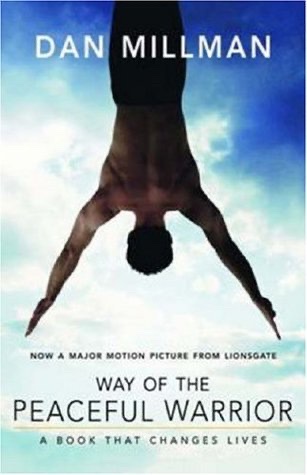 Way of the Peaceful Warrior: A Book That Changes Lives
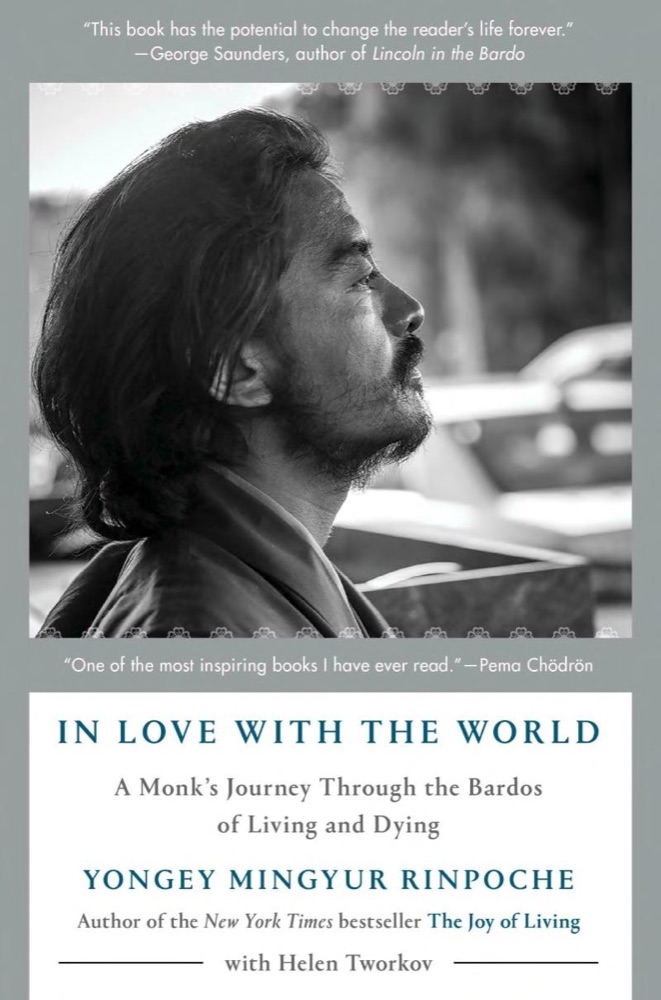 In Love with the World: A Monk's Journey Through the Bardos of Living and Dying
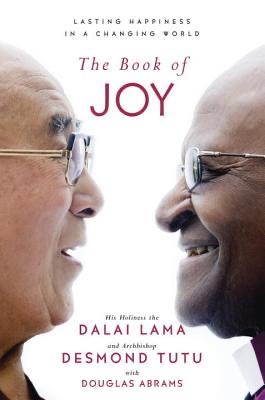 The Book of Joy: Lasting Happiness in a Changing World
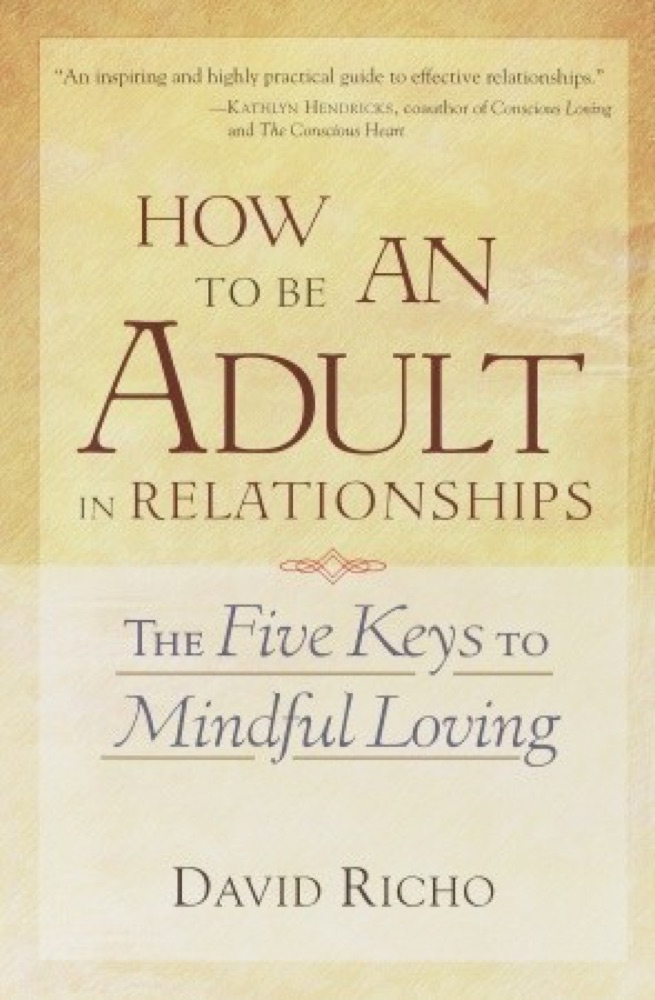 How to Be an Adult in Relationships: The Five Keys to Mindful Loving
 A Monk's Guide to Happiness: Meditation in the 21st Century