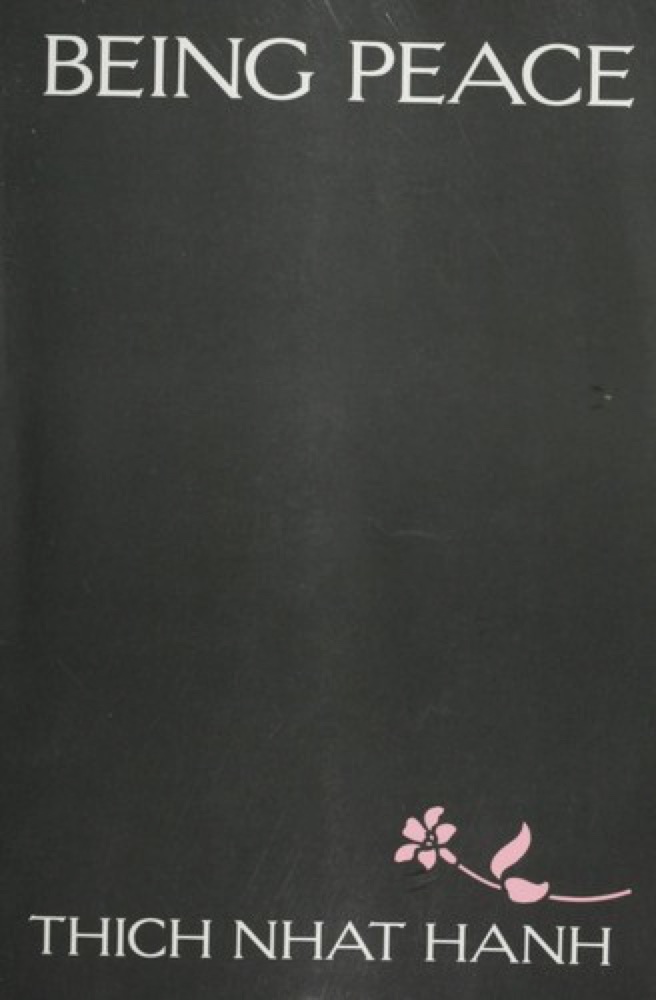
 Being Peace
Quotes from the Book
We have negative mental habits that come up over and over again. One of the most significant negative habits we should be aware of is that of constantly allowing our mind to run off into the future. Perhaps we got this from our parents. Carried away by our worries, we're unable to live fully and happily in the present. Deep down, we believe we can't really be happy just yet—that we still have a few more boxes to be checked off before we can really enjoy life. We speculate, dream, strategize, and plan for these "conditions of happiness" we want to have in the future; and we continually chase after that future, even while we sleep. We may have fears about the future because we don't know how it's going to turn out, and these worries and anxieties keep us from enjoying being here now.
94
If you know how to be happy with the wonders of life that are already there for you to enjoy, you don't need to stress your mind and your body by striving harder and harder, and you don't need to stress this planet by purchasing more and more stuff. The Earth belongs to our children. We have already borrowed too much from it, from them; and the way things have been going, we're not sure we'll be able to give it back to them in decent shape. And who are our children, actually? They are us, because they are our own continuation. So we've been shortchanging our own selves. Much of our modern way of life is permeated by mindless overborrowing. The more we borrow, the more we loser. That's why it's critical that we wake up and see we don't need to do that anymore. What's already available in the here and now is plenty for us to be nourished, to be happy. Only that kind of insight will get us, each one of us, to stop engaging in the compulsive, self-sabotaging behaviors of our species. We need a collective awakening. One Buddha is not enough. All of us have to become Buddhas in order for our planet to have a chance. Fortunately, we have the power to wake up, to touch enlightenment from moment to moment, in our very own ordinary and, yes, busy lives. So let's start right now. Peace is your every breath.
41
Buddhism teaches that joy and happiness arise from letting go. Please sit down and take an inventory of your life. There are things you’ve been hanging on to that really are not useful and deprive you of your freedom. Find the courage to let them go.
22
The moment you wake up, right away, you can smile. That’s a smile of enlightenment. You are aware that a new day is beginning, that life is offering you twenty-four brand-new hours to live, and that that’s the most precious of gifts.
13
If we have too many worries, fears, and doubts, we have no room for living and loving. We need to practice letting go.
11
First of all, you need to know that an emotion is only that—an emotion—even though it may be a big, strong one. You are so much bigger, so much more than this emotion.
11
Sitting in the lotus position or lying down on your back, begin breathing into your belly. Keep your mind entirely on the belly as it rises with every in-breath and falls with each out-breath. Breathe deeply, maintaining full attention on your abdomen. Don’t think. Stop all your ruminating, and just focus on the breathing.
5
Feeling the heat of anger right now, I close my eyes and look into the future. Three hundred years from now, where will you, where will I, be?
4
It’s like when you’re flying in an airplane. Whenever severe turbulence comes along, the seatbelt keeps you from getting thrown around the cabin. Mindful breathing is your seatbelt in everyday life—it keeps you safe here in the present moment. If you know how to breathe, how to sit calmly and quietly, how to do walking meditation, then you have your seatbelt and you’re always safe.
4
I vow to live each moment fully and to look at all beings with eyes of compassion.
3
Meditation is offering your genuine presence to yourself in every moment. It’s the capacity to recognize clearly that every moment is a gift of life, a gift from the Earth and sky.
2
Emotions are but one category of the many different mental formations we can have. They come, they stay for a while, and then they go. Why should we have to die for an emotion?
2
One of the most significant negative habits we should be aware of is that of constantly allowing our mind to run off into the future. Perhaps we got this from our parents. Carried away by our worries, we’re unable to live fully and happily in the present. Deep down, we believe we can’t really be happy just yet—that we still have a few more boxes to be checked off before we can really enjoy life.
2
Practice living every moment of your daily life deeply and in freedom. If that’s what you really want, then what you need to do is let go of pursuing the past, the future, and all your worries, and come back to the present moment.
2
The verses are meant to help us to bring our awareness back to what’s happening in the present moment.
1
The environment in which we live and work plays a very important role in this practice. When we choose wholesome living and working environments (and that includes the things we hear, see, smell, and touch), they help us get in touch with what’s beautiful and healthy in us and in the world, and we will be nourished, healed, and transformed. We should do everything we can to choose—or create—wholesome environments for ourselves, our children, and our grandchildren. If you are a political leader, if you work in a ministry of culture, or if you are a teacher or a parent, please reflect on this point.
1
Using your intelligence and your compassion, you’ll be able to find your way out of any difficulty that arises in daily life. This gives you greater confidence in your own capability, making you even more solid.
1
Some people are consumed with thoughts and memories from their past. Their mourning, regretting, rehashing, and begrudging doom them to life imprisonment in their painful past.
1
Mindfulness is the capacity to shine the light of awareness onto what’s going on here and now. Mindfulness is the heart of meditation practice.
1
Don’t let habitual thinking carry you off to events of the past or the future, or trap you in worries, sorrow, or anger.
You can be in touch with a lot of happiness during the time you’re washing your face,
I’m angry with you, and I want you to know it. 2. I am doing my best to practice. 3. Please help me.
I have arrived, I am home in the here, in the now. I am solid, I am free. In the ultimate I dwell.
The reality is that the past is gone; all that’s left of it now is impressions or images lingering in the depths of our consciousness. Yet these images from the past continue to haunt us, block us, and otherwise influence our behavior in the present, causing us to say and do things we don’t really want. We lose all our freedom.
Mindfulness is the energy that can recognize whatever is occurring, including your own negative habit energies coming up.
Doing things with mindfulness means you perform each action with clear awareness of what’s happening and of what you’re doing in the present moment, and you feel happy as you do it. Mindfulness is the capacity to shine the light of awareness onto what’s going on here and now. Mindfulness is the heart of meditation practice.
One of the Buddha’s most widely quoted phrases is attadipa saranam, which means taking refuge (saranam) in the island (dipa) of self (atta).
We have six sense organs that can be in contact with the world outside, and with all the “worlds” inside. The six organs are our eyes, ears, nose, tongue, body, and mind. These organs are like sensors hooked up to a computer. When you get in touch with an image, a sound, a smell, a taste, a touch, or a thought, your mind receives that signal and immediately goes through material stored in the subconscious, searching for any connection to the sensory input.
Breathing mindfully, you are already finding a refuge in your breath, and you become aware of what’s going on in your body, your feelings, your perceptions, your mental formations, and your consciousness. In Buddhism, these are known as the five skandhas (“aggregates”), or elements, that make up what we call a person.
Watch on YouTube
About Thich Nhat Hanh
We have collected 629 quotes from 23 books by Thich Nhat Hanh on BookQuoters.
More about the author →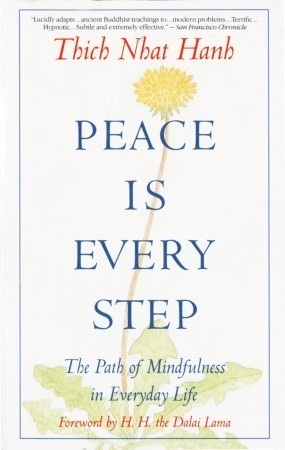
About the book
“Among Buddhist leaders influential in the West, Thich Nhat Hanh ranks second only to the Dalai Lama.” —New York Times
“Thich Nhat Hanh is a holy man…. His ideas for peace, if applied, would build a monument to ecumenism, to world brotherhood, to humanity.” —Martin Luther King, Jr., nominating Thich Nhat Hanh for the Nobel Peace Prize in 1967.
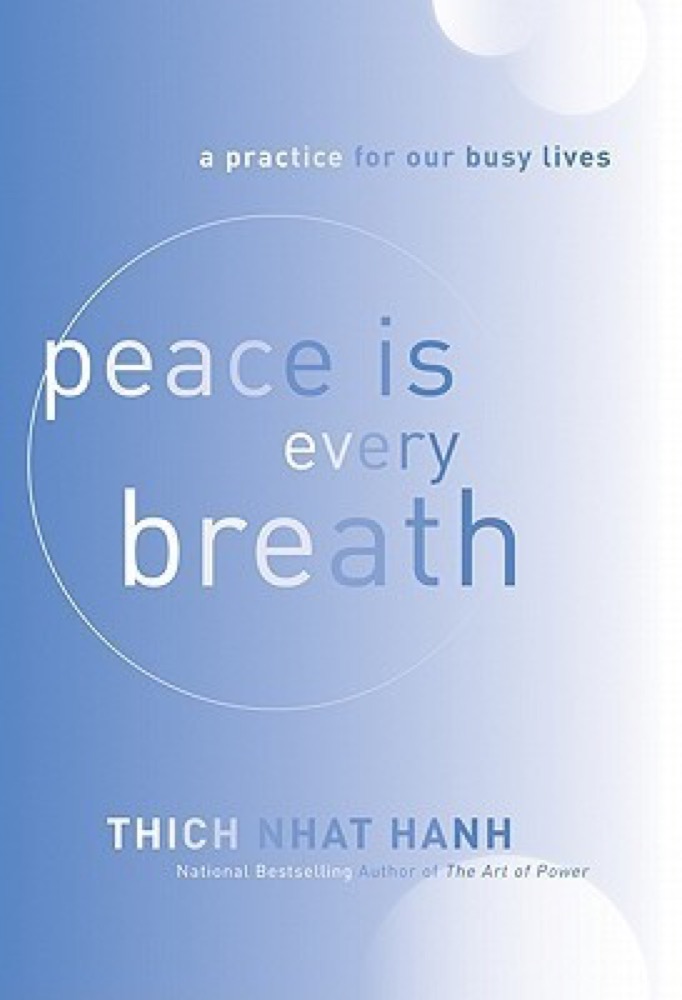
In this much-anticipated follow-up to his bestselling classic, Peace Is Every Step , Thich Nhat Hanh—one of the most revered spiritual leaders in the world today—offers an insightful guide to living a fuller life. In this deeply insightful meditation, the world-renowned Vietnamese Zen Buddhist master, poet, scholar, and peace activist illuminates how each of us can incorporate the practice of mindfulness into our every waking moment. In the tradition of The Art of Happiness and Living Buddha, Living Christ , Thich Nhat Hanh’s Peace Is Every Breat
Book details
- First published
- 2011
- Author
- Thich Nhat Hanh
- Genre
- Nonfiction
- Goodreads rating
- 4.15 (4k ratings)
Keep reading
 Fear: Essential Wisdom for Getting Through the Storm
 The Miracle of Mindfulness: An Introduction to the Practice of Meditation
 The Art of Power
 Full Catastrophe Living: Using the Wisdom of Your Body and Mind to Face Stress, Pain, and Illness
 Real Happiness: A 28-Day Program to Realize the Power of Meditation
 Living Beautifully with Uncertainty and Change
 Mindfulness in Plain English
 How to Meditate: A Practical Guide to Making Friends with Your Mind
 Wherever You Go, There You Are: Mindfulness Meditation in Everyday Life
 Living Untethered: Beyond the Human Predicament
 The Tibetan Book of Living and Dying
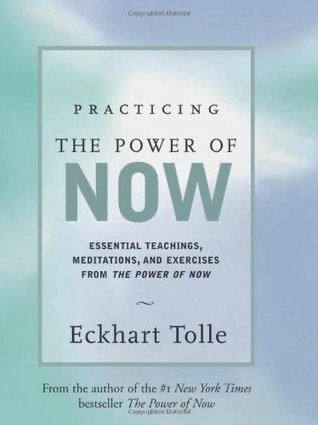 Practicing the Power of Now: Essential Teachings, Meditations, and Exercises from the Power of Now
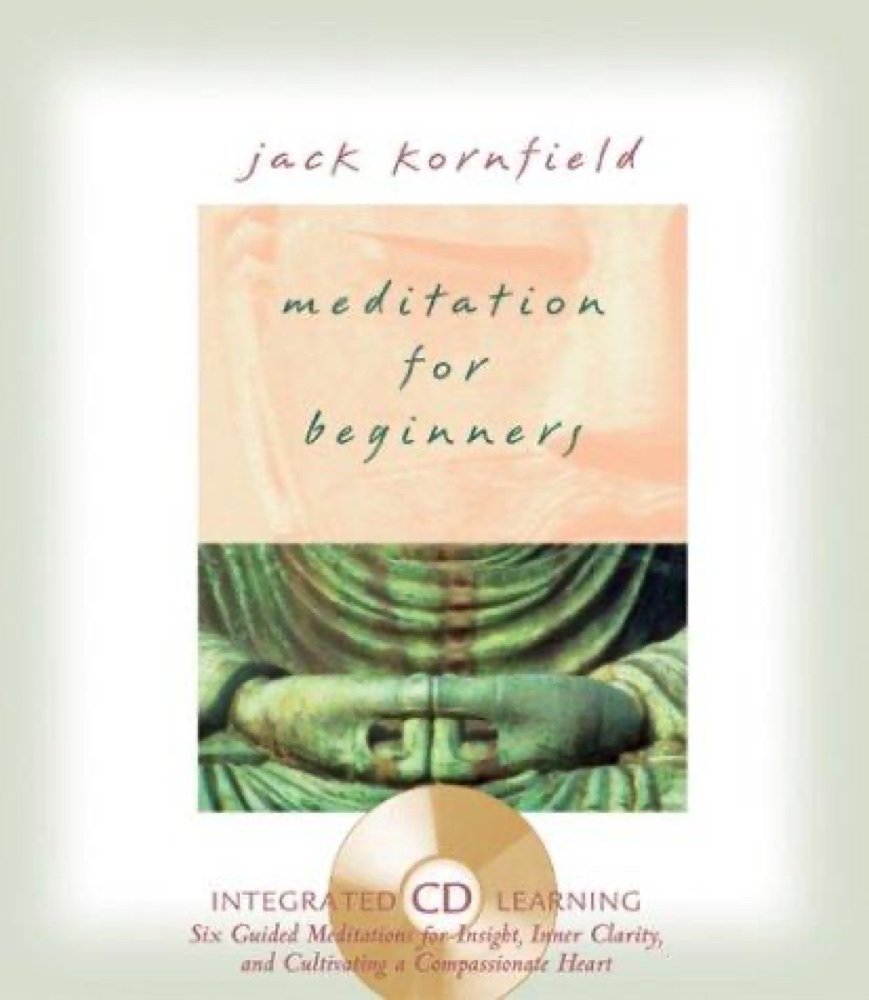 Meditation for Beginners
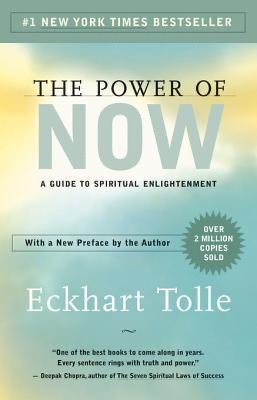 The Power of Now: A Guide to Spiritual Enlightenment
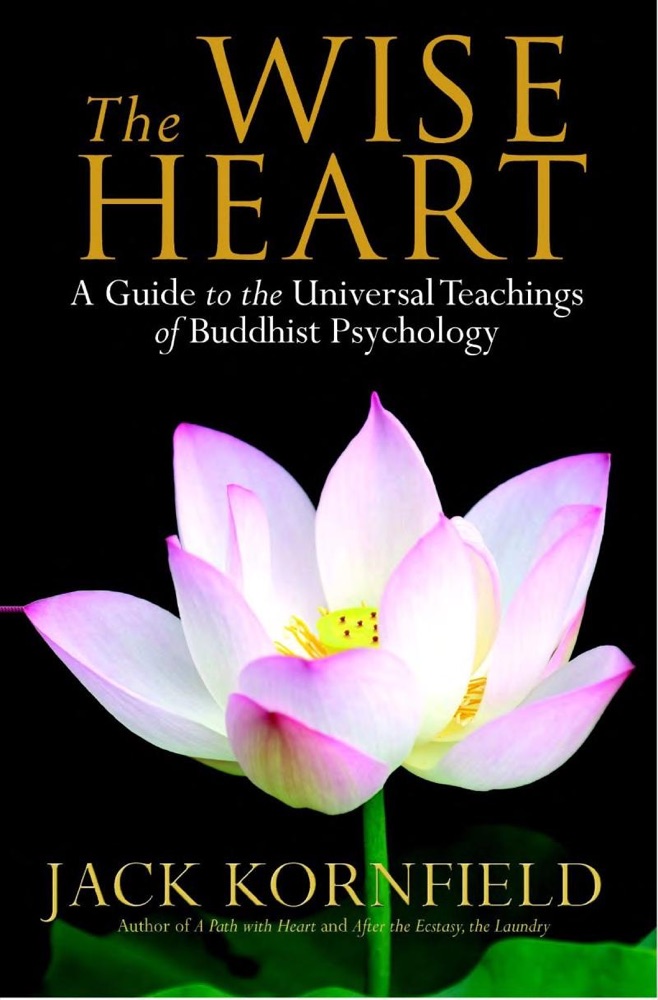 The Wise Heart: A Guide to the Universal Teachings of Buddhist Psychology
 Buddha's Brain: The Practical Neuroscience of Happiness, Love, and Wisdom
 The Pocket Pema Chodron
 True Refuge: Finding Peace and Freedom in Your Own Awakened Heart
 Everyday Zen: Love & Work
 The Book of Secrets: Unlocking the Hidden Dimensions of Your Life
 You Can Heal Your Life
 Awakening the Buddha Within
 The Joy of Living: Unlocking the Secret and Science of Happiness
 The Seven Spiritual Laws of Success: A Practical Guide to the Fulfillment of Your Dreams
 Nothing Special: A Zen Buddhist Guide to Awakening Through Daily Life's Feelings, Relationships, and Work
 How to See Yourself As You Really Are
 Waking Up: A Guide to Spirituality Without Religion
 The Things You Can See Only When You Slow Down: How to Be Calm in a Busy World
 The Yoga Sutras of Pantanjali
 Way of the Peaceful Warrior: A Book That Changes Lives
 Against the Stream: A Buddhist Manual for Spiritual Revolutionaries
 Simple Abundance: A Daybook of Comfort of Joy
 Meditation for Fidgety Skeptics: A 10% Happier How-To Book
 Happiness: A Guide to Developing Life's Most Important Skill
 The Book of Joy: Lasting Happiness in a Changing World
 The Mind Illuminated: A Complete Meditation Guide Integrating Buddhist Wisdom and Brain Science
 Buddhist Boot Camp
 Awareness: The Key to Living in Balance
 How to Stop Worrying and Start Living
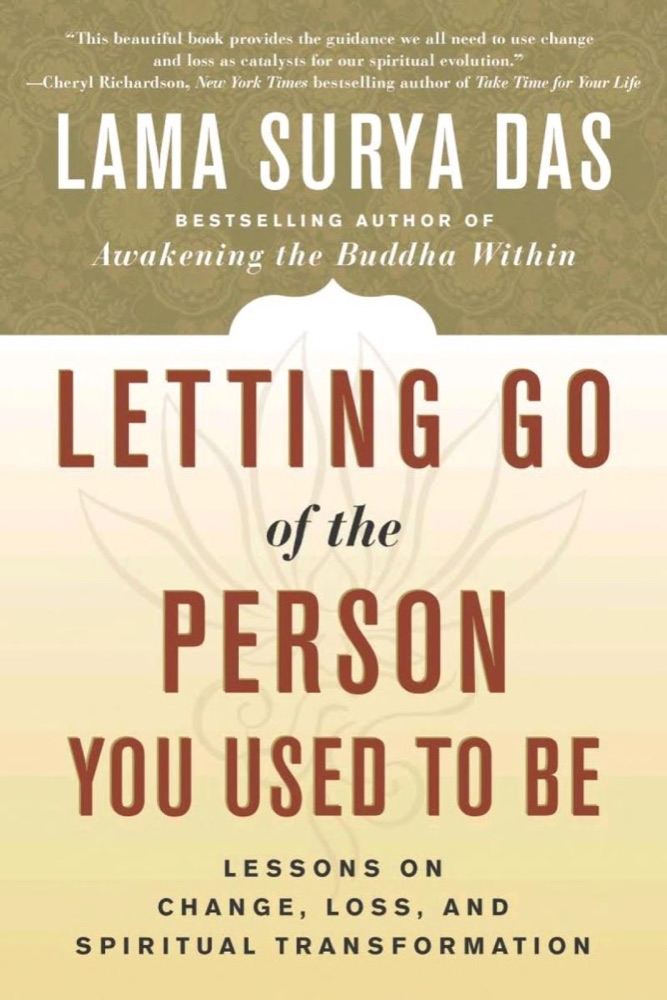 Letting Go of the Person You Used to Be: Lessons on Change, Loss, and Spiritual Transformation
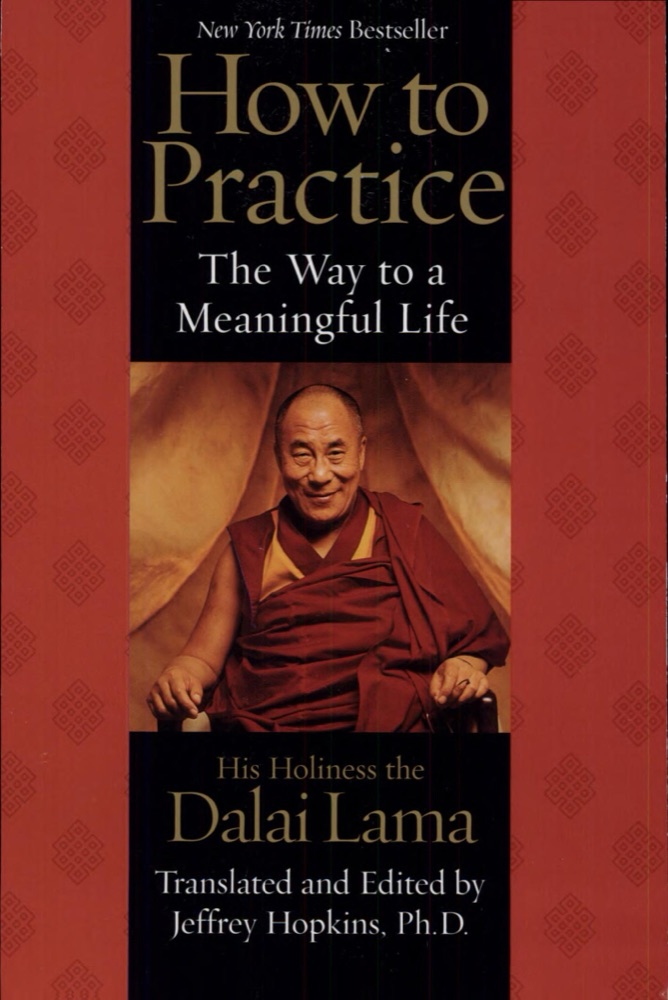 How to Practice: The Way to a Meaningful Life
 The Dalai Lama's Cat and the Power of Meow
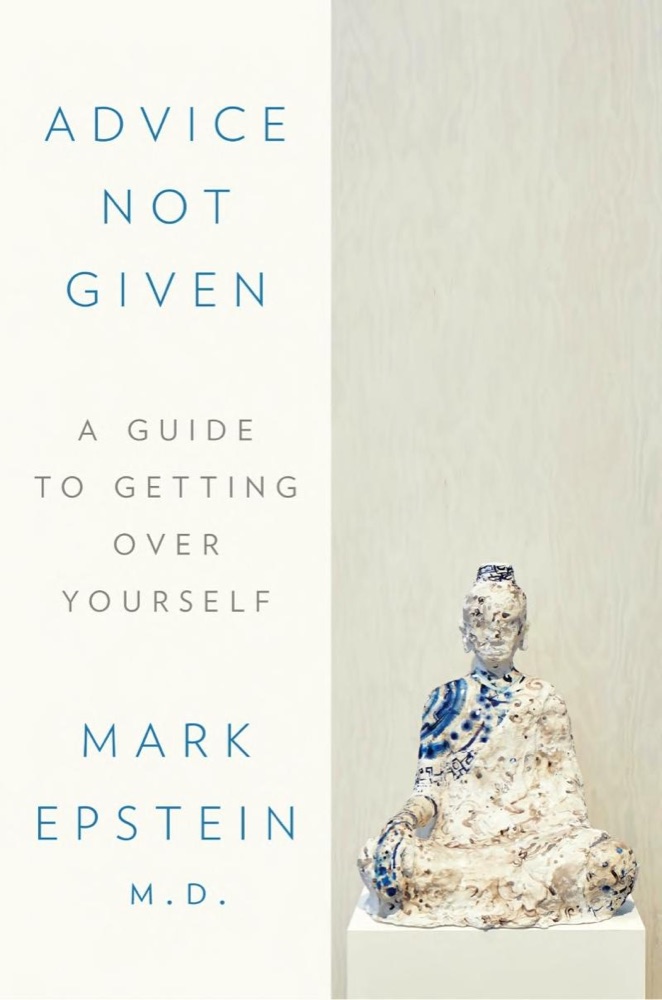 Advice Not Given: A Guide to Getting Over Yourself
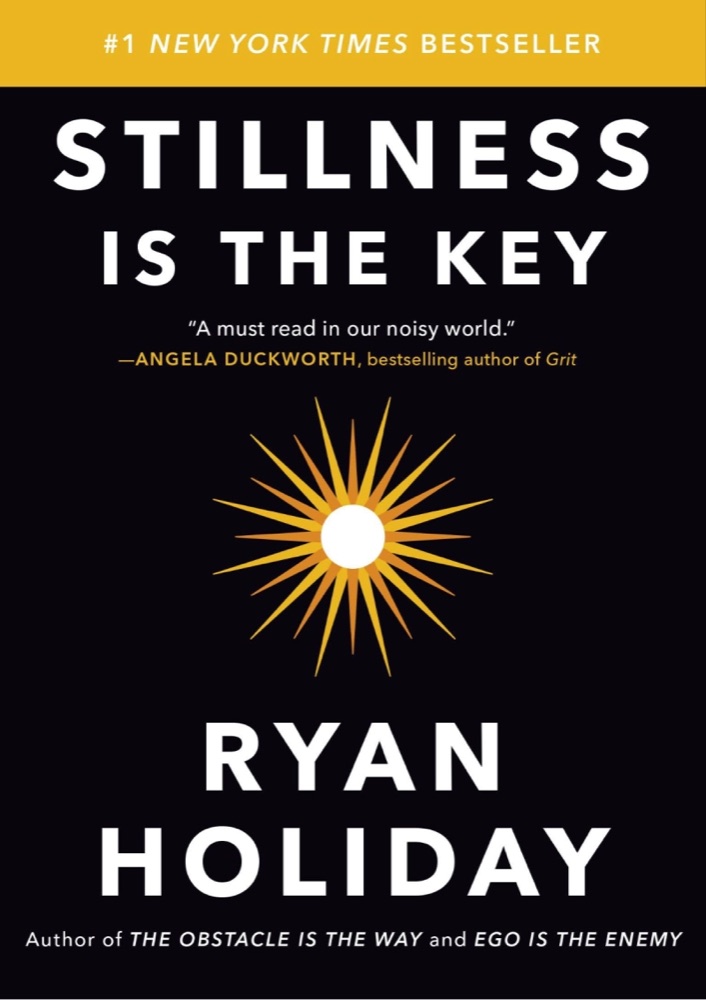 Stillness Is the Key
 Meditation
 The Power of Your Subconscious Mind
 Be Here Now
 Change Your Thoughts - Change Your Life: Living the Wisdom of the Tao
 365 Tao: A Study of Taoist Wisdom for Daily Life
 Radical Acceptance: Embracing Your Life With the Heart of a Buddha
 Happy: Finding Joy in Every Day and Letting Go of Perfect
 Be Water, My Friend: The Teachings of Bruce Lee
 What I Know for Sure
 Celebrating Silence: Excerpts from Five Years of Weekly Knowledge 1995-2000
 The Power of Positive Thinking
 Heart Talk: Poetic Wisdom for a Better Life
 Letting Go: The Pathway To Surrender