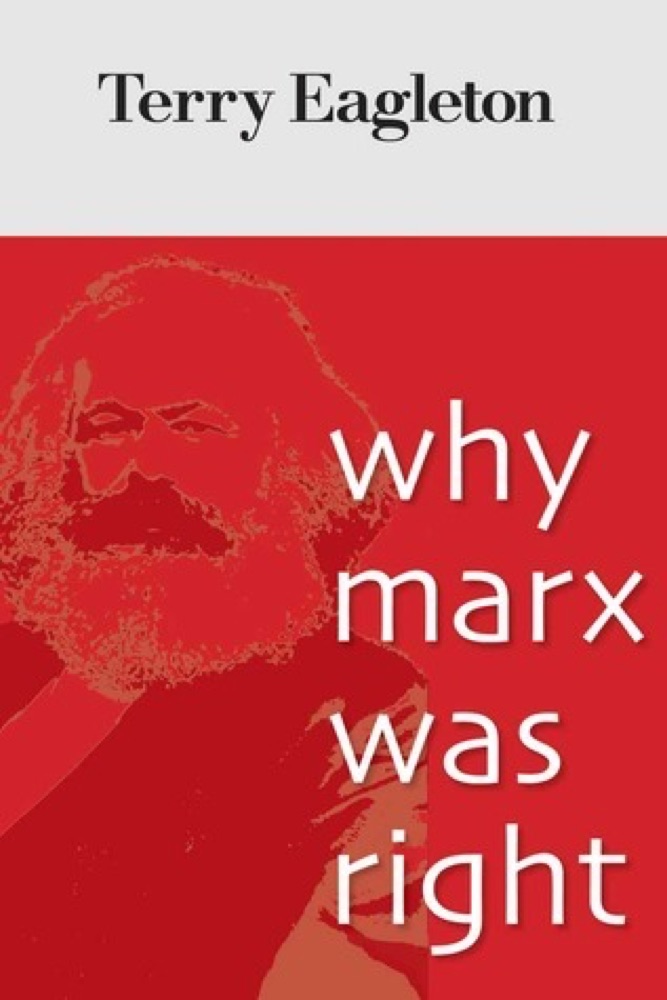
 Why Marx Was Right
Quotes from the Book
If it is true that we need a degree of certainty to get by, it is also true that too much of the stuff can be lethal.
33
In the pragmatist, streetwise climate of advanced postmodern capitalism, with its scepticism of big pictures and grand narratives, its hard-nosed disenchantment with the metaphysical, 'life' is one among a whole series of discredited totalities. We are invited to think small rather than big – ironically, at just the point when some of those out to destroy Western civilization are doing exactly the opposite. In the conflict between Western capitalism and radical Islam, a paucity of belief squares up to an excess of it. The West finds itself faced with a full-blooded metaphysical onslaught at just the historical point that it has, so to speak, philosophically disarmed. As far as belief goes, postmodernism prefers to travel light: it has beliefs, to be sure, but it does not have faith.
12
Culture was now largely a matter of how to keep people harmlessly distracted when they were not working.
4
It is conceivable that not knowing the meaning of life is part of the meaning of life, rather as not counting how many words I am uttering when I give an after-dinner speech helps me to give an after-dinner speech. Perhaps life is kept going by our ignorance of its fundamental meaning, as capitalism for Karl Marx
4
Wittgenstein came to believe that a great many philosophical puzzles arise out of people misusing language in this way. Take, for example, the statement ‘I have a pain’, which is grammatically akin to ‘I have a hat’. This similarity might mislead us into thinking that pains, or ‘experiences’ in general, are things we have in the same way that we have hats. But it would be strange to say ‘Here, take my pain’. And though it would make sense to say ‘Is this your hat or mine?’, it would sound odd to ask ‘Is this your pain or mine?’ Perhaps there are several people in a room and a pain floating around in it; and as each person in turn doubles up in agony, we exclaim: ‘Ah, now he’s having it!’ This sounds merely silly; but in fact it has some fairly momentous implications. Wittgenstein is able to disentangle the grammar of ‘I have a hat’ from ‘I have a pain’ not only in a way that throws light on the use of personal pronouns like ‘I’ and ‘he’, but in ways which undermine the long-standing assumption that my experiences are a kind of private property. In fact, they seem even more like private property than my hat, since I can give away my hat, but not my pain. Wittgenstein shows us how grammar deceives us into thinking this way, and his case has radical, even politically radical, consequences. The task of the philosopher, Wittgenstein thought, was not so much to resolve these inquiries as to dissolve them – to show that they spring from confusing one kind of ‘language game’, as he called it, with another.
1
When St Paul comments that we die every moment, part of what he has in mind is perhaps the fact that we can only live well by buckling the self to the needs of others, in a kind of little death, or petit mort. In doing so, we rehearse and prefigure that final self-abnegation which is death. In this way, death in the sense of a ceaseless dying to self is the source of the good life. If this sounds unpleasantly slavish and self-denying, it is only because we forget that if others do this as well, the result is a form of reciprocal service which provides the context for each self to flourish. The traditional name for this reciprocity is love.
1
Tragedy at its finest is a courageous reflection on the fundamental nature of human existence,
Watch on YouTube
About Terry Eagleton
We have collected 89 quotes from 4 books by Terry Eagleton on BookQuoters.
More about the author →More by Terry Eagleton
About the book
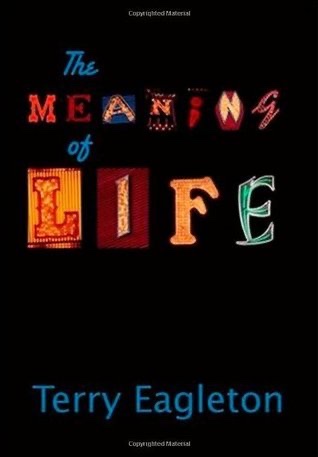
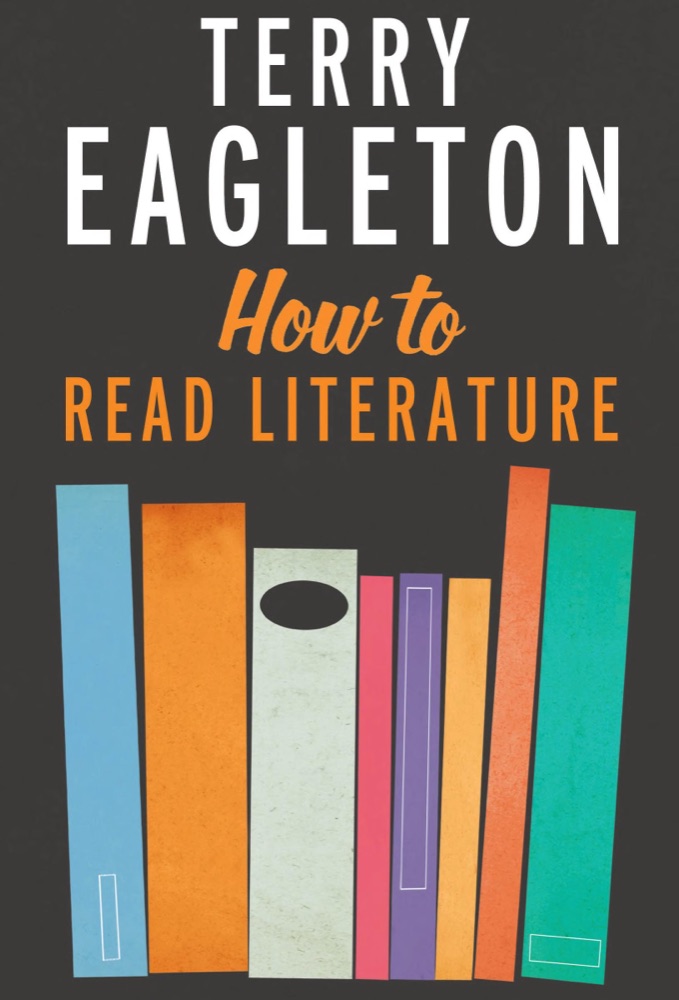
The phrase "the meaning of life" for many seems a quaint notion fit for satirical mauling by Monty Python or Douglas Adams. But in this spirited Very Short Introduction , famed critic Terry Eagleton takes a serious if often amusing look at the question and offers his own surprising answer.
Eagleton first examines how centuries of thinkers and writers--from Marx and Schopenhauer to Shakespeare, Sartre, and Beckett--have responded to the ultimate question of meaning. He suggests, however, that it is only in modern times that the question has become problematic. But instead of tackling it head-on, many of us cope with the feelings of meaninglessness in our lives by filling them with everything from football to sex, Kabbala, Scientology, "New Age softheadedness," or fundamentalism. On the other hand, Eagleton notes, many educated people believe that life is an evolutionary accident that has
Book details
- First published
- 2007
- Author
- Terry Eagleton
- Genre
- Philosophy
- Goodreads rating
- 3.50 (3k ratings)
Keep reading
 Nothing to Be Frightened Of
 Untimely Meditations
 The World as Will and Representation, Vol 1
 The Wisdom of Insecurity: A Message for an Age of Anxiety
 At the Existentialist Café
 The Conspiracy Against the Human Race
 The Age of Absurdity: Why Modern Life makes it Hard to be Happy
 The Big Picture: On the Origins of Life, Meaning, and the Universe Itself
 The Varieties of Religious Experience
 The Consolations of Philosophy
 The Ethics of Ambiguity
 The Closing of the American Mind
 The Perennial Philosophy
 A Brief History of Thought: A Philosophical Guide to Living
 In Praise of Idleness and Other Essays
 Correction
 The Wisdom of Life
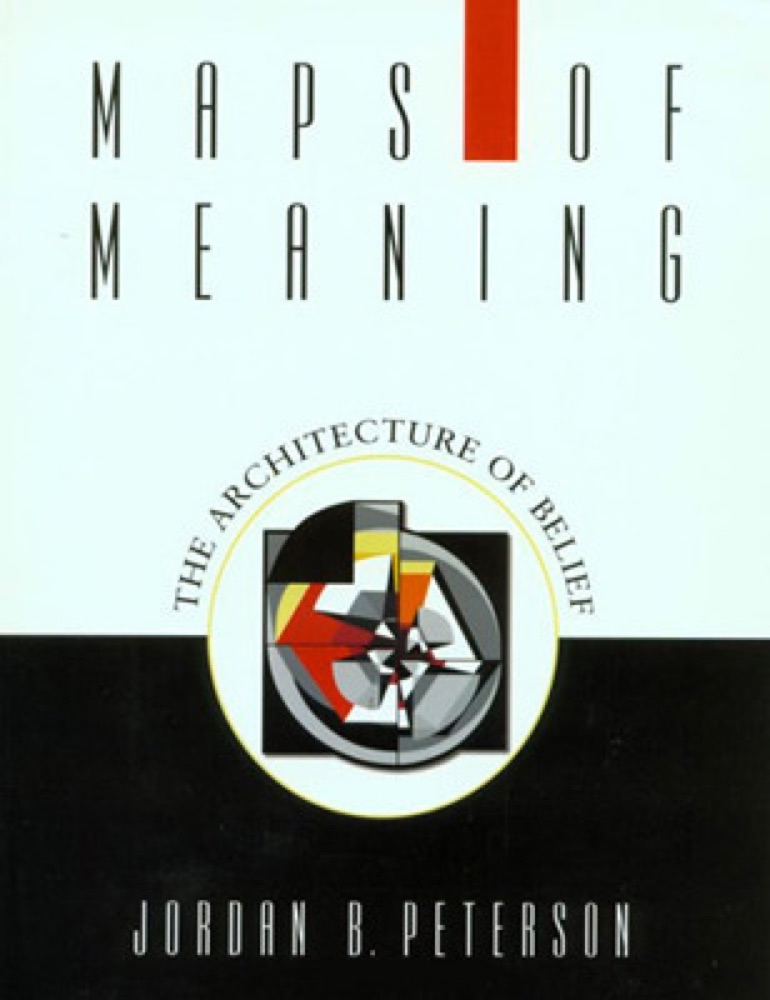 Maps of Meaning: The Architecture of Belief
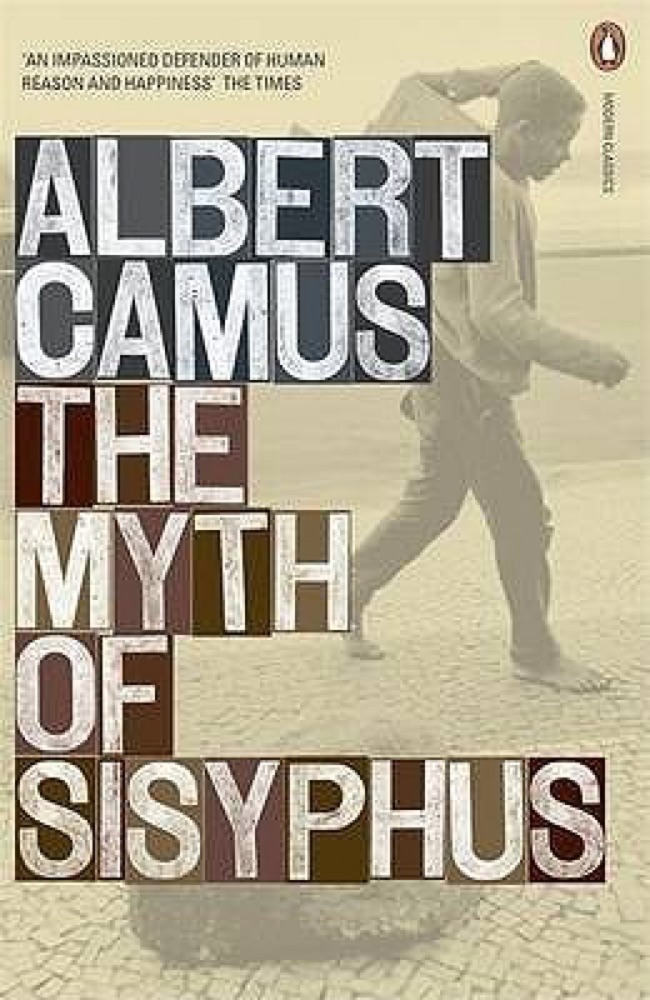 The Myth of Sisyphus
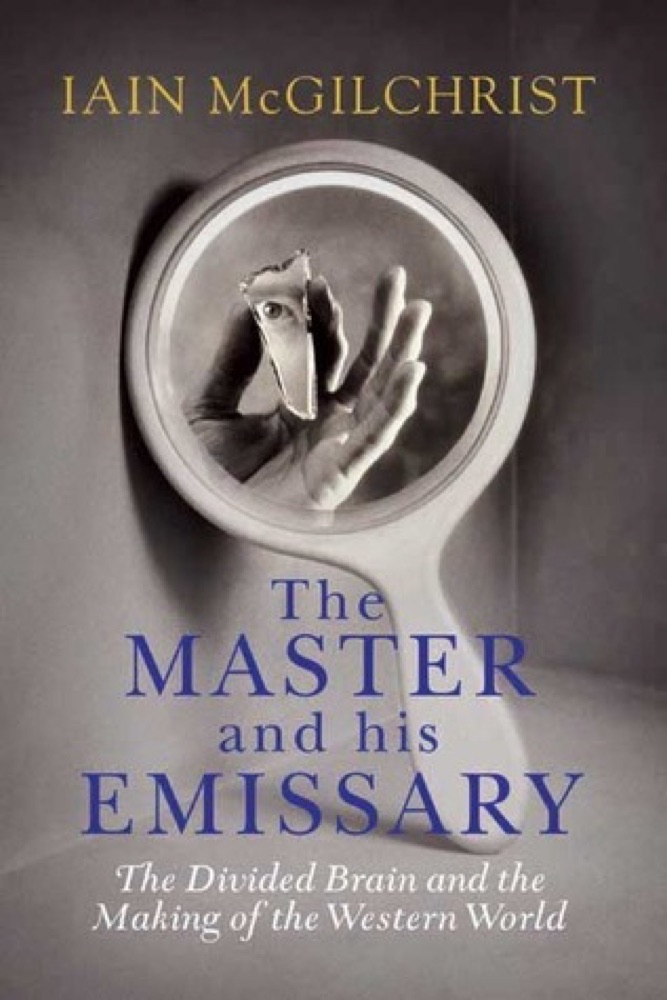 The Master and His Emissary: The Divided Brain and the Making of the Western World
 On the Suffering of the World
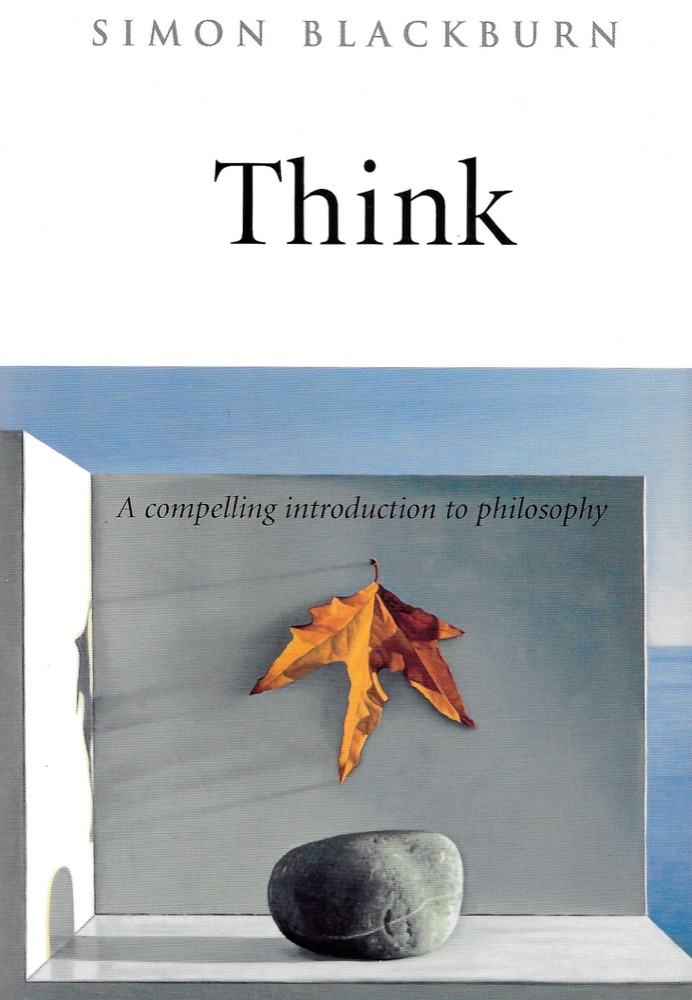 Think: A Compelling Introduction to Philosophy
 A Language Older Than Words
 Enlightenment Now: The Case for Reason, Science, Humanism, and Progress
 Myths to Live By
 A History of Western Philosophy
 Genesis
 Twilight of the Idols
 The Magic Mountain
 Minima Moralia: Reflections on a Damaged Life
 When I Was a Child I Read Books
 The Schopenhauer Cure
 The Will to Power
 Eyeless in Gaza
 Irrational Man: A Study in Existential Philosophy
 Existential Psychotherapy
 How to Live: A Life of Montaigne in One Question and Twenty Attempts at an Answer
 The Story of Philosophy: The Lives and Opinions of the World's Greatest Philosophers
 After Virtue
 The Occult
 Even Cowgirls Get the Blues
 The Myth of Sisyphus and Other Essays
 The Blank Slate: The Modern Denial of Human Nature
 The Discovery of India
 A Confession
 The Philosopher and the Wolf
 Endgame, Vol. 1: The Problem of Civilization
 The World-Ending Fire: The Essential Wendell Berry
 The Source of Self-Regard: Selected Essays, Speeches, and Meditations
 The Human Condition
 12 Rules for Life: An Antidote to Chaos
 Finding Meaning in the Second Half of Life: How to Finally, Really Grow Up
 The Denial of Death
 The Way of Zen
 Drive Your Plow Over the Bones of the Dead
 The Pleasures and Sorrows of Work
 Being Mortal: Medicine and What Matters in the End
 Hiking with Nietzsche: On Becoming Who You Are
 Consider the Lobster and Other Essays
 Man's Search for Meaning