
 Gnomon
Quotes from the Book
Professors go batty too, perhaps more often than other people, although owing to their profession, their madness is less often remarked.
15
There are three kind of history. The first is what really happened and that is forever lost. The second is what most people thought happened, and we can recover that with assiduous effort. The third is what the people in power wanted the future to think happened and that is 90 percent of the history in books.
14
The problem with evil people is that they can see only evil in others. It is one of the worst curses of being evil, that you can no longer experience good.
11
He said there are three kinds of history. The first is what really happened, and that is lost forever. The second is what most people thought happened, and we can recover that with assiduous effort. The third is what the people in power wanted the future to think happened, and that is 90 percent of the history in books.
4
Thus, although life is by and large unthrilling, when we do find ourselves in the sort of situation upon which thrillers dote we cannot really experience it, because our imaginations are occupied by the familiar tropes of popular fiction. And the result of this is a kind of dull bafflement, and the sense that whatever it is cannot really be happening. We actually think that phrase: this can’t be happening to me.
4
Does it matter, when you read, if the person who wrote still lives?
2
That’s it?” asked Rob. “It shows how much you know, Rob,” said Nigel. “That’s King Arthur’s willie, preserved in brandy. Now England can be great again.
Tis a penny-tuppence businesse withal, emplaced curiouslie betwixt the bawds and the bears, of no consequence a thynge of ayre and shadowes.
I meant to say, after the war, somehow, despite the Germans and the Russians, we look around and discover there is still life in us. We learn, we make love, we have children. Poland survives, our language lives, people write poetry. Warsaw is rebuilt, every brick, same like before the war. Miloscz wins Nobel, Szymborska wins Nobel, and one of us is pope. Who could imagine this? And so when we make art, this art most often says something more than, oh, poor little me, how I have suffered, the devil is in charge, life is trash, we can do nothing. This is what I mean.
The problem is that I started out to tell a simple story like you used to find in cheap thrillers, the electronic equivalent of the last-gasp message, the cryptic scrawl on the plaster, the note in blood—“ the emeralds are in the p [illegible scrawl]”; or “It wasn’t Har.” And from this arises the plot. But it seems that my life has become mixed up with the story, as was Bracegirdle’s, viz.: Though God did not call mee to stande among the greate still I am a man not a clod & my story bears telling if onlie to holpe in the breding of my sonne: who needs muste rise to manhoode lacking what ever poore model I might have supply’d. So saith Bracegirdle and so say I. To take
Young Charles Dickens started out as a court reporter, and scholars believe that this experience formed the sense of the human drama evident in his novels. Besides which, those novels are nearly all about crimes, mainly of the white-collar type.
Villains are just there, like rust, dull and almost chemical in the stupid simplicity of their greed or pride.
armed, Crosetti found, felt a lot like having a broken zipper on your fly, something that made you feel self-conscious and
Watch on YouTube
About Michael Gruber
We have collected 13 quotes from 1 book by Michael Gruber on BookQuoters.
More about the author →About the book
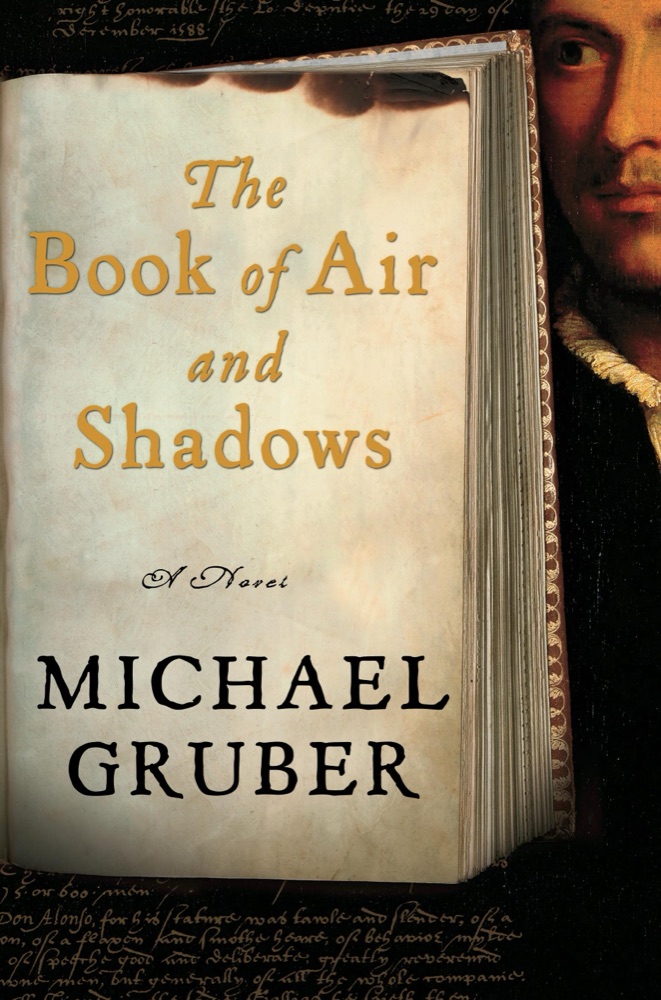
An intellectual property lawyer is at the center of a deadly conspiracy and a chase to find a priceless treasure involving William Shakespeare. As he awaits a killer—or killers—unknown, Jake writes an account of the events that led to this deadly endgame, a frantic chase that began with a fire in an antiquarian bookstore.
A distinguished Shakespearean scholar found tortured to death . . .
A lost manuscript and its secrets buried for centuries . . .
An encrypted map that leads to incalculable wealth . . .
The Washington Post called Michael Gruber's previous work "a miracle of intelligent fiction and among the essential novels of recent years." Now comes his most intellectually provocative and compulsively readable novel yet.
Tap-tapping the keys and out come the words on this little screen, and who will read them I hardly know. I could be dead by the time anyone actuall
Book details
- First published
- 2007
- Author
- Michael Gruber
- Genre
- Fiction
- Goodreads rating
- 3.42 (11k ratings)
Keep reading
Gnomon
 Dæmon Voices
 The Aosawa Murders
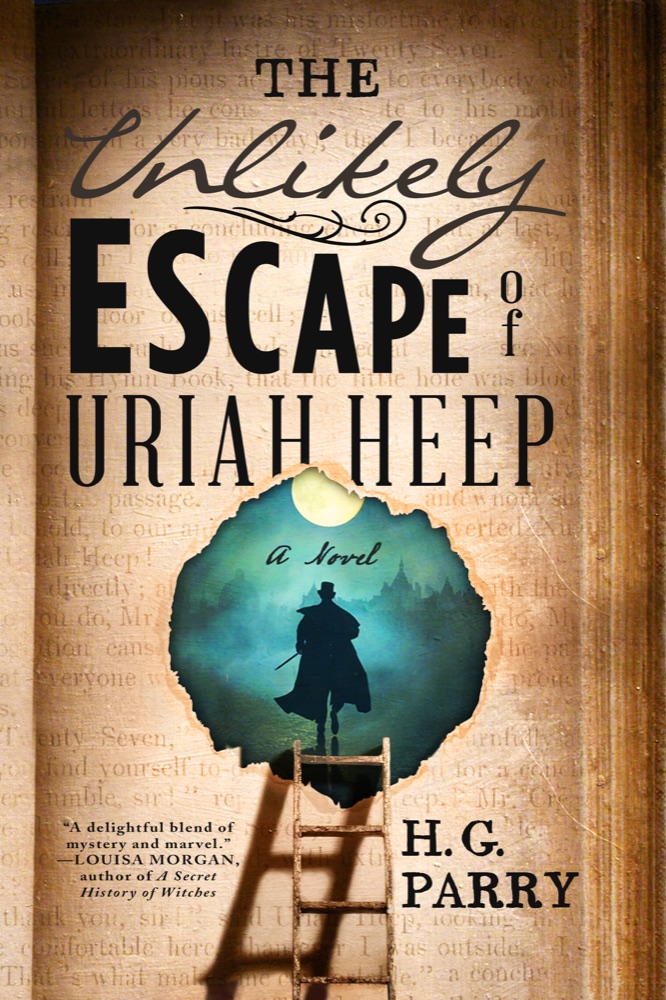 The Unlikely Escape of Uriah Heep
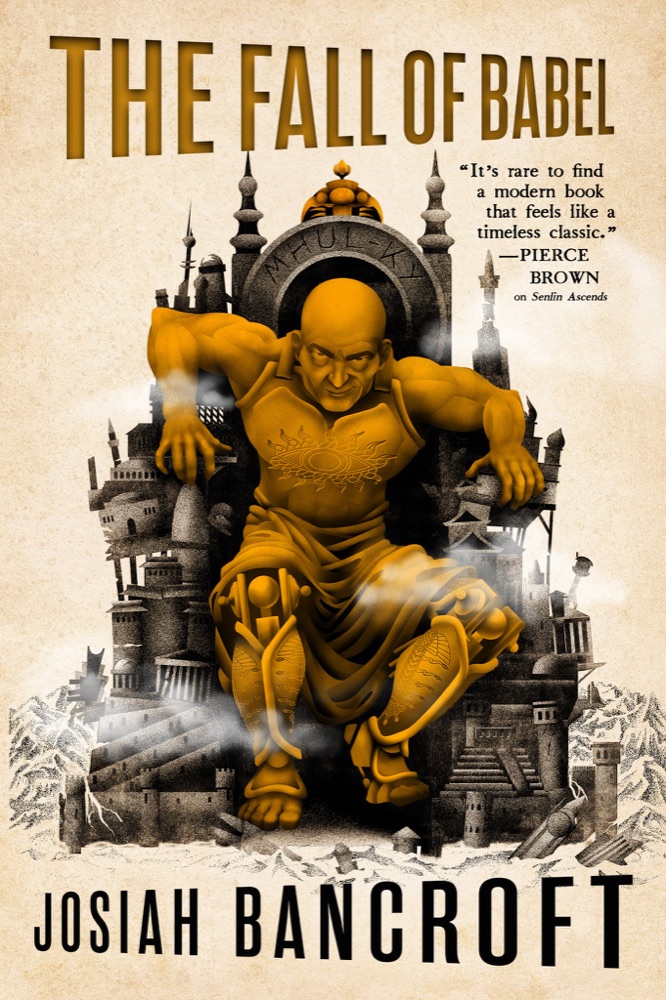 The Fall of Babel
 The Mark and the Void
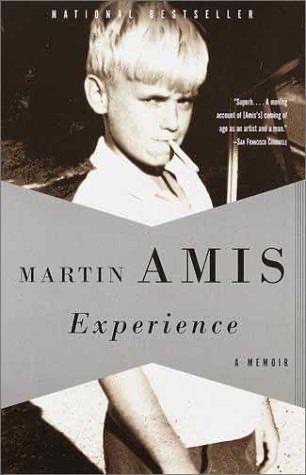 Experience
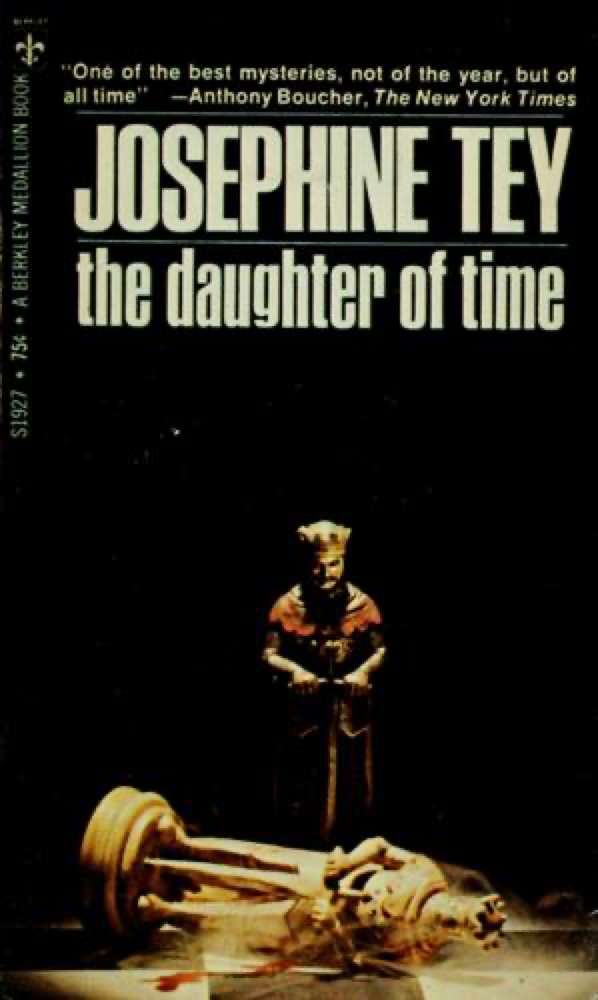 The Daughter of Time
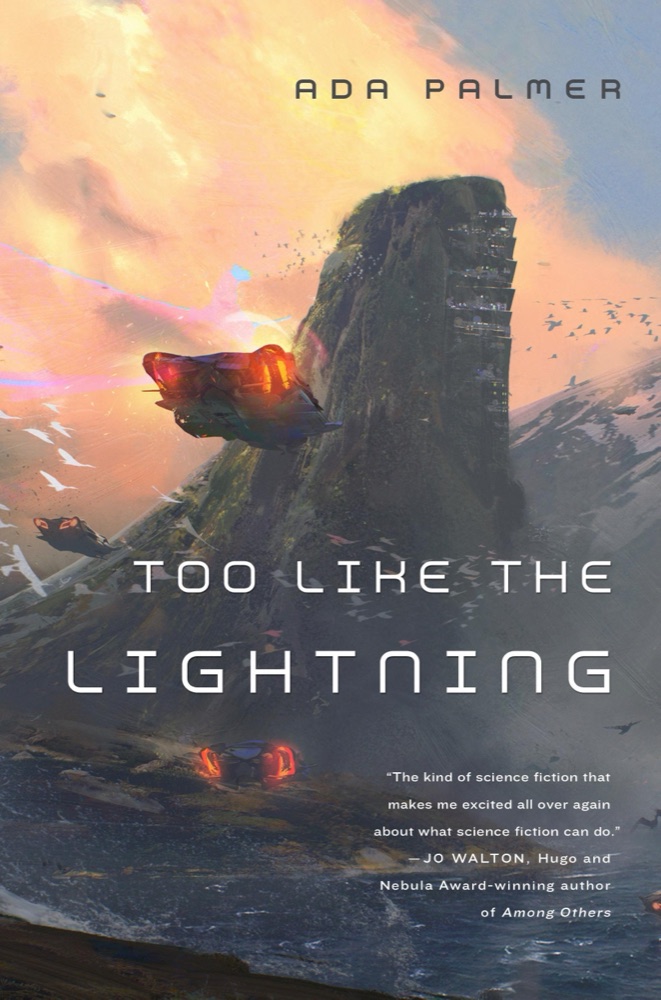 Too Like the Lightning
 How to Read Literature
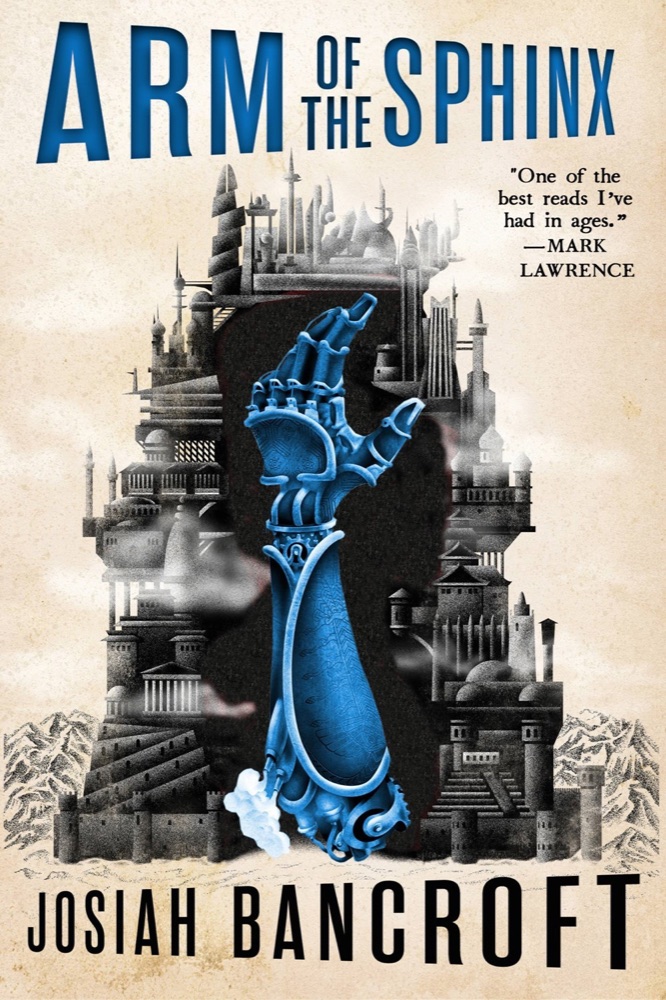 Arm of the Sphinx
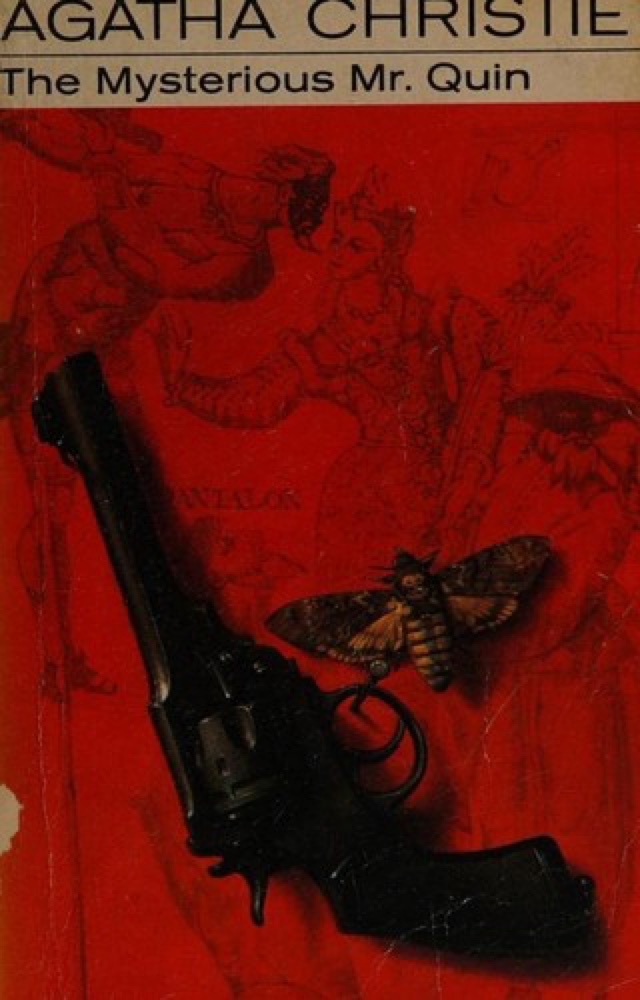 The Mysterious Mr. Quin
 The Ghost
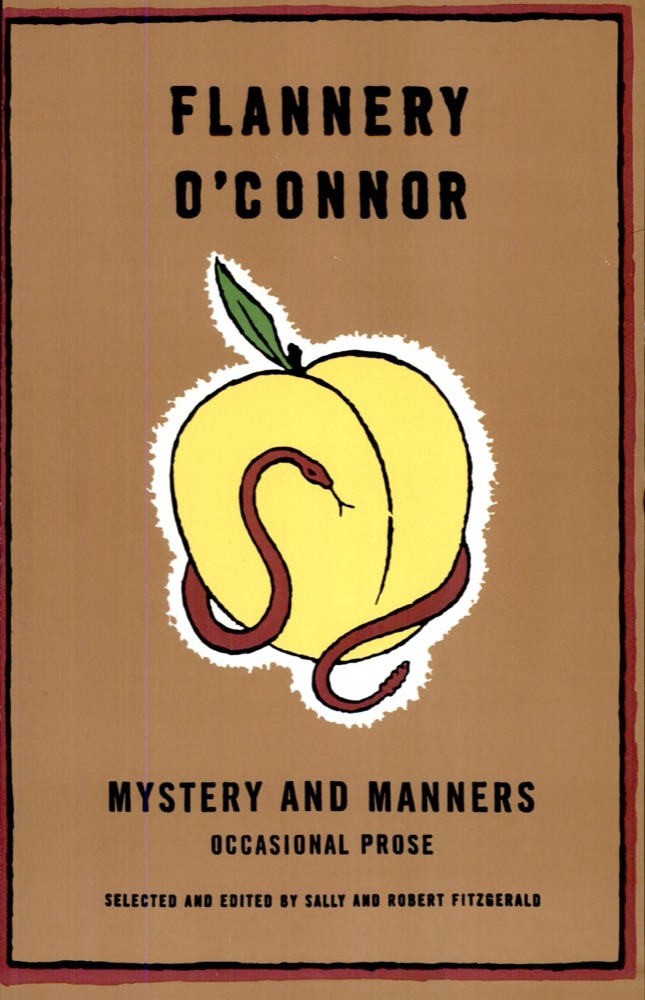 Mystery and Manners: Occasional Prose
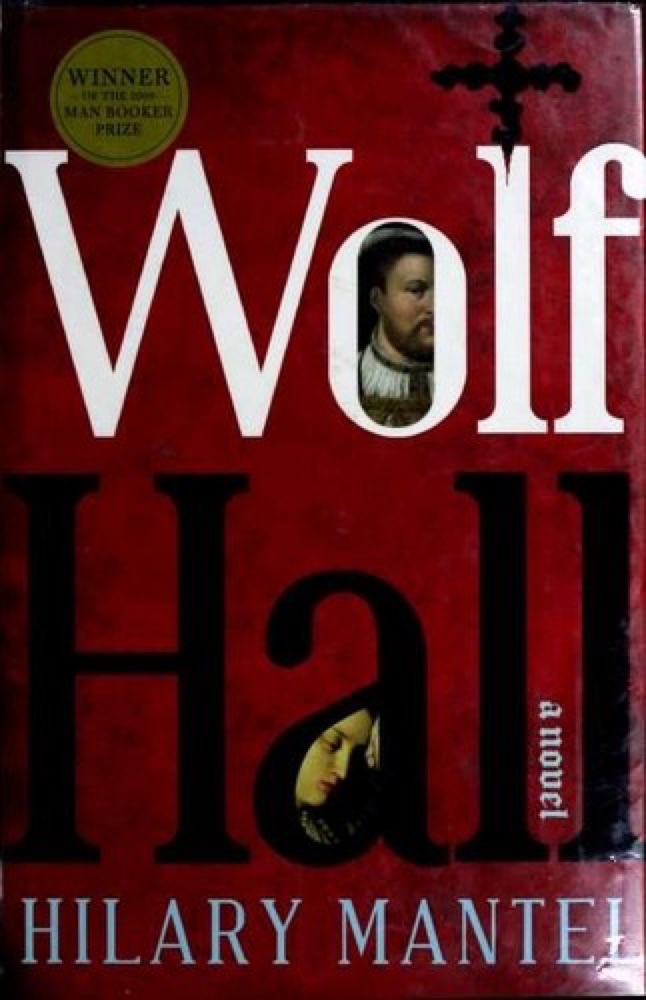 Wolf Hall
 Sourcery
 The Truth: Stage Adaptation
 Everything's Eventual
 The Librarian of Burned Books
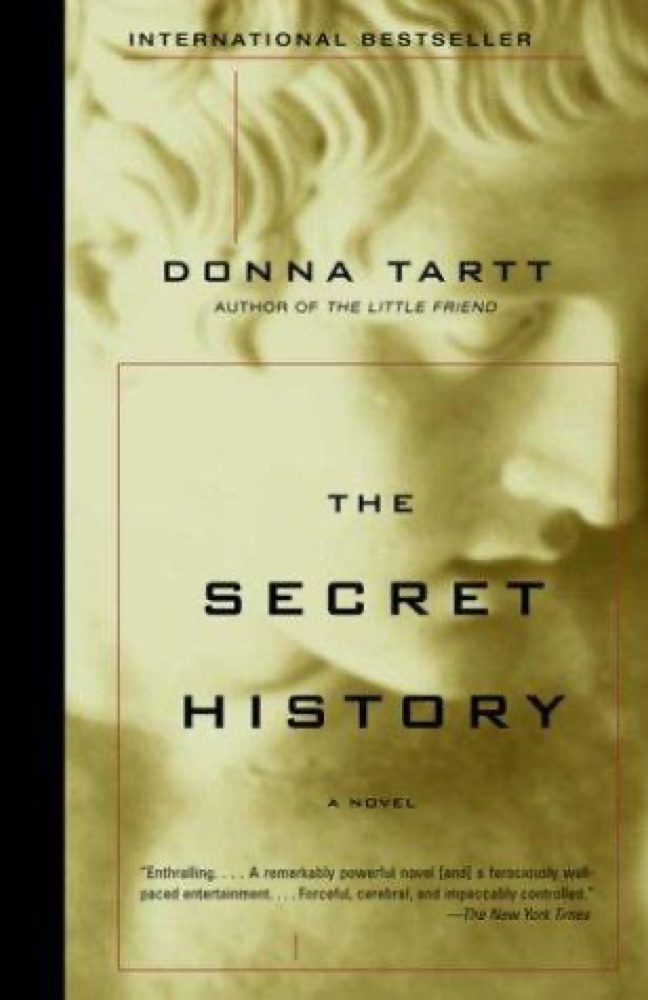 The Secret History
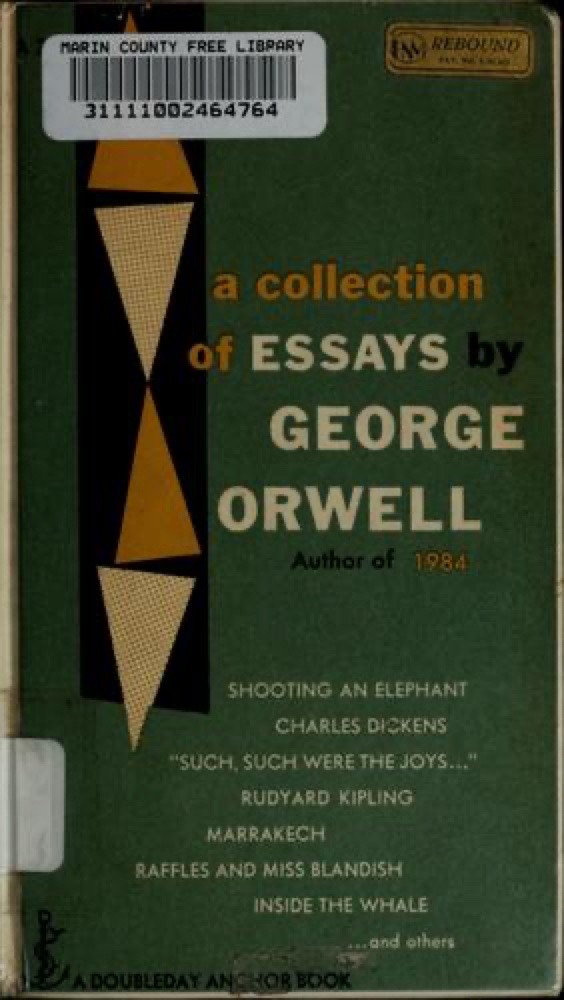 A Collection of Essays
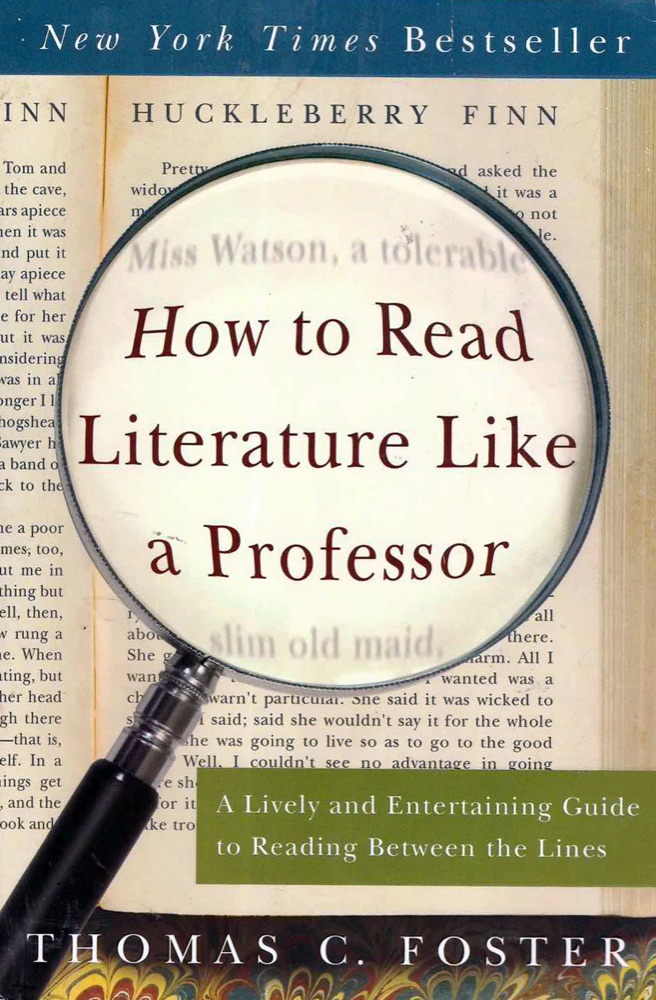 How to Read Literature Like a Professor
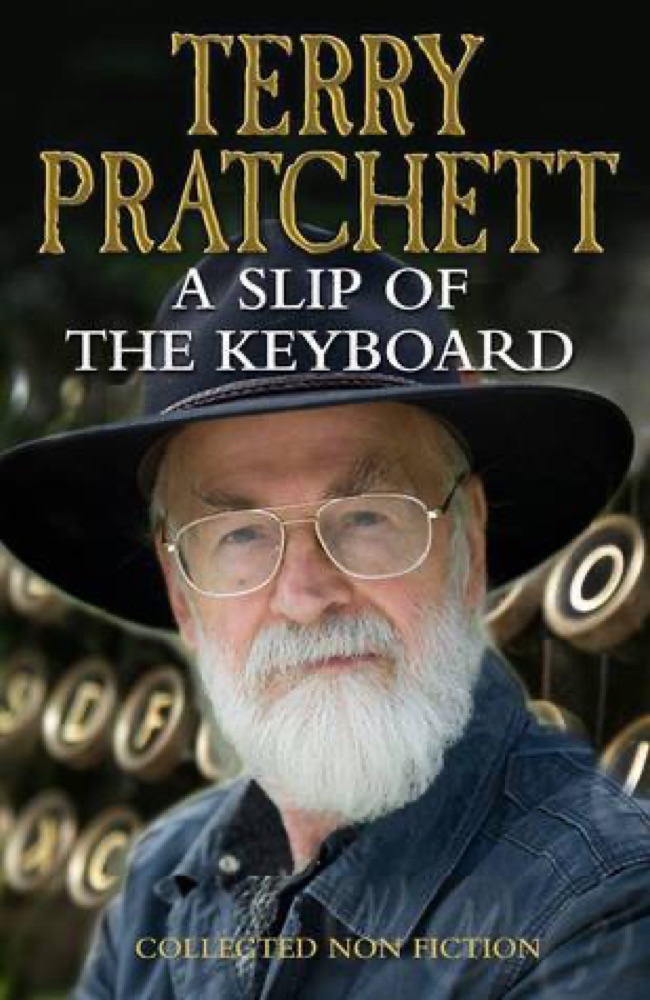 A Slip of the Keyboard: Collected Non-Fiction
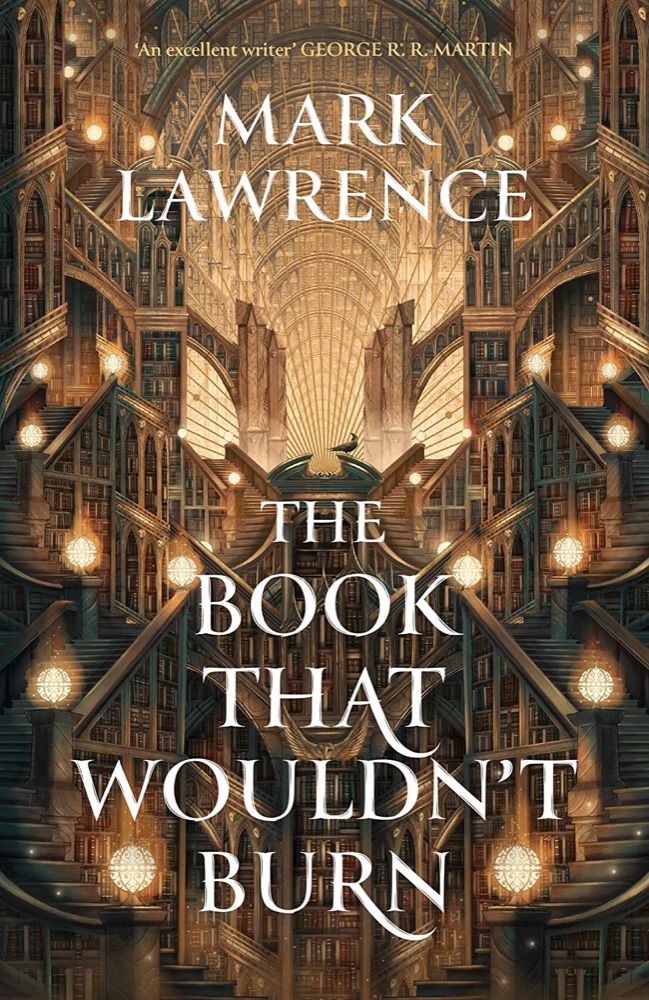 The Book That Wouldn’t Burn
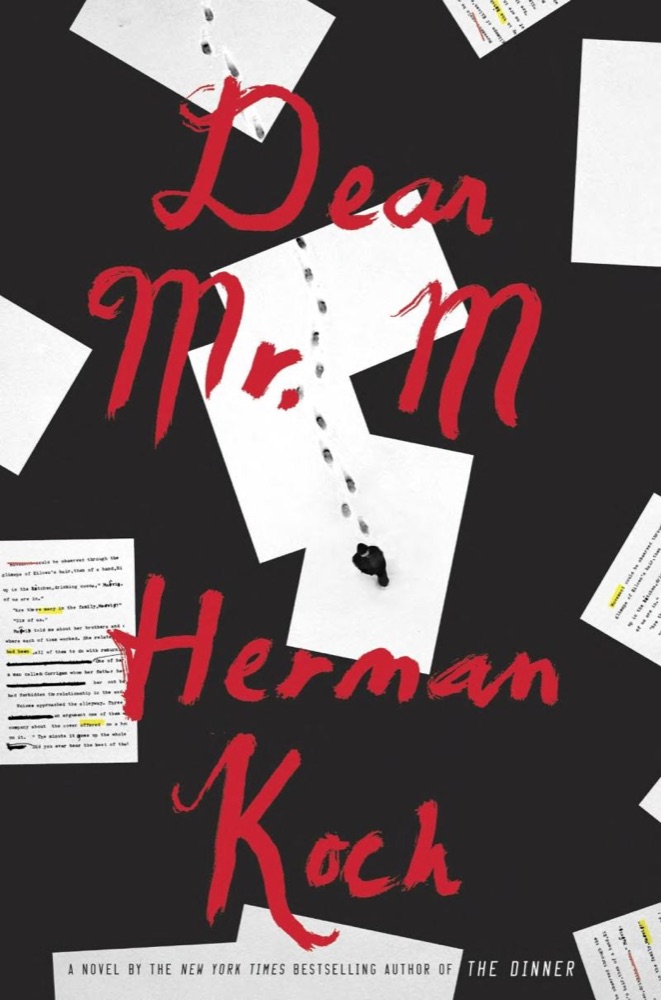 Dear Mr. M
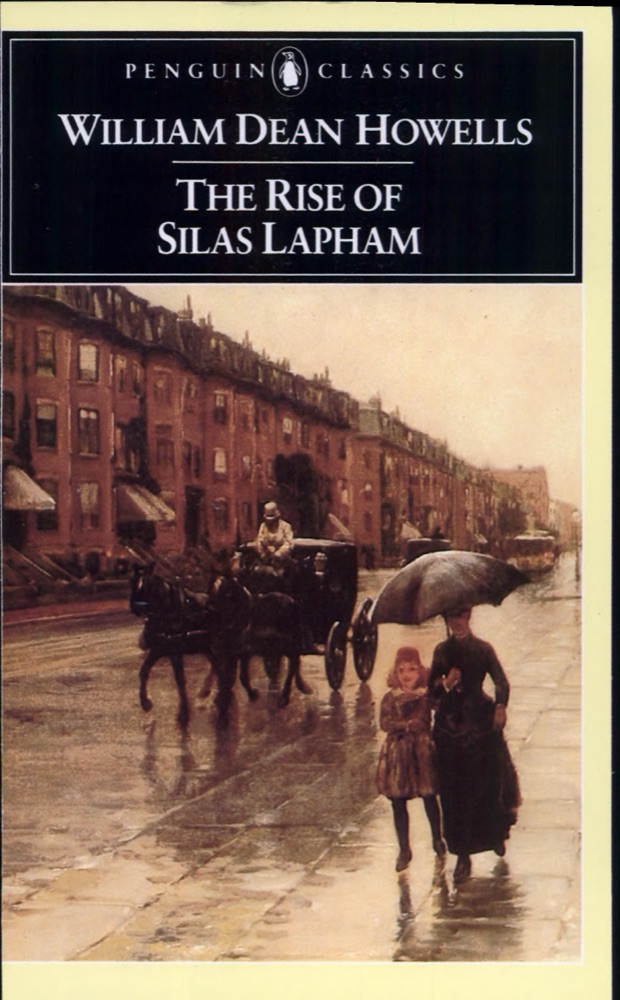 The Rise of Silas Lapham
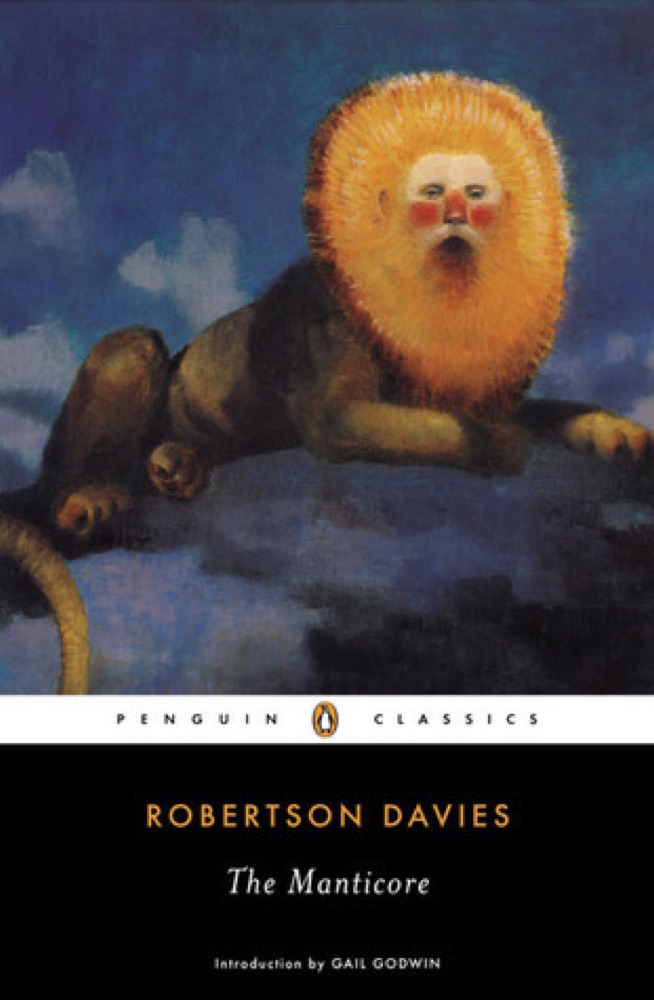 The Manticore
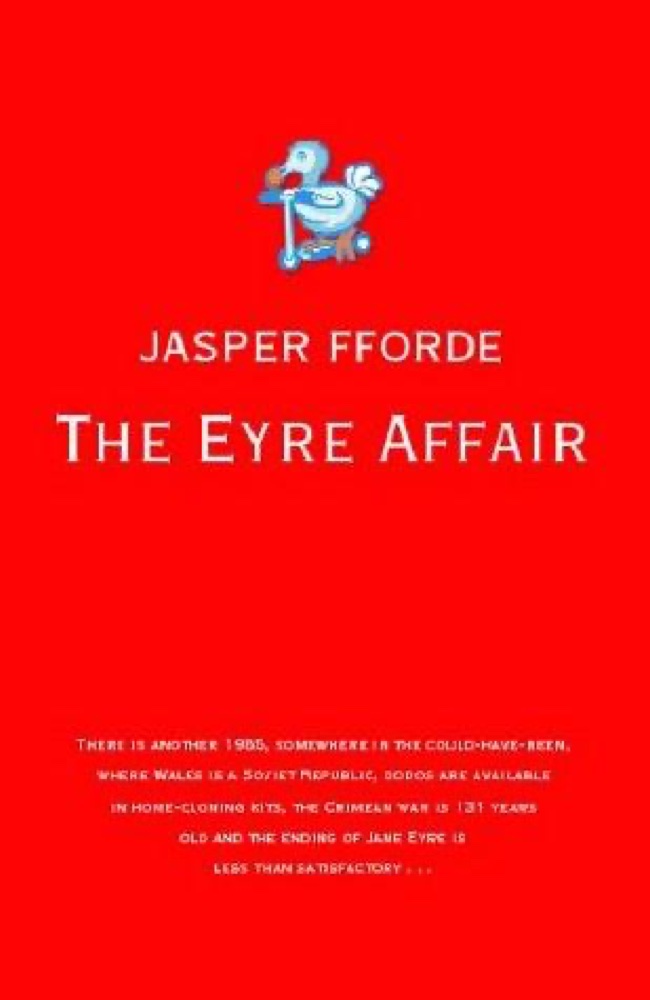 The Eyre Affair
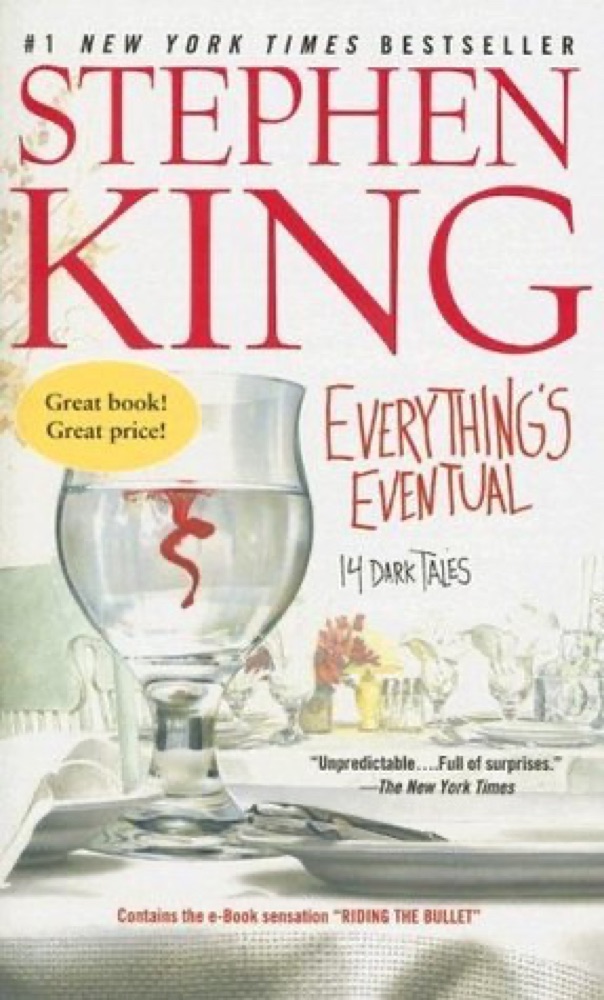 Everything's Eventual
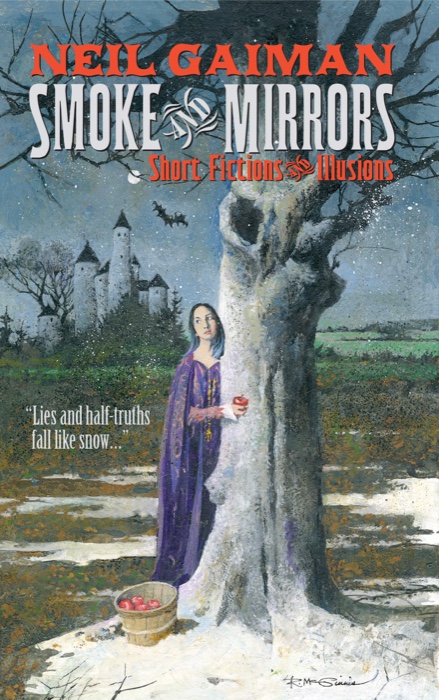 Smoke and Mirrors: Short Fiction and Illusions
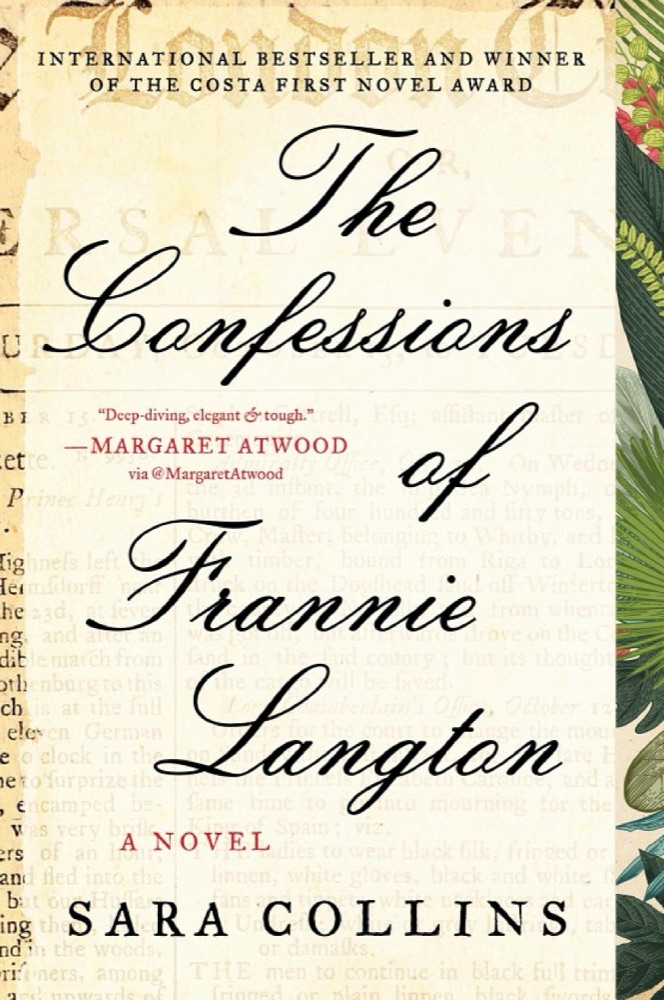 The Confessions of Frannie Langton
 Negotiating with the Dead: A Writer on Writing
 The Book That Held Her Heart
 Danse Macabre
 The Book of Lost Things
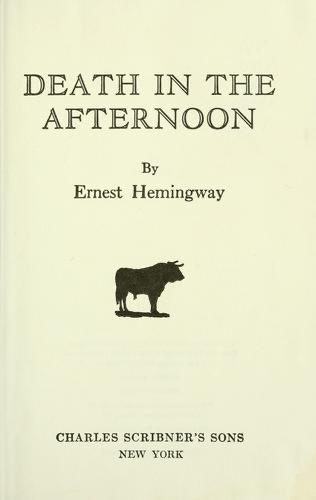 Death in the Afternoon
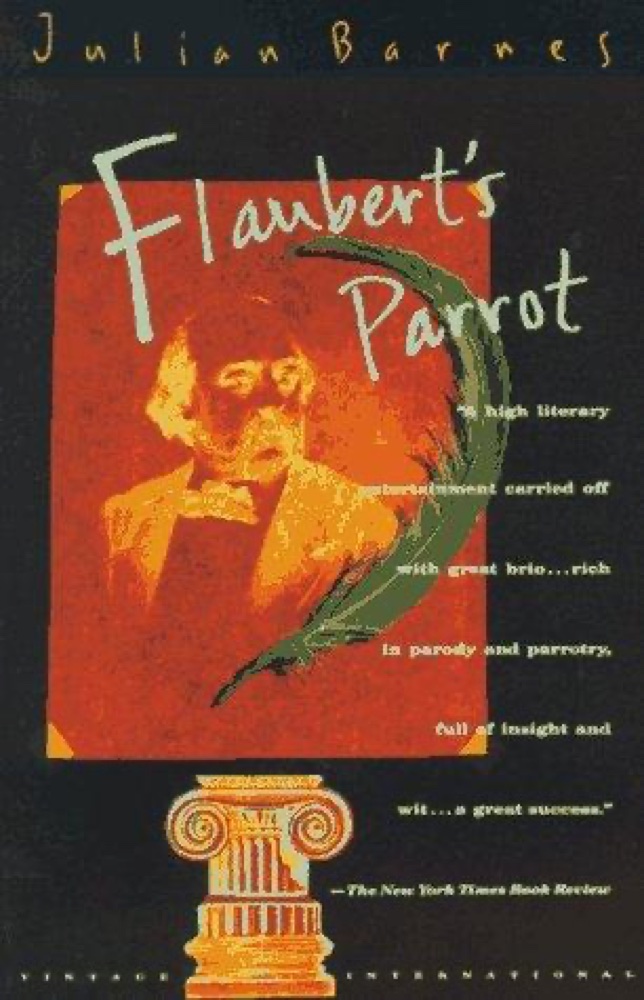 Flaubert's Parrot
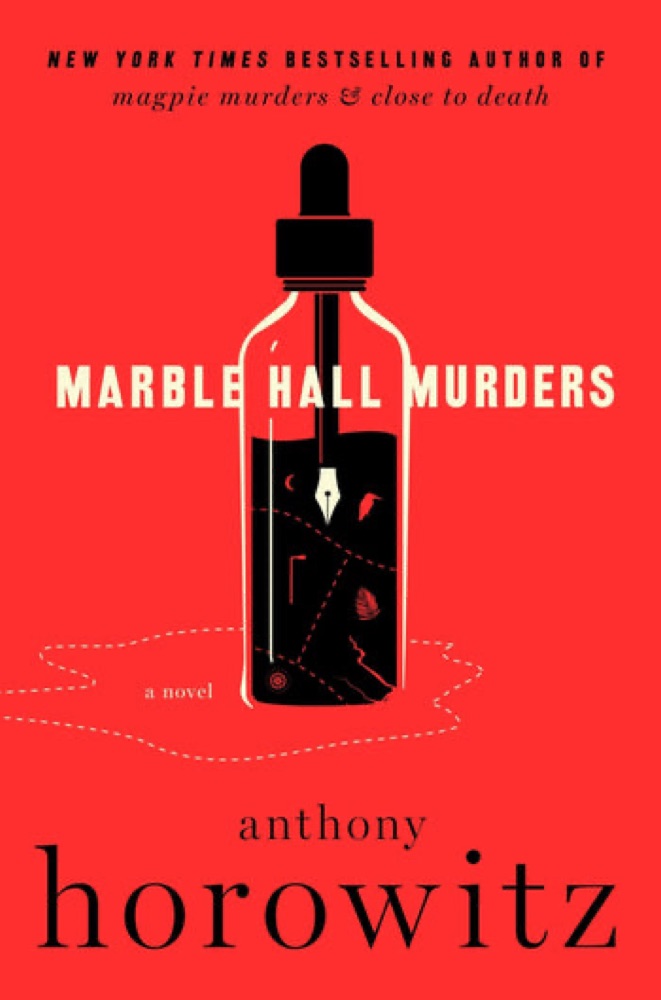 Marble Hall Murders
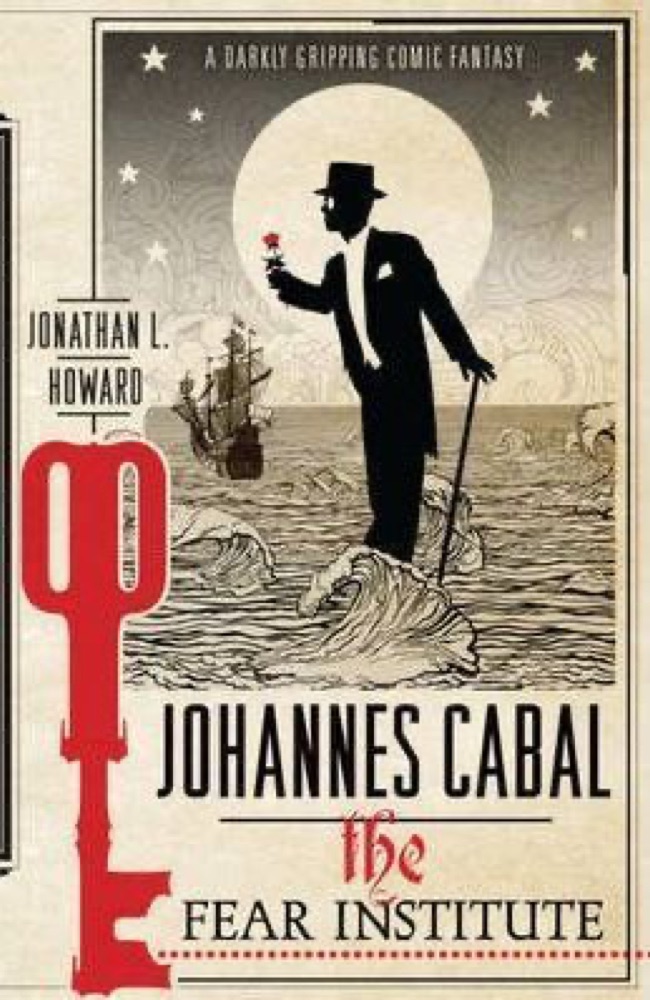 The Fear Institute
 Eating the Dinosaur
 The Story of the Lost Child
 The Book That Broke the World
 Rogues
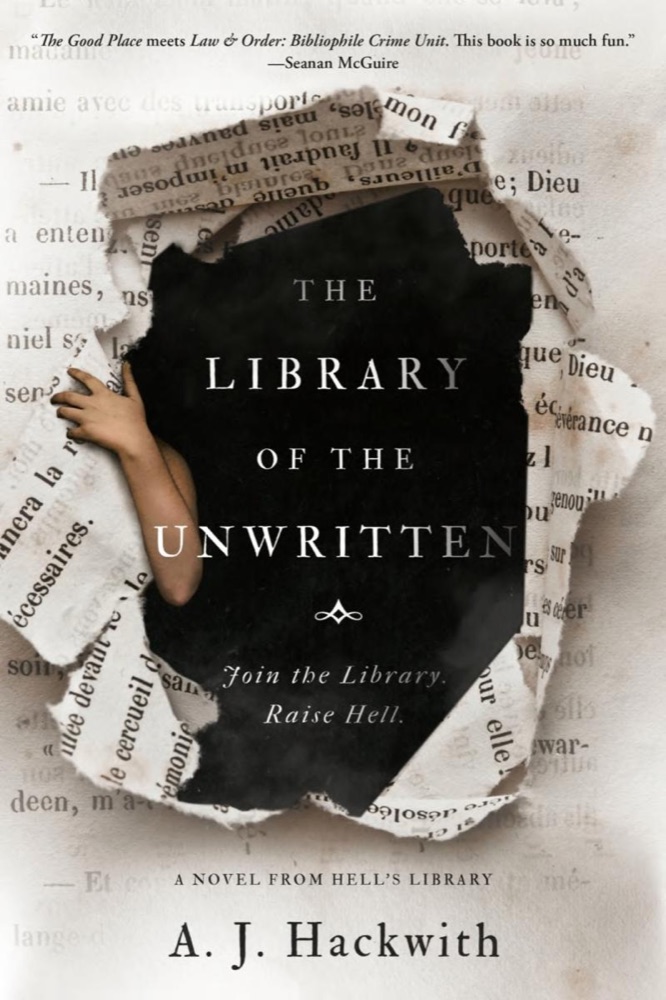 The Library of the Unwritten
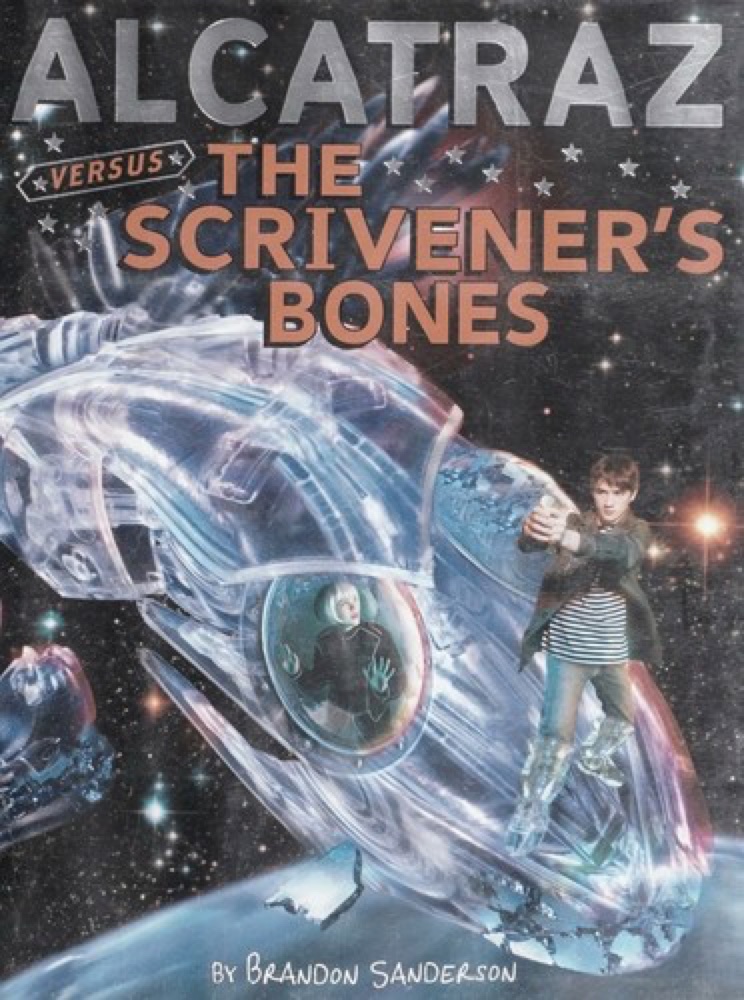 Alcatraz Versus the Scrivener's Bones
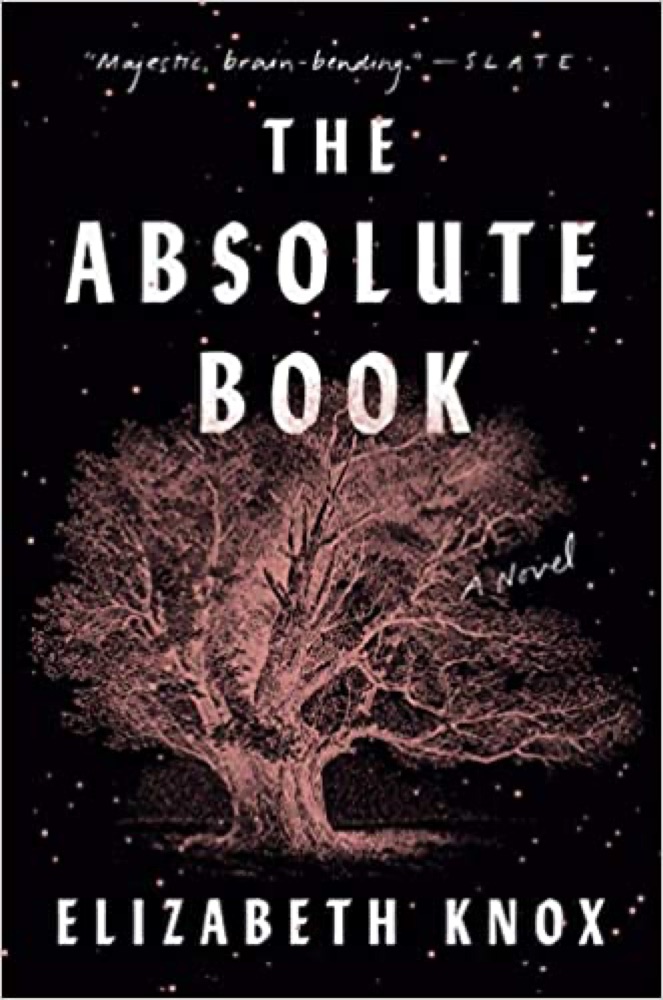 The Absolute Book
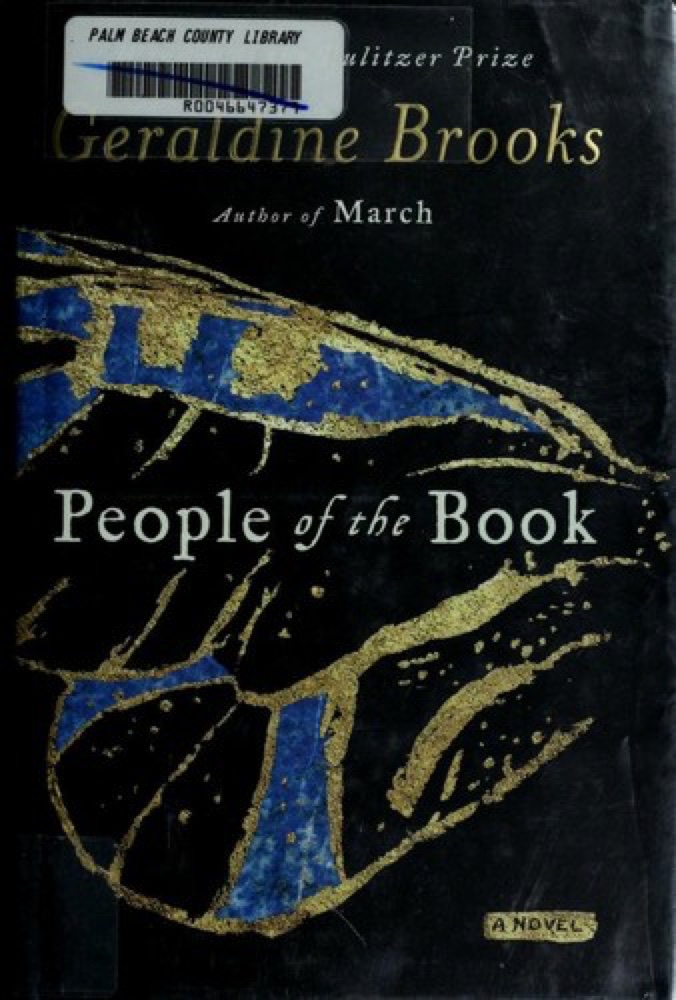 People of the Book
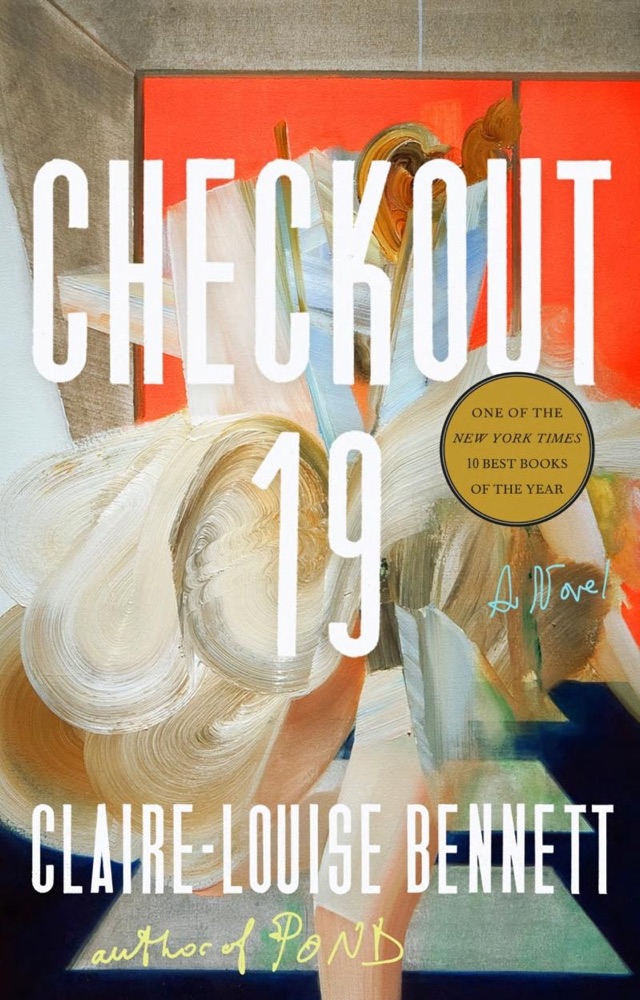 Checkout 19
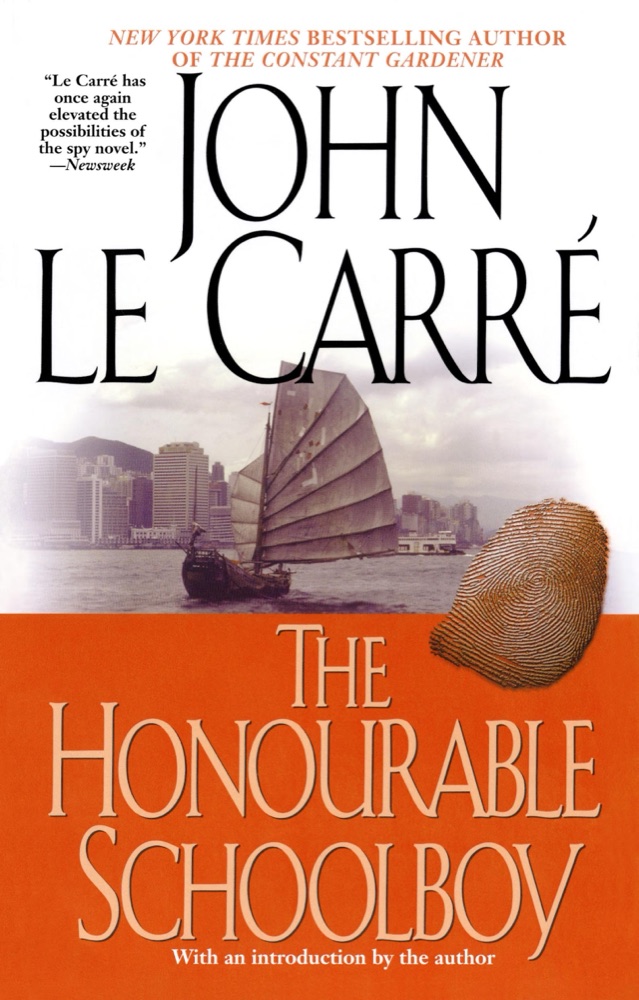 The Honourable Schoolboy
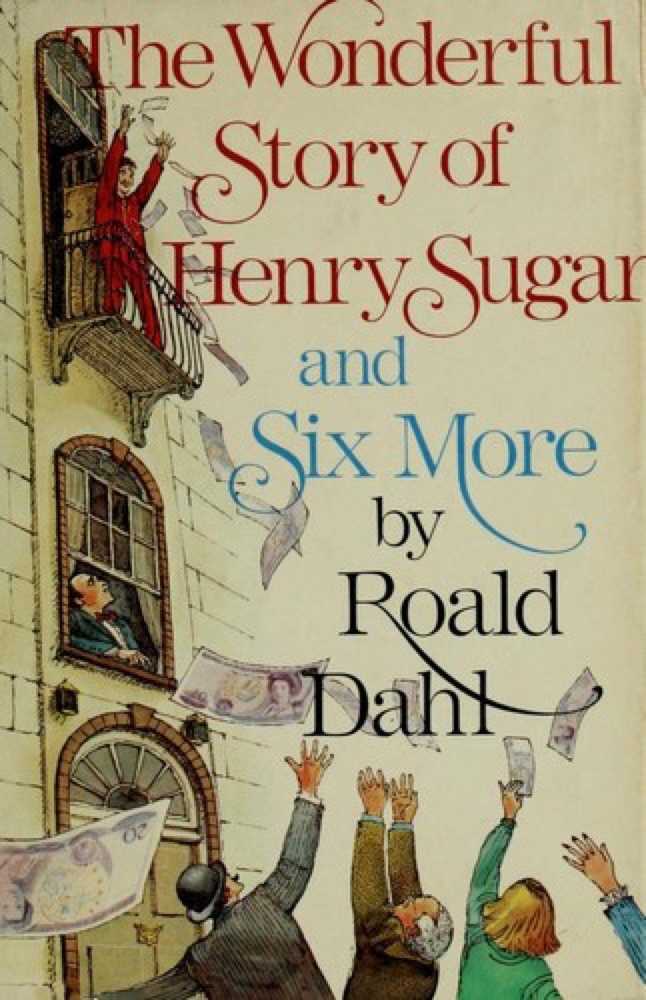 The Wonderful Story of Henry Sugar and Six More
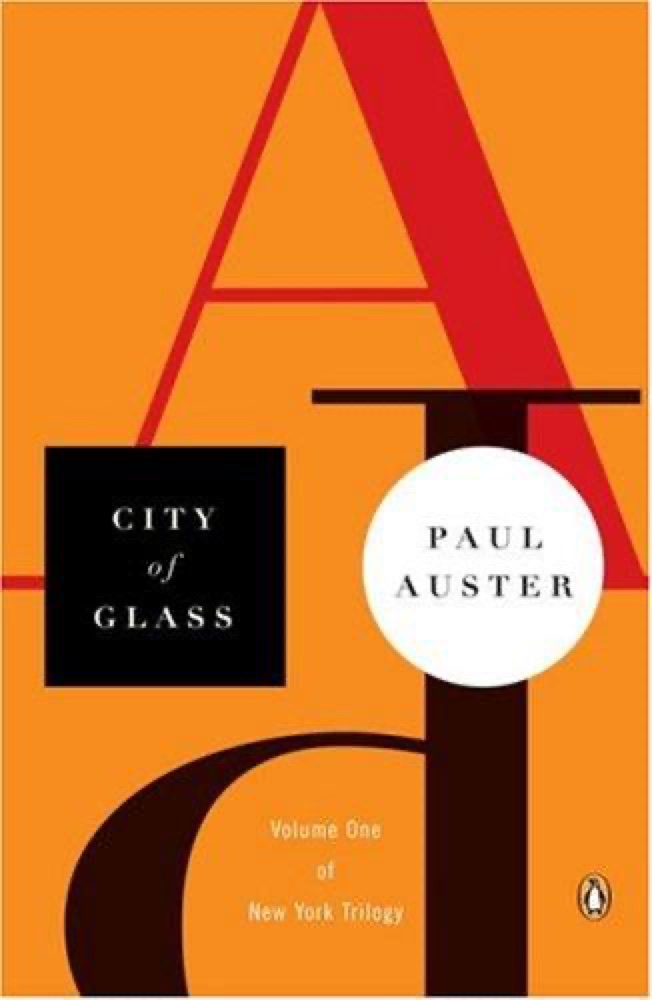 City of Glass
 Aspects of the Novel
 The Mask of Dimitrios
 One of Our Thursdays Is Missing
 Afterworlds
 The Accursed
 The Great Mistake
 The Devil's Star
 Wampeters, Foma and Granfalloons
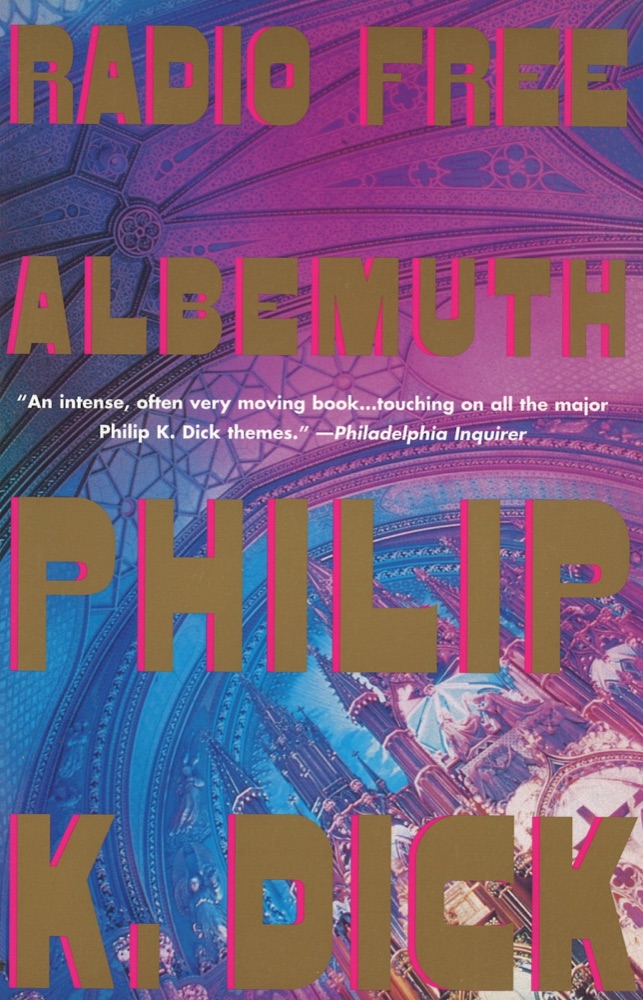 Radio Free Albemuth