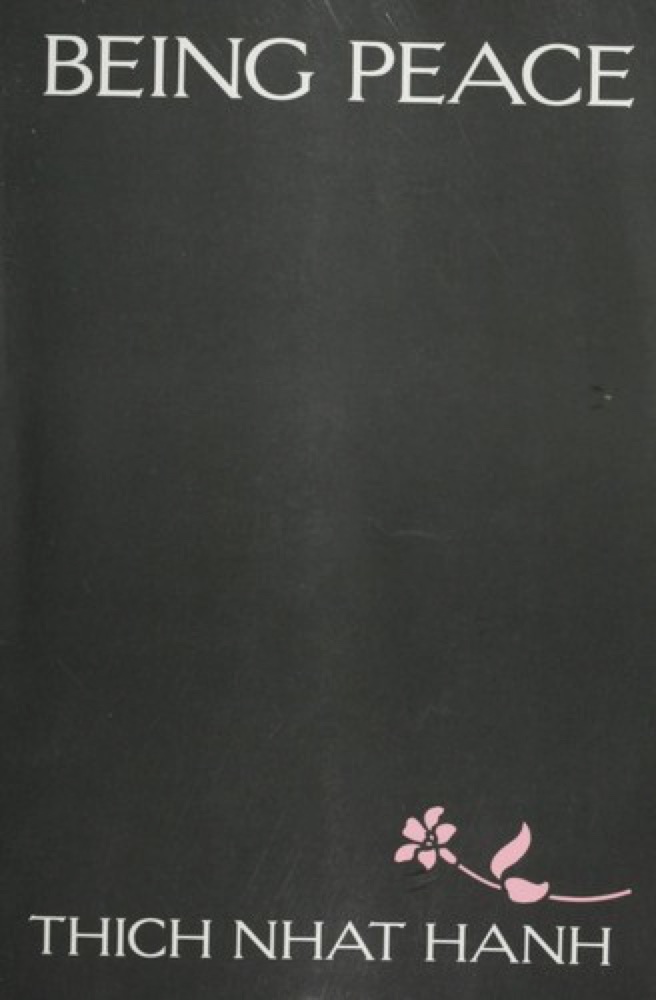
 Being Peace
Quotes from the Book
wake up to the beauties of the planet to heal yourself and wake up to the suffering of the world and try to help.
5
My aim is not to give you knowledge. My aim is to help you break free from your views.
4
This is the attitude of bodhisattvas: to practice meditation not only for yourself, but for the world, to relieve the suffering. And, when others suffer less, you suffer less. When you suffer less, they suffer less. That is interbeing. There is no separation between yourself and others. You do not live just for yourself; you live for other people. Your peace, freedom, and joy also profit others; you are already helpful. And so, when you breathe mindfully or walk mindfully and create joy and peace, that is already a gift for the world.
3
When you wake up and you see that the Earth is not just the environment, the Earth is us, you touch the nature of interbeing.
3
Don't make yourself into a battlefield; the world doesn't need anymore fanatics. If a habit is hard to shift, it's likely to have been transmitted to us through several generations, or held in place by society, culture, and our context, or environment. We can discover a lot about ourselves and our Ancestors, as we begin to make changes to align our choices with our values.
2
Once there is seeing, there must be acting. Otherwise, what’s the use of seeing?
2
You trust that you contain the whole cosmos; you are made of stars. And that is why you respect yourself and offer reverence to yourself. And, when you look at another person, you see that they are also made of stars. They are a wonderful manifestation. They don't appear only for a hundred years: they carry eternity within them.
1
Cultivating a strong training in meditation and mindfulness is not an opiate to escape what’s going on but a way for us to truly still the mind and look deeply, in order to see ourselves and the world clearly.
1
You have the right to pursue economic growth, but not at the expense of life.
1
The other person needs someone to listen to them, and you may be the first person in their life who has been able to listen and give them a chance to empty their heart. It is a very deep practice and it takes training. You tell yourself: 'They are suffering and they need someone to listen, and I will be that person. I will play the role of the Bodhisattva of deep listening: Avalokiteśvara.' I will be able to do it if I am remember to breathe in and out mindfully while listening, and remind myself of one thing: I am listening with the sole intention of allowing them a chance to empty their heart-- whatever they say, even if its wrong or full of accusation, blaming, and wrong perceptions, I will still listen ... and that is what is called compassionate listening. That is very kind of you to listen like that. You are playing the role of a Bodhisattva. You are protected by the energy of compassion. This is what we have to train ourselves to be able to do. It is possible to listen to suffering in such a way that we don't get sucked in. We all have the seeds of both anger and compassion. If you practice mindfulness effectively, perhaps the seed of compassion in you will be bigger than the seed of anger, and if the seed of compassion is powerful enough, you'll be able to activate your compassion to protect you while listening, and you will be able to protect the seed of anger from being triggered. In compassionate listening, our intention is not to insulate ourselves or cut ourselves off from the other person. We listen to others' suffering with compassion, and take care to recognize, embrace, and transform our own wounds that may have been touched while listening. In Plum Village, after a session of deep listening, we often practice walking medication outside to restore our peace, calm, and freshness. At the same time, we have to know our limit-- we should organize our life so we have balance and enough nourishment, peace and joy, so we can continue to offer compassionate listening to others. Some people have so much pain, hate, and violence in them, and they need to express it, and it's very hard for them to find someone who can sit and listen to them. So, when you come ready to listen to them, they may have the tendency to abuse your time and kindness, and speak non-stop, and you don't know how long, how many days or years of listening will ever be enough to help them-- they repeat the same things again and again. To keep listening in such a situation is not intelligent to deep listening. We have to find skillful ways to actively help them recognize, embrace, and deeply transform the suffering in them. Being listened to, they may be getting a little bit of relief, but its not enough, so we should find allies, and together, help them organize their life so they can cut whatever source of nutriment is feeding their suffering. Simply to keep listening, we may be destroying ourselves and the Bodhisattva in ourselves, and that is not a good thing at all.
Tell me what you eat, and I will tell you who you are. Tell me where you eat, and I will tell you who you are.
Our true nature is of no birth and no death.
I’ve often said, one Buddha is not enough. We need a collective awakening — all of us have to become Buddhas in order for our planet to have a chance.
Where is your horse going? There is a Zen story about a man and a horse galloping very quickly. At the crossroads, a friend of his shouted: "Where are you going?" and the man replied: "I don't know, ask the horse" ... and that is the situation of humanity right now. In our times, that horse is technology-- it's carrying us off and it's out of control.
You cannot be perfect. You do your best; that is what's needed.
Sometimes even if we think we want to be heard, we're not always ready for it.
We can make the most of the Earth and benefit from its beauty, but in such a way that we respect the Earth, just as a bee respects the flower.
when someone is sharing out of their grief, if we feel very intentionally where that grief is in us, and begin to get in touch with that and heal that in ourselves, it just gives that experience with the other person a completely different quality, because you meet vulnerability with vulnerability; you hold hands with your mutual vulnerability. And once you have done that with another human being, the quality of that relationship moves to a completely different level, and from then on you can have technical discussions about megatons or whatever, but the deep root is there.
It is very important to wake up and see that we don’t need to borrow anymore. What is available in the here and now is already sufficient for us to be nourished, to be happy. And that is the miracle of mindfulness, concentration, and insight: realizing we can be happy with the conditions that
You don’t need to be perfect. What’s important is that you have a path to follow, a path of love. If we get lost in a forest and we don’t have a compass at night, we can look at the North Star in order to go north, to get out. Your purpose is to get out of the forest, it’s not to arrive at the North Star.
You need to have the gift of non-fear within you in order to be able to offer it to others.
Man is present in all things, and all things are present in man.
In the Diamond Sutra the meditator is urged to throw away, to release, four notions in order to understand our own true nature and the true nature of reality: the notion of “self,” the notion of “human being,” the notion of “living beings,” and the notion of “life span.
Thay encourages us to boldly reimagine an entirely new way of living and doing things, and to never be afraid to dream. And he reminds us, no matter what, to always work together, never alone.
Watch on YouTube
About Thich Nhat Hanh
We have collected 629 quotes from 23 books by Thich Nhat Hanh on BookQuoters.
More about the author →
About the book
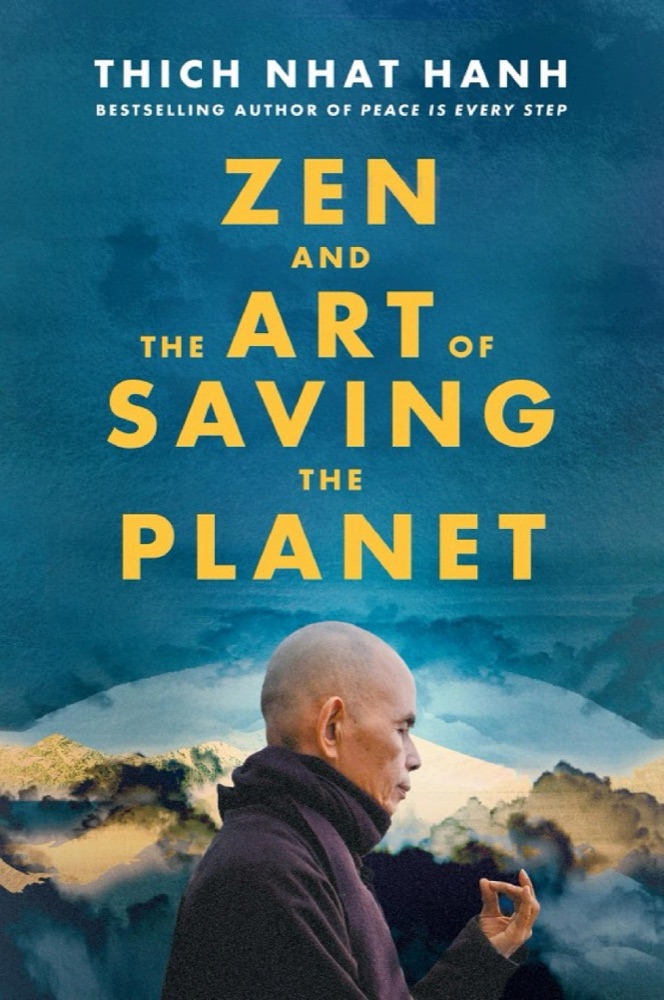
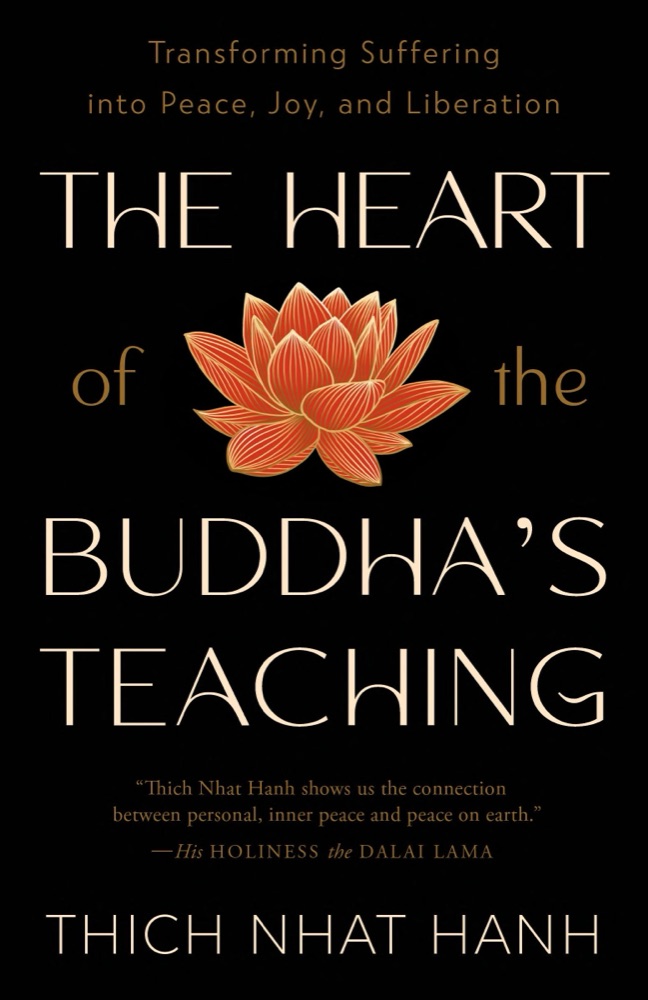
In this masterful work, one of the most revered spiritual leaders in the world today shares his wisdom on how to be the change we want to see in the world.In these troubling times we all yearn for a better world. But many of us feel powerless and uncertain what we can do. Thich Nhat Hanh (Thay) is blazingly clear: there’s one thing that we have the power to change—and which can make all the difference: our mind. How we see and think about things determines all the choices we make, the everyday actions we take (or avoid), how we relate to those we love (or oppose), and how we react in a crisis or when things don’t go our way.
Meditation trains us to see reality as it is. But many of us have a distorted view, caused by negative stories about the world and ourselves that have become ingrained. To use our mind for change, we must see clearly. Thay shows us how us to alter our way of think
Book details
- First published
- 2021
- Author
- Thich Nhat Hanh
- Genre
- Nonfiction
- Goodreads rating
- 4.38 (2k ratings)
Keep reading
 The Art of Power
 Peace Is Every Step: The Path of Mindfulness in Everyday Life
 Awakening the Buddha Within
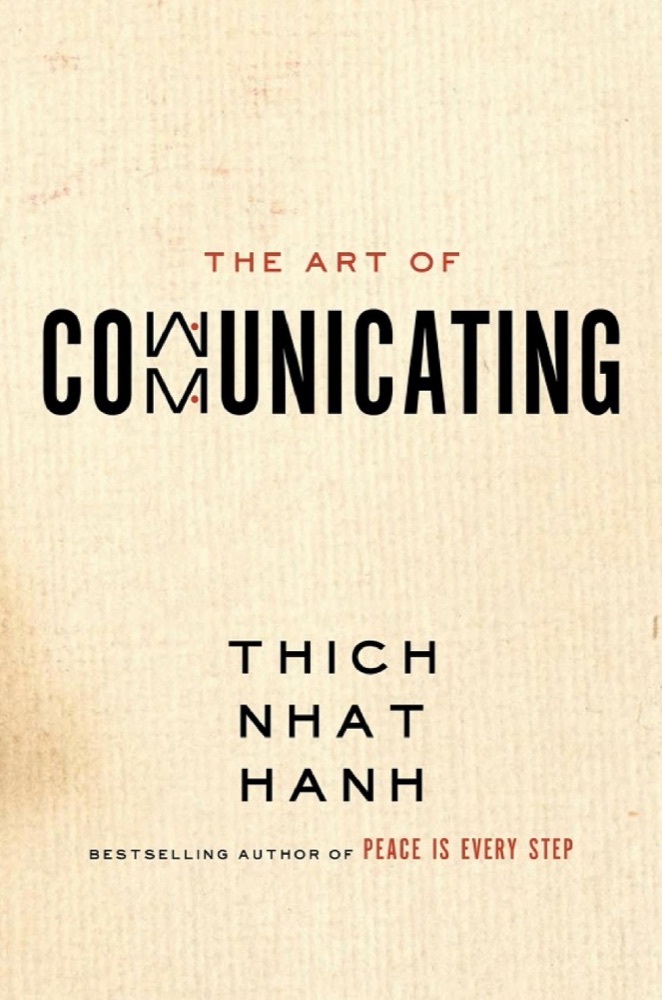 The Art of Communicating
 The Wisdom of No Escape: How to Love Yourself and Your World
 Buddhist Boot Camp
 365 Tao: A Study of Taoist Wisdom for Daily Life
 Everyday Zen: Love & Work
 The Dalai Lama's Cat and the Power of Meow
 How to Practice: The Way to a Meaningful Life
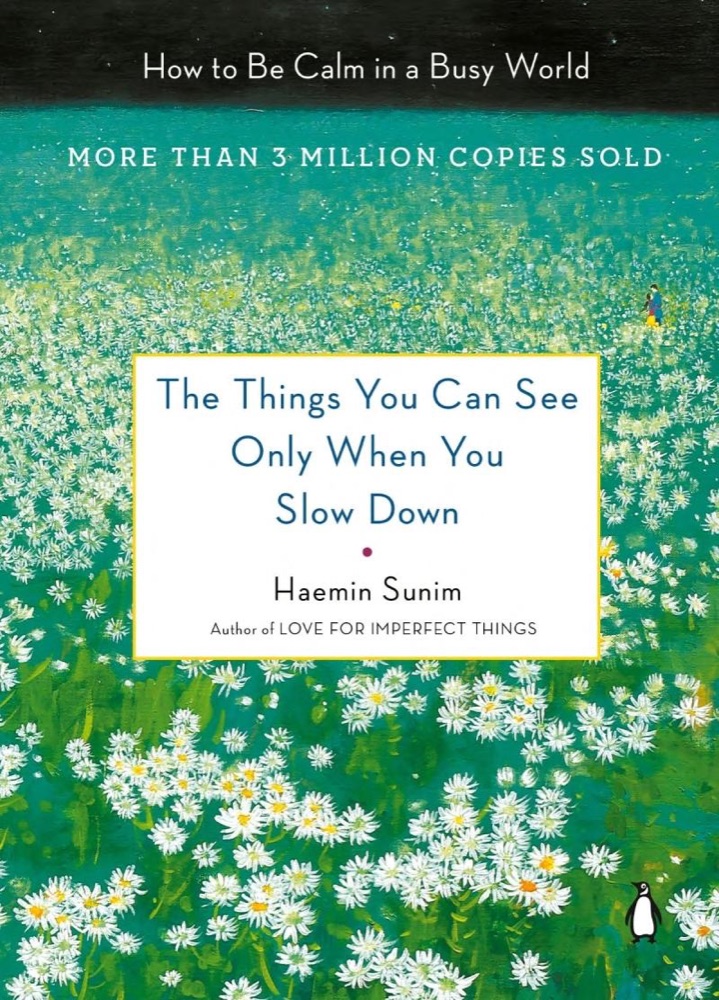 The Things You Can See Only When You Slow Down: How to Be Calm in a Busy World
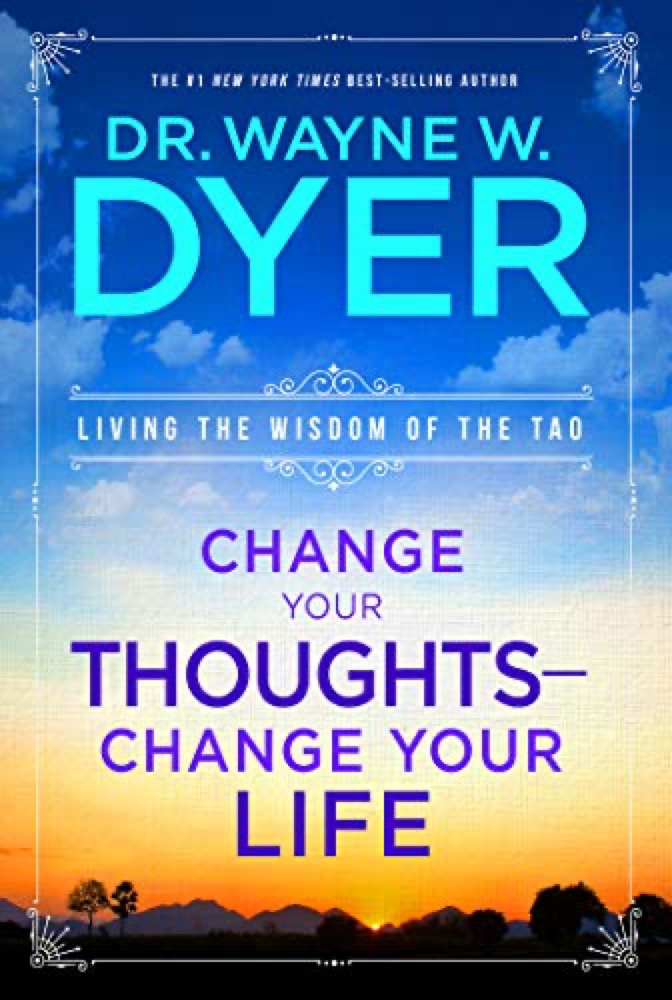 Change Your Thoughts - Change Your Life: Living the Wisdom of the Tao
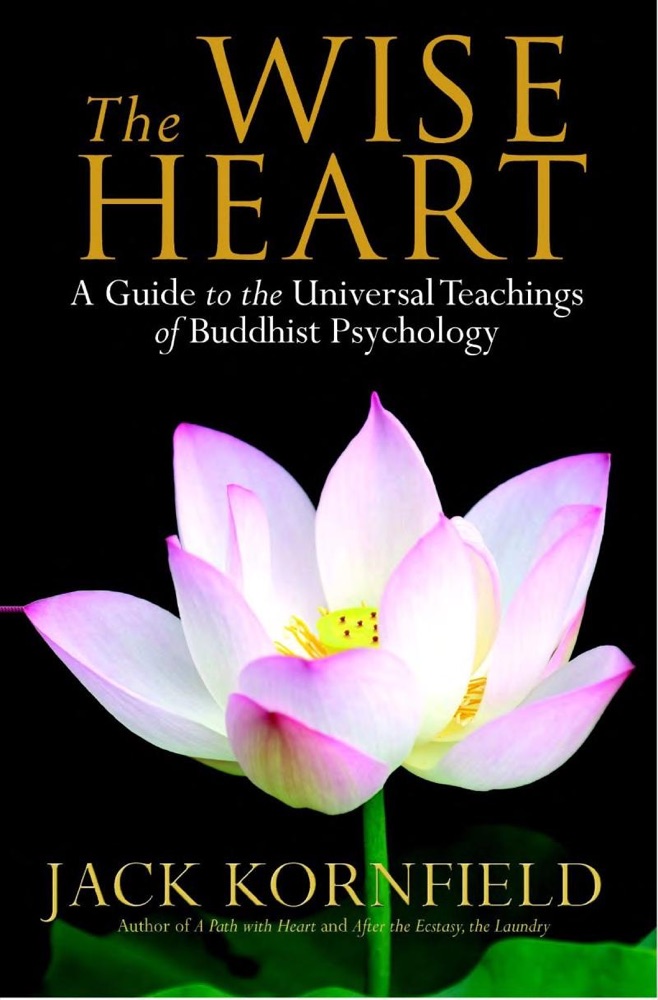 The Wise Heart: A Guide to the Universal Teachings of Buddhist Psychology
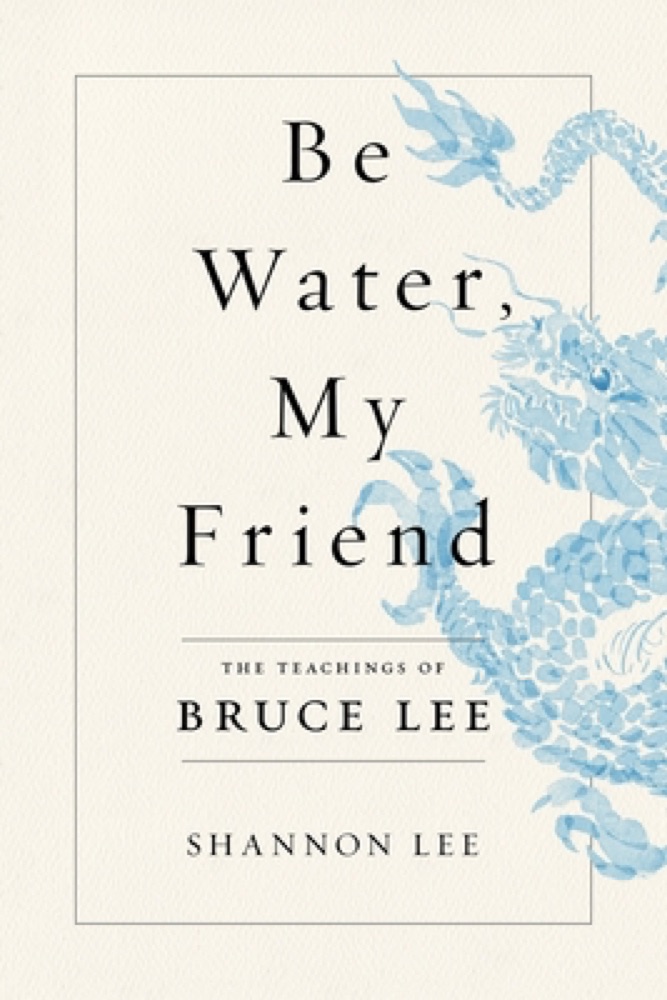 Be Water, My Friend: The Teachings of Bruce Lee
 The Places That Scare You: A Guide to Fearlessness in Difficult Times
 Buddhism Plain & Simple: The Practice of Being Aware, Right Now, Every Day
 The Seven Spiritual Laws of Success: A Practical Guide to the Fulfillment of Your Dreams
 Be Here Now
 You Can Heal Your Life
 The Pocket Pema Chodron
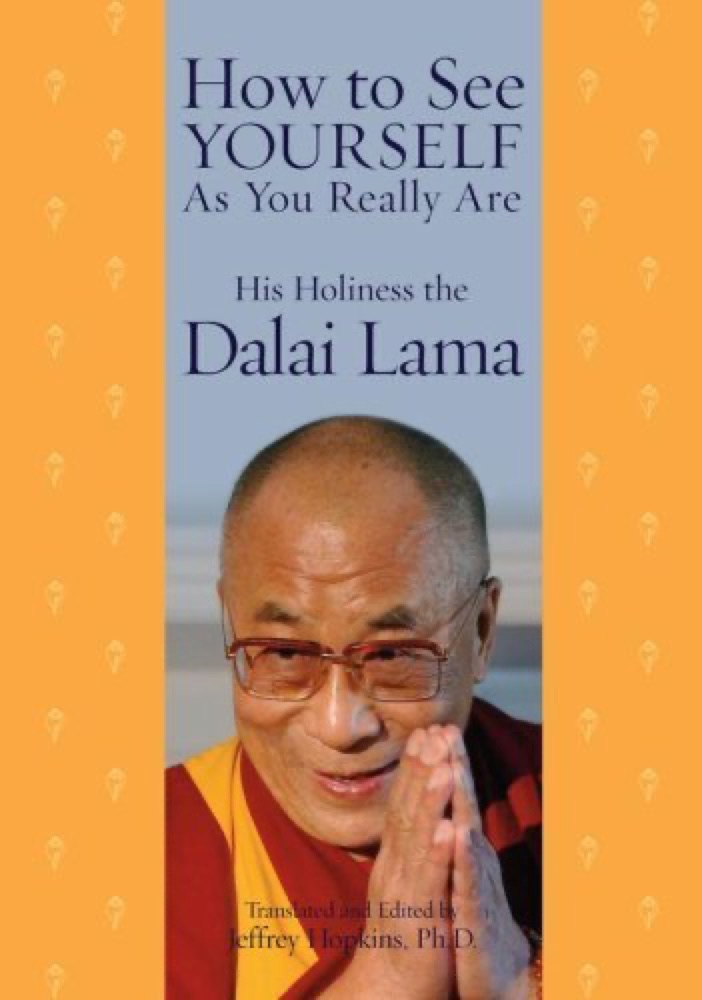 How to See Yourself As You Really Are
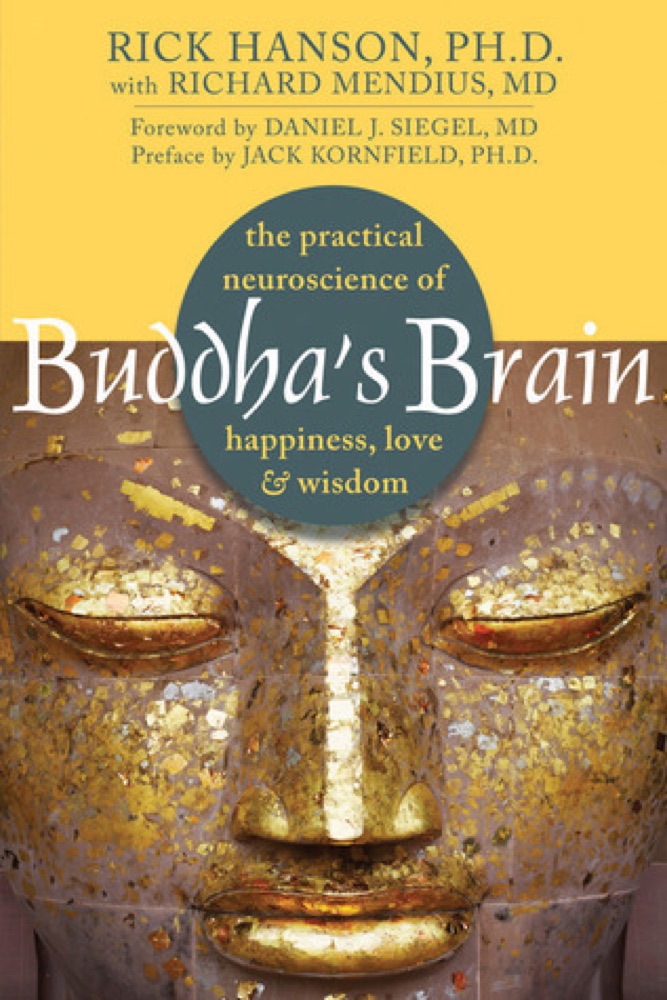 Buddha's Brain: The Practical Neuroscience of Happiness, Love, and Wisdom
 A Joseph Campbell Companion: Reflections on the Art of Living
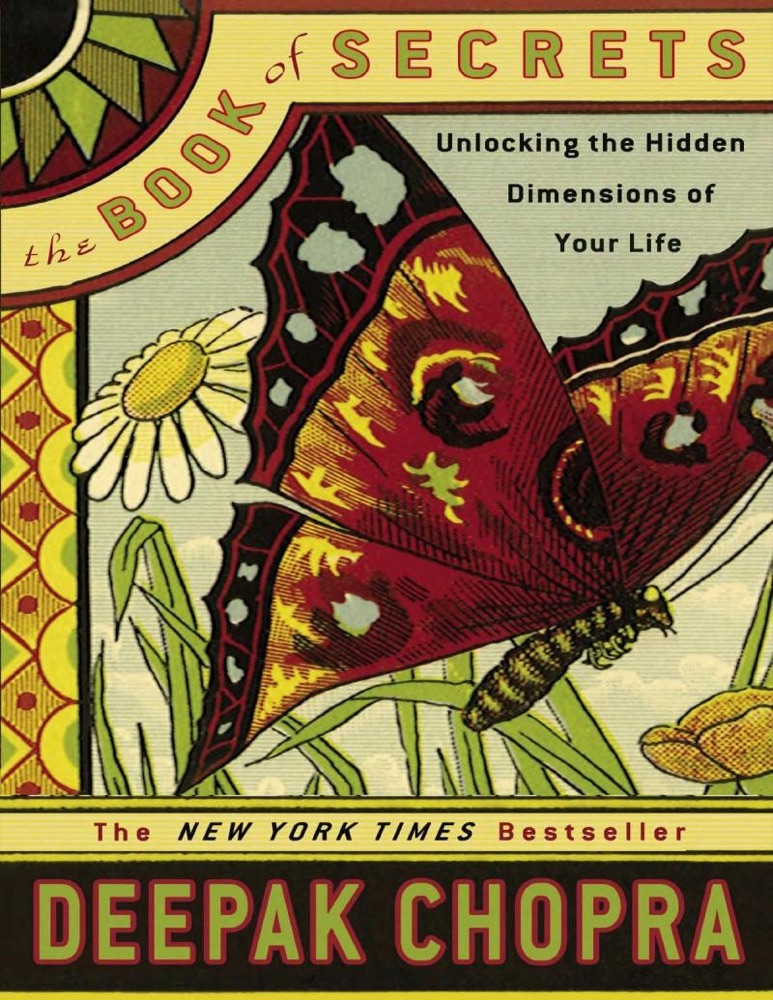 The Book of Secrets: Unlocking the Hidden Dimensions of Your Life
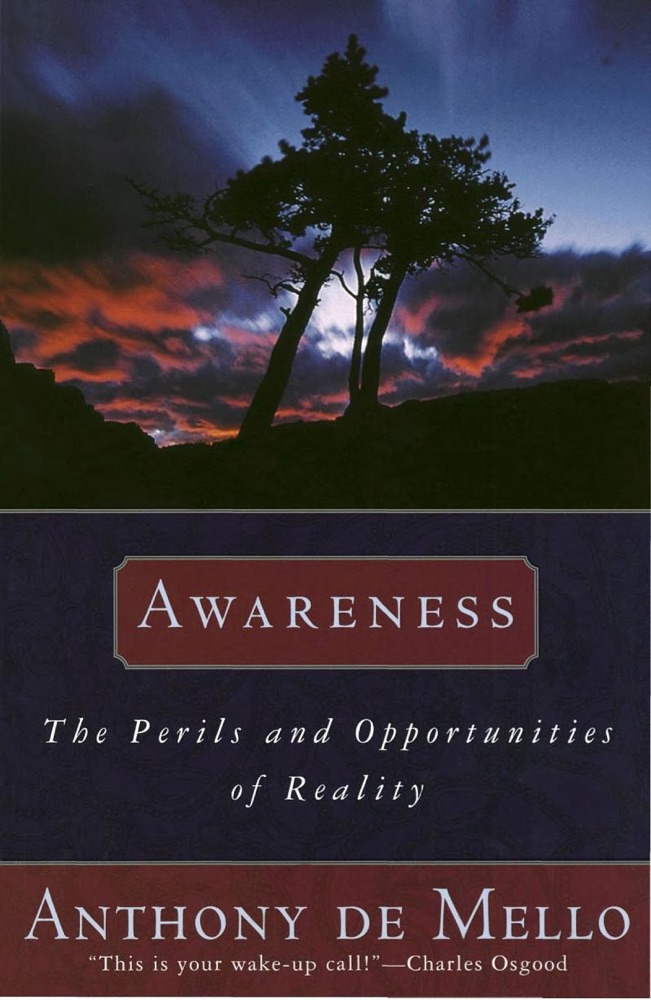 Awareness: Conversations with the Masters
 The Buddha Walks into a Bar . . .: A Guide to Life for a New Generation
 The Book of Awakening: Having the Life You Want by Being Present to the Life You Have
 Full Catastrophe Living: Using the Wisdom of Your Body and Mind to Face Stress, Pain, and Illness
 Way of the Peaceful Warrior: A Book That Changes Lives
 Wherever You Go, There You Are: Mindfulness Meditation in Everyday Life
 Becoming Wise: An Inquiry into the Mystery and Art of Living
 How to Stop Worrying and Start Living
 Heart Talk: Poetic Wisdom for a Better Life
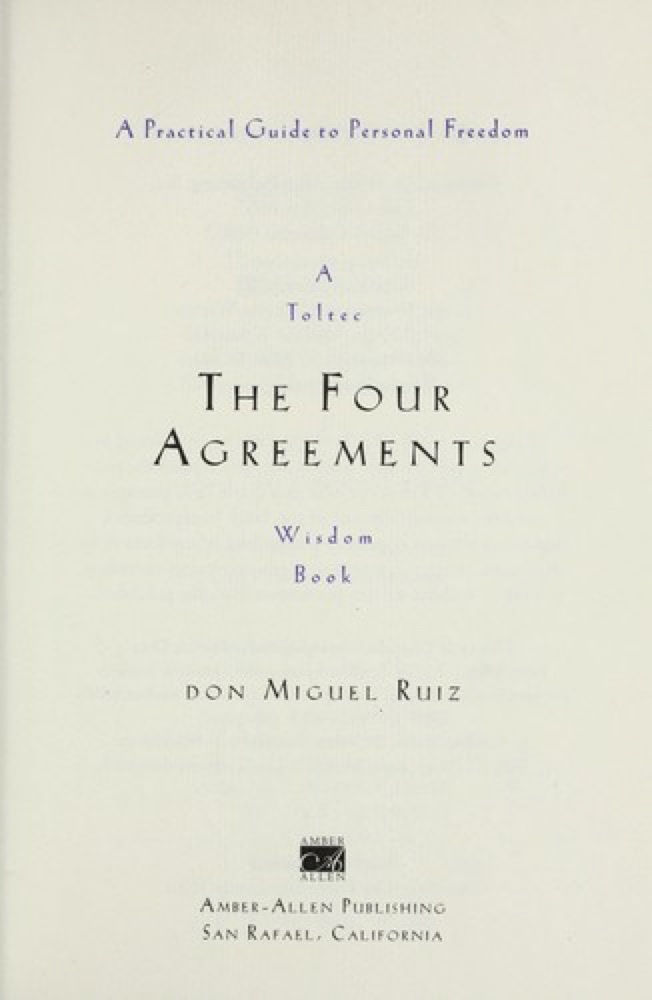 The Four Agreements: A Practical Guide to Personal Freedom
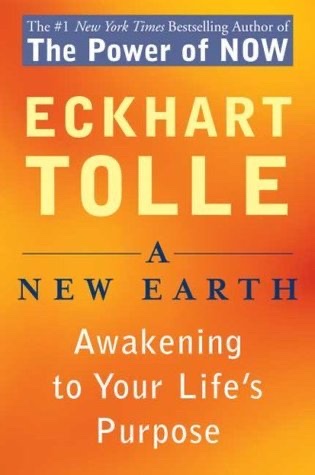 A New Earth: Awakening to Your Life's Purpose
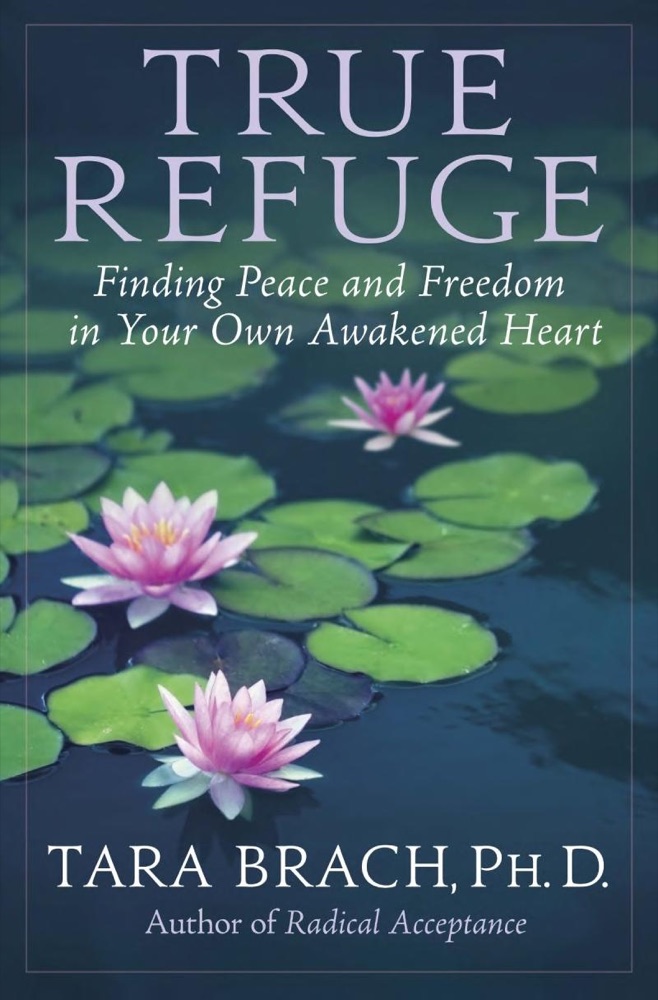 True Refuge: Finding Peace and Freedom in Your Own Awakened Heart
 Happiness Becomes You: A Guide to Changing Your Life for Good
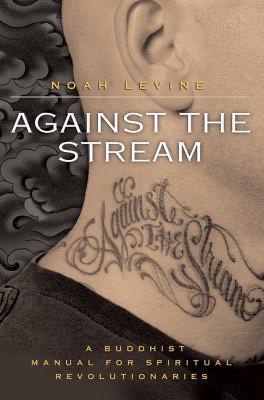 Against the Stream: A Buddhist Manual for Spiritual Revolutionaries
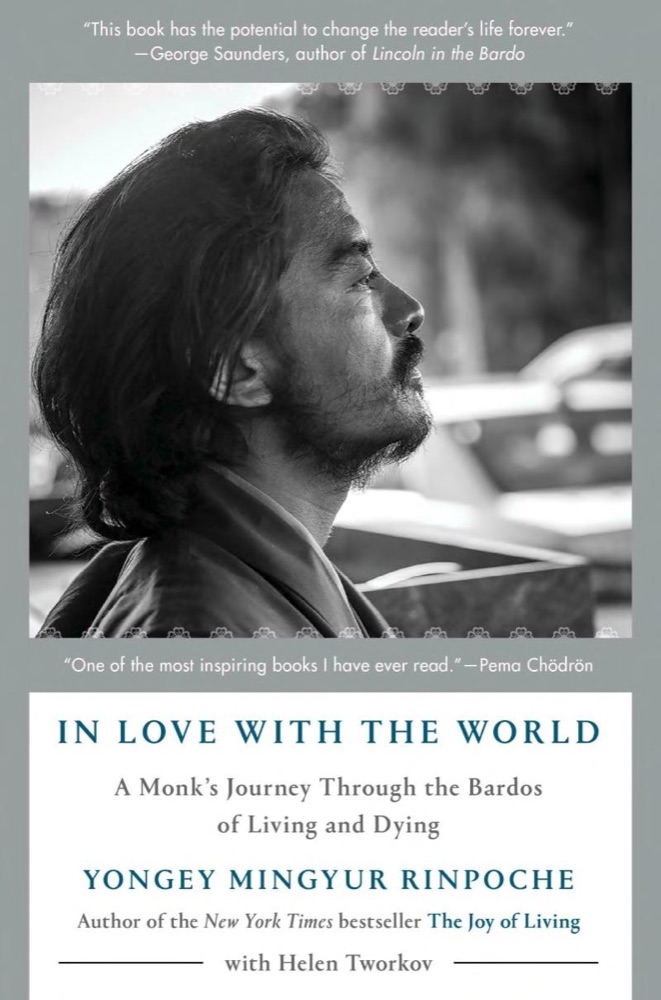 In Love with the World: A Monk's Journey Through the Bardos of Living and Dying
 My Spiritual Journey: Personal Reflections, Teachings, and Talks
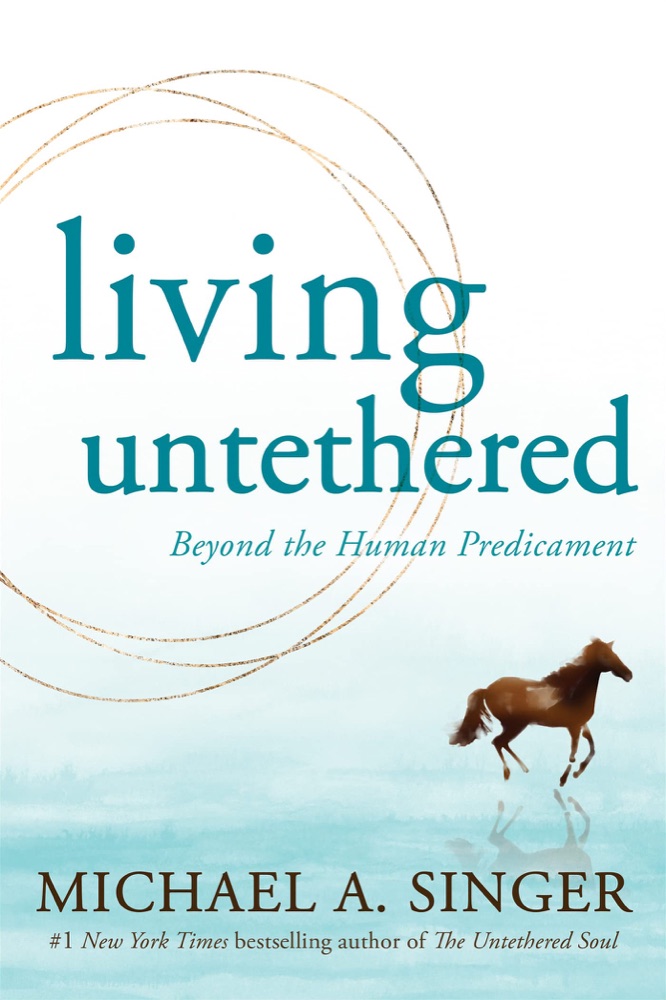 Living Untethered: Beyond the Human Predicament
 Thrive: The Third Metric to Redefining Success and Creating a Life of Well-Being, Wisdom, and Wonder
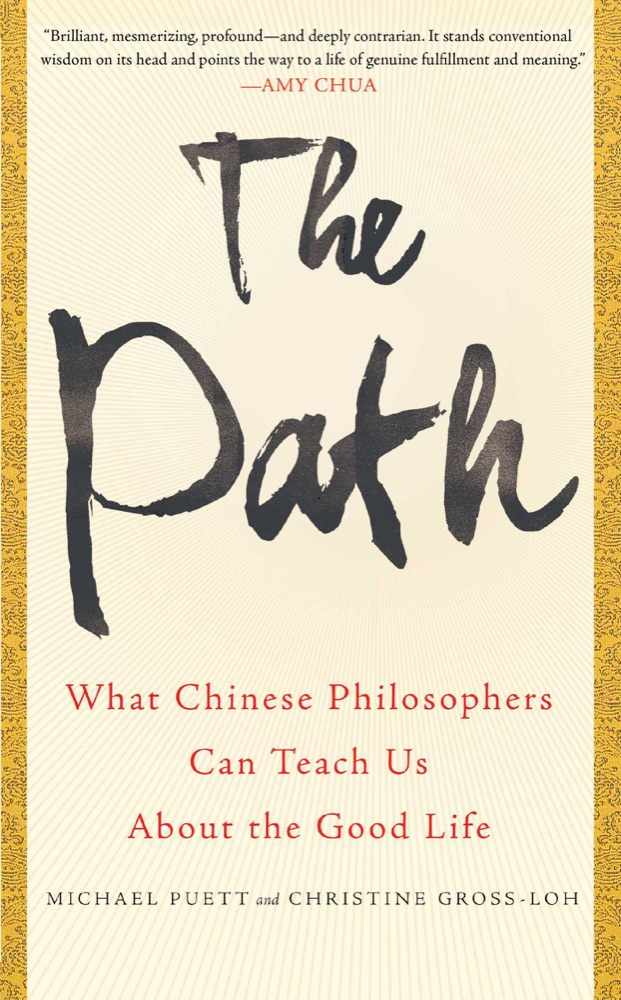 The Path: What Chinese Philosophers Can Teach Us About the Good Life
 Kitchen Table Wisdom: Stories that Heal
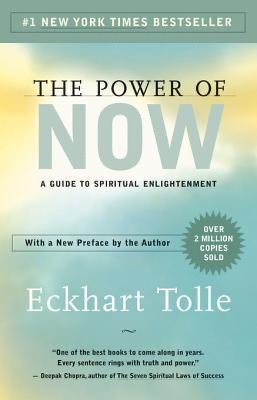 The Power of Now: A Guide to Spiritual Enlightenment
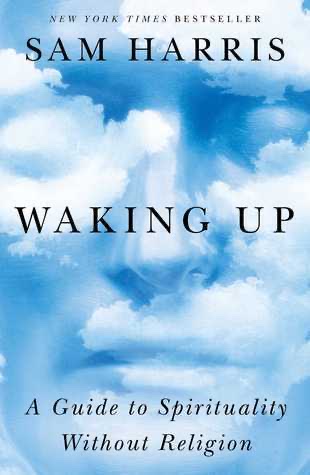 Waking Up: A Guide to Spirituality Without Religion
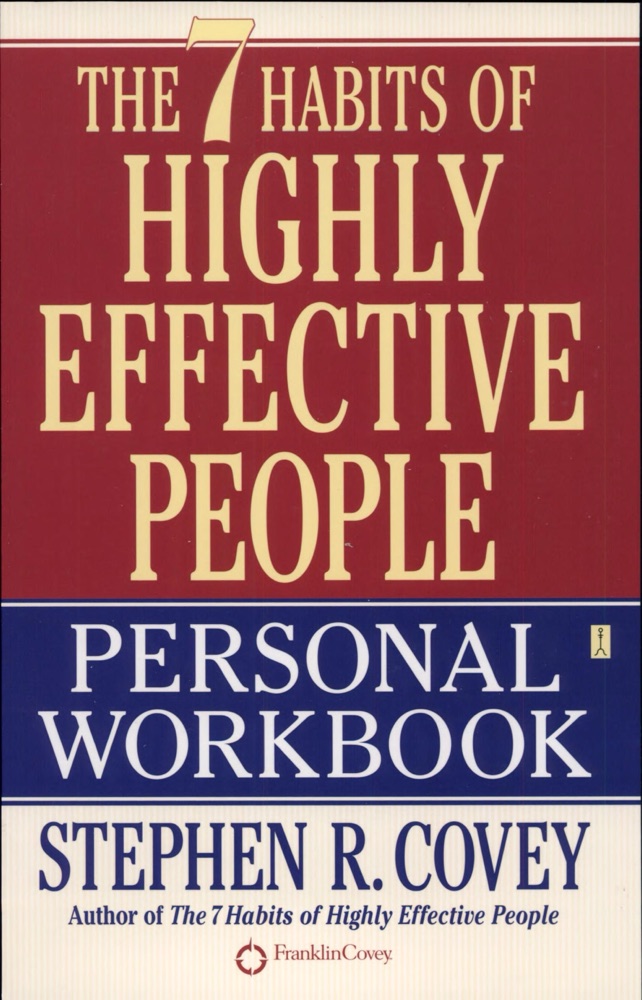 The 7 Habits of Highly Effective People: Personal Workbook
 The Book: On the Taboo Against Knowing Who You Are
 Let Your Life Speak: Listening for the Voice of Vocation
 Shambhala: The Sacred Path of the Warrior
 Mastering Your Mean Girl: The No-BS Guide to Silencing Your Inner Critic and Becoming Wildly Wealthy, Fabulously Healthy, and Bursting with Love
 Sacred Journey of the Peaceful Warrior
 A Return to Love: Reflections on the Principles of "A Course in Miracles"
 Nonviolence: The Transforming Power
 The Path Made Clear: Discovering Your Life's Direction and Purpose
 Awaken The Giant Within