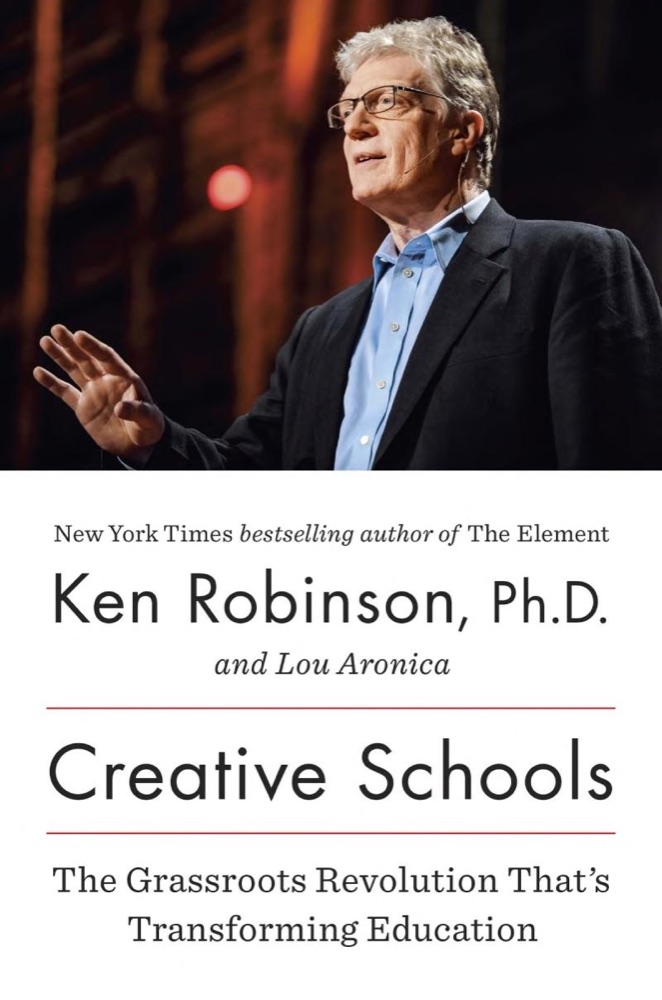
 Creative Schools: The Grassroots Revolution That's Transforming Education
Quotes from the Book
The last question "What do humanizing practices look like in and outside of the classroom?" is also essential, because it speaks to those "social justice" educators who leave the school and don't live in anti-racist, anti-sexist, and other anti-oppressive ways in their daily lives. This is why we must not just be non-racist or non-oppressive but also work with passion and diligence to actively disrupt oppression in and outside of the classroom. Simple good intentions aren't enough. The intentions must be deliberately connected to actions.
3
As long as oppression is present in the world, young people need pedagogy that nurtures criticality.
2
The need to agitate for criticality historically spoke to the social unrest at the time, and I argue that the need to agitate is still necessary and pressing in classrooms today.
2
Literacy was not just for self-enjoyment of fulfillment, it was tied to action and efforts to shape the sociopolitical landscape of a country that was founded on oppression.
2
literacy serves as a form of protection in this world and is rightly guided by both imagination and reason—two constructs that are often dichotomous, especially in current public education.
2
Perhaps the people who need criticality the most become those who share identities with the greatest oppressors of the world.
1
We live in a period where there's no time for "urgent-free pedagogy." Our instructional pursuits must be honest, bold, raw, unapologetic, and responsive to the social times.
1
Structure opportunities for critiquing and evaluating what students read and write about within the instruction.
1
Literacy was to be developed in a socially constructed environment so that new ideas and information learned from texts could be shared and spread among one another and those in the community. Members of all ages and experiences with reading would assemble to teach one another. Although individual literacy was valued, these societies were highly collaborative and prompted social responsibility to share knowledge gained from acts of literacy rather than keep education to one’s self. This collaboration for literacy learning built the foundation of the “chain letter of instruction” model, which embodied a shared accountability for knowledge (Fisher, 2004). If one person, for example, acquired knowledge, it was then his or her responsibility to pass it on to others to create a flame-like effect. To keep knowledge to one’s self was seen as a selfish act, and each person therefore was responsible to elevate others through education in the immediate and larger community. This ideal of collectivism is in direct conflict with schools today, as schools are largely grounded in competition and individualism. This is perhaps one major reason why students of color often do not reach their full potential in schools—because schools are in disharmony with their histories and identities.
1
When we frame the stories of people of color as narratives steeped in pain or even smallness, this becomes the dominant or sole representation.
1
There have been too many data meetings, curriculum meetings, or problem-solving meetings without students’ voices at the table.
1
This ideal of collectivism is in direct conflict with schools today, as schools are largely grounded in competition and individualism. This is perhaps one major reason why students of color often do not reach their full potential in schools—because schools are in disharmony with their histories and identities.
If we aim to get it right with all youth, a productive starting point is to design teaching and learning to the group (s) of students who have been marginalized the most in society and within schools. Thus, we need frameworks that have been written by people of color and designed for children of color.
Engage students with texts that create social action and cause them to think differently as a result of what they read. 2. Create an environment that affords students the opportunity to shape their own ideas through acts of literacy.
Watch on YouTube
About Gholdy Muhammad
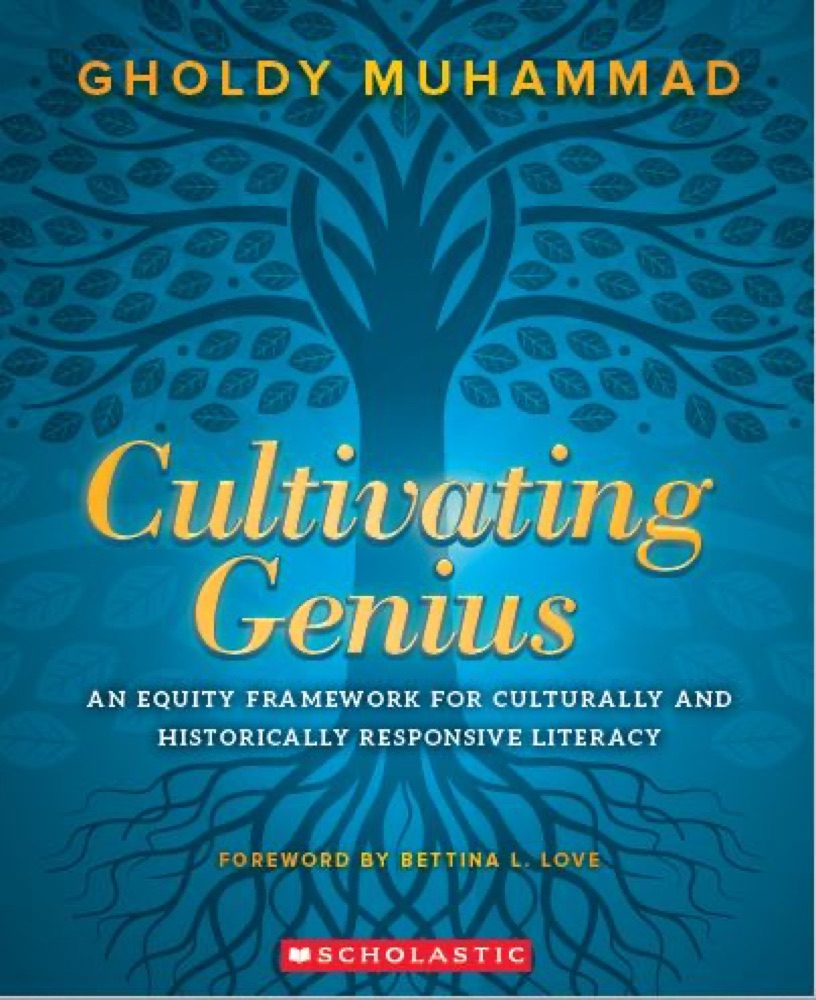
About the book
In Cultivating Genius, Dr. Gholdy E. Muhammad presents a four-layered equity framework—one that is grounded in history and restores excellence in literacy education. This framework, which she names, Historically Responsive Literacy, was derived from the study of literacy development within 19th-century Black literacy societies. The framework is essential and universal for all students, especially youth of color, who traditionally have been marginalized in learning standards, school policies, and classroom practices. The equity framework will help educators teach and lead toward the following learning goals or pursuits:
Identity Development—Helping youth to make sense of themselves and others Skill Development— Developing proficiencies across the academic disciplines Intellectual Development—Gaining knowledge and becoming smarter Criticality—Learning and developing the ability to read
Book details
- First published
- 2020
- Author
- Gholdy Muhammad
- Genre
- Nonfiction
- Goodreads rating
- 4.42 (3k ratings)
Keep reading
Creative Schools: The Grassroots Revolution That's Transforming Education
 Not for Profit: Why Democracy Needs the Humanities
 Why Are All The Black Kids Sitting Together in the Cafeteria?
 The Core
 Dumbing Us Down: The Hidden Curriculum of Compulsory Education
 Deschooling Society
 The Vanishing American Adult: Our Coming-of-Age Crisis—and How to Rebuild a Culture of Self-Reliance
 The Element: How Finding Your Passion Changes Everything
 Pushout: The Criminalization of Black Girls in Schools
 The Lost Tools of Learning
 Talking Back: Thinking Feminist, Thinking Black
 How to Read Now
 The Death and Life of the Great American School System: How Testing and Choice Are Undermining Education
 Experience and Education
 Pedagogy of the Oppressed
 Stones Into Schools: Promoting Peace With Books, Not Bombs, in Afghanistan and Pakistan
 The Coddling of the American Mind: How Good Intentions and Bad Ideas Are Setting up a Generation for Failure
 Elite Capture: How the Powerful Took Over Identity Politics
 What White People Can Do Next: From Allyship to Coalition – An Empowering Guide to Interrogating Whiteness and Creating Justice
 The Message
 Cynical Theories: How Activist Scholarship Made Everything about Race, Gender, and Identity—and Why This Harms Everybody
 Walking on Water: Reading, Writing, and Revolution
 Readicide: How Schools Are Killing Reading and What You Can Do About It
 This Is What Inequality Looks Like
 The Identity Trap: A Story of Ideas and Power in Our Time
 The Shame of the Nation
 Reader, Come Home: The Reading Brain in a Digital World
 Revolution from Within: A Book of Self-Esteem
 That Librarian: The Fight Against Book Banning in America
 We Make the Road by Walking: Conversations on Education and Social Change
 Free to Learn: Why Unleashing the Instinct to Play Will Make Our Children Happier, More Self-Reliant, and Better Students for Life
 Opinions: A Decade of Arguments, Criticism, and Minding Other People’s Business
 Let This Radicalize You: Organizing and the Revolution of Reciprocal Care
 Culture and Imperialism
 Black Feminist Thought: Knowledge, Consciousness, and the Politics of Empowerment
 The Smartest Kids in the World: And How They Got That Way
 The Absorbent Mind
 Teach Like a PIRATE: Increase Student Engagement, Boost Your Creativity, and Transform Your Life as an Educator
 White Like Me: Reflections On Race From A Privileged Son
 We Gon' Be Alright: Notes on Race and Resegregation
 I'd Like to Apologize to Every Teacher I Ever Had: My Year as a Rookie Teacher at Northeast High
 The Read-Aloud Handbook
 Just Us: An American Conversation
 Across That Bridge: A Vision for Change and the Future of America
 Wealth, Poverty and Politics: An International Perspective
 A People's History of the United States
 The Book Whisperer: Awakening the Inner Reader in Every Child
 From Dawn to Decadence: 500 Years of Western Cultural Life, 1500 to the Present
 The Geeks Shall Inherit the Earth: Popularity, Quirk Theory and Why Outsiders Thrive After High School
 Silent Covenants: Brown v. Board of Education and the Unfulfilled Hopes for Racial Reform
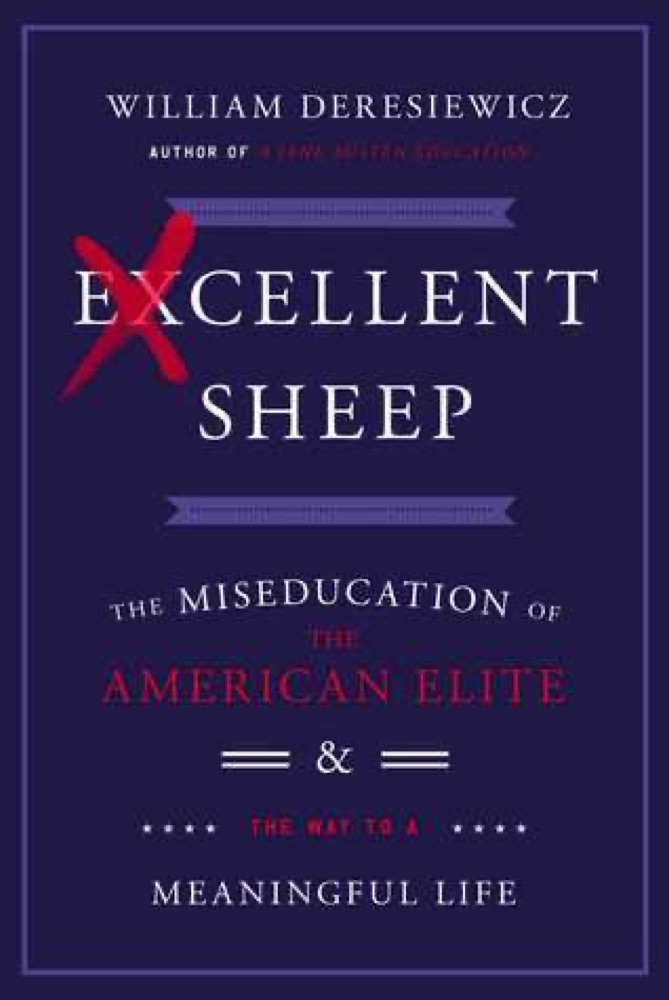 Excellent Sheep: The Miseducation of the American Elite and the Way to a Meaningful Life
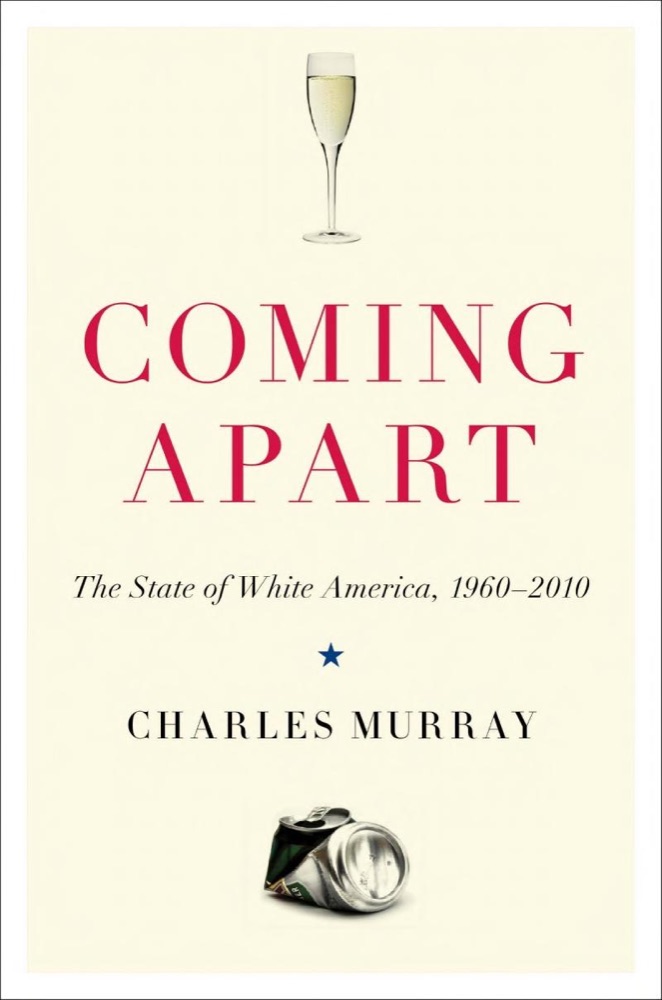 Coming Apart: The State of White America, 1960-2010
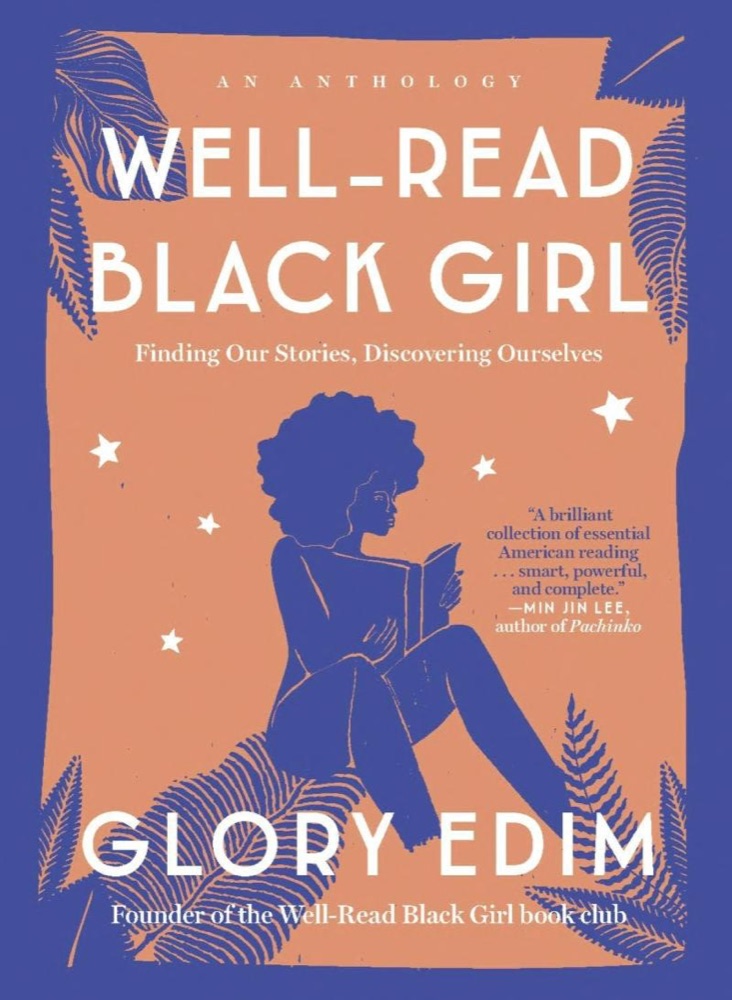 Well-Read Black Girl: Finding Our Stories, Discovering Ourselves
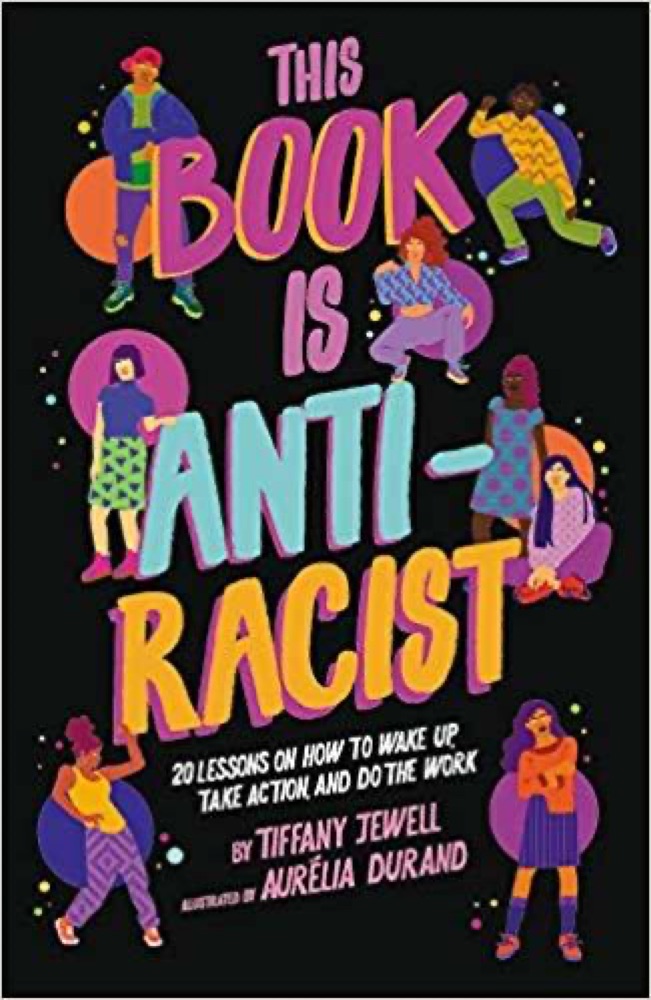 This Book Is Anti-Racist: 20 Lessons on How to Wake Up, Take Action, and Do the Work
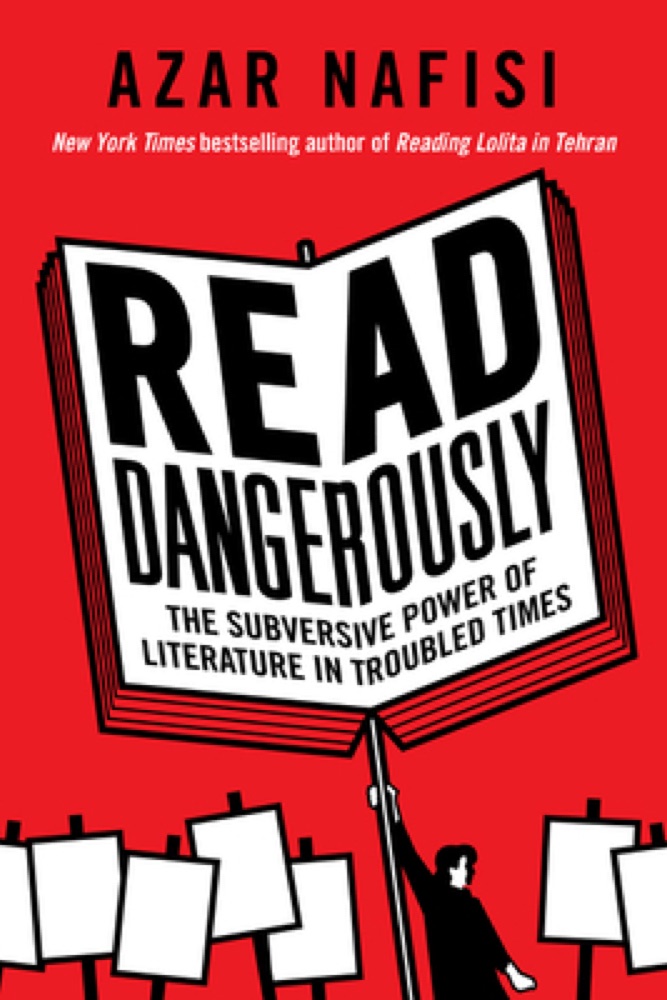 Read Dangerously: The Subversive Power of Literature in Troubled Times
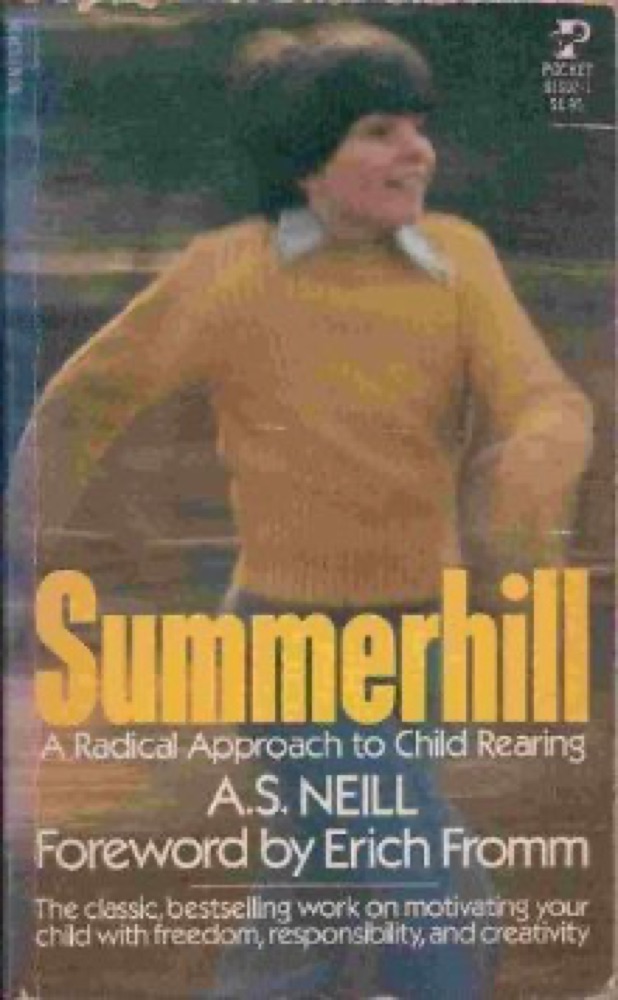 Summerhill: A Radical Approach to Child Rearing
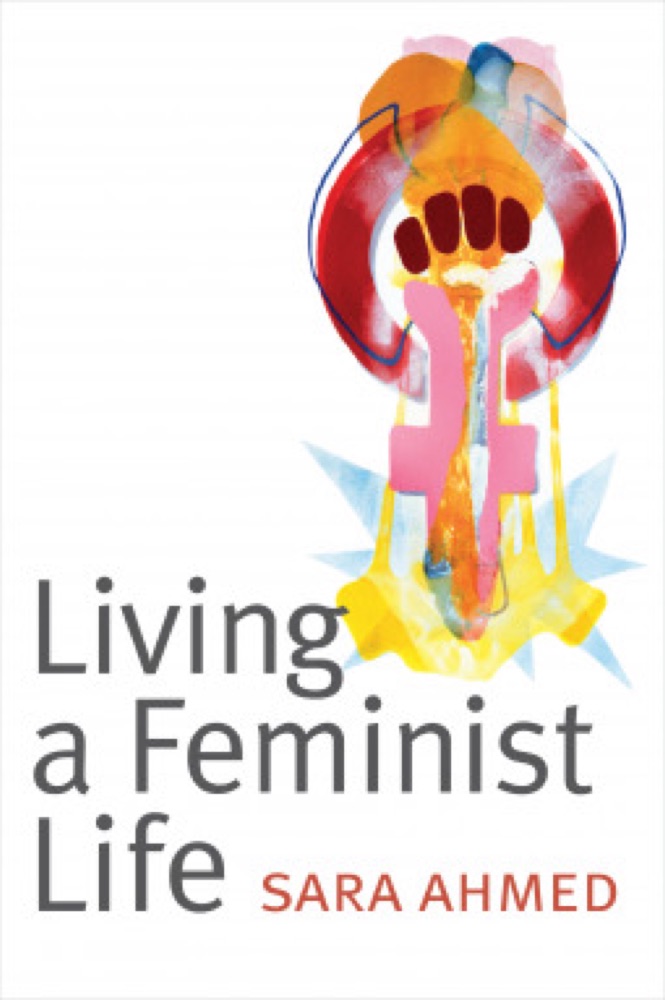 Living a Feminist Life
 The Sociological Imagination
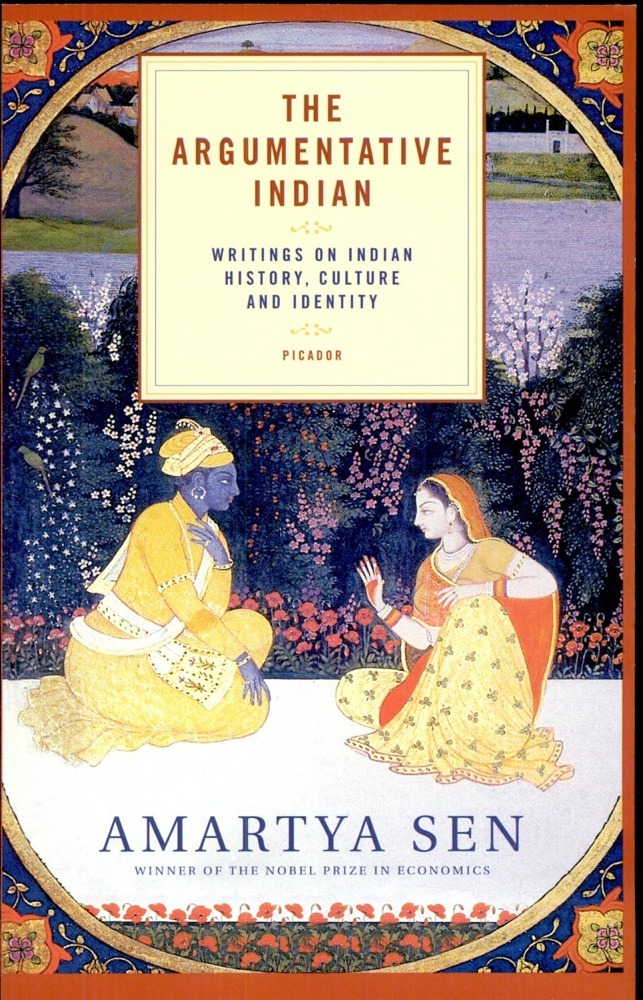 The Argumentative Indian: Writings on Indian History, Culture and Identity
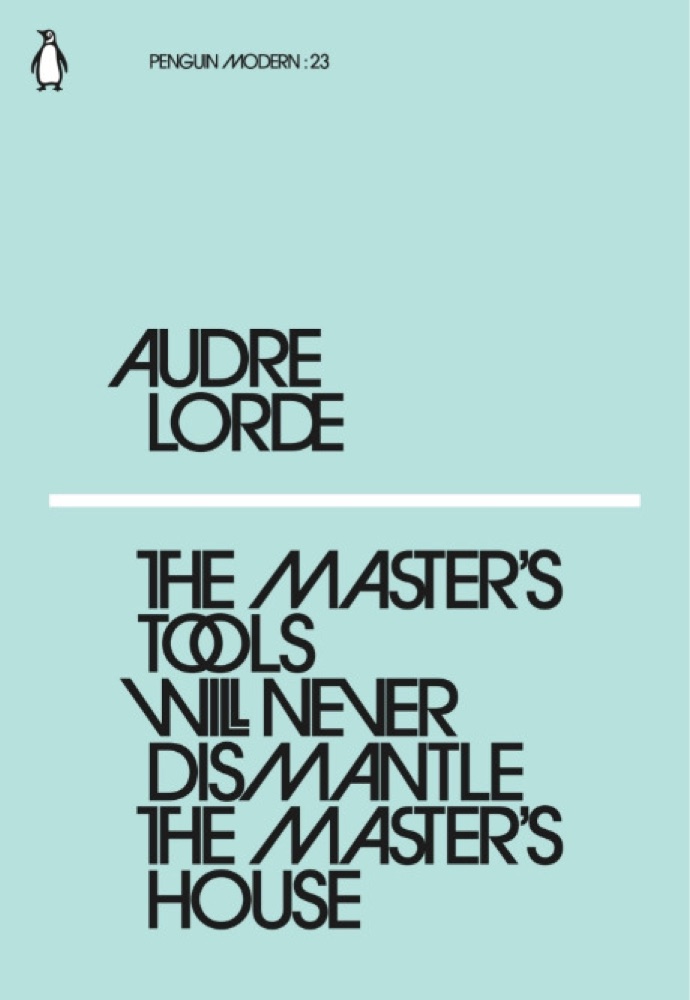 The Master's Tools Will Never Dismantle the Master's House