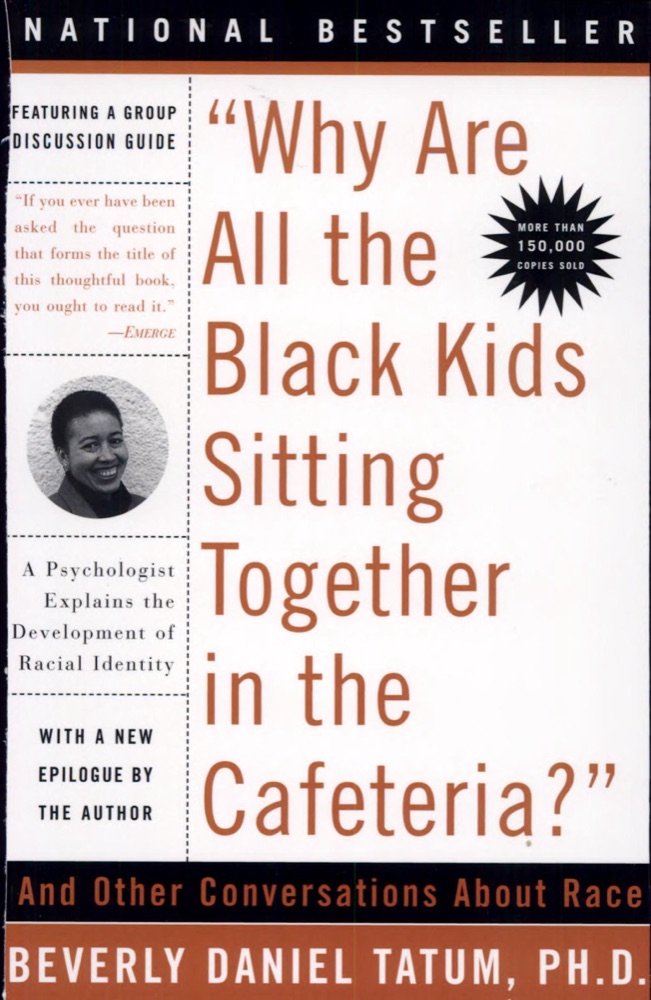
 Why Are All The Black Kids Sitting Together in the Cafeteria?
Quotes from the Book
For Black girls, to be "ghetto" represents a certain resilience to how poverty has shaped racial and gender oppression. To be "loud" it to demand to be heard. To have an "attitude" is to reject a doctrine of invisibility and maltreatment. To be flamboyant--or "fabulous"--is to revise the idea that socioeconomic isolation is equated with not having access to materially desirable things. To be a ghetto Black girl, then, is to reinvent what it means to be Black, poor, and female.
7
Without intentional efforts to combat old ways and norms, ... institutions ... reproduce dominant social ideas, hierarchies, and systems of oppression.
5
Black girls are likened more to adults than to children and are treated as if they are willfully engaging in behaviors typically expected of Black women—sexual involvement, parenting or primary caregiving, workforce participation, and other adult behaviors and responsibilities. This compression is both a reflection of deeply entrenched biases that have stripped Black girls of their childhood freedoms and a function of an opportunity-starved social landscape that makes Black girlhood interchangeable with Black womanhood. It gives credence to a widely held perception and a message that there is little difference between the two.
5
Girls like Mia and Shanice draw important connections between their desire to learn and their inability to do so in chaotic learning environments. Across the country, Black girls have repeatedly described “rowdy” classroom environments that prevent them from being able to focus on learning. They also described how the chaotic learning environment has, in some cases, led to their avoidance of school or to reduced engagement in school. In other situations, girls described contentious and negative interactions between teachers and students as the norm. In today’s climate of zero tolerance, where there are few alternatives to punishing problematic student behavior, the prevailing school discipline strategy, with its heavy reliance on exclusionary practices—dismissal, suspension, or expulsion—becomes a predictable, cyclical, and ghettoizing response.
4
A recent report, “The Sexual Abuse to Prison Pipeline,” highlighted the way in which girls, particularly girls of color, are criminalized as a result of their sexual and physical abuse. ...quite often ignored is how sexual violence can also become a pathway to confinement.
3
I'm learning [that] love and school are the only things you get for free when you're young, and I took it for granted.
2
Not every investment requires money. As the girls in this book have shown, they want to know that people care about them and their well-being. They want to be seen and acknowledged for who they are and what they can contribute to the learning environment. Our collective community can respond to their needs by being there for them. But many schools around the country have also established girls’ groups as a way to provide encouragement for girls simply by convening them in regular conversation and sisterhood check-ins. These are good ways to facilitate conversation and to launch the next level of investment—one that does require financial resources. Join efforts to raise awareness about the conditions of Black girls in the racial justice movement.
2
Zero-tolerance discipline policies, specifically the controversial category of willful defiance, have become a routine way by which to punish and marginalize Black girls in learning spaces when they directly confront adults or indirectly complicate the teacher’s ability to manage the classroom—not necessarily actions that pose a threat to the physical safety of anyone on campus.
1
The struggle is real. Yet when girls strike back against this fatigue, society casts them as deviant—as disruptive to the order of a (supposedly race- and gender-neutral) social structure without consideration of what might be fueling their agitation.
1
...sexually exploited Black girls are not choosing to participate in the sex trade; they are in the traumatic throes of a "domino effect" of choices made for them. "Did they choose to grow up in poverty? ... Did they choose sexual abuse? Did they choose to get raped, some of them before they could walk? Did they choose to grow up in a world where women and girls are not safe?...As women and girls become more sexualized in the world, the more they are seen as property.
1
Defining freedom cannot amount to simply substituting it with inclusion. Countering the criminalization of Black girls requires fundamentally altering the relationship between Black girls and the institutions of power that have worked to reinforce their subjugation. History has taught us that civil rights are but one component of a larger movement for this type of social transformation. Civil rights may be at the core of equal justice movements, and they may elevate an equity agenda that protects our children from racial and gender discrimination, but they do not have the capacity to fully redistribute power and eradicate racial inequity. There is only one practice that can do that. Love.
1
The lingering barriers to a quality education and the transgenerational trauma associated with internalized ideas about performance in school have yet to be exhaustively measured.
The greater a school’s proportion of students of color, the higher the likelihood that punitive exclusionary discipline will be used in response to student behaviors deemed disruptive and problematic.
When we prioritize discipline over learning in our educational institutions, we engage in a reactive politics that maintains a status quo of inequality.
relationships,” Destiny offered. “[One of the] teachers . . . she’s like, really stubborn and so it’s hard . . . Sometimes I’ll ask a question . . . if I have a question, she’s like, ‘You already know that, you’re just trying to get attention.’ And I’m like, ‘No, I’m really asking.’ I’ve gotten kicked out of class like three times for that . . . and she’s like, ‘You’re being really annoying.
Focusing on criminalization, rather than just incarceration, would enable greater understanding of how institutions impact girls and facilitate important shifts in our thinking and decision-making processes. We could see women and girls in their shared spaces with men and boys, and develop strategies that are responsive to the conditions that threaten the futures of female and male children. Being more inclusive would save us from a lot of head-scratching about why it is so hard to break harmful cycles, the negative patterns in student outcomes, and contact with the criminal legal system. Our nationwide culture of surveillance and criminalization is much more pervasive and life-threatening than even the largest prison. Its reach into our schools and our classrooms has reinforced latent ideas of Black inferiority and cast our girls as angry little women who are too self-absorbed and consumed by themselves and their faults to participate in school communities. We know it’s more complicated than that. A
Watch on YouTube
About Monique W. Morris
About the book
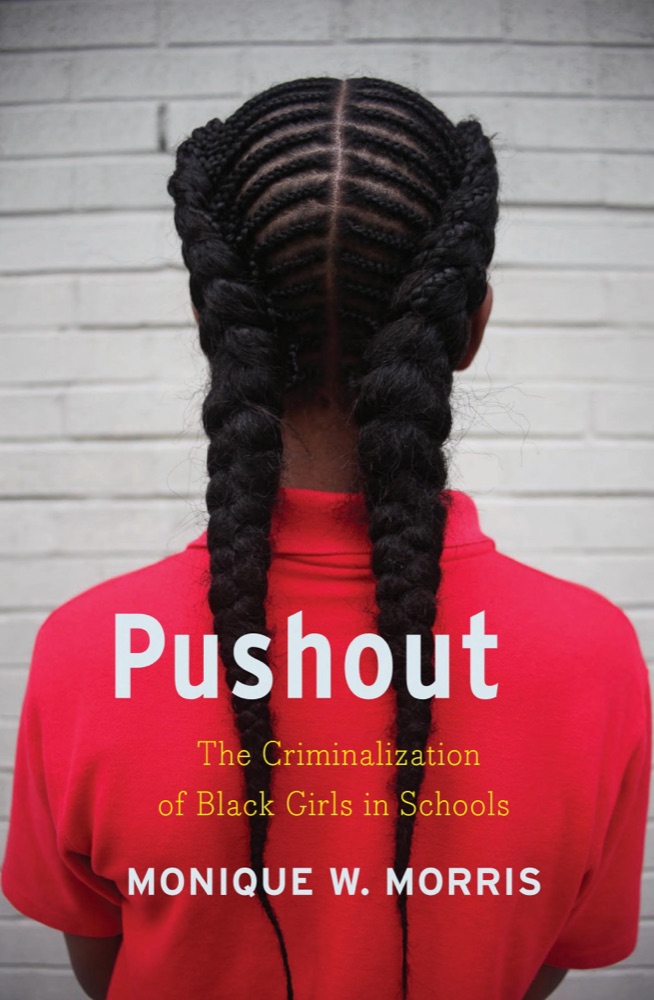
Fifteen-year-old Diamond stopped going to school the day she was expelled for lashing out at peers who constantly harassed and teased her for something everyone on the staff had missed: she was being trafficked for sex. After months on the run, she was arrested and sent to a detention center for violating a court order to attend school.Just 16 percent of female students in the USA, Black girls make up more than one-third of all girls with a school-related arrest. The first book to tell these untold stories, Pushout exposes a world of confined potential and supports the growing movement to address the policies, practices, and cultural illiteracy that push countless students out of school and into unhealthy, unstable, and often unsafe futures.For four years Monique W. Morris, author of Black Stats, chronicled the experiences of black girls across America whose intricate lives are misunders
Book details
- First published
- 2016
- Author
- Monique W. Morris
- Genre
- Nonfiction
- Goodreads rating
- 4.35 (7k ratings)
Keep reading
Why Are All The Black Kids Sitting Together in the Cafeteria?
 The 57 Bus
 Black Feminist Thought: Knowledge, Consciousness, and the Politics of Empowerment
 Hood Feminism: Notes from the Women That a Movement Forgot
 Cultivating Genius: An Equity Framework for Culturally and Historically Responsive Literacy
 The New Jim Crow: Mass Incarceration in the Age of Colorblindness
 Silent Covenants: Brown v. Board of Education and the Unfulfilled Hopes for Racial Reform
 Elite Capture: How the Powerful Took Over Identity Politics
 American Girls: Social Media and the Secret Lives of Teenagers
 Sister Citizen: Shame, Stereotypes, and Black Women in America
 When They Call You a Terrorist: A Black Lives Matter Memoir
 A Knock at Midnight: A Story of Hope, Justice, and Freedom
 White Like Me: Reflections On Race From A Privileged Son
 Unspeakable Things: Sex, Lies and Revolution
 Talking Back: Thinking Feminist, Thinking Black
 Opinions: A Decade of Arguments, Criticism, and Minding Other People’s Business
 Just Us: An American Conversation
 I'm Still Here: Black Dignity in a World Made for Whiteness
 Feminist Theory: From Margin to Center
 This Bridge Called My Back: Writings by Radical Women of Color
 This Is What Inequality Looks Like
 The Identity Trap: A Story of Ideas and Power in Our Time
 Half the Sky: Turning Oppression Into Opportunity for Women Worldwide
 Uncomfortable Conversations With a Black Man
 Invisible Man, Got the Whole World Watching: A Young Black Man's Education
 The Shame of the Nation
 Living a Feminist Life
 Against White Feminism: Notes on Disruption
 The Fire This Time: A New Generation Speaks About Race
 Born a Crime: Stories From a South African Childhood
 Cinderella Ate My Daughter: Dispatches from the Frontlines of the New Girlie-Girl Culture
 The Vanishing American Adult: Our Coming-of-Age Crisis—and How to Rebuild a Culture of Self-Reliance
 Brazen: Rebel Ladies Who Rocked the World
 Reviving Ophelia: Saving the Selves of Adolescent Girls
 Thick: And Other Essays
 Are Prisons Obsolete?
 The Geeks Shall Inherit the Earth: Popularity, Quirk Theory and Why Outsiders Thrive After High School
 Of Boys and Men: Why the Modern Male Is Struggling, Why It Matters, and What to Do About It
 That Librarian: The Fight Against Book Banning in America
 What Made Maddy Run: The Secret Struggles and Tragic Death of an All-American Teen
 Outrageous Acts and Everyday Rebellions
 Everyday Sexism
 Where We Stand: Class Matters
 On the Other Side of Freedom: The Case for Hope
 The Master's Tools Will Never Dismantle the Master's House
 On Our Best Behavior: The Seven Deadly Sins and the Price Women Pay to Be Good
 Irreversible Damage: The Transgender Craze Seducing Our Daughters
 Conflict Is Not Abuse: Overstating Harm, Community Responsibility, and the Duty of Repair
 You Are Your Best Thing: Vulnerability, Shame Resilience, and the Black Experience
 We Do This 'til We Free Us: Abolitionist Organizing and Transforming Justice
 The Madness of Crowds: Gender, Race and Identity
 The Black Kids
 Sister Outsider: Essays and Speeches
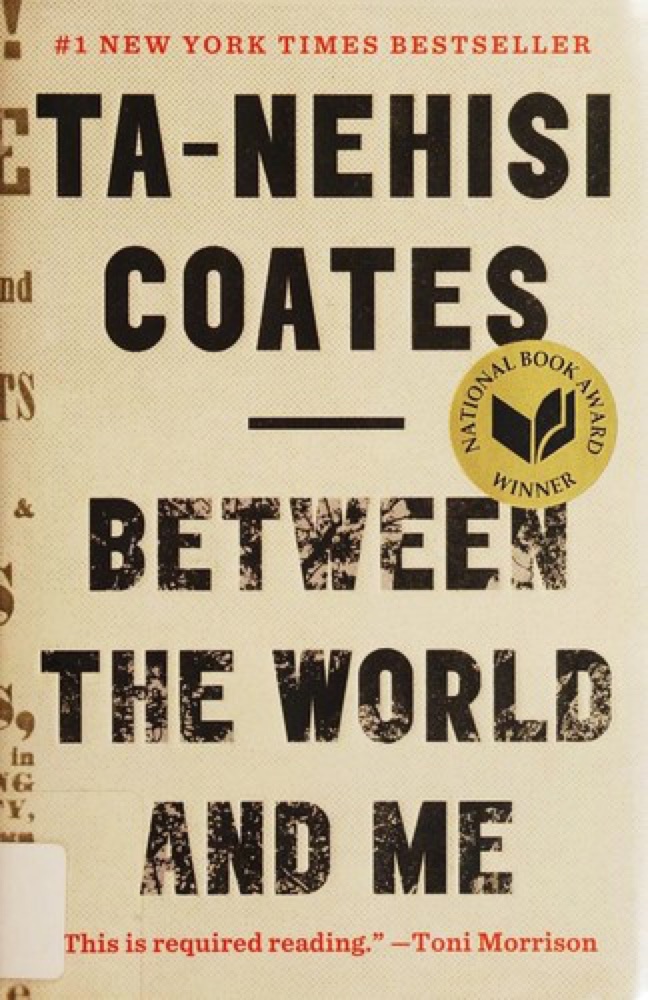 Between the World and Me
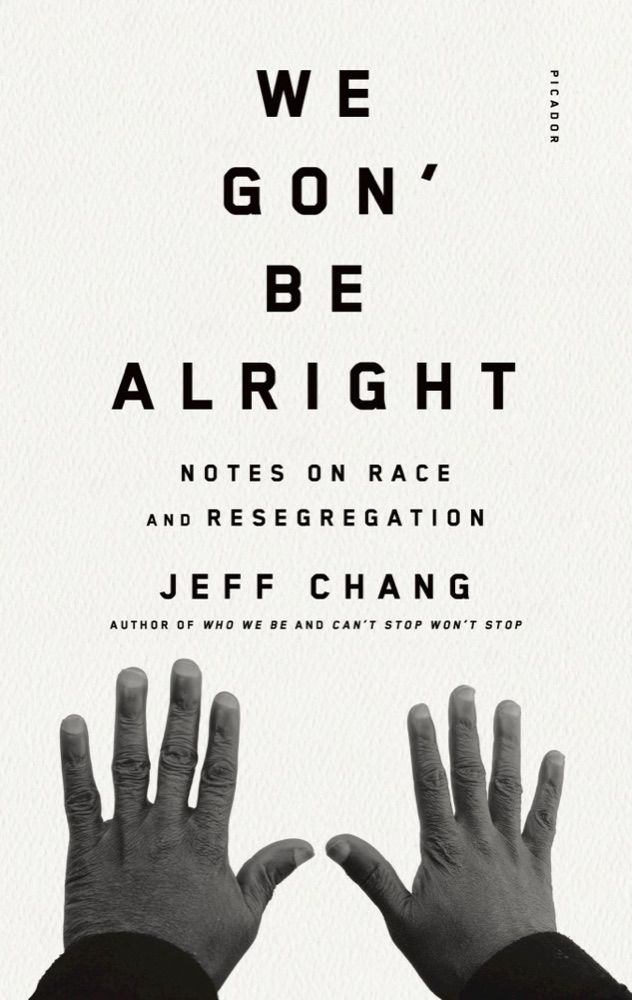 We Gon' Be Alright: Notes on Race and Resegregation
 What Doesn't Kill You Makes You Blacker: A Memoir in Essays
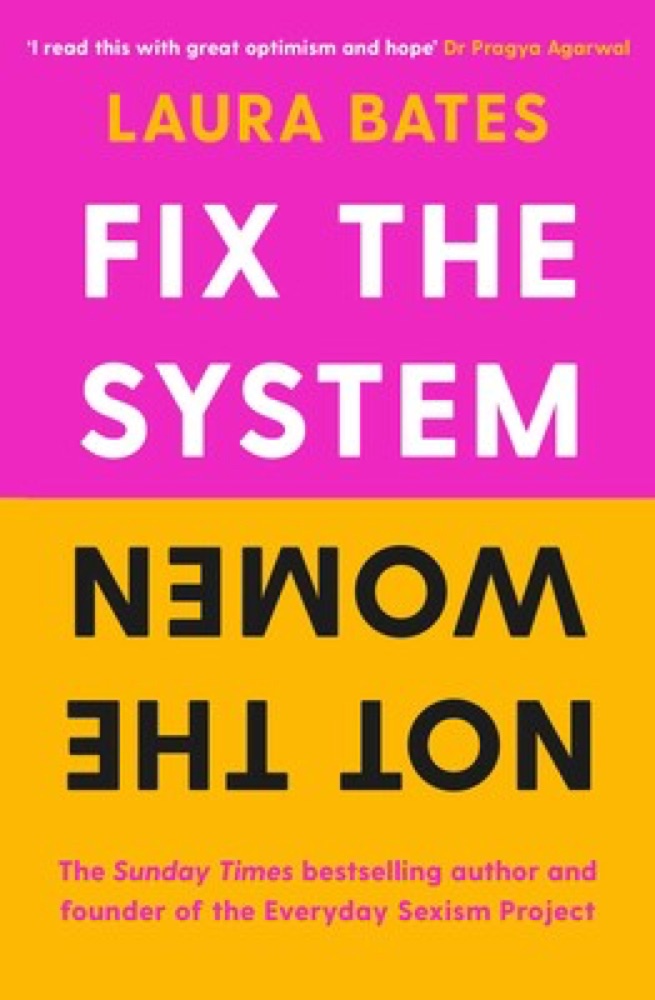 Fix the System, Not the Women
 Pure: Inside the Evangelical Movement That Shamed a Generation of Young Women and How I Broke Free
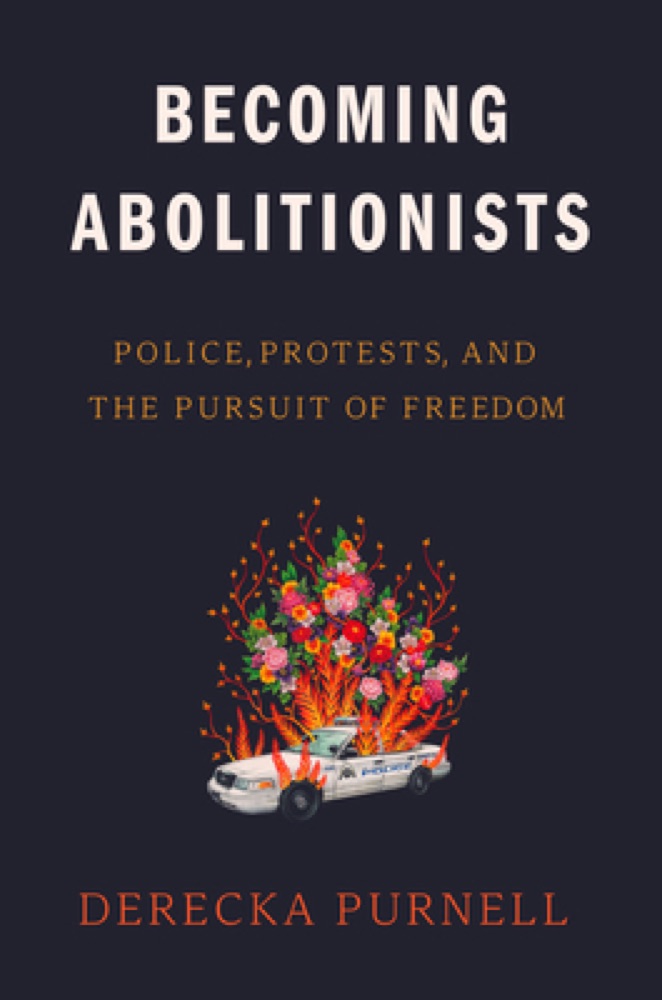 Becoming Abolitionists: Police, Protests, and the Pursuit of Freedom